The Central Texas Plants That Handle Triple-Digit Heat Better Than Any Non-Native
Central Texas summers do not ease in gently. One week you are enjoying a mild spring morning in the garden, and the next the thermometer is sitting above 100 degrees like it has no intention of moving.
Rocky soil, blazing full sun, weeks without meaningful rain, and hard caliche underneath it all: conditions that send most non-native plants into full survival mode before July even gets started.
This is exactly where Central Texas native plants earn their reputation.
These are species that have spent generations adapting to the same brutal conditions your yard throws at everything every single summer, and it shows.
They do not need constant coddling, they do not panic during dry stretches, and in the right well-drained spot, some of them look genuinely spectacular precisely because the heat is doing what it does best.
1. Blackfoot Daisy For Sunny, Well-Drained Spots
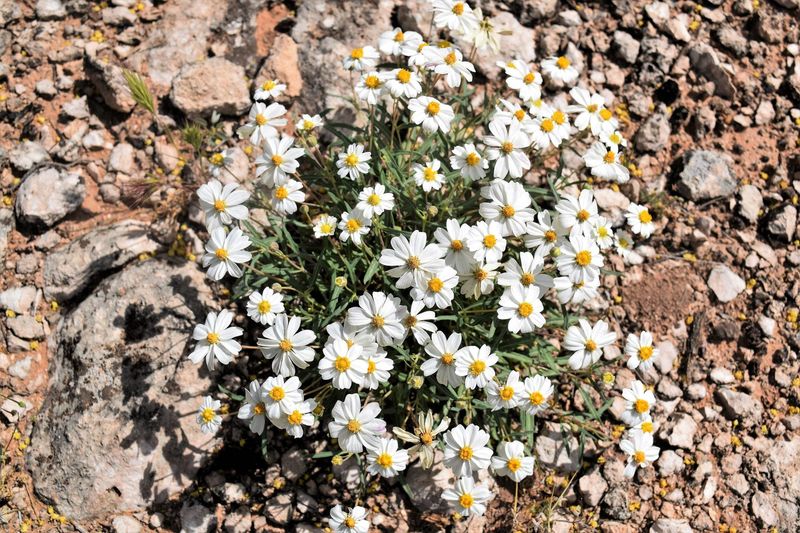
White blooms holding steady in rocky, sun-baked soil is exactly what Blackfoot Daisy delivers when most other flowers have already given up on a Central Texas summer.
This compact little perennial grows naturally on limestone outcroppings and gravelly hillsides, which tells you everything about the conditions it prefers.
If your yard has well-drained, lean soil and full sun, Blackfoot Daisy can feel right at home.
One of the biggest mistakes gardeners make with this plant is adding too much compost or planting it in a spot where water tends to collect. Rich, moist soil actually works against it.
Sandy or rocky ground with good drainage is where it truly thrives, producing cheerful white flowers with yellow centers across a long blooming season.
For front yard edges, driveway borders, or sunny rock gardens, Blackfoot Daisy brings reliable color without demanding much attention. Once it settles in after the first growing season, it handles dry stretches well in suitable Central Texas sites.
It stays relatively small, usually under a foot tall, which makes it easy to tuck into tight spots. Pair it with other low-water natives for a cohesive, heat-tough planting bed that earns its keep all season long.
2. Red Yucca For Hot Rock Garden Conditions
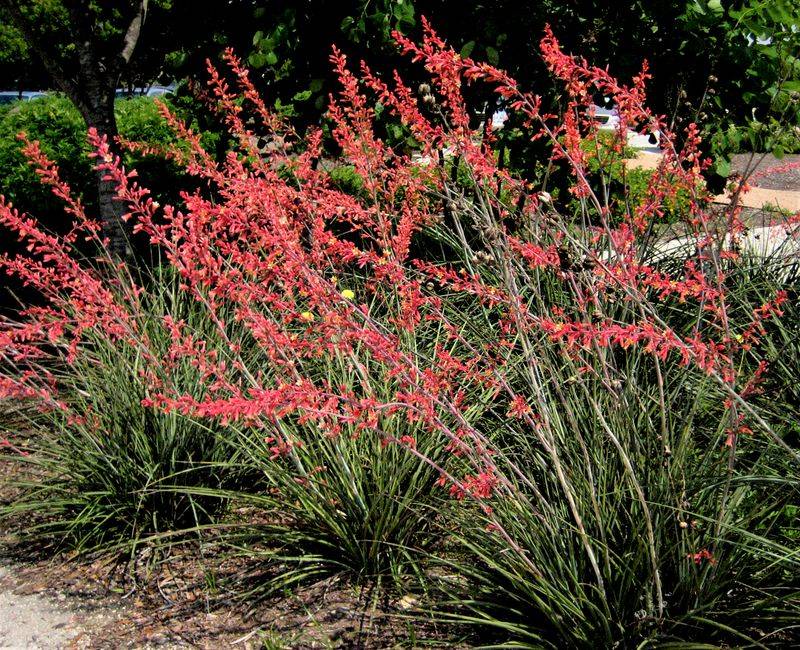
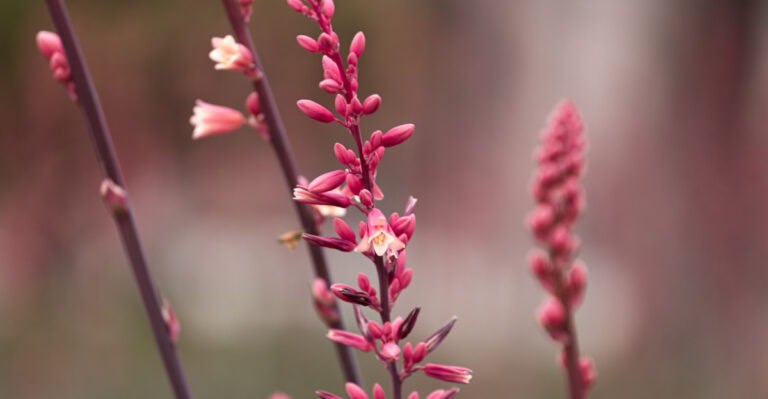
Red flower stalks rising four to five feet out of a dry, gravelly bed in the middle of summer is one of the most striking things a rock garden can offer.
Red Yucca, despite its name, is actually a member of the agave family rather than a true yucca, but that detail does not make it any less impressive in a hot, exposed planting.
Hummingbirds are drawn to those tubular blooms, which adds a lively bonus to an already low-maintenance plant.
Central Texas rock gardens and Hill Country yards are natural fits for Red Yucca because the plant evolved in similar conditions. It prefers well-drained soil, tolerates rocky ground, and handles full sun without much complaint once it is properly established.
Overwatering or planting in heavy clay without amendment can cause problems, so drainage really does matter here.
For gardeners working with gravel gardens, sunny slopes, or exposed front yards, Red Yucca offers structure and seasonal color that few non-natives can match under the same tough conditions.
Your Texas Garden Changes Every Week. Your Plan Should Too.
Gardening in Texas changes quickly throughout the season. Every Friday you’ll receive a simple weekly plan showing exactly what to plant, prune, fertilize, harvest, and protect so you never miss the right timing.
The grass-like foliage stays attractive even when blooms are not present, giving the planting year-round visual interest.
Patience during the first season pays off with a tough, long-lived Texas landscape plant.
3. Autumn Sage For Heat-Tough Color
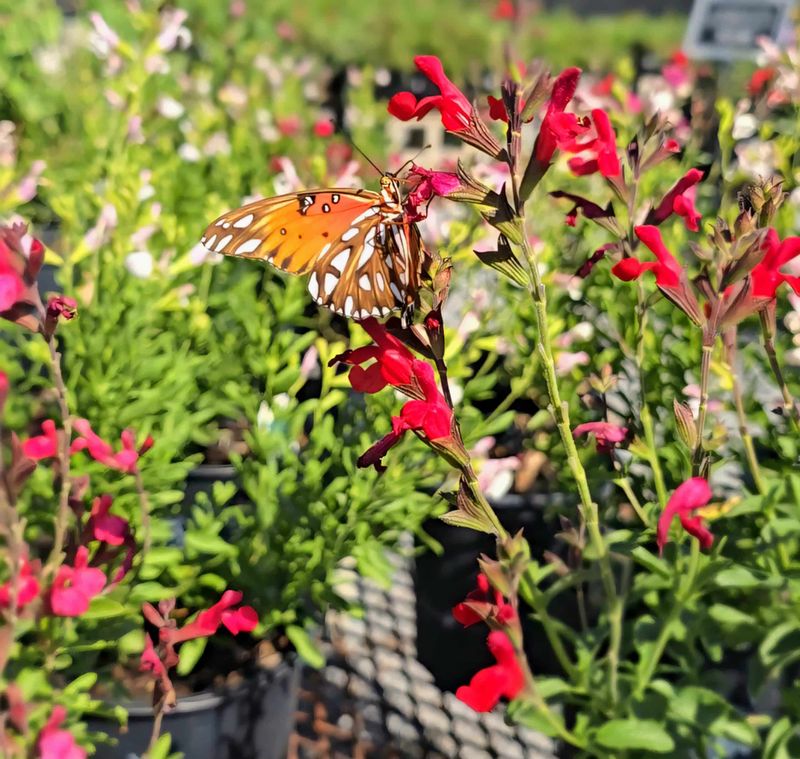
Sage flowers brightening a sunny border through the worst of a Texas summer sounds almost too good to be true, but Autumn Sage actually earns that reputation in the right conditions.
This small, shrubby perennial produces clusters of tubular flowers in red, pink, or coral shades and tends to bloom in flushes from spring through fall, often picking back up after summer rains give it a nudge.
Gardeners appreciate Autumn Sage because it handles heat, drought, and rocky soil better than most flowering perennials from outside the region. It prefers full sun to light shade and well-drained soil, and it does not need much fertilizer to perform well.
Heavy, wet soil or overwatering can lead to root problems, so lean toward drier conditions once the plant is established.
In suburban landscapes, Autumn Sage works well along sunny fences, in mixed native borders, or as a low hedge along walkways. It stays manageable in size, typically reaching two to three feet tall and wide.
Light pruning after bloom flushes helps keep it tidy and encourages fresh growth. Hummingbirds visit the flowers regularly, making it a popular choice for wildlife-friendly yards.
For reliable summer color with minimal fuss, Autumn Sage is a dependable option across much of Central Texas.
4. Flame Acanthus For Full-Sun Summer Blooms
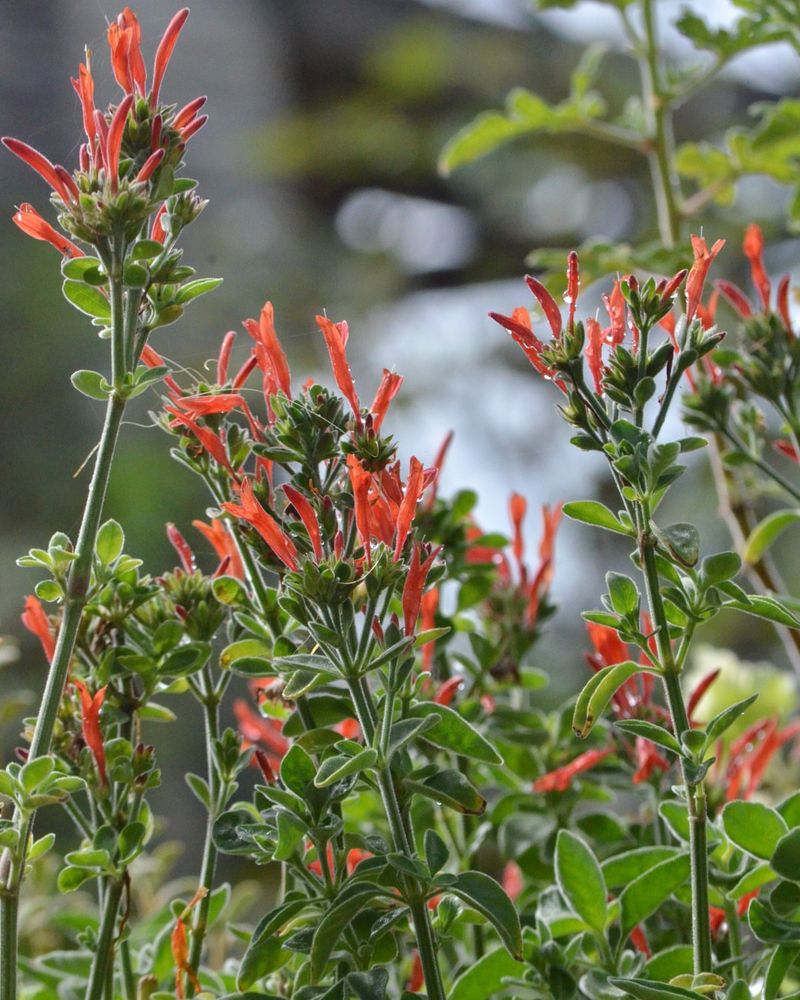
Orange-red blooms appearing right when summer hits its fiercest stretch is exactly what makes Flame Acanthus such a useful plant for Central Texas gardens.
While many flowering shrubs slow down or drop leaves under relentless heat and dry soil, Flame Acanthus seems to lean into those conditions and keep producing.
It is a tough, somewhat sprawling native shrub that fills in quickly and handles full sun with confidence.
This plant works well in hot, exposed spots where other flowering shrubs struggle, including south-facing borders, sunny slopes, and open yard areas that bake all afternoon.
It tolerates poor, rocky soil and does not need rich amendments to bloom well.
In fact, overly fertile or consistently wet soil can reduce flowering and make the plant more prone to problems.
Hummingbirds are reliably attracted to those vivid tubular blooms throughout summer, which adds real wildlife value to a low-water landscape. Flame Acanthus spreads gradually by root sprouts, so it can fill in a larger area over time if given room.
For gardeners who want seasonal color in a tough spot without a heavy watering schedule, this Central Texas native is worth serious consideration. Cutting it back in late winter encourages fresh, vigorous growth each spring.
5. Texas Lantana For Poor, Well-Drained Soil
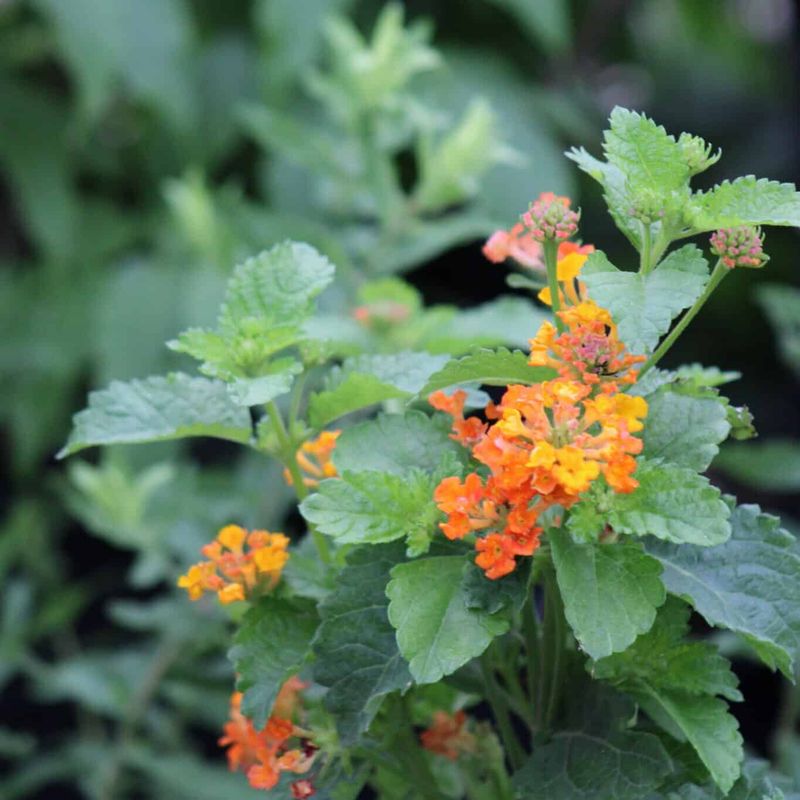
Lantana spreading through poor, sun-scorched soil while still producing clusters of bright flowers is a familiar and welcome sight in Central Texas yards each summer.
Texas Lantana, the native species, is a strong choice for dry, well-drained sites where non-native lantana varieties may also do well but require more attention in especially harsh conditions.
The native version is deeply adapted to Central Texas heat, caliche, and low rainfall.
This low-growing, spreading perennial thrives in full sun and lean soil. It does not need regular fertilizing or supplemental water once established, and it tends to bloom heavily from late spring through fall.
Butterflies visit the flowers frequently, making Texas Lantana a popular pick for pollinator-friendly gardens across the region.
One thing to keep in mind is that Texas Lantana spreads and can get fairly wide, so give it enough room or plan to trim it back periodically.
It works well along driveway edges, in rock gardens, on sunny slopes, or as a ground cover in areas that are too dry and hot for most plants.
The berries that follow the flowers attract birds, adding another layer of wildlife value. For a tough, colorful, low-water landscape plant that handles triple-digit afternoons without much complaint, Texas Lantana is a solid and practical choice.
6. Rock Rose For Low-Water Flower Beds
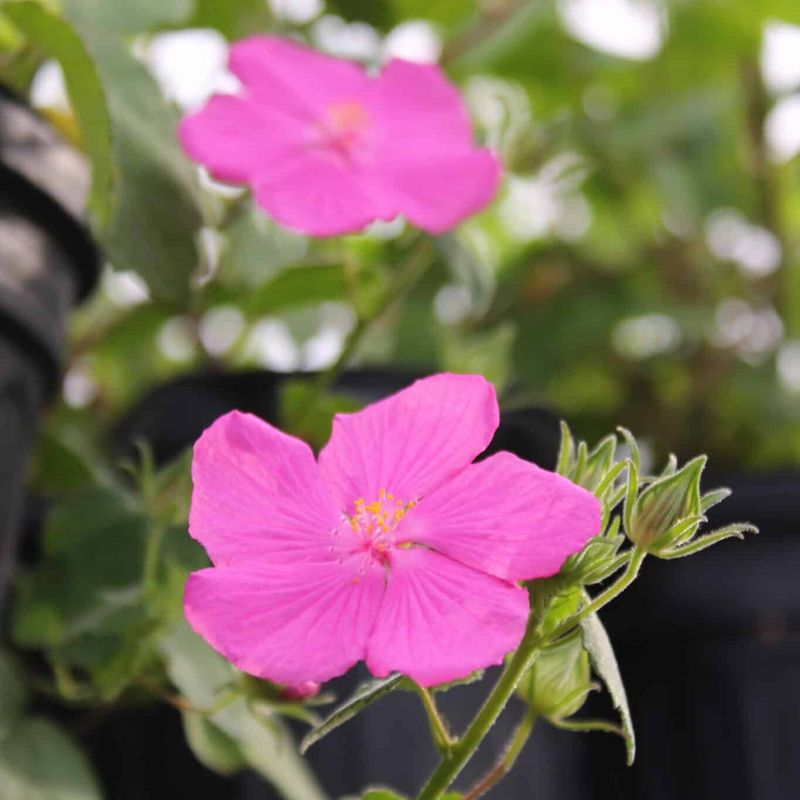
Rock Rose softening a low-water flower bed with papery pink blooms on a blazing afternoon is a sight that many gardeners have come to rely on.
This tough, woody perennial shrub handles heat and drought in well-drained soils with a confidence that makes it stand out in summer landscapes when other plants look worn down.
The flowers are delicate-looking but the plant itself is anything but fragile.
Central Texas gardeners often use Rock Rose along sunny borders, in xeriscape designs, or on dry slopes where irrigation is limited. It prefers rocky or sandy, well-drained soil and full sun exposure.
Planting it in heavy clay or a spot with poor drainage tends to cause more trouble than the heat ever would, so site selection matters a great deal with this plant.
Once established, Rock Rose can handle extended dry periods reasonably well in suitable sites, though occasional deep watering during extreme drought can help it stay more vigorous.
It grows into a rounded shrub, typically two to four feet tall, and blooms heavily in spring with lighter flushes through summer.
Pruning lightly after the main bloom period helps keep it tidy. For low-water beds that need reliable structure and seasonal color, Rock Rose is a well-adapted, rewarding choice.
7. Cenizo For Hot, Dry Shrub Borders
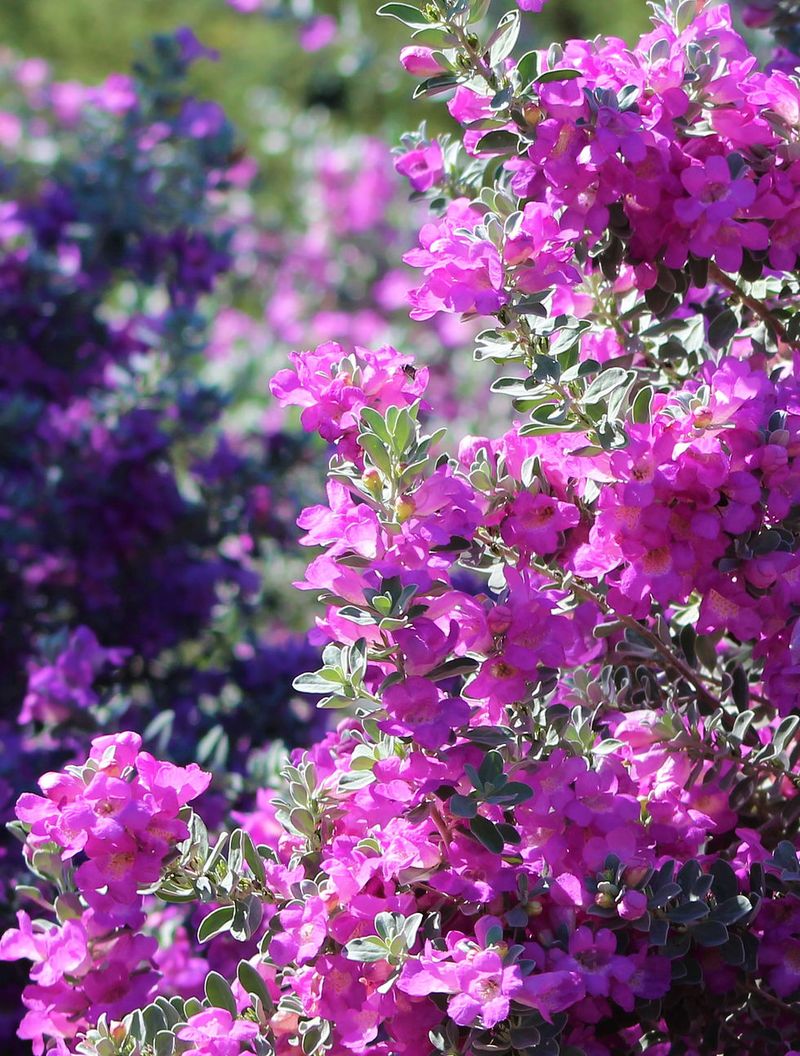
Silver-gray foliage reflecting the harsh sun while holding its shape through weeks without rain is one of the things that makes Cenizo such a standout shrub for Central Texas landscapes.
Also called Texas Sage or Purple Sage, Cenizo blooms in flushes of lavender-purple flowers, often triggered by high humidity or rain events, which creates an almost magical effect in an otherwise scorched summer yard.
This shrub is a natural fit for hot, dry shrub borders, caliche-heavy soils, and rocky Hill Country yards. It prefers full sun and excellent drainage above almost anything else.
Wet feet or heavy clay soil without amendment tends to stress Cenizo more than heat ever will, so choosing the right planting spot is essential for long-term success in Central Texas gardens.
Cenizo grows into a rounded, medium-sized shrub, typically four to six feet tall and wide in good conditions, though it can stay smaller in very lean soil. It requires very little supplemental water once established and almost no fertilizer.
For homeowners designing low-water shrub borders, curb strips, or front yard foundations in Texas, Cenizo brings year-round silver-green color with seasonal purple blooms that look stunning against limestone walls or gravel mulch.
It also provides some cover for birds, adding wildlife value to the planting.
8. Lindheimer Muhly For Native Grass Texture
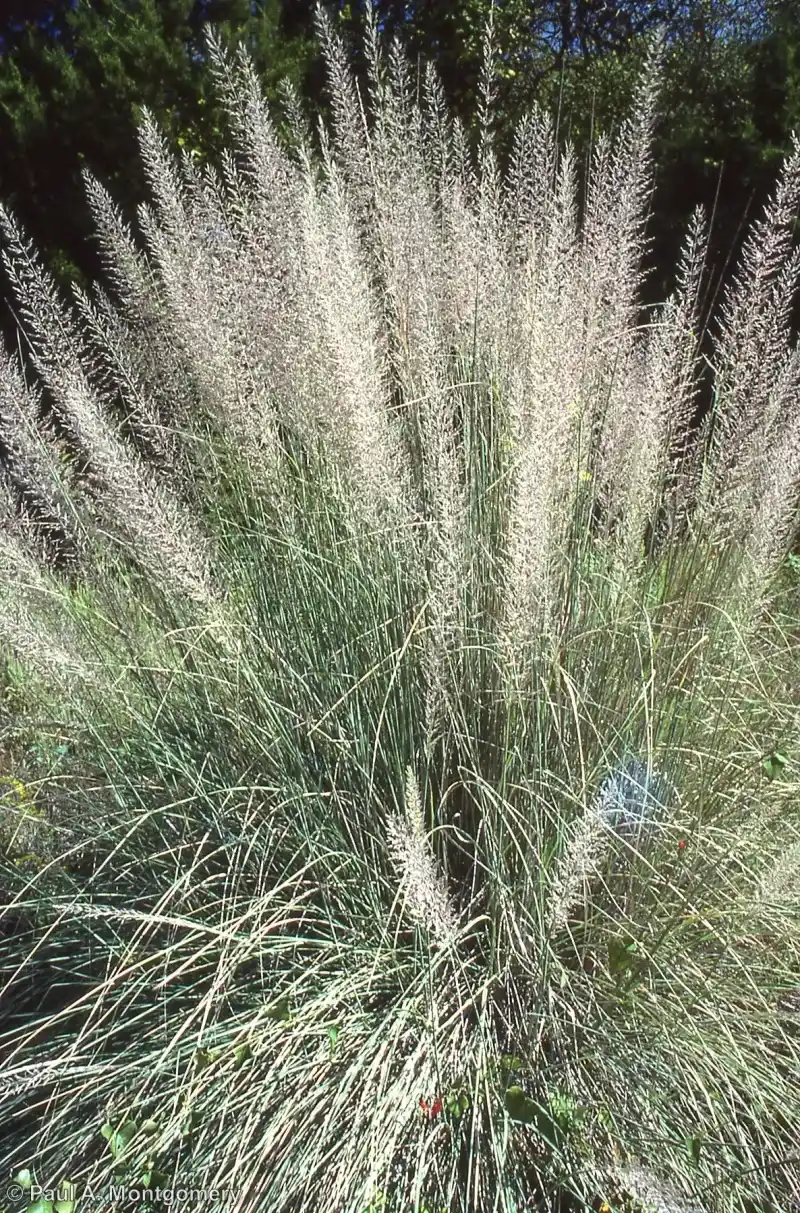
Muhly grass moving in a hot summer wind while everything else in the yard stands still is one of those small pleasures that gardeners with a good eye tend to notice and appreciate.
Lindheimer Muhly, named for the famous Texas botanist Ferdinand Lindheimer, is a native bunch grass that brings soft texture and graceful movement to Central Texas landscapes without demanding much in return.
This grass handles full sun and well-drained soil well, including rocky and sandy sites that would challenge many ornamental grasses from other regions.
It is reasonably drought-tolerant once established, though it tends to look its best with occasional deep watering during the driest stretches of summer.
Planting in heavy, poorly drained soil can lead to issues, so lean ground or amended beds work better.
Lindheimer Muhly works well in mixed native plantings, along fences, in mass plantings on slopes, or as a soft counterpoint to bold-textured plants like yuccas and agaves.
In late summer and fall, it produces feathery pinkish-tan seed heads that catch the light beautifully in the afternoon.
Birds may visit for the seeds. For gardeners wanting to add movement, naturalistic texture, and low-water appeal to a Central Texas yard, this native grass is a thoughtful and attractive choice.
9. Agarita For Rugged Hill Country Structure
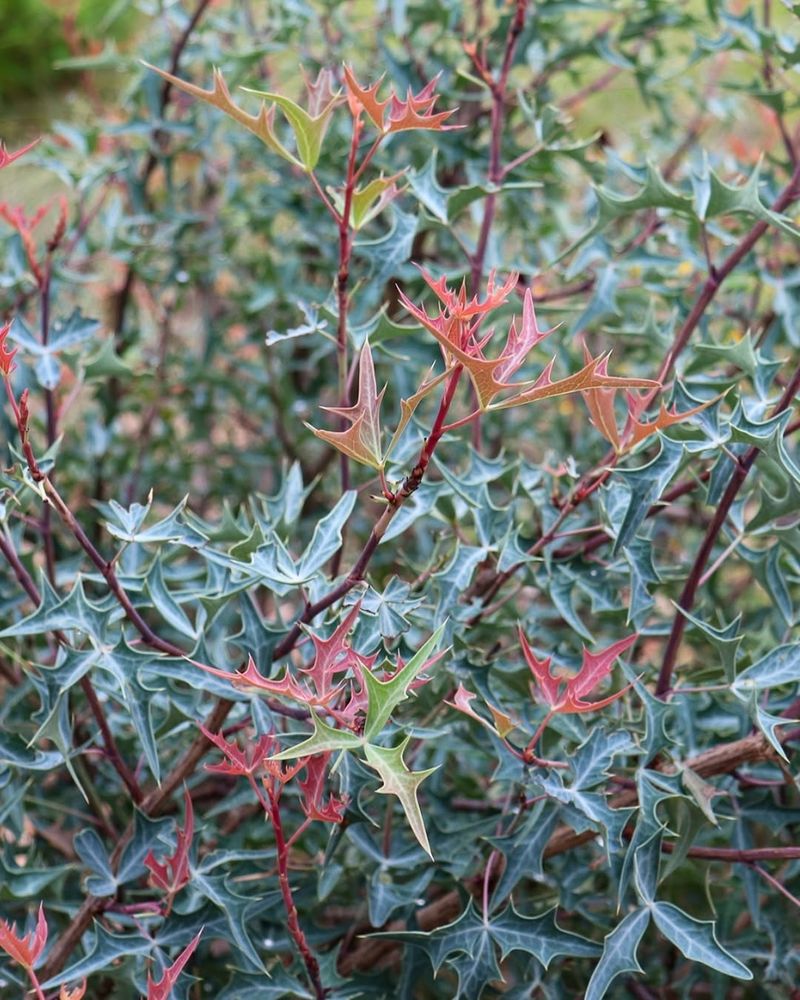
Few plants capture the rugged, no-nonsense character of a Central Texas Hill Country landscape quite like Agarita.
This thorny native shrub has been holding down rocky slopes, cedar breaks, and dry creek edges across Texas for a very long time, and it brings that same toughness to residential landscapes where structure and low-maintenance performance matter more than delicate beauty.
Agarita produces small yellow flowers in late winter or early spring that carry a surprisingly sweet fragrance, followed by bright red berries that birds and wildlife find attractive.
The holly-like, spiny leaves stay green through most of the year, providing year-round structure in shrub borders, wildlife gardens, and naturalistic Hill Country yards.
It handles thin, rocky, alkaline soil and full sun without needing much from the gardener once it is established.
One honest note for homeowners: Agarita is not a plant for tight spaces near walkways or play areas because the leaf spines are sharp and can be uncomfortable. It works best as a back-of-border shrub, a natural screen, or a habitat plant in larger yards.
Supplemental water during establishment helps it get rooted in, but after that, Agarita is remarkably self-sufficient in suitable Central Texas conditions. For wildlife-friendly, low-water landscapes, it adds genuine Hill Country authenticity.
10. Texas Sotol For Dry, Exposed Plantings
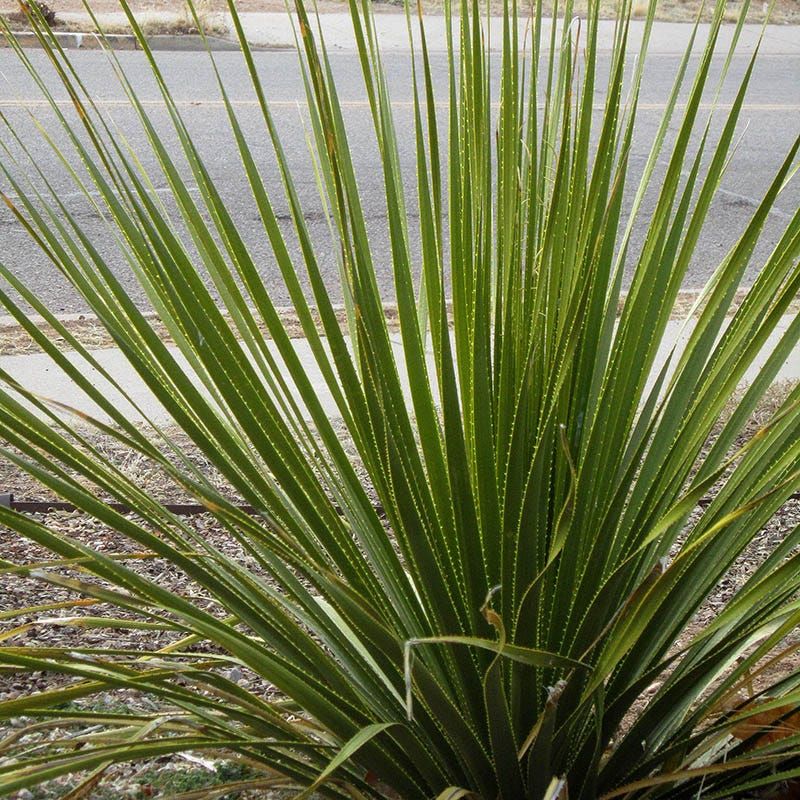
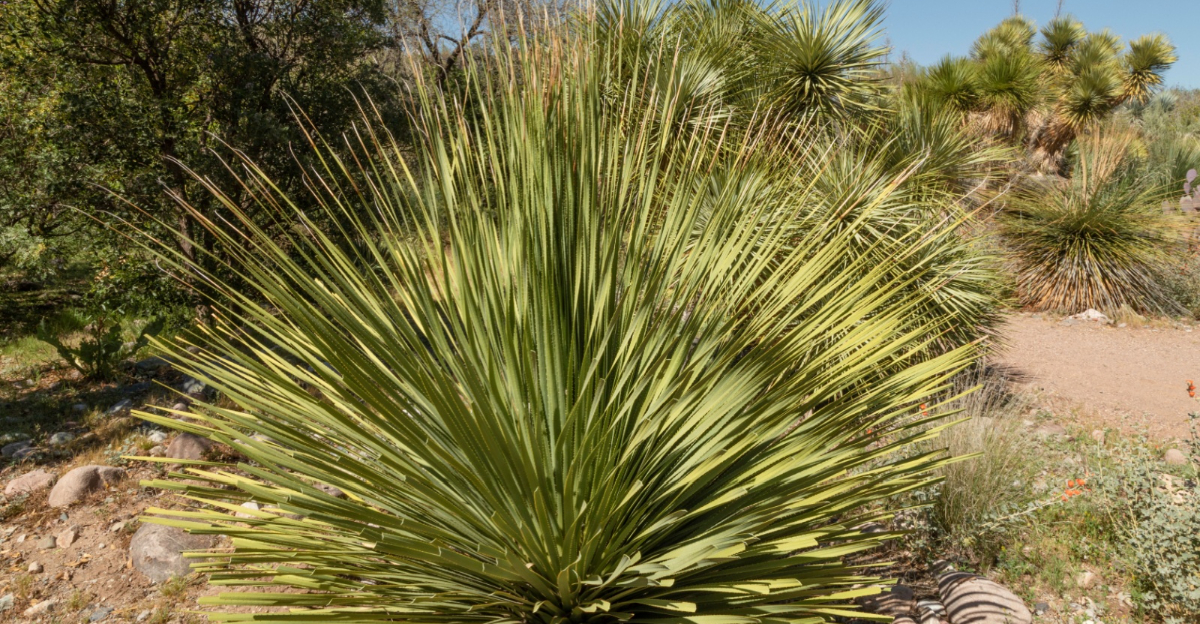
Standing in an exposed gravel garden under summer sky, Texas Sotol looks like it was designed specifically for the harshest conditions the region can produce.
The long, narrow leaves with finely serrated edges fan out into a dramatic rosette that holds its form through heat, wind, and extended dry periods, making it one of the most structurally interesting plants available for exposed Central Texas sites.
Texas Sotol is native to dry, rocky terrain in Texas and northern Mexico, which means it is genuinely adapted to thin soils, full sun, and low rainfall.
It prefers excellent drainage above most other conditions and does particularly well in gravel gardens, rocky slopes, and open sunny beds where water moves away quickly.
Planting in compacted clay or a low spot where water pools is the most common mistake gardeners make with this plant.
Once settled in, Texas Sotol is a low-maintenance presence that adds bold architectural character to a landscape without asking for regular irrigation or fertilizing. It eventually produces a tall flower spike that attracts pollinators and adds vertical interest.
For front yard focal points, gravel plantings, or dry exposed areas in Central Texas where most plants would struggle, Texas Sotol brings a striking, authentic Texas look that genuinely earns its place in a low-water landscape.