Why Houston’s Flood Warning Means You Should Check Your Mulch Today
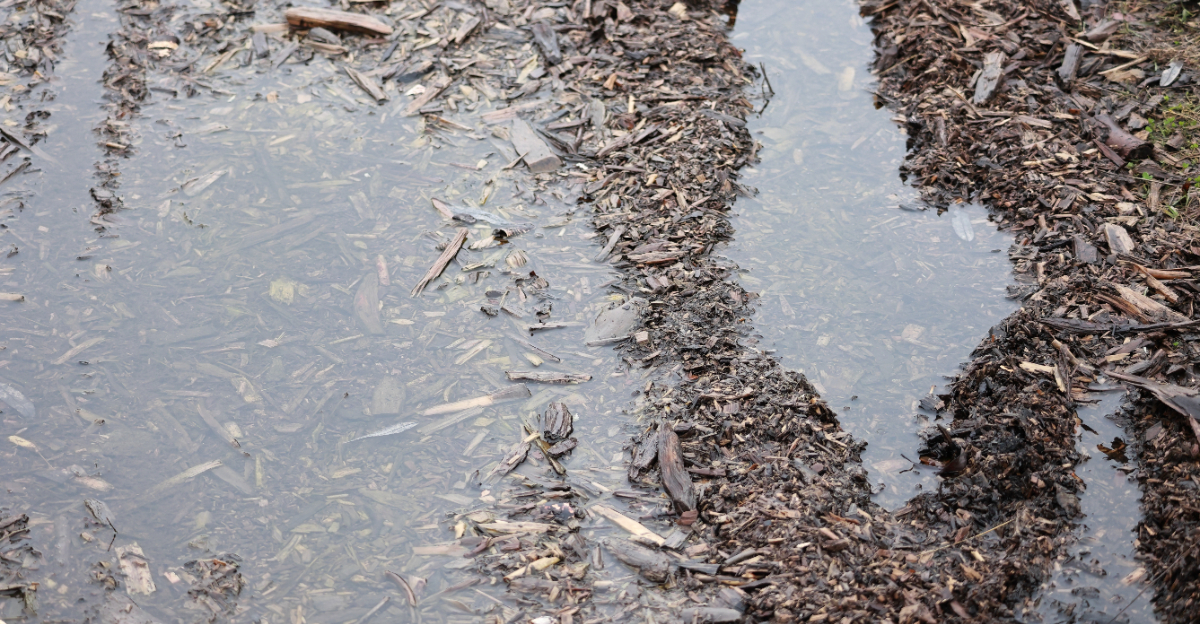
Water rises fast when Texas skies open up, and your carefully spread mulch becomes the first casualty. Nobody warns you that a soggy bed of bark can turn your entire yard into a drainage nightmare within hours.
Gulf storms move quickly, and so does the damage hiding beneath your feet. Debris shifts, nutrients wash away, and clogged drains become your new normal in no time.
Texas homeowners rarely think about mulch until it is floating past their porch steps. Rainfall totals climb, saturation sets in, and your soil starts losing moisture control fast.
Every hour of neglect adds up when the ground refuses to drain properly. Drainage systems built for ordinary weather buckle under the pressure of back to back storms.
Preparation separates homeowners who bounce back quickly from those who spend weekends shoveling muck. What happens next depends entirely on what you do before the next warning sounds.
Flood-Prone Mulch Washes Away And Clogs Drains
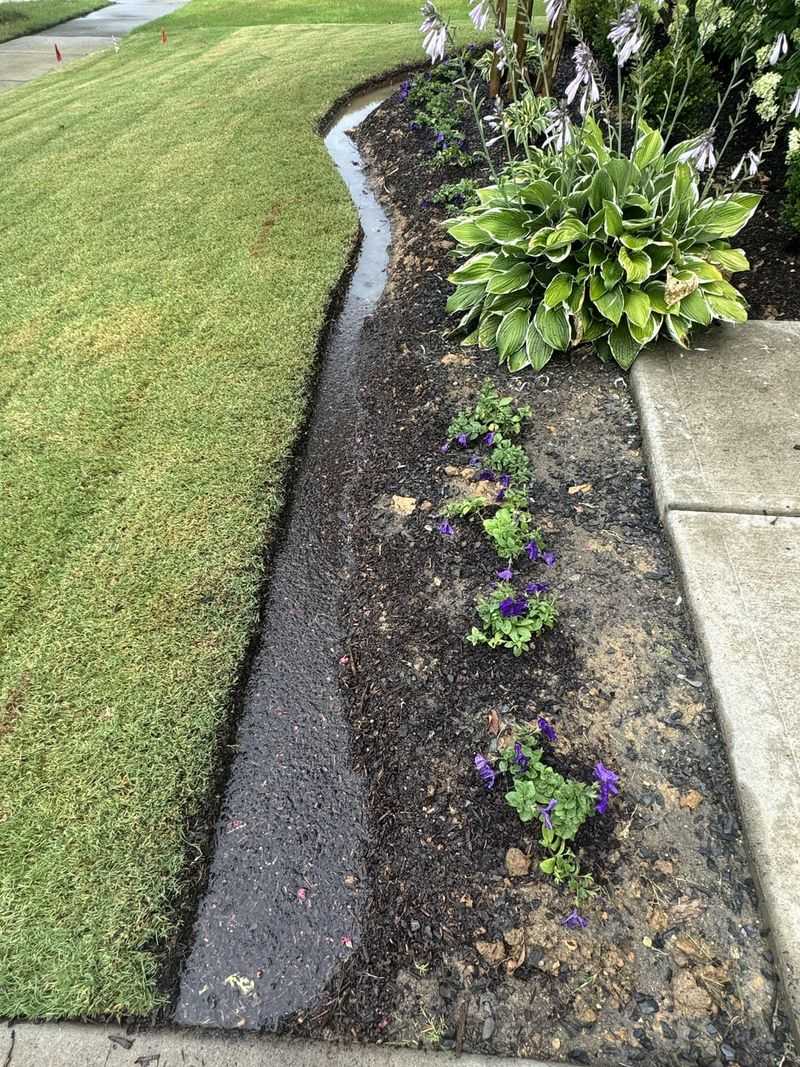
Rain hits hard, and mulch moves fast. When Houston flood warnings become real storms, lightweight mulch turns into a river of debris heading straight for your street drains.
Standard wood chip mulch is light to begin with, and once rain starts moving across the surface, loose pieces lift and travel with it. A single heavy downpour can shift a noticeable amount of material off your beds and into the gutter.
Once mulch reaches a storm drain, it packs together like a plug. Water backs up, and suddenly your Texas yard is a pond nobody signed up for.
Flood-prone yards in Houston often sit on flat lots with slow drainage. That design means water lingers, and mulch has nowhere to go but sideways.
Taking a few minutes to secure your mulch before a storm can cut down on the drift significantly. Edging your beds with a physical border, like brick or metal strips, creates a barrier that slows the slide.
You can also rake mulch away from low spots and drainage paths before rain arrives. Pulling it back just six inches from drain openings makes a real difference.
After a storm, walk your property and collect any mulch that escaped. Many local ordinances treat yard debris on public streets as a code violation, so it is worth clearing promptly.
Clogged drains are a neighborhood problem, not just a personal one. Your floating mulch can back up water into a neighbor’s yard too.
A little prep on a calm day beats a full cleanup after the storm passes.
Waterlogged Mulch Breeds Mold And Fungal Growth
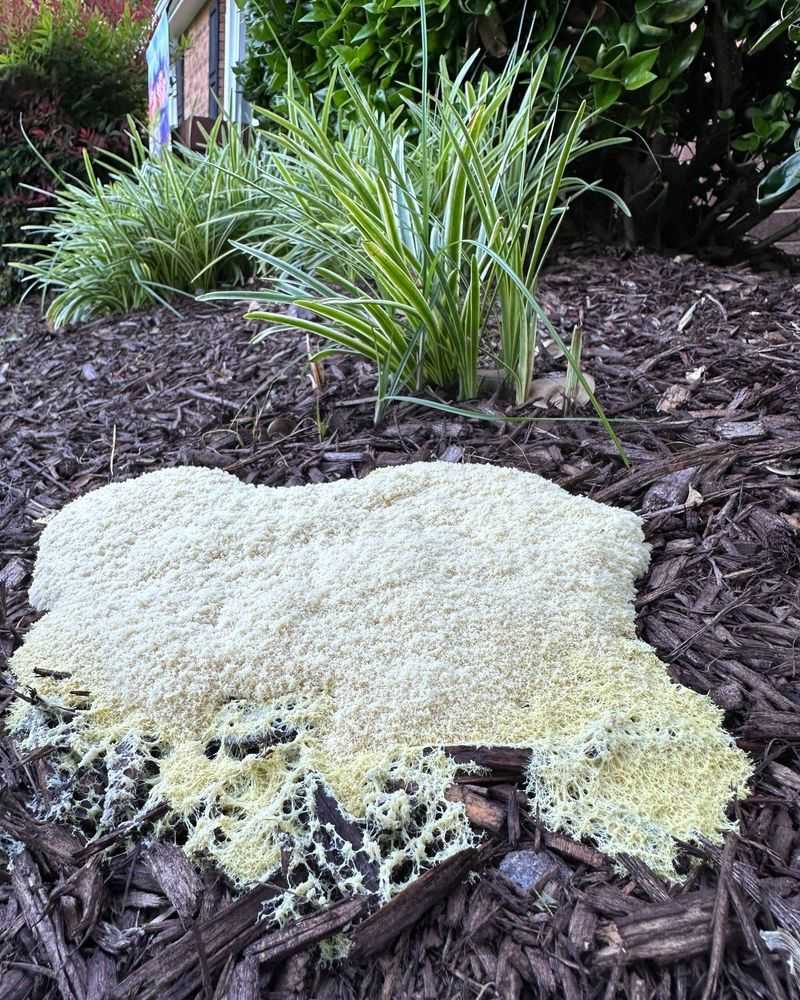
Soggy mulch smells wrong for a reason. When mulch stays wet for more than 48 hours, it becomes a perfect home for mold, fungus, and bacteria that can harm your plants.
Houston’s heat and humidity already push gardens toward fungal problems. Add flood-level saturation, and you get conditions for a fast fungal spread in just a few days.
One of the most common culprits is slime mold, which looks like something from a science fiction film. It appears as bright yellow or orange foam on top of your mulch layer.
Your Texas Garden Changes Every Week. Your Plan Should Too.
Gardening in Texas changes quickly throughout the season. Every Friday you’ll receive a simple weekly plan showing exactly what to plant, prune, fertilize, harvest, and protect so you never miss the right timing.
Slime mold itself is not dangerous to plants, but it signals that your mulch is holding too much moisture. That same moisture environment can also feed root rot fungi that do real damage underground.
Artillery fungus is another issue that thrives in wet wood mulch. It launches sticky black spores onto your house siding, fences, and cars, and those spots are extremely hard to remove.
After a heavy rain event, flip your mulch with a rake to expose the bottom layer to air. This simple step speeds up drying and disrupts fungal colonies before they spread.
If you spot white threads or crusty black spots across a large area, remove that section entirely. Bag it and put it in the trash, not your compost pile.
Replacing waterlogged mulch with a fresh, thinner layer keeps your beds healthy and your yard smelling like a garden instead of a basement.
Fresh air and dry mulch are your best defense against the mold that follows heavy rain.
Floating Mulch Can Smother Nearby Plants
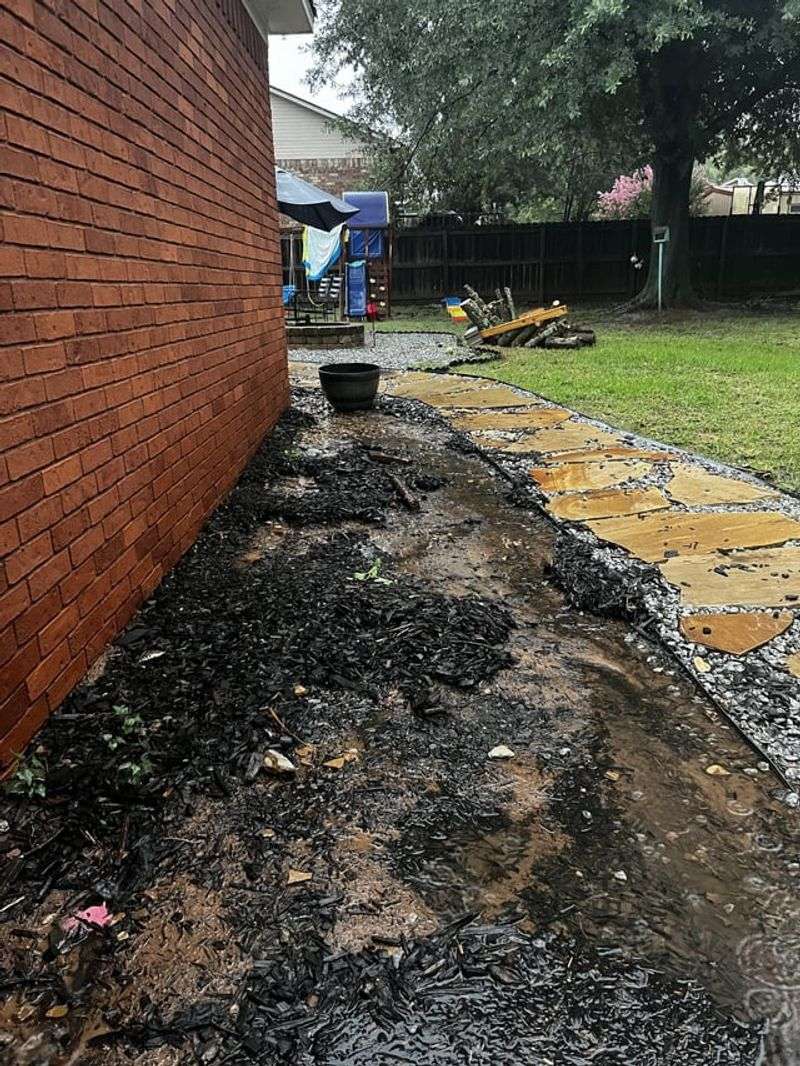
Picture your favorite garden bed after six inches of rain. Now picture all that mulch shifting sideways and piling up against your rose bushes like a slow-motion avalanche.
Floating mulch does not just drift away from your beds. It also drifts toward things, stacking up against plant stems, shrub bases, and small ground cover plants.
When mulch buries a plant stem, it creates a dark, wet collar around the base. That collar traps moisture and cuts off airflow, which leads to stem rot within days.
Young plants and newly installed shrubs are most at risk because their stems are still tender. Even a two-inch pile of shifted mulch can stress a new plant badly.
Perennials that were just starting to push up new growth can get smothered entirely. You might not notice the damage until the plant fails to bounce back weeks later.
After any flooding event, walk your beds slowly and look at every plant base. Use a gloved hand to gently pull mulch away from stems and clear a small breathing zone.
The recommended gap between mulch and a plant stem is about two to three inches under normal conditions. After a flood, you may need to reset that gap across your entire yard.
Checking this detail takes about twenty minutes for an average Houston backyard. That small time investment can save plants you spent months growing from scratch.
Mulch is meant to protect your plants, not smother them, so make sure it stays in its place.
Signs Your Mulch Needs Checking After Heavy Rain
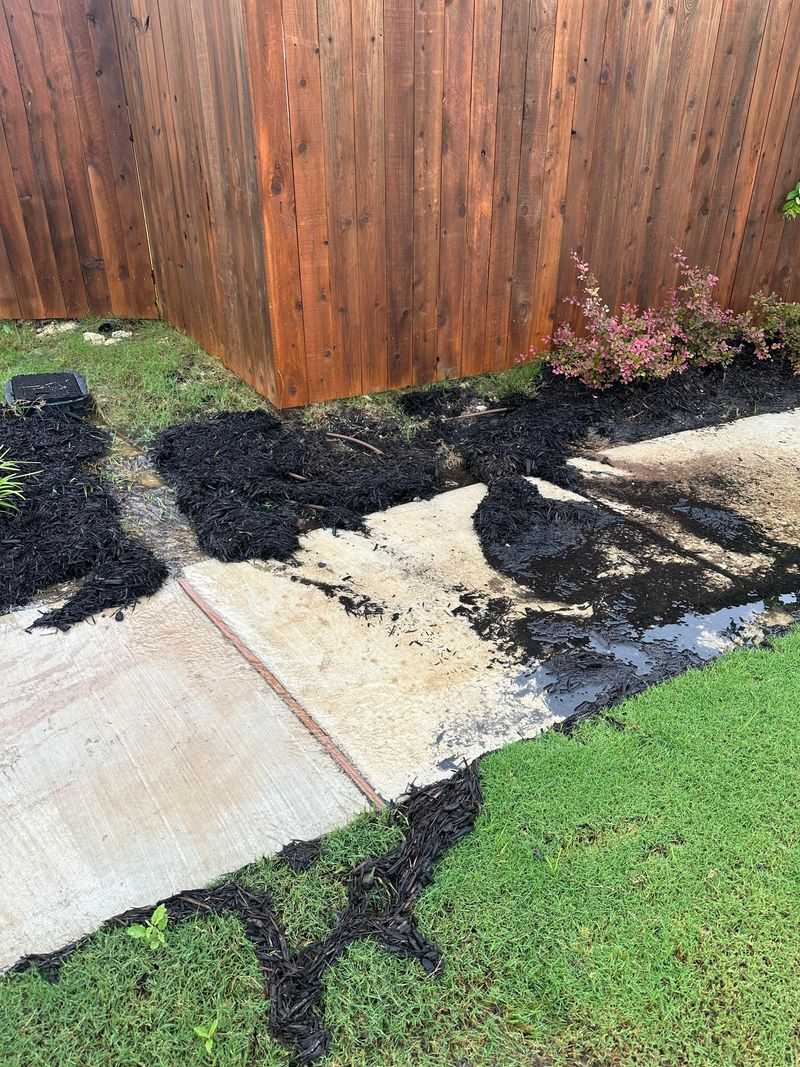
Not every storm leaves obvious damage. Sometimes the signs that your mulch needs attention are subtle, and you have to know what to look for on your post-rain walkthrough.
Start with the color of your mulch surface. Fresh, healthy mulch dries to a lighter shade within a few hours of rain stopping, but mulch that stays dark and compacted is holding too much water.
Press your hand flat onto the mulch surface and hold it there for five seconds. If water seeps up around your fingers, the layer beneath is saturated and needs to be turned.
Look for a crusty or matted surface layer. This is called mulch crust, and it forms when fine particles pack together and block water from reaching plant roots below.
Check the edges of your beds for displacement. If the mulch line has shifted toward the lawn or sidewalk, water moved it during the storm and your bed edges need reinforcement.
Smell your mulch. A strong sour or ammonia smell means anaerobic decomposition has started, which is a sign of oxygen-starved, waterlogged material that can harm soil biology.
Look for any standing water sitting on top of the mulch surface more than an hour after rain ends. That pooling tells you the layer is too thick or too compacted to drain properly.
A quick walkthrough after every storm keeps small problems from turning into bigger ones down the line.
Mulch Types That Hold Up Better In Floods
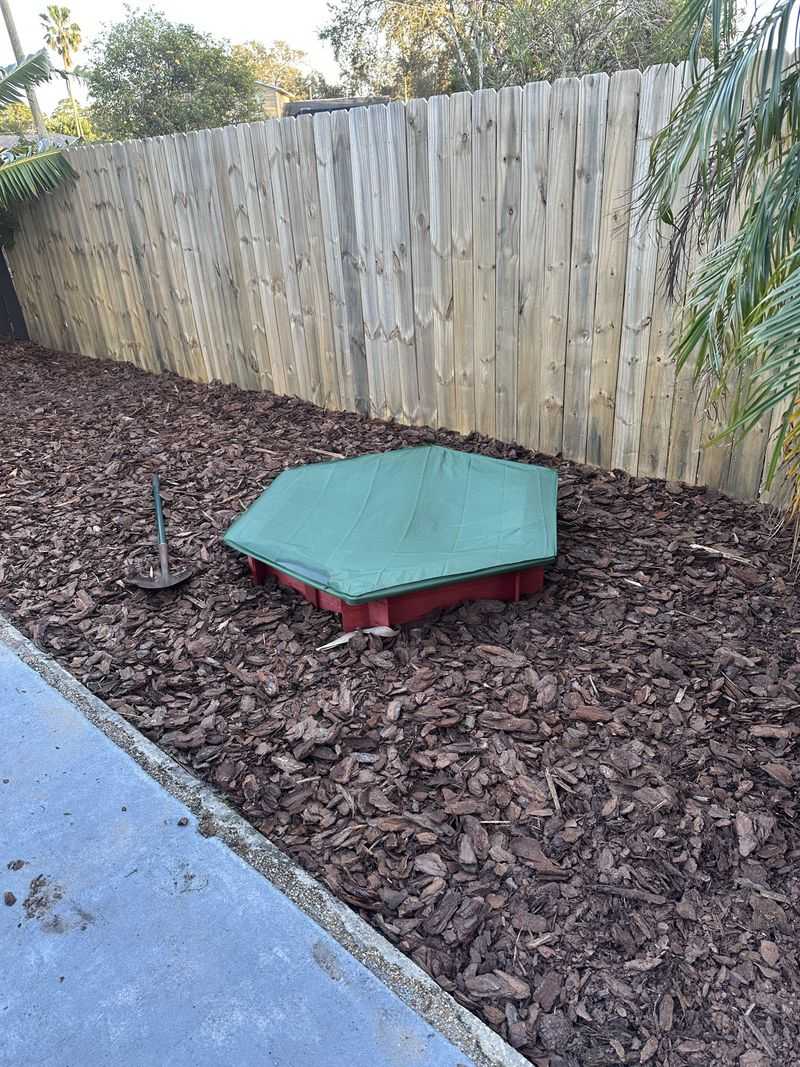
Not all mulch behaves the same when water rises. Some types float, clump, and clog drains, while others stay put and let water pass through without causing chaos.
Pine bark nuggets are a strong choice for flood-prone yards. Their chunky shape and heavier weight make them far more resistant to washing away than shredded wood mulch.
Shredded hardwood mulch is popular because it looks tidy and holds moisture well. But in a flood, those same qualities make it pack into a dense, floating mat that moves as one sheet.
Rubber mulch, made from recycled tires, is one of the heaviest options available. It resists floating, resists mold, and stays in place even during heavy sheet-flow events across a yard.
The trade-off with rubber mulch is that it does not break down and feed your soil. For Texas gardeners who care about soil health long-term, it is not the ideal permanent solution.
River rock and crushed granite are non-organic options that handle flooding exceptionally well. Water flows right through them, they do not float, and they rarely develop mold or fungal issues.
Avoid cocoa hull mulch in flood zones entirely. It is extremely lightweight and can also be toxic to dogs when ingested, wet or dry.
Steps To Take Before The Next Big Storm
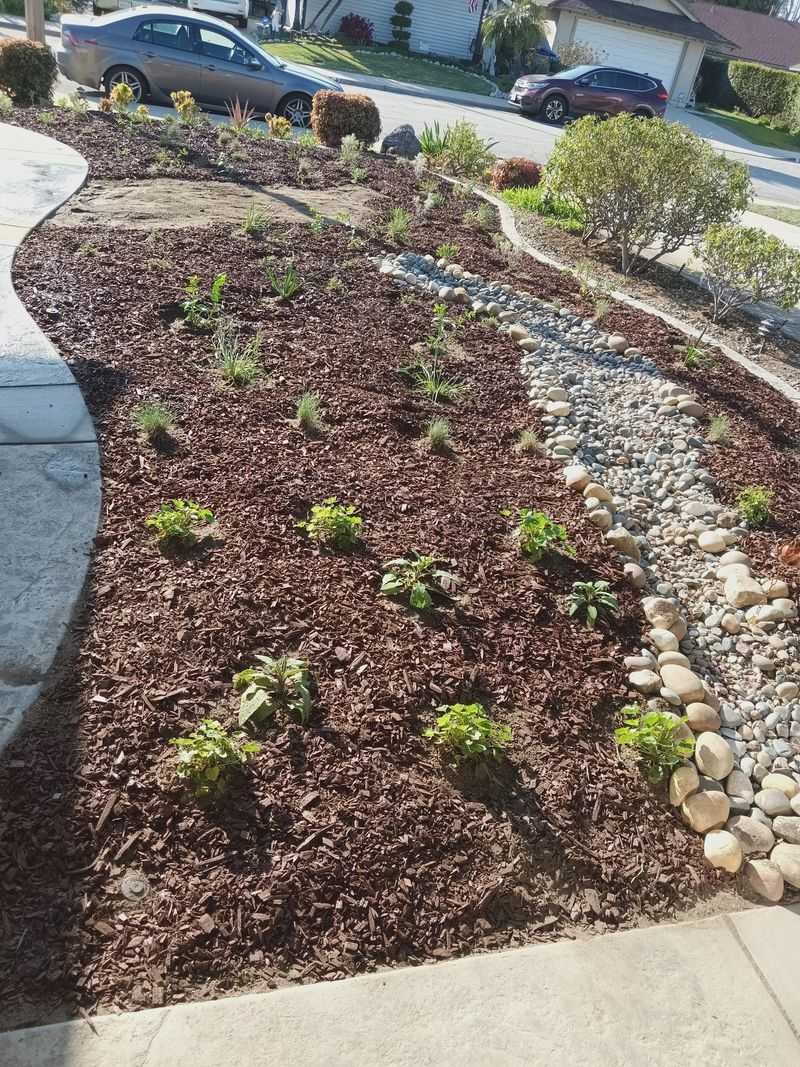
The best time to fix your mulch situation is before the rain starts, not after you are already ankle-deep in a soggy yard. A little prep work goes a long way in flood season.
Start by checking your mulch depth across all beds. The ideal depth is two to three inches, and anything thicker than four inches will trap water and create the soggy conditions that cause all the problems covered earlier.
If your mulch is too thick, rake the excess into a pile and remove it. Spreading it thinner across more area or bagging it for disposal keeps your Texas beds at a healthy depth.
Pull mulch back from all plant stems and create that two-to-three-inch gap around every base. Doing this before a storm means you do not have to do it in the mud afterward.
Check that all nearby storm drains and gutter downspout exits are clear of old mulch buildup. Clearing these paths takes ten minutes and prevents major backup issues during heavy rain.
Take a few photos of your beds before the storm hits. Comparing before and after shots helps you spot displacement patterns and improve your setup each season.
A little mulch maintenance now keeps your yard looking sharp and your drains running clear all season long.