Florida Backyard Features That Send Roaches Straight Toward The House Every Night
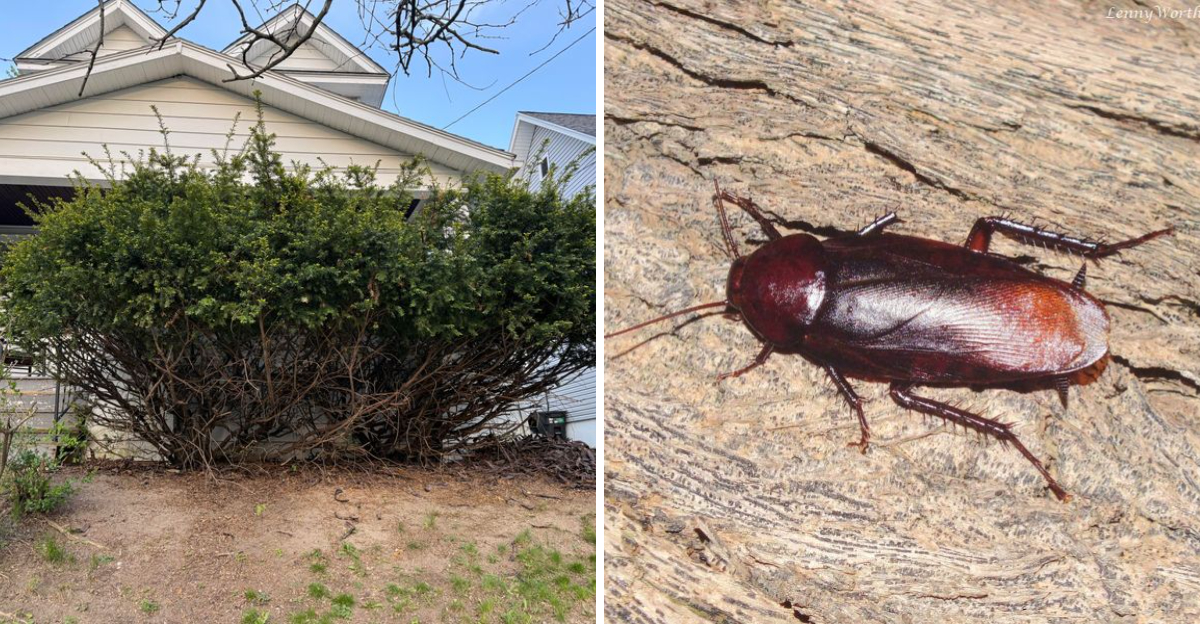
Roaches in Florida do not find houses by accident. They follow a trail, and that trail almost always starts somewhere in the yard.
Certain backyard features build that trail so reliably that pest control treatments inside the house barely make a dent. The source is outside.
The problem keeps walking in. Treating the interior and leaving the yard unchanged solves nothing.
The roaches return on schedule because nothing about the route that brought them in has been addressed. Several common backyard features create exactly the moisture, cover, and warmth that roaches follow toward a foundation after dark.
None of them look like pest infrastructure from the outside. They look like normal yard decisions made without pest behavior in mind.
That gap between appearance and consequence is where Florida roach problems live. The features doing the most damage are specific, common, and almost never identified without someone pointing directly at them.
1. Damp Mulch Beds Pressed Against The Walls
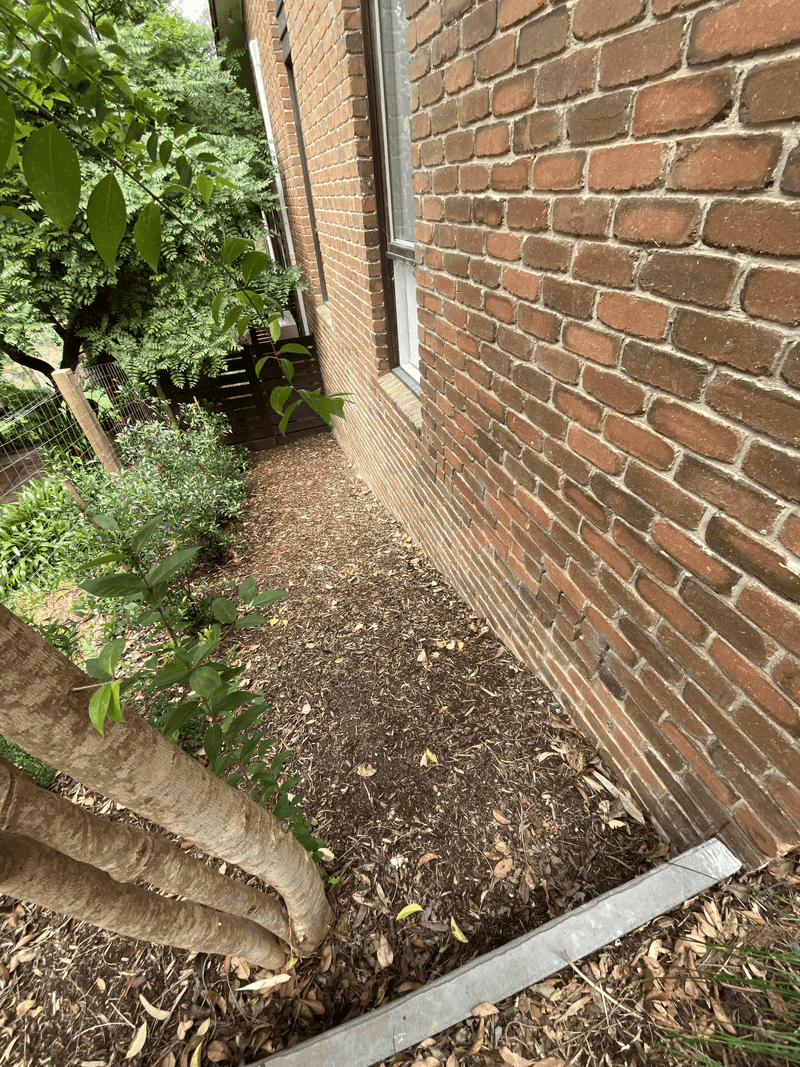
That strip of mulch running along the back of your house might look tidy during the day, but after dark it can become one of the most active spots in the yard. Thick, wet mulch holds moisture for hours after rain or irrigation.
When it is pushed against the foundation, it creates a cool, damp microhabitat that many outdoor roaches like.
American cockroaches and Florida woods roaches, two of the most common large species in this state, are well-documented to use moist organic matter as daytime shelter.
According to UF/IFAS, these roaches often live in mulched areas, tree holes, and damp debris near structures.
When mulch is too thick or too close to the wall, it can trap moisture near weep holes, foundation gaps, and door thresholds. That makes it easier for roaches to get inside.
A practical fix is to keep mulch no deeper than two to three inches near the home and pull it back at least six inches from the foundation edge. Letting that strip of soil dry out regularly removes one of the biggest moisture traps in the yard.
You do not need to remove mulch from the whole yard, just keep the zone closest to the house drier and more open to airflow.
2. Leaf Piles Hidden Behind Shrubs
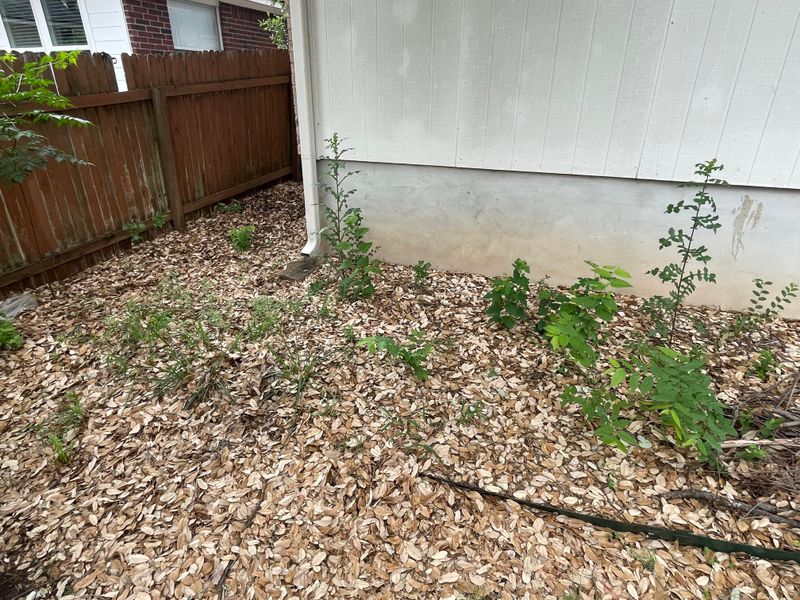
Most Florida homeowners rake the open lawn but forget about what is building up behind the hedges. Leaf piles hidden behind dense shrubs are easy to overlook, and that is exactly what makes them such reliable roach habitat.
Low airflow, constant shade, and decomposing organic matter create a sheltered pocket of warmth and moisture. Outdoor roaches can use that space for months without being disturbed.
UF/IFAS extension resources note that American cockroaches and similar species commonly shelter in leaf litter. They also use plant debris and other moist, protected spaces near structures.
When those piles are tucked right behind shrubs growing close to the house, the distance between roach shelter and your back door gets very short.
Roaches do not need much encouragement to move a few feet toward a foundation gap, a door sweep with a small gap, or a vent screen with a tear.
Your Florida Garden Changes Every Week. Your Plan Should Too.
Gardening in Florida changes quickly throughout the season. Every Friday you’ll receive a simple weekly plan showing exactly what to plant, prune, fertilize, harvest, and protect so you never miss the right timing.
Raking out old leaves from behind shrubs every few weeks makes a noticeable difference. Thinning crowded plant beds also improves airflow and lets the soil dry faster after rain.
Leaf litter can still serve a purpose in garden areas away from the structure, where it supports beneficial insects and soil health.
The goal is simply to keep heavy accumulations away from the zones closest to your walls, doors, and vents where contact with the home is most likely.
3. Wood Stacks Sitting Too Close To The House
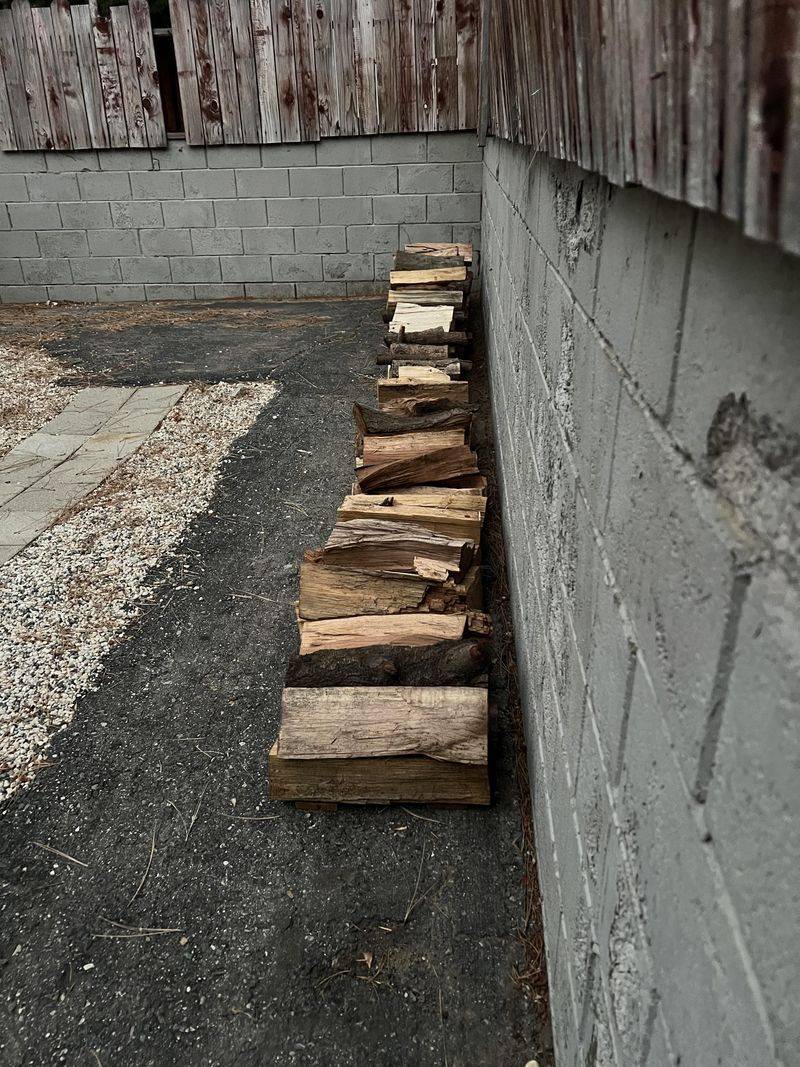
Firewood stacked against the back wall of the house is a classic convenience that comes with a hidden cost. Loose bark, dark crevices between logs, and the damp ground underneath create an environment that outdoor roaches find very appealing.
Pallets, scrap lumber, cardboard boxes, and stacked construction materials left near the foundation carry the same risk. They are often worse because they stay in place for months.
The problem is not just that roaches shelter in the pile itself. It is that when a wood stack sits right next to a door, garage wall, or side vent, the roaches living inside it are already close to an entry point.
Bringing a log inside without checking it first is a common way outdoor roaches accidentally enter a home. Florida university extension pest management guidance notes this risk.
Moving wood stacks at least a few feet away from the structure makes a real difference. Raising the pile off the ground on a rack or blocks reduces moisture contact and makes it harder for roaches to nest in the bottom layers.
Keeping the stack as dry as possible also helps. Before carrying logs or stored items inside, give them a quick inspection.
Checking stacked materials before they cross the threshold is one of the simplest habits you can build to reduce accidental indoor entry from outdoor populations.
4. Trash Cans With Loose Lids
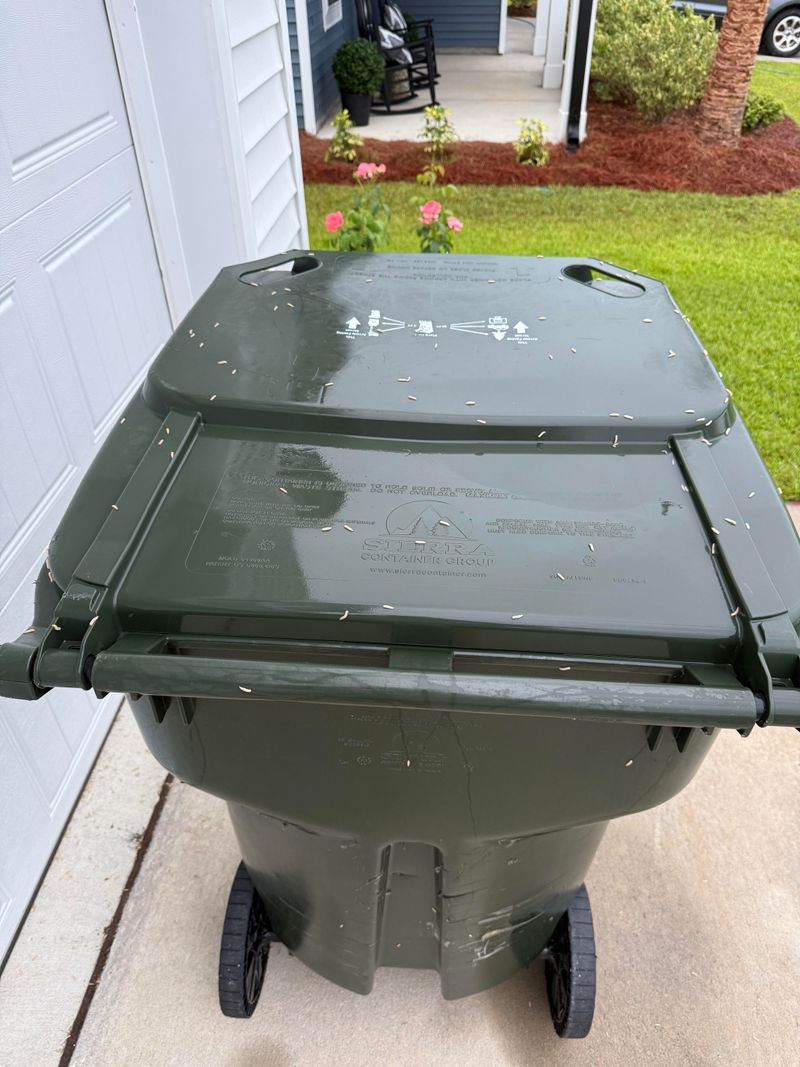
A trash can sitting beside the back door with a lid that does not seal tightly is essentially an outdoor buffet. Food residue inside bags, liquid pooling at the bottom of the bin, and scraps that fall when bags are tossed in create a reliable food source at the edge of the house.
Recycling bins with rinsed-but-not-dried containers and uncovered compost scraps sitting nearby add to the same problem.
Sanitation is one of the most consistently recommended strategies in integrated pest management, and with good reason. Outdoor cockroaches are generalist feeders that will eat decaying organic matter, food residue, grease, and almost anything that provides calories.
When that food source is within a few feet of a door or garage wall, roaches that are already active in the yard have very little reason to go anywhere else.
Switching to cans with locking or tight-fitting lids is one of the most effective changes you can make. Rinsing bins occasionally, especially in warm months when odors build quickly, reduces the attractiveness of the area.
Bagging waste securely before placing it in the can also limits spillage. If storage space allows, keeping trash cans a bit farther from the back door and garage entry is worth doing.
Following your local sanitation schedule and avoiding letting bins overflow between pickups keeps the food signal near your foundation as low as possible.
5. Pet Bowls Left Outside After Dark
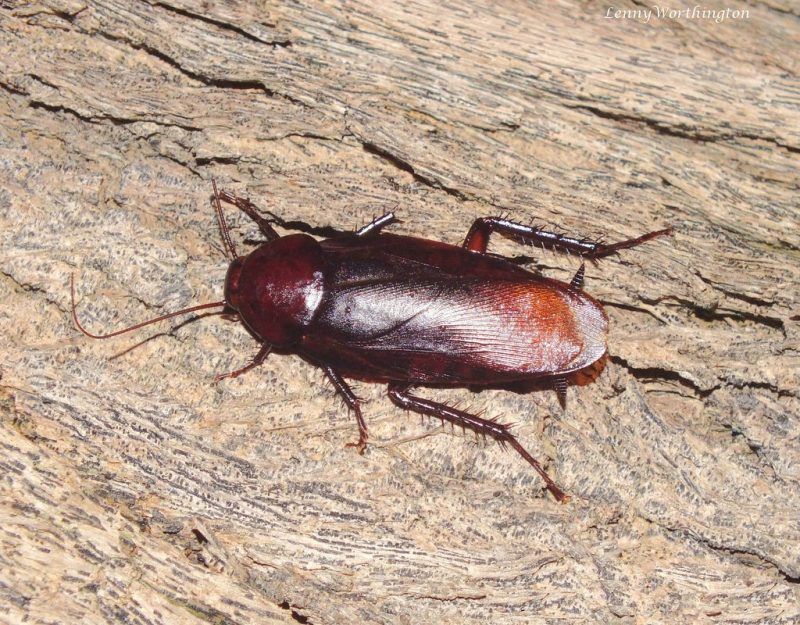
Leaving a pet bowl outside overnight feels harmless, especially when a dog or cat grazes throughout the evening. But leftover kibble, wet food residue, and the water bowl beside it create exactly the food and moisture combination pests seek.
That combination draws outdoor insects and pests closer to the house after dark. The feeding area near a back door or sliding glass panel can become a regular stop on a roach’s nightly route without you ever noticing.
Even a small amount of spilled kibble around the bowl matters. Roaches are efficient scavengers and can detect food odors from a distance.
A water bowl that sits on the patio all night also provides standing water. That moisture makes outdoor areas more attractive to roaches already sheltering in nearby mulch, plants, or debris.
Picking up pet bowls after your pet’s last meal of the evening is the simplest fix. Feeding pets indoors when possible removes the food source from the outdoor zone entirely.
If outdoor feeding is necessary, clean the surrounding area after meals to remove crumbs and spills. Store pet food in sealed, hard-sided containers rather than leaving open bags in the garage or on the porch.
These small adjustments reduce the food signal near your entry points without changing much about your pet’s routine or comfort.
6. Leaky Spigots And Wet Patio Corners
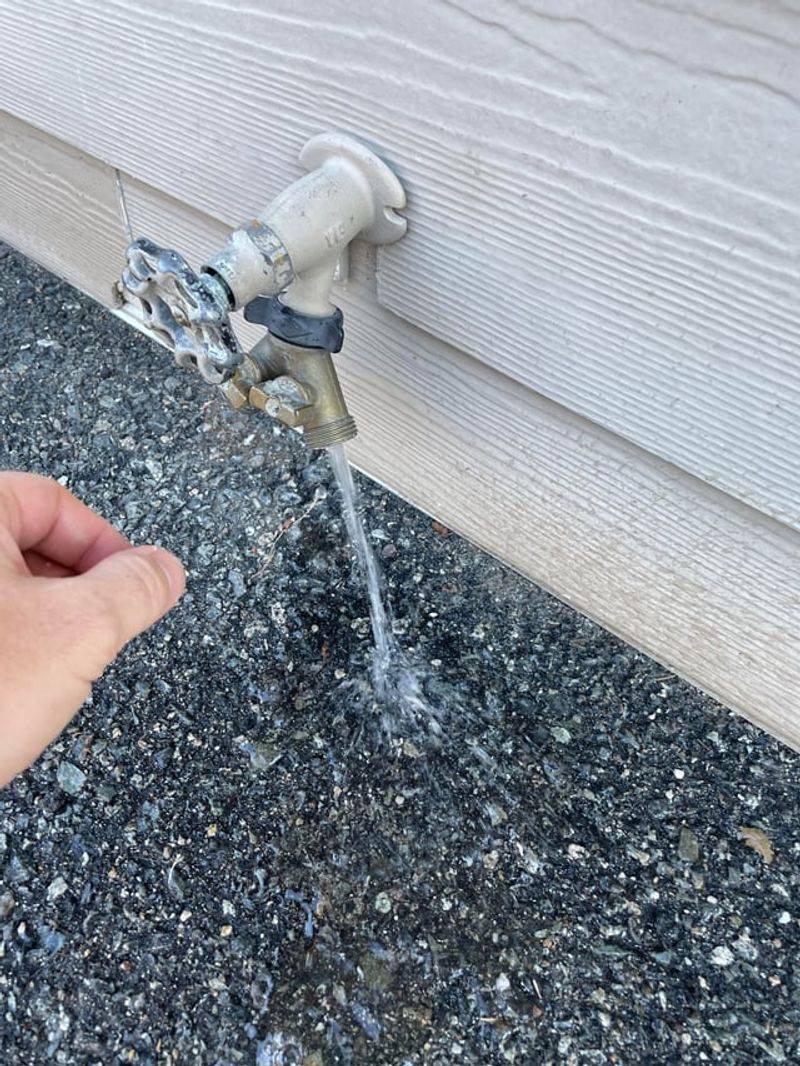
Moisture is one of the most powerful factors in outdoor cockroach activity, and backyards in Florida have no shortage of water sources. A dripping hose bib that loses just a few drops per minute can keep a patch of soil or mulch consistently damp for weeks.
Irrigation systems that overspray the foundation, clogged patio drains, and AC condensate lines all add moisture near the house. Drips near the wall keep that zone inviting.
Saucers under potted plants are easy to overlook. They fill with water after every rain or watering session and can sit full for days in shaded corners where evaporation is slow.
Wet doormats, damp storage boxes, and low patio corners that never fully dry are similar problems. Each one adds a small amount of moisture to an area where roaches may already be sheltering in nearby mulch or vegetation.
Fixing a leaky spigot is a straightforward repair that pays off in more ways than one. Redirecting condensate lines away from the foundation, unclogging patio drains, and emptying plant saucers regularly all help keep the perimeter drier.
Improving drainage in low corners of the patio may take a bit more work, but it makes those spots far less hospitable. Water alone does not mean an infestation is certain, but consistent moisture near shelter and food raises the risk considerably.
7. Dense Plants Touching Siding And Vents
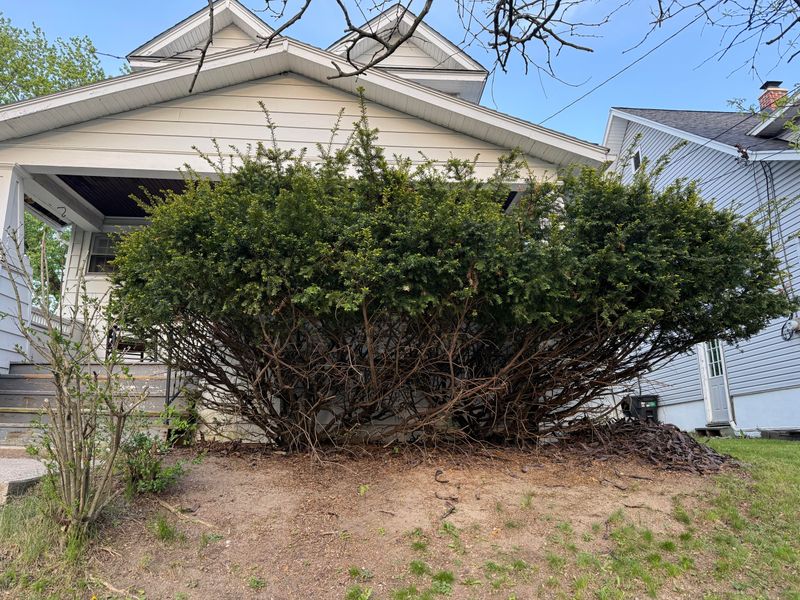
A lush foundation planting can make a home look beautiful. But when shrubs touch the siding or vines creep across vents, the landscape starts working against you.
Dense plants touching the exterior wall create shade, hold moisture against the surface, and form a kind of green corridor that connects the yard to the structure.
Branches on siding, leaves packed against a vent screen, and thick groundcover over the foundation edge all reduce airflow.
That keeps the zone damp longer after rain.
UF/IFAS Florida-Friendly Landscaping guidance encourages choosing plants with mature size in mind so they do not eventually crowd against the house.
When plants are already too close, trimming them back to create a visible gap between the foliage and the wall improves both airflow and inspection access.
Being able to see the foundation edge clearly makes it much easier to spot gaps, cracks, damaged screens, or soft spots in the siding before they become entry points.
Vents are especially important to keep clear. A vent covered by thick plant growth is harder to inspect and easier to damage without noticing.
Keeping a six- to twelve-inch gap between foundation plantings and the wall is a reasonable target for most shrubs. You do not need to strip the entire bed, just maintain enough clearance that the wall stays drier, visible, and easier to seal where needed.
8. Porch Lights Pulling In Night Insects

Porch lights deserve a nuanced look rather than a simple warning. Cockroaches are not strongly attracted to light the way moths are, and UF/IFAS extension resources do not list porch lighting as a primary cockroach lure.
What lights can do is make the porch zone busier after dark by drawing in moths, beetles, and other night insects that roaches may feed on. A well-lit back porch that also has clutter, moisture, or food nearby becomes a more active nighttime area overall.
Deceased insects accumulating under a light fixture or on the porch floor add to the organic debris that outdoor roaches will scavenge.
A bright white bulb near a door with a worn sweep or a gap in the threshold creates a situation where increased nighttime activity meets an easy entry point.
The light is not the core problem, but it can add to a combination of conditions that makes the porch zone harder to manage.
Switching to yellow or amber LED bulbs designed for outdoor use can reduce the number of night insects drawn to the fixture. Cleaning up deceased insects from the porch regularly removes a food source.
Keeping the area under and around the light free of clutter, damp items, and food residue matters more than the light itself.
Checking door sweeps, threshold seals, and screen edges in the porch zone is the most practical step you can take to keep the nighttime activity outside where it belongs.