Native Florida Plants To Grow Instead Of Clusia For A Privacy Hedge
Clusia became Florida’s default privacy hedge the same way most landscaping trends do. Someone planted it, it grew fast, looked glossy, blocked the neighbor’s view, and everyone else copied the idea without asking too many questions.
Thick, shiny, low-maintenance, and quick to fill in. Easy sell.
But “Clusia” is not always as simple as the nursery tag makes it sound. Florida does have a native Clusia, the pitch apple, but the small-leaf Clusia commonly used for tight hedges is often treated as a different landscape plant in practice.
Either way, a clipped Clusia wall is usually more about screening than supporting a living yard. It may look lush, but it is not doing the same job as a native hedge loaded with flowers, berries, insects, nesting cover, and seasonal wildlife activity.
Florida has native shrubs that grow dense enough for a real privacy screen and reach hedge height on a reasonable timeline. They also actually belong in the landscape around them.
Some bloom. Some fruit heavily.
Some pull birds back to the same corner of the yard every season. All of them can do more than just hide a fence.
Your property line can pull double duty: privacy hedge and habitat at the same time.
1. Plant Florida Privet For A Softer Native Hedge
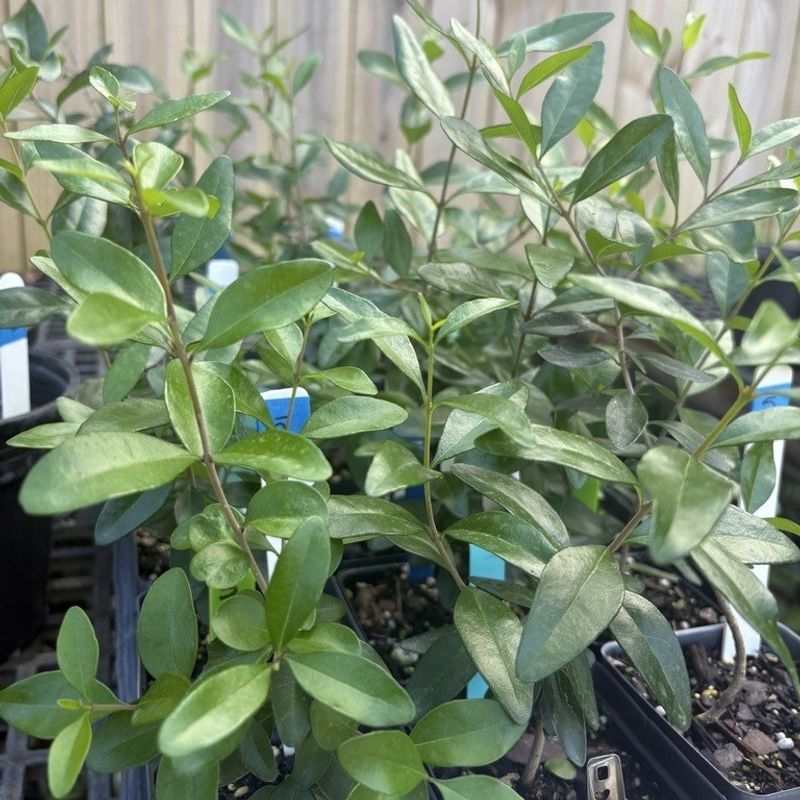
Imagine swapping out a stiff, boxy privacy wall for something that actually moves with the breeze and feeds the birds at the same time. Florida privet (Forestiera segregata) is a native shrub that fits that picture well.
According to UF/IFAS, it works as a hedge, screen, or natural border in the right conditions.
The foliage is small and dense, and female plants produce dark fruit that birds find attractive. UF/IFAS notes that it tolerates salt, drought, and a range of soil types.
That makes it a practical choice for many yards. It grows best in central and southern regions, though it can perform in northern landscapes with the right placement.
Florida privet has a softer, more relaxed look than clusia. It is not a stiff green wall, and that is actually a good thing for naturalized yards, wildlife corridors, or fence lines where a looser screen fits better.
Pruning can keep it tidy near paths or entries, but heavy shearing will reduce flowering and fruit. Buy from a reputable native nursery using the botanical name Forestiera segregata to make sure you get the right plant.
2. Choose Myrsine For A Podocarpus-Like Evergreen Shape
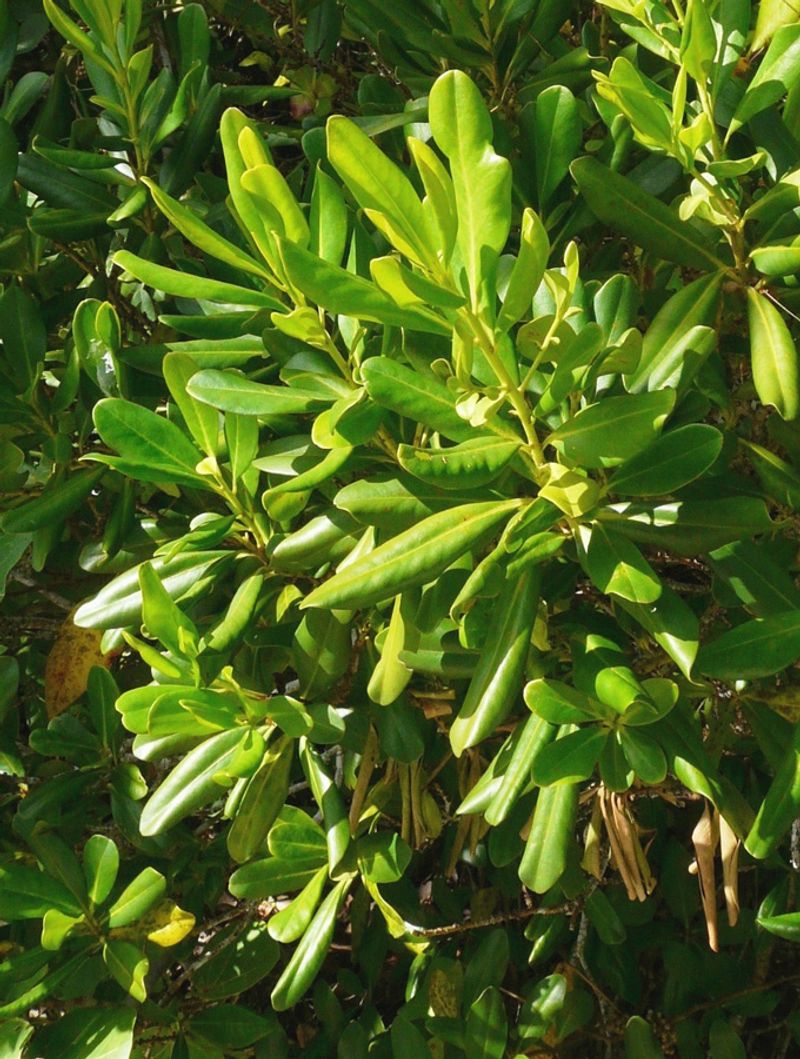
Some homeowners fall in love with the clean, upright look of podocarpus or clusia and just want something native that delivers a similar vibe. Myrsine (Myrsine cubana) can come close.
UF/IFAS describes it as a versatile native shrub or small tree. It works well as a hedge, screen, or foundation planting in the right site.
The foliage is evergreen and dense, giving it that tidy green structure people appreciate in formal or semi-formal hedges.
According to UF/IFAS, myrsine tolerates a range of light conditions, including partial shade, which makes it useful along fence lines that get filtered sun.
Your Florida Garden Changes Every Week. Your Plan Should Too.
Gardening in Florida changes quickly throughout the season. Every Friday you’ll receive a simple weekly plan showing exactly what to plant, prune, fertilize, harvest, and protect so you never miss the right timing.
It performs well in central and southern regions and may handle protected northern sites depending on cold exposure.
Spacing matters with myrsine. Planting too close together can create crowding as plants mature, so check the UF/IFAS guidance for recommended spacing before you dig.
Keep it away from narrow walkways or tight driveways where mature width could become a problem.
Always purchase using the botanical name Myrsine cubana from a trusted native nursery, since common names can lead to the wrong plant on the nursery tag.
3. Use Marlberry For Shady Screening In Warm Regions
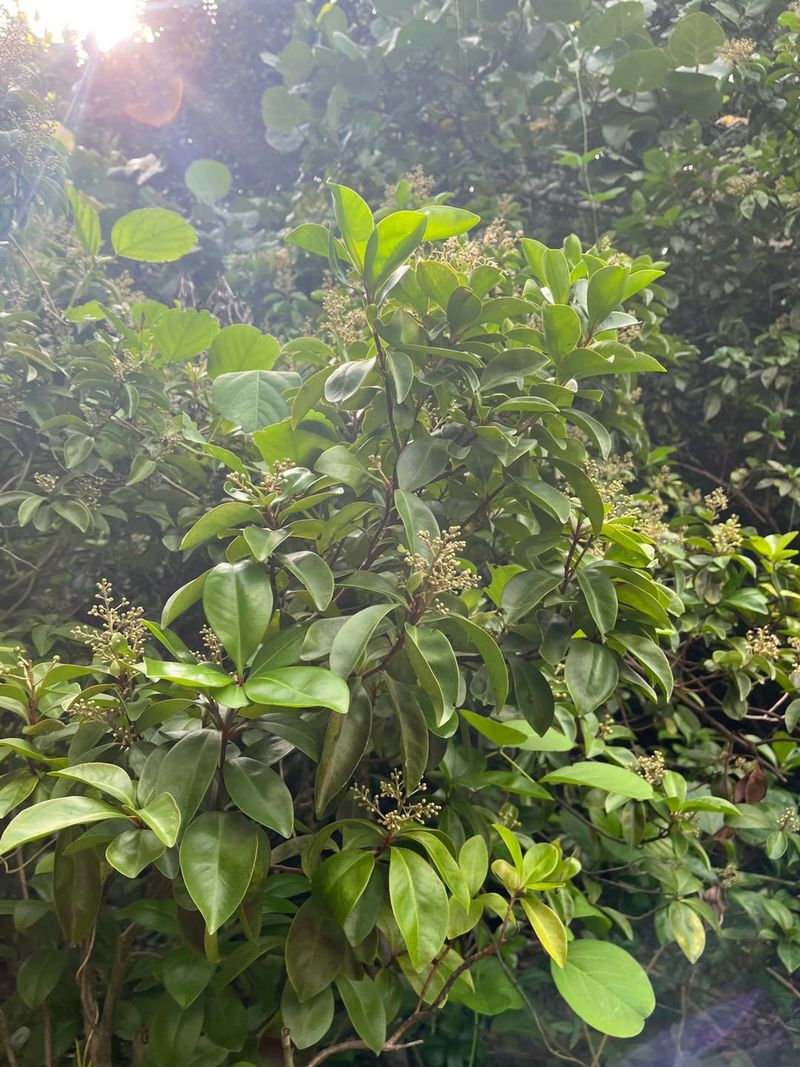
Picture a shaded side yard where the sun barely reaches and clusia would look stressed and thin. That is exactly where marlberry (Ardisia escallonioides) earns its place.
UF/IFAS recognizes it as a native shrub or small tree that works well in shaded or partly shaded sites in warmer landscapes.
The leaves are glossy, dark green, and attractive year-round. Marlberry produces small white flowers followed by dark berries that birds enjoy, adding wildlife value beyond just blocking sightlines.
According to Florida Native Plant Society guidance and UF/IFAS sources, it is best suited to warm coastal and southern regions. It is less suited to colder inland or northern landscapes.
This is not a shrub for hot, exposed, dry fence lines. Marlberry performs best in protected sites, shaded understory beds, or layered native privacy screens where moisture and shelter are available.
Think of it as a glossy, wildlife-friendly backdrop for shady spaces rather than a front-yard formal hedge.
Confirm availability using the botanical name Ardisia escallonioides, and buy from a reputable native grower to avoid confusion with non-native ardisia species that can be invasive in local landscapes.
4. Plant Wild Coffee For A Glossy Understory Hedge
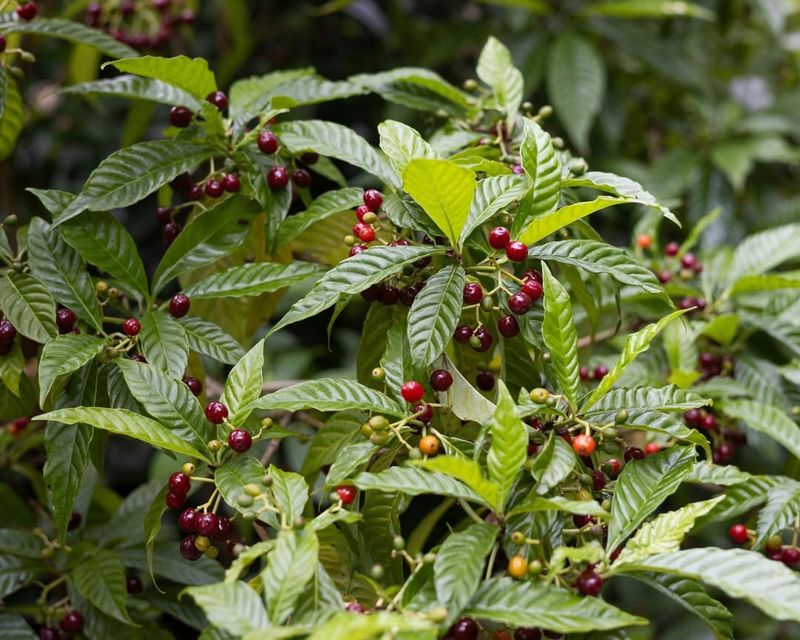
A shady foundation bed or fence line that gets filtered light all day is the kind of spot wild coffee was practically born for.
Psychotria nervosa, known as wild coffee, is a native understory shrub that UF/IFAS recommends for shaded or partly shaded landscapes in warmer regions of the state.
The foliage is deep green and glossy, giving it a lush, tropical feel without reaching for a non-native plant. Small white flowers give way to red berries that are a favorite food source for birds.
Those berries add real ecological value to your privacy planting. UF/IFAS notes that wild coffee works well as a shrub border, hedge, or naturalized screen in the right conditions.
Cold hardiness is a real limit here. Wild coffee is best suited to southern regions, warm coastal yards, and protected microclimates where freezes are rare or mild.
It is not the right pick for a sunny driveway hedge in a colder inland location. Spacing plants at recommended distances and keeping them away from foot traffic areas will help them fill in naturally over time.
Use the botanical name Psychotria nervosa when shopping to avoid mix-ups at the nursery.
5. Choose Necklace Pod For Yellow Flowers And Coastal Toughness
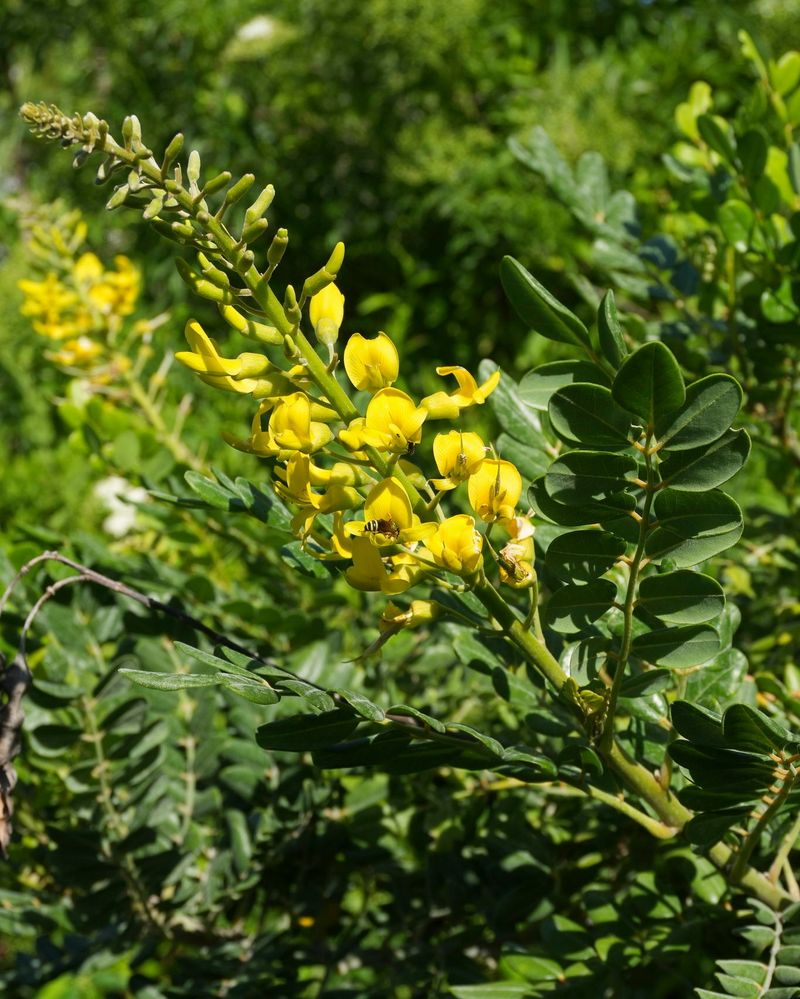
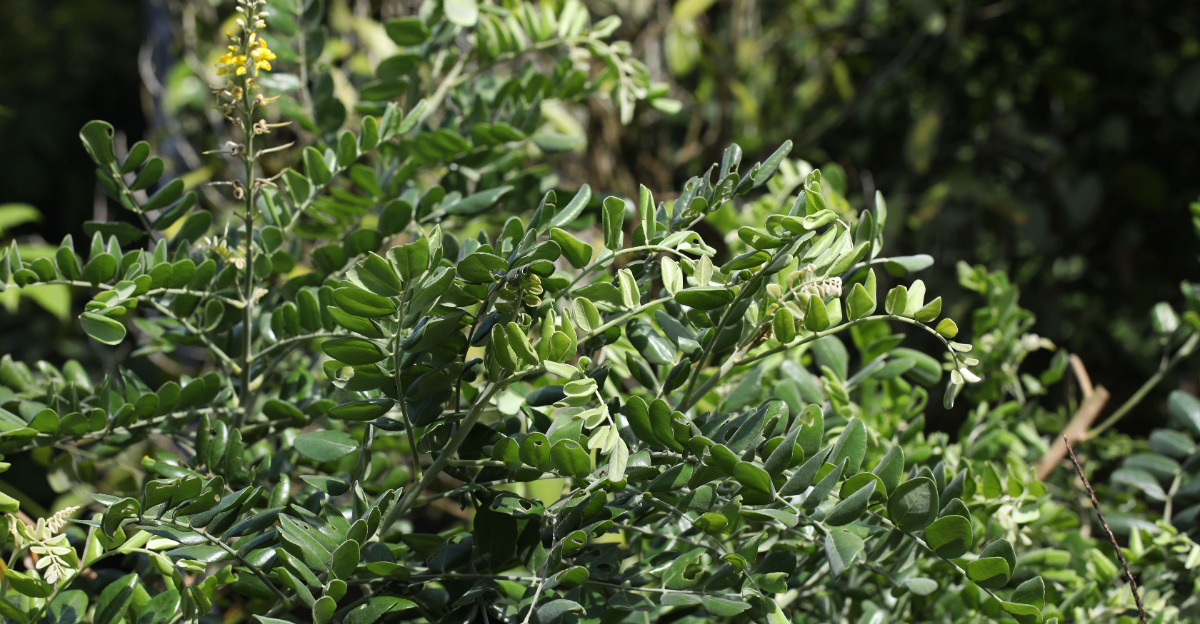
A sunny coastal fence line with salt wind, sandy soil, and full sun all day is a tough assignment for most shrubs. Necklace pod (Sophora tomentosa) handles it with style.
UF/IFAS describes this native shrub as salt tolerant and drought tolerant, making it a strong candidate for exposed coastal screens and informal borders near the water.
The bright yellow flower spikes are genuinely striking and attract butterflies and other pollinators. This plant earns its spot beyond just blocking sightlines.
According to UF/IFAS, necklace pod can reach six to eight feet tall and wide, which means it provides real screening volume in the right open space. It is better suited to warm coastal and southern regions than to colder inland sites.
This is not a tight, formal clusia-style wall. Necklace pod has a looser, more relaxed form that fits casual coastal landscapes, mixed native borders, or naturalized fence lines better than manicured driveway hedges.
Give it room to spread and avoid planting it too close to walkways where the mature width becomes a problem. Use the botanical name Sophora tomentosa at the nursery to make sure you leave with the right plant.
6. Use Rouge Plant For A Small Native Shrub With Wildlife Value
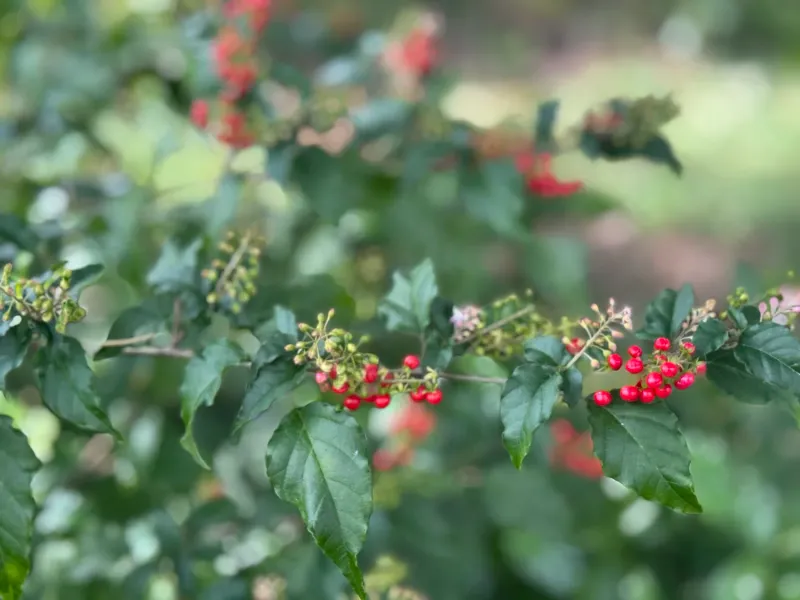
Low, shady planting areas along fences or building edges often get overlooked, but they are perfect for a native shrub that brings color and wildlife activity without demanding full sun. Rouge plant (Rivina humilis) fits that niche well.
UF/IFAS notes it as a native perennial shrub that works in shaded or partly shaded sites. It also produces berries that attract birds.
The small pink to white flowers are charming, and the bright red berries that follow add color to understory beds where most plants just sit there looking green.
Rouge plant stays relatively compact, typically reaching two to three feet, which makes it a better fit for low layered screens, naturalized beds, or the front edge of a taller privacy planting rather than a stand-alone tall hedge.
Think of rouge plant as a finishing layer in a native privacy design rather than the main structural screen. Pair it with taller natives behind it to build depth and visual interest along shaded fence lines.
According to UF/IFAS, it performs best in warmer regions and protected spots. Always buy using the botanical name Rivina humilis from a reputable native nursery so you get exactly what the tag promises.
7. Plant Fiddlewood Where A Fragrant Native Screen Fits
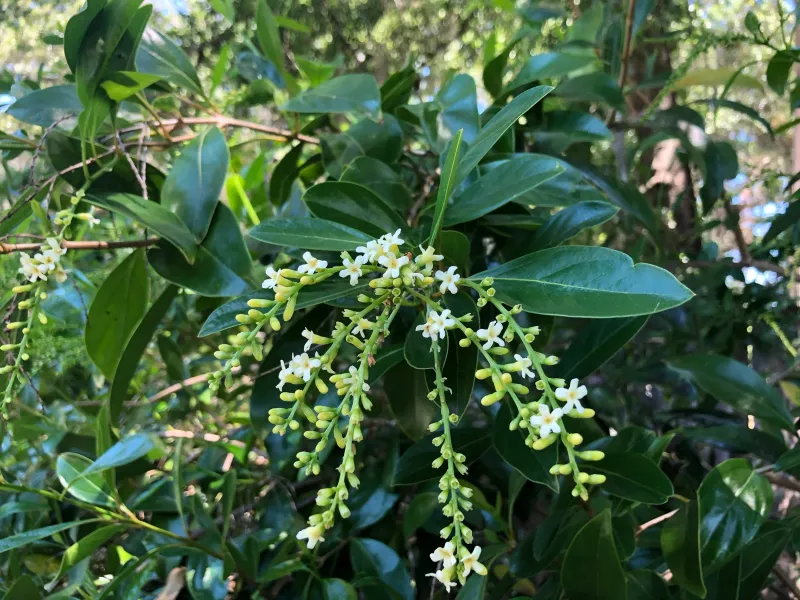
A flat green privacy wall with zero personality gets old fast. Fiddlewood (Citharexylum spinosum) offers something more interesting: fragrant white flower clusters, attractive foliage, and real screening height for property edges that have room to breathe.
UF/IFAS describes it as a native shrub or small tree with value for wildlife and landscape screening in warmer regions.
The flowers are fragrant and attractive to butterflies, and the fruit supports birds. Fiddlewood adds ecological depth to a privacy planting that a clipped clusia hedge simply cannot match.
It can grow quite tall, sometimes reaching fifteen to twenty feet or more depending on conditions, which means it needs open space rather than a tight driveway strip or narrow side yard.
Regional fit matters here. Fiddlewood is better suited to southern regions and warm coastal or protected sites where cold damage is minimal.
It should not be presented as a perfect statewide hedge because colder northern regions may see cold damage in hard winters.
For roomy fence lines, property edges, or informal screens where height and fragrance are welcome, fiddlewood brings genuine character.
Purchase using the botanical name Citharexylum spinosum from a trusted native plant grower.
8. Choose Cocoplum For Dense Privacy In Southern Regions
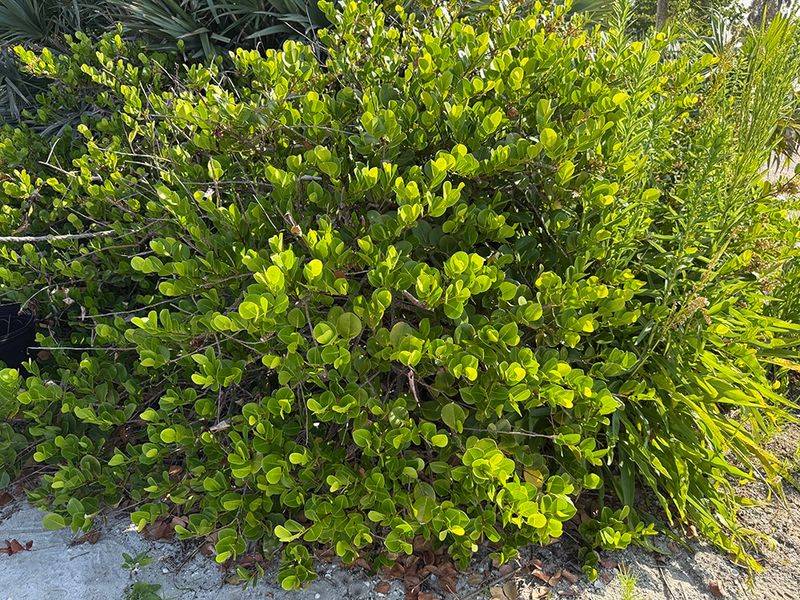
A warm coastal yard in the southern part of the state has different options than a shady lot in the middle of the peninsula. Cocoplum (Chrysobalanus icaco) is one of the best native hedges available for that warm-region setting.
UF/IFAS describes cocoplum as a native shrub that can be pruned into a dense formal hedge or left to grow as a more natural screen.
The foliage is glossy and rounded, giving it a lush, full appearance that holds up well in coastal conditions. UF/IFAS notes that it tolerates salt spray, wet soils, and a range of light conditions.
That makes it remarkably adaptable for yards near the water. The fruit is edible and attractive to wildlife, adding another layer of value to the planting.
Cold sensitivity is a real consideration. Cocoplum is mainly a southern-region and warm coastal choice that can suffer cold damage farther north.
Spacing plants correctly before planting will save a lot of corrective pruning later, and keeping mature width in mind near driveways or walkways prevents crowding problems down the road.
Use the botanical name Chrysobalanus icaco when visiting a native nursery, since common name confusion is common with this species across the state.