Grow These Container Plants For A Heat-Proof Summer Garden
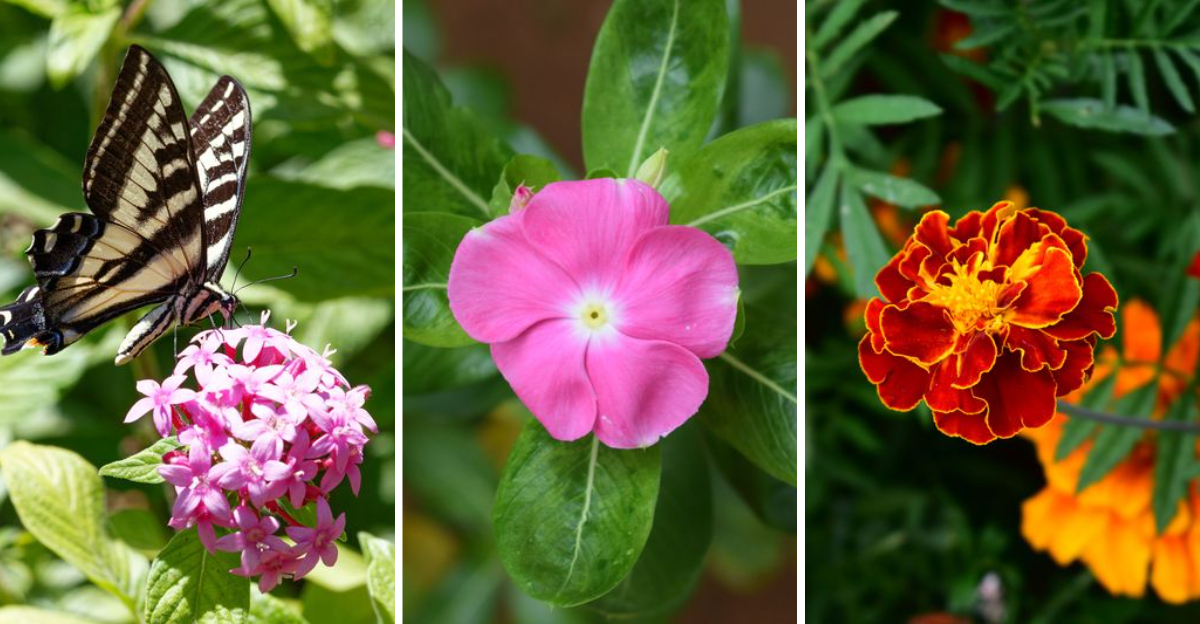
Heat can undo a garden before you even notice the damage. Texas summers push everything into intense fire and dust. Pavement gets hot enough to warm an egg by noon.
Wilting stems and crispy leaves do not have to be your story this year. Smart plant choices turn intense sun into fuel instead of failure. Certain blooms actually crave scorching temperatures and relentless afternoon light.
Your porch, patio, or sunny balcony can bloom with bold color all season long. Containers give you freedom that traditional garden beds simply cannot offer. Rearranging your space becomes part of the fun, not a chore at all.
Every plant on this list refuses to quit when temperatures climb high. Momentum keeps building as the thermometer climbs instead of grinding to a halt.
Nothing about Texas heat eases up when the mercury rises. You won’t be able to stop yourself from finding out which ones.
1. Lantana
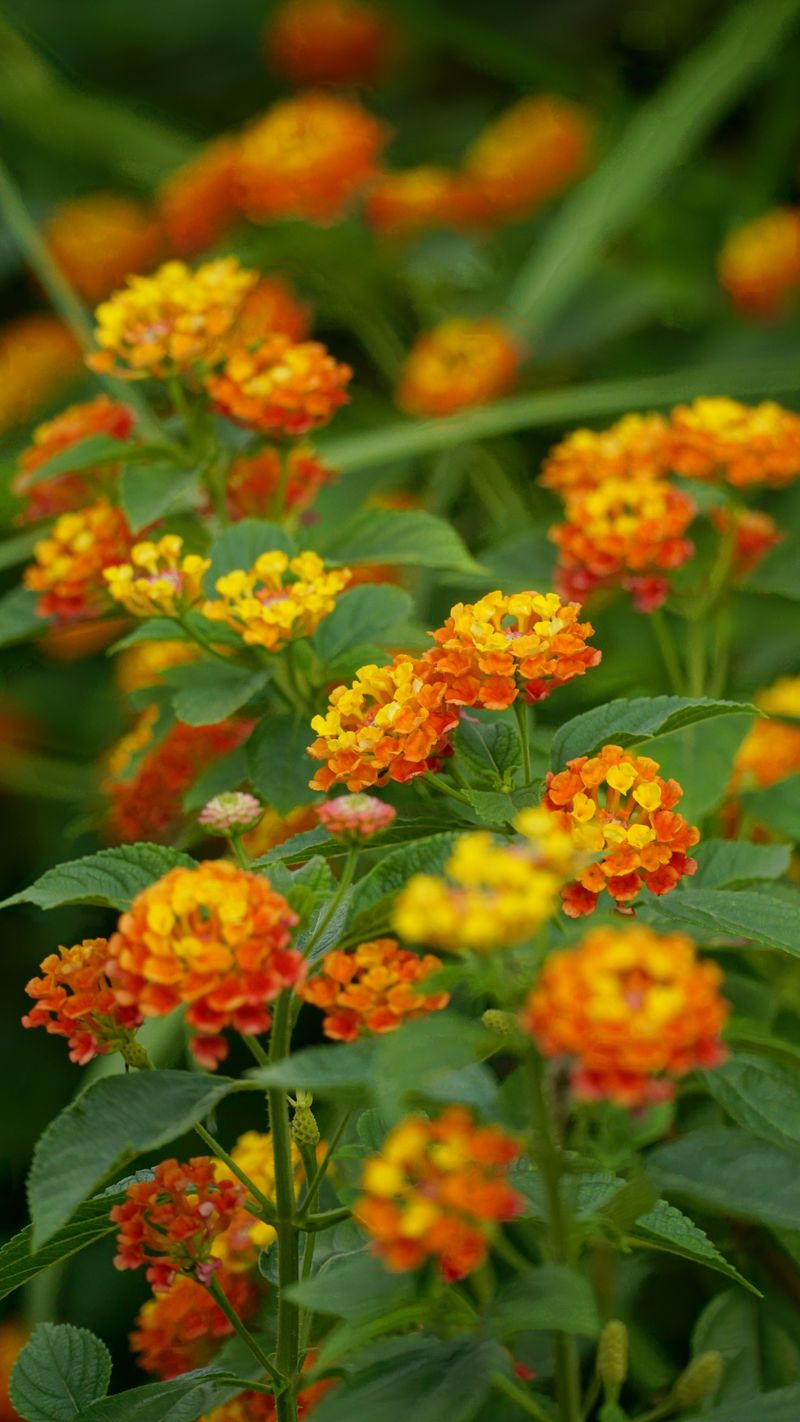
Lantana is a standout performer in the summer container garden. It laughs at heat, shrugs off drought, and keeps pumping out clusters of tiny jewel-toned flowers without complaint.
Each flower cluster blends multiple colors at once, like orange, yellow, pink, and red all in one bloom. That multicolor magic makes one single pot look like a whole bouquet.
Butterflies go absolutely wild for lantana. If you want your patio to feel like a butterfly garden, just add one pot of this showstopper and watch the wings arrive.
Plant lantana in a container with well-draining potting mix and full sun exposure. It needs at least six hours of direct sunlight daily to perform its best.
Water it deeply, then let the soil dry out before watering again. Overwatering is the one mistake that can slow this tough plant down.
Removing spent blooms encourages fresh flowers to keep coming. A light trim every few weeks keeps the plant bushy and full instead of leggy.
Lantana comes in trailing and upright varieties, so you can mix them in a large container for a layered, lush look. Pair it with sweet potato vine for serious visual drama.
Feed it with a balanced slow-release fertilizer at planting time, and it will reward you for months. This plant is proof that heat-proof container plants can also be absolutely gorgeous.
2. Zinnia
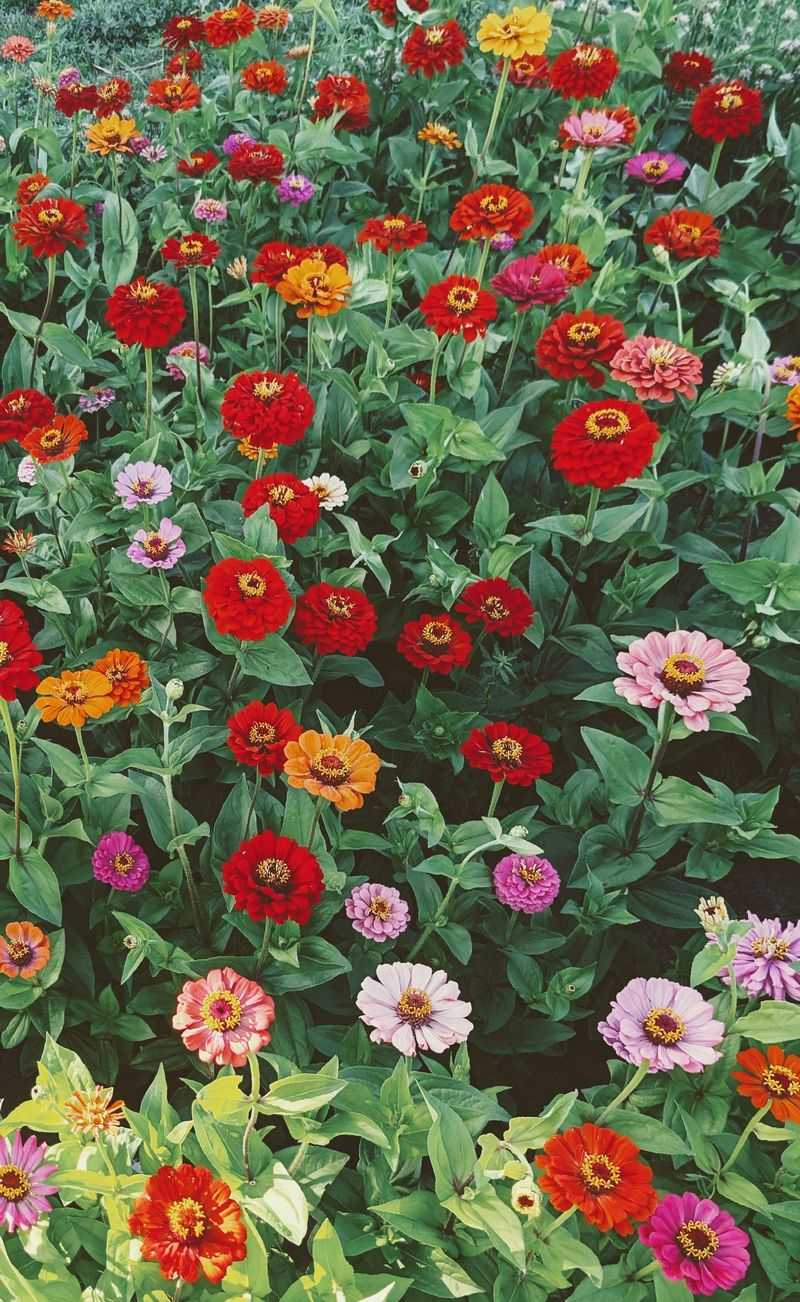
Zinnias are the confetti of the summer garden, and they bring the party wherever they go. Few flowers deliver such bold, saturated color with so little effort from the gardener.
These sun-lovers grow fast from seed and start blooming in just weeks after planting. Drop seeds directly into a container filled with good potting mix and stand back.
Zinnias thrive in full sun and handle summer heat reliably. The hotter the day, the more they seem to show off their large, colorful blooms.
Choose a container that is at least twelve inches deep to give roots enough room to stretch out. Shallow pots stress the plant and reduce bloom production significantly.
Water zinnias at the base of the plant, not overhead, to prevent powdery mildew on the leaves. Wet foliage in humid weather invites fungal problems that slow growth fast.
Trimming is the secret weapon for nonstop zinnia blooms. Pinch or snip off faded flowers, and the plant immediately redirects its energy into making fresh new ones.
Zinnias also make incredible cut flowers that last a full week in a vase. Growing them in containers means you can clip a bouquet right from your porch without walking far.
Pollinators like bees and butterflies flock to zinnia blooms all season. Adding zinnias to your heat-proof container garden creates a buzzing, colorful ecosystem that feels alive.
3. Portulaca
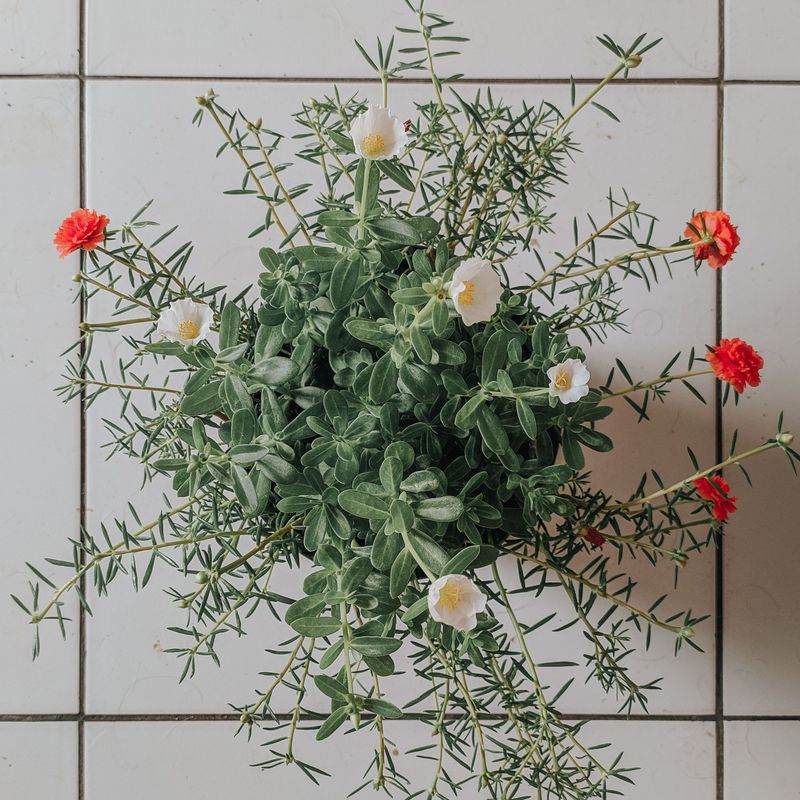
Portulaca is basically a succulent that decided to become a flowering plant, and the result is spectacular. It stores water in its thick, fleshy stems, which means it handles drought like a desert pro.
Also called moss rose, portulaca opens its silky blooms in full sun and closes them at night or on cloudy days. That daily open-and-close routine feels almost magical once you notice it.
This low-growing beauty is perfect for small containers, window boxes, or hanging baskets. It naturally spills and trails, softening the edges of any pot with cascading color.
Portulaca loves poor, sandy soil more than rich, heavy mixes. Skip the heavy potting soil and blend in some perlite or coarse sand for best drainage.
Water it sparingly, especially in peak summer heat. If you forget to water for a few days, portulaca will forgive you faster than any other plant on this list.
Blooms come in shades of red, pink, orange, yellow, white, and magenta. Some varieties even have striped or double petals that look like tiny roses.
Plant portulaca in a spot that gets at least eight hours of direct sun. Less sunlight means fewer blooms, and this plant lives for a good sun-soaked afternoon.
Portulaca reseeds itself in warm climates, meaning it may surprise you next season. It is the ultimate low-maintenance addition to any heat-proof container garden setup.
4. Vinca
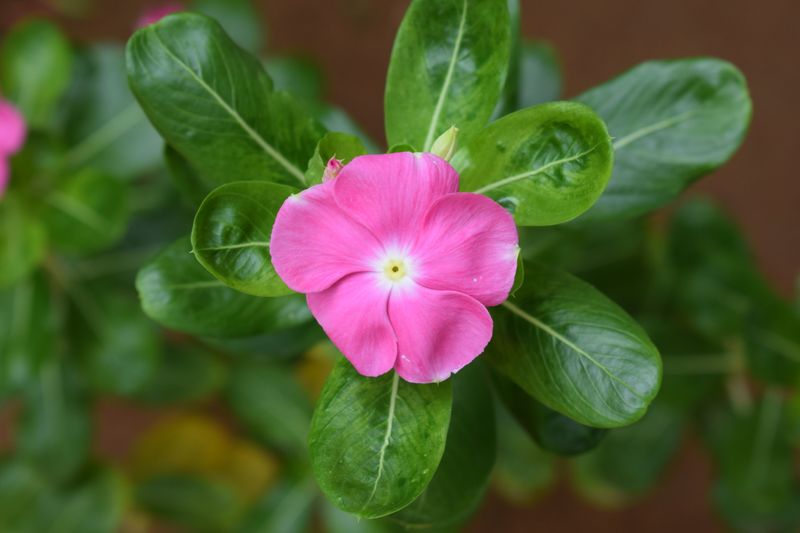
Vinca is the plant that makes other heat-tolerant flowers look like they are trying too hard. It blooms steadily from spring through fall without demanding much attention at all.
Also called annual periwinkle, vinca produces glossy green leaves and cheerful pinwheel-shaped blooms. The color range runs from white and soft pink to deep coral and vivid magenta.
One of vinca’s greatest strengths is its resistance to both heat and humidity. While other flowers wilt and sulk in muggy summer air, vinca just keeps blooming without skipping a beat.
Plant vinca in a container with full sun and excellent drainage. It does not like wet feet, so make sure your pot has drainage holes and you are not overwatering.
Vinca is self-cleaning, meaning it drops its spent blooms without any help from you. That low-maintenance quality makes it a favorite for busy gardeners who want color without constant upkeep.
Space plants about twelve inches apart in a large container for good air circulation. Crowded vinca plants are more prone to fungal issues in wet or humid conditions.
Fertilize every two to three weeks with a balanced liquid fertilizer to keep blooms coming strong. A well-fed vinca plant puts on a floral display that rivals much fussier flowers.
Mix vinca with trailing plants like sweet potato vine for a full, layered container look. It is one of the most reliable stars in any heat-proof container garden lineup.
5. Angelonia
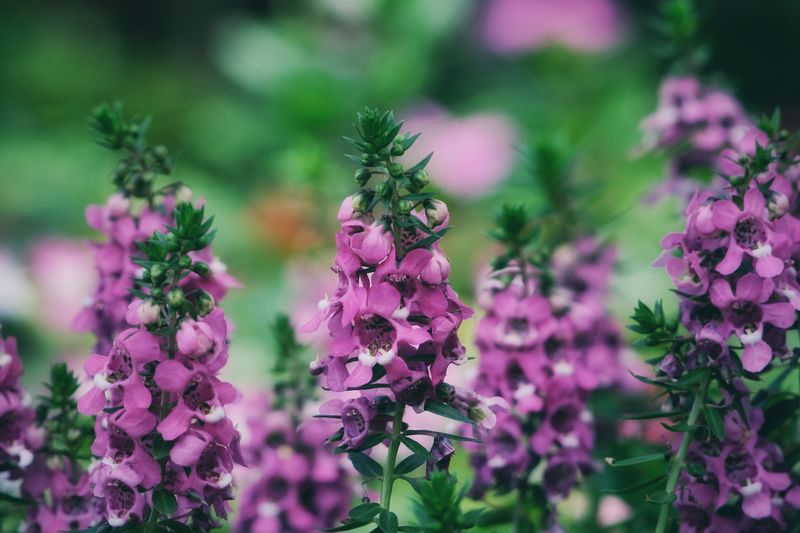
Angelonia smells faintly of grape candy, which is one of the most unexpected and delightful surprises in the summer garden. Brush against the foliage and you get a sweet, fruity waft that stops you in your tracks.
Sometimes called summer snapdragon, angelonia produces tall, slender spikes covered in small orchid-like flowers. It adds vertical height to container arrangements without taking up much horizontal space.
This plant is built for heat and thrives when summer temperatures soar into the nineties. Cooler climates can slow its growth, but a hot, sunny spot brings out its absolute best.
Plant angelonia in a container with well-draining potting mix and place it in a full-sun location. It needs at least six to eight hours of direct sunlight to produce those tall, bloom-covered spikes.
Watering should be consistent but not excessive. Let the top inch of soil dry out between watering sessions to keep roots healthy and happy without promoting rot.
Angelonia does not require trimming, which is a genuine relief for time-strapped gardeners. Spent blooms fall away on their own, and new ones quickly replace them up the spike.
Colors range from white and lavender to deep purple and bicolor combinations. Planting multiple shades together in one large pot creates a stunning, cottage-garden-style arrangement.
Pair angelonia with lower-growing plants like portulaca or vinca for a layered container display. Its upright habit makes it the perfect thriller in any heat-proof container garden combination.
6. Pentas
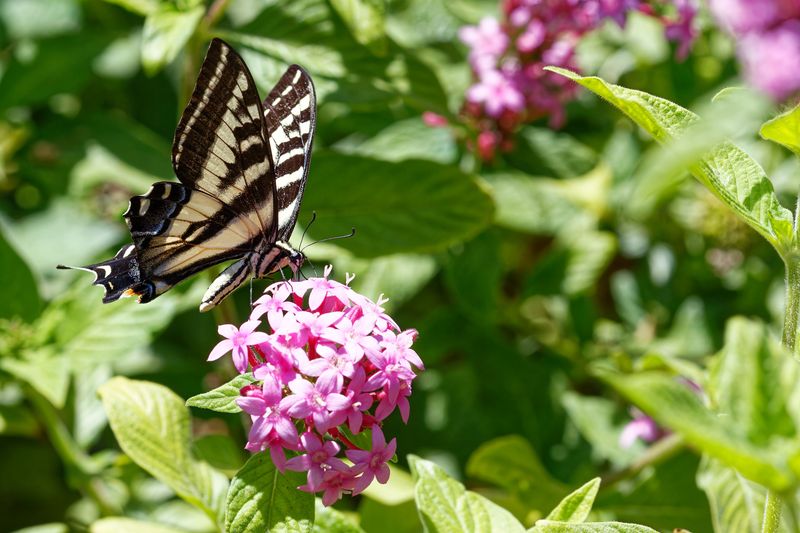
Pentas is the pollinator magnet that your summer container garden has been waiting for. Hummingbirds, butterflies, and bees are drawn to it strongly from June straight through September.
Each pentas plant produces rounded clusters of star-shaped flowers in red, pink, lavender, or white. The star shape is part of why it is also called Egyptian star flower in some gardening circles.
Pentas is a strong heat performer that actually blooms better as temperatures rise. Unlike some flowers that slow down mid-summer, pentas picks up speed when the heat is on.
Plant pentas in a container with rich, well-draining potting mix and a spot with full sun. At least six hours of direct light daily keeps the bloom clusters large and colorful.
Water regularly but allow the soil to dry slightly between waterings. Pentas handles a missed watering session better than it handles soggy, waterlogged roots.
Feed pentas every two weeks with a water-soluble fertilizer high in phosphorus. That phosphorus boost encourages heavy blooming and keeps those star clusters coming at a steady, satisfying pace.
Trim regularly by pinching off spent flower clusters to encourage fresh growth. New clusters form quickly, so the reward for a few minutes of grooming is immediate and obvious.
Mix pentas with trailing angelonia or zinnia in a large container for bold contrast. It is one of the most wildlife-friendly choices in any heat-proof container garden you can build.
7. Sweet Potato Vine
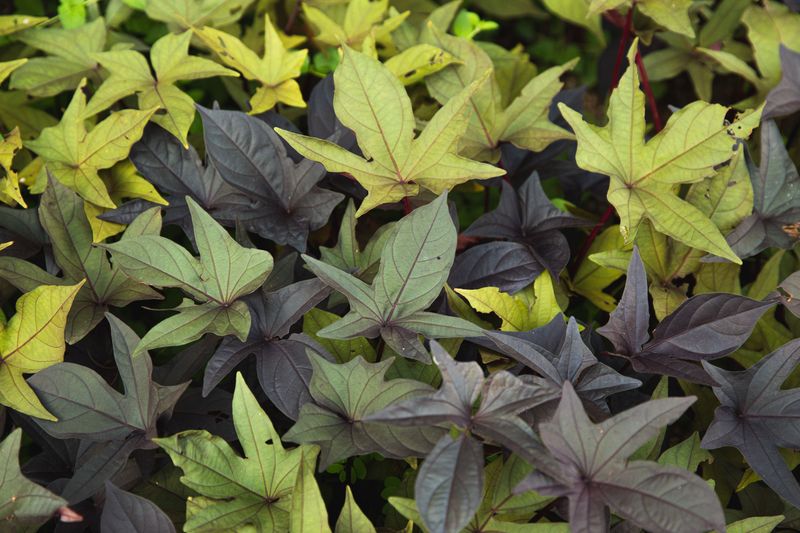
Sweet potato vine does not bloom, and it absolutely does not care. Its foliage is so bold and dramatic that it complements every other plant in the container beautifully.
The leaves come in chartreuse green, deep burgundy, bronze, and nearly black purple. Mixing two or three colors in one pot creates a foliage display that looks strikingly vivid.
This fast-growing vine spills dramatically over pot edges, creating a lush, cascading effect. In a hanging basket, it can trail two to three feet in a single season.
Sweet potato vine is a heat and sun lover that grows faster as summer temperatures climb. Give it full sun and warm soil, and it will grow quickly and fill in fast.
Water consistently since this plant is a thirsty grower when the heat peaks. Check soil moisture every day during hot spells and water deeply when the top inch feels dry.
Fertilize every two to three weeks with a balanced liquid fertilizer for maximum leaf production. Lush foliage is the whole point here, so feeding consistently makes a noticeable difference.
Trim back aggressively if the vines get too long or start crowding other plants. Sweet potato vine bounces back fast after a haircut, usually looking fuller within a week.
Use it as the spiller in a thriller-filler-spiller container combo for stunning results. It pairs beautifully with upright plants like angelonia in any heat-proof container garden design.
8. Marigold
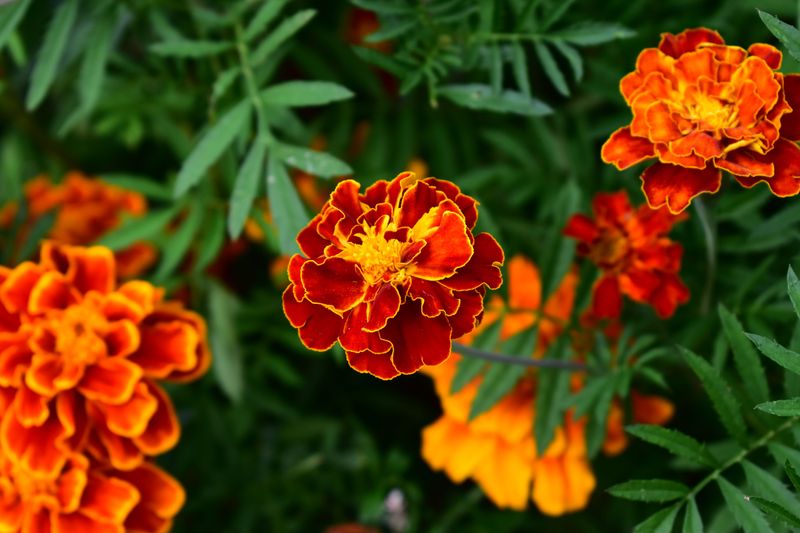
Marigolds have been earning their place in summer gardens for centuries, and they show no signs of stepping aside. Their bold orange and yellow blooms carry a warm, spicy scent that is instantly recognizable and deeply nostalgic.
Beyond their good looks, marigolds have a long-standing reputation for helping keep pests away from nearby plants.
Their strong fragrance is widely believed to help discourage aphids, whiteflies, and other common garden nuisances, though results can vary.
Marigolds are some of the easiest container plants you can grow in summer heat. They ask for full sun, regular water, and a little fertilizer, and they deliver color for months in return.
Choose a container at least ten inches wide to give roots enough space to develop fully. Tight, cramped roots lead to smaller plants with fewer blooms and weaker stems.
Plant in well-draining potting mix and water at the base to keep foliage dry. Wet leaves in hot, humid conditions can lead to botrytis, a gray mold that damages blooms fast.
Remove spent flowers every few days to trigger continuous blooming throughout the season. A marigold that is regularly trimmed can produce hundreds of fresh blooms from summer into fall.
Marigolds attract beneficial insects like ladybugs and lacewings that prey on garden pests. Placing a pot near your vegetable garden creates a natural, chemical-free pest barrier.
French and African varieties both perform well in containers, though French types stay more compact. Either way, marigolds are the dependable, cheerful anchor of any heat-proof container garden collection.