9 Simple Ways To Protect Your Siding From Mold And Algae In Mississippi
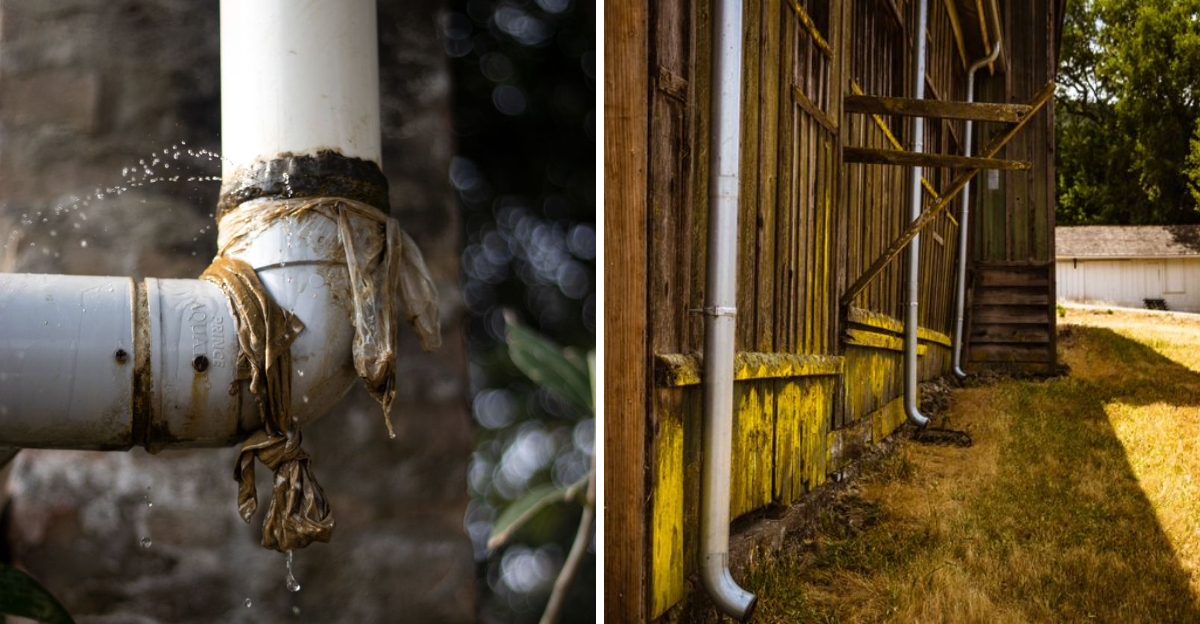
Heat isn’t the real threat harming your siding. Moisture works quietly, spreading damage behind painted panels. Mississippi humidity clings to walls long after rain stops.
Spores multiply fast wherever dampness lingers untouched. Green streaks appear before you notice any warning signs. Algae thrives in shaded, damp corners of your home.
Weakened boards directly affect walls you rely on every day. Curb appeal drops the moment stains spread across siding. Buyers judge homes within moments of walking past them.
Contractors aren’t necessary to stop this creeping issue. Simple habits outperform expensive repairs every time. Southern humidity tests homeowners who ignore small maintenance needs.
Waiting invites bigger problems, costlier fixes, and lasting change across Mississippi. Your walls deserve better than slow decline into disrepair. Every crack becomes an entry point for spreading spores.
You can address this before it worsens. Ignoring these problems now guarantees you costlier repairs later, so stay with this.
1. Trim Trees Blocking Direct Sunlight

Shade feels great on a hot afternoon, but your siding disagrees. Overhanging branches trap moisture against your exterior walls, creating an ideal dark, damp environment for mold spores.
Sunlight helps slow mold and algae growth on exterior surfaces. When branches block UV rays from reaching your siding, mold and algae colonies grow faster than you can spot them.
Start by walking around your home and looking up. Identify any branches hanging within six feet of your walls or roofline.
Use a pole saw or hire a local tree trimmer for branches too high to reach safely. Aim to open up your canopy so sunlight hits the siding for at least a few hours each day.
Even partial sunlight exposure slows algae growth dramatically. A little trim now saves you a big scrubbing job later.
Fallen leaves are another sneaky culprit. Wet leaves pressed against your siding hold moisture for days, feeding mold exactly what it craves.
Clear debris from the base of your walls regularly, especially after storms. Mississippi sees plenty of wind and rain, so make this a weekly habit during fall.
Trimming trees also protects your gutters and roof from damage. It is one simple task that pays off in multiple ways around your property.
Your siding needs airflow and sunlight to stay dry and healthy. Give it the breathing room it deserves, and mold will struggle to find a foothold.
2. Clean Siding With Mild Bleach Solution
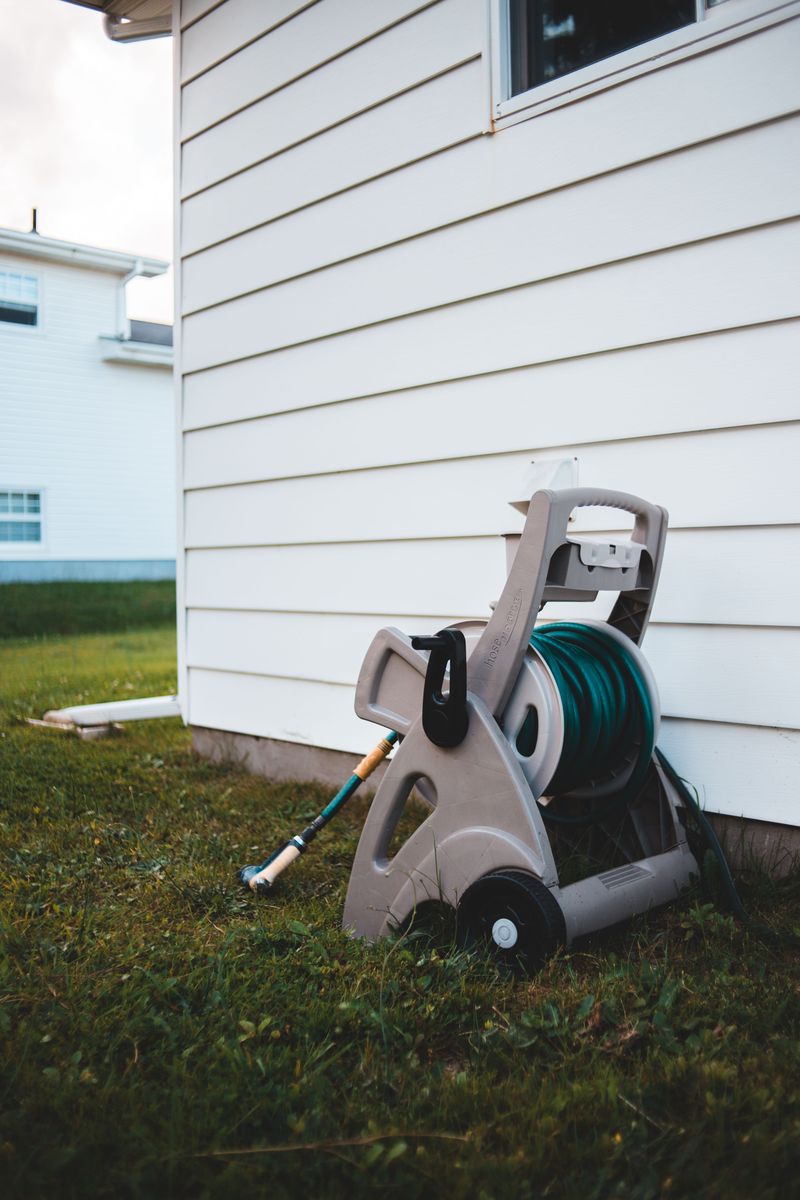
Green streaks on your siding are not just ugly. They are a warning sign that algae has already moved in and started spreading.
A mild bleach solution is one of the most effective and affordable tools against mold and algae growth. Mix one part bleach with four parts water in a garden sprayer.
Always wear gloves and eye protection before you start. Bleach is gentle on siding when diluted properly, but it is not gentle on your skin.
Spray the solution directly onto affected areas and let it sit for about ten minutes. You will see the green and black growth begin to fade almost immediately.
Your Mississippi Garden Changes Every Week. Your Plan Should Too.
Gardening in Mississippi changes quickly throughout the season. Every Friday you’ll receive a simple weekly plan showing exactly what to plant, prune, fertilize, harvest, and protect so you never miss the right timing.
Scrub stubborn spots with a soft-bristle brush to lift the remaining residue. Avoid stiff wire brushes, which can scratch vinyl or wood siding surfaces.
Rinse thoroughly with clean water from a garden hose after scrubbing. Leftover bleach residue can dull the finish on some siding materials over time.
Do this cleaning routine at least twice a year in Mississippi. Spring and early fall are ideal times because temperatures are moderate and conditions are manageable.
For painted wood siding, test the solution on a small hidden spot first. Some paint finishes react differently to bleach, so a quick test saves you from bigger headaches.
Protecting your siding from mold and algae starts with consistent, simple cleaning habits. A two-hour session twice a year keeps your exterior looking sharp and structurally sound.
3. Install Gutters Directing Water Away
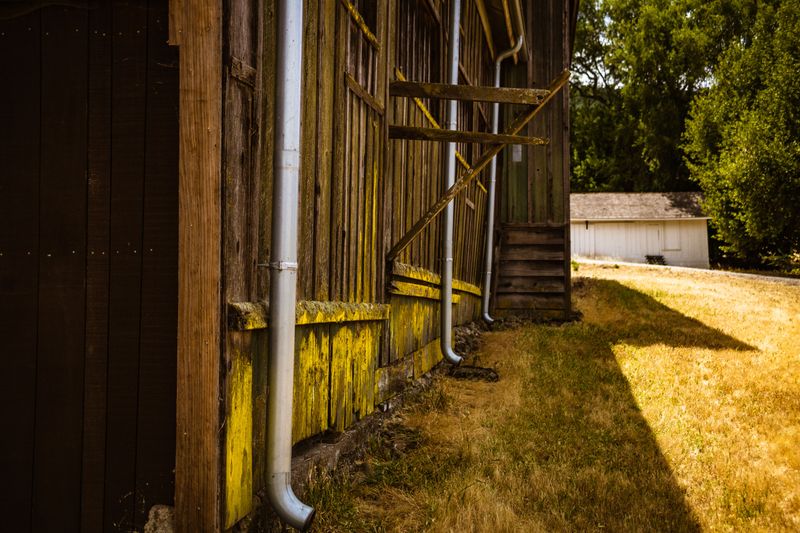
Water is the root cause of almost every mold problem on residential siding. When rain has nowhere to go, it cascades down your walls and soaks into every crack it finds.
Gutters solve this problem by catching roof runoff and directing it away from your exterior walls. Without them, your siding is repeatedly exposed to water every time it rains.
Mississippi averages around 56 inches of rainfall per year, with coastal areas seeing considerably more. That is a lot of water looking for somewhere to land, and your siding should not be the answer.
Make sure your gutters are properly pitched so water flows toward the downspouts. A clogged or sagging gutter overflows and dumps water right back onto your siding.
Clean your gutters at least twice a year, once in spring and once in late fall. Leaves and debris block the flow and turn your gutters into overflow troughs.
Downspouts should extend at least four feet away from your foundation. Use extenders or splash blocks to guide water further from the structure.
Check your gutters after every heavy storm. Mississippi weather can drop inches of rain in just a few hours, overwhelming systems that seemed fine the week before.
Seamless aluminum gutters are a smart investment for humid climates. They have fewer joints, which means fewer spots where leaks can develop and drip onto your walls.
Proper drainage keeps your siding dry between rain events. Dry siding is resistant siding, and resistant siding means fewer mold problems to address each season.
4. Apply Mold-Resistant Coating Yearly
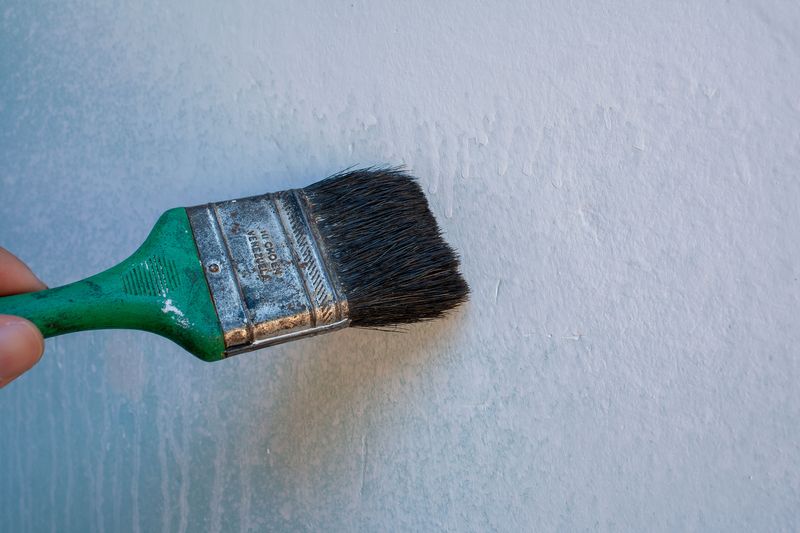
Think of a mold-resistant coating as sunscreen for your siding. You would not skip sunscreen in a Mississippi summer, and you should not skip this protective layer either.
These coatings contain antimicrobial compounds that make your siding surface inhospitable to mold and algae spores. They create an invisible shield that keeps growth from taking hold.
Most hardware stores carry exterior mold-inhibiting paints and clear sealants. Look for products labeled for high-humidity or coastal environments, as these hold up best in Southern climates.
Apply the coating after a thorough cleaning so the surface is free of existing mold. Coating over active growth just locks the problem in rather than solving it.
Use a wide brush or roller for flat siding panels and a smaller brush for trim details. Take your time to get even coverage, especially near joints and seams.
Curing time varies by product, but most coatings need roughly a full day to cure in warm weather. Check the manufacturer’s label.
Reapply every twelve months for maximum protection. Some premium coatings claim longer lifespans, but annual touch-ups ensure you never leave gaps in your defense.
Pay extra attention to north-facing walls when applying the coating. These surfaces receive the least sunlight and tend to harbor the most algae in humid conditions.
A yearly coating ritual takes only a few hours but delivers protection that lasts all season. Small effort, big reward for your siding’s long-term health.
5. Fix Leaky Pipes Near Siding
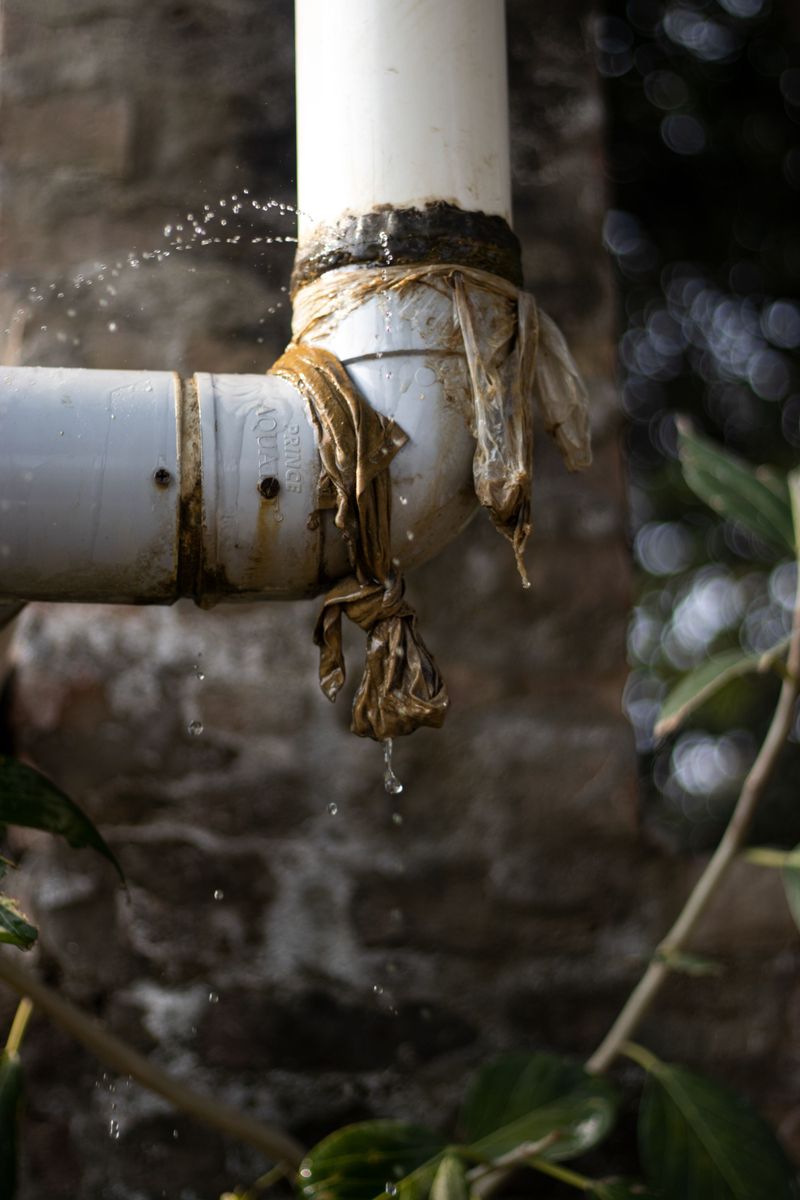
A slow drip sounds harmless until you realize it has been soaking your siding for six months straight. Leaky outdoor pipes are one of the sneakiest causes of siding mold.
Outdoor faucets, irrigation lines, and AC condensate drains all run near exterior walls. When any of these develop even a minor leak, moisture accumulates fast in the warm Mississippi climate.
Walk your property and inspect every pipe, hose bib, and drainage line near your home’s exterior. Look for rust stains, water marks, or soft spots in the ground as clues.
A dripping hose connection is an easy fix with a new washer and a wrench. Do not put it off because small leaks grow into big problems over a surprisingly short time.
AC condensate lines deserve special attention in Mississippi. Air conditioners run hard here for most of the year, producing gallons of condensation that must drain far from your walls.
Redirect condensate drainage at least three feet from your foundation and siding. Use PVC extensions or flexible tubing to guide the water safely away from the structure.
Check irrigation system heads and lines every spring before the season starts. A cracked emitter spraying against your siding every morning is a condition that encourages mold growth.
After fixing leaks, let the affected siding area dry completely before applying any treatment. Wet surfaces trap coatings and prevent them from bonding properly to the material.
Stopping water at the source is always more effective than treating mold after the fact. Fix those leaks now and your siding will thank you for years.
6. Improve Attic And Crawl Space Ventilation
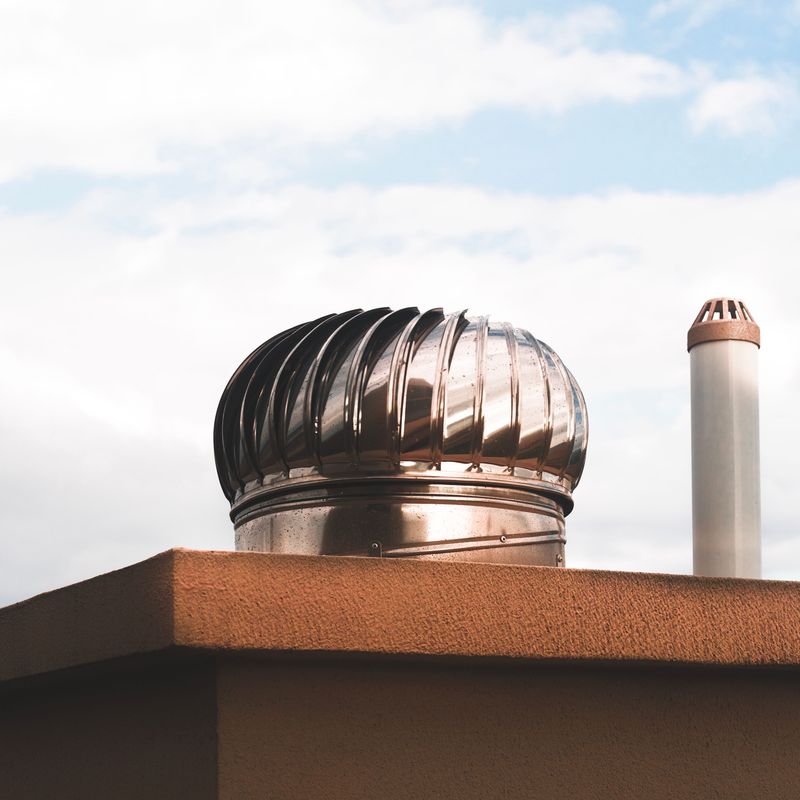
Moisture does not always originate from the outside. Sometimes it builds up inside your home and pushes outward through your walls, feeding mold from within.
Poor attic and crawl space ventilation traps humid air inside your home’s structure. That trapped moisture migrates into wall cavities and eventually saturates your siding from the back side.
Attic vents allow hot, damp air to escape before it condenses and causes damage. Check that your soffit vents and ridge vents are clear of insulation and debris.
Crawl spaces in Mississippi homes are especially vulnerable. Ground moisture rises constantly in this climate, and without proper venting, it soaks into floor joists and wall framing.
Install vapor barriers on crawl space floors to block ground moisture from rising. A heavy-duty polyethylene sheet pinned to the ground makes a dramatic difference in humidity levels.
Add crawl space vents if your home does not already have them. Many building codes recommend roughly one square foot of vent space for every 150 square feet of crawl space area, though exact requirements vary by location.
Consider a crawl space dehumidifier for particularly damp homes. These units pull excess moisture out of the air before it can migrate into your walls and siding.
In the attic, make sure your insulation is not blocking soffit vents. Blocked vents turn your attic into a steam room, and that steam has to go somewhere.
Good ventilation is a whole-home strategy for keeping siding healthy. When air moves freely, moisture has no place to linger and mold loses its advantage.
7. Power Wash Surfaces Regularly
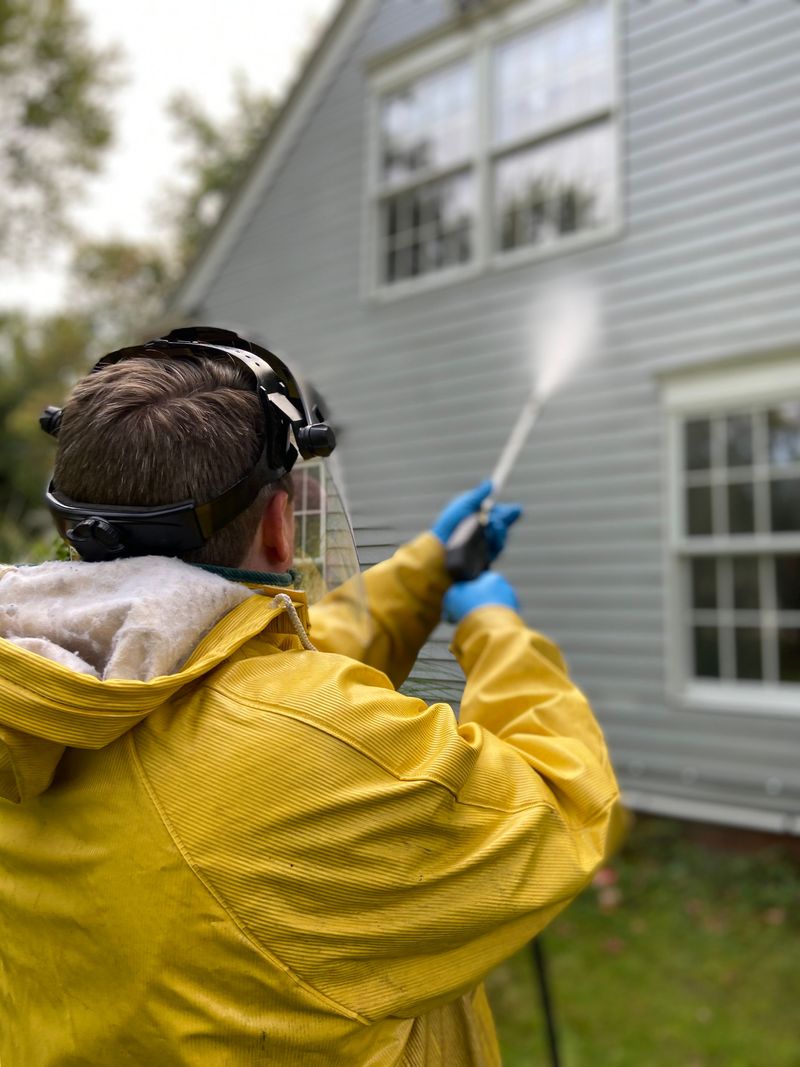
Nothing clears away a season’s worth of grime quite like a pressure washer. One afternoon with this machine can make your siding look brand new again.
Power washing blasts away mold spores, algae film, dirt, and pollen before they have time to root deeper into your siding material. It is preventive cleaning at its most satisfying.
Use a pressure setting between 1,200 and 1,500 PSI for most residential siding types. Higher settings can crack vinyl panels or strip paint from wood surfaces.
Always aim the spray downward at an angle rather than directly into seams or joints. Water forced upward behind siding panels creates the exact moisture problem you are trying to prevent.
Start at the top of your wall and work your way down in overlapping passes. This method prevents dirty water from running over already-cleaned sections below.
Add a siding-safe detergent to your pressure washer’s soap tank for extra cleaning power. These products are formulated to break down organic growth without harming your siding’s finish.
Power wash every six months in Mississippi’s climate. Spring cleaning removes winter buildup, and fall cleaning clears away summer algae before cooler weather slows the drying process.
Rent a pressure washer from a local hardware store if you do not own one. A weekend rental costs far less than professional cleaning services and gives you full control.
Protecting your siding from mold and algae is an ongoing process, not a one-time fix. Regular power washing helps keep growth under control all year long.
8. Choose Algae-Resistant Siding Materials
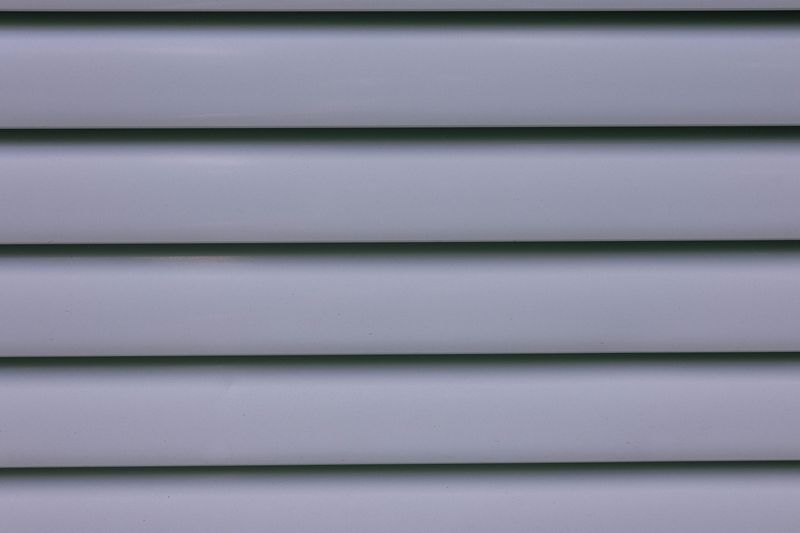
Your siding choice matters more than most homeowners realize. Some materials practically roll out a welcome mat for algae, while others make growth almost impossible.
Fiber cement siding is one of the best choices for humid Southern climates. It resists moisture absorption, does not warp, and holds paint finishes that can include mold-inhibiting additives.
Vinyl siding with a smooth surface finish is another strong contender. Algae struggles to grip smooth surfaces, and vinyl never rots or absorbs water the way untreated wood does.
Traditional wood siding, while beautiful, requires the most maintenance in Mississippi’s climate. Without regular sealing and painting, wood becomes a sponge for the moisture that feeds mold colonies.
Engineered wood products like LP SmartSide are treated with zinc borate during manufacturing. This treatment creates built-in resistance to fungal growth without any extra steps from the homeowner.
When shopping for new siding, ask specifically about moisture resistance ratings. Manufacturers often publish performance data for humid climates, and that information helps you make a smarter choice.
Color matters too, surprisingly. Lighter-colored siding reflects more heat and dries faster after rain, giving algae less time to establish on the surface.
Textured siding looks attractive but traps debris and moisture in its grooves. Smooth or lightly textured profiles are much easier to clean and far less inviting to organic growth.
Choosing the right material from the start reduces the effort needed to protect your siding from mold and algae for the entire lifespan of your home.
9. Seal Cracks And Gaps In Exterior Walls
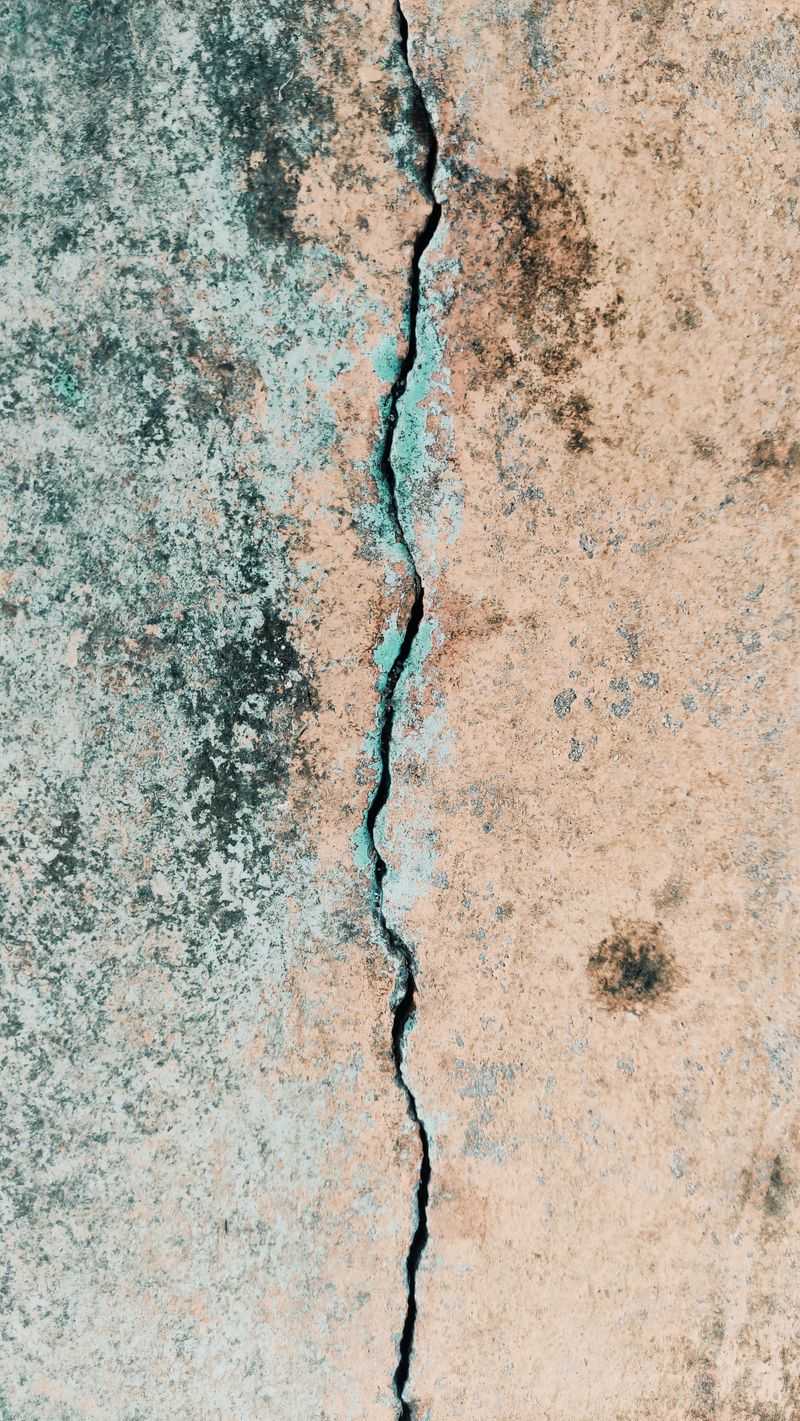
Cracks in your siding are open invitations for water, and water is mold’s best friend. Even a hairline gap can let in enough moisture to start a serious problem.
Walk your home’s exterior at least once a year with a tube of paintable exterior caulk in hand. Look around windows, doors, utility penetrations, and anywhere two siding panels meet.
Gaps around electrical outlets and hose bibs are easy to overlook but critical to seal. Water finds every opening, no matter how small, and works its way behind your siding.
Remove old, cracked caulk before applying a fresh bead. Layering new caulk over degraded material creates a weak seal that fails faster than a clean application.
Use a caulk specifically rated for exterior use in high-humidity environments. Standard interior caulk breaks down quickly when exposed to Mississippi’s heat and moisture cycles.
Press the caulk gun steadily along the gap and smooth the bead with a wet finger. A smooth bead sheds water cleanly, while a bumpy one collects it.
Foam backer rod is useful for filling larger gaps before caulking. It gives the caulk something to bond to and prevents the bead from sinking too deep into the opening.
Check your foundation sill plate where the framing meets the foundation. This junction is a common entry point for moisture that eventually wicks up into wall framing and siding.
Sealing cracks is the final layer in your strategy to protect your siding from mold and algae. Close every gap to stop moisture before it enters.