The One Thing Western North Carolina Apple Trees Need In July Or Moths Will Ruin The Fruit
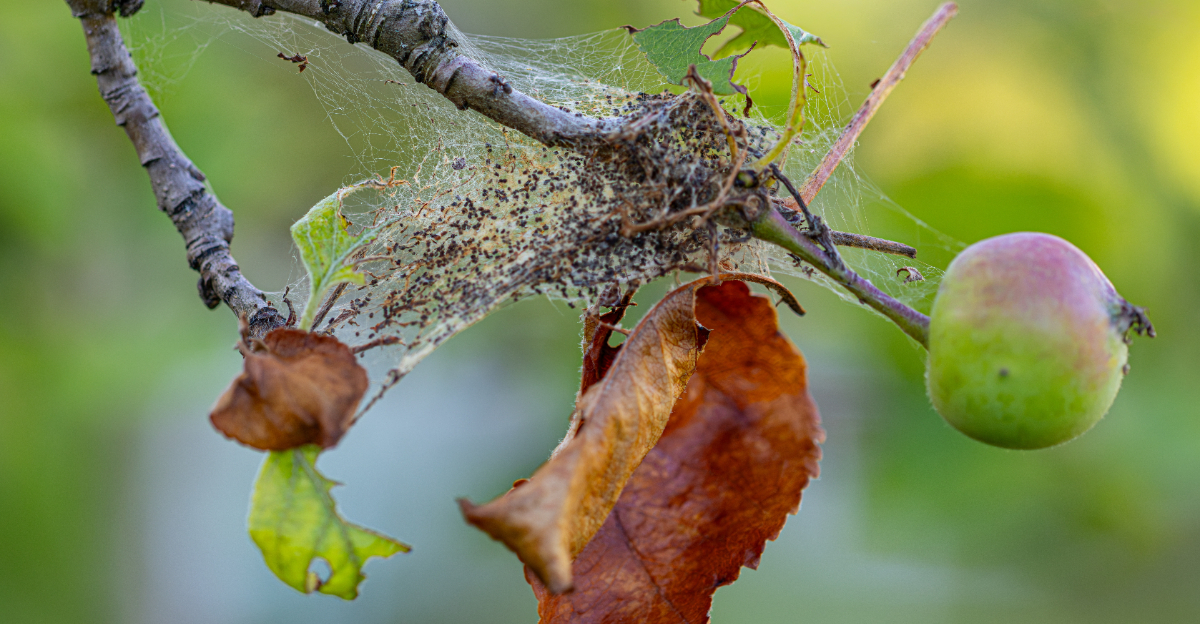
Pheromone traps are the one tool Western North Carolina apple growers cannot skip in July if they want to protect fruit from codling moths.
These traps help monitor moth activity, giving growers a clear signal of when populations are peaking and treatment becomes necessary.
Codling moth larvae tunnel directly into developing apples, often ruining fruit from the inside before any damage becomes visible outside.
Checking traps weekly helps time any needed treatments for maximum effectiveness against this persistent pest.
Removing fallen fruit promptly also helps break the moth’s life cycle, since larvae often finish developing in fruit left on the ground. Encouraging natural predators like birds can provide some additional protection throughout the orchard.
Skipping monitoring this month often means discovering the damage only once fruit is harvested. A little vigilance now protects the entire season’s apple crop.
1. The One Thing Is Timed Moth Protection
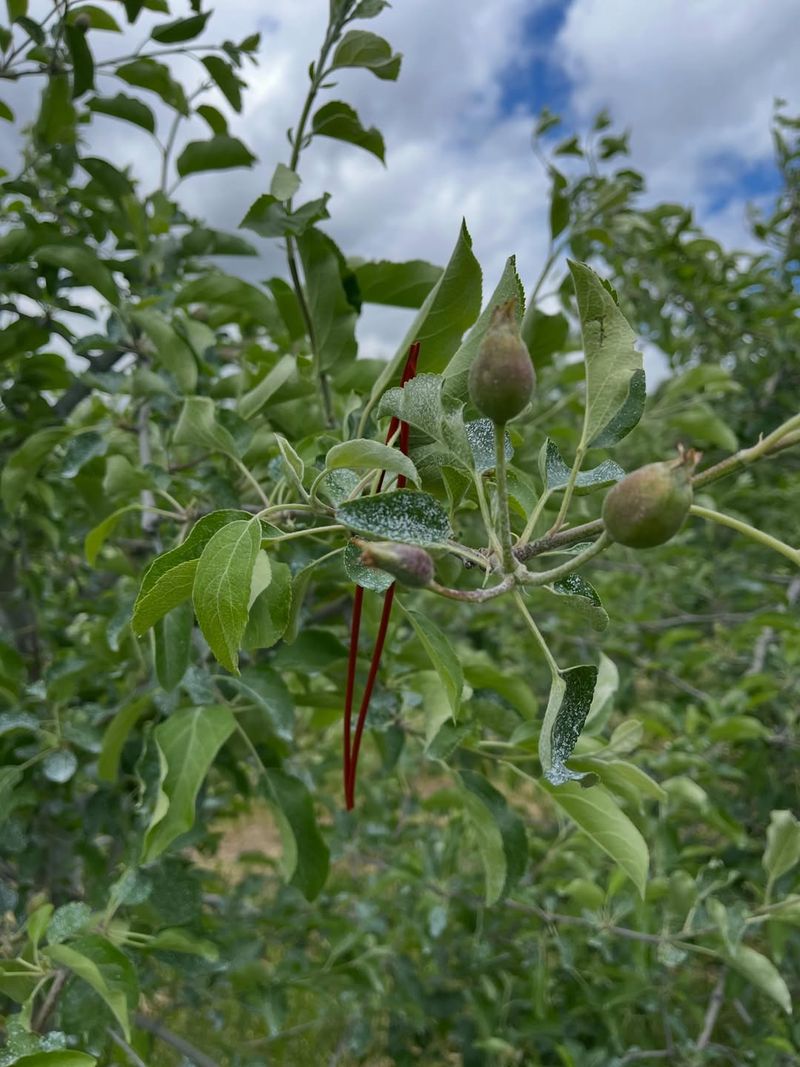
Timing is everything when it comes to protecting your apple crop from moths in western North Carolina.
Two pests in particular, the codling moth and the oriental fruit moth, are responsible for much of the tunneling and internal damage that growers discover far too late in the season.
Their larvae can bore deep into developing apples, making the fruit unmarketable and inedible before you even notice something is wrong.
The key goal of July protection is not to remove every single moth from your yard. Realistically, that is never going to happen.
What you are aiming for is a well-timed approach that stops newly hatched larvae from ever reaching your valuable fruit in the first place. That narrow window right after eggs hatch is your best opportunity to act effectively.
Protection timing should never be based on a single statewide calendar date. Factors like your elevation, your orchard’s history of past damage, local moth activity levels, and current guidance from your county Extension office all matter.
A grower in a warm Henderson County foothill location may need to act earlier than someone gardening at a higher mountain elevation.
Checking in with your local North Carolina Cooperative Extension office and staying aware of what is happening in your own yard gives you the most accurate picture.
Smart, localized timing is the foundation of everything else that follows in your July apple care routine.
2. Use Pheromone Traps To Detect Adult Activity
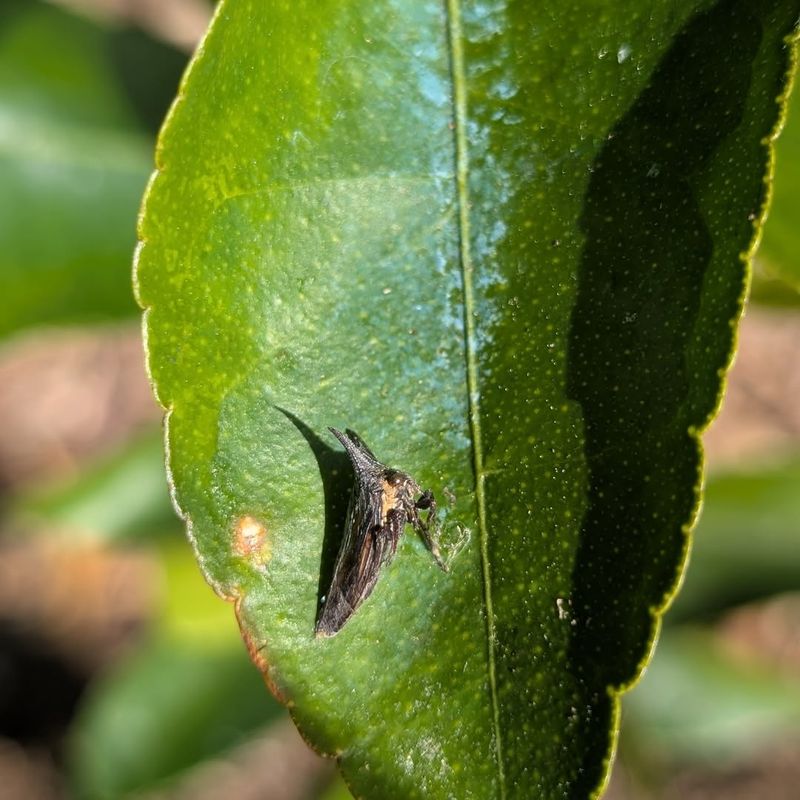
Before you can protect your apples from moths, you need to know whether those moths are actually active near your trees. That is exactly what a pheromone trap is designed to help you figure out.
These simple monitoring tools attract adult male moths using a synthetic version of the female moth’s natural scent, and they can tell you a surprising amount about what is happening in your orchard right now.
One important detail that trips up many first-time users is that each pheromone trap is species-specific.
A lure designed to attract codling moth will not reliably catch oriental fruit moth adults, so you need the right lure for the pest you are trying to monitor.
Your North Carolina Garden Changes Every Week. Your Plan Should Too.
Gardening in North Carolina changes quickly throughout the season. Every Friday you’ll receive a simple weekly plan showing exactly what to plant, prune, fertilize, harvest, and protect so you never miss the right timing.
Check the trap regularly, at least every few days during peak season, and record your catches so you can spot patterns over time.
Here is something worth knowing clearly: a pheromone trap alone will not protect your fruit. These traps capture only a small portion of the male moth population, and that is not nearly enough to bring a real infestation under control.
Think of the trap as your early warning system, not your solution. Once you start seeing consistent catches, compare your numbers with the current guidance from your western North Carolina county Extension office.
They can help you interpret what the trap results mean for your specific area and elevation, and point you toward appropriate next steps that are both safe and effective for your backyard orchard.
3. Act Before Larvae Enter The Apples
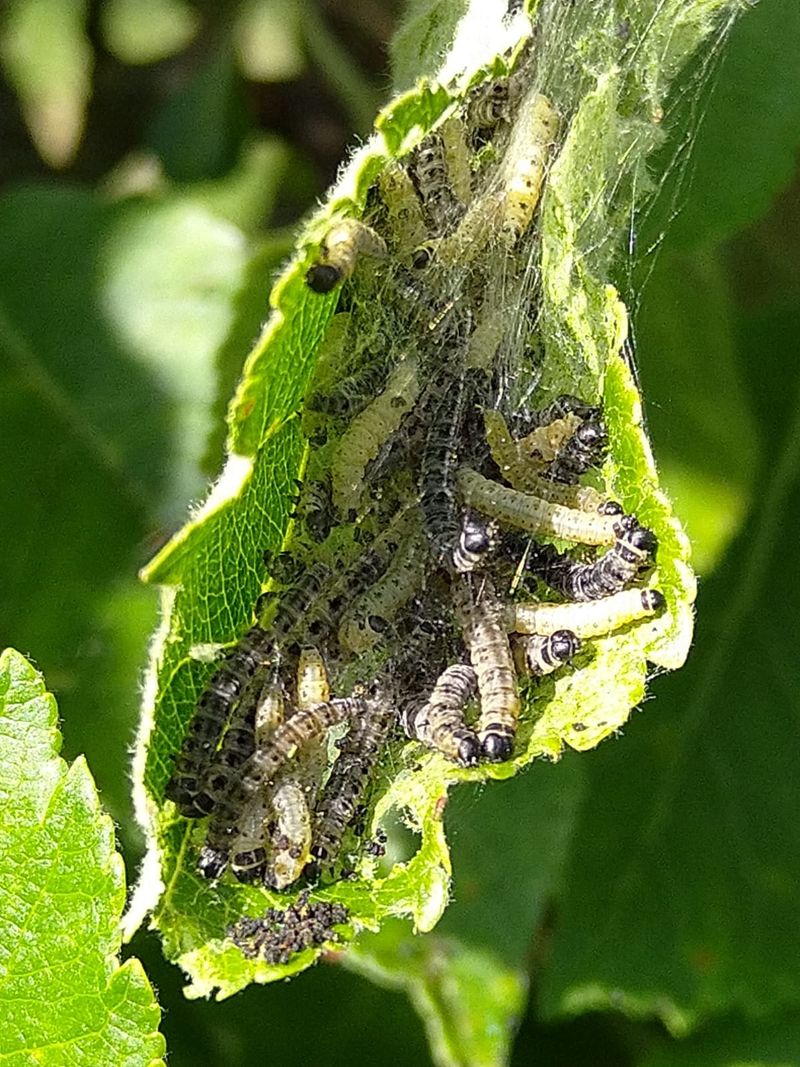
Most backyard growers make the same costly mistake: they wait until they see damaged fruit before taking action.
By that point, the larvae responsible for the damage have already tunneled safely beneath the apple skin, completely out of reach of any surface treatment.
The window you had to stop them has already closed, and there is very little you can do to reverse the situation for that fruit.
Codling moth and oriental fruit moth larvae are vulnerable for only a short time after they hatch from their eggs.
During that brief exposure period before they burrow in, a properly timed and labeled treatment can be effective at preventing them from reaching the fruit.
Once they are inside, the apple itself becomes their shield. That is why timing your response before entry matters far more than reacting after you spot a problem.
For western North Carolina growers, the best approach is to consult current North Carolina Cooperative Extension resources for localized timing recommendations rather than guessing based on the calendar alone.
Only use products that are specifically labeled for both apples and the pest species you have identified.
Always read the entire product label before applying anything, paying close attention to the pre-harvest interval, which tells you how many days must pass between application and picking.
Protective equipment requirements and pollinator safety guidelines on the label are not optional suggestions.
Following them protects your health, your bees, and the broader garden environment around your trees.
4. Inspect The Calyx And Fruit Surface Every Week
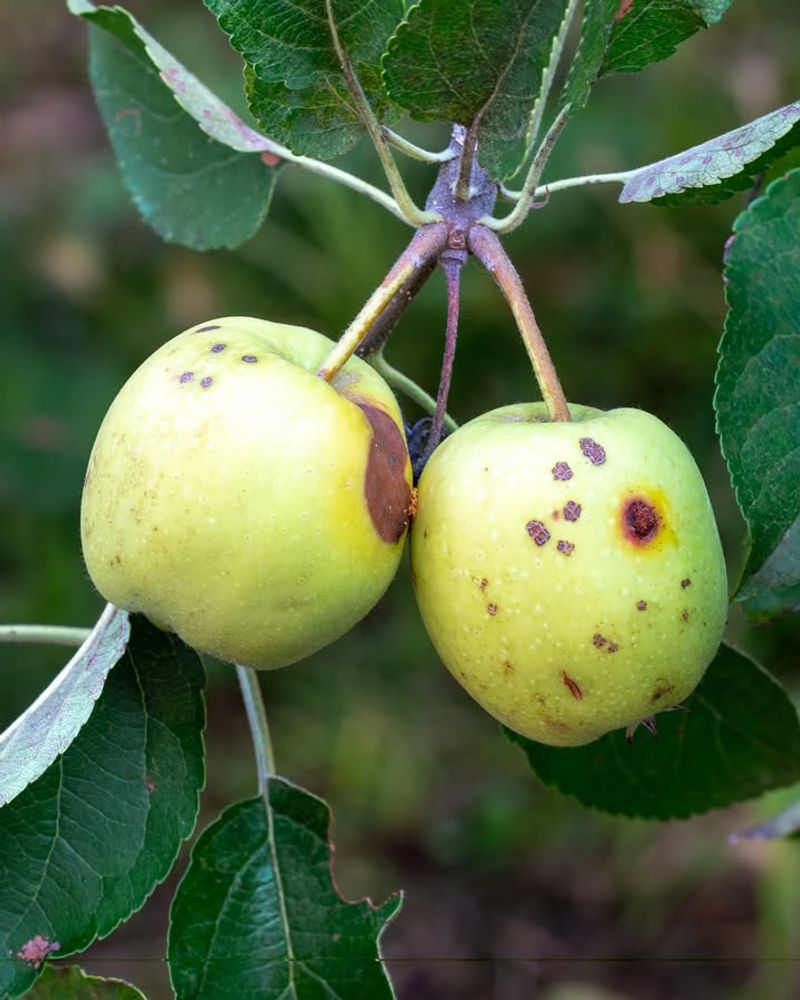
Weekly fruit inspection is one of the most practical habits a western North Carolina apple grower can build during July. Moths are sneaky, and the earliest signs of damage are easy to miss if you are not looking closely.
Set aside a few minutes each week to walk through your orchard and examine the fruit carefully, because catching problems early gives you far more options than discovering them at harvest.
Pay special attention to three key spots on each apple: the calyx end at the bottom of the fruit, the stem area at the top, and any place where two apples are touching each other.
These contact zones are favorite entry points for moth larvae because they offer a bit of shelter.
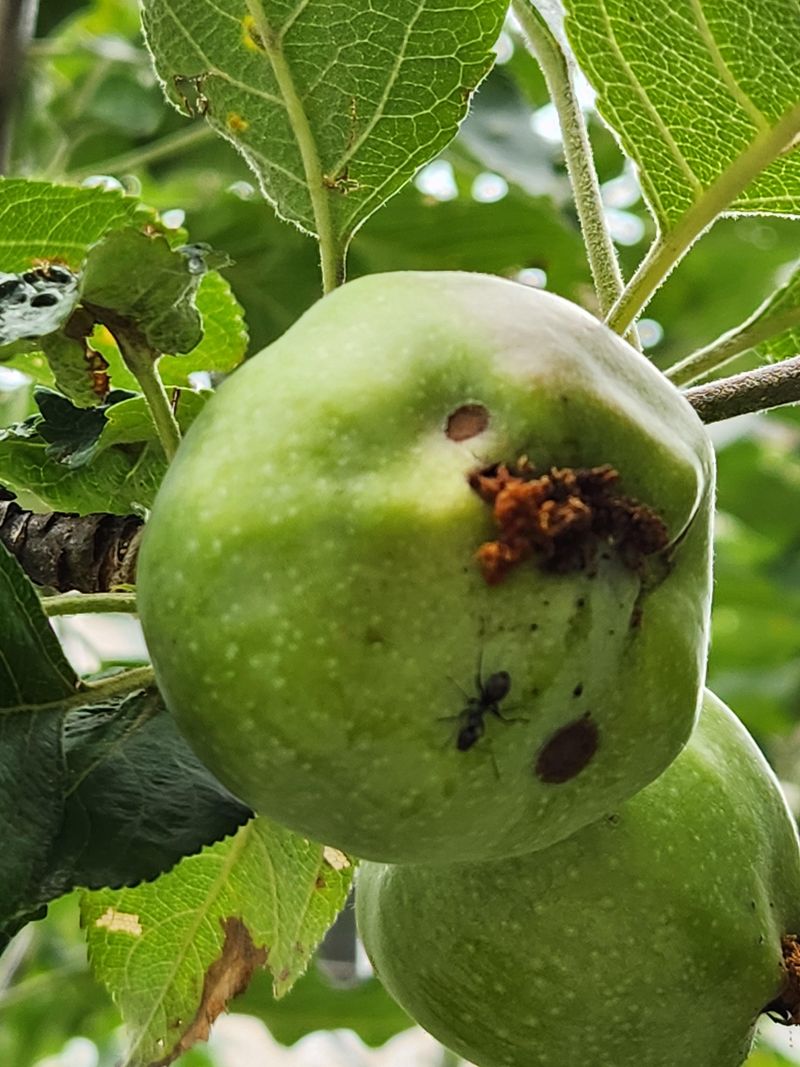
Look for tiny entry holes, small amounts of reddish or brownish crumbly material near a hole, shallow surface stings, or soft discolored patches that seem out of place on an otherwise firm apple.
Do not limit your inspection to the easy-to-reach fruit at eye level. Apples higher in the canopy can show damage just as readily as those on lower branches, so check throughout the tree.
Healthy-looking leaves and branches give no guarantee that the fruit beneath them is fine. If you spot a fallen apple that looks suspicious, open it up and look inside for tunneling or larval activity.
That kind of hands-on check tells you more about what is actually happening in your orchard than any visual scan from a distance ever could.
5. Learn Which Moth Is Damaging The Fruit
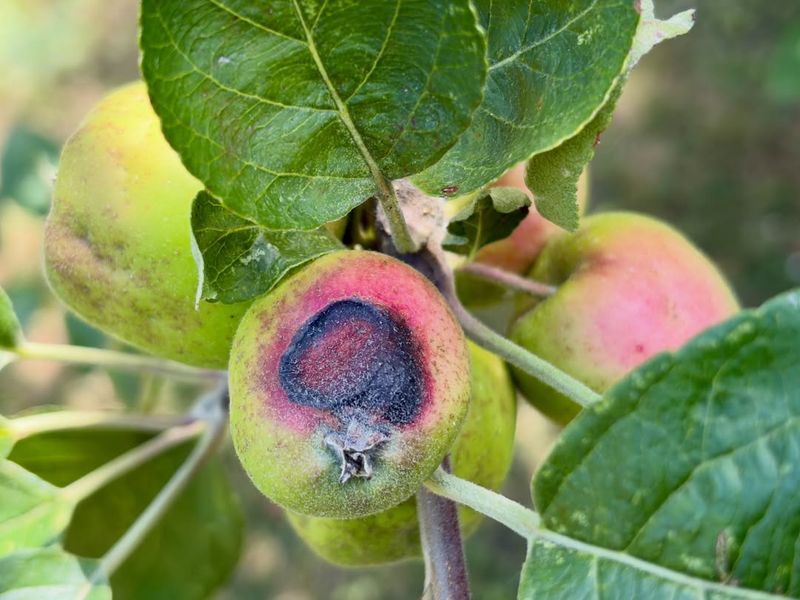
Not all moth damage looks the same, and knowing which pest you are dealing with can help you make smarter decisions about monitoring and management.
Codling moth and oriental fruit moth are the two most common culprits in western North Carolina apple orchards, and while both cause internal fruit damage, they leave behind slightly different clues.
Taking time to learn those differences puts you one step ahead. Codling moth larvae typically tunnel straight toward the apple’s core, where they feed around the seeds.
If you slice open a damaged apple and find a clear channel leading to the center with seed damage present, codling moth is often the likely suspect.
Oriental fruit moth tunnels tend to be less direct and more irregular in their path, and they do not consistently head for the core the way codling moth larvae do.
Oriental fruit moth larvae also have another habit worth knowing about: they sometimes enter the tender new shoot tips of apple trees rather than the fruit itself.
This causes the shoot tip to wilt and flag, which looks similar to fire blight damage at first glance.
Telling the two apart can be tricky without a close look at the larva itself. Honestly, exact identification without experience is difficult, and that is completely okay.
Take clear photographs of both the external damage and the inside of the fruit, then reach out to your western North Carolina county Extension office. Their expertise takes the guesswork out of the process and points you toward the right response.
6. Remove Infested And Fallen Apples Promptly
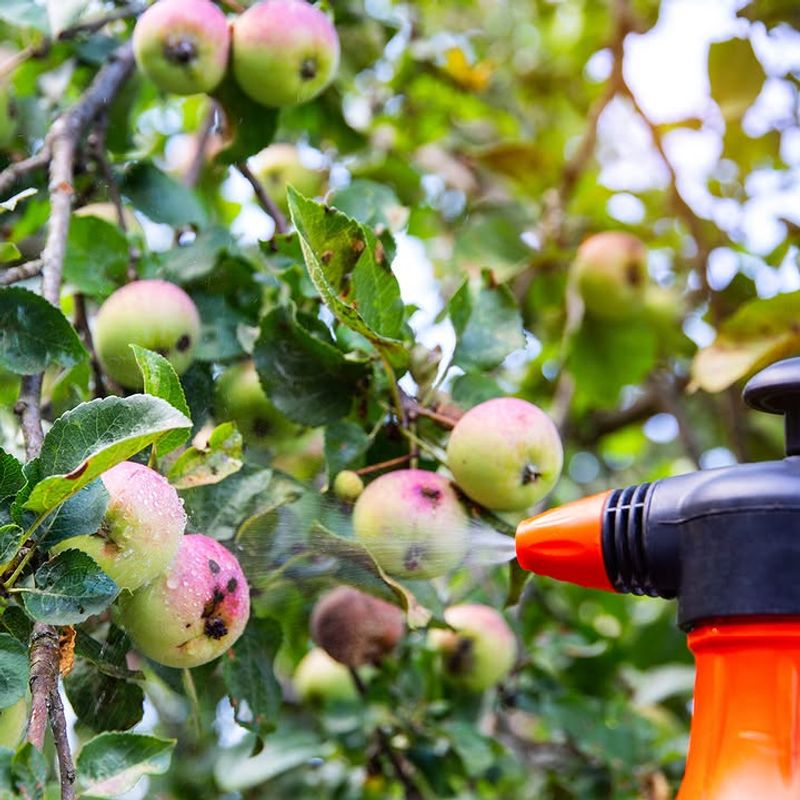
Sanitation might not sound exciting, but it is one of the most powerful tools available to a backyard apple grower dealing with moth pressure in July.
Picking up and removing damaged or fallen fruit consistently throughout the season disrupts the moth’s life cycle and reduces how much the population can grow around your trees.
It is a simple habit with a genuinely meaningful payoff. When you spot an apple with an obvious entry hole, internal tunneling, or one that has dropped prematurely from the tree, remove it right away. Do not let it sit on the ground beneath the canopy.
Larvae inside damaged fruit may exit when they are ready and search for sheltered spots nearby, such as loose bark or garden debris, where they can continue developing.
Leaving infested fruit in an open pile right next to your apple trees essentially invites that process to repeat itself in the same location.
Disposing of the damaged fruit away from the orchard area is a better choice than simply tossing it into a nearby compost pile that sits close to the trees.
Sanitation alone is unlikely to provide full protection when moth populations are already high, and it works best as part of a broader management approach rather than as a standalone fix.
Still, every infested apple you remove is one fewer opportunity for the pest population to build up around your backyard orchard.
Combined with monitoring traps and properly timed treatments, good sanitation gives your apple trees a noticeably stronger foundation heading into late summer.
7. Adjust Timing For Elevation And Local Conditions
One of the most common mistakes apple growers make in western North Carolina is borrowing a treatment date from someone else’s orchard without considering how different their local conditions might be.
Moth development is tied closely to accumulated heat, which scientists measure using a concept called degree days.
Warmer foothill locations heat up faster, which means moths in those areas develop and become active earlier in the season than moths at higher mountain elevations.
Henderson County, one of the most productive apple-growing areas in the Southeast, sits at a different elevation range than many other western North Carolina communities.
A grower there may face peak codling moth activity at a noticeably different time than a gardener tending trees at a much higher site in Avery, Watauga, or another mountainous county.
Copying a spray date from a neighbor’s orchard ten miles away and several hundred feet lower in elevation could mean you are acting too early or too late for your specific location.
Staying connected to local information sources is the most reliable way to fine-tune your timing.
Check your pheromone traps consistently, examine your fruit weekly, and follow updates from your county’s North Carolina Cooperative Extension office throughout the growing season.
Extension pest advisories often reflect local degree day accumulations and real trap catches from nearby monitoring sites, making them far more relevant to your garden than a generic regional schedule.
Your own yard’s history of past moth damage is also valuable data worth factoring into your planning every single year.
8. Plan Earlier Fruit Bagging For Next Season
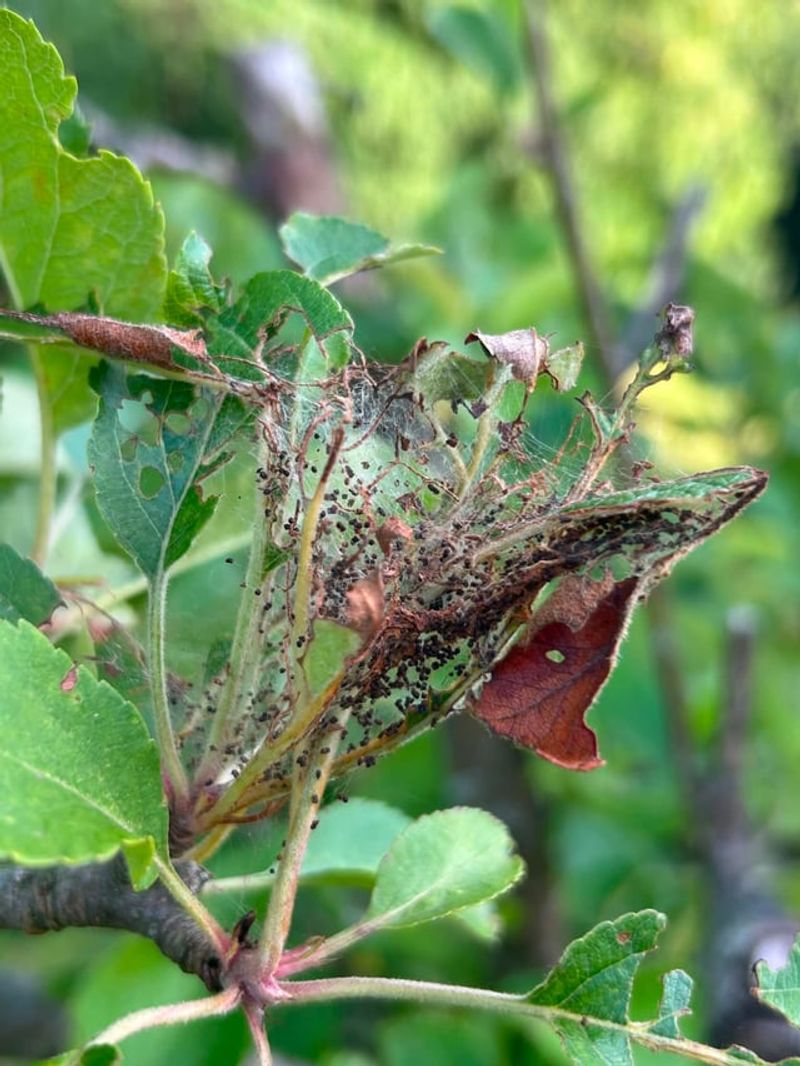
Fruit bagging is one of the most satisfying and effective ways to protect individual apples from codling moth and oriental fruit moth on a small backyard tree.
Each bag acts as a physical barrier that prevents moths from laying eggs directly on the fruit surface, giving your apples a protected space to grow without chemical intervention.
Growers who have tried it often become enthusiastic fans of the method after seeing the results at harvest.
The catch is timing. Bags need to go on early, typically around four to six weeks after bloom, when the fruitlets are still small and before the first moths have had a chance to lay eggs on them.
Waiting until July to start bagging means the earliest round of damage may have already occurred. For this season, bagging might still be worth trying on undamaged fruit, but next year’s plan should include getting bags on much earlier in the spring.
Before bagging, thin your fruit so the remaining apples have enough space to develop properly, and inspect each one carefully before covering it. Only bag fruit that shows no signs of existing damage.
Pairing your bagging routine with proactive habits ensures better management of next season’s apple crop. Prune trees for easy reach, track adult pests with pheromone traps, promptly clear damaged fruit, and stay aligned with local Extension updates.
Building these steps into an annual plan turns a reactive response into a confident, proactive strategy.