The Overwatering Mistake That Stalls Georgia Canna Lilies Every Summer
Georgia gardeners keep running into the same wall with their canna lilies, and the plant rarely explains itself before it happens. One week the leaves look glossy, the next they sit frozen while neighboring plants keep growing without effort.
The soil looks fine from the surface, so the real problem stays hidden right where the roots live. Canna rhizomes breathe through tiny air pockets, and something as simple as a daily routine can quietly shut those pockets down.
That instinct feels right, but it pushes an already stressed rhizome further from recovery. The fix turns out to be something almost every gardener is already holding in their hand.
The Watering Habit That Quietly Stalls Georgia Cannas
Your cannas were thriving in May, and now they just stopped. That quiet standstill often points to one sneaky cause: too much water.
Most gardeners water on a schedule, not based on what the soil actually needs. In Georgia summers, that habit catches up fast.
Humidity alone keeps the ground moist longer than you expect. Adding daily watering on top of that creates conditions cannas simply cannot handle well.
Cannas are tropical plants, but that does not mean they love sitting in water. They want warmth and moisture, but the soil needs to breathe between sessions.
When roots stay soggy, the plant shifts its energy away from growth. Blooming stops because survival becomes the priority instead.
The overwatering mistake that stalls canna lilies every summer often starts with good intentions. A gardener sees heat and assumes the plant needs more water right away.
But cannas planted in Georgia clay hold moisture much longer than sandy soils do. What feels dry on top can be completely saturated just two inches below the surface.
A simple finger test makes a real difference for most gardeners. Push your finger two inches into the soil, and only water if it feels dry at that depth.
Switching from a timer-based routine to a soil-based one is the first real fix. Your cannas will respond faster than you think once the roots get room to breathe again.
Signs Your Cannas Are Getting Too Much Water
Yellow leaves on cannas fool almost every gardener the same way. The instinct says the plant needs more water, but often the opposite is true.
Overwatered cannas show a very specific set of clues once you know what to spot. Learning to read those signs saves your plants before serious damage sets in.
Leaves that turn pale yellow, starting from the bottom of the stalk, are a classic red flag. That color shift means roots are struggling to pull nutrients through waterlogged soil.
Soft, mushy stems near the soil line are another warning worth taking seriously. Healthy canna stems feel firm and solid, not spongy when you press them gently.
Stunted growth during peak summer heat is one of the most overlooked signals. If your cannas stopped putting out new shoots in July, excess moisture is a likely culprit.
Your Georgia Garden Changes Every Week. Your Plan Should Too.
Gardening in Georgia changes quickly throughout the season. Every Friday you’ll receive a simple weekly plan showing exactly what to plant, prune, fertilize, harvest, and protect so you never miss the right timing.
Mold or a sour smell near the base of the plant strongly supports the diagnosis. That odor means organic matter is breaking down in anaerobic, waterlogged conditions underground.
Wilting is the symptom that confuses gardeners the most, because it looks just like drought stress. The key difference is that overwatered plants wilt even when the soil around them feels wet.
Check the soil before you ever reach for the hose again. Once you start reading your plant instead of your calendar, the signs become surprisingly easy to catch early.
The Hidden Damage Happening Underground When Roots Stay Too Wet
Most of the real damage from overwatering happens where you cannot see it. Beneath the surface, canna rhizomes are either thriving or slowly breaking down.
Rhizomes are the thick, fleshy underground stems that store energy for your cannas. They are the engine of the plant, and they are surprisingly vulnerable to excess moisture.
When soil stays saturated for too long, oxygen gets pushed out of the tiny air pockets between soil particles. Roots need oxygen just as much as they need water to function properly.
Without oxygen, roots quickly lose their ability to absorb nutrients and function properly. The plant above ground shows stress because the foundation below is no longer working efficiently.
Fungal pathogens thrive in wet, airless soil conditions. Pythium and Fusarium are two common culprits that infect weakened canna roots during prolonged wet spells.
Root rot starts small, affecting just the tips of the roots first. But left unchecked, it spreads inward toward the rhizome and causes damage that is very difficult to reverse.
A rotting rhizome turns brown and soft, losing its firm, cream-colored interior. At that stage, the plant has very little stored energy left to push new growth upward.
Catching root issues early means digging carefully around the base and inspecting the rhizomes directly. Firm, light-colored roots are healthy, while dark and mushy ones signal that the overwatering mistake that stalls Georgia canna lilies has already taken hold underground.
The Right Watering Rhythm For Georgia Summers
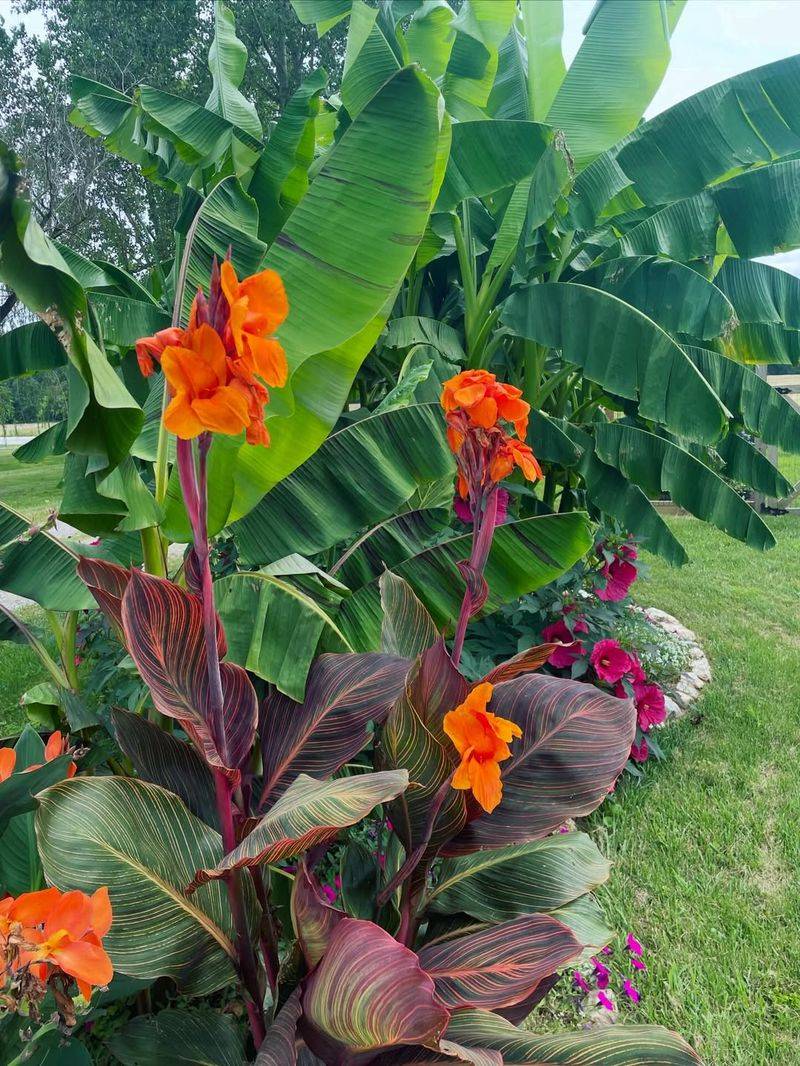
Georgia summers bring a mix of heat and humidity that changes how cannas use water. The heat is relentless, the humidity is thick, and the afternoon thunderstorms roll in almost every day.
That weather pattern changes how often your cannas actually need water from a hose. Nature is already doing a significant portion of the job for you.
A good rule of thumb is to water deeply but infrequently. Cannas do well with about one inch of water per week, including rainfall in that total.
Deep watering encourages roots to grow downward, making plants stronger and more drought-tolerant over time. Shallow, frequent watering keeps roots near the surface where they stay soggy and weak.
Morning is the best time to water cannas without creating problems. Moisture on leaves dries off during the day, reducing the risk of fungal issues taking hold overnight.
A rain gauge is one of the cheapest tools that can meaningfully improve your watering decisions. Place one near your cannas and let actual measurements guide your decisions instead of guesswork.
After a heavy afternoon storm, skip the next scheduled watering entirely. Georgia clay holds onto that moisture for longer than most gardeners realize, especially in shaded beds.
Using a drip irrigation system or soaker hose targets water directly at the root zone. That method keeps foliage dry and delivers moisture exactly where cannas need it most.
Building a consistent, weather-aware rhythm is the real fix for stalled plants. Cannas rewarded with the right schedule come back with bold blooms faster than you expect.
Soil And Drainage Fixes That Prevent This Mistake
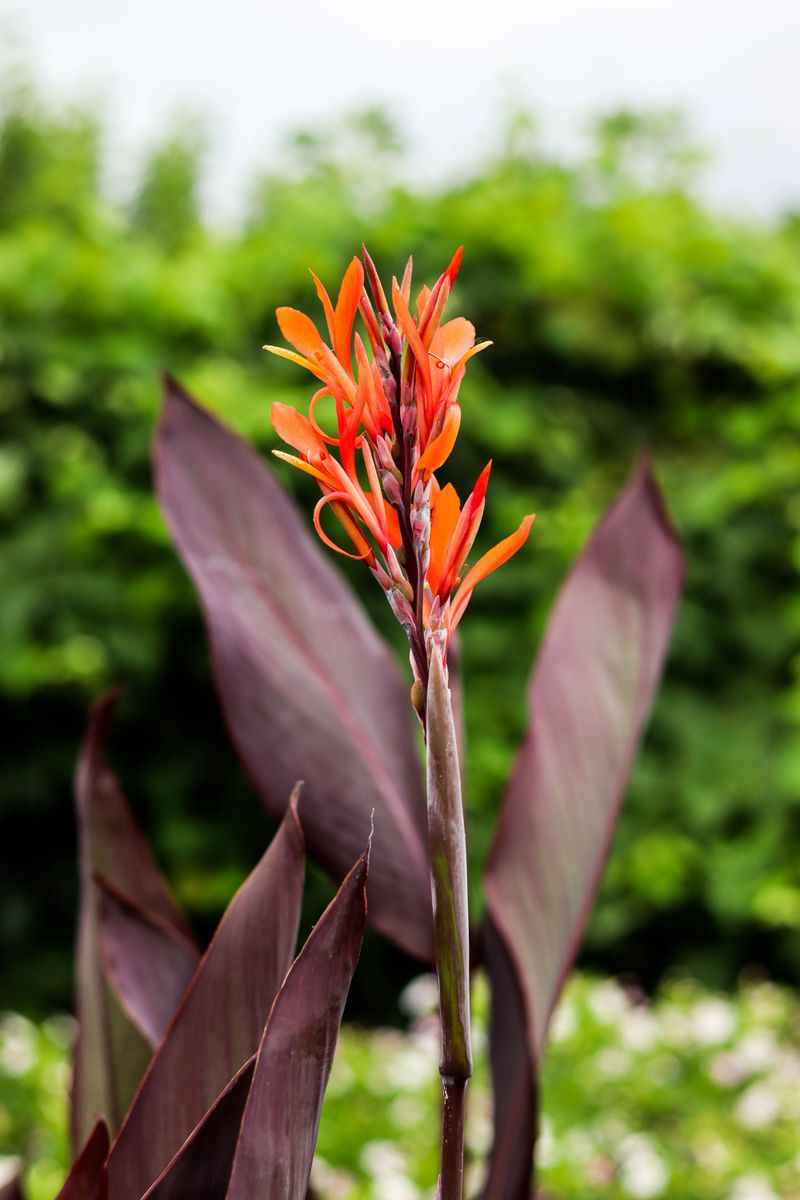
Bad drainage is the silent partner in almost every overwatering problem. Even a perfect watering schedule fails when the soil cannot move water through efficiently.
Georgia clay is notorious for holding water far longer than most flowering plants prefer. It feels like the ideal, rich growing medium, but it can trap moisture at root level for days.
Mixing compost into clay soil noticeably improves its structure over just one season. Compost opens up the clay, creating channels that let water drain while still holding some nutrients behind.
Perlite is another easy amendment that makes a noticeable difference fast. Adding it to your planting bed increases air pockets and speeds up drainage without removing nutrients from the mix.
Raised beds are a reliable long-term solution for gardeners dealing with heavy clay. Lifting cannas just six to eight inches above grade gives you much more control over drainage.
Slope matters more than most people realize when planning a canna bed. Even a gentle one to two percent grade away from the plant base moves standing water out before it causes harm.
Mulching with pine straw or wood chips helps regulate soil moisture between rain events. A two to three inch layer slows evaporation on dry days and buffers against waterlogging during storms.
Avoid planting cannas in low spots where water naturally collects after heavy rain. Choosing a slightly elevated location in your yard is one of the easiest prevention strategies available to any gardener.
Getting Stalled Cannas Growing Again This Season
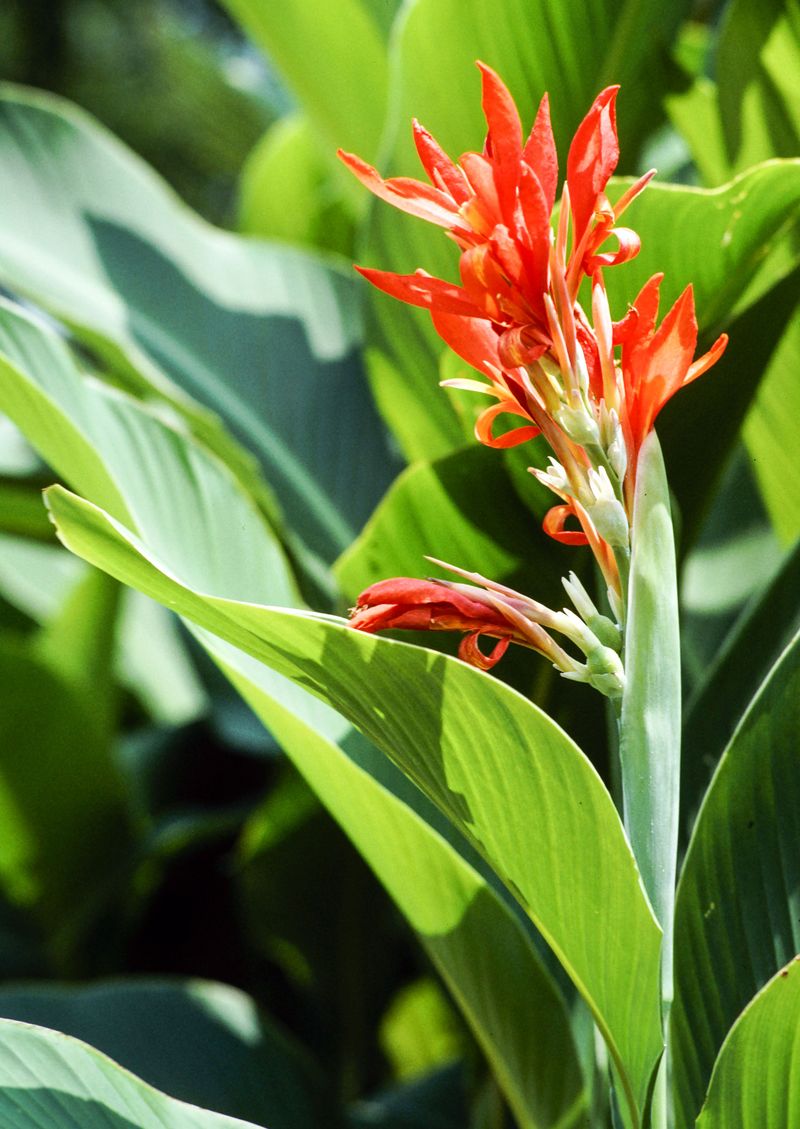
Stalled cannas are not a lost cause, and most respond quickly once the real problem is fixed. With the right steps taken now, most plants bounce back within a few weeks.
Start by stopping all supplemental watering immediately and letting the soil dry out. Give the ground at least five to seven days to recover before you add any moisture again.
Pull back mulch from around the base to let the soil surface breathe and dry faster. Air circulation at ground level speeds up the drying process significantly on warm summer days.
If you suspect root rot, gently dig up the rhizomes and inspect each one closely. Cut away any sections that feel soft or look brown and discolored using clean, sharp pruners.
Dust cut surfaces with powdered sulfur or cinnamon to discourage further fungal spread. Both act as natural antifungal agents that help the exposed rhizome tissue callous over safely.
Replant healthy rhizomes in amended soil with better drainage than the original location had. Make sure the planting spot gets at least six hours of direct sun each day for strong recovery.
Once replanted, water just enough to settle the soil around the roots and then step back. Resist the urge to baby the plant with extra moisture, because that is what caused the stall originally.
Fixing the overwatering mistake is well within reach for any gardener willing to adjust. Your cannas have the energy to finish the season strong if you give the roots room to recover now.