Remove Crabgrass From Your Landscape Beds With These New Jersey-Friendly Steps
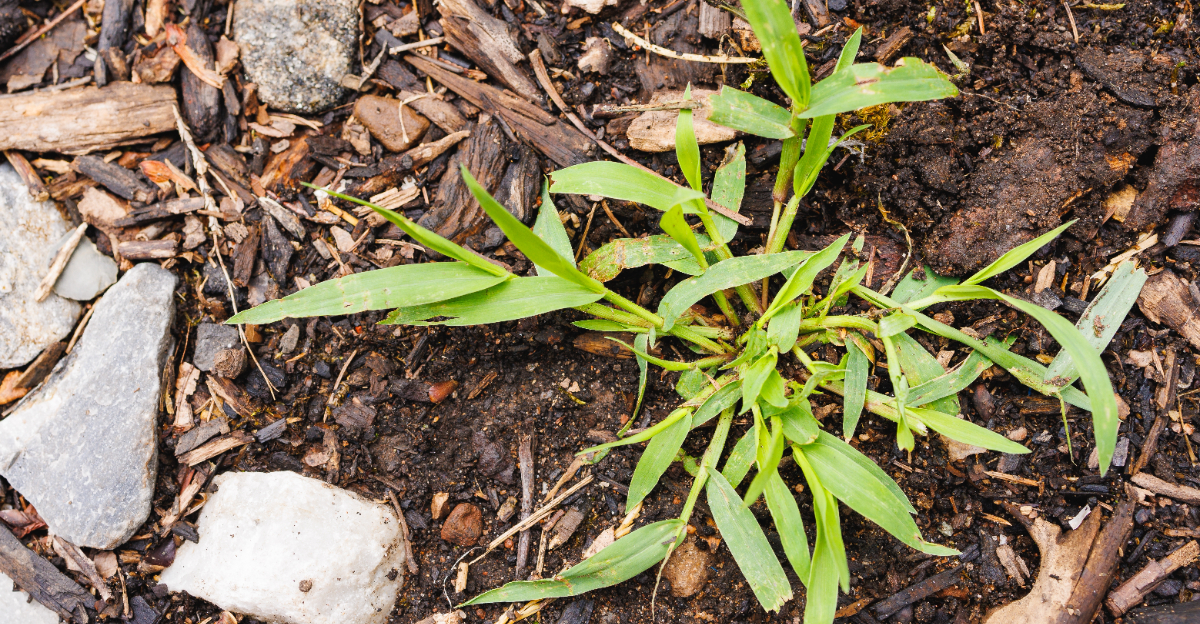
Crabgrass doesn’t ask permission before it takes over your beds. Somewhere between spring rain and summer heat, it multiplies fast. New Jersey lawns face this invader with predictable consistency.
Nothing about this weed plays fair or slows down naturally. Roots spread sideways while stubborn seeds scatter early and patience thins. Homeowners often underestimate how aggressively this plant claims territory.
Every missed week gives crabgrass another chance to dominate. Soil conditions across New Jersey practically invite this weed back annually. Timing matters more than effort when tackling this stubborn problem correctly.
Guesswork wastes time crabgrass simply refuses to give you. Strategy beats frustration, and results beat wishful thinking every time. Momentum builds once you understand what actually works here.
Nowhere does this weed slow down unless you push back hard. Persistence separates cluttered, overrun beds from ones that finally recover. You won’t outlast this weed by waiting another season to act.
1. Pull Visible Crabgrass Before It Seeds
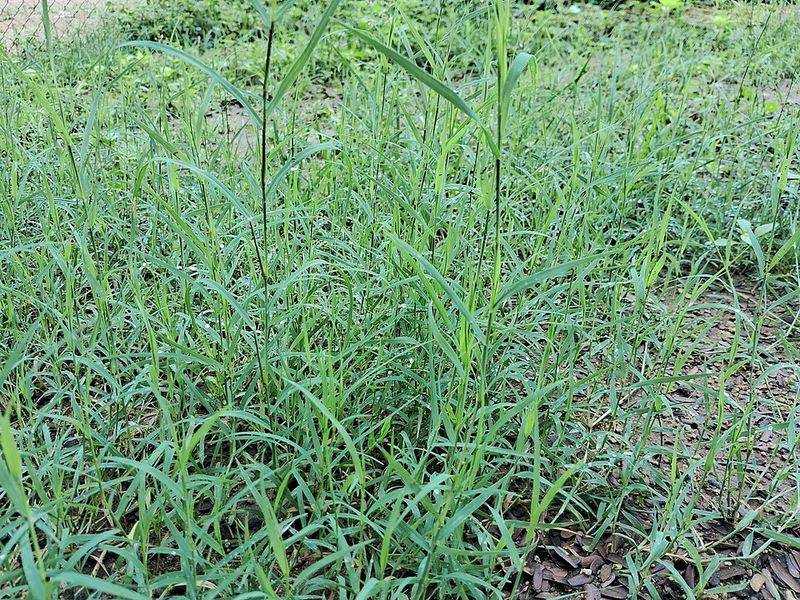
Your hands are your best tool when crabgrass is young. Catching it early, before it drops seeds, is one of the most effective early steps you can take.
Crabgrass produces thousands of seeds per plant. One missed plant this season means hundreds of new weeds next spring.
Pull from the base, not the stem. Grabbing near the root gives you a much better chance of removing the whole plant cleanly.
Wet soil makes this job easier. Water your beds lightly the evening before, and the roots will slide out with less resistance.
Wear gloves to protect your hands from blisters. A weeding fork or hand cultivator also helps loosen stubborn roots before you pull.
Work in the morning when temperatures are cooler. You will be more comfortable, and the soil holds moisture longer in the early hours.
Check your landscape beds weekly from late spring through summer. Crabgrass germinates in waves, so one round of pulling is never enough.
Bag the pulled weeds immediately and seal the bag. Do not toss them into a compost pile, because seeds can survive and spread.
Stay consistent and you will notice fewer plants each week. Removing crabgrass from your landscape beds manually takes patience, but the results are absolutely worth the effort.
2. Apply Pre-Emergent Herbicide In Early Spring

Timing is everything with pre-emergent herbicide. Apply it too late and the crabgrass seeds have already sprouted, making the product useless.
In New Jersey, the general target is when soil temperatures reach and hold around 55 degrees Fahrenheit for several consecutive days. This often falls between late March and mid-April, depending on local conditions that year.
Pre-emergent herbicide works by creating a chemical barrier in the soil. It stops seeds from germinating, so crabgrass never gets a foothold in your landscape beds.
Granular formulas are popular because they are easy to apply with a broadcast spreader. Liquid options also work well when sprayed evenly across the bed surface.
Always water the product in after application. Rain or irrigation activates the barrier and locks it into the top layer of soil where seeds sprout.
Your New Jersey Garden Changes Every Week. Your Plan Should Too.
Gardening in New Jersey changes quickly throughout the season. Every Friday you’ll receive a simple weekly plan showing exactly what to plant, prune, fertilize, harvest, and protect so you never miss the right timing.
Read the label carefully before applying anything. Some pre-emergents can affect desirable plants if used incorrectly or at the wrong rate.
Avoid disturbing the soil after treatment. Digging or raking breaks the chemical barrier and allows seeds to bypass the protection you just created.
A second application in late spring can extend your coverage through the summer months. Some products offer a split-application schedule specifically for this purpose.
Pre-emergent herbicide is one of the most effective ways to remove crabgrass from your landscape beds before the problem even begins. Plan ahead and you will spend far less time weeding all season long.
3. Spot-Treat With Post-Emergent Herbicide As Needed
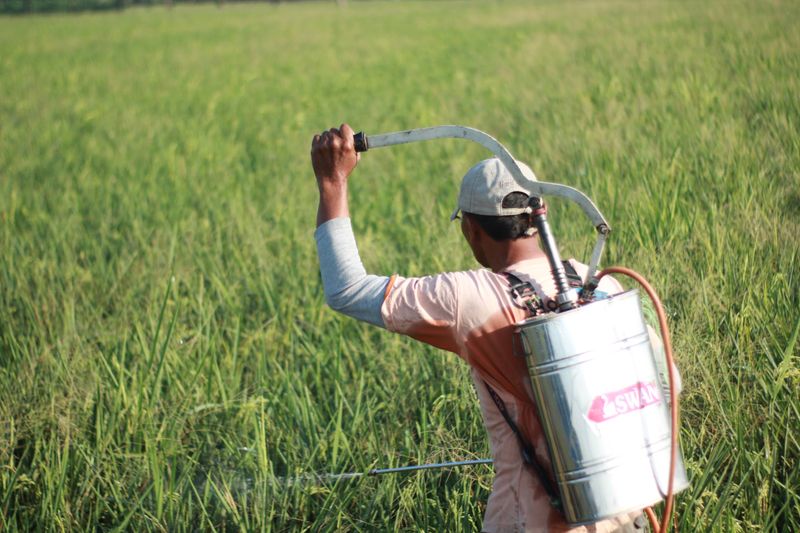
Sometimes crabgrass sneaks through even the best defenses. When you spot a few plants that survived your earlier efforts, post-emergent herbicide is your next move.
Post-emergents work differently from pre-emergents. They target plants that are already growing rather than stopping seeds from sprouting underground.
Look for products containing quinclorac or fenoxaprop-p-ethyl. These active ingredients are highly effective against crabgrass without harming most ornamental plants nearby.
Spot-treating is the smart approach here. Spraying only the affected areas reduces chemical use and lowers the risk of damaging surrounding desirable plants.
Apply on a calm, dry day with no rain in the forecast for at least 24 hours. Wind can carry the spray to plants you want to protect, and rain washes the product away before it works.
Young crabgrass responds faster to treatment than mature plants. Target plants with fewer than five tillers for the best and quickest results.
You may need two applications spaced about two weeks apart. Larger or more established plants often require a second round to fully break down.
Always follow label directions for mixing ratios and safety precautions. Wearing gloves and eye protection is a smart habit whenever you handle any herbicide product.
Post-emergent herbicide is a reliable backup plan for removing crabgrass from your landscape beds mid-season. Used correctly, it gives you control even when weeds catch you off guard.
4. Spread Mulch To Block Sunlight And Growth
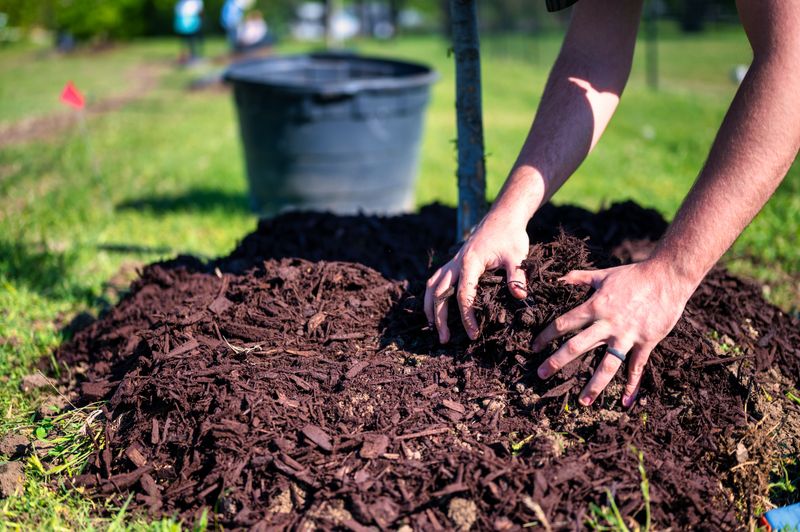
Mulch is one of the most underrated weapons in your weed-fighting toolkit. A thick layer blocks sunlight from reaching the soil, and crabgrass seeds need light to germinate.
Aim for a mulch layer between two and three inches deep. Too thin and light sneaks through, too thick and you risk smothering the roots of your desirable plants.
Shredded hardwood and wood chip mulch are both excellent choices for landscape beds. They break down slowly, improve soil health over time, and look clean and tidy all season.
Spread mulch in late spring after applying your pre-emergent herbicide. Layering these two strategies together works effectively to prevent crabgrass germination.
Refresh your mulch layer each year because it breaks down and thins out over time. A fresh top-up in spring keeps the barrier strong and the beds looking sharp.
Pull any weeds that poke through before adding new mulch on top. Covering existing weeds traps moisture and can actually help them survive longer underground.
Keep mulch a few inches away from plant stems and tree trunks. Piling it directly against wood creates moisture problems and can cause rot over time.
Colored mulch options can add visual appeal while still doing the same protective job. Choose whatever fits your yard’s aesthetic without sacrificing function.
Spreading mulch is a satisfying, straightforward step to remove crabgrass from your landscape beds permanently. It works around the clock, even when you are not out there watching.
5. Improve Soil Drainage To Discourage Crabgrass
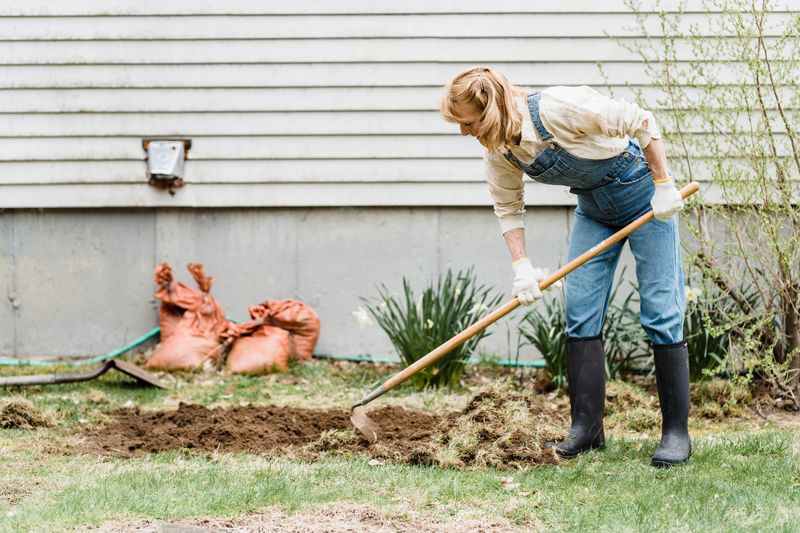
Crabgrass thrives in wet, compacted, poorly draining soil. If your beds stay soggy after rain, you are creating ideal conditions for crabgrass to establish.
Improving drainage changes the environment so crabgrass struggles to take hold. Healthier soil supports stronger desirable plants that can compete and crowd weeds out naturally.
Start by testing your soil structure. Dig a small hole, fill it with water, and watch how fast it drains. Slow drainage signals compaction or clay-heavy soil.
Adding compost is one of the best fixes for poor drainage. It loosens compacted soil, adds organic matter, and creates air pockets that help water move through more freely.
Aerating the soil with a garden fork or mechanical aerator also helps significantly. Punching holes breaks up compaction and lets roots breathe and water drain properly.
Raised landscape beds are another great solution for chronic drainage problems. Elevating the planting area removes standing water from the equation almost entirely.
Sand is sometimes recommended for drainage, but use it carefully. Adding sand to clay soil without enough organic matter can actually create a cement-like texture that makes things worse.
French drains or gravel-filled trenches work well for beds that sit in low spots. These redirect water away from the area before it has a chance to saturate the soil.
Fixing drainage is a long-term investment in your landscape. Better soil conditions make it far easier to remove crabgrass from your landscape beds and keep it from returning.
6. Mow Or Trim Surrounding Grass Regularly

Overgrown grass along your bed edges allows crabgrass to spread into your beds more easily. Keeping surrounding turf trimmed cuts off that entry point before it becomes a problem.
Mow your lawn at the right height to fight back against crabgrass naturally. Taller grass, around three to four inches, shades the soil and makes it harder for weed seeds to sprout.
Scalping your lawn short is one of the biggest mistakes homeowners make. Low-cut grass exposes bare soil, and bare soil is exactly where crabgrass loves to move in.
Use a string trimmer or edger along your bed borders every time you mow. Clean, sharp edges create a clear boundary and reduce the chance of grass spreading into your beds.
Sharpen your mower blades at least once per season. Dull blades tear grass instead of cutting it cleanly, which stresses the turf and makes it more vulnerable to weed invasion.
Grass clippings left on the lawn can return nutrients to the soil, just avoid this if crabgrass in the area has already gone to seed.
Mowing consistently throughout the growing season matters more than mowing intensely once in a while. Regular trimming keeps everything in check without shocking your turf or disrupting your beds.
Edge your beds after every third mow to maintain crisp definition. A well-defined border gives crabgrass fewer opportunities to migrate from the lawn into your planting areas.
Consistent trimming is a simple but powerful habit for anyone working to remove crabgrass from their landscape beds season after season.
7. Water Deeply But Less Frequently Overall
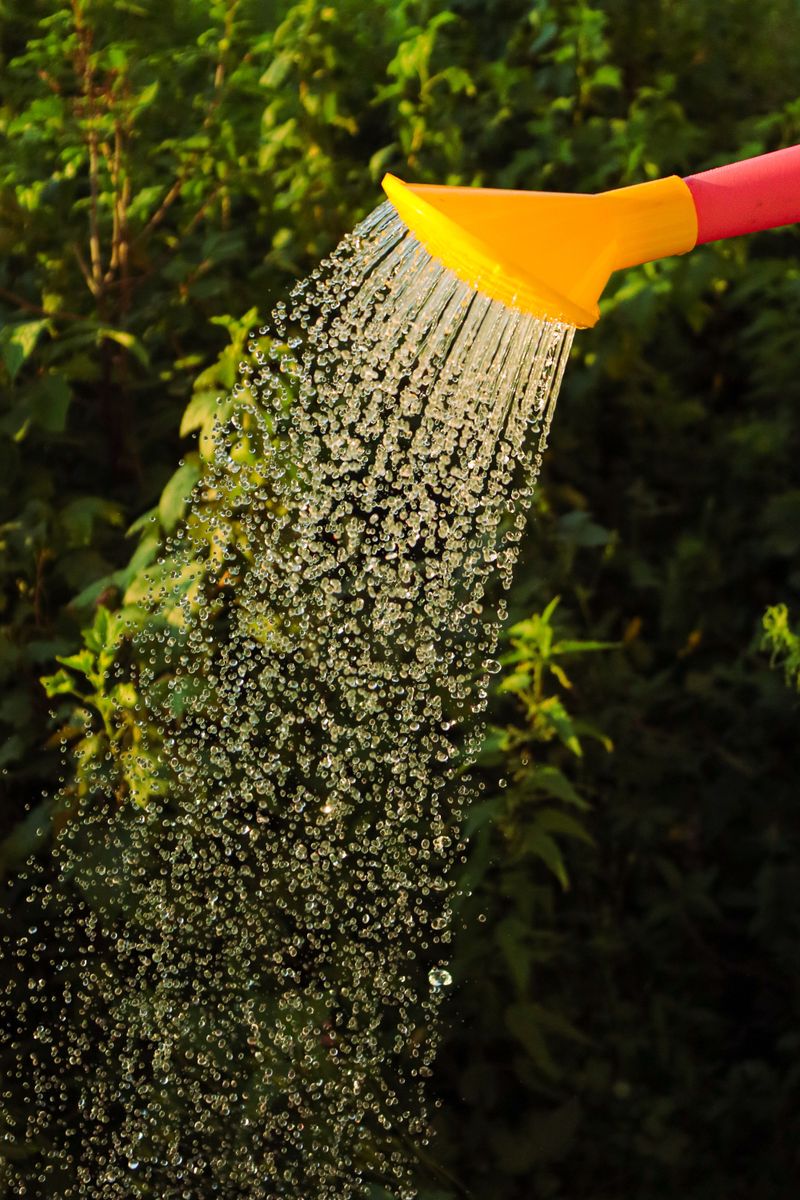
How you water your landscape matters more than most people realize. Frequent shallow watering encourages crabgrass by keeping the top layer of soil consistently moist where seeds love to sprout.
Deep, infrequent watering trains plant roots to grow downward. Deeper roots mean stronger, more drought-tolerant plants that compete better against weeds like crabgrass.
Aim to water your landscape beds once or twice per week during dry stretches. Each session should wet the soil to a depth of about six inches for best results.
Early morning is the ideal time to water. The soil absorbs moisture efficiently, and the sun dries any surface water quickly, which reduces the risk of fungal issues.
Avoid watering in the evening whenever possible. Overnight moisture sitting on soil and foliage creates conditions that favor disease and weed germination simultaneously.
A simple soil probe or wooden dowel can tell you how deep your water is reaching. Push it into the soil after watering and check where the moisture ends.
Drip irrigation is a fantastic option for landscape beds because it delivers water directly to root zones. Less surface moisture means fewer opportunities for crabgrass seeds to germinate.
Mulch helps retain soil moisture between watering sessions. With a good mulch layer in place, you may need to water even less often while still keeping plants healthy and hydrated.
Less frequent soaking changes the soil environment in ways that are unfavorable for weed germination.
8. Plant Dense Ground Cover To Crowd It Out
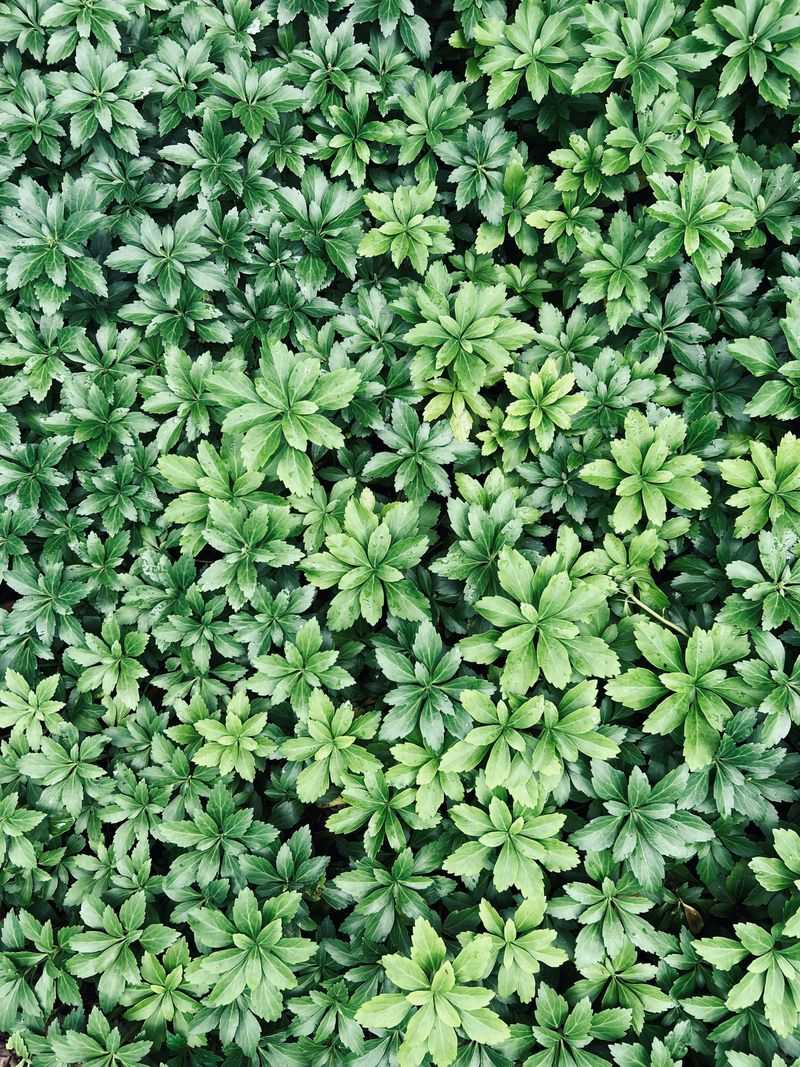
Bare soil allows crabgrass to establish easily. Filling every gap in your landscape beds with dense ground cover removes that invitation permanently.
Ground covers compete directly with crabgrass for light, water, and nutrients. When desirable plants fill the space aggressively, weeds simply have nowhere to establish themselves.
Creeping thyme, pachysandra, and vinca minor are all excellent choices for New Jersey landscapes. These low-growing spreaders form thick mats that block sunlight from reaching bare soil below.
Choose ground covers suited to your bed’s light conditions. A shade-loving plant placed in full sun will struggle, leaving gaps that crabgrass will exploit without hesitation.
Plant ground covers closer together than the tag suggests for faster coverage. Tighter spacing fills in bare spots more quickly and reduces your window of vulnerability to weeds.
Fertilize ground covers in early spring to encourage vigorous spreading. A healthy, well-fed plant grows faster and outcompetes weeds more effectively than a stressed or nutrient-deficient one.
Perennial ground covers are especially valuable because they return each year without replanting. Once established, they require minimal attention and continue suppressing weeds season after season.
Combine ground covers with a mulch layer for maximum protection during the establishment phase. This dual approach covers all the bases while young plants fill in and grow stronger.
Planting dense ground cover is the most satisfying long-term step to remove crabgrass from your landscape beds for good. A full, thriving bed significantly reduces space for weeds to establish.