Why New Jersey Yards Have More Squirrels And Chipmunks Than Usual This Year
You hear shuffling under the porch before daylight arrives. Something small is claiming space in your garden bed. Wildlife activity across New Jersey surrounds your property.
Backyards near you are reporting the very same pattern. Feeders sway and pots crack beside your steps.
Temperatures shifted fast this year, pushing creatures toward you. Food grew scarce, sending hungry visitors into your space.
Timing matters more than you might ever expect. Your habits, without meaning to, invited these visitors closer.
New Jersey yards like yours offer shelter and warmth. Small mistakes multiply fast once you let patterns settle.
Recognizing the signs early saves you time and stress. Ignoring them only makes your problem harder to solve. Patterns like these return to your yard each fall.
Understanding why helps you respond instead of waiting. Curiosity aside, this affects you more than you think. Here is exactly why you cannot ignore what comes next.
1. Bird Feeders Have Become A Steady Food Source
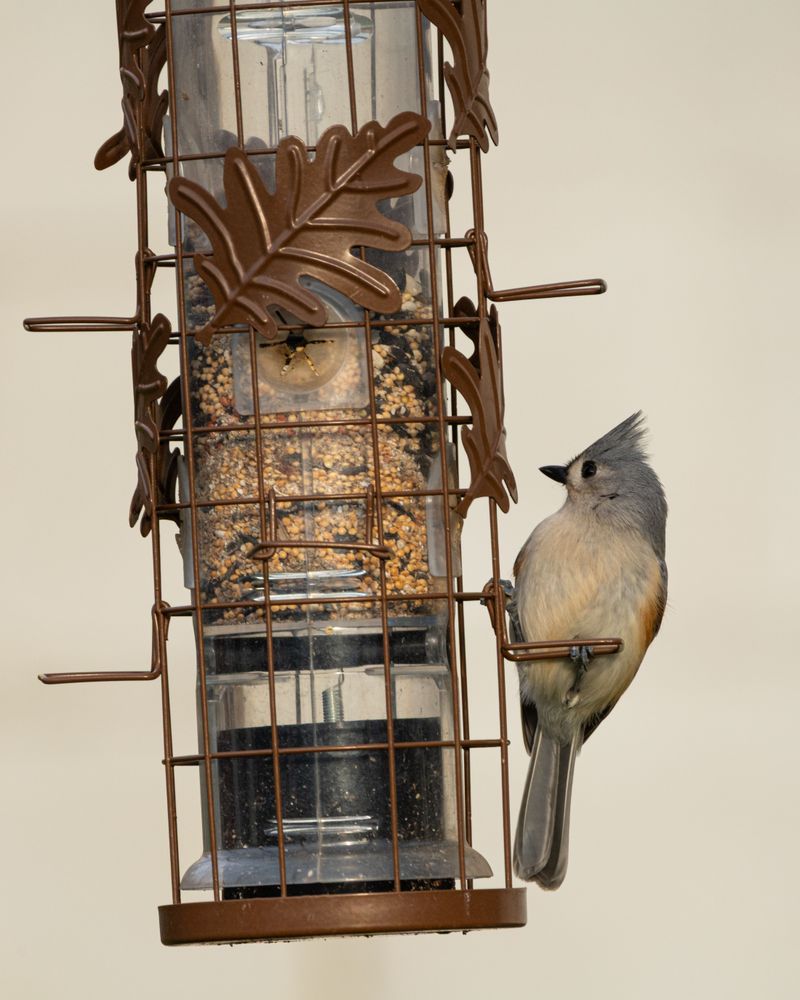
Nobody sets out to feed squirrels, and yet here we are. A standard tube feeder spills a surprising amount of sunflower seed onto the ground each day.
Chipmunks work the spill zone while squirrels take over the feeder itself. Both species can carry enormous loads in their cheek pouches, hauling seed back to burrows for storage.
Sunflower and peanut mixes pack serious calories, which supports bigger, healthier animals than acorns alone would. Multiply that across a block where several neighbors feed birds and you have created a consistent food source.
September is prime hoarding season, so feeder traffic spikes right about now. Animals sense shorter days and shift into stockpiling mode.
Try switching to safflower seed or nyjer, which many birds enjoy but rodents largely ignore. Adding a wide baffle on a smooth metal pole placed at least ten feet from any launch point makes a real difference.
Seed trays that catch spillage keep the ground clean underneath. Sweeping the area a couple times a week removes the buffet entirely. Some folks pause feeding for two or three weeks in early fall.
Natural food is plentiful right now, so birds will be fine, and the furry regulars usually move along to find groceries elsewhere. Storing your seed supply in a metal can with a locking lid protects the garage too.
2. Fewer Predators Are Patrolling Suburban Blocks
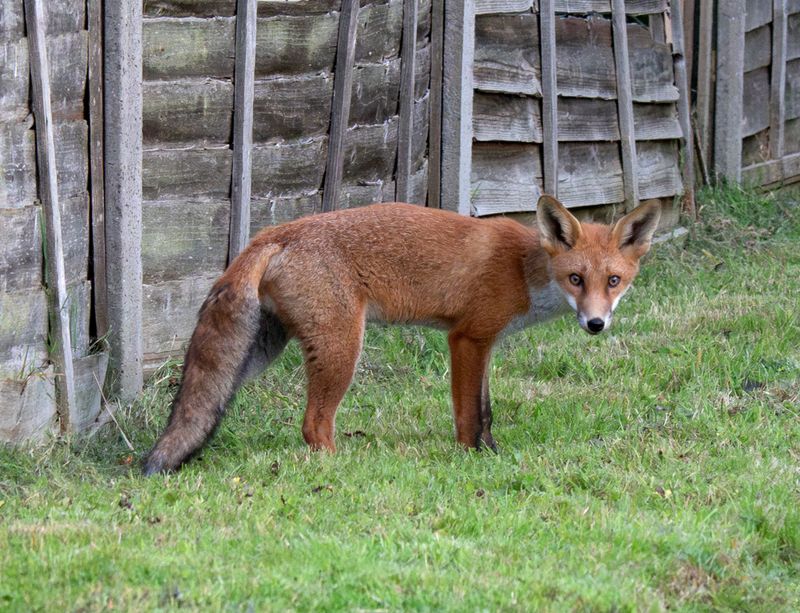
Balance in a yard depends on things we rarely see. Red foxes, red-tailed hawks, barred owls, and black rat snakes all keep small mammal numbers in check.
Tightly built neighborhoods offer those hunters very little cover. Foxes avoid busy streets, snakes vanish when brush piles and stone walls get cleared, and owls need mature trees with cavities that landscaping crews often remove.
Sarcoptic mange, a known issue among red fox populations regionally, may also be affecting numbers in parts of the state. Outdoor cats help a little, though they focus more on birds and mice than on adult squirrels.
Without steady pressure from above and below, rodent numbers climb quickly. Chipmunks in particular breed fast enough to fill any gap within a single season.
Your New Jersey Garden Changes Every Week. Your Plan Should Too.
Gardening in New Jersey changes quickly throughout the season. Every Friday you’ll receive a simple weekly plan showing exactly what to plant, prune, fertilize, harvest, and protect so you never miss the right timing.
Welcoming natural helpers costs almost nothing. Leaving one fallen log or a loose rock pile in a back corner gives snakes a hideout, and they are harmless to people.
Tall perch trees near open lawn give hawks a hunting platform. Skipping rodenticides matters enormously here, since poisoned rodents harm the hawks and owls that eat them.
Motion lights that stay off unless triggered keep owls comfortable hunting your property after dark. A quieter, darker back corner is more valuable than another floodlight. Give it a season or two and the yard often finds its own rhythm again.
3. A Bumper Acorn Crop Set The Table Two Years Ago
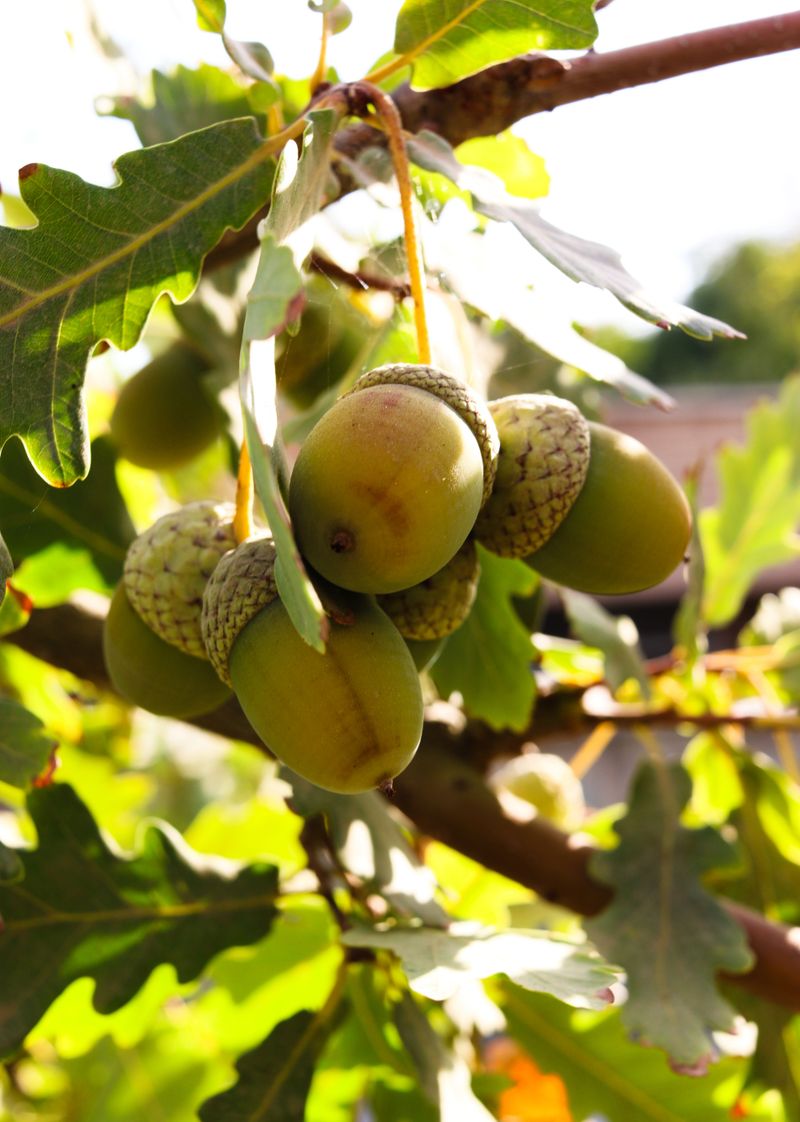
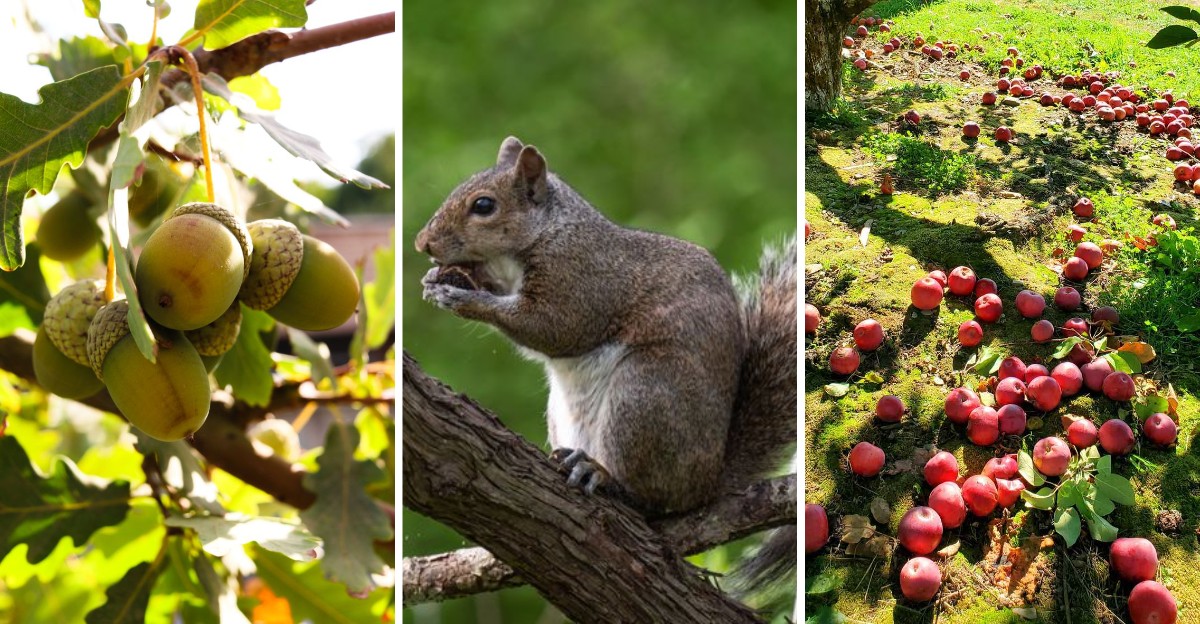
Oak trees in New Jersey follow an unusual cycle. Every few years they produce a giant crop of acorns all at once, an event foresters call a mast year.
When that happens, gray squirrels and chipmunks find more food than they can possibly bury. Females go into winter fat and healthy, which usually means bigger litters the following spring.
Those extra babies grow up, have babies of their own, and suddenly your street feels crowded. The population boom shows up roughly a year or two after the acorn flood, which lines up with what folks are seeing right now.
Northern and central counties with lots of white oak and red oak tend to notice it first. Towns near county parks, greenways, or old wooded lots see the effect strongest because those trees feed a wide neighborhood.
You can spot the leftovers if you look. Cracked shell caps pile up on sidewalks, and squirrels dig shallow holes in lawn edges to stash the extras.
Raking acorns off the lawn each week cuts down on the food source near your foundation. A tarp under a heavy-producing oak makes cleanup much faster on weekends.
Fun bit of forest trivia: a single mature oak can drop thousands of acorns in a strong year, depending on species and conditions. Squirrels forget where they bury a good number of them, which is part of how new oak trees naturally take root.
4. A Mild Winter Let More Youngsters Make It Through
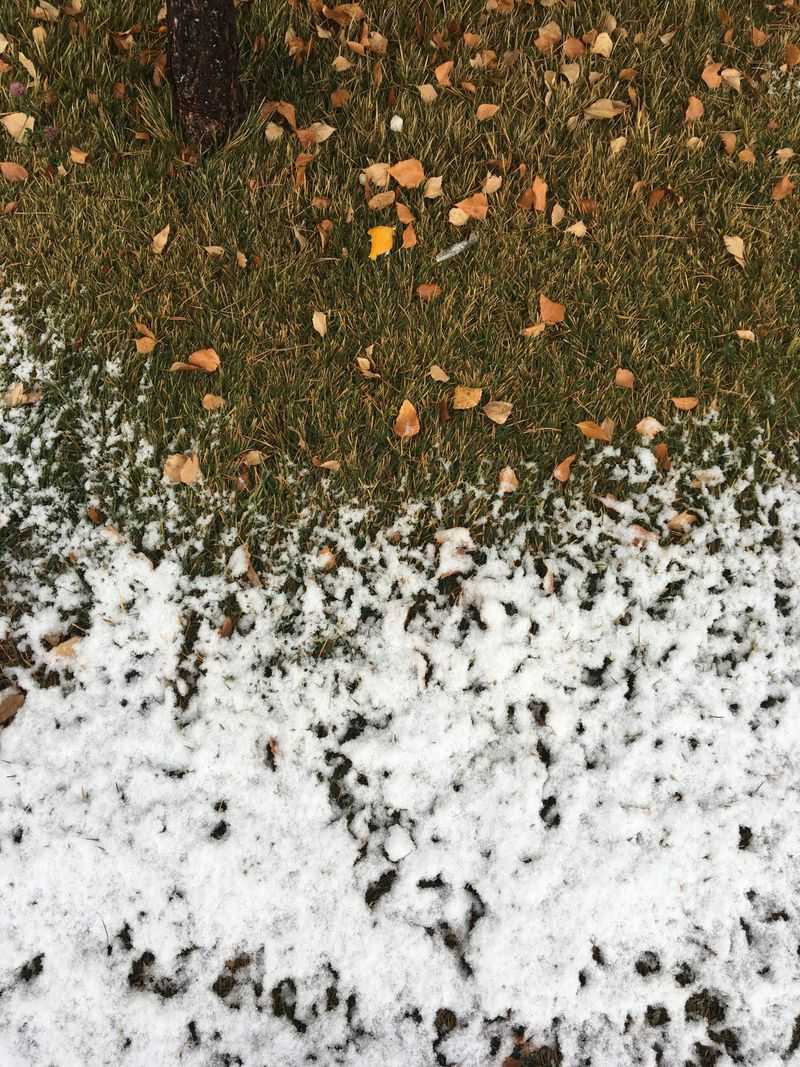
Cold snaps used to thin out the young ones naturally. Milder winters have become more common across much of New Jersey in recent years, with shorter stretches of snow cover than before.
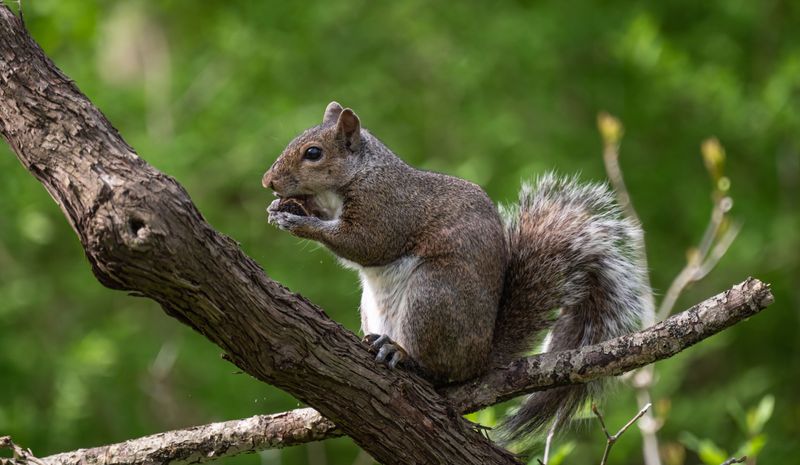
Chipmunks spend cold months in underground burrows, waking up now and then to snack on stored seeds. Milder soil temperatures mean they burn fewer calories staying warm, so their pantry lasts longer.
Gray squirrels stay active year-round and rely on cached nuts plus whatever they can find. Snow-free ground made those caches easy to reach all season long.
The result is a larger group of healthy adults entering spring breeding season. More parents equals more litters, and squirrels can raise two broods a year when conditions cooperate.
Coastal towns and southern counties felt this most because they rarely get long freezes anyway. Even the northwest hills saw fewer deep-snow stretches than usual.
What can you actually do with that information? Focus your effort on food and shelter rather than hoping weather will handle things for you.
Check crawl space vents, soffit gaps, and shed floors before October arrives. Animals that survived a cushy winter outdoors will happily try an easier one indoors.
Quarter-inch hardware cloth screwed over openings works better than foam or steel wool, both of which get pulled out fast. A quick walk around the house with a flashlight usually reveals two or three spots worth fixing this month.
5. Second Litters Arrive Right Around Labor Day
Timing explains a lot of the sudden crowd. Eastern chipmunks typically raise a spring litter and a late-summer litter, and the second batch leaves the burrow around late August into September.
Gray squirrels follow a similar two-season schedule. Juveniles born in July are now weaned, independent, and actively searching for territory of their own.
Young animals are clumsy, bold, and constantly visible because they have not learned caution yet. They dart across patios, freeze on fence rails, and squeak at anything that moves.
What feels like a sudden surge is often just this year’s young animals moving out. Adults defend established burrows, so the newcomers get pushed into flower beds, window wells, and under decks.
Expect the noise level to drop by mid-October as territories settle and cold weather slows everyone down. Knowing that helps you avoid overreacting in the meantime.
Protecting spring bulbs matters right now, since planting season overlaps with peak digging. Laying chicken wire over newly planted tulip and crocus beds, then covering it with mulch, stops most excavation.
Daffodils and alliums get ignored almost entirely, which makes them smart choices for exposed borders.
Check window wells weekly during September. Curious juveniles fall in and cannot climb out, and a rough plank set at an angle gives them an exit ramp without any handling on your part.
6. Mulch Beds And Retaining Walls Make Ideal Real Estate
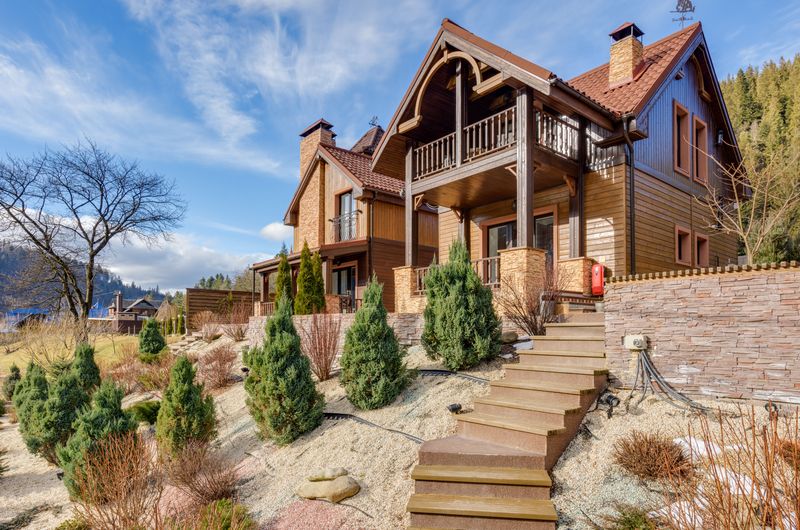
Landscaping trends have unintentionally created ideal rodent habitat. Thick shredded mulch, stacked stone retaining walls, and paver patios create loose, dry, easy-to-tunnel spaces with built-in roofs.
Chipmunks love the gaps behind wall stones because the burrow stays hidden and drains well. Squirrels use the same beds to bury nuts since the mulch digs like soft sand.
Suburban New Jersey has plenty of this style, especially in developments built over the past thirty years. Add a foundation shrub row and you have shelter, food, and travel cover in one package.
Reducing mulch depth to two inches makes tunneling less appealing without hurting your plants. Pulling mulch back a few inches from the foundation also helps you spot new holes fast.
Pea gravel works nicely as a border strip along walls and building edges. Sharp, heavy stone is unpleasant to dig through and looks tidy year-round.
Hardware cloth laid flat under new patio bases blocks tunneling before it starts. Retrofitting an existing wall is harder, though packing gaps with crushed stone discourages return visits.
Trimming the bottom of foundation shrubs so you can see soil underneath removes the sense of safety these animals depend on.
Open sightlines make a yard feel risky to a small mammal. Early September, before fall planting, is a great window to make these adjustments.
7. Fallen Fruit And Garden Leftovers Keep Food Sources Available
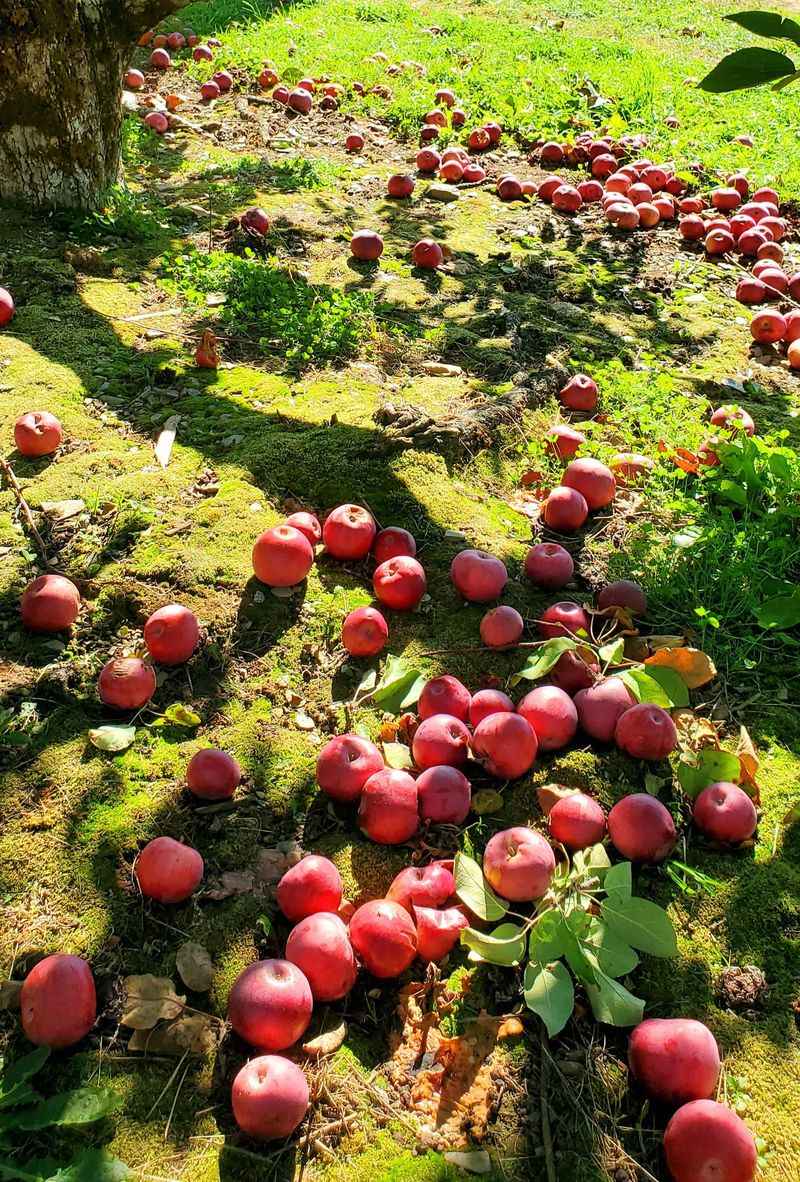
Late summer in the Garden State means produce everywhere. Tomatoes split on the vine, crabapples drop, grapes ripen on the arbor, and sunflower heads bow over with seed.
All of it lands on the ground, and nothing goes to waste when hungry neighbors have paws. Chipmunks adore cherry tomatoes and strawberries, while squirrels go after peaches, apples, and corn.
Vegetable gardens near a fence line are especially attractive because there is a quick escape route. Compost piles with kitchen scraps add another dependable food source.
Daily harvesting makes the biggest difference of anything on this list. Picking fruit slightly early and ripening it indoors removes the temptation entirely.
Rake fallen fruit two or three times a week during September. A five-gallon bucket and ten minutes handles most backyard trees.
Switch open compost heaps to an enclosed tumbler, or at minimum stop adding fruit and vegetable scraps until winter. Burying scraps under a foot of browns cuts the smell that draws visitors.
Row covers or wire cloches protect ripening tomatoes without chemicals. Some gardeners set out a shallow water dish far from the beds, since thirst drives a lot of tomato damage during dry spells.
Clearing spent sunflower heads before they shatter saves you from a thousand volunteer seedlings next spring too.
8. Wooded Lots Are Shrinking And Wildlife Is Shifting Over
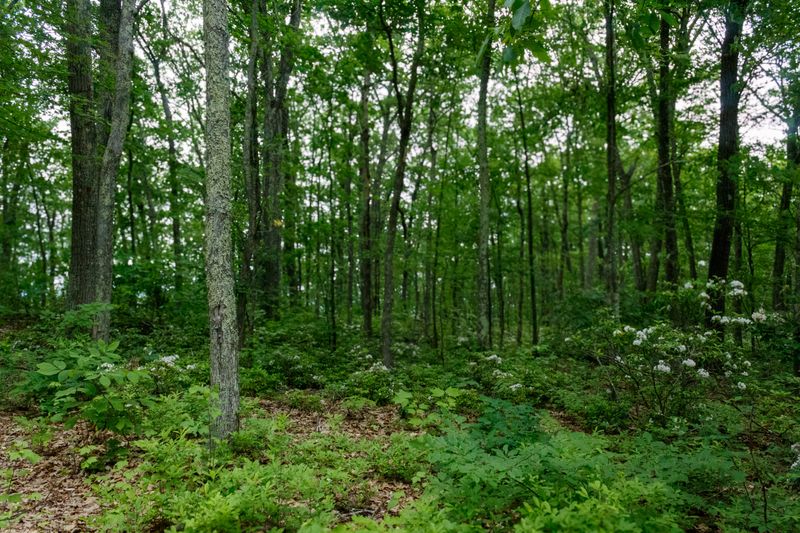
New Jersey holds the title of most densely populated state, and construction keeps nibbling at woodlots. When a wooded parcel gets cleared for townhomes or a warehouse, the animals living there do not vanish.
They relocate into the closest available habitat, which is usually somebody’s landscaped backyard. A single cleared acre can push dozens of squirrels and chipmunks into surrounding streets.
Utility line clearing, storm cleanup, and tree removal after wet summers add to the shuffle. Even taking down one large oak sends its residents looking for a new address.
Warehouse growth along the turnpike corridor and infill housing in older suburbs have both continued in recent years.
Since you cannot control what happens two streets over, focus on making your own property less convenient. Trim tree limbs back six to eight feet from the roofline so squirrels cannot leap onto shingles.
Cap chimneys with a proper stainless steel screen and inspect attic vents for chew marks. Gutter guards keep nesting material out of the downspouts.
Consider planting a mix of trees rather than relying on oaks alone. Diverse plantings spread out the food supply and reduce boom-and-bust swings.
Over time, a yard that offers shelter but limited groceries settles into a much calmer balance.