Giant Paper Footballs Are Showing Up In New Jersey Trees As The Leaves Drop
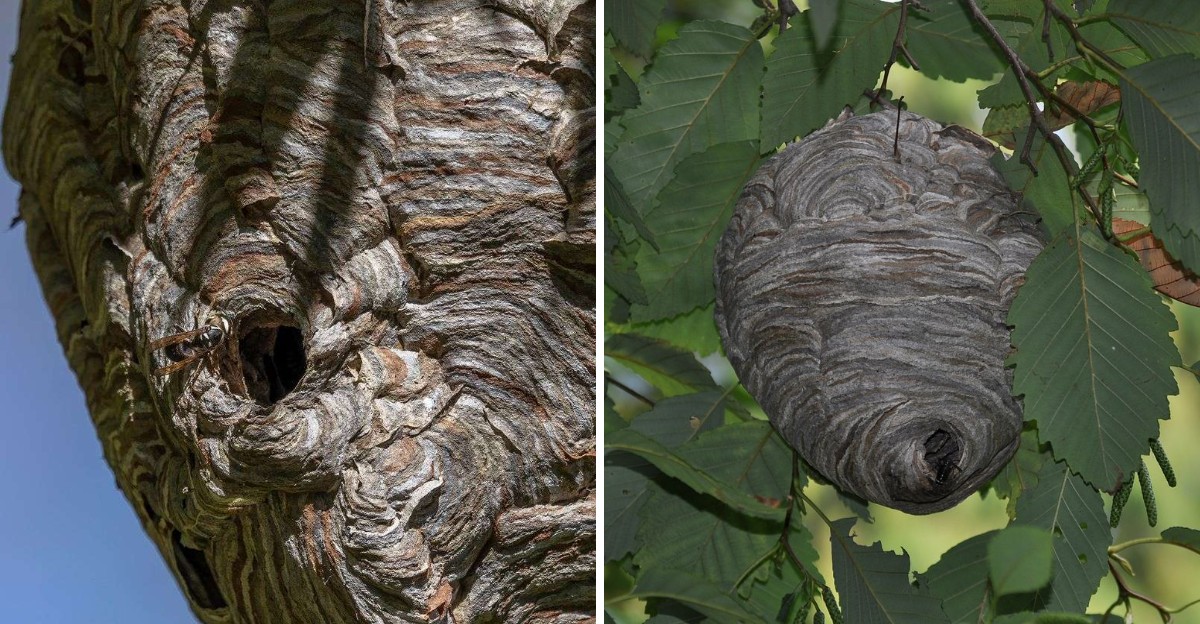
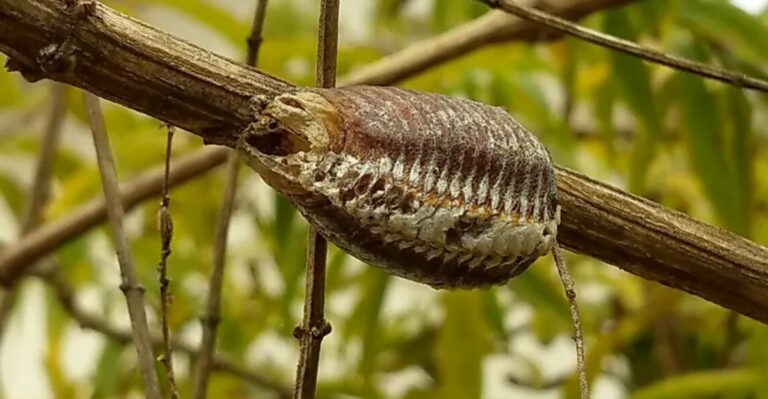
You spot a gray football swinging from a bare maple. Hornets built that paper globe in June while you strolled beneath it.
Leaves concealed the colony until October stripped the canopy. Now you see the handiwork of bald-faced hornets, which are actually wasps.
Workers shaped the shell from chewed wood fiber and saliva. Frost ends the colony’s season, and young queens tuck into bark crevices.
Across New Jersey, these nests dangle from high branches in suburban maples. Wait for a deep frost before you touch it.
Approach sooner and the residents will rush out to protect their home. Neighbors may suggest a ladder, but you can do better.
Phone a licensed pest pro in New Jersey for careful removal. Then display the paper sculpture proudly on your sunny mantel. Your reward is a silent, empty relic wrapped in intricate layered swirls.
Gray Paper Nests Built By Bald-Faced Hornets
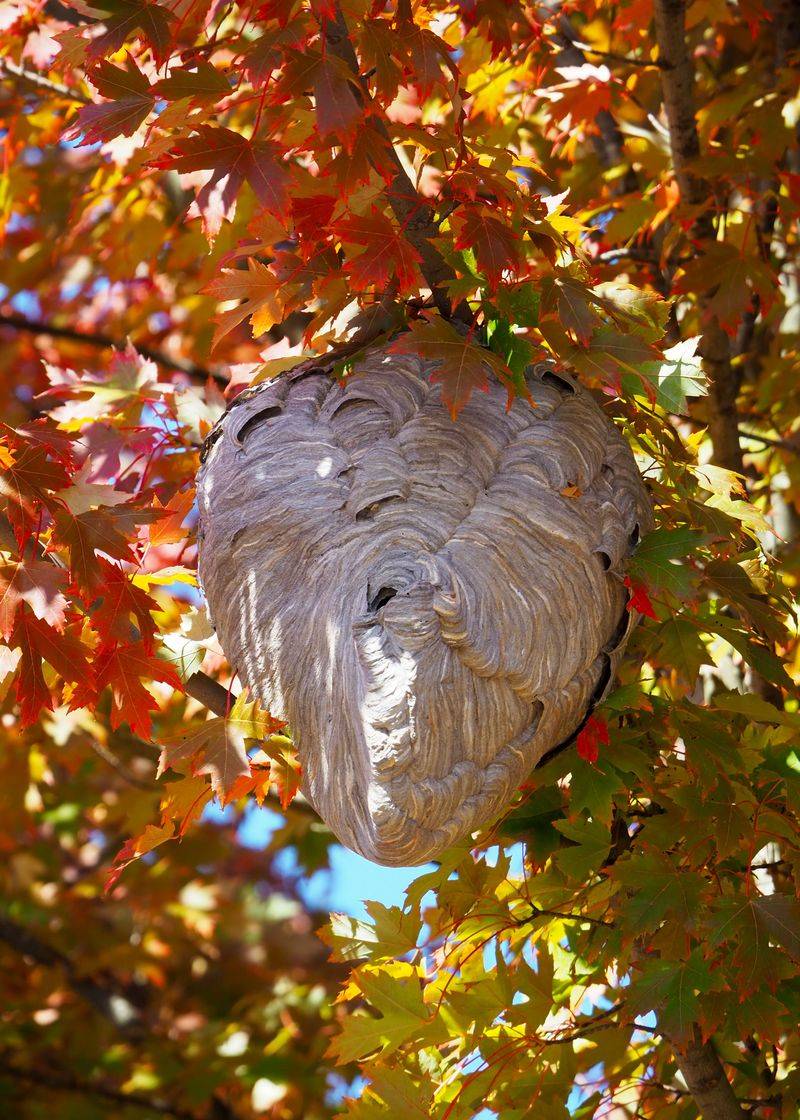
Those gray footballs are paper nests built by bald-faced hornets, a black and white insect common across New Jersey. Each nest can grow as large as a basketball, sometimes even bigger.
The hornets make paper by chewing old wood from fences, sheds, and branches. They mix the wood with spit and spread it into thin layers.
Look closely and you will see swirls of gray, tan, and brown. Each color stripe comes from a different wood source the workers visited.
Inside, the nest holds stacked combs, a bit like the floors of an apartment building. Hundreds of young hornets grew up in those tiny rooms over the summer.
The outer shell works like a puffy winter coat with many paper layers. Air pockets between the layers keep the inside warm on chilly nights.
A single queen starts the whole project alone each spring. She builds a nest smaller than a golf ball and lays her first eggs inside.
Once those workers grow up, they take over the building job. The queen then stays home and focuses on laying more eggs all season.
By late summer, a busy nest may hold several hundred adult hornets. That is a large colony for a nest built from wood fiber.
Many people call these insects wasps, and they are right. Bald-faced hornets are actually a kind of yellowjacket, not a true hornet at all.
So that giant football is really a handmade paper house. Nature built it, one mouthful of wood at a time.
Falling Leaves Reveal A Summer Secret

Picture a magician pulling away a silk cloth to reveal a hidden surprise. October does the same trick with trees across New Jersey year after year.
All summer, thick green leaves hide the nests from view. People mow lawns and grill burgers right below them without a clue.
Hornets often choose leafy spots because shade and cover help shelter the nest. Birds and curious animals have a harder time finding it there.
Once cool nights arrive, the leaves turn red, gold, and brown. Wind and rain then knock them down, branch by branch.
Your New Jersey Garden Changes Every Week. Your Plan Should Too.
Gardening in New Jersey changes quickly throughout the season. Every Friday you’ll receive a simple weekly plan showing exactly what to plant, prune, fertilize, harvest, and protect so you never miss the right timing.
By mid to late October, the nests suddenly stand out. They look like gray lanterns dangling against a bright blue sky.
That is why so many people think the nests popped up overnight. In truth, they were there since June, quietly growing all season.
Nests often hang well above head height, commonly ten to twenty feet up. Some sit low in shrubs or hedges, which can surprise people raking leaves.
Bushes near porches, sheds, and house corners are also popular spots. Hornets like places sheltered from strong wind and heavy rain.
Spotting one now is like finding a clue in a mystery story. It tells you hornets were busy nearby, even if you never noticed them.
So grab a cup of cider and take a slow walk around the block. You might count three or four nests you missed all summer.
A Quiet Nest After The First Hard Frost
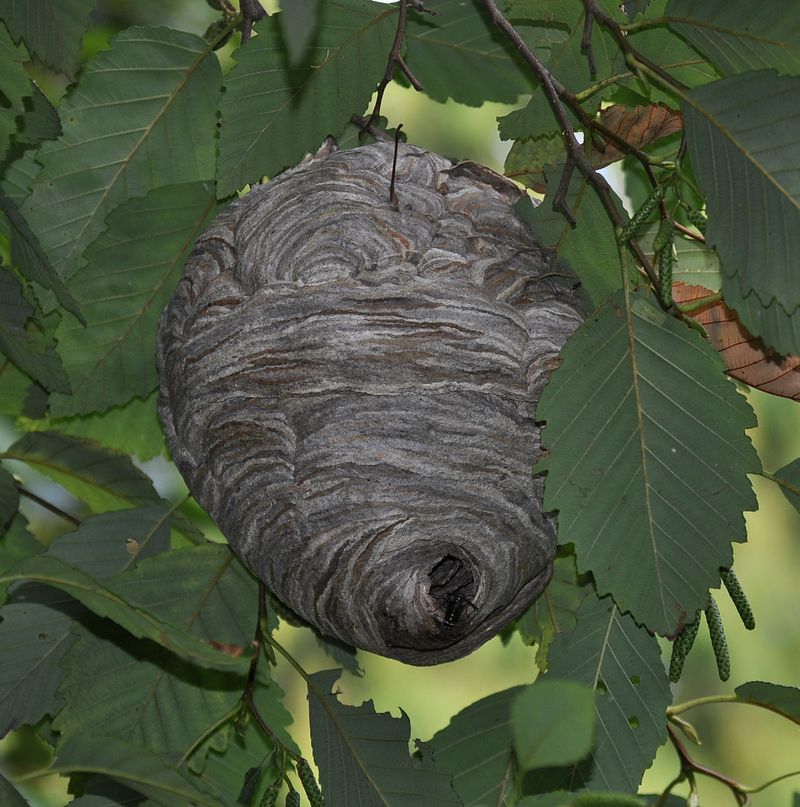
Many of these nests are quiet by late fall. The timing depends on the weather and the first freezing nights.
Bald-faced hornet colonies only last one season. When cold weather settles in, the workers and the old queen complete their season.
Before that happens, the colony raises new queens and males in late summer. These young insects leave the nest to find mates.
Each new queen then searches for a safe winter hiding spot. She tucks herself under loose bark, inside a log, or deep in leaf litter.
She sleeps through the winter, a bit like a bear in a cave. Come spring, she builds a brand new nest from scratch.
That means the old paper ball is an empty shell by November. Hornets do not reuse an old nest from year to year.
After the first hard frost, you may still see a few slow hornets crawling around. They move like sleepy kids on a Monday morning.
Give them a little time and the nest will go quiet. Usually that happens a week or two after freezing temperatures arrive.
Birds sometimes peck open the nests in winter. They hunt for leftover larvae and bugs hiding in the paper combs.
So if you spot a torn, shredded nest in December, a bird probably visited. Think of it as nature cleaning out the leftovers in the fridge.
The Ladder Mistake Many Homeowners Make

My uncle once grabbed a broom and a ladder to knock down a nest in early October. He learned quickly that a few hornets were still home.
That story shows a common mistake that people make. They assume a nest is empty the moment leaves fall.
Early in the month, some colonies can still have active workers. Warm afternoons can make them buzz around and feel protective.
Bald-faced hornets defend their homes with real energy. They can sting more than once, and a sting is painful.
Climbing a ladder adds another risk to the situation. A hornet nearby can startle you while you are standing up high.
Spraying store-bought foam from below is risky too. The spray may only reach the outside and stir up the insects inside.
Swinging sticks, throwing rocks, or using a hose are also poor ideas. Kids sometimes try this, so a friendly warning helps.
Instead, stand at least twenty feet from the nest and watch quietly for a few minutes. Look for hornets flying in and out of the bottom hole.
No movement on warm days all week is encouraging, but freezes are better. Movement means it is best to wait or call a pest professional.
Patience is safer than a broom in this situation. Winter will handle the hard job for you, free of charge.
Safe Removal Or Leaving It As Decoration
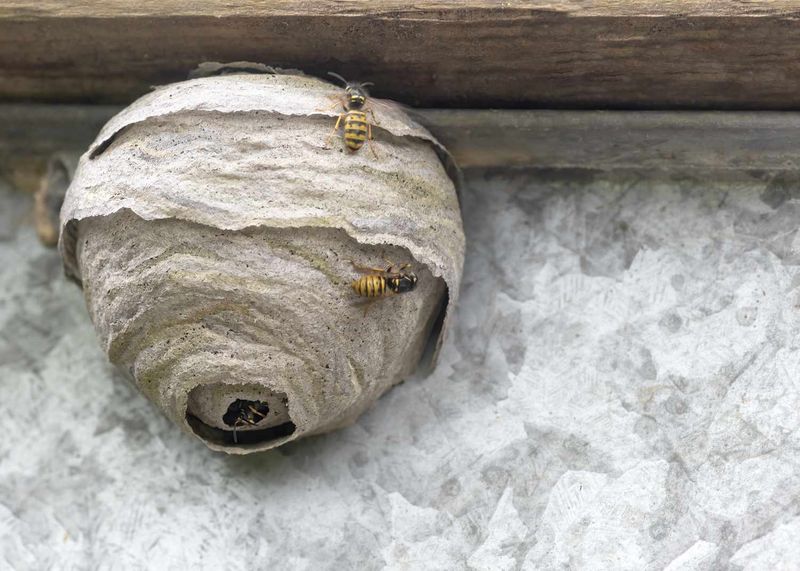
So what should you do with that paper football? The answer depends on where it hangs and how curious you feel.
If the nest sits high in a tree away from people, leaving it alone works great. Wind, snow, and birds will slowly tear it apart by spring.
Nests near doorways, decks, or play sets may need attention. Wait until after several freezing nights before going near them.
After several freezes, once it is quiet, wear gloves, long sleeves, and safety glasses. Snip the branch the nest hangs from with long pruning shears.
Drop the nest into a sealed bag if you plan to toss it out. That traps any sleepy stragglers inside.
Some families keep empty nests as nature displays. Teachers often love them for science class, since students can see the paper layers up close.
To keep one safely, place it in a bag in the freezer for a few days. Cold helps make sure nothing is still alive inside.
After that, a clear plastic box makes a neat display case. It keeps the fragile paper from crumbling on your shelf.
Not comfortable doing any of this yourself? A local pest control company can remove it quickly and safely.
Either way, you now own a great story for the dinner table. Few decorations come with a summer full of activity behind them.
Smart Spring Habits To Keep Nests Away From Your Door
Despite their sting risk, bald-faced hornets are helpful neighbors when they live far from your door. They eat flies, caterpillars, and other garden insects all summer.
Gardeners actually benefit from having them nearby. Fewer bugs chewing on tomatoes and roses is a pretty nice trade.
The trick is guiding them away from busy spots. Spring is the best time to make your yard less inviting near the house.
Walk around your home in May and June with sharp eyes. Look under eaves, porch roofs, and thick bushes for golf-ball-sized nests.
A tiny new nest has only the queen inside. Knocking it down early is much easier than facing a full colony later.
Trim shrubs that touch windows or doors. Hornets prefer dense cover, so heavier trimming gives them fewer hiding places.
Keep trash cans closed and clean up sugary drinks outside. Sweet smells attract yellowjackets and other wasps in late summer.
Keep wooden fences and sheds in good repair when you can. Hornets chew weathered wood for paper.
Teach kids to walk calmly away if they see hornets. Swatting usually makes things worse, while slow steps keep everyone safer.
With a little planning, next October could bring a nest high in a faraway oak. That kind of football is easy to admire from a distance.