More Bluebirds Near Your Ohio Home Means Fewer Grubs In Your Lawn
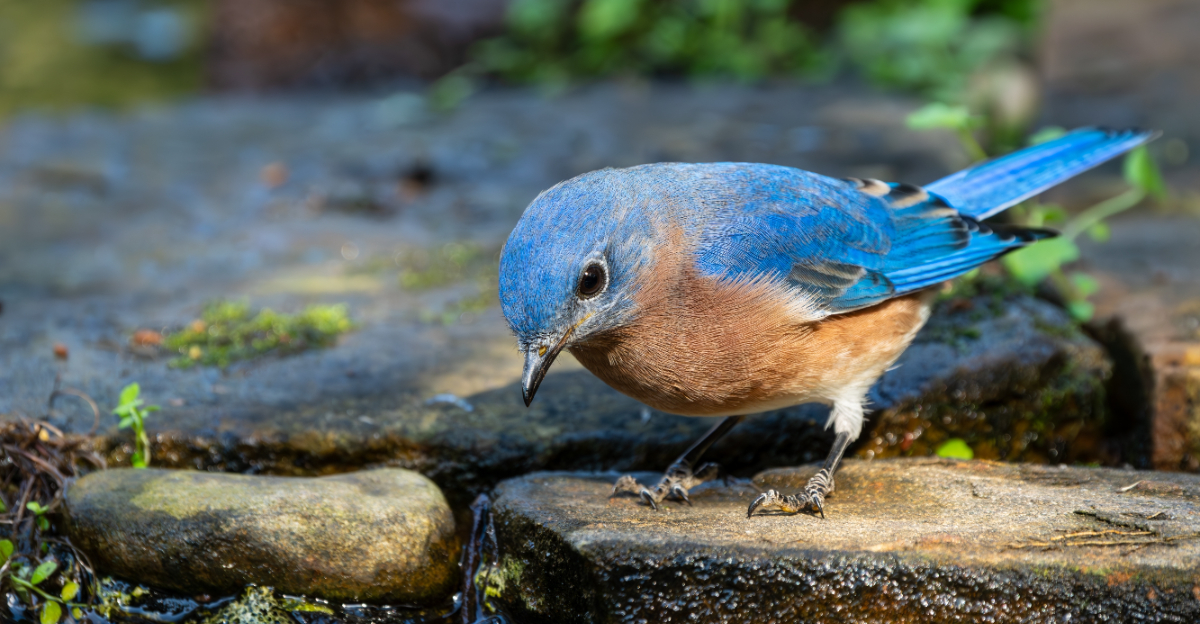
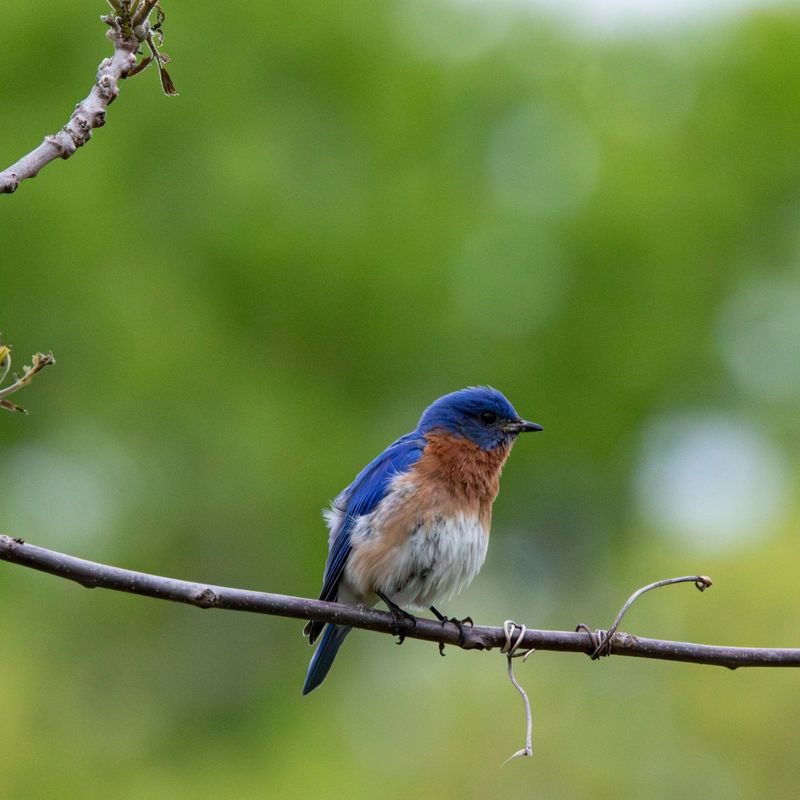
Bluebirds are one of the better looking yard visitors Ohio offers. That electric blue, the rust-colored chest, the way they perch and scan with a focus that looks almost deliberate.
Easy to enjoy and move on from. The ones paying closer attention have noticed something else.
Yards with consistent bluebird activity tend to have fewer grub problems. Not by coincidence.
Bluebirds are ground hunters. They drop from a perch and take what they find in the soil or grass surface.
Grubs, beetles, and larvae are a significant part of what they are after. A yard that attracts bluebirds regularly gets natural pest pressure on the exact stage of the grub life cycle that causes the most lawn damage.
No treatment, no schedule, no product. Just a bird doing what it has always done, in a yard worth landing in.
1. Read Bluebirds As A Healthy Lawn Clue
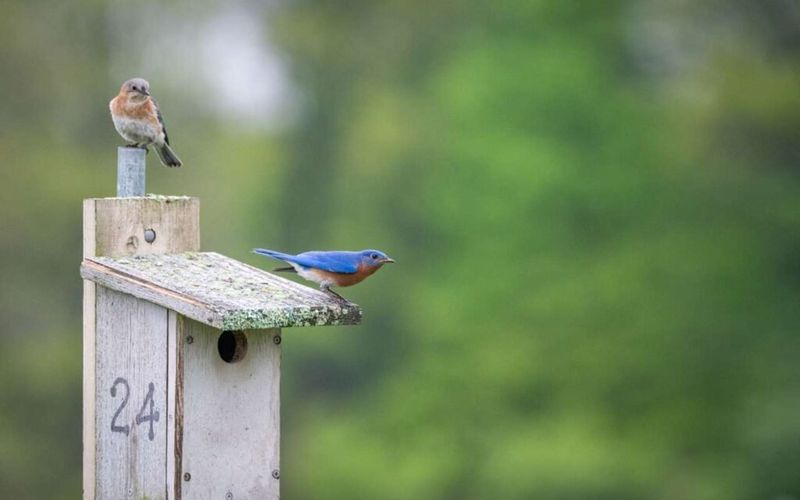
A bluebird settling onto a fence post at the edge of your Ohio yard is telling you something useful, even if the message is more subtle than it first appears.
Cornell Lab of Ornithology resources note that eastern bluebirds favor open areas with short grass, scattered perches, and reliable insect activity.
That combination describes a yard that has not been stripped of its food web by routine pesticide use or dense ground cover.
Seeing bluebirds nearby can suggest your yard offers open hunting space, perching spots, and enough insect life to make a visit worthwhile. That is a genuinely good sign for yard habitat.
However, it does not prove that white grubs are gone, low, or even present. Grubs live below the turf surface, and bluebirds are not known to dig through soil to find them.
The practical move is to treat bluebird activity as a habitat clue and then look at the lawn separately. Notice where the birds land and whether those spots have short, open grass.
Check whether your turf shows actual grub symptoms such as spongy feel, loose roots, or animal digging. Ohio Department of Natural Resources guidance encourages yard stewardship that supports native wildlife, and bluebirds fit that picture well.
Think of them as a signal worth reading, not a pest-control guarantee.
2. Know They Hunt Insects More Than Seeds
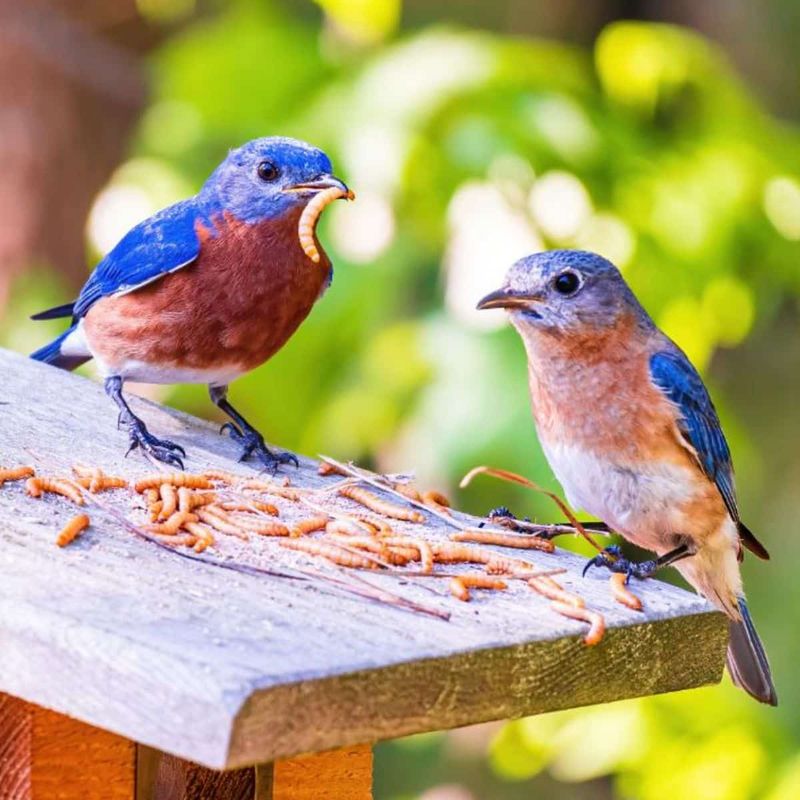
A plump beetle crawling across bare soil or a caterpillar inching along a garden edge is exactly the kind of target that gets a bluebird moving. Audubon guidance describes eastern bluebirds as mainly insectivorous during warmer months.
Their diet shifts toward berries and small fruits when insects become scarce. During spring and summer, they actively hunt beetles, caterpillars, grasshoppers, crickets, and spiders among other invertebrates.
That insect-heavy diet is good news for Ohio yards trying to reduce pest pressure naturally, but it works best when the yard actually supports insect life in a healthy way.
Native plants, shrubs with berries, and reduced pesticide pressure all help create the kind of environment where bluebirds find enough food to return regularly.
Destroying insects broadly with a blanket spray can remove the very prey that draws bluebirds to your property.
Your Ohio Garden Changes Every Week. Your Plan Should Too.
Gardening in Ohio changes quickly throughout the season. Every Friday you’ll receive a simple weekly plan showing exactly what to plant, prune, fertilize, harvest, and protect so you never miss the right timing.
Bluebirds are not seed feeders in the way that sparrows or finches are, so traditional seed feeders will not attract them. If you want to support their diet, focus on native plantings that host caterpillars and other insects rather than stocking a feeder.
Mealworms in an open dish can attract them during nesting season. For long-term support, native plants are the more sustainable way to keep bluebirds working your yard.
3. Stop Calling Them A Grub Cure
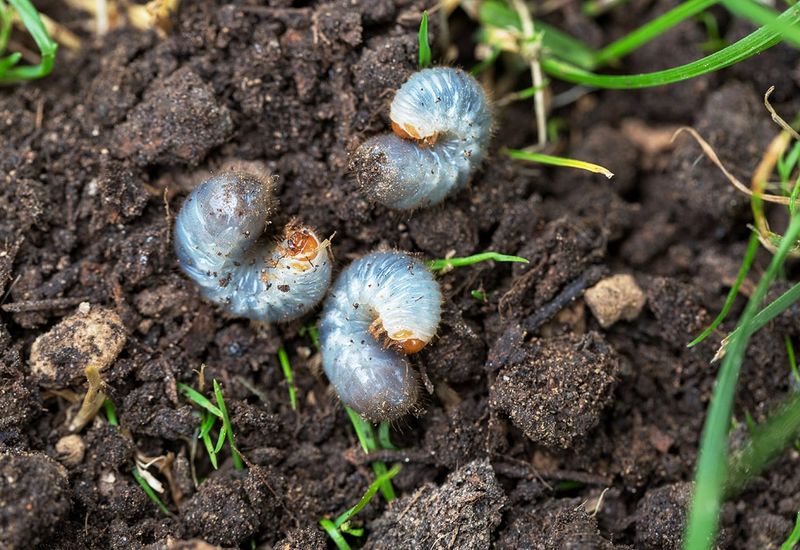
Pulled-up turf revealing fat, C-shaped larvae underneath is a jarring discovery, and it is understandable why homeowners look for natural solutions. White grubs are the larvae of beetles such as Japanese beetles, masked chafers, and others.
OSU Extension turf guidance explains that these larvae feed on grass roots below the soil surface. They often sit two to four inches deep, especially when damage appears in late summer and fall.
Bluebirds hunt by scanning from a perch and dropping to the ground to grab prey they can see or detect at or near the surface. There is no strong source supporting the idea that bluebirds regularly dig through turf to retrieve buried grubs.
Treating bluebirds as a reliable grub-control method sets up an expectation the birds simply cannot meet.
A better approach is to confirm grubs are actually the problem before doing anything else. OSU Extension recommends lifting a one-square-foot section of turf in a damaged area and counting the larvae present.
Around ten or more grubs per square foot is often used as a management guideline. Extension guidance in your specific region should direct that decision.
Bluebirds can be a welcome part of your Ohio yard’s food web without being assigned a pest-control job they were never built to do. Let them hunt what they naturally find while you handle grub diagnosis properly.
4. Watch Open Grass Where Bluebirds Drop Down
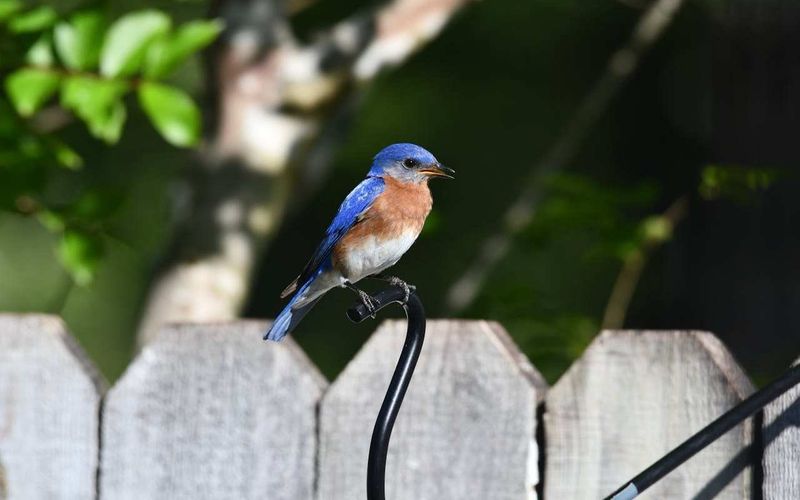
Short, open grass with a clear line of sight from a nearby perch is prime bluebird hunting territory. Cornell Lab resources describe eastern bluebirds as perch-and-drop hunters.
They sit at a low vantage point, watch the ground, and swoop down when they spot movement. A cluttered, overgrown lawn edge or a yard full of tall weeds and dense shrubs right up to the grass line makes that style of hunting much harder.
Watching where your bluebirds actually land can tell you a lot about your yard’s layout. If they keep returning to the same short-grass strip near a garden bed or mowed path, that spot likely has regular insect activity.
The birds can detect and reach that food. Keeping some areas of your lawn mowed short gives bluebirds the open hunting floor they need.
Open hunting space does not mean a sterile, chemically treated monoculture. A lawn with a little clover, low native groundcover, and healthy surface insects is more useful to a foraging bluebird.
Perfectly uniform turf with nothing living in it offers far less. You do not need to remove garden beds or shrubs entirely.
Simply make sure there are open corridors of short grass nearby where a bird dropping from a low perch can land safely and find food worth catching.
5. Add Perches Near Safe Hunting Spots
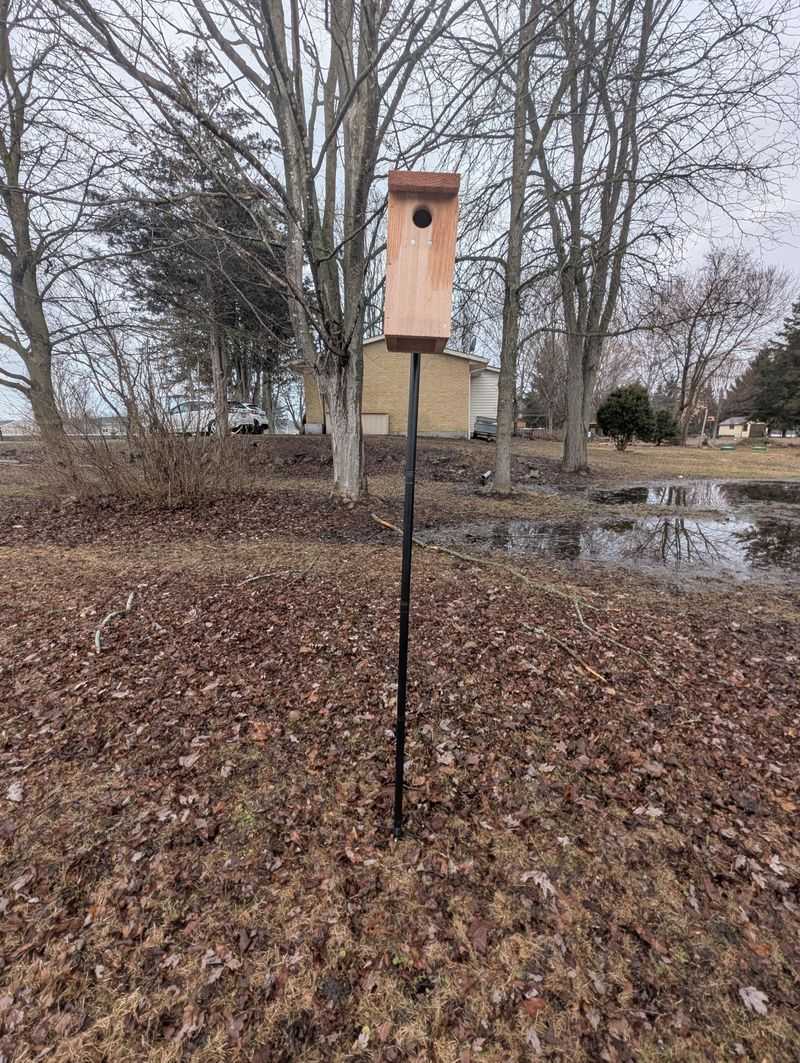
Fence posts, low tree branches, garden stakes, and nest-box mounting poles all serve as launching pads for a hunting bluebird.
Audubon guidance notes that eastern bluebirds rely heavily on perches positioned at low to moderate heights above open ground to spot and pursue insects.
Without nearby perches, even a yard full of insects may not attract bluebirds consistently because the birds need that elevated scanning position to hunt effectively.
Placing perches near open grass areas gives birds a reason to work that part of your yard. A simple wooden stake driven into the ground near a mowed strip, or a bluebird nest-box pole positioned at the edge of a garden, can serve this purpose well.
The perch does not need to be elaborate, but it should give the bird a clear view of the ground below without dense cover blocking the drop zone.
Safety matters as much as placement. Keep perches and nest boxes away from areas with heavy window-strike risk, and position them where cats cannot easily ambush a bird focused on the ground.
Bird conservation guidance consistently recommends keeping cats indoors or away from active bird areas, especially near nest boxes during breeding season. A well-placed perch invites bluebirds to stay and hunt longer.
It works best when the surrounding area is safe, open, and free from constant disturbance.
6. Skip Broad Insecticides That Empty The Buffet
A yard that smells like fresh pesticide spray after a hot afternoon is not a yard that bluebirds will visit for long. Broad-spectrum insecticides applied across a lawn do not distinguish between target pests and other insects.
That includes beetles, caterpillars, crickets, and the insects bluebirds eat. University extension resources and Audubon guidance caution that widespread insecticide use can reduce insect populations.
Those insects support birds and other beneficial wildlife.
Beyond the food-web impact, some pesticide products carry toxicity risks to birds depending on the compound, application rate, and exposure route.
Treating a lawn for grubs without confirming a real grub problem can wipe out part of the yard’s insect base.
It may leave the actual cause of brown patches untouched, such as drought, disease, or compaction.
Integrated pest management, often called IPM, is the approach recommended by OSU Extension for lawn pest issues. IPM starts with proper pest identification and threshold-based decisions rather than routine spraying.
It also considers the least harmful effective option when treatment is needed. If a grub problem is confirmed and treatment is warranted, follow the product label exactly and use the product at the right time in the pest’s life cycle.
Keeping insecticide use targeted and minimal protects the insect community that makes your yard worth visiting for bluebirds and other helpful wildlife.
7. Check Grubs Before Blaming Brown Patches
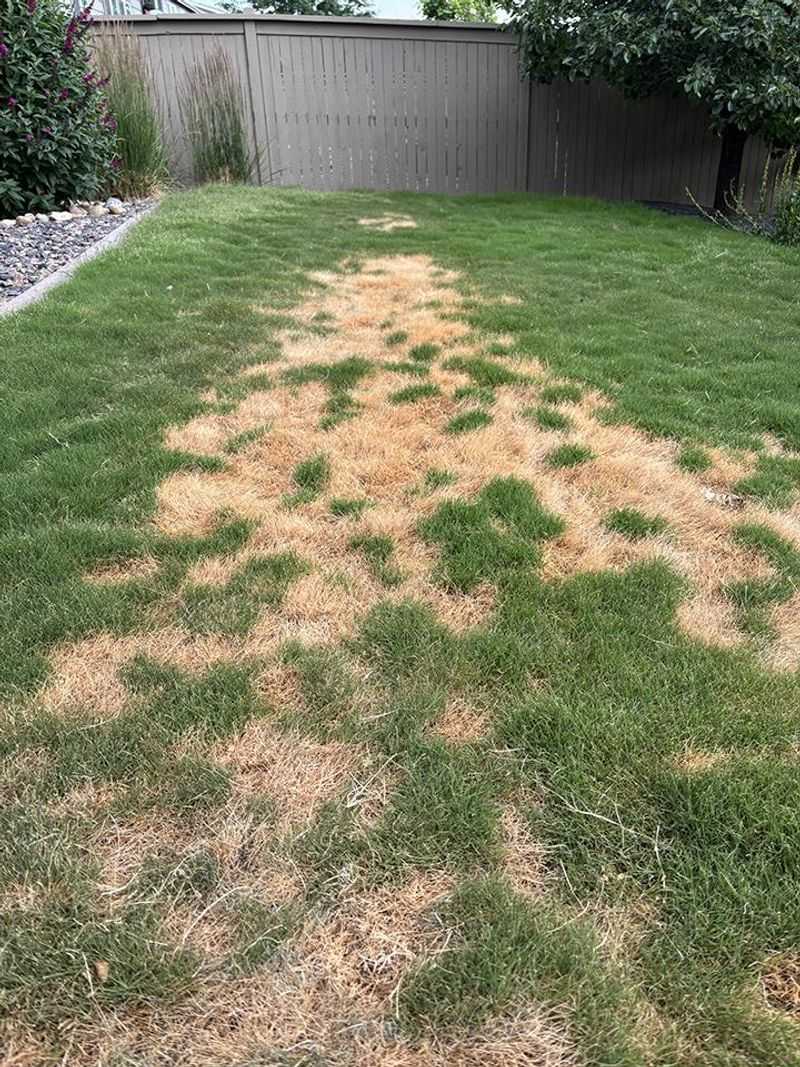
Brown patches in late summer can send homeowners straight to the garden center. But treating without a diagnosis often wastes money and can make things worse.
OSU Extension turf guidance lists drought stress, heat damage, fungal disease, soil compaction, dog urine, and mowing injury as common causes of brown turf. From the surface, they can look almost identical to grub damage.
A simple field check can help narrow it down. Try pulling firmly on the brown grass in the affected area.
Turf with healthy roots will resist and stay anchored. Turf damaged by grubs feeding on roots may pull up easily like a loose rug, with larvae visible just below the surface in the root zone.
Animal digging, such as skunks or raccoons tearing up patches at night, is another strong sign of grub activity. Those animals are actively searching for larvae.
Spotting bluebirds near a brown patch does not diagnose the problem in either direction. Birds hunt what they can find near the surface, and their presence near damaged turf does not confirm or rule out grubs below.
If the tug test and visual inspection suggest a grub problem, contact your local OSU Extension office for current threshold guidance and timing recommendations.
Getting the diagnosis right before spending on any treatment is always the smarter move for your lawn and your wallet.
8. Build A Yard Where Bluebirds Keep Working
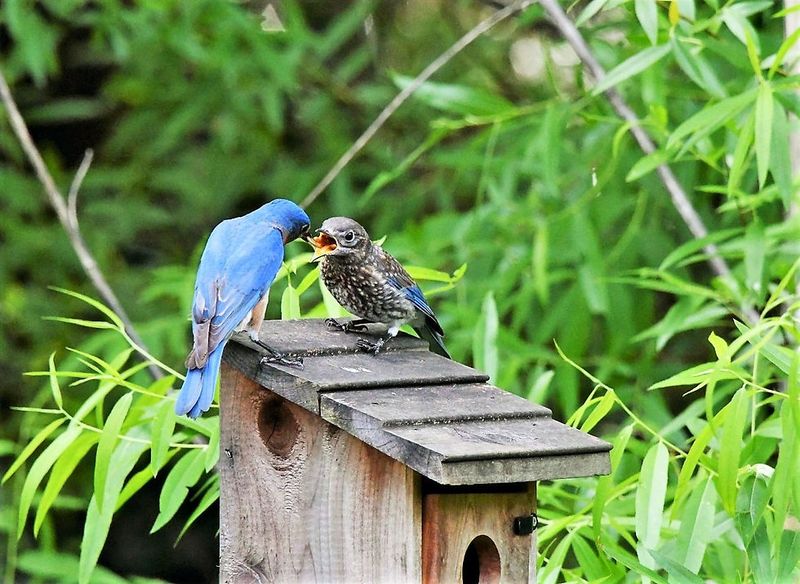
A yard that keeps bluebirds coming back season after season offers several things at once. These include open hunting ground, reliable insects, safe perches, clean water, and nesting places.
Bird conservation guidance from Audubon and Cornell Lab both emphasize that habitat quality matters far more than any single feature.
A nest box alone will not hold bluebirds if the surrounding yard is sprayed heavily, cluttered with dense ground cover, or patrolled by outdoor cats.
Native plants are a cornerstone of that habitat. Plants such as native dogwoods, serviceberry, and native viburnums provide berries that bluebirds rely on during colder months when insects are scarce.
Those same native shrubs host caterpillars and other insects during the growing season, supporting the food web that makes your yard productive for birds.
OSU Extension and Ohio Department of Natural Resources resources both encourage native plantings as part of responsible yard stewardship.
For nest boxes, follow official dimensions and placement guidelines from a trusted source such as the North American Bluebird Society. Place boxes on baffled poles in open areas and monitor them with responsible box-monitoring practices.
Keep the area around them free from cat activity. A birdbath with fresh water placed near hunting areas rounds out the habitat nicely.
The main idea holds true here: bluebirds are not a grub guarantee. But a yard built for them is almost certainly healthier, livelier, and more balanced.