The True Blue Perennial To Grow In Your Shaded Flower Beds In New Jersey
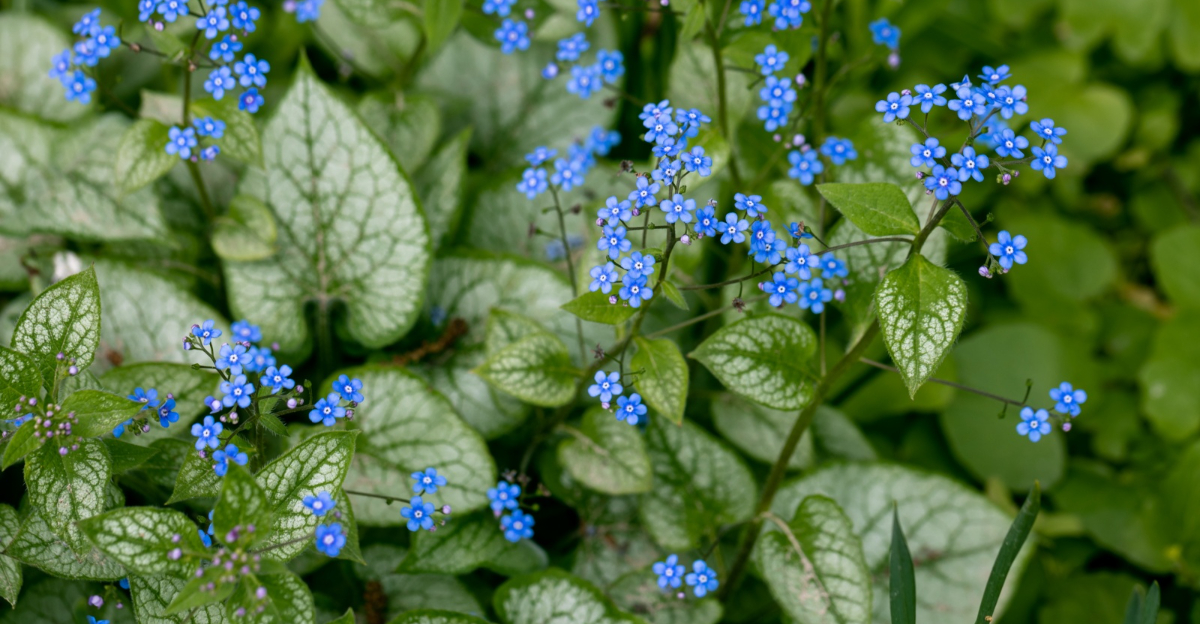
Dark corners stump most gardeners, but not you. Nothing beautiful grows in deep shade, you assume.
A rare perennial proves that assumption wrong instantly. Electric blue flowers appear where sunlight barely reaches.
Silver-veined leaves shimmer across your beds through late summer. Across New Jersey, gardeners treat this plant like a quiet secret weapon this year.
Shadows stop feeling empty once it arrives. Neglected beds transform the moment you add this perennial.
Every dim corner you own becomes an opportunity instead of a problem. Texture builds while color takes over beneath it.
Growth continues steadily even when your soil stays damp and shaded. Few perennials reward you this generously for so little effort.
Fewer still hand you months of vivid color without complaint. Winters in New Jersey do not slow this tough perennial.
Momentum builds fast once you commit to this choice today. You will not walk away from this plant unconvinced.
Brunnera Macrophylla Brings True Blue To Shade Gardens
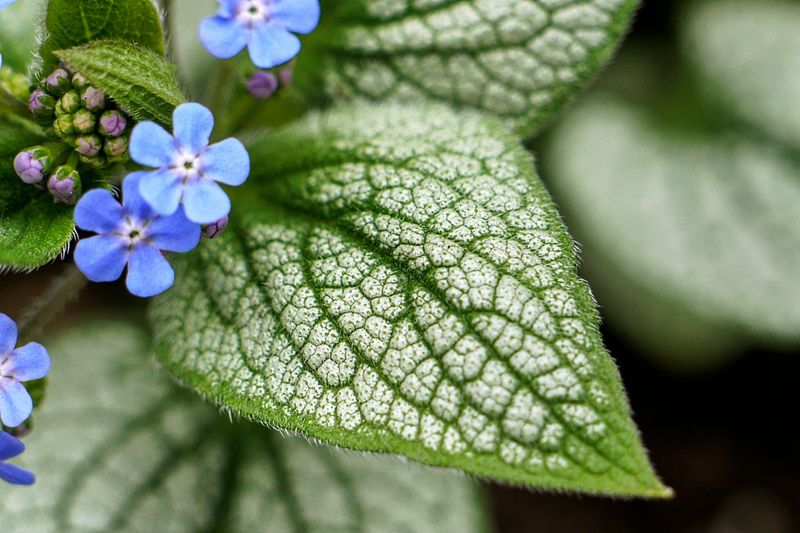
Tiny blue flowers that look like forget-me-nots hover above bold, heart-shaped leaves like a cloud of confetti. Brunnera macrophylla is the true blue perennial that shade gardeners dream about finding.
Native to the Caucasus region and northeastern Turkey, Brunnera has been charming gardeners for centuries. Its delicate blooms appear in early spring, often surprising gardeners who forgot they planted it.
The flowers are a vivid, almost electric shade of blue. That color is rare in the plant world, especially for perennials that thrive in low light.
Most shade plants offer white or purple blooms, but Brunnera stands apart with its sky-blue clusters. It creates a visual pop that makes even the dullest corner feel alive.
Beyond the flowers, the foliage is equally impressive. Large, textured leaves with silver markings make Brunnera a standout even when it is not blooming.
Gardeners who grow it in shaded flower beds often say it looks expensive without costing much. One plant can spread into a lush, ground-covering clump over a few seasons.
For New Jersey gardeners tired of hostas and ferns, Brunnera offers something genuinely different. It is low-maintenance, cold-hardy, and attractive from spring through fall.
A Rare Find For New Jersey’s Shaded Flower Beds
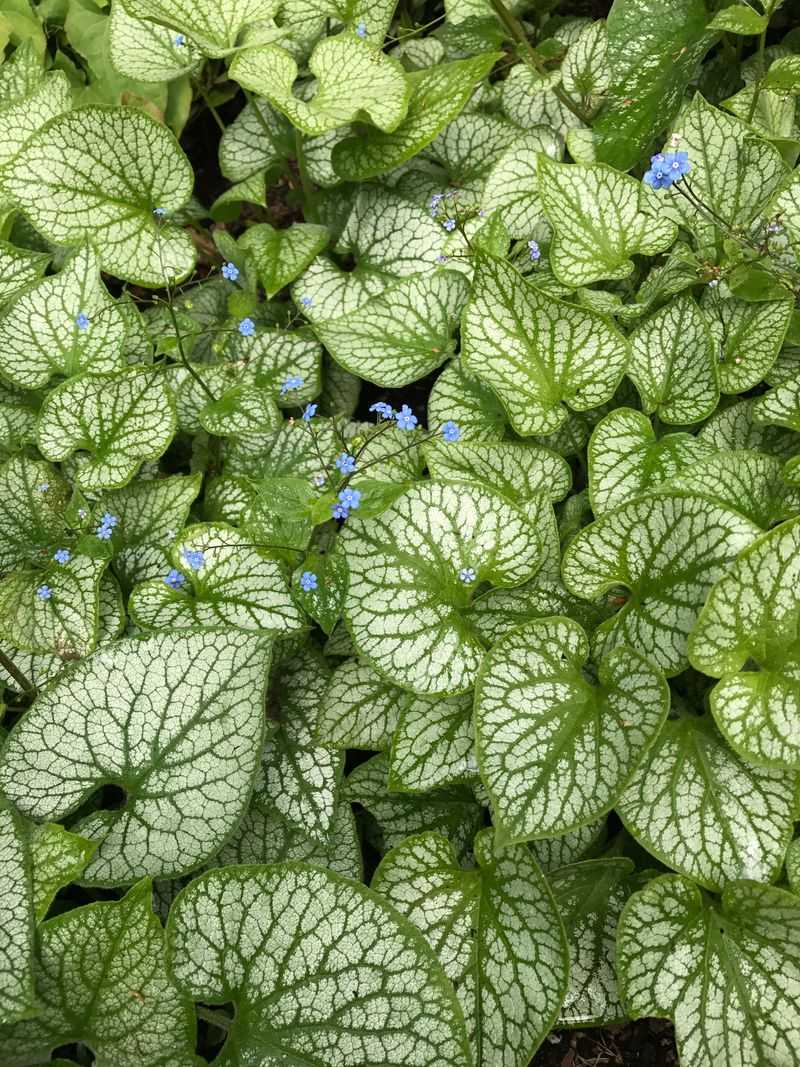
Walk through most New Jersey garden centers and you will spot hostas stacked ten rows deep. Finding Brunnera macrophylla, though, can be harder than tracking down common shade plants.
Shaded flower beds in New Jersey are common because of the state’s mature tree canopy. Many homeowners struggle to find plants that truly thrive under those dense, leafy ceilings.
Brunnera adapts well to these conditions. It handles dappled shade and full shade with equal grace, making it incredibly versatile for tricky spots.
New Jersey’s USDA hardiness zones span roughly 6b to 8a under the current map, with cooler pockets reaching into 6a in the northwest.
Specialty nurseries and online plant retailers are your best bets for sourcing quality Brunnera. Look for named cultivars like ‘Jack Frost’ or ‘Looking Glass’ for the most dramatic foliage effects.
Your New Jersey Garden Changes Every Week. Your Plan Should Too.
Gardening in New Jersey changes quickly throughout the season. Every Friday you’ll receive a simple weekly plan showing exactly what to plant, prune, fertilize, harvest, and protect so you never miss the right timing.
Once you bring one home and tuck it into a shaded bed, the transformation is almost immediate. That silvery leaf catches every bit of filtered light and reflects it beautifully.
Gardeners who discover Brunnera rarely stop at just one plant. Its quiet drama and reliable return each spring make it a must-have for any serious shade garden in the state.
Ideal Growing Conditions In New Jersey’s Climate
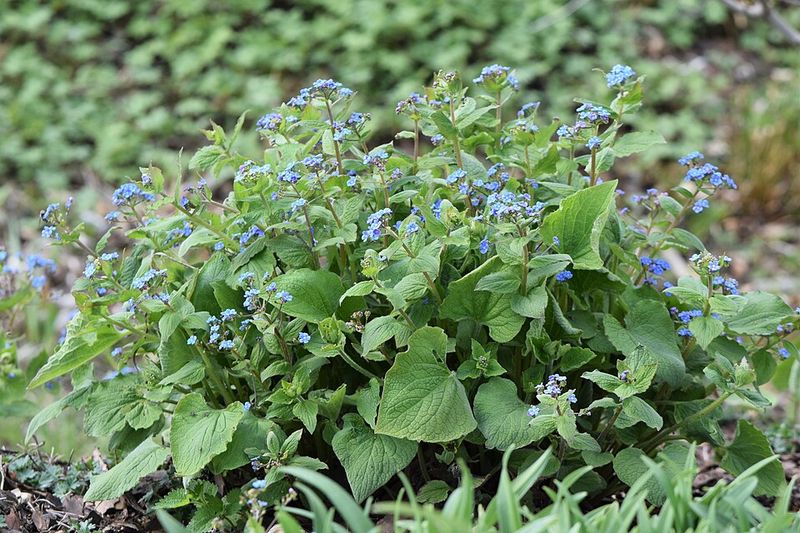
Brunnera is not picky, but it does have preferences, and knowing them makes all the difference. Give it what it loves and it will reward you with seasons of stunning growth.
Moist, well-draining soil rich in organic matter is the sweet spot for Brunnera. Think of the kind of soil you would find on a forest floor, dark and crumbly.
New Jersey’s climate offers plenty of spring rain, which Brunnera absolutely adores. Those wet spring months fuel its early bloom cycle and help establish new plants quickly.
Summer heat is where things get tricky, especially in southern New Jersey. Brunnera appreciates afternoon shade during hot months to prevent leaf scorch and wilting.
Humidity in the Garden State can be intense from July through August. Good air circulation around your plants helps prevent fungal issues during those sticky stretches.
The soil pH should ideally sit between 6.0 and 7.0 for best results. A simple soil test from your local cooperative extension office can confirm where your garden stands.
Mulching around Brunnera plants helps retain moisture and regulate soil temperature. A two-inch layer of shredded bark or leaf compost works perfectly and feeds the soil as it breaks down.
New Jersey’s fall season is mild enough for Brunnera to keep its foliage looking sharp. That extended display season makes it a valuable option among shade perennials.
Planting Brunnera In Your Shaded Flower Beds
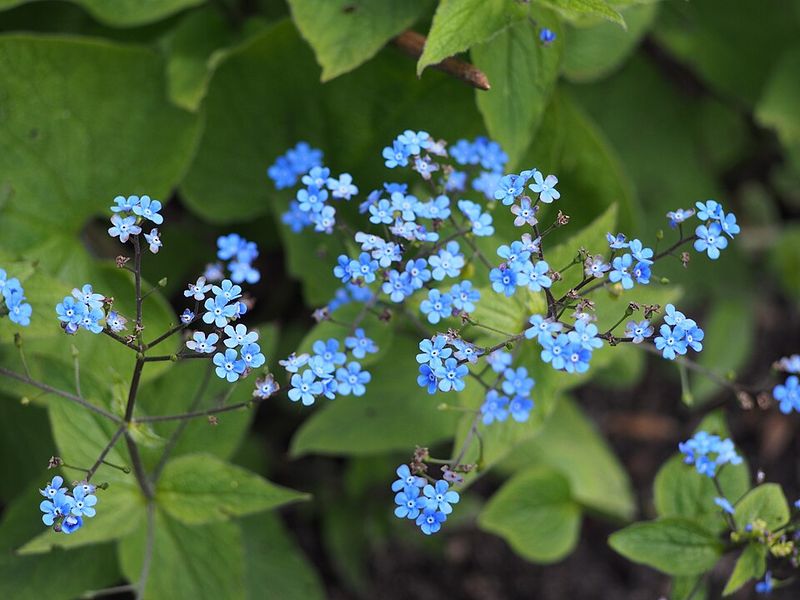
Spring planting is the golden window for getting Brunnera established in your shaded flower beds. Aim for after the last frost, which typically falls in early-to-mid April in southern New Jersey and later in northern parts of the state.
Choose a spot that gets morning sun and afternoon shade for the best of both worlds. That combination keeps the leaves bright and the plant well-energized without heat stress.
Dig a hole roughly twice the width of the root ball and the same depth. Loosening the surrounding soil helps young roots spread outward with ease.
Amend your planting hole with compost before dropping the plant in. That organic boost gives Brunnera a strong start and improves moisture retention in your bed.
Space plants about 18 inches apart to allow for their natural spread over time. Crowding them too close leads to poor air circulation and a messy look within a season or two.
Water thoroughly right after planting to settle the soil and remove air pockets. Keep the soil consistently moist during the first growing season while roots are getting established.
Fall planting is also an option if you find Brunnera at a nursery sale in September. The cooler temperatures reduce transplant stress and give roots time to settle before winter arrives.
Mark your planting spots with a small stake because Brunnera is slow to emerge in spring. Knowing where it is prevents accidental digging when you are eager to get back outside.
Caring For Brunnera Through The Seasons
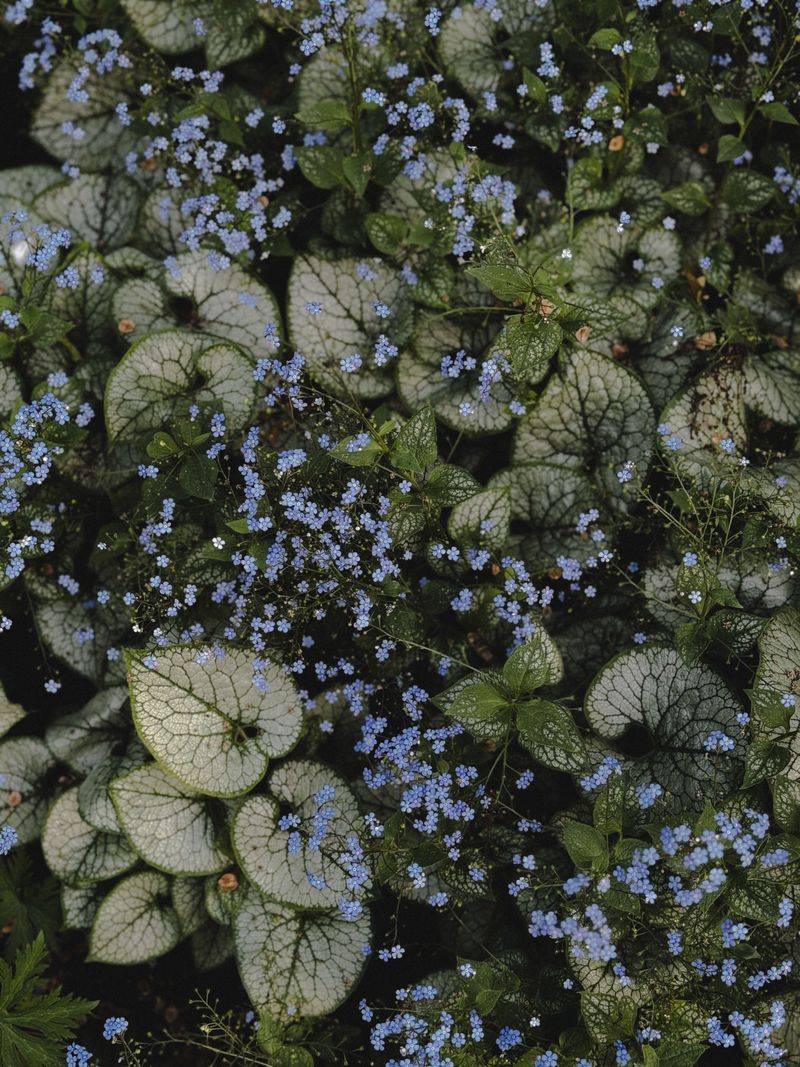
Brunnera is the kind of plant that makes upkeep simple, even for beginners. Once established, it practically takes care of itself through the changing seasons.
In early spring, cut back any tattered or winter-damaged leaves to make way for fresh growth. New foliage emerges quickly and looks incredibly clean after a light tidy-up.
Watering during dry spells is the most important task through summer. Brunnera does not tolerate drought well, so check the soil and water deeply if the top inch feels dry.
Fertilizing is optional but beneficial if your soil is lean. A slow-release, balanced granular fertilizer applied in spring gives the plant a gentle nutritional boost without overwhelming it.
Removing the spent flower stalks after blooming keeps the plant looking tidy. It also redirects energy back into the foliage, which remains the star of the show all season long.
Watch for slugs in wet springs because they love the same moist conditions Brunnera enjoys. A ring of diatomaceous earth around the base of your plants can help deter slugs, though it becomes less effective when wet.
As fall arrives, Brunnera begins to slow down gracefully. You can leave the foliage in place until a hard frost knocks it back, then cut it down to the ground.
A layer of mulch applied before winter protects the crown from freeze-thaw cycles. Come spring, you will be rewarded with a healthy, returning plant ready to bloom again beautifully.
Best Companion Plants To Pair With Brunnera In Shade
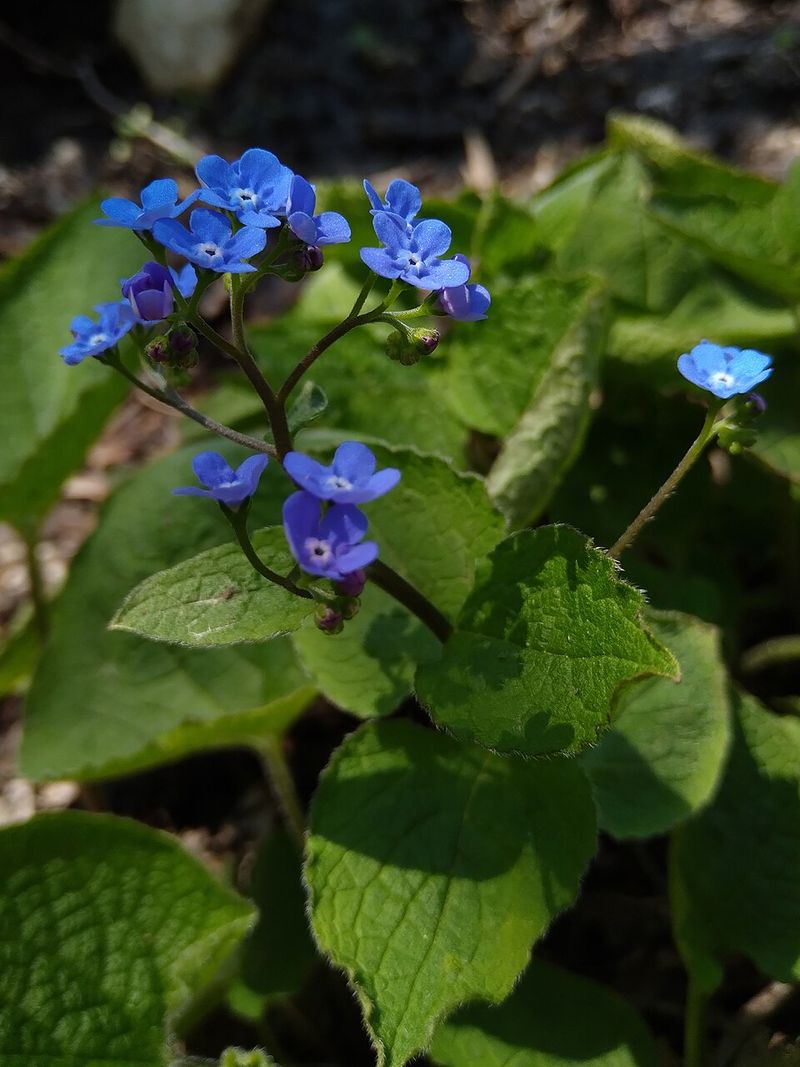
Pairing plants in a shade garden is like putting together a great playlist. Every element needs to complement the others without anyone stealing the whole show.
Hostas are the classic partner for Brunnera in shaded flower beds. Their bold, solid leaves create a striking contrast against Brunnera’s silver-patterned foliage and delicate blue blooms.
Astilbe adds vertical drama and feathery plumes in shades of pink, red, and white. That upward movement balances Brunnera’s low, spreading habit and keeps the bed visually interesting.
Ferns bring a lacy, airy texture that softens the overall composition beautifully. Japanese painted ferns, with their silvery fronds, echo Brunnera’s own metallic leaf tones in a sophisticated way.
Bleeding heart is another dreamy pairing for spring displays in shaded beds. The arching stems and dangling pink blooms bloom alongside Brunnera, creating a romantic, cottage-garden feel.
Hellebores extend the season on both ends, blooming in late winter before Brunnera wakes up. Together, their staggered bloom times bring color to your shaded bed from late winter through fall.
Solomon’s seal adds elegant, arching stems and white bell-shaped flowers that play nicely with Brunnera’s blue clusters. Its clean, structural look gives the bed a polished, intentional appearance.
Mixing textures, heights, and bloom times is the secret to a shade garden that feels alive all season. Brunnera anchors those combinations beautifully, making every companion plant look even better beside it.