These Are The Real Signs Of Overwatering In Massachusetts’s Summer Heat
Your garden could quietly be struggling without a single visible clue. Massachusetts summers make you reach for the hose instantly. Dry topsoil convinces you that the roots below feel thirsty too.
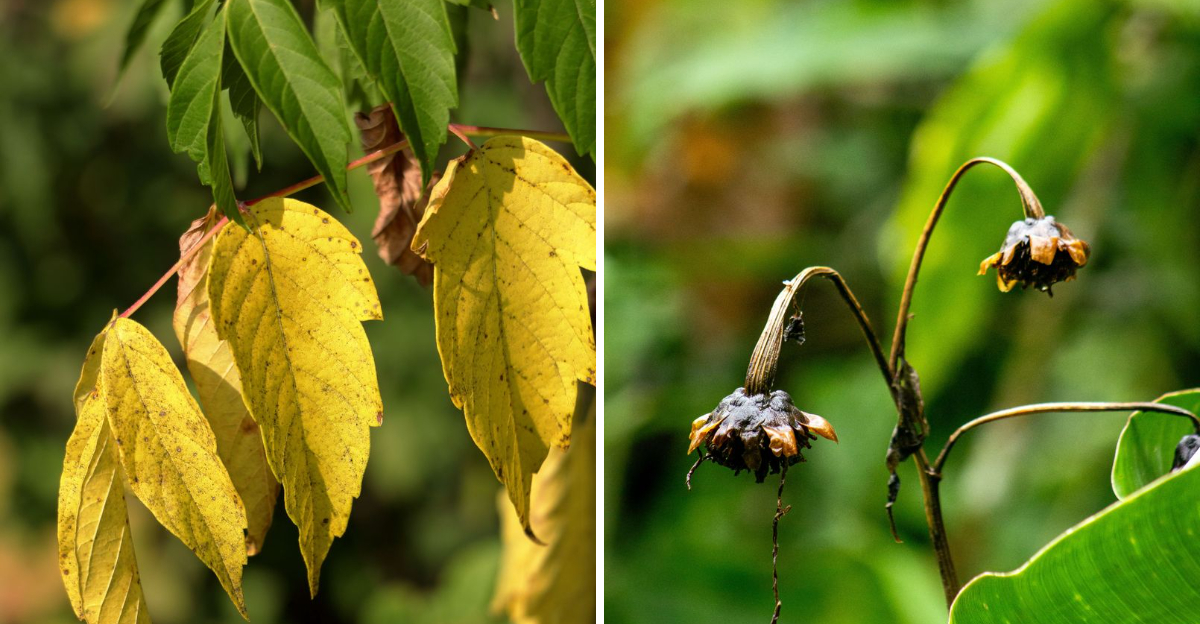
Wilting leaves often mean saturated roots, not simple dehydration. Soggy ground steals precious oxygen your roots desperately need. Yellow leaves and mushy stems reveal the truth fast.
Fungus gnats hovering near your struggling pots confirm the damage. Nobody expects too much genuine care to backfire this badly. Clay soil across Massachusetts holds water longer than expected.
Excess moisture instantly blocks the air your roots require. Rot spreads through your plants within just a matter of days. Confidence in your daily routine can blind you to damage.
Every drop added without checking moisture works quietly against you. Plants rarely suffer from thirst during humid summer stretches. You need to spot these warning signs before your garden pays the steep price.
1. Spot Soil Still Soggy Days Later
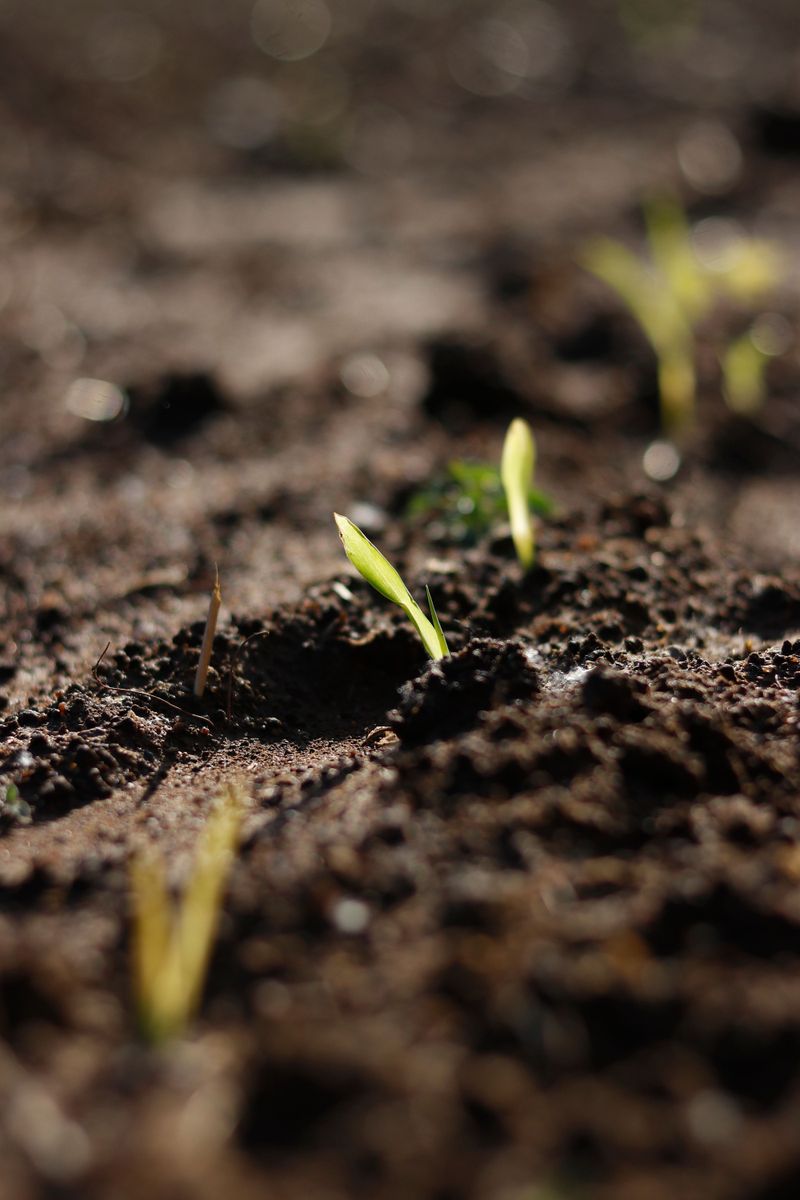
Stick your finger two inches into the soil right now. If it feels wet and cold three days after your last watering, you have a problem worth addressing.
Healthy soil should feel slightly moist but never sloppy or saturated. Soggy soil for days means water has nowhere to drain and roots are sitting in a wet trap.
Massachusetts clay-heavy soils are especially prone to holding water longer than plants prefer. Summer heat evaporates surface moisture fast, but deeper layers stay soaked much longer.
Many gardeners water by schedule instead of by feel. That habit ignores what the soil is actually doing beneath the surface on any given day.
A simple finger test takes about three seconds and tells you more than any watering calendar ever could. Push down past the top layer and feel what is really going on.
If the soil stays soggy, stop watering immediately and check your drainage situation. Pots without proper drainage holes are one of the biggest culprits behind chronically wet soil.
For garden beds, consider mixing in perlite or coarse sand to improve water movement. Better drainage means roots stay healthy even during heavy summer rain weeks.
Spotting signs of overwatering in Massachusetts starts with that simple soil check. A few seconds of attention can prevent weeks of plant recovery time and a lot of frustration.
2. Find Roots Turning Mushy And Dark
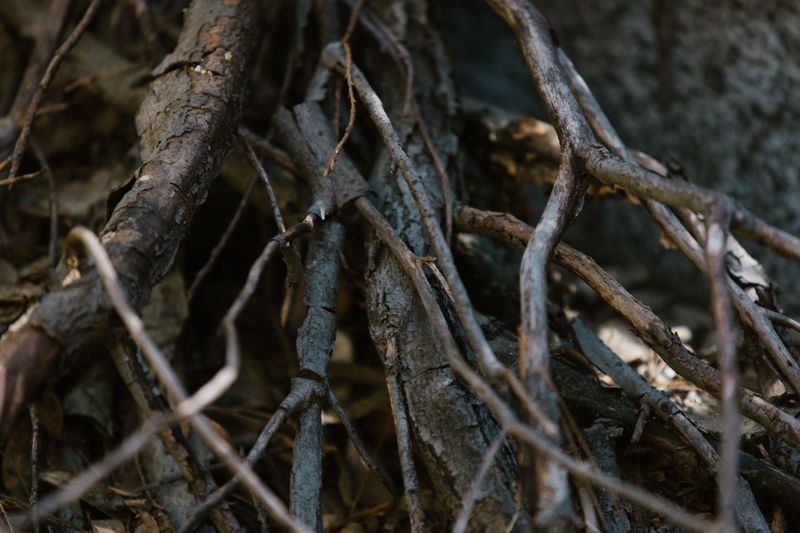
Pull a plant gently from its pot and take a good look at the roots. Healthy roots should be white or light tan and feel firm to the touch.
If you see dark brown or black roots that feel soft and slimy, root rot has already started. This is one of the most important signs of overwatering to watch for.
Root rot happens when soil stays wet too long and oxygen cannot reach the roots. Certain fungi thrive in those conditions and begin breaking down root tissue quickly.
Once roots turn mushy, they cannot absorb water or nutrients anymore. The plant above ground starts to look sick even though the soil is still full of moisture.
Your Massachusetts Garden Changes Every Week. Your Plan Should Too.
Gardening in Massachusetts changes quickly throughout the season. Every Friday you’ll receive a simple weekly plan showing exactly what to plant, prune, fertilize, harvest, and protect so you never miss the right timing.
Many gardeners never think to check the roots because it feels like too much work. But a quick unpotting takes less than a minute and reveals the truth immediately.
If you catch root rot early, you can trim the damaged roots with clean scissors. Repot into fresh, dry soil and hold off on watering for at least a week.
Severe cases may require removing a significant portion of the root system, depending on the plant.
Checking roots is one of the most powerful ways to catch signs of overwatering in Massachusetts gardens before the damage becomes harder to reverse. A little investigation goes a long way toward saving a struggling plant.
3. Notice Yellowing Starting From Lower Leaves
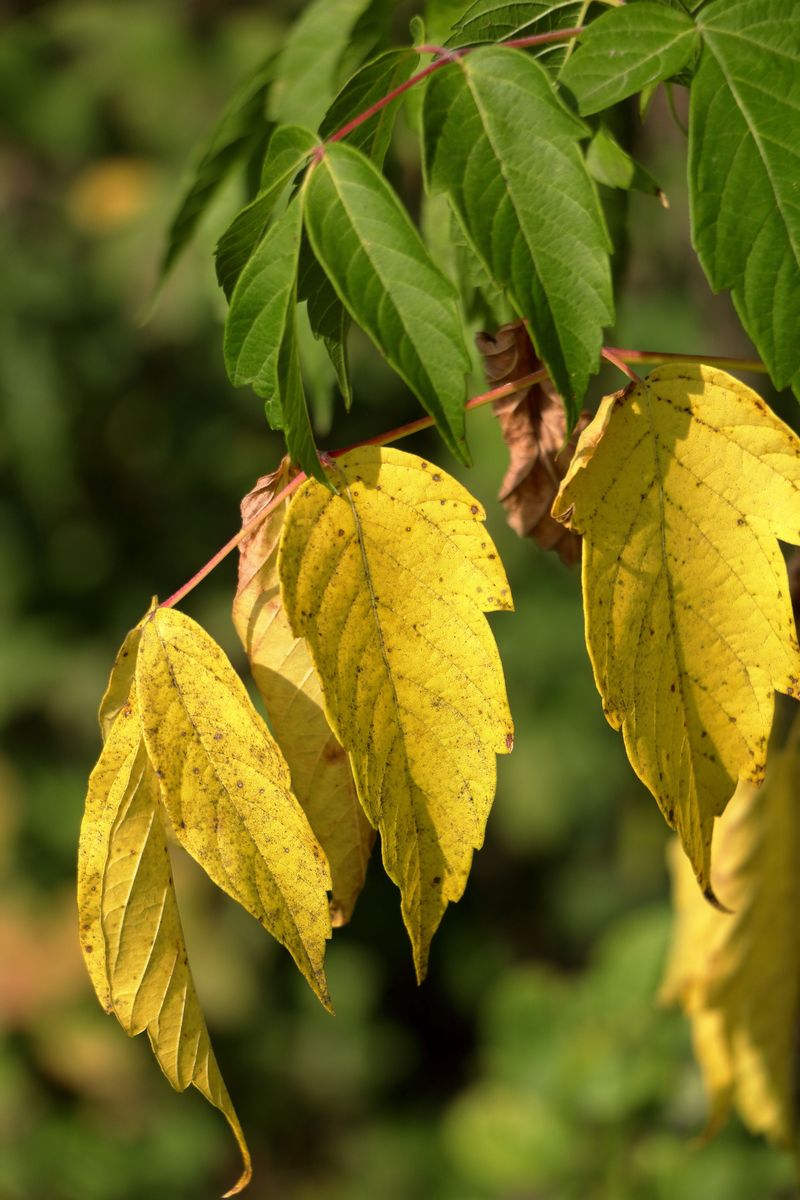
Your plant is sending you a message from the bottom up. When lower leaves start turning yellow first, that is a classic sign of overwatering stress happening underground.
Most gardeners assume yellow leaves mean the plant needs more water or fertilizer. That assumption leads to more watering, which makes the problem worse fast.
Overwatered roots struggle to pull in nutrients, even when surrounded by moisture. The plant cannot absorb what it needs, so leaves begin to fade and lose their green color.
This yellowing pattern can resemble certain nutrient deficiencies, so soil moisture is the more reliable clue to check first. Overwatering yellowing starts low and creeps upward slowly.
In Massachusetts summers, the heat speeds up root stress. Warm, soggy soil creates the perfect environment for roots to suffocate and fail.
Check your lower leaves every few days during July and August. Catching this early gives you a real chance to correct course before serious damage sets in.
Simply reduce watering frequency and let the soil dry out between sessions. Your plant will often bounce back surprisingly fast once the roots get breathing room again.
Signs of overwatering in Massachusetts gardens are easy to miss when the weather feels so hot and dry. But your leaves never lie, and yellow ones at the base are always worth a second look.
4. Sense Wilting Even With Damp Soil
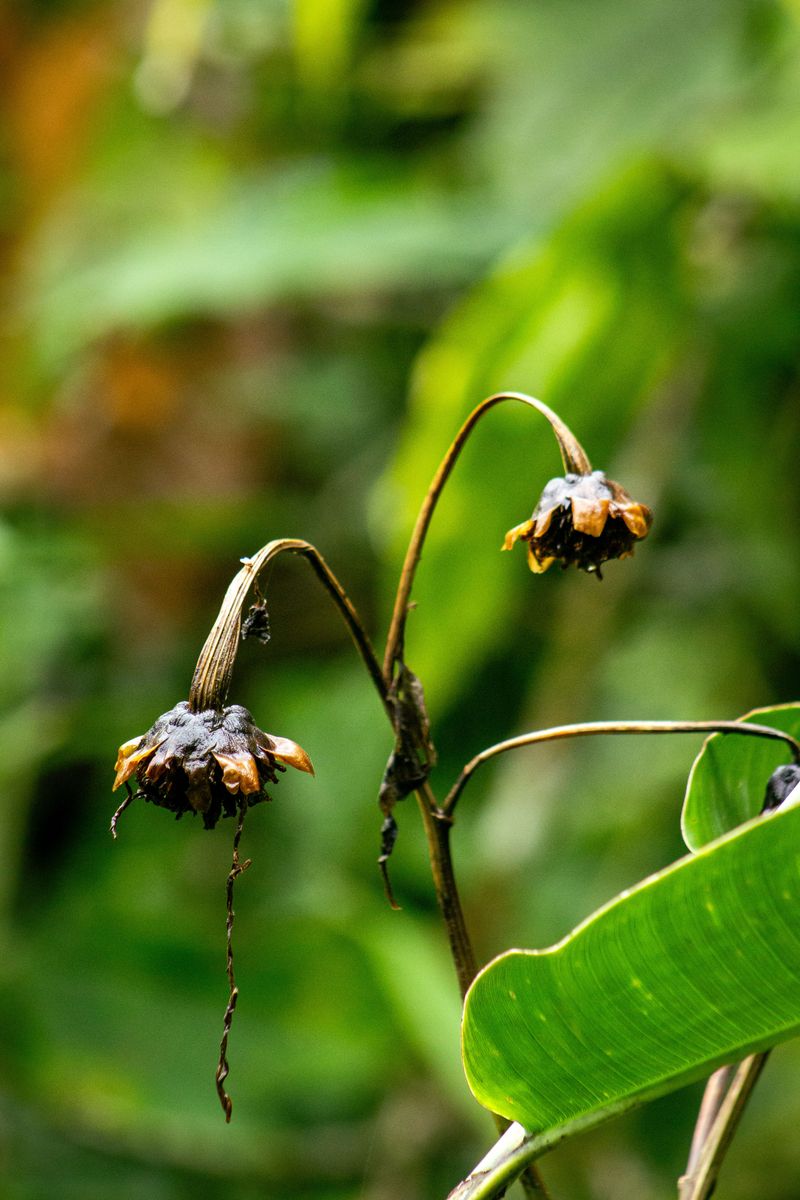
Wilting usually means a plant needs water, right? Not always, and that assumption catches a lot of gardeners completely off guard during summer months.
When a plant wilts but the soil is clearly damp, overwatering is often the real culprit. Damaged roots cannot move water upward, so the plant droops despite having plenty of moisture nearby.
This confusing situation leads many people to water even more. That extra water makes things worse by placing additional stress on already weakened roots.
Think of it like a clogged straw. Even if there is liquid at the bottom, nothing gets through if the path is blocked or broken.
Overwatered roots in Massachusetts’s warm summer soil become weak and inefficient fast. They lose the ability to do their one job, which is delivering water to the rest of the plant.
Before reaching for the hose, always check the soil first. If it feels damp an inch or two down, put the watering can away and observe for another day.
Sometimes wilting from overwatering looks almost identical to wilting from underwatering. The soil moisture test is the fastest way to tell which problem you are actually dealing with.
Recognizing this tricky sign of overwatering in Massachusetts keeps you from making a bad situation worse. Trust the soil, not just the visual appearance of the plant above ground.
5. Watch Green Leaves Falling Off Early
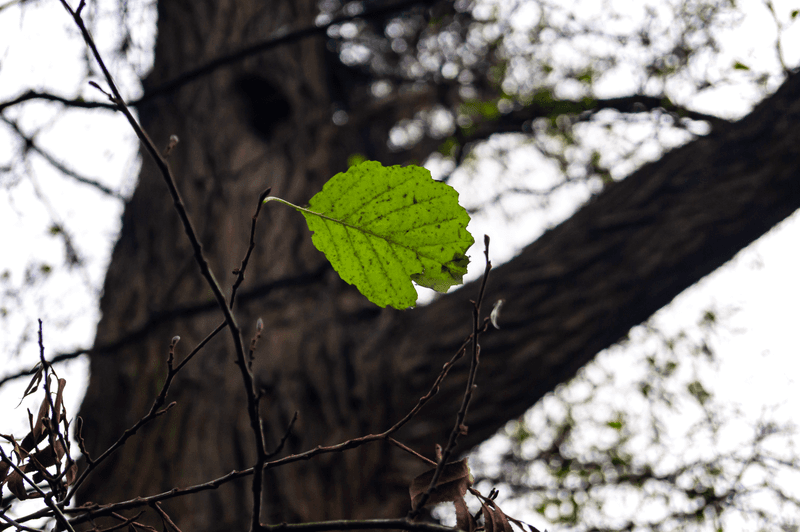
Leaves are supposed to turn yellow or brown before they fall, right? When green leaves drop without any warning signs, something unusual is going on beneath the surface.
Overwatering can cause perfectly green leaves to detach and fall. The plant is under so much root stress that it sheds foliage in response.
This response is actually a survival mechanism. By dropping leaves, the plant reduces how much water it needs to move around its damaged system.
It looks alarming when you find a pile of green leaves under an otherwise normal-looking plant. Most people assume a pest or disease is involved, but water stress is often the answer.
In Massachusetts, summer rainstorms can add unexpected water to already saturated garden beds. A few heavy rain days in a row can turn a borderline situation into a serious drainage problem.
Check your drainage after every significant rainfall. If puddles sit near your plants for more than an hour, your drainage setup needs some attention before more leaves hit the ground.
Adding raised beds or improving slope in your yard helps redirect excess rainwater away from plant roots. Small changes in garden layout can make a huge difference during wet summer weeks.
Spotting signs of overwatering in Massachusetts means paying attention to what falls, not just what wilts. Green leaves on the ground are an early signal that something is wrong.
6. See Fungus Gnats Hovering Nearby
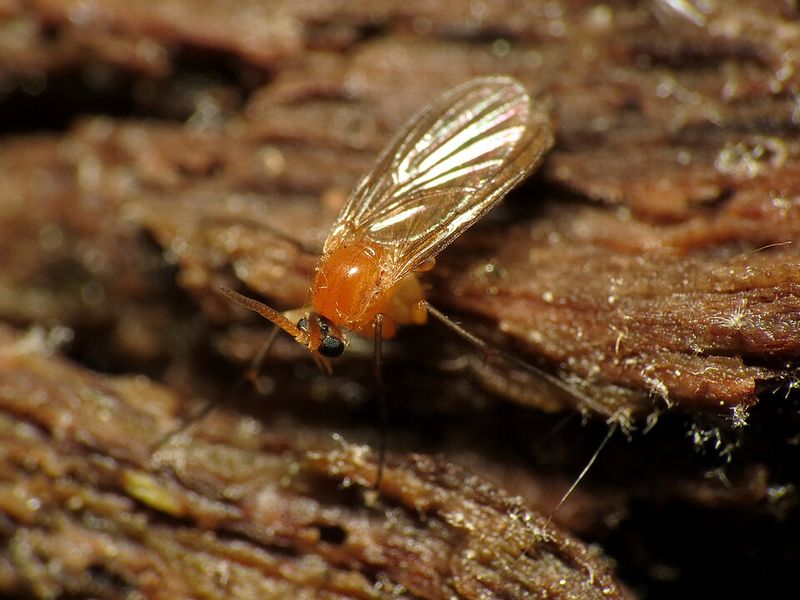
Those tiny flies hovering around your plant are not random. Fungus gnats are almost always a direct sign that your soil has been staying too wet for too long.
Adult fungus gnats are harmless and mostly just annoying. But their larvae live in moist soil and chew on plant roots, which adds another layer of damage to already stressed plants.
Overwatered soil is the perfect breeding ground for these insects. They lay eggs in the top layer of wet soil, and a new generation can develop within a few weeks.
Seeing fungus gnats is one of the most reliable visual clues that overwatering has been happening consistently. They do not show up in dry, healthy soil because the conditions do not support their eggs.
The fix starts with letting the top two inches of soil dry out completely between waterings. Without moisture, the eggs and larvae cannot survive long enough to become adults.
Sticky yellow traps placed near the soil surface catch adult gnats and reduce the population quickly. They are inexpensive and widely available at most garden centers across Massachusetts.
Some gardeners also use a layer of coarse sand on top of the soil. That dry barrier discourages females from laying eggs in the first place.
Fungus gnats are a living, buzzing sign of overwatering that is impossible to ignore. Treat the soil moisture problem first and the gnat population will typically decline within a few weeks.
7. Test For Dense, Waterlogged Potting Mix
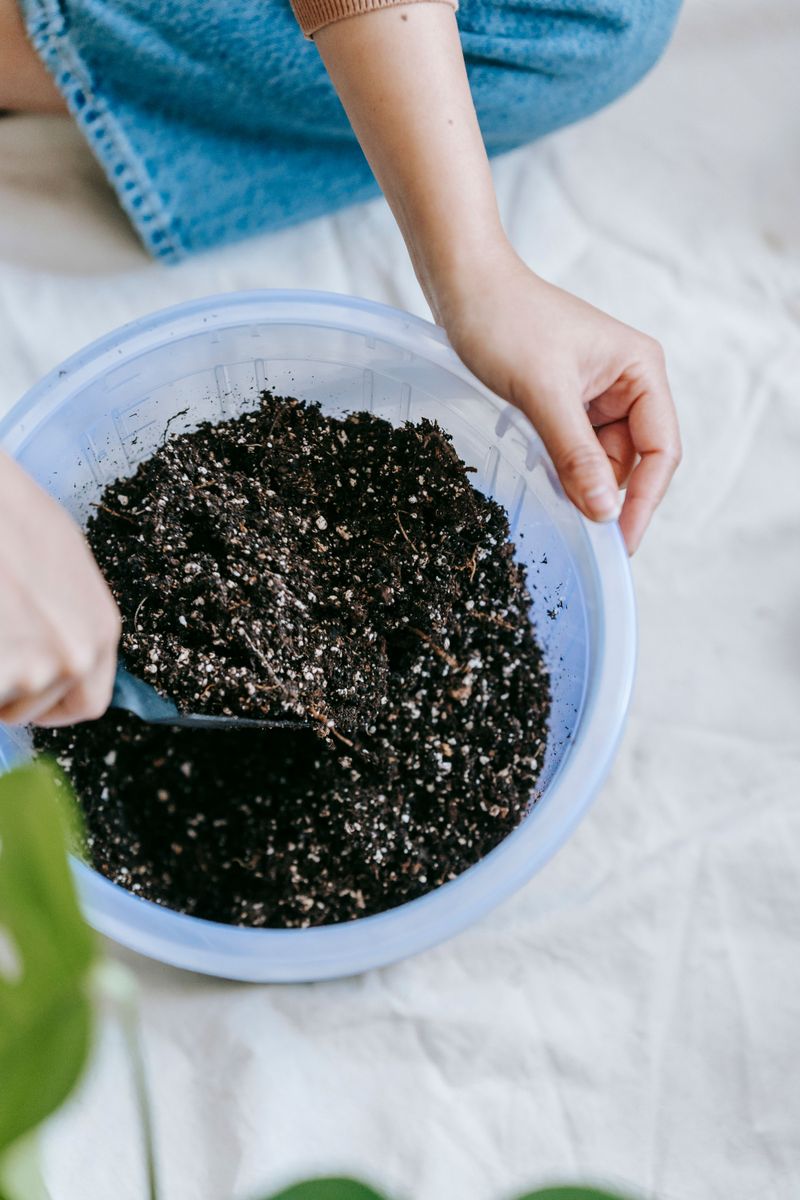
Pick up a handful of potting mix from your container and squeeze it gently. If water streams out or the clump holds together in a dense, heavy ball, your mix is waterlogged.
Healthy potting mix should feel light and crumbly when moist. It should hold some moisture without feeling compacted or releasing water when pressed.
Waterlogged potting mix has lost its air pockets. Without those tiny gaps, roots cannot breathe, and the plant begins to struggle even in warm Massachusetts summer conditions.
Old potting mix breaks down over time and becomes more compact. After a season or two, it drains poorly and holds water longer than it should, even with careful watering habits.
Refreshing your potting mix periodically, depending on the plant and container, is one of the easiest ways to prevent overwatering problems. Fresh mix drains better and supports root health more effectively.
When choosing a potting mix, look for one that includes perlite or bark chips for added drainage. Those ingredients keep the mix from compacting and help water move through more freely.
For heavy feeders like tomatoes or peppers, consider a mix specifically designed for vegetables. These blends are usually formulated to drain well while still holding enough nutrients for strong growth.
A dense, waterlogged potting mix is a silent contributor to signs of overwatering in Massachusetts container gardens. Fixing the mix itself often solves the problem faster than adjusting your watering schedule alone.
8. Detect A Musty, Rotten Smell
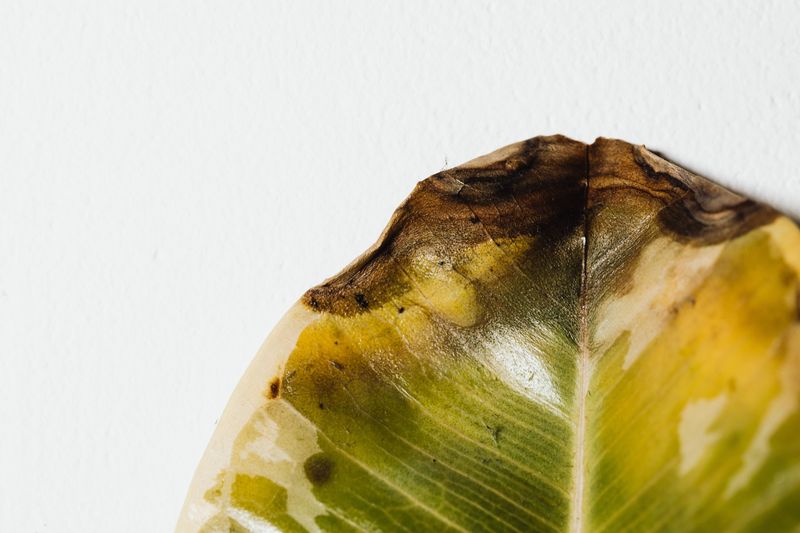
Get close to your plant and take a slow sniff near the soil line. Healthy soil smells earthy and fresh, like a forest after rain, clean and alive.
A musty, sour, or rotten odor coming from the pot is a serious warning. That smell usually means anaerobic bacteria have taken over the waterlogged soil environment.
When soil stays wet too long, oxygen disappears and harmful microbes move in. Those bacteria break down organic matter in ways that produce foul-smelling gases and harm root systems.
The smell alone tells you something has gone wrong before you even see visible symptoms on the leaves. Your nose can catch signs of overwatering faster than your eyes sometimes.
If the odor is strong, the soil situation is likely severe. Unpot the plant immediately and inspect the roots for the mushy, dark rot described earlier in this article.
Remove all the old soil and rinse the roots gently with clean water. Trim any rotted sections and repot using fresh, well-draining mix right away.
Clean the pot thoroughly before reusing it. Old bacteria can linger on pot walls and reinfect fresh soil if the container is not properly scrubbed and dried first.
A rotten smell from your garden or containers is one of the clearest signs of overwatering in Massachusetts and worth addressing right away. Trust your senses and address the issue promptly to help your plant recover.