Squash Bugs Wrecking Your Harvest? Here’s How To Get Rid Of Them In Kansas
Kansas squash plants can go from thriving to collapsing in the space of a single week. One day the leaves are broad and glossy, and the next they curl inward like they are trying to hide from something.
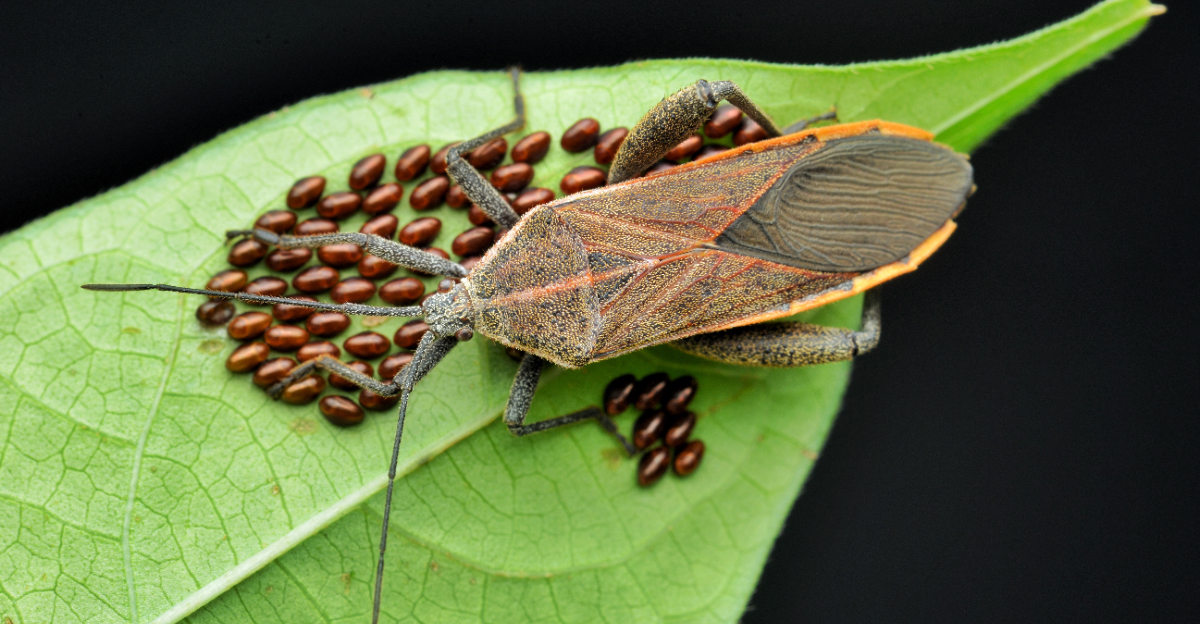
That something is usually a squash bug, and once it finds your garden, it rarely travels alone. These insects hide under leaves, cluster near the stem base, and lay eggs in tidy bronze rows most gardeners miss until it is too late.
By the time wilting sets in, the damage is already spreading through the plant’s vascular system. Kansas summers give squash bugs exactly the heat and humidity they need to multiply fast.
The more you know about how squash bugs behave, the less power they have over your garden.
Squash Bugs Can Wreck A Harvest In Days
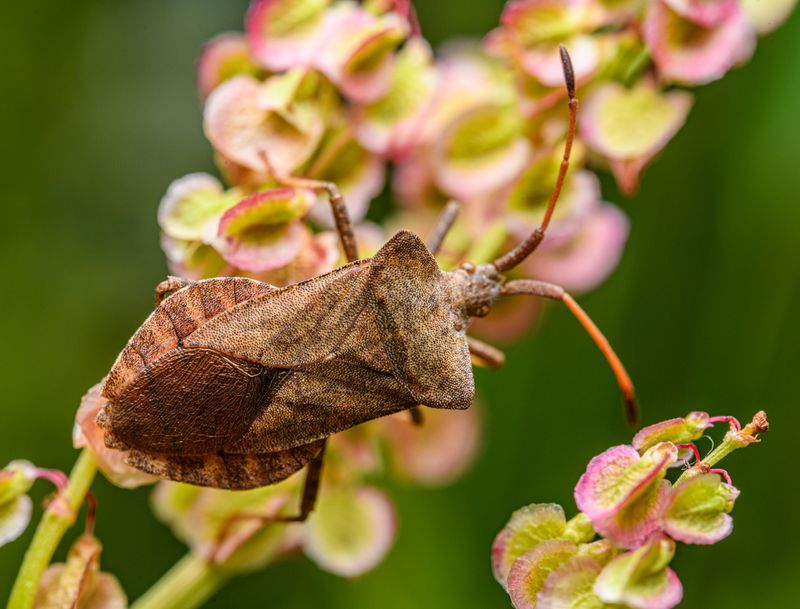
Your squash plants were fine yesterday. Today, the leaves look like crumpled paper, and a cluster of gray-brown insects is hiding underneath.
Squash bugs are not just annoying. They are genuinely destructive pests capable of causing serious damage to a squash plant in a short amount of time.
These insects feed by piercing plant tissue and sucking out the sap. That feeding cuts off the flow of water and nutrients to the rest of the plant.
Once a plant starts wilting from squash bug damage, the stems turn yellow and the leaves curl fast. The good news is that plants can recover once the bug population is brought under control.
Kansas summers are practically a paradise for these pests. Warm temperatures and a long growing season give squash bugs plenty of time to multiply and spread.
Adult squash bugs are about five-eighths of an inch long and look almost flat. Their brown-gray coloring helps them blend in with soil and dry leaves.
They also release a foul smell when crushed, which is one way gardeners first notice them. That odor is a defense mechanism meant to keep predators away.
A single female can lay a new cluster of eggs every few days, and those eggs hatch within one to two weeks. That fast reproduction rate is why infestations escalate so quickly.
Acting quickly makes a real difference, since populations can grow fast once eggs start hatching. Even a short delay in response can let a small problem turn into a much bigger one.
Spotting Squash Bugs And Their Eggs
Spotting squash bugs early starts with knowing exactly what to look for. Many gardeners mistake them for other insects and lose precious time before reacting.
Adult squash bugs are flat, oval-shaped, and range from brown to dark gray. They have orange and brown stripes along the edges of their abdomen.
Younger bugs, called nymphs, start out pale green or gray and gradually darken as they grow. They move quickly and tend to scatter when a leaf is disturbed.
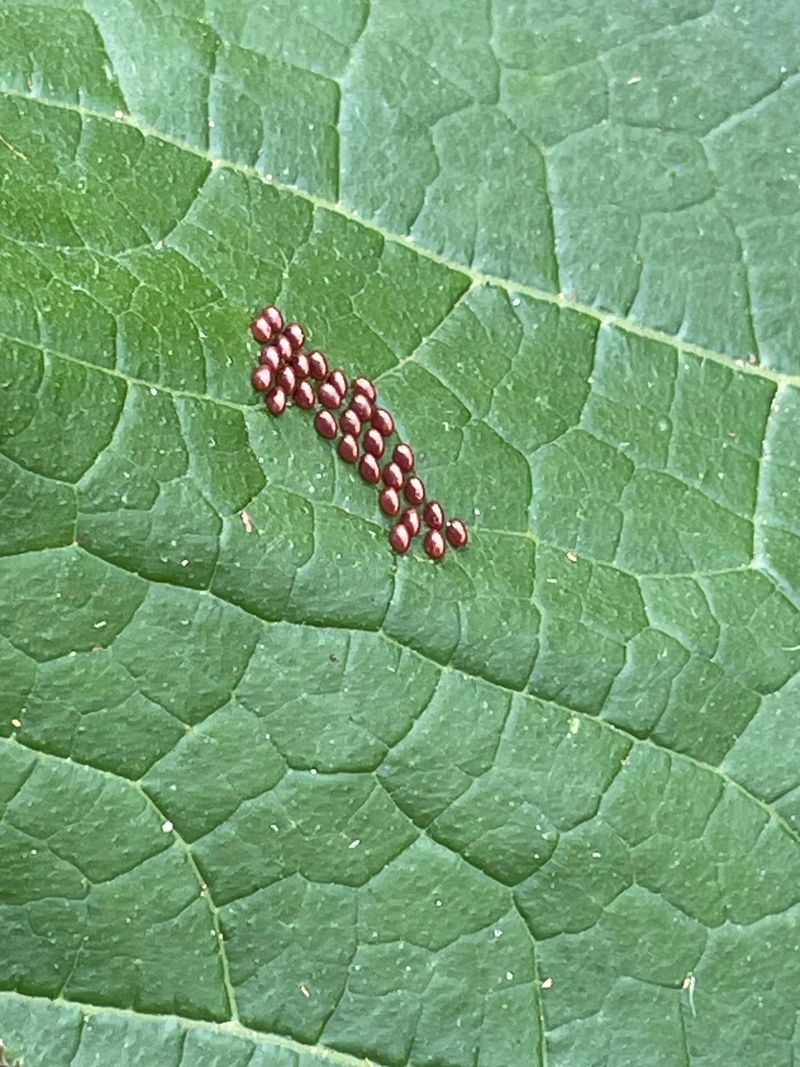
The eggs are the most important thing to learn to recognize. They are small, shiny, and bronze-colored, arranged in neat diamond-shaped clusters on leaf undersides.
Your Kansas Garden Changes Every Week. Your Plan Should Too.
Gardening in Kansas changes quickly throughout the season. Every Friday you’ll receive a simple weekly plan showing exactly what to plant, prune, fertilize, harvest, and protect so you never miss the right timing.
Female squash bugs prefer to lay eggs near the base of the plant or along the veins of leaves. Those hidden spots make the eggs easy to miss during a quick inspection.
Checking your plants every two to three days during peak season is the smartest habit you can build. Catching eggs before they hatch stops an infestation before it starts.
Look at the underside of every leaf, especially on older plants. Squash bugs tend to favor larger, more established plants over seedlings.
You might also notice small yellow spots on leaves before you ever see a bug. Those spots are early feeding marks left behind by nymphs working in groups.
Knowing the difference between squash bugs and squash vine borers matters too. Vine borers attack the stem from inside, while squash bugs feed openly on leaves and fruit.
Handpicking And Removing Eggs Early On
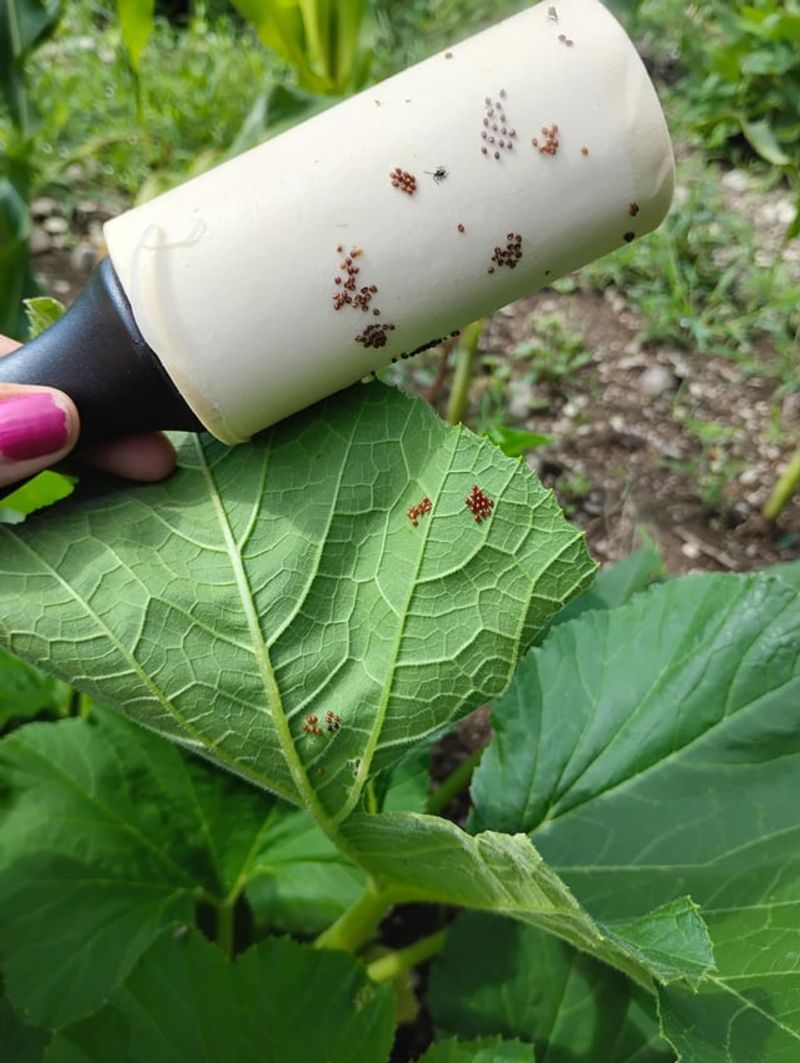
Sometimes the most effective solution is also the most old-fashioned one. Handpicking squash bug eggs is free, chemical-free, and surprisingly powerful when done consistently.
Start by checking your plants every other morning during late spring and early summer. That is when females are most actively laying eggs in Kansas gardens.
Flip each leaf over and look carefully along the veins and near the stem. Egg clusters are small but visible, and once you know what they look like, they are hard to miss.
Use a piece of tape to lift the eggs off the leaf surface. Press the sticky side firmly against the cluster and peel it away cleanly.
You can also scrape them off with a butter knife or your fingernail into a container of soapy water. The soap breaks the surface tension and prevents any chance of hatching.
For adult bugs and nymphs, drop them directly into that same soapy water bucket. Wearing gloves helps if you dislike the smell they release when handled.
Early morning is the best time to hunt for adults. Squash bugs are slower and less alert when temperatures are cool, making them easier to catch.
Check under boards, mulch piles, and dry plant debris near your garden too. Adults like to shelter in dark, moist spots overnight and during the hottest parts of the day.
A consistent handpicking routine, done three to four times per week, can dramatically reduce a squash bug population without spending a single dollar on products.
Natural Sprays That Help Control Infestations
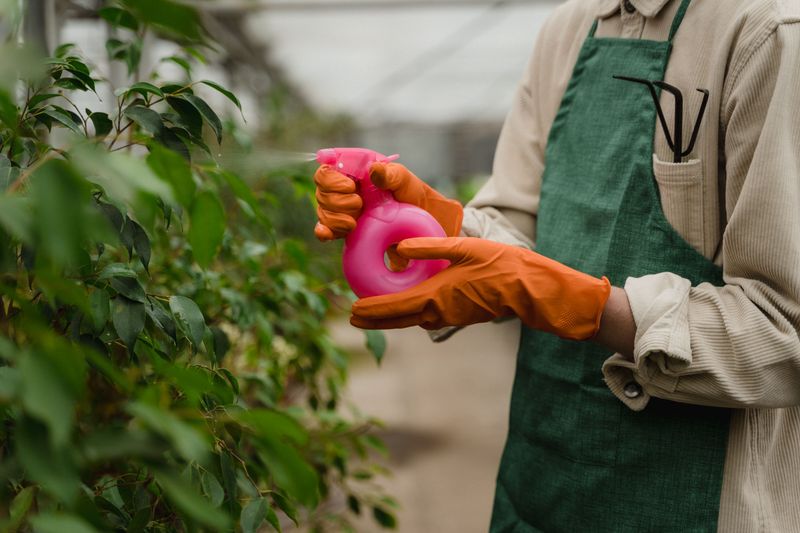
When handpicking alone is not enough, natural sprays give you a powerful second line of defense. Several options work well against squash bugs without harming your vegetables or the soil.
Neem oil is one of the most widely recommended choices among organic gardeners. It disrupts the feeding and reproductive cycles of squash bugs at multiple life stages.
Mix one to two tablespoons of neem oil with a few drops of dish soap and a quart of water. Shake it well and apply it directly to the undersides of leaves where bugs and eggs hide.
Reapply every five to seven days and always after rain washes it away. Consistency is what makes neem oil effective over time.
Insecticidal soap spray is another solid option that works on contact. It breaks down the outer coating of soft-bodied insects like nymphs, causing them to dehydrate.
Mix two tablespoons of pure castile soap with a quart of warm water. Spray it generously on affected areas, targeting nymphs directly since adults are harder to affect this way.
Diatomaceous earth is a powder made from fossilized algae that dries out an insect’s protective outer layer on contact. Sprinkle it around the base of your plants and along the soil surface.
Apply diatomaceous earth after watering so it sticks to the ground and plant stems. Reapply it after any rain event since moisture reduces its effectiveness significantly.
Always spray in the early morning or evening to protect pollinators like bees from accidental exposure during their most active hours.
Companion Planting To Keep Squash Bugs Away
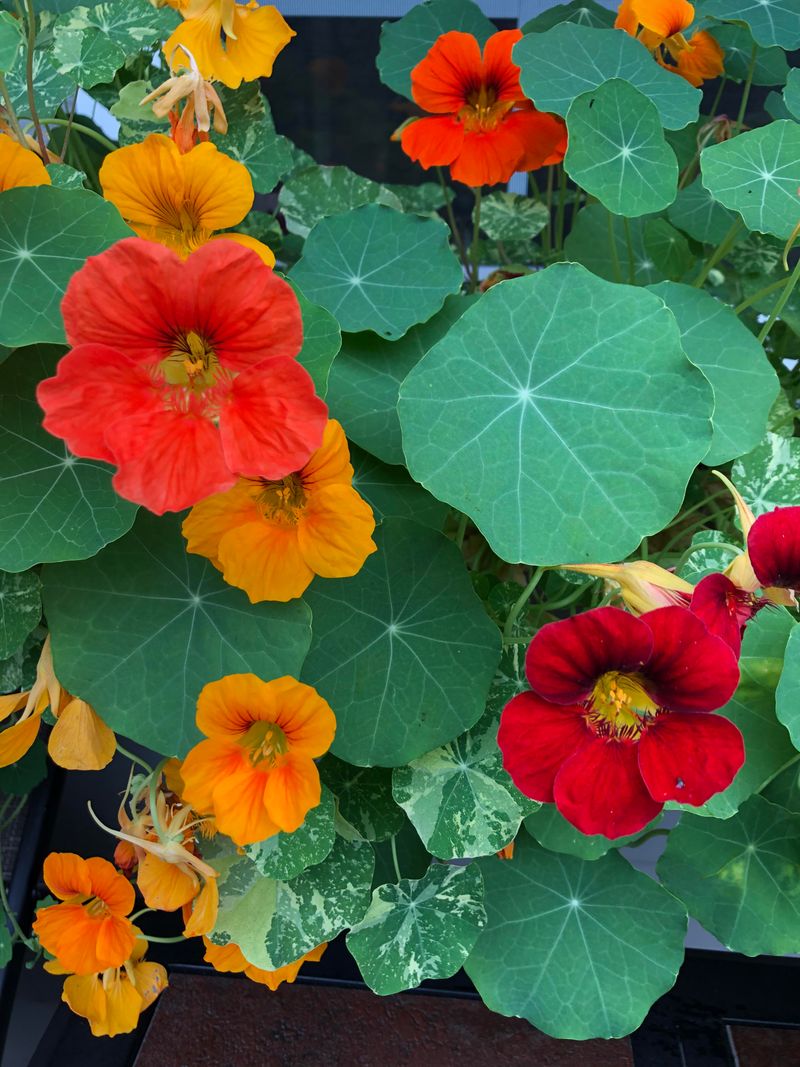
Nature has its own pest management system, and companion planting taps right into it. Certain plants naturally repel squash bugs or attract the predators that feed on them.
Nasturtiums are one of the most popular companion plants for squash growers across the Midwest. Their strong scent can help mask nearby squash plants, and some gardeners use them as a decoy to pull bugs away.
Plant nasturtiums at the base of your squash or around the border of your garden bed. They also attract aphid-eating insects, which adds an extra layer of natural pest control.
Marigolds are another powerhouse companion that many Kansas gardeners swear by. Their smell is offensive to a wide range of garden pests, including the squash bug.
Dill and catnip have also shown promise in deterring these insects. Both plants produce volatile compounds that interfere with how bugs locate their preferred host plants.
Tansy is a lesser-known but effective option worth considering. It has historically been used as a natural insect repellent and grows well in Kansas’s climate.
Interplanting with radishes can help too, especially early in the season. Radishes mature quickly and their presence may disrupt egg-laying behavior during the most vulnerable window.
Avoid planting squash in the same spot two years in a row. Rotating crops prevents squash bugs from overwintering in the soil and returning to the same area the following spring.
Healthy, diverse gardens are simply harder for pests to dominate. Mixing plant varieties creates a more resilient growing environment that naturally limits bug populations.
Preventing Squash Bugs From Returning Next Season
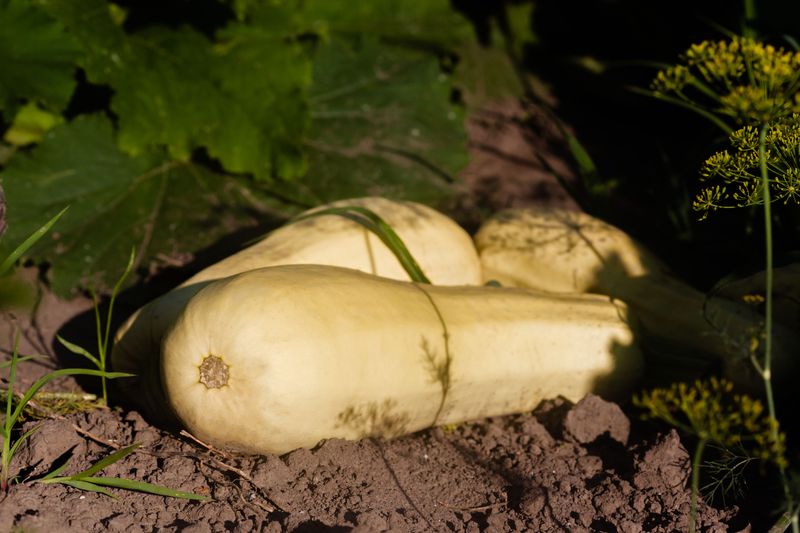
Getting ahead of squash bugs this season is great, but getting ahead of next season before it even starts is even better. Prevention is where long-term squash bug control really happens.
After your harvest ends, remove all decaying vines, leaves, and plant debris from the garden immediately. Squash bugs overwinter as adults under plant material and debris piles.
Till the soil lightly after clearing it out. Exposing overwintering adults to Kansas’s cold air and natural predators significantly reduces how many survive until spring.
Rotate your squash crops to a completely different section of the garden each year. Moving the planting location makes it harder for bugs that survived winter to find their host plants again.
Row covers are a fantastic preventive tool for the beginning of the season. Lightweight fabric covers protect seedlings from early-season squash bugs while still allowing light and air through.
Remove the covers once your plants begin to flower so pollinators can access the blooms. Timing matters here, so keep a close eye on plant development each spring.
Planting resistant squash varieties is another smart long-term strategy. Butternut squash and acorn squash tend to attract fewer squash bugs than zucchini or pumpkins.
Keeping a garden journal helps you track where infestations were worst and which plants held up best. That information becomes a valuable planning tool for future growing seasons.
Squash bugs are persistent, but so are smart Kansas gardeners who learn from each season and come back stronger the following year.