How To Identify Brown Recluse Spider Webs In Your Kansas Home Or Yard
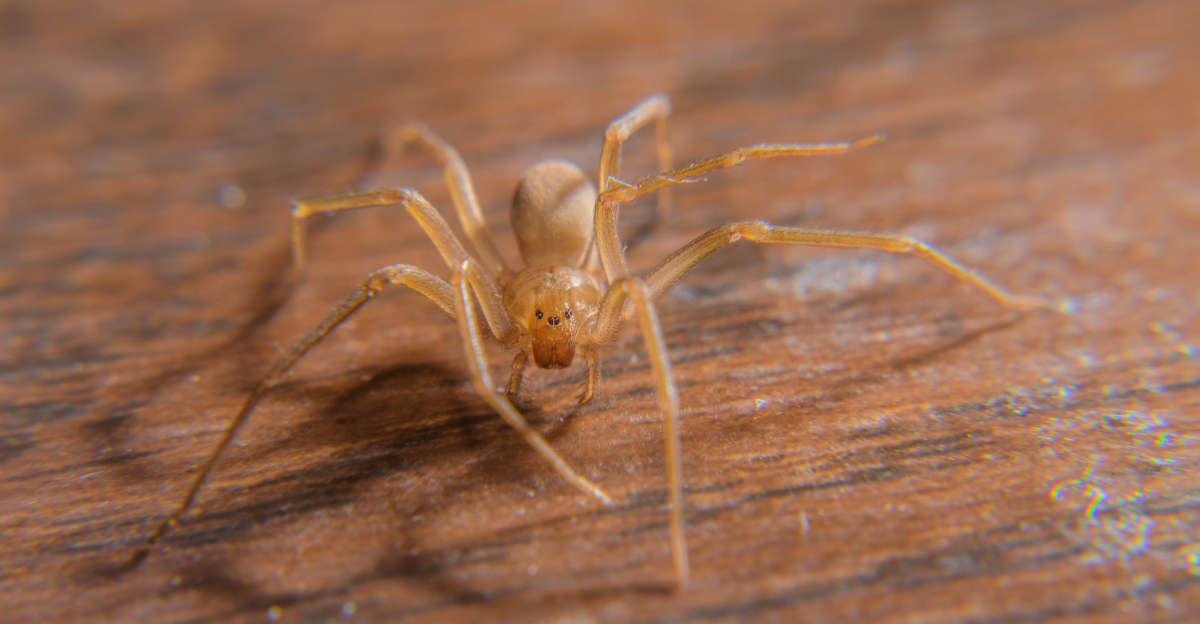
You might not notice it at first, settled into quiet, dusty corners. Kansas garages hold more than you think.
Brown recluse spiders lurk there, unseen by you. Webs like these rarely match the shape you imagine.
Instead, you find messy, uneven strands clinging to dust. Closets, basements, and attics hide them from you.
Another Kansas surprise waits quietly behind boxes you forgot. Every dusty tangle deserves your close look.
Mistaking that web for debris costs you time. Time moves quickly once trouble settles near you.
Sharp eyes quickly help you catch what careless glances miss. Nothing about this spider ever gives you a clear signal.
Recognizing its web keeps you and your home protected. You deserve clarity, not vague warnings or guesswork.
Confidence comes from knowing exactly what you’re facing.
Waiting gives it more time to hide from you. What you discover next could keep you safer than you think.
1. Irregular Shape Instead Of Neat Spirals
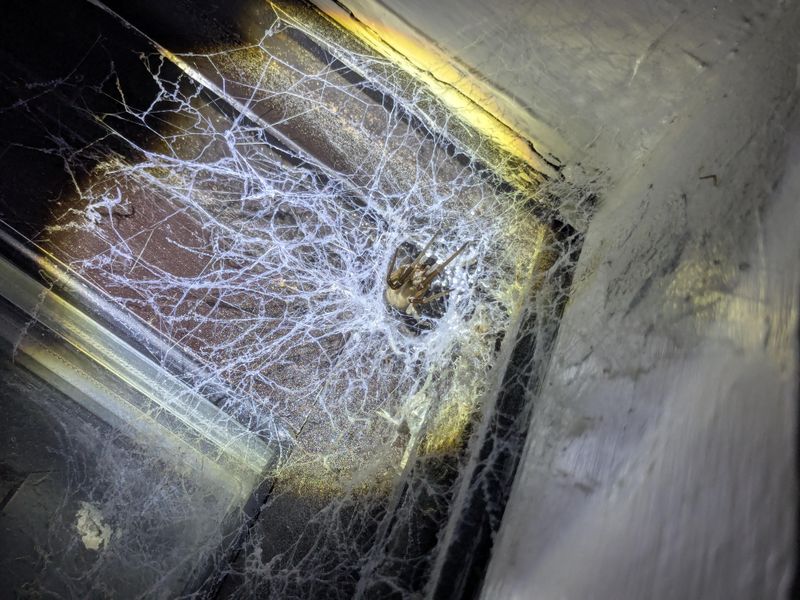
Forget the perfect spiral. Brown recluse webs look nothing like the neat, structured webs garden spiders build.
Most people expect spider webs to be round, symmetrical, and neatly organized. That expectation can make a brown recluse web almost invisible to the untrained eye.
These webs have no pattern at all. Strands shoot off in random directions, with no clear center point or repeating structure.
Think of it like the difference between a professional painting and a toddler’s scribble on the wall. Both involve lines, but only one follows any kind of plan.
When you are scanning your Kansas home for signs of brown recluse activity, look for webs that seem chaotic. A messy, unpredictable shape is one of the clearest signals that you may have a problem.
Orb-weaver spiders and garden spiders build those classic spiral webs you know from picture books. Brown recluses skip the architecture entirely.
The irregular shape serves a purpose for the spider. It creates a retreat zone rather than a trap for flying insects.
Brown recluses are hunters that wander at night, so their web is more of a home base. The messy layout makes it harder for predators to navigate toward the spider.
If you spot a web that looks like someone sneezed silk into a corner, pay attention. That chaotic shape is your first clue that brown recluses might be nearby.
2. Loosely Woven Strands Look Tangled And Messy
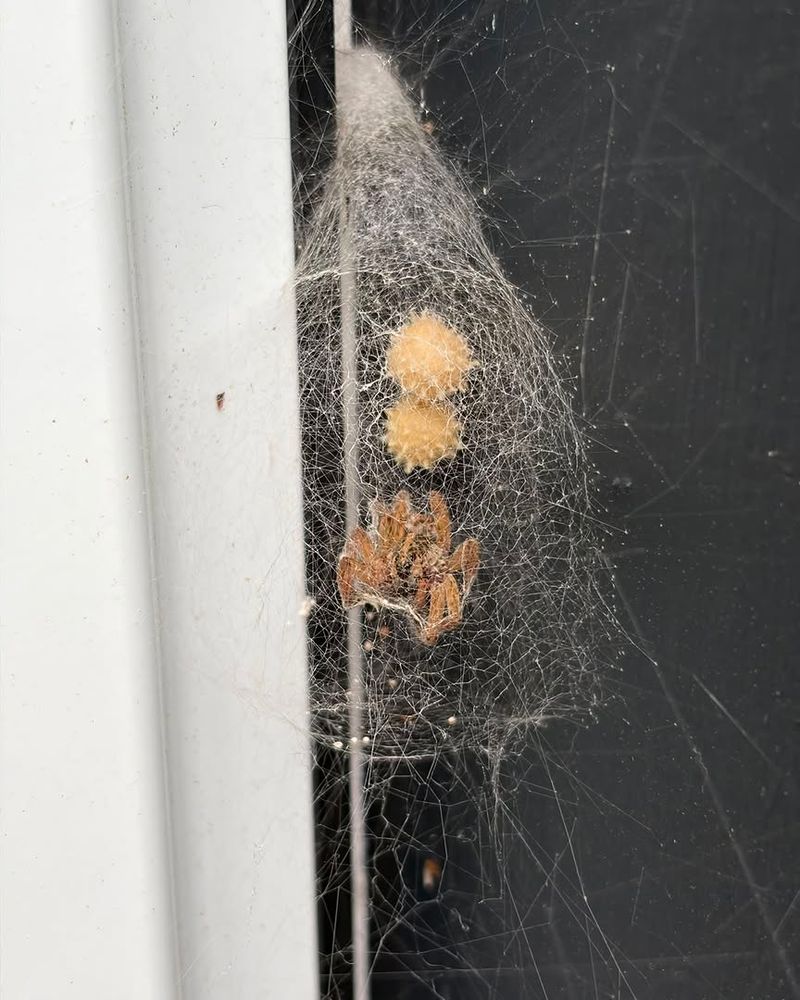
Pull up a flashlight and look closely at that tangle of silk. You will notice the strands are not tightly packed or neatly layered.
Brown recluse webs feel almost lazy compared to other spider webs. The silk is loosely arranged, creating gaps and open spaces throughout the structure.
Other spiders weave tight, organized patterns that catch light beautifully. A brown recluse web barely catches your eye at all, which makes it so easy to miss.
The loose weave is not a sign of a bad builder. It is a deliberate design for a spider that uses its web as shelter, not as a hunting trap.
Your Kansas Garden Changes Every Week. Your Plan Should Too.
Gardening in Kansas changes quickly throughout the season. Every Friday you’ll receive a simple weekly plan showing exactly what to plant, prune, fertilize, harvest, and protect so you never miss the right timing.
When you run a flashlight beam across a dark corner, look for silk that seems to float rather than stretch. Loosely connected threads with no tension are a red flag worth noting.
Many homeowners mistake these webs for old cobwebs left behind by long-gone spiders. That assumption can be dangerous when a brown recluse is still living inside the structure.
Touch nothing with bare hands when investigating. Use a long stick or wear thick gloves before getting close to any suspicious web material.
The tangled appearance also makes these webs blend into dusty shelves and cluttered storage areas. A Kansas garage or storage shed is the perfect backdrop for this kind of camouflage.
Staying alert to loose, messy silk is one of the smartest habits you can build as a homeowner.
3. Off-White Color Unlike Other Common Webs
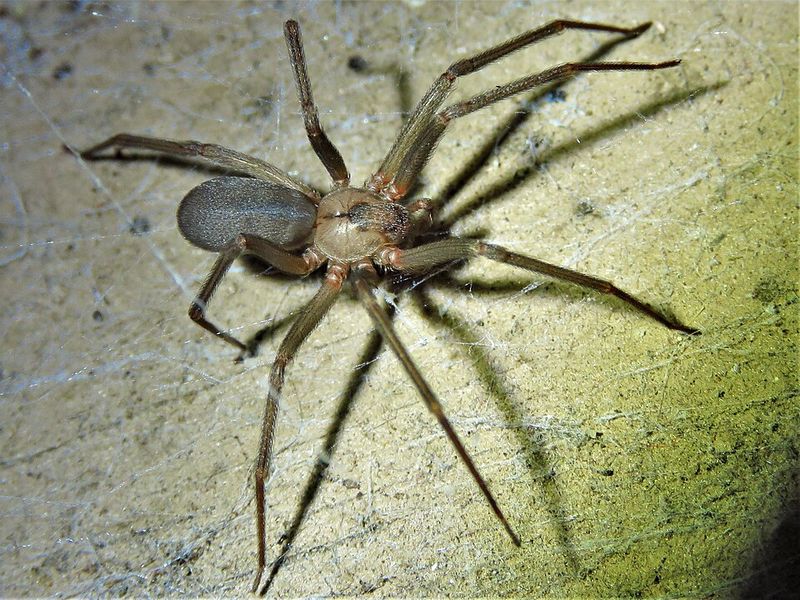
Color tells you a lot about a spider web. Most fresh webs appear bright white or silvery when light hits them just right.
Brown recluse webs tend to look off-white, with a slight yellowish or grayish tint. That dull color is a clue worth remembering when you are searching your home.
The silk itself is not as reflective as the silk produced by orb-weavers or cellar spiders. It absorbs light rather than bouncing it back, making the web harder to spot in low-light spaces.
Shine a flashlight at an angle across a suspected web. If it glows bright white, it may belong to a different species entirely.
A muted, dingy color combined with a messy shape strongly suggests brown recluse activity. Neither feature alone is enough, but together they paint a clear picture.
Age also affects web color. Older webs collect dust and debris, turning even darker over time.
However, a brown recluse web looks off-white even when it is brand new. That dull tone is a built-in characteristic of the silk itself, not just a sign of age.
Kansas homes with older construction often have dark, dusty spaces where these webs blend in perfectly. Basements with exposed wood beams are especially tricky to inspect thoroughly.
Train your eye to notice that yellowish, flat tone. Once you recognize that specific shade, spotting a suspicious web becomes much faster and more reliable.
4. Flat, Cotton-Like Texture Instead Of Structured Strands
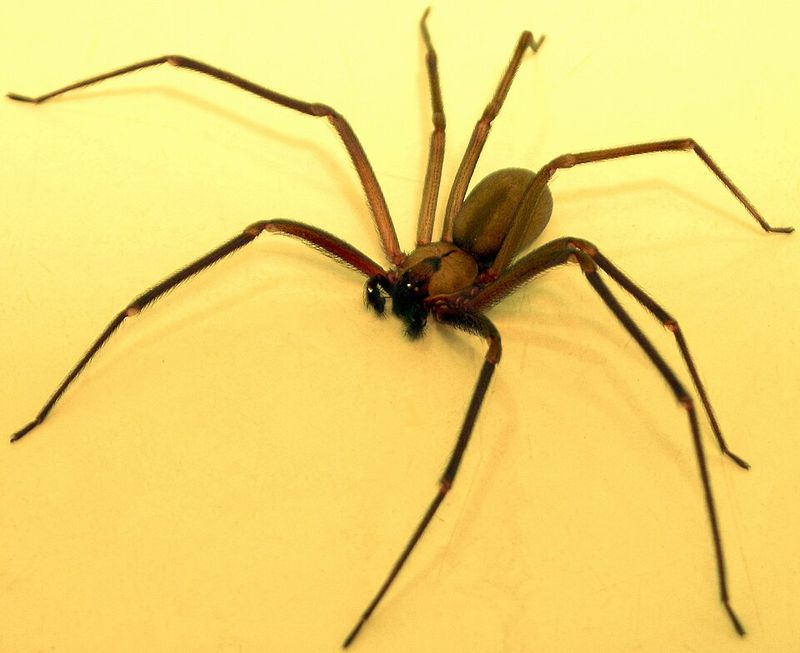
Run your eye over a brown recluse web and you will notice something strange. It looks almost fluffy, like a tiny patch of cotton stuck to a wall.
Most spider webs have visible individual strands you can trace with your eyes. Brown recluse webs lack that clear structure, appearing instead as a soft, flat sheet of fused silk.
That cotton-like quality comes from how the spider lays down silk. Rather than building a precise framework, the brown recluse deposits silk loosely, creating a layered, almost felt-like surface.
This texture makes the web nearly invisible against light-colored walls or unpainted drywall. You might walk past one dozens of times before noticing it is there.
Cellar spider webs, by comparison, have very visible long threads stretching in multiple directions. The structural difference between the two is dramatic once you know what to look for.
Gently poking a suspected web with a pencil or stick can help confirm the texture. A brown recluse web will compress and cling rather than spring back like a structured web would.
Never touch any web directly with your skin. Even an abandoned web can harbor a spider hiding nearby.
Kansas homes with unfinished basements or crawlspaces provide the perfect rough surfaces for this cotton-like silk to cling to. Concrete blocks and raw lumber are common attachment points.
Once you feel and see that flat, soft texture, you will never confuse it with another spider species again.
5. Found In Undisturbed Corners And Closets
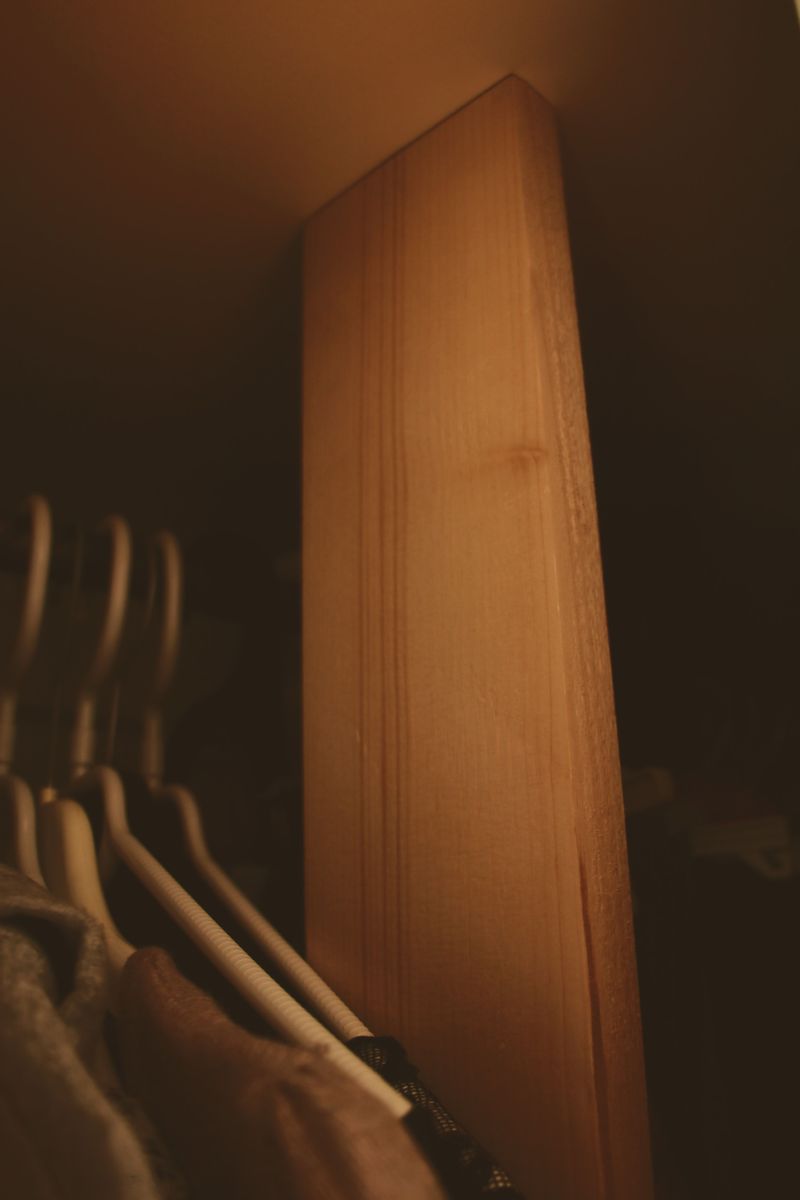
Brown recluses love peace and quiet. If a space gets regular foot traffic, these spiders will almost always look for somewhere else to set up camp.
Closets that rarely get opened are prime real estate for brown recluse activity. The combination of darkness, stillness, and clutter creates the ideal environment for a reclusive spider.
Check the corners near the floor first, since that is where brown recluses prefer to anchor their webs. They tend to stay low, close to the floor, rather than building near the ceiling.
Guest bedroom closets, storage closets, and coat closets used only seasonally are especially high-risk spots. Spiders can set up webs and live undisturbed for months in those spaces.
Boxes stacked in corners create even more hiding opportunities. The gap between a box and the wall is exactly the kind of micro-environment a brown recluse seeks out.
When doing a seasonal clean-out of your closets, wear long sleeves and gloves. Reaching blindly into dark corners is one of the most common ways people encounter brown recluses unexpectedly.
Use a flashlight to scan all four lower corners of any closet before reaching inside. A quick sweep takes only seconds and can help you avoid an unwanted encounter.
Older Kansas homes often have more gaps and cracks in the walls, giving spiders easier access. Older construction means more hiding spots for a spider that prefers to stay hidden.
Disturbing these corners regularly is one of the easiest ways to discourage brown recluse nesting.
6. Hidden In Attics, Basements, And Crawlspaces
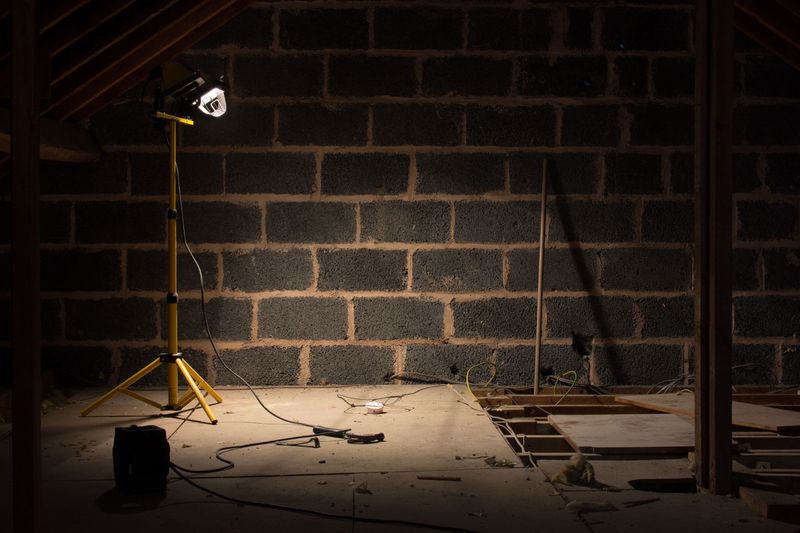
Attics, basements, and crawlspaces are the three most common places to find brown recluse activity. These spaces offer everything the spider wants: darkness, warmth, and minimal human interference.
Brown recluse webs in attics tend to appear along wooden beams and rafters. The rough texture of unfinished wood gives the silk something solid to grip.
Basements present a different challenge because they often contain clutter, stored furniture, and seasonal items. All of that stuff creates dozens of potential nesting zones in a single room.
Crawlspaces are arguably the most overlooked area in any home inspection. Most homeowners never enter their crawlspace, which means spiders there can thrive completely undetected for years.
When inspecting these areas, bring a powerful flashlight and wear a long-sleeved shirt and gloves. A headlamp keeps both hands free and makes scanning much easier in tight spaces.
Look specifically along the seams where walls meet floors or ceilings. Brown recluses prefer to anchor their webs at structural joints where surfaces come together.
Humidity also plays a role in where these spiders settle. Damp basements attract the small insects that brown recluses feed on, making moisture control a smart prevention strategy.
Sealing cracks in foundation walls and adding vapor barriers in crawlspaces reduces the conditions that attract spiders. A less hospitable environment means fewer unwanted guests.
Identifying brown recluse spider webs in these hidden zones takes patience, but the payoff is knowing exactly what you are dealing with before it becomes a bigger problem.
7. Webs Rarely Trap Prey
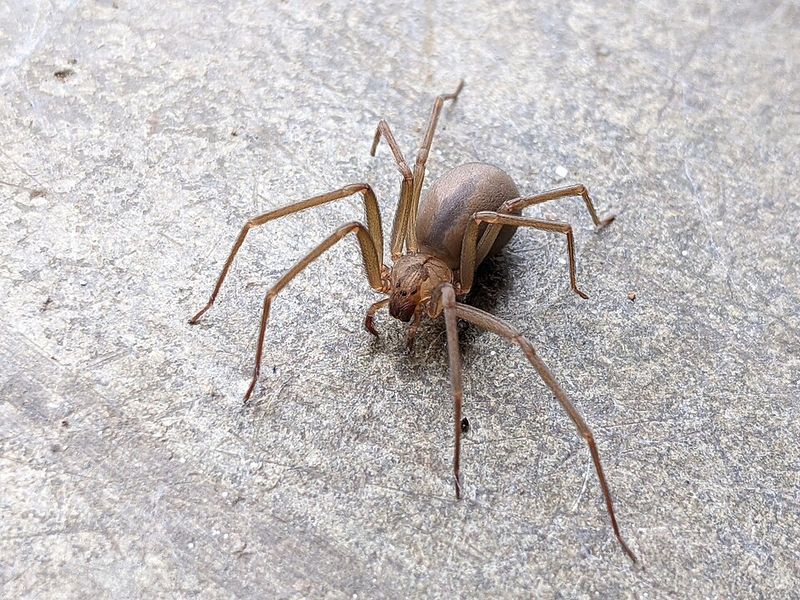
Check the web closely and you will probably notice something missing. There are no wrapped-up insects, no fly carcasses, no evidence of a recent meal.
Brown recluses are active hunters, not passive trappers. They leave their webs at night to chase down prey rather than waiting for something to wander into a sticky trap.
This behavior makes their webs fundamentally different from those of orb-weavers or funnel spiders. Those species rely on their webs as the primary tool for catching food.
An empty web is actually one of the strongest clues you have found a brown recluse retreat. If a web has been sitting in place for weeks with no prey, it belongs to a wandering hunter.
Other spiders leave behind insect parts, shed exoskeletons, and egg cases tangled in their webs. A brown recluse web tends to stay surprisingly clean by comparison.
You might spot a small egg sac attached near the web if a female has been in residence. Egg sacs are small, round, and off-white, similar in color to the web itself.
Finding an egg sac is a sign of an established infestation, not just a passing spider. At that point, contacting a licensed pest control professional is a smart move.
Monitoring suspected webs over a few days can confirm your identification. A web that stays empty while remaining intact is almost certainly a brown recluse home base.
Knowing this detail separates a confident identification from a nervous guess every single time.
8. Small Size Compared To Orb-Weaver Webs
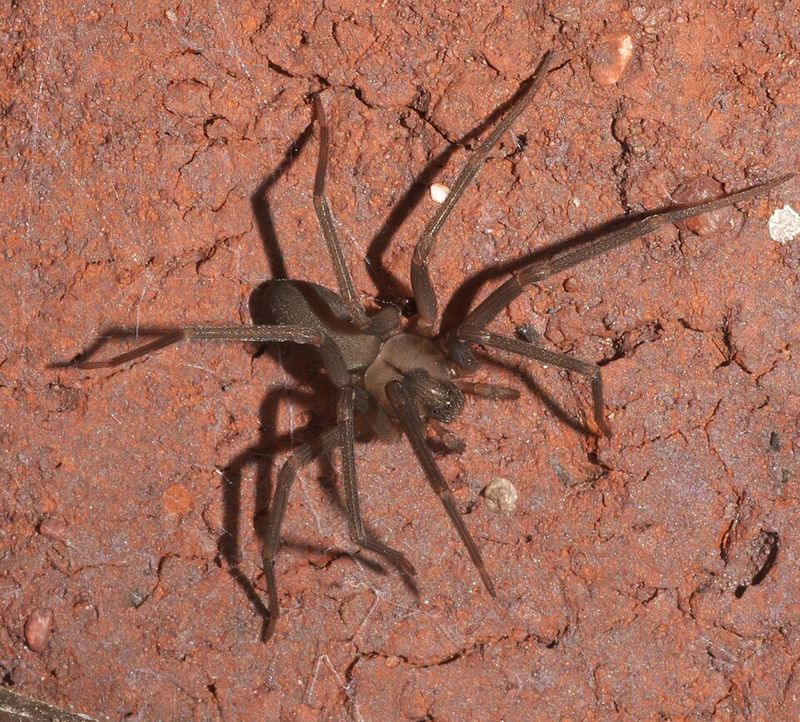
Size matters when identifying spider webs. Brown recluse webs are noticeably smaller than the dramatic, wide webs that garden and orb-weaver spiders construct.
A typical brown recluse web measures only a few inches across. Compare that to an orb-weaver web, which can span a foot or more in diameter.
The compact size makes these webs easy to overlook, especially in a cluttered space like a storage room or garage shelf. You might mistake it for a small dust bunny or a bit of old packing material.
Brown recluses do not need a large web because they are not using it to catch food. A small, tight retreat space is all they require for shelter and egg-laying.
When scanning shelves or corners, do not skip anything that looks too small to matter. A web the size of your palm deserves just as much attention as a large decorative web outside.
Orb-weaver webs are built to impress and to intercept. Brown recluse webs are built to hide, which is why their modest size is part of their disguise.
Seasonal items like holiday decoration boxes and rarely used sporting equipment are common places to find small, overlooked webs. Shake boxes gently and inspect them before reaching inside.
A small web tucked into a tight corner, with no prey and a flat cotton-like texture, is a strong indicator of brown recluse activity in your Kansas home.
Spotting the signs early gives you the upper hand before a small problem grows into something much harder to manage.