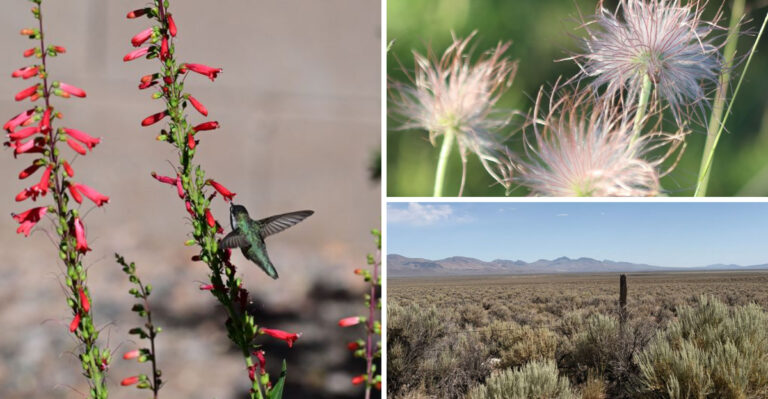
How To Keep Ants From Nesting Between Pavers In Nevada
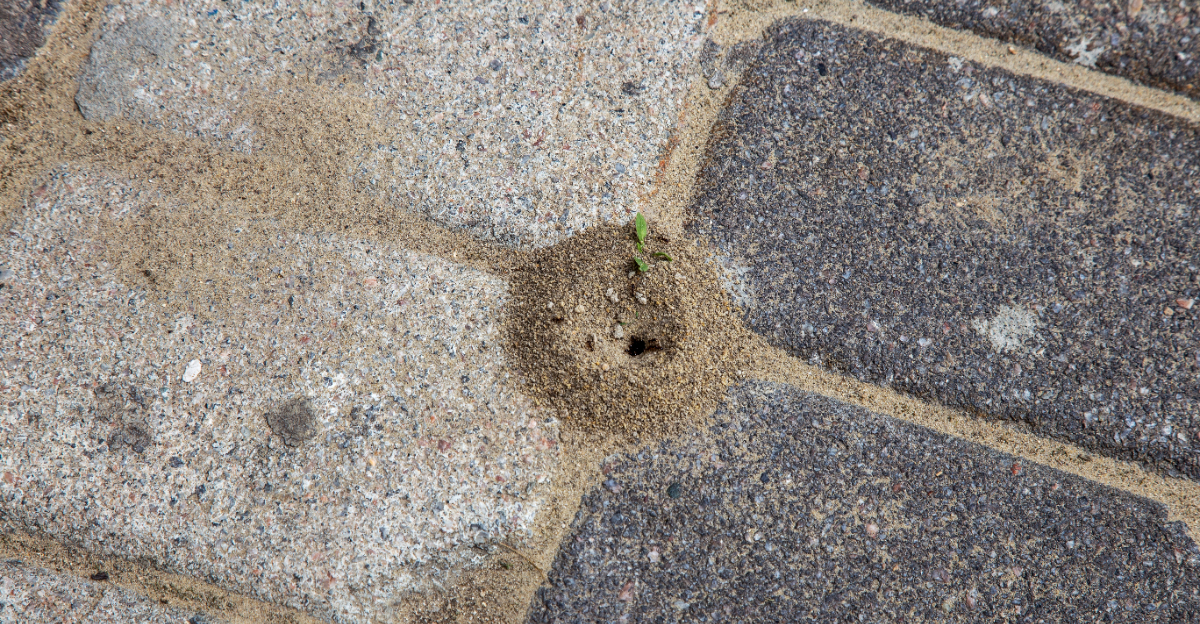
Nevada summers turn patios into prime real estate for ants, and pavers offer exactly what they’re hunting for. Those narrow gaps trap warmth, hide moisture, and stay undisturbed for weeks at a time.
A single scout finds the perfect crack, and within days a full colony sets up shop beneath your feet. What started as a quiet corner of your backyard turns into a steady stream of ants marching across the stone.
Homeowners often notice the problem only after small mounds of sand start appearing between the joints. By then, the colony has usually settled in deep, making removal trickier than most people expect.
Stopping ants before they claim that space between your pavers takes a mix of timing and the right materials.
1. Ants Are Drawn To Paver Gaps For Shelter And Warmth
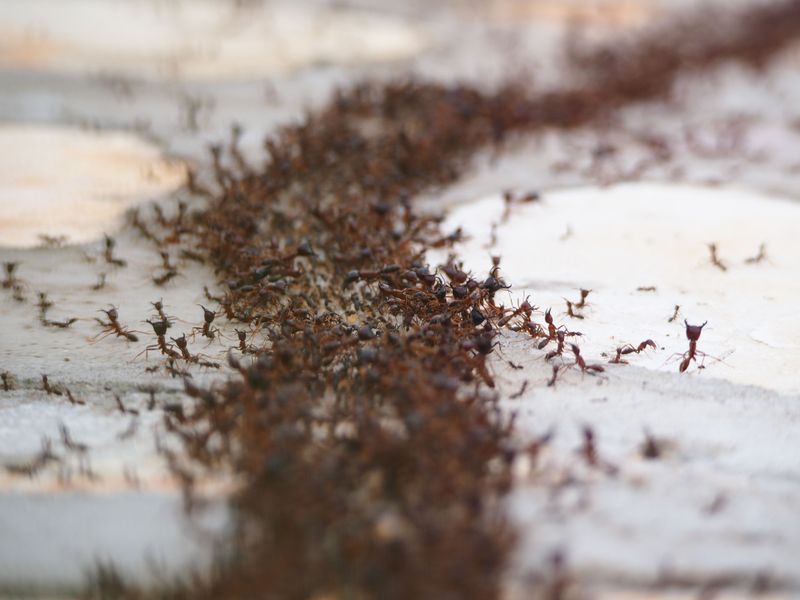
Tiny cracks offer everything ants need to settle in comfortably. The gaps between pavers offer shelter, warmth, and protection from predators all at once.
Desert ants in Nevada are especially resourceful. They seek out dry, compact spaces to build colonies that can grow into thousands of workers fast.
Pavers absorb heat from the sun during the day. That warmth stays trapped in the gaps overnight, making the space irresistible to colony-building insects.
Moisture also plays a sneaky role here. Even in a dry climate, irrigation systems near patios create just enough dampness to attract foraging ants.
Sand-filled joints between pavers are particularly inviting. Ants can move sand easily, carving out tunnels without much effort at all.
Once a scout ant finds a good spot, it leaves a chemical trail. Other ants follow that trail, and the colony can establish itself within days.
Edge pavers near planting beds face even higher risk. Soil contact combined with steady moisture makes these joints some of the first spots colonies target.
Shaded sections of a patio behave differently than sun-exposed ones. Ants often prefer the cooler, damper joints near shade, so covering the full paver surface matters more than treating just the sunniest spots.
Knowing why ants are drawn to paver gaps helps you fight back smarter. Blocking their access points before they settle in tends to be far easier than evicting an established colony.
Understanding the enemy is step one. The next step is sealing those gaps so ants never get comfortable in the first place.
2. Sealing Joints To Block Nesting Spots
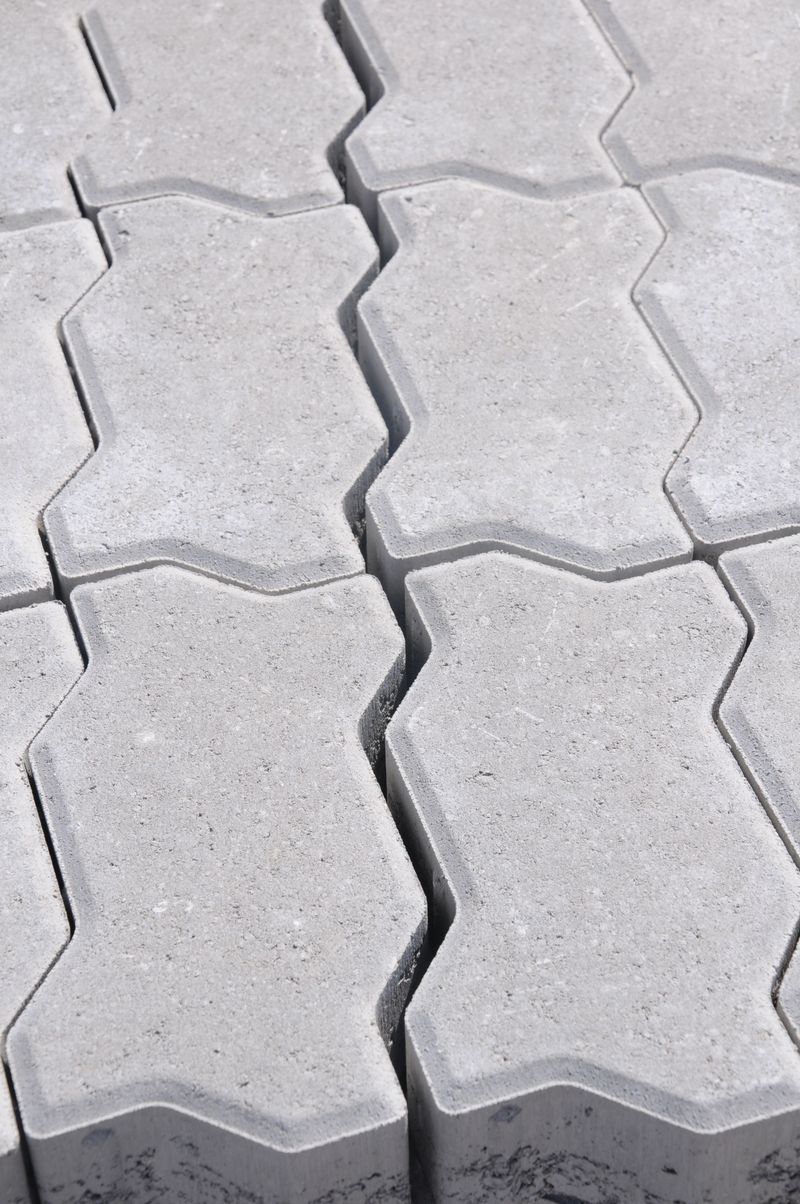
Sealing the joints between your pavers is one of the most effective moves you can make. It physically removes the space where ants would build their home.
Polymeric sand is the go-to product for this job. It hardens when wet and creates a firm, compacted joint that ants cannot easily tunnel through.
To apply it correctly, sweep the sand into all the gaps first. Then lightly mist the surface with water so the binding agents activate and harden the material.
Regular sand breaks down over time and leaves loose gaps again. Polymeric sand lasts much longer, especially in the hot, dry conditions common across Nevada landscapes.
Your Nevada Garden Changes Every Week. Your Plan Should Too.
Gardening in Nevada changes quickly throughout the season. Every Friday you’ll receive a simple weekly plan showing exactly what to plant, prune, fertilize, harvest, and protect so you never miss the right timing.
Joint sealers are another option worth considering. These liquid products soak into the joints and create a barrier that resists both ant tunneling and weed growth.
Reapplying sealant after major storms is worth adding to your routine. Heavy rain can wash out even well-set joints, opening small gaps back up before ants notice.
Before sealing, remove any existing ant activity from the joints. Use a stiff brush to clear out loose debris and old sand before applying new material.
Check your pavers every spring for cracked or eroded joints. Staying ahead of wear and tear means ants never find an opening worth exploring.
A well-sealed paver surface also looks cleaner and holds its shape better over the years. Keeping ants from nesting between pavers starts with closing the front door on them entirely.
3. Natural Deterrents That Keep Ants Away

Not everyone wants to reach for chemicals right away. Luckily, several natural options do a solid job of discouraging ants from settling in.
Diatomaceous earth is a popular choice among homeowners. This fine powder damages the exoskeleton of insects and causes them to dehydrate without any toxic chemicals involved.
Sprinkle food-grade diatomaceous earth along the edges of your pavers. Reapply after rain or irrigation since moisture reduces its effectiveness significantly.
Cinnamon is another surprisingly powerful deterrent. Ants strongly dislike the scent and will avoid crossing lines or areas where cinnamon powder has been applied.
White vinegar mixed with water works as a spray-on repellent. It disrupts the chemical trails ants use to communicate and navigate back to food sources.
Peppermint oil diluted in water is also worth a try. A few sprays around paver borders can make the area smell great to you and awful to ants.
Keep in mind that natural deterrents need more frequent reapplication than chemical treatments. Heat and wind in Nevada can break down these substances faster than in cooler climates.
Combining a couple of natural methods tends to work better than relying on just one. Rotate your approach to prevent ants from adapting and finding a workaround over time.
4. Ant Baits Work Better Than Sprays For Deep Colonies
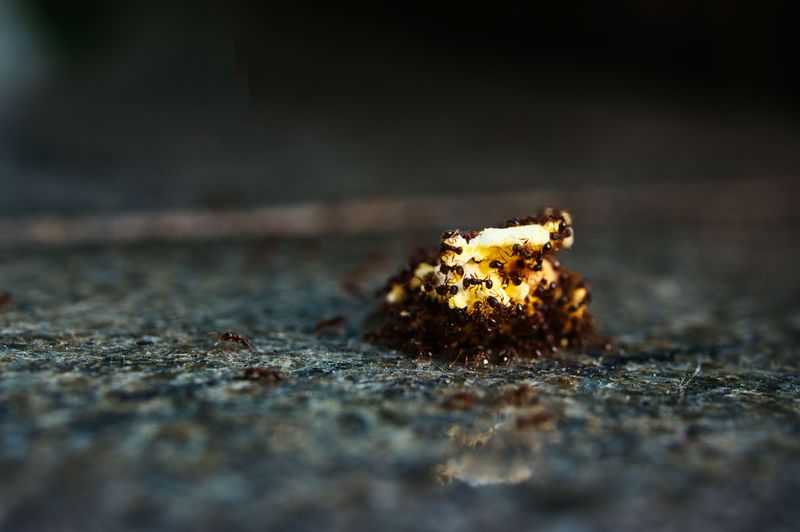
Spraying ants you can see feels satisfying, but it only handles the surface of the problem. The queen and thousands of workers are still deep underground, completely unaffected.
Ant baits work on a smarter principle. Worker ants carry the bait back to the colony, sharing it with others and eventually reaching the queen herself.
Gel baits and bait stations are both effective formats. Place them near active ant trails along the edges of your pavers for the best results.
Patience is required when using baits. It can take one to two weeks before you notice a significant drop in ant activity around your paver areas.
Do not spray insecticides near bait stations. Sprays repel ants and will stop them from picking up the bait, which defeats the entire purpose of the strategy.
For Nevada homeowners dealing with fire ants or harvester ants, granular baits spread around the patio perimeter are especially effective. These species tend to forage widely before returning underground.
Rotate bait products occasionally if activity persists. Some ant species can become cautious around a bait they have encountered before, so switching formulas helps keep them engaged.
Baiting is the closest thing to a full-colony solution available to most homeowners. Keeping ants from nesting between pavers long-term means targeting the source, not just the symptoms.
5. Adjusting Watering Habits Near Paver Areas

Overwatering near your pavers makes the area far more appealing to them. Moisture softens the ground and makes it much easier for them to dig tunnels beneath the surface.
Drip irrigation is common in Nevada yards, and that is a good thing. But positioning emitters too close to paver borders creates consistent dampness that ants absolutely love.
Move drip emitters at least 12 inches away from paver edges when possible. This small adjustment can make a noticeable difference in ant activity near walkways and patios.
Check for leaky irrigation lines regularly. Even a slow drip can saturate the soil beneath pavers over time, creating ideal conditions for colony development.
Water your plants in the morning rather than in the evening. Morning watering allows the surface to dry out during the day, reducing overnight moisture that attracts insects.
Avoid hand-watering directly onto paver surfaces. Excess water that runs into the joints carries loose material away and leaves behind soft, easy-to-excavate gaps for ants.
Gravel or rock mulch near pavers helps with drainage in desert landscapes. It allows water to move away from the paver base quickly rather than pooling underneath.
Managing moisture is one of the most overlooked parts of ant prevention. A drier environment around your pavers gives ants far fewer reasons to set up a permanent home there.
6. Signs An Infestation Needs Professional Treatment
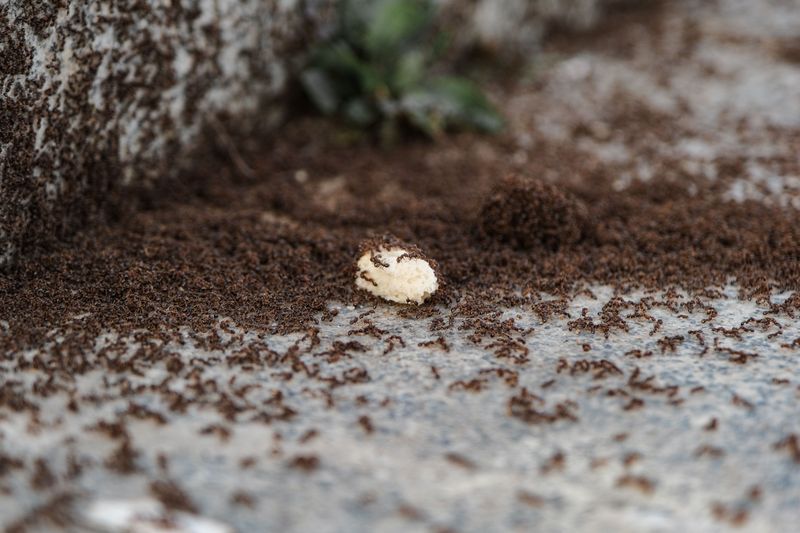
Sometimes the problem is bigger than a few ants wandering across your patio. Knowing when to call in a professional can save you time, money, and frustration.
One clear sign is visible mounding around multiple paver sections. If you spot raised soil or sand near several joints, the colony has already grown large and established.
Finding ants inside your home after treating the patio is another red flag. Interior activity often means the colony has expanded well beyond the paver zone itself.
Fire ant infestations require professional attention almost always. These aggressive insects can sting repeatedly and are notoriously difficult to eliminate with store-bought products alone.
If you have applied multiple treatments over several weeks with no improvement, that is a strong signal. Persistent colonies may have multiple queens or deeply embedded tunnel systems below the pavers.
A licensed pest control company can identify the exact ant species causing problems. Correct identification leads to a more targeted and effective treatment plan for your specific situation.
Professionals also have access to commercial-grade products not sold to the general public. These treatments can reach deeper into the soil and provide longer-lasting protection around your pavers.
Keeping ants from nesting between pavers in Nevada sometimes means admitting the situation has grown beyond DIY solutions. Bringing in expert help is not a defeat, it is a smart strategy.
7. Choosing The Right Paver Base To Discourage Nesting
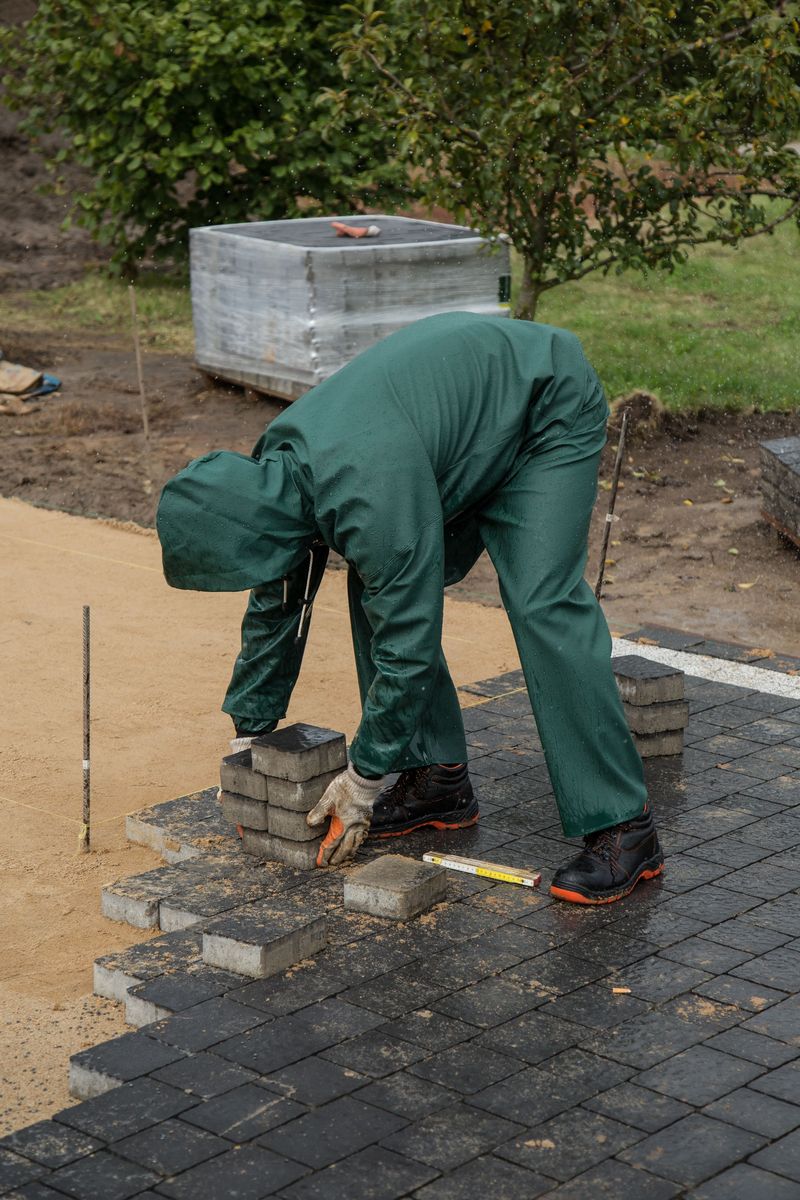
Most people focus on the surface of their pavers, but what sits underneath matters just as much. A poorly prepared base is an open invitation for underground colonies.
A compacted gravel base makes it much harder for ants to tunnel. Loose or improperly compacted soil beneath pavers gives ants the soft material they need to build extensive networks.
Use a minimum of four inches of compacted crushed gravel as your base layer. This dense material resists the kind of excavation that ant colonies depend on to expand.
Avoid using plain sand as a base layer in ant-prone areas. Sand is easy for ants to move and provides almost no resistance to tunneling activity beneath your patio surface.
Landscape fabric placed beneath the base layer adds another line of defense. It creates a physical barrier that slows any upward movement from insects working from the soil below.
If you are reinstalling or repairing existing pavers, this is the perfect time to upgrade the base. Addressing the foundation now prevents recurring ant problems for years ahead.
Proper base installation also prevents pavers from shifting or sinking over time. A solid, well-drained foundation benefits both the structure of your patio and your pest prevention efforts.
The best ant prevention starts before the first paver is ever laid. Building smart from the ground up means far fewer problems on the surface later on.
8. Keeping The Paver Area Clean And Food-Free
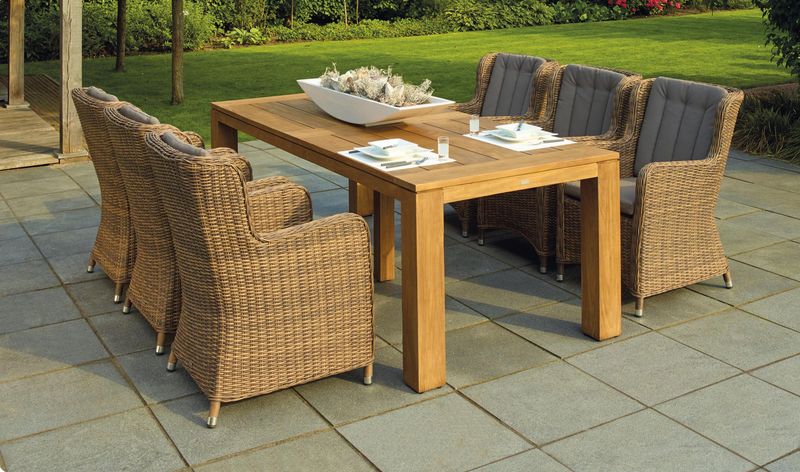
Ants are relentless foragers, and food scraps near your pavers act like a beacon. Even crumbs from an outdoor meal can draw dozens of scouts within minutes.
Sweep your paver surface after every outdoor gathering or meal. Removing food particles quickly eliminates the scent trails that lead other ants to your patio area.
Pet food left outdoors is one of the biggest culprits homeowners overlook. Pick up pet bowls after feeding time and store food in sealed containers away from paver zones.
Fallen fruit from nearby trees is another common attractant. Clean up any dropped fruit promptly, as the sugars ferment quickly and become extremely appealing to foraging colonies.
Grease and oils from outdoor grills can also attract ants to paver surfaces. Clean your grill area regularly and wipe down any surrounding stones that catch drippings.
Trash cans placed near patios should have tight-fitting lids. Even a small gap in a lid allows odors to escape and pulls curious ants toward your outdoor space.
Rinse down your paver surface with a garden hose occasionally to remove invisible residue. A clean surface gives ants no reason to scout your patio as a food source.
Keeping ants from nesting between pavers in Nevada is much easier when you remove every food-related reason for them to visit. A tidy patio is your first and most powerful line of defense.