The One July Lawn Task Georgia Homeowners Skip That They Always Regret By September
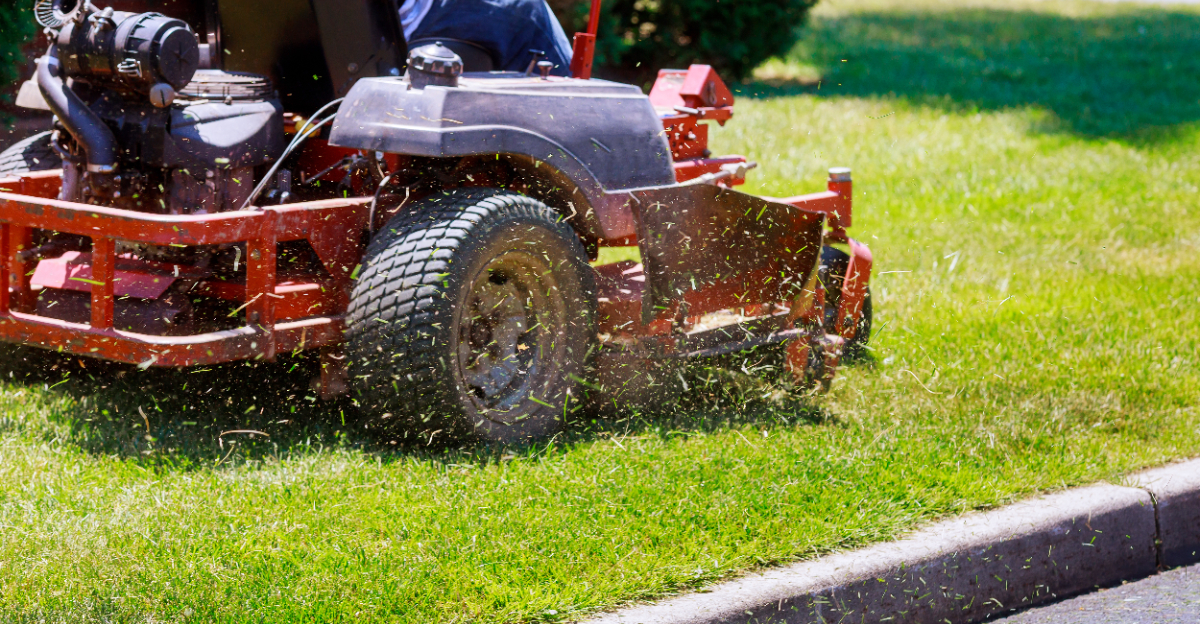
Skipping one simple lawn job in July may not seem like a big deal, but many people wish they had handled it once September arrives.
Grass that looks fine today can quickly become thin, stressed, and harder to recover after weeks of summer heat.
Georgia homeowners often focus on watering while overlooking another important task. That small mistake can leave your lawn struggling just as fall approaches.
Before the season slips away, give your yard the attention it needs. A little effort now can help protect healthy grass, reduce future problems, and make fall lawn care much easier.
You do not need to overhaul your entire yard. You simply need to avoid the July habit that catches so many people off guard before cooler weather arrives this year again completely.
1. Raise Mowing Height Before July Heat Peaks
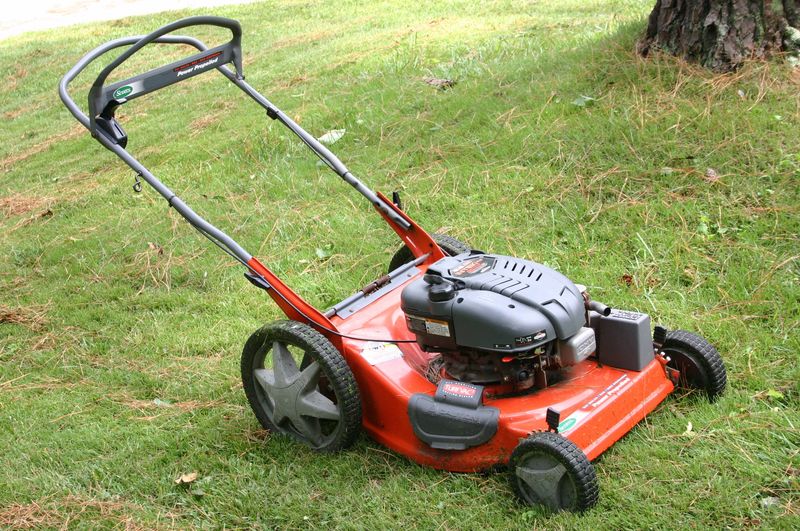
Cutting at the wrong height in summer is one of the fastest ways to stress your lawn. Most mowers have height settings that homeowners never touch after the first setup.
That is a mistake worth fixing before July gets serious.
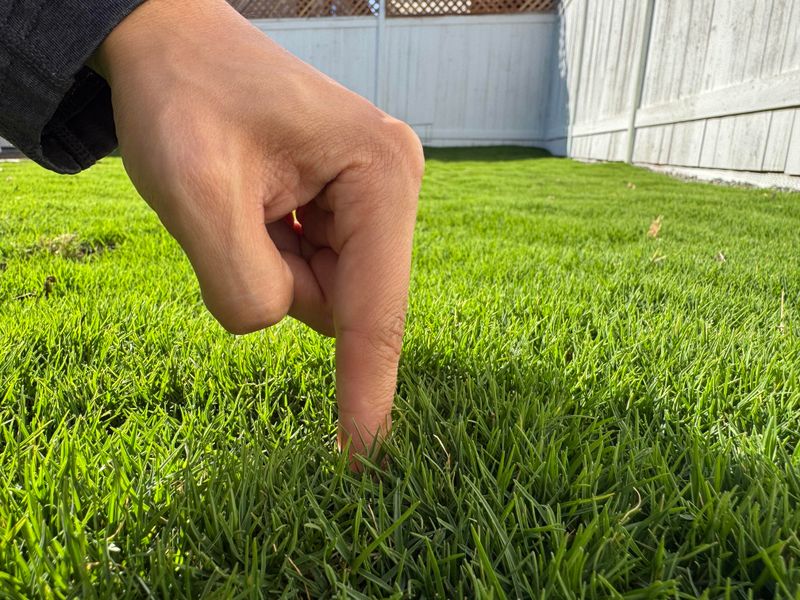
Raising your mowing height by at least half an inch can make a real difference during hot months. For Bermuda grass, aim for around one and a half to two inches.
Zoysia does well between two and two and a half inches. Centipede prefers about one and a half inches, so check what grass type you have before adjusting.
Taller grass has deeper roots. Deeper roots can reach moisture that sits lower in the soil, which helps during dry spells.
Shallow cuts force the plant to use energy it does not have during heat stress.
Check the adjustment lever or dial on your mower before each July mow. Some mowers drift back to lower settings without you noticing.
A quick check takes seconds and can save weeks of recovery time.
You do not need special tools or expensive equipment. Most standard push mowers and riding mowers have simple height controls.
Raise the deck, walk the yard, and let the grass do the rest.
2. Leave Taller Grass To Shade The Soil
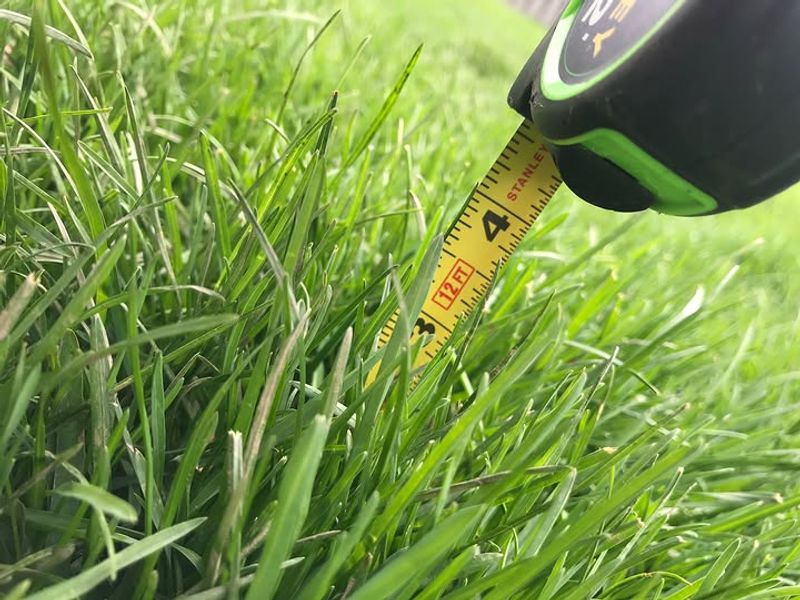
Soil temperature can climb well above air temperature on a hot July afternoon. Bare or closely cropped soil heats up fast and loses moisture quickly.
Taller grass blades act like a natural umbrella for the ground beneath them.
When grass shades the soil, the surface stays cooler. Cooler soil holds moisture longer between watering sessions.
That means your roots stay hydrated even when rain skips a week or two.
Weeds also struggle more when soil is shaded. Many common summer weeds, like crabgrass, need direct sunlight to sprout and spread.
Taller turf blocks that sunlight at the soil level and makes it harder for weed seeds to get started.
Leaving grass a little longer does not mean letting it go wild. It just means not cutting it down to a tight, golf-course-style length during the hottest weeks.
There is a big difference between a maintained lawn and an overgrown one.
Your Georgia Garden Changes Every Week. Your Plan Should Too.
Gardening in Georgia changes quickly throughout the season. Every Friday you’ll receive a simple weekly plan showing exactly what to plant, prune, fertilize, harvest, and protect so you never miss the right timing.
In Georgia, summer soil temperatures can get extreme in open, sunny yards. Keeping grass at the right height is one of the easiest ways to protect the root zone without spending money on products or treatments.
Shade from your own grass blades works around the clock, even on days when you are not home to water.
3. Cut Only A Third Of The Blade Length
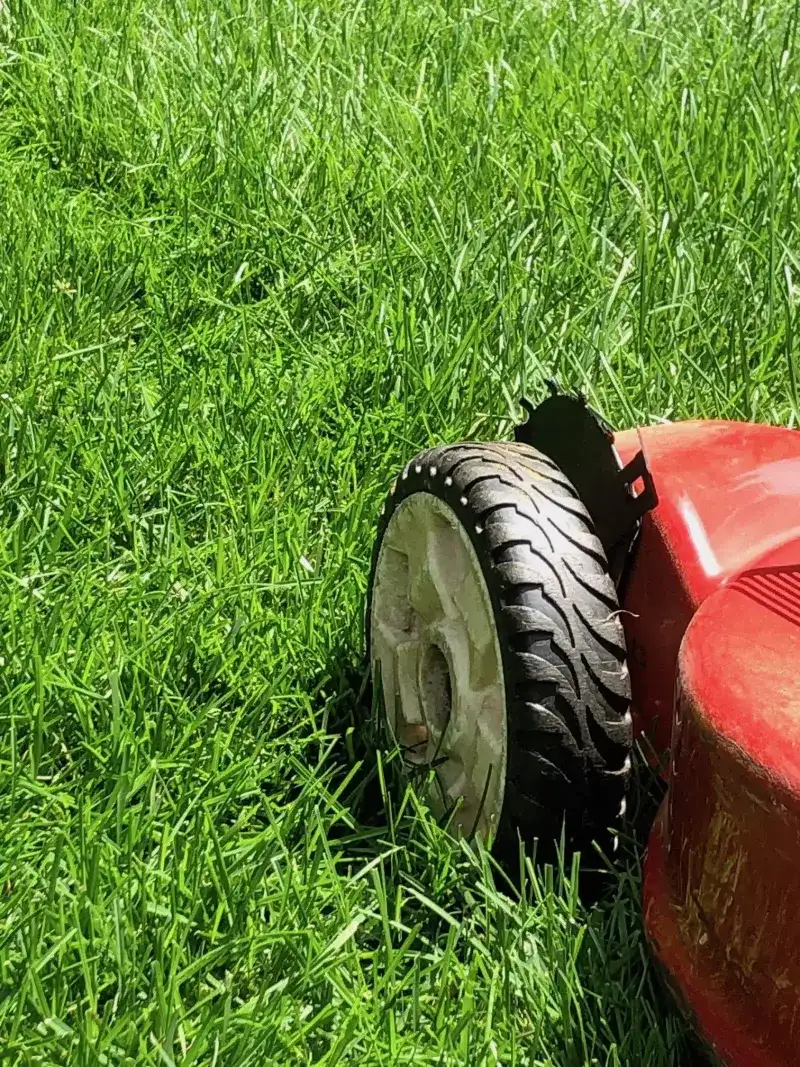
Cutting off too much grass at once puts the plant under serious stress. A well-known lawn care guideline says never remove more than one third of the blade in a single mow.
Breaking that rule in summer can set your lawn back weeks.
When you cut more than a third, the grass shifts its energy to leaf regrowth instead of root development. Roots get weaker.
The plant becomes less able to handle heat and dry stretches. You might not see the damage right away, but by late August it often becomes obvious.
If your lawn got long between mows, do not try to catch up all at once. Mow at a higher setting first, then come back a few days later and lower it slightly.
Gradual steps are much easier on the grass than one aggressive cut.
Warm-season grasses common in this region grow fast in early summer. Skipping a mow during a busy week can leave you with grass that is too tall for a single safe cut.
Staying on a regular schedule prevents that situation from building up.
Setting a mowing reminder on your phone can actually help more than you might expect. Consistency matters more than perfection.
4. Keep Mower Blades Ready For Cleaner Cuts
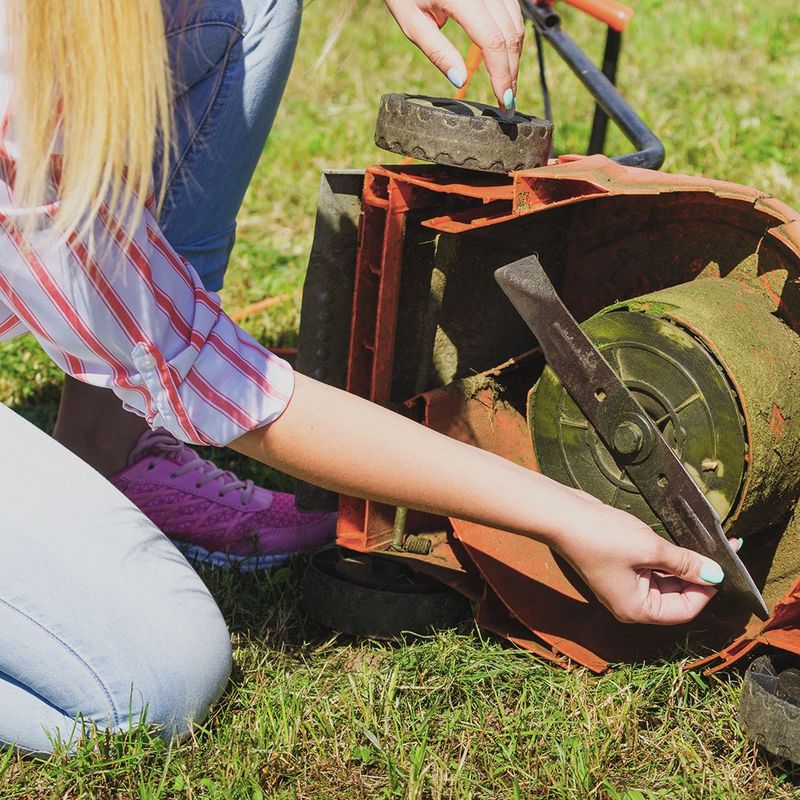
Dull blades tear grass instead of cutting it cleanly. Torn grass tips turn brown and create small wounds across the lawn.
Those ragged edges lose moisture faster and invite fungal problems, especially during humid summer weeks.
Sharpening mower blades at least once during the mowing season is a practical step many homeowners overlook. If you mow frequently or have a large yard, sharpening every six to eight weeks makes sense.
A sharp blade leaves a clean, smooth cut that heals quickly.
You can sharpen blades yourself with a metal file or bench grinder if you are comfortable doing it. Many local hardware stores and small engine shops also offer blade sharpening for a low cost.
It is worth the small investment, especially during peak summer stress months.
Signs of a dull blade include a whitish or frayed look at the tips of the grass a day or two after mowing. Healthy cuts leave the tips looking even and green.
If your lawn looks rough after mowing, the blade is likely the issue.
Blade balance matters too. An unbalanced blade vibrates during use and can damage your mower over time.
After sharpening, check that both sides weigh roughly the same before reinstalling.
5. Choose Cooler Times For Lawn Work
Mowing at noon in July is rough on both you and the grass. Heat stress hits hardest during midday, when temperatures peak and the sun is directly overhead.
Working during those hours can push your lawn into a stress spiral it takes weeks to recover from.
Early morning is the best time to mow in summer. Temperatures are lower, the grass is less stressed, and the cut surfaces have the rest of the day to start healing before nightfall.
Avoid mowing when the grass is still wet with dew, though, since that can cause clumping and uneven cuts.
Late afternoon works as a second option if mornings are not possible. Aim for after four or five in the evening when the sun starts to drop and temperatures ease off.
Avoid mowing too close to dark, since freshly cut grass benefits from some light and airflow before night settles in.
Fungal issues can flare up when grass sits damp overnight. Mowing in the early evening gives the lawn a few hours to dry before temperatures drop.
That small timing adjustment can reduce the risk of lawn fungus during humid months.
Across the South, seasoned lawn owners often schedule their mowing the same way they plan outdoor projects, working around the heat rather than through it.
6. Let Grass Rebuild After Each Cut
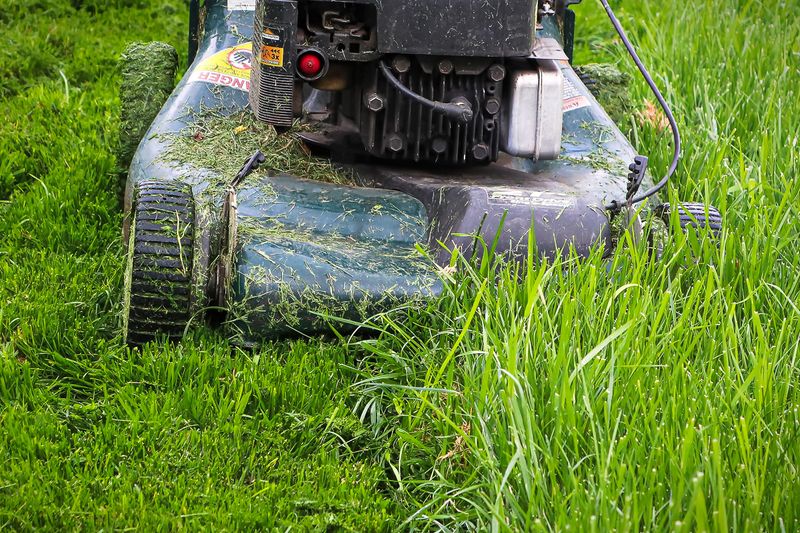
Grass needs recovery time after every mow. Cutting removes leaf tissue, and the plant has to rebuild before it faces the next round of heat, foot traffic, or drought.
Rushing back too soon with the mower can push already-stressed turf past its limit.
Waiting five to seven days between mows during summer is a reasonable general guideline for most warm-season grasses. Growth naturally slows during extreme heat, so the lawn may not even need cutting as often as it did in spring.
Let the grass tell you when it is ready, not the calendar alone.
Avoid watering immediately after mowing during the hottest part of the day. Water in the early morning instead, giving the soil a chance to absorb moisture before the sun heats everything up.
Proper watering and proper mowing work together as a team.
Foot traffic during recovery time adds extra stress. If kids or pets use the yard heavily, try to give freshly cut sections at least a day or two of light use.
Compacted, stressed grass struggles to bounce back when it is being worn down constantly.
Recovery is not just about waiting. It is about giving the lawn the right conditions to rebuild.
Correct mowing height, sharp blades, smart watering, and reduced traffic all support the process.
7. Protect Turf Before Fall Problems Appear
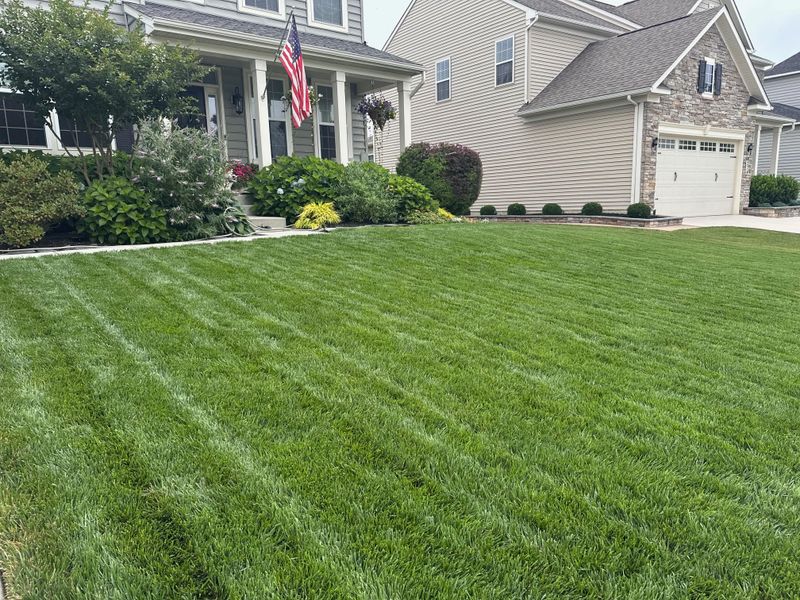
September has a way of revealing every mistake made in July. Bare patches, thin turf, and stubborn weeds in fall often trace back to summer mowing habits that went unchecked.
Getting ahead of those problems now is far easier than fixing them later.
Healthy turf going into August has a much better chance of staying strong through fall. Grass that was cut correctly all summer holds its density and color longer.
Thin or weakened lawns tend to struggle more once temperatures start shifting.
Weed pressure often picks up in late summer and early fall. Crabgrass, goosegrass, and other summer weeds drop seeds before they fade.
A dense, well-maintained lawn gives those seeds fewer open spots to establish themselves. Consistent mowing height plays a direct role in that density.
Some homeowners wait until they see a problem before making changes. By then, recovery takes longer and may require more effort, like overseeding, aeration, or extra watering.
Preventive habits in July take far less work than corrective ones in September.
Across Georgia, fall lawn prep season starts earlier than most people realize. Warm-season grasses begin slowing down in late September, so the window for strong recovery narrows quickly.