How Georgia Gardeners Get Lantana To Bloom Nonstop Through Summer
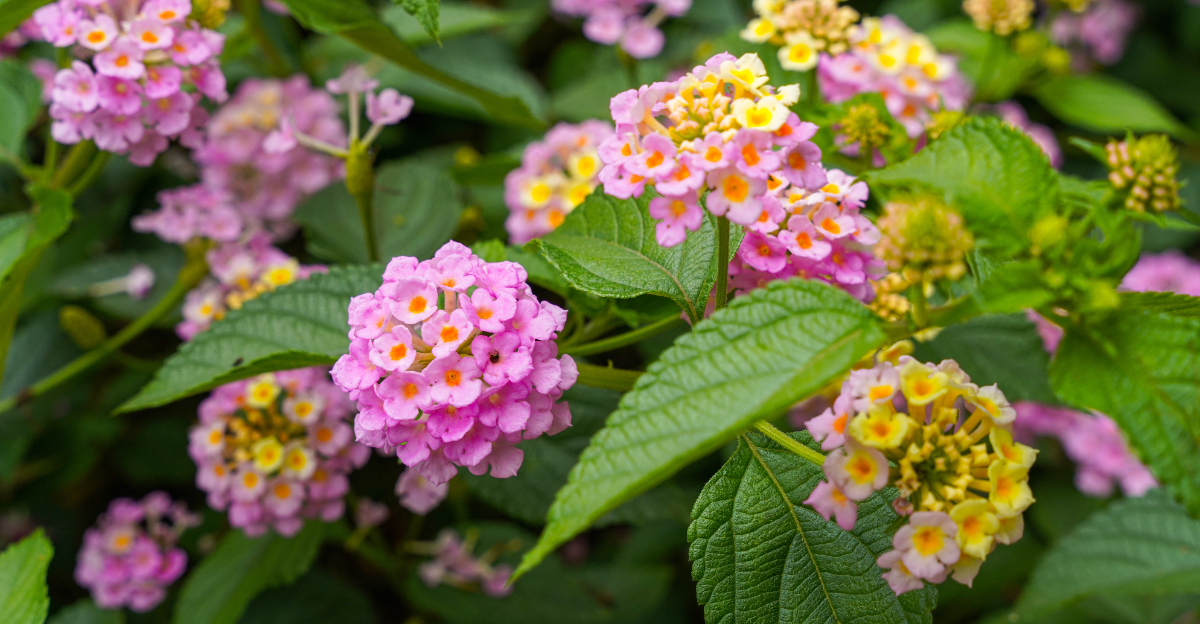
Lantana always looks effortless once summer arrives in Georgia.
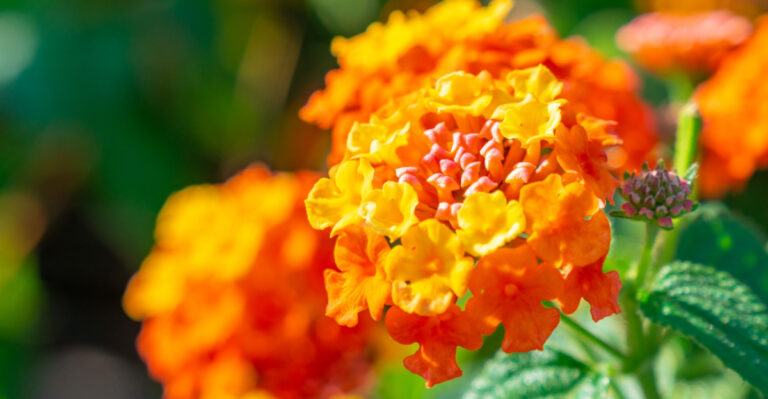
Bright flowers keep showing up through the hottest weeks, butterflies stay everywhere around the plant, and many gardeners start wondering how some lantanas bloom nonstop while others slow down early.
The difference usually comes down to a few simple growing habits that are easy to overlook once temperatures rise.
A lot of people assume lantana can just be planted and forgotten because it handles heat so well. Healthy plants still need the right balance of sunlight, trimming, watering, and spacing to keep pushing out fresh blooms all summer long.
Small mistakes often lead to fewer flowers, leggy stems, or faded color by midsummer.
The good news is that lantana responds quickly once conditions improve. A few simple changes can keep plants fuller, brighter, and covered in blooms long after many other summer flowers begin struggling in Georgia heat.
1. Give Lantana More Sun For Better Blooms
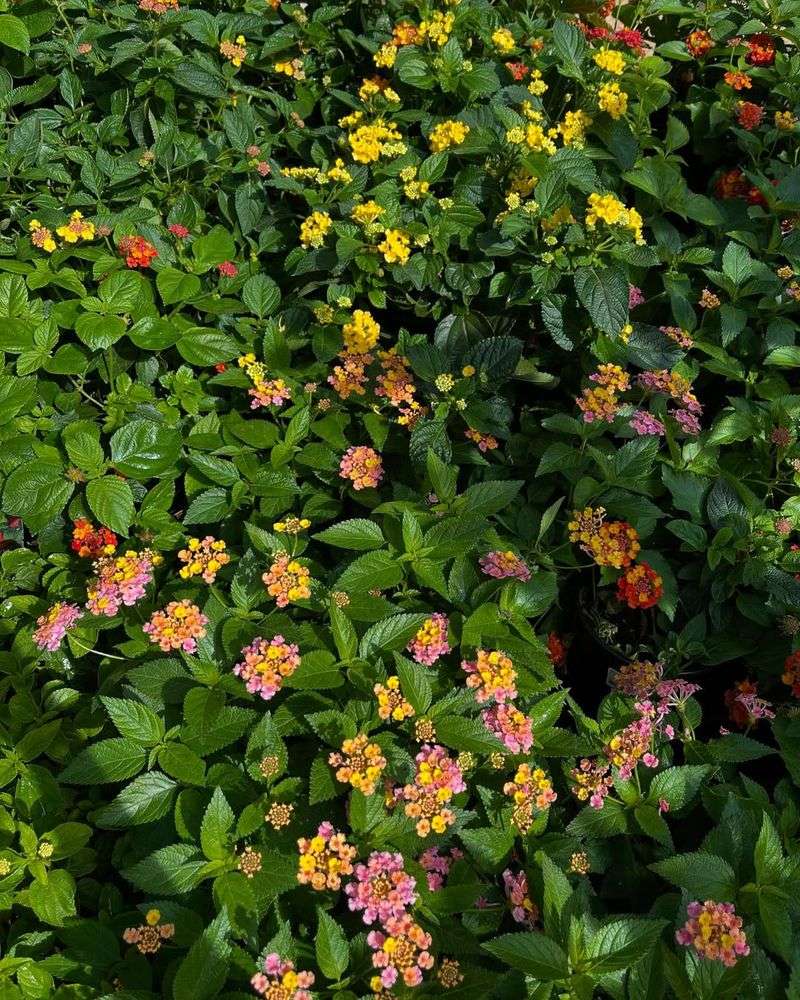
Shade is lantana’s worst enemy. A plant stuck under a tree or along a shaded fence might survive, but it won’t put on the kind of flower show you’re hoping for.
Lantana needs a minimum of six hours of direct sunlight each day, and eight or more hours is even better.
Full sun signals the plant to push energy into flower production rather than stretching toward light. When lantana doesn’t get enough sun, it tends to grow tall and leggy with fewer blooms and weaker stems.
Relocating a struggling plant to a sunnier spot can turn things around surprisingly fast.
South facing beds and open garden areas work especially well. Raised beds near patios or along driveways that get reflected heat from pavement are also excellent spots.
Lantana usually handles intense afternoon sun far better than many flowering plants once roots become established.
Too much shade can also keep foliage damp longer after watering or rain, which sometimes leads to weaker growth and fewer flowers over time.
Giving the plant stronger light exposure often helps blooming return much more heavily during the hottest part of the season.
Keep in mind that young transplants may need a few days to adjust if they were grown in partial shade at the nursery.
2. Avoid Overwatering During Summer Heat
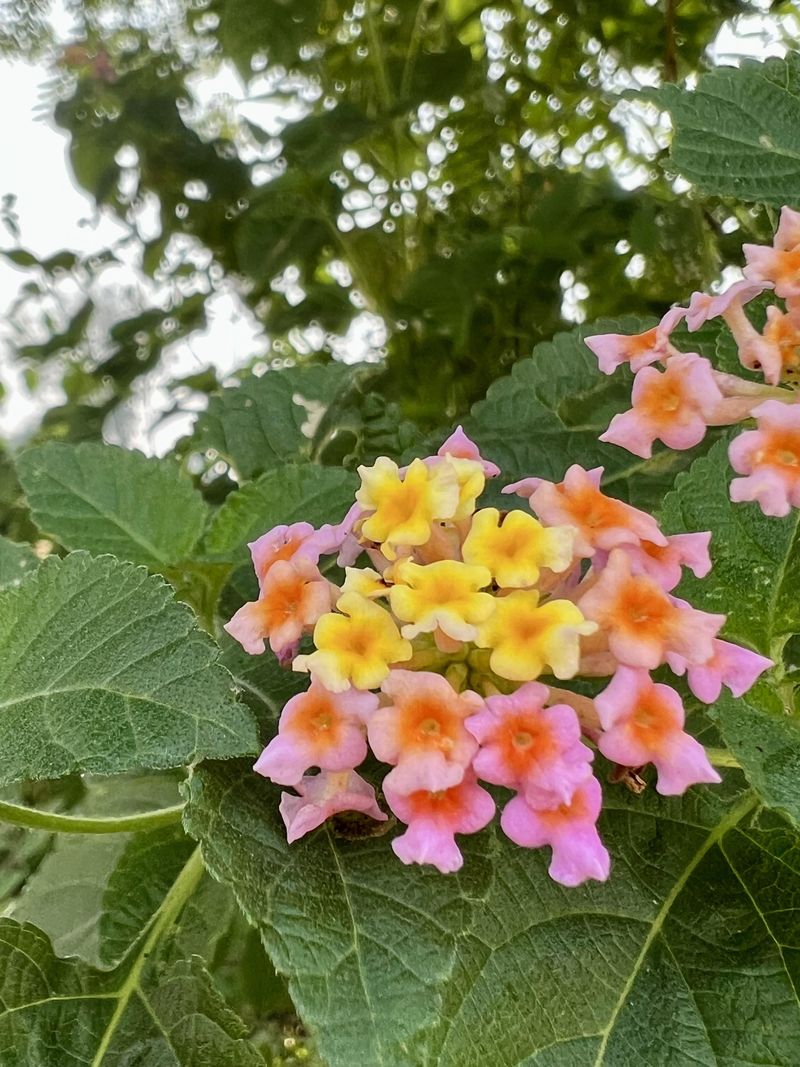
Watering too much is one of the most common mistakes Georgia gardeners make with lantana. It’s easy to assume that summer heat means the plant needs constant moisture, but lantana actually prefers its roots on the drier side.
Soggy soil leads to root problems and significantly reduces flowering.
Once established, lantana is surprisingly drought-tolerant. A deep watering once or twice a week during dry spells is usually plenty.
Sandy soils common in parts of coastal Georgia dry out faster, so you may need to water slightly more often there, but always check the soil before reaching for the hose.
Push your finger about two inches into the soil near the base of the plant. If it still feels damp, hold off another day or two.
Your Georgia Garden Changes Every Week. Your Plan Should Too.
Gardening in Georgia changes quickly throughout the season. Every Friday you’ll receive a simple weekly plan showing exactly what to plant, prune, fertilize, harvest, and protect so you never miss the right timing.
Consistent overwatering keeps the plant focused on managing root health rather than producing the flowers you want to see.
3. Mulch Around Roots Before Temperatures Rise
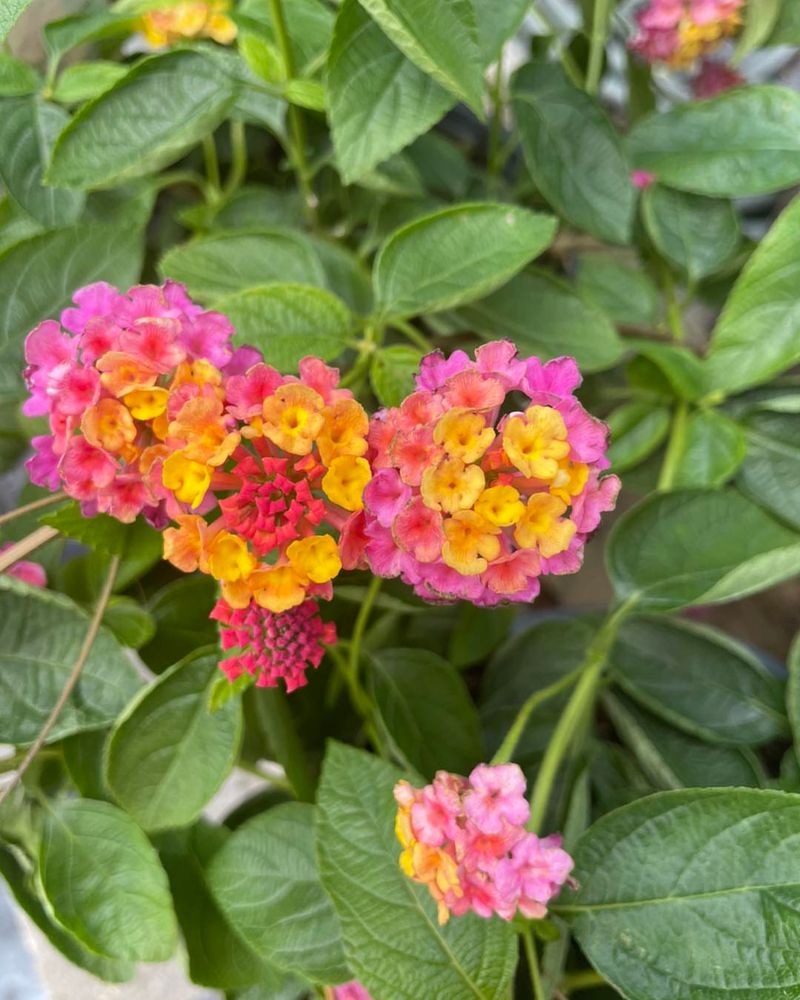
Mulching might not be the most exciting gardening task, but it makes a real difference for lantana performance during Georgia summers.
A two-to-three-inch layer of mulch around the base of the plant helps regulate soil temperature, retain moisture between waterings, and reduce weed competition.
Pine straw is a popular mulch choice across Georgia because it’s widely available, affordable, and breaks down slowly. It also keeps the soil slightly acidic over time, which lantana handles well.
Shredded bark and wood chip mulches work fine too, as long as they’re not piled up against the plant’s stem.
Apply mulch in late spring before the real heat sets in, ideally sometime in April or early May depending on where you are in the state. Getting ahead of rising temperatures means the soil stays more stable as summer ramps up.
Lantana roots that aren’t stressed by extreme heat fluctuations tend to support much stronger and more consistent bloom cycles.
Leave a small gap between the mulch and the base of the plant’s stem to allow airflow and prevent moisture buildup right at the crown.
Checking mulch depth periodically through the season is a good habit since it compacts and thins out over time.
4. Trim Leggy Growth To Keep Plants Full
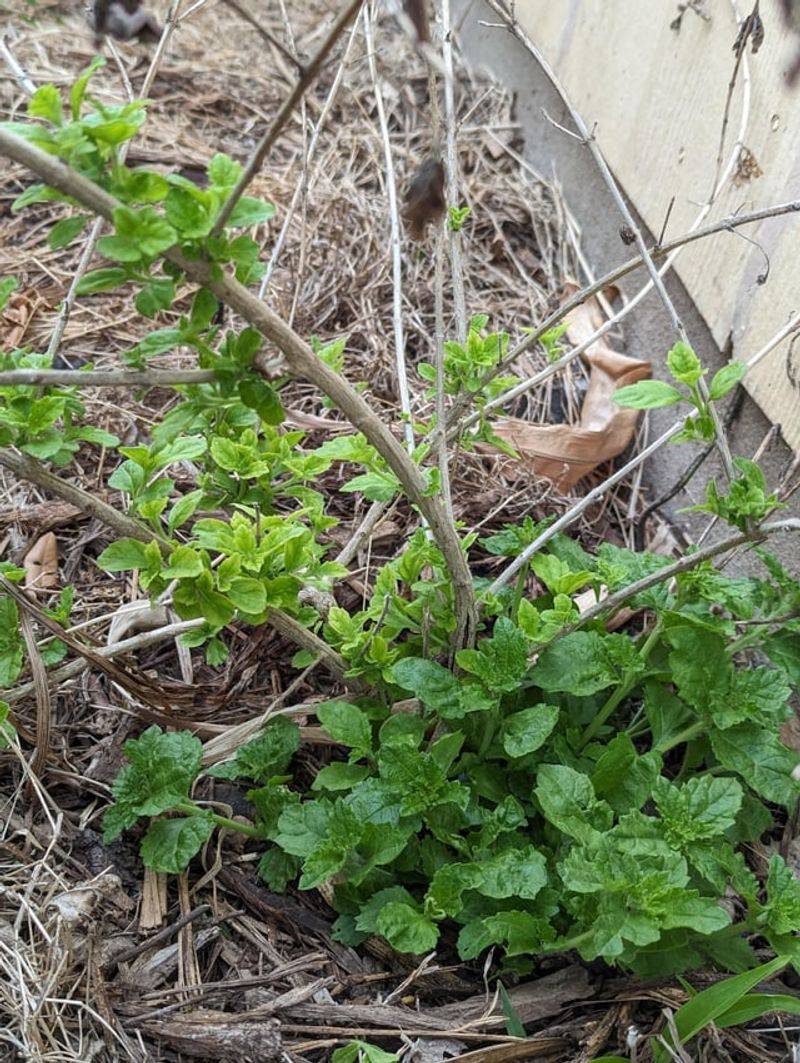
Leggy lantana is a common sight in Georgia gardens by midsummer. Stems stretch out, blooms move to the tips, and the middle of the plant starts looking bare and woody.
A well-timed trim fixes all of that and pushes the plant into a fresh wave of growth and flowering.
You don’t need to be aggressive about it. Cutting back the longest stems by about one-third encourages the plant to branch out and produce new growth lower down.
New growth is where new blooms form, so more branching equals more flowers. Avoid cutting all the way back to bare wood during the growing season since that can stress the plant unnecessarily.
Light trimming every three to four weeks works well for most Georgia gardeners. Some prefer to do a single harder cutback in early July when plants tend to slow down slightly, followed by lighter touch-ups through August.
Either approach works depending on how your specific plants are performing.
Use clean, sharp pruning shears to make smooth cuts rather than tearing stems. Jagged cuts can invite disease, especially in humid Georgia summers.
5. Remove Faded Flowers More Often
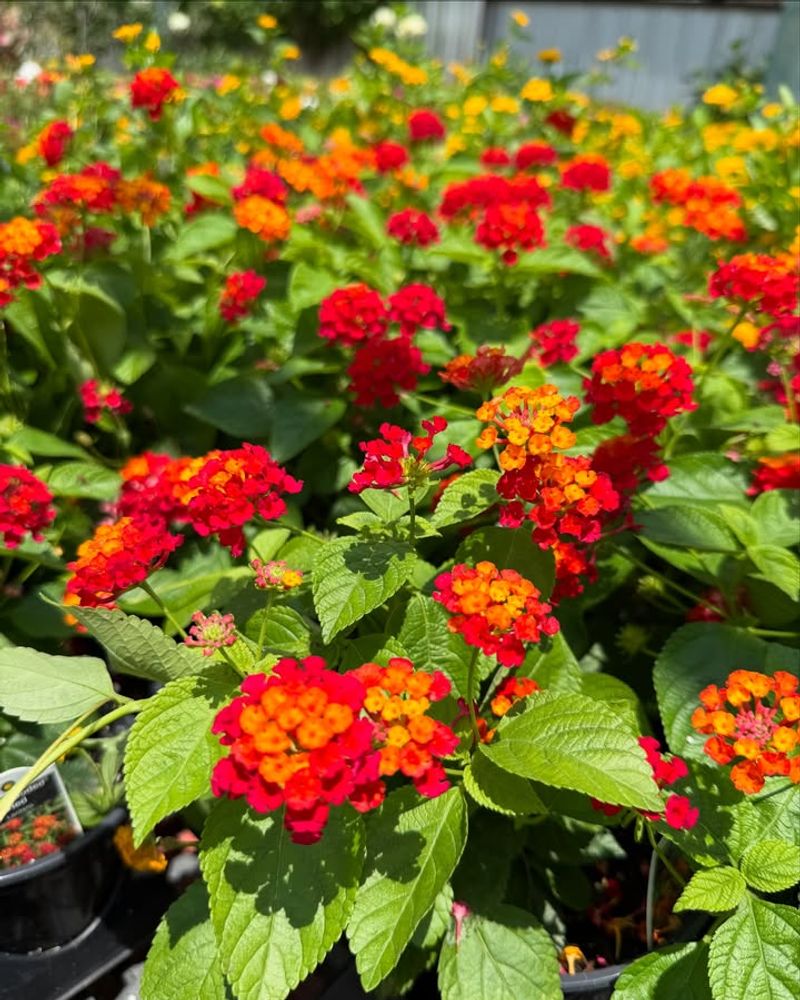
Spent flowers left on the plant send a clear message: the job is done, seeds are forming, slow down. Deadheading, or removing those faded blooms before seed heads develop, tells the plant to keep producing new flowers instead.
It sounds simple, but the impact on bloom production is genuinely impressive.
Lantana forms small, dark berries as its seeds mature. Once you notice those berries starting to develop, the plant is already shifting energy away from flowering.
Catching faded blooms early, before berries form, keeps that energy cycle focused on what you actually want: more blooms throughout the Georgia summer.
A quick pass through your lantana every five to seven days is enough to stay ahead of spent blooms. You don’t need special tools for this.
Pinching off faded flower clusters with your fingers works perfectly well. Some gardeners do it while walking through the garden in the morning, making it a casual habit rather than a chore.
If berries have already formed on some clusters, go ahead and remove those too. Getting back on a regular deadheading schedule from that point forward will still make a noticeable difference.
6. Skip Heavy Feeding During Bloom Season
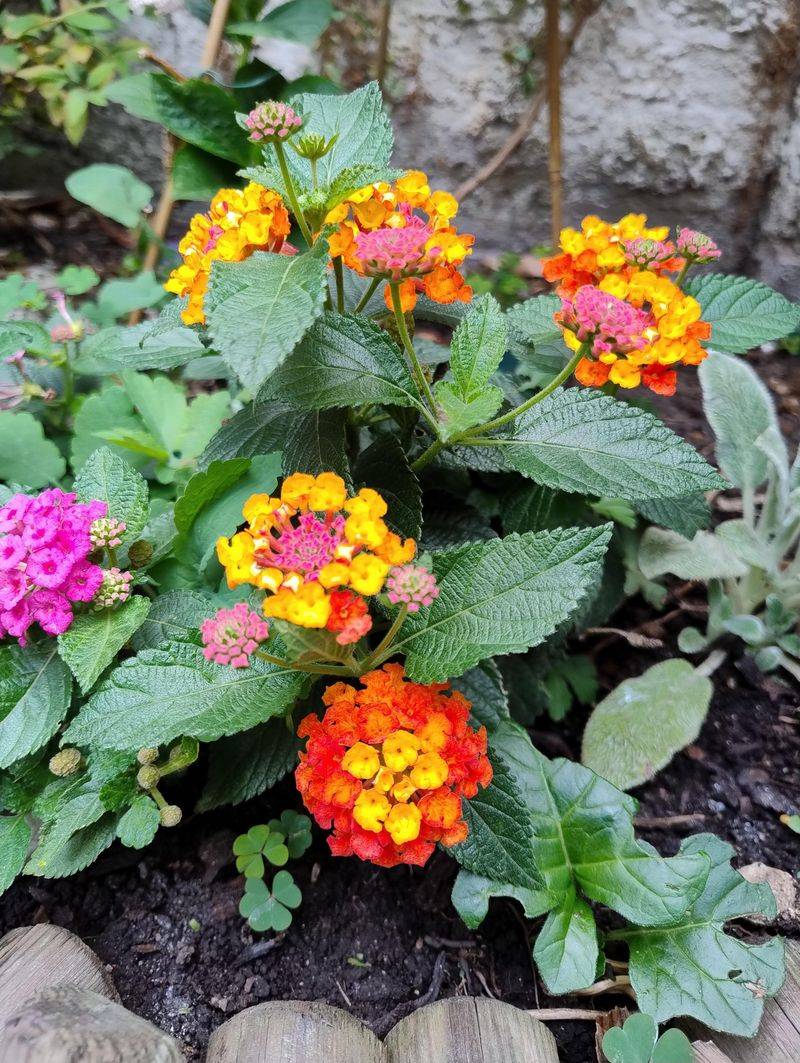
Fertilizing lantana feels like the right move when you want more blooms, but too much fertilizer actually works against you.
Heavy feeding, especially with high-nitrogen products, pushes the plant into producing lush green leaves at the expense of flowers.
In Georgia’s warm climate, lantana already grows vigorously and rarely needs much extra encouragement.
A light application of a balanced, slow-release fertilizer in early spring when you first plant or when growth resumes is usually all lantana needs. Products with roughly equal nitrogen, phosphorus, and potassium ratios work fine.
Going heavier than that, or feeding repeatedly through summer, tends to produce big leafy plants with disappointing flower output.
If your lantana is planted in decent soil and gets regular sunlight, it will likely perform well with no additional feeding at all during the summer months. Poor, sandy soils sometimes benefit from a single light mid-season application, but even then, less is more.
Observing how the plant responds over a full season gives you the clearest picture of what your specific garden actually needs.
Phosphorus supports flower production more directly than nitrogen does. If you feel the plant genuinely needs a boost mid-season, a low-nitrogen, phosphorus-leaning fertilizer is a better choice than a general all-purpose product.
Diluted liquid fertilizers applied once are less likely to push excessive foliage than granular products.
7. Space Plants For Better Airflow
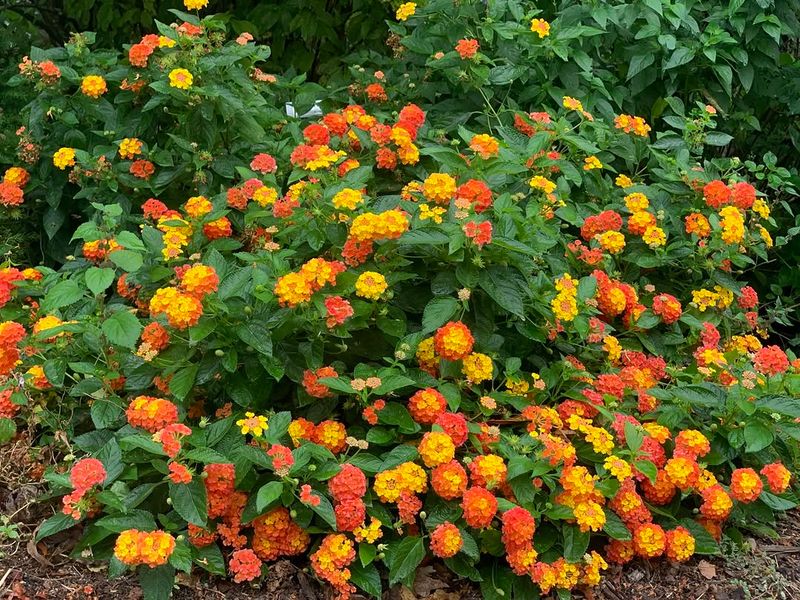
Crowded plants struggle. When lantana is packed too tightly together or pushed up against other shrubs, airflow drops and humidity builds up around the foliage.
In Georgia’s already-humid summers, that combination creates conditions where fungal problems spread and overall plant health suffers noticeably.
Most lantana varieties benefit from at least eighteen to twenty-four inches of space between plants, with spreading varieties needing even more room.
Giving them space might make a newly planted bed look sparse at first, but by midsummer those plants will fill in beautifully without competing with each other for light, water, or airflow.
Good spacing also makes maintenance easier. You can move through the bed to deadhead, trim, and check soil moisture without damaging stems or disturbing roots.
Crowded beds make all of that harder and increase the chance of accidentally snapping stems or spreading disease from plant to plant on your hands or tools.
If you’re planting lantana alongside other sun-loving perennials or annuals common in Georgia landscapes, like salvias or zinnias, leave enough room for all of them to breathe.
Companion planting can be attractive and functional, but density works against lantana specifically.