What It Really Means When Your Texas Trees Drop Leaves In Midsummer
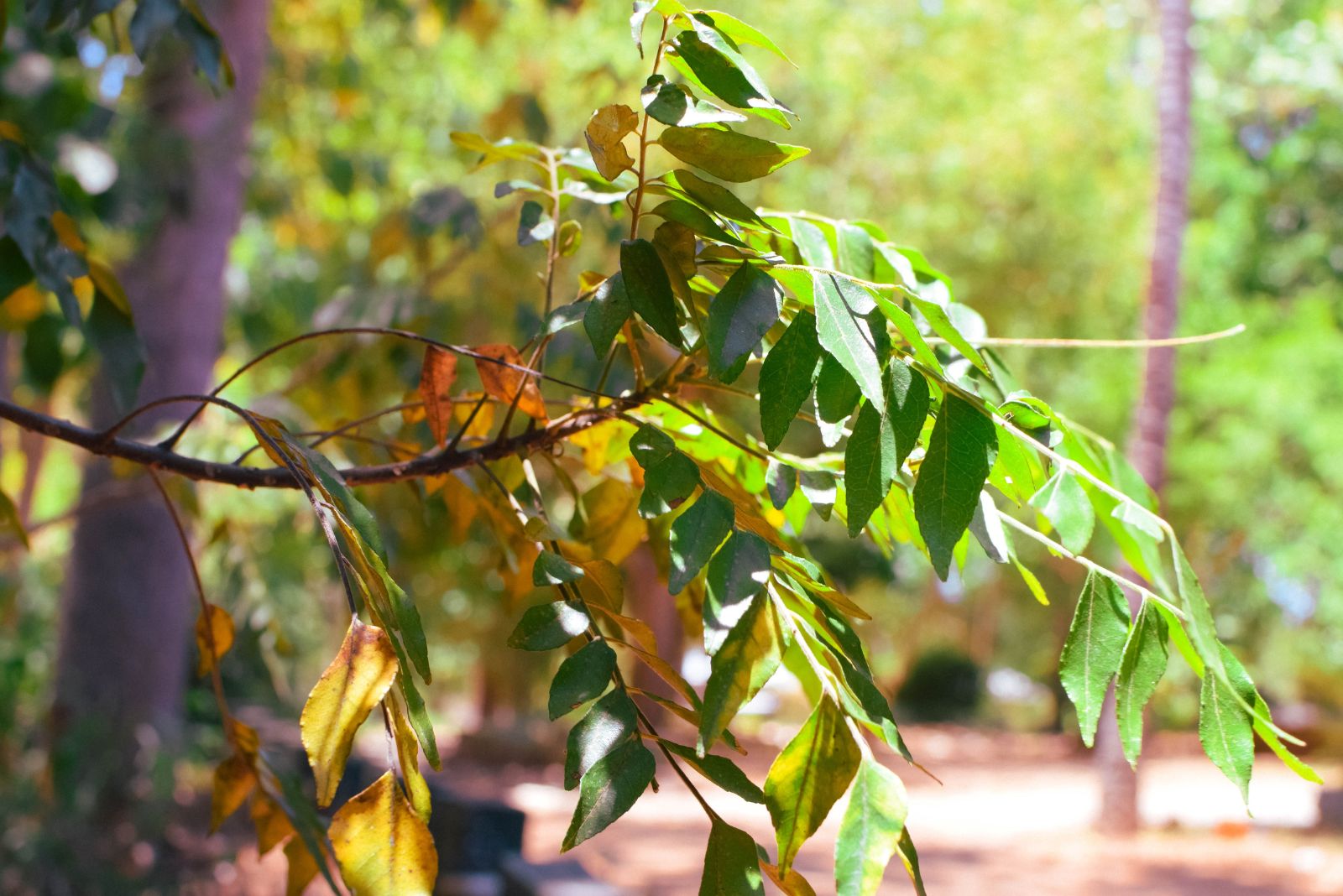
Walking out to your Texas yard in the middle of summer and finding leaves on the ground beneath a tree that should be in full growth can be an unsettling sight. Spring was fine.
The tree leafed out normally. And now, in the hottest stretch of the year, leaves are dropping when they should be at their greenest and most lush. This is not always the emergency it appears to be.
Midsummer leaf drop in Texas trees is more common than most homeowners realize, and the causes range from completely normal stress responses to early warning signs of something that genuinely needs attention.
Knowing which situation you’re dealing with is the difference between unnecessary worry and missing a problem while there’s still time to address it effectively.
Texas summers put trees under pressure that most other climates simply don’t, and trees respond to that pressure in ways that can look alarming without actually being cause for alarm.
But they can also be signaling something real. Here’s how to read what your Texas tree is actually telling you this summer.
1. The Tree Is Conserving Water During Drought
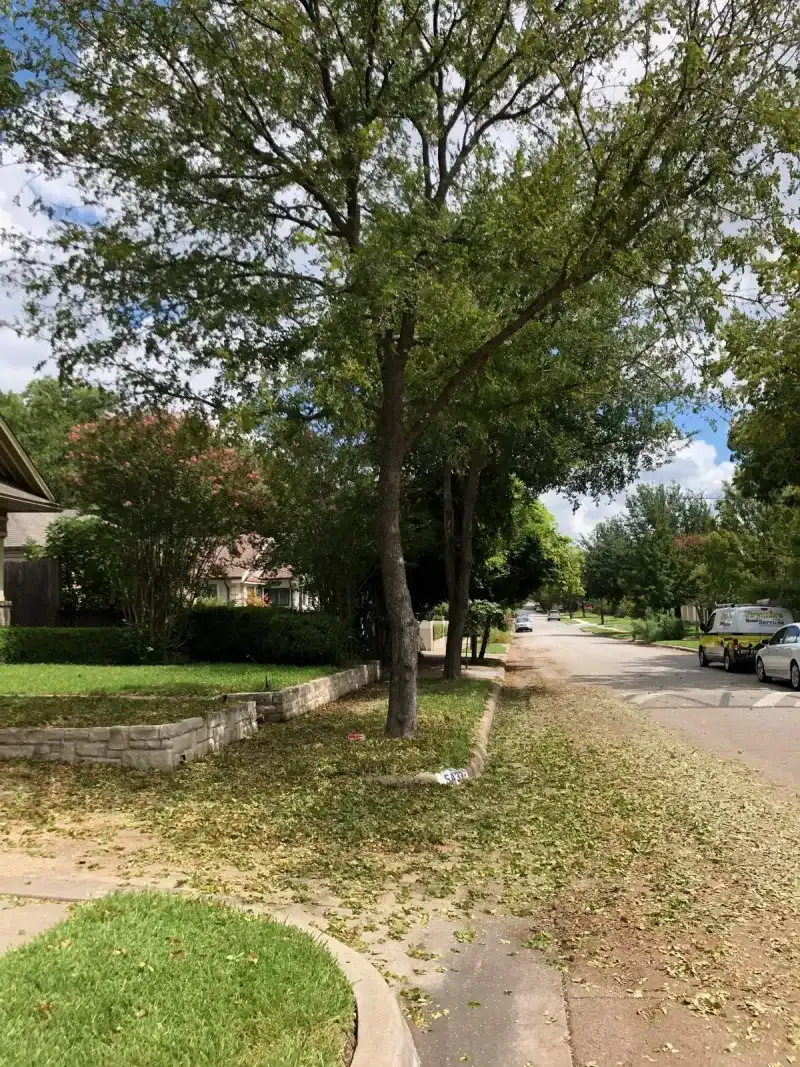
When the rain stops and the heat cranks up, trees do not just sit there and struggle in silence. Shedding leaves is actually one of the smartest things a tree can do when water gets scarce.
By dropping leaves, the tree reduces the amount of water it loses through a process called transpiration, which is basically how plants breathe out moisture through their leaves.
Drought stress in Texas trees often shows up in a very specific pattern. You might notice the leaf edges turning brown and crispy first, almost like the tips got scorched.
Then the leaves start to curl inward, as if they are trying to protect themselves. After that, you may see whole sections of the canopy thin out as leaves fall to the ground earlier than they should.
These signs together are a pretty strong signal that your tree is in water-saving mode. The good news is that many trees can bounce back once regular watering resumes.
Deep, slow watering is the best approach, since it encourages roots to grow downward rather than staying near the surface.
A soaker hose placed around the drip line of the tree works really well. Water slowly for an extended period rather than giving quick, shallow drinks.
Mulching around the base of the tree also helps lock in soil moisture and keeps the roots cooler during intense heat.
Try to avoid letting the soil dry out completely for long stretches. Consistent moisture, even during drought, gives your tree a much better chance of holding onto its remaining leaves and recovering fully by fall.
2. Extreme Heat Is Overwhelming The Roots’ Water Supply
Picture this: your soil still has some moisture in it, but your tree is still dropping leaves like it is the middle of fall. How does that happen?
The answer comes down to simple math. When temperatures soar and dry winds blow across the canopy, leaves lose water way faster than even healthy roots can replace it.
Your Texas Garden Changes Every Week. Your Plan Should Too.
Gardening in Texas changes quickly throughout the season. Every Friday you’ll receive a simple weekly plan showing exactly what to plant, prune, fertilize, harvest, and protect so you never miss the right timing.
Leaf scorch is usually the first warning sign. You will see brown, papery patches spreading inward from the edges of the leaves.
The veins often stay green longer, which gives scorched leaves a distinctive, almost burnt look. After the scorch sets in, moderate leaf shedding usually follows as the tree tries to reduce its overall water demand.
Reflected heat makes this problem even worse in urban and suburban yards. Concrete driveways, brick walls, and dark mulch can all bounce extra heat back onto nearby trees, pushing temperatures well beyond what the air thermometer reads.
Trees planted near south or west-facing walls are especially vulnerable to this kind of heat overload.
One practical way to help is to water more frequently during extreme heat events, even if the soil does not look bone dry.
Early morning watering is best because it gives the roots time to absorb moisture before the hottest part of the day arrives. Avoid watering in the evening since that can encourage fungal growth.
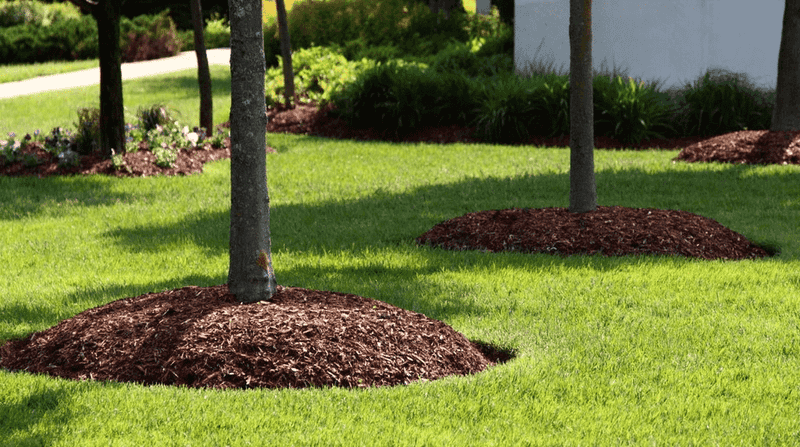
Adding a fresh layer of organic mulch around the base of the tree, about three to four inches deep, can make a big difference. Mulch insulates the soil, slows evaporation, and keeps root temperatures more stable even when the air above is sweltering.
3. The Soil May Be Staying Too Wet
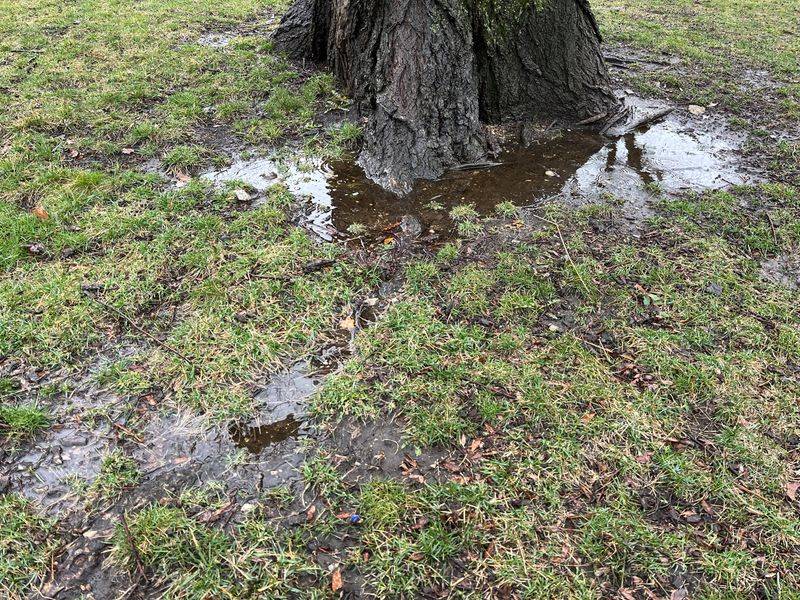
Not every case of midsummer leaf drop points to drought. Sometimes the opposite problem is the real culprit.
Overwatering and poor soil drainage can actually cause symptoms that look almost exactly like drought stress, which makes this one of the trickiest issues to diagnose without a closer look.
When soil stays soggy for too long, tree roots are essentially suffocated. Roots need air just as much as they need water, and waterlogged soil squeezes out all the oxygen pockets that roots depend on to function.
Without oxygen, roots begin to weaken and eventually lose their ability to absorb water and nutrients properly, even though they are surrounded by plenty of moisture.
The leaf symptoms from overwatering tend to follow a slightly different pattern than drought. Yellowing usually starts on the lower or inner leaves first, rather than at the canopy tips.
Growth may look weak and pale. In severe cases, you might notice a faint musty smell near the base of the tree, which can indicate root decay setting in.
Check your soil before you water. Push a screwdriver or wooden dowel about six inches into the ground near the tree.
If it slides in easily and comes out damp or muddy, the soil already has enough moisture and does not need more water yet.
Improving drainage around your tree can involve aerating compacted soil, adjusting sprinkler zones so they do not soak the same area repeatedly, or even regrading the yard so water flows away from the root zone.
Catching this problem early gives your tree a much stronger chance of a full recovery.
4. A Recently Planted Tree Has Not Established Enough Roots
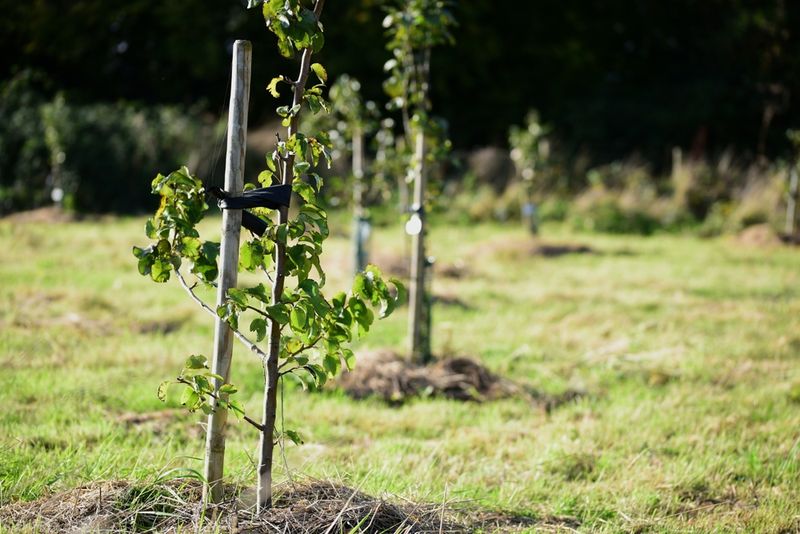
Bringing home a brand-new tree and watching it drop leaves just weeks after planting can feel really discouraging. You did everything right, so why does it look like it is struggling already?
The answer usually comes down to one thing: the root system simply has not had enough time to spread out and support the whole canopy yet.
When a tree is dug up from a nursery or removed from a container, it loses a significant portion of its roots in the process. The remaining root ball is responsible for supplying water to every single leaf on that tree.
During a hot Texas summer, that is an enormous job for such a small root system, and the canopy often pays the price.
Transplant shock is especially common when a tree is planted during a heat wave or when the root ball dries out repeatedly in the first few weeks after planting. Young trees need extra attention during this adjustment period, not just a set-it-and-forget-it approach.
Watering a newly planted tree correctly is critical. Water deeply right at the root ball, not just around the outer drip line, since the roots have not spread out yet.
Check the root ball moisture every day or two during hot spells because it can dry out surprisingly fast even when the surrounding soil seems fine.
Avoid heavy fertilizing right after planting. Fertilizer pushes new leaf growth, which puts even more demand on an already stressed root system.
Focus on steady, consistent watering for the first full growing season, and your new tree will have a much better chance of settling in successfully.
5. Roots Have Been Damaged, Compacted, Or Restricted
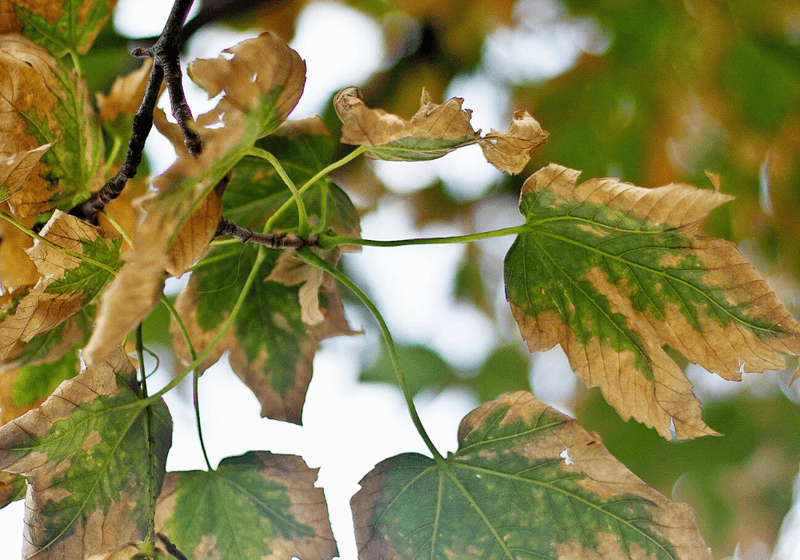
Here is something that surprises a lot of homeowners: your tree can start dropping leaves because of damage that happened months or even years ago. Roots are slow to show their wounds.
A construction project, a new driveway, trenching for utilities, or even extra fill soil added over the root zone can quietly set off a chain of events that eventually shows up as leaf loss during summer stress.
Tree roots spread much farther than most people realize. A mature tree’s roots can extend two to three times beyond the edge of its canopy, and they stay relatively close to the surface where oxygen and nutrients are most available.
Anything that compacts, cuts, covers, or physically blocks those roots can seriously reduce the tree’s ability to take up water.
Circling roots are another sneaky problem, especially in trees that spent time in containers before being planted.
If roots wrap around themselves and are never corrected at planting time, they can slowly restrict the tree’s vascular system as the trunk grows, eventually cutting off water flow to the upper canopy.
Signs of root restriction or damage often include thinning canopy, branch tip dieback, and leaves that look undersized or pale even without obvious drought or heat stress.
The symptoms may start on one side of the tree first, often the side closest to where the damage occurred.
If you suspect root damage from past construction, consult a certified arborist. They can assess root health, recommend deep-aeration techniques, and advise on whether the damage is recoverable.
Catching root problems before they become severe gives you a real window to help the tree stabilize and continue growing.
6. A Pest Or Disease May Be Disrupting The Tree
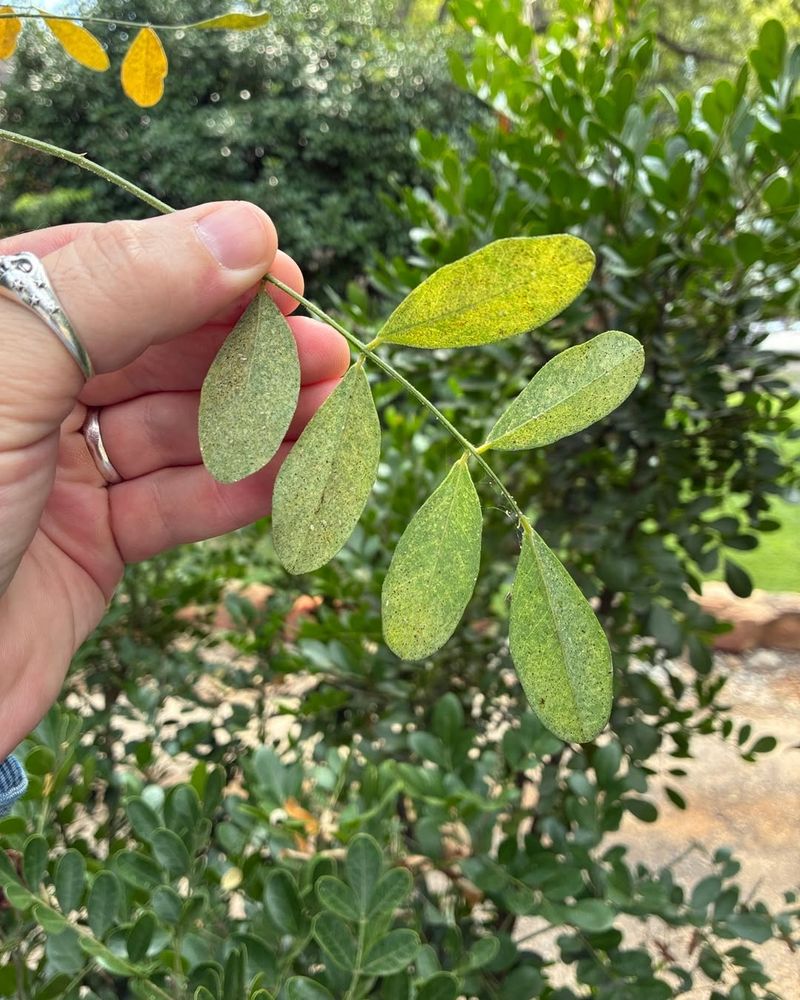
Sometimes a tree drops leaves in midsummer because something living is attacking it from the inside out. Pests and diseases are easy to overlook at first glance, especially when heat and drought seem like the more obvious suspects.
But a closer look at the leaves, bark, and branches can reveal clues that point clearly toward a biological problem rather than a weather-related one.
Look for leaf spots with distinct edges, which often signal a fungal or bacterial infection. Check for sticky residue on leaves or surfaces below the tree, which can indicate sap-sucking insects like aphids or scale.
Webbing between branches points to spider mites or webworms. Chewed leaf edges or holes in the middle of leaves usually mean a caterpillar or beetle is feeding on the foliage.
Texas oak trees deserve special attention during midsummer leaf drop. Oak wilt is a serious and fast-moving fungal disease that affects several oak species across Texas, particularly live oaks and red oaks.
One of its most alarming early signs is the rapid shedding of green or partially bronzed leaves, often starting from a single branch or section and spreading outward.
If you see symptoms spreading from one limb to neighboring branches, or if you notice discoloration under the bark when you scratch a small section, contact a certified arborist right away.
Oak wilt spreads through root connections between nearby trees, so quick action matters. Not every pest problem requires heavy chemical treatment. Some can be managed with targeted sprays, pruning out affected limbs, or improving overall tree health.
Getting an accurate identification first is always the smartest starting point before applying any treatment.