Why Georgia Gardeners Are Adding Shade Cloth During Peak Summer Heat
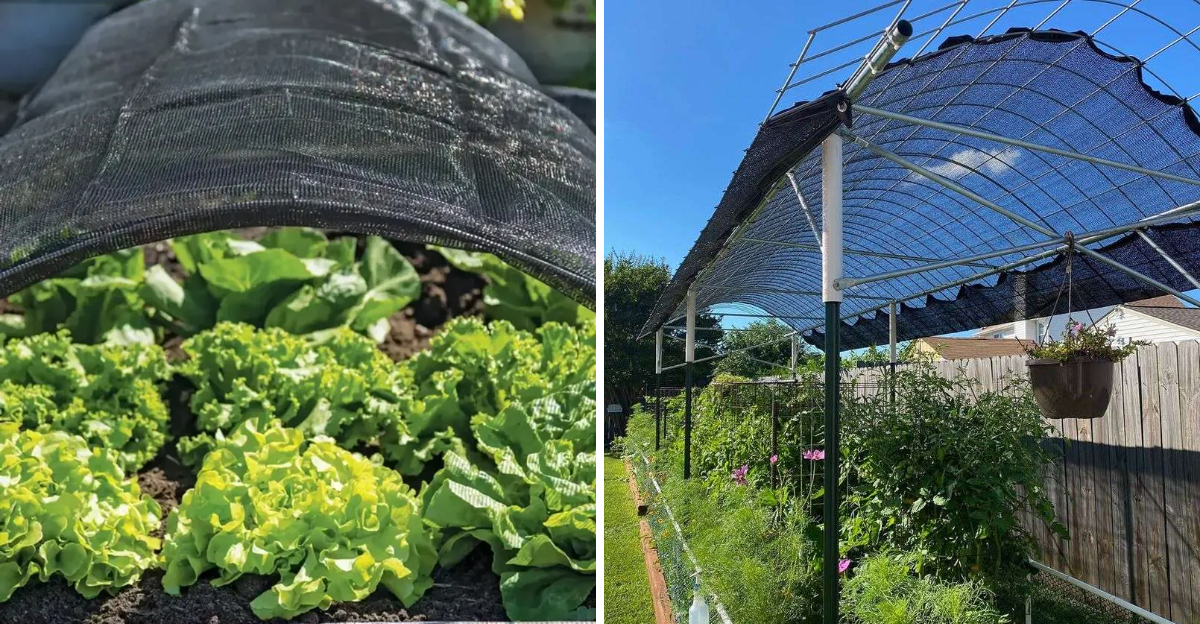
Most people think shade cloth is only for delicate plants, but that idea can cost you healthy vegetables and stressed flowers during the hottest part of summer.
If your garden starts looking tired even with regular watering, the sun may be the real problem. Georgia gardeners are discovering that a little afternoon shade often makes a big difference.
The right shade cloth helps reduce heat stress without blocking all the light plants still need to grow. That means fewer scorched leaves, stronger growth, and better harvests through the toughest weeks.
Before another stretch of intense heat rolls in, take a closer look at what direct sun is doing to your garden.
A simple change could help your favorite plants stay healthier much longer without demanding constant attention from you daily.
1. Shade Cloth Protects Plants From Harsh Sun
Scorching afternoon sun does not just feel brutal — it actually damages plant tissue. Leaf scorch is a real problem in hot climates, and it shows up as brown, crispy edges on leaves that were perfectly fine just days before.
Shade cloth filters a portion of sunlight before it hits the plant. Depending on the percentage you choose, it can block anywhere from 30 to 70 percent of incoming light.
That filtered light is often enough to keep photosynthesis going without the added stress of full-intensity sun.
Tomatoes, lettuce, and herbs are especially vulnerable during peak afternoon hours. Even plants that love sun can struggle when temperatures climb past 95 degrees for several days in a row.
Covering vulnerable crops between noon and 4 p.m. can reduce leaf surface temperatures noticeably. Some gardeners only drape cloth during the hottest stretch of the day and remove it in the morning or evening.
Shade cloth does not block all light, so plants still receive what they need to grow. It simply takes the edge off the most damaging rays during the most intense part of the day.
Protecting foliage from sunscald also means the plant spends less energy recovering from stress.
2. The Wrong Shade Level Can Stress Plants
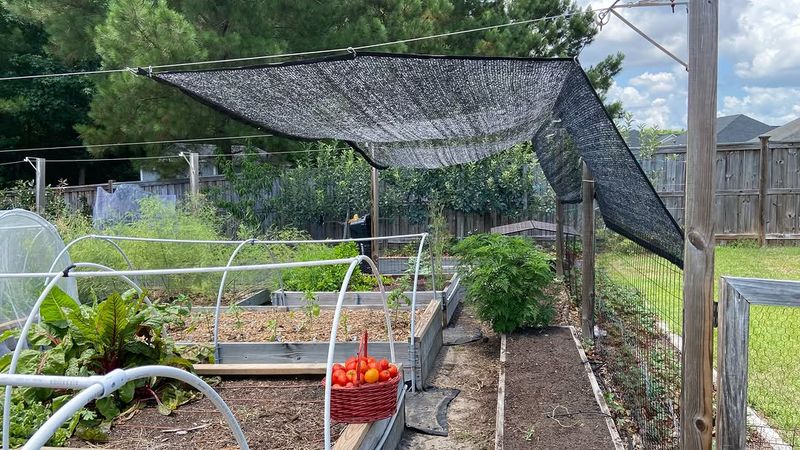
Not every shade cloth works for every plant. Grabbing the darkest one available might seem like the safest bet during a heat wave, but too much shade can actually slow plant growth in unexpected ways.
Fruiting vegetables like tomatoes, peppers, and squash need strong light to set fruit properly. Block too much sun, and they may stop flowering or drop the blooms they already have.
That leads to a frustrating mid-summer gap in production.
A 30 to 40 percent shade cloth tends to work well for most fruiting crops. Leafy greens and herbs can often handle a 50 percent level without issue.
Going above 60 percent is usually reserved for very sensitive seedlings or shade-loving ornamentals.
Shade percentage refers to how much sunlight the fabric blocks. A 40 percent cloth lets 60 percent of light through.
That remaining light is still substantial on a bright Georgia summer afternoon.
Matching the right shade level to each crop type makes a noticeable difference. Some gardeners use different cloths over different sections of the same garden to account for what each plant actually needs.
Your Georgia Garden Changes Every Week. Your Plan Should Too.
Gardening in Georgia changes quickly throughout the season. Every Friday you’ll receive a simple weekly plan showing exactly what to plant, prune, fertilize, harvest, and protect so you never miss the right timing.
Reading the tag on the cloth before buying is worth the extra minute.
3. Airflow Matters When Adding Cover Above Plants
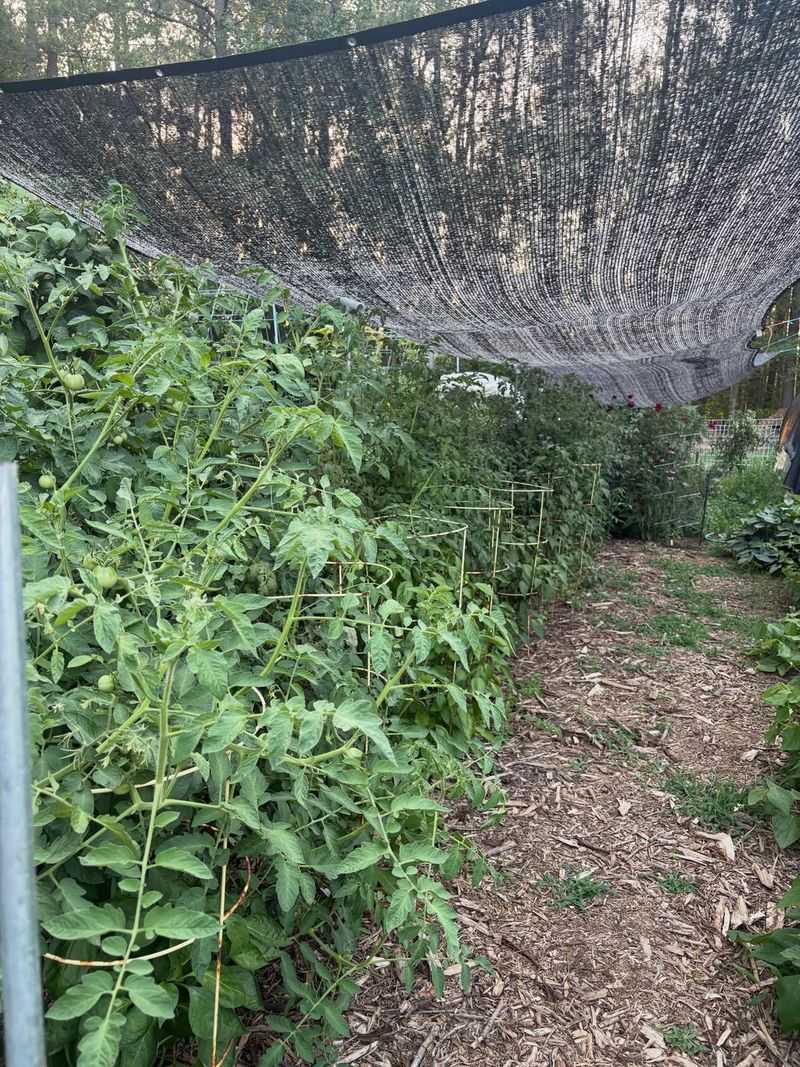
Covering plants without thinking about airflow can create a humid, stagnant environment under the cloth. That kind of trapped heat and moisture actually makes conditions worse, not better.
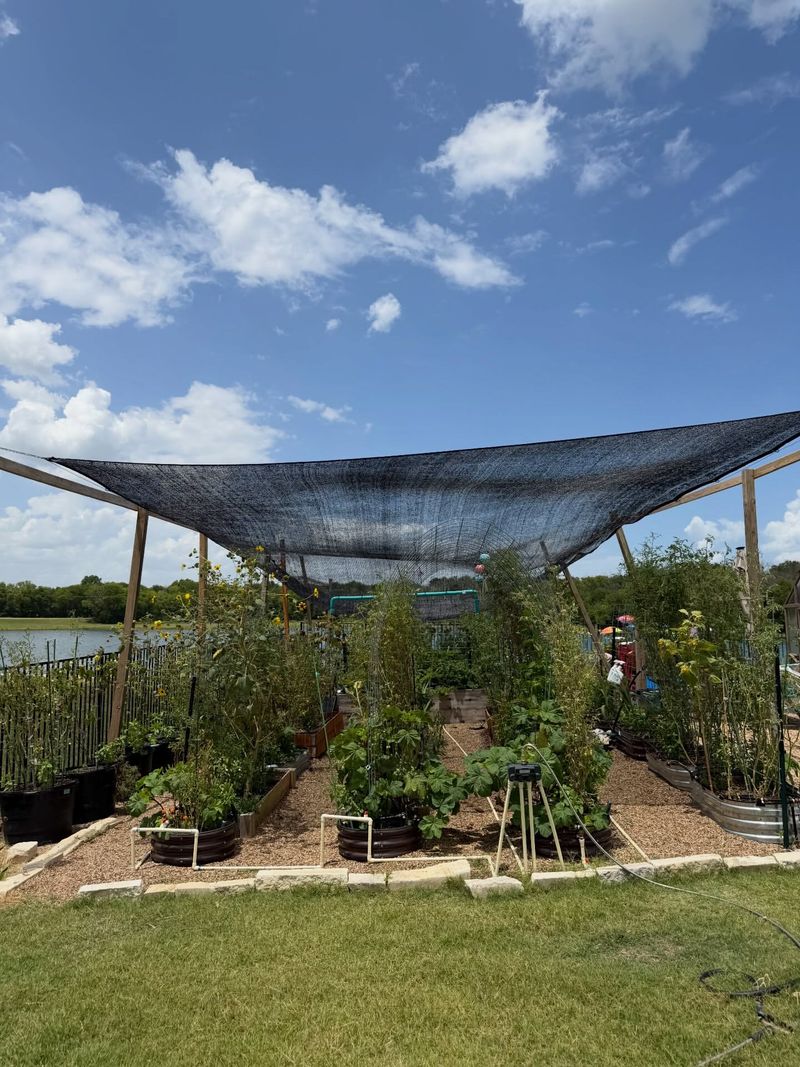
Shade cloth works best when it is suspended above plants rather than draped directly on top of them. Leaving several inches of clearance between the cloth and the plant canopy allows warm air to escape and cooler air to circulate underneath.
Good airflow also reduces the risk of fungal issues. Powdery mildew and similar problems tend to appear when moisture lingers on leaves with no breeze to dry them off.
Open sides matter just as much as height. Tying the edges of the cloth down tightly on all four sides creates a sealed pocket of hot air, which defeats the purpose of adding shade in the first place.
Propping the cloth up with stakes, hoops, or a simple wooden frame keeps it elevated and allows air to move through freely.
Even a light breeze passing under the cloth can drop the temperature noticeably beneath it.
Shade cloth is not a tent, and treating it like one tends to cause problems.
4. Placement Changes How Much Cooling It Provides
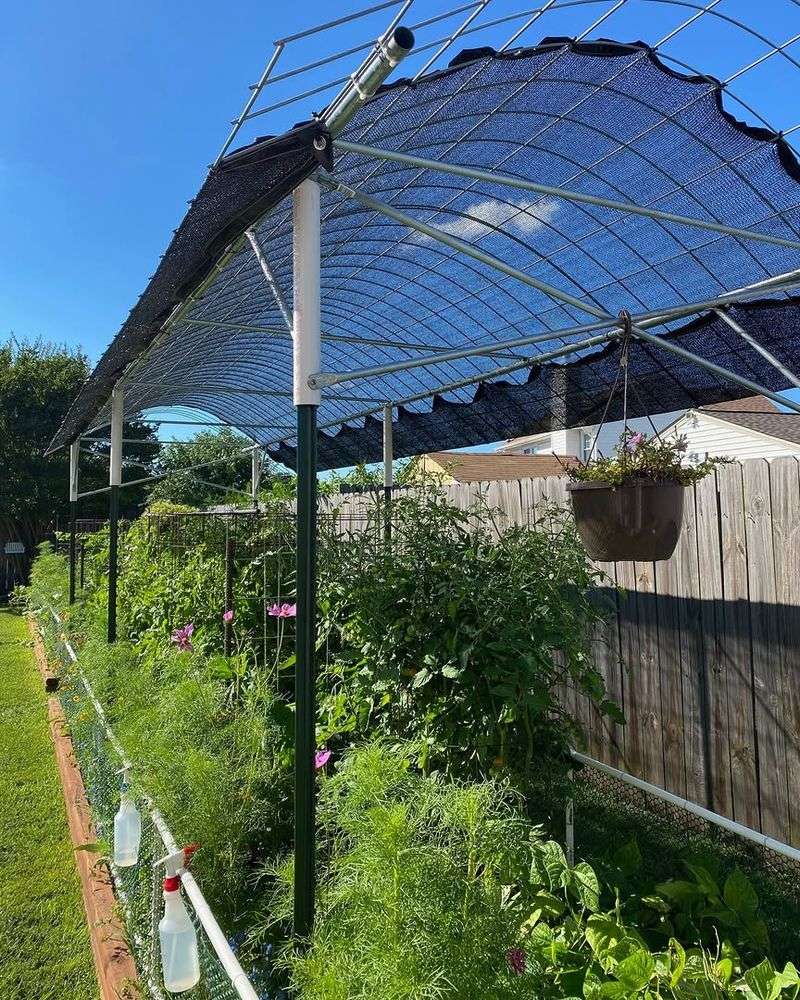
Where you position shade cloth makes as big a difference as which cloth you choose. Angle, height, and direction of coverage all affect how much actual cooling reaches the plants below.
Placing cloth directly overhead provides the most consistent shading throughout the day. Angling it slightly toward the west can offer better protection during late afternoon, which is often the hottest period in summer.
Height above the canopy also plays a role. A cloth positioned three feet above plants creates a larger shaded footprint than one sitting just inches above the leaves.
More vertical space means more room for air to move and heat to escape.
South-facing garden beds typically receive the most intense sun exposure. Adding shade cloth on the south side, or overhead on a slight southward tilt, can reduce direct exposure during midday hours when the sun is highest.
Shadows shift throughout the day as the sun moves. A setup that shades plants well at noon might leave them fully exposed by 3 p.m.
Checking coverage at different times of day helps you find the placement that actually works for your specific garden layout.
Some gardeners adjust positioning as the season progresses. What works in late June may need tweaking by August when the sun angle shifts slightly.
5. Some Vegetables Benefit More Than Others
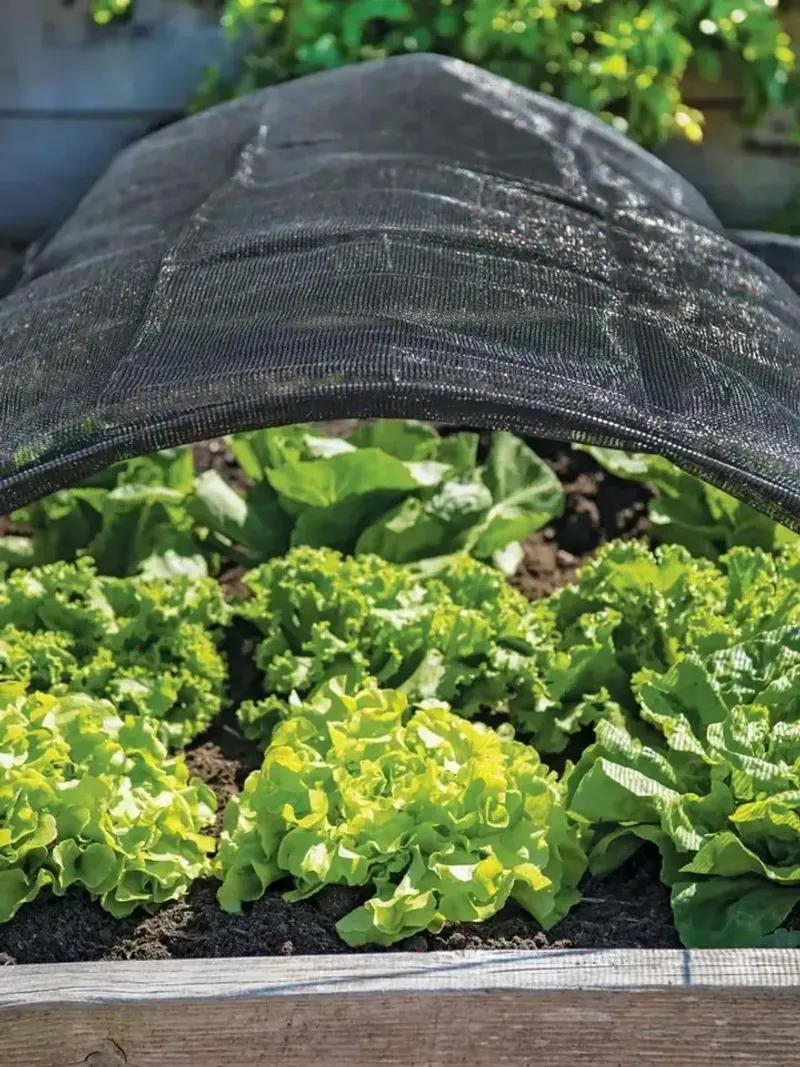
Lettuce bolts fast in full summer sun. One week it looks great, and the next it has shot up, turned bitter, and gone to seed.
Shade cloth can slow that process down and extend the harvest window by a few weeks in some cases.
Spinach, cilantro, and other cool-season greens behave similarly. These plants were not built for Georgia summers, but a layer of shade cloth creates a slightly more tolerable microclimate that helps them hang on longer.
Peppers are interesting because they like heat but can suffer from sunscald on the fruit itself. The skin of a pepper sitting in direct afternoon sun can develop pale, papery patches.
Shade cloth during peak hours can reduce that kind of surface damage.
Cucumbers and beans tend to be more heat-tolerant, so they often do fine without extra coverage. Adding shade cloth to these crops is not harmful, but it is usually not as necessary as it is for leafy greens.
Tomatoes fall somewhere in the middle. They need heat and light to ripen fruit, but extreme temperatures above 95 degrees can cause blossom drop.
Light shade during the hottest part of the day may help maintain flowering during brutal stretches.
6. Shade Cloth Helps Reduce Water Loss
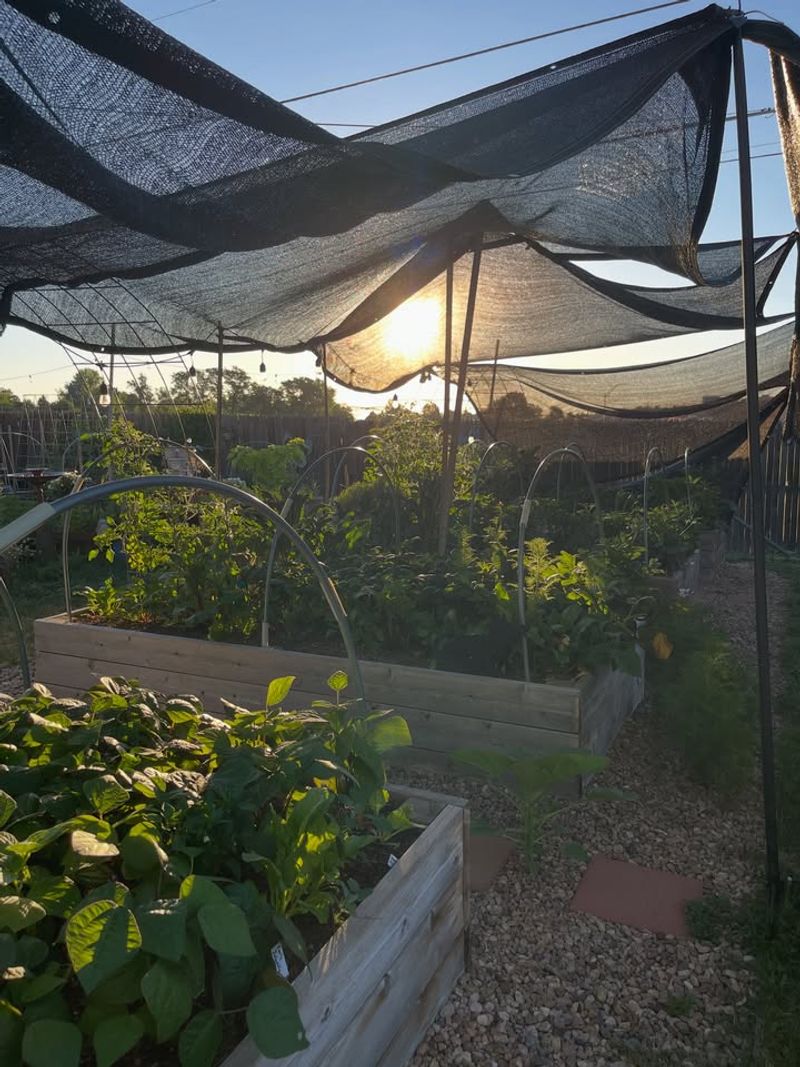
Water evaporates fast when the sun hits bare soil directly. On a hot summer afternoon, a garden bed can lose a surprising amount of moisture in just a few hours without any cover overhead.
Shade cloth reduces the amount of direct sunlight reaching the soil surface. Less sun means slower evaporation, which means the water you put in actually stays available to plant roots longer.
That can translate to fewer watering sessions each week.
Leaf surfaces also lose moisture through a process called transpiration. When plants are under stress from intense heat, they tend to transpire more rapidly, pulling water from the soil faster than usual.
Reducing heat stress with shade cloth can help slow that cycle.
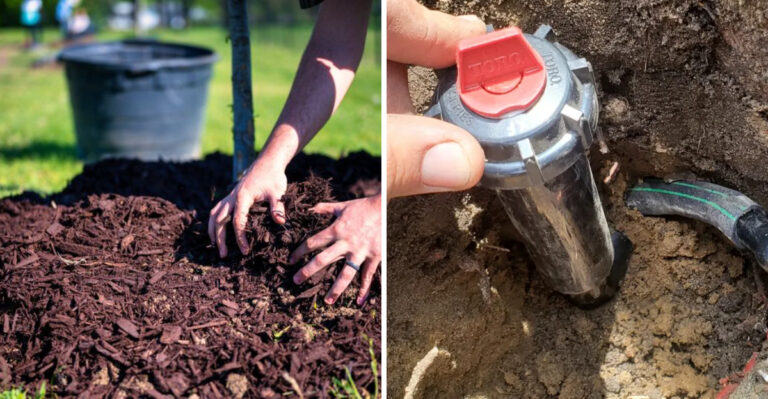
Mulch and shade cloth work well together. Mulch holds moisture at the soil level, while shade cloth reduces the heat hitting the surface from above.
Using both at once tends to produce better moisture retention than either one alone.
Watering costs and effort add up during a long hot summer. Anything that reduces how often you need to water is worth considering, especially during dry stretches when water restrictions may apply in some areas.
Consistent soil moisture also supports better root development.
7. Removing It At The Right Time Supports Growth
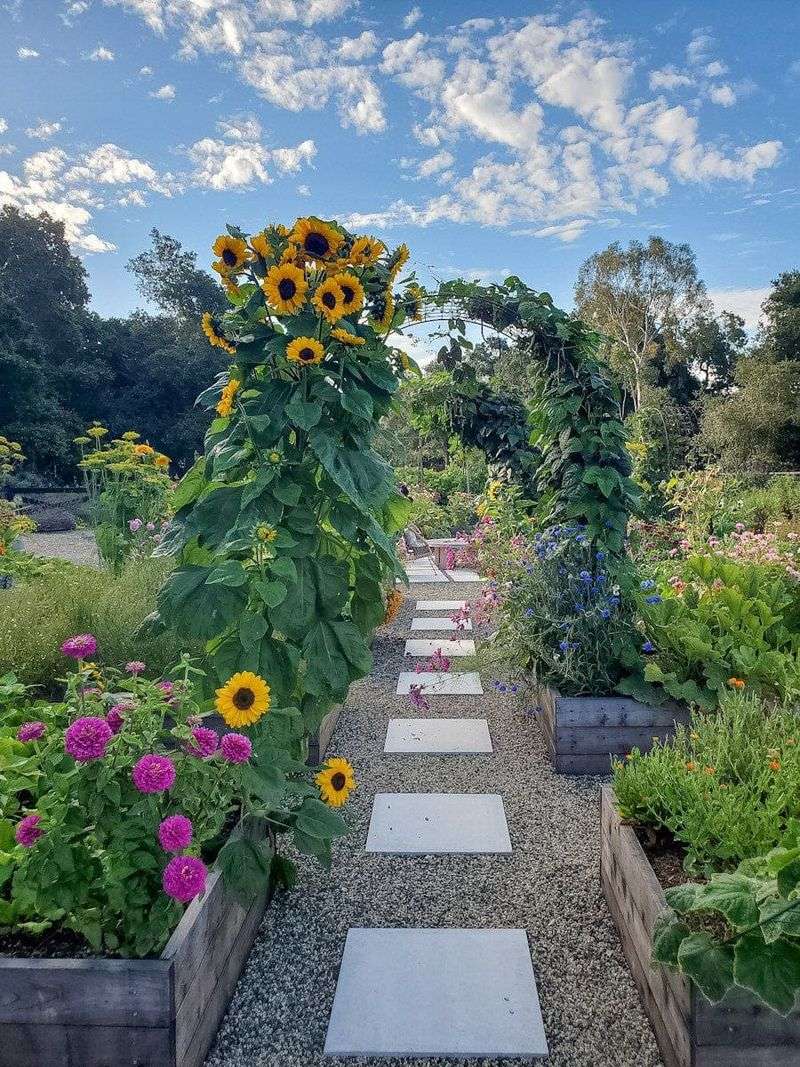
Leaving shade cloth up longer than necessary can limit the light plants need to reach their full potential. Once the worst of the summer heat passes, keeping the cover in place may hold plants back rather than help them.
Late summer into early fall is a natural transition point. Temperatures begin to moderate, and plants that struggled in July often bounce back with more energy once conditions improve.
Removing the cloth at this point lets them take full advantage of the change.
Morning and evening light become more valuable as summer fades. Without shade cloth blocking any portion of that light, plants can absorb more energy during the cooler parts of the day when photosynthesis is most efficient.
Fruiting crops especially benefit from full light exposure as they approach maturity. Tomatoes need consistent sun to ripen evenly.
Removing shade cloth a few weeks before the first expected frost gives them time to finish strong.
Watching the plants themselves is one of the best guides. If growth slows, leaves look pale, or flowering drops off while the cloth is still in place, that can be a sign the plant needs more light than it is currently getting.
Shade cloth is a seasonal tool, not a permanent fixture.
Using it strategically during the hottest weeks and then stepping back when conditions improve tends to produce the healthiest results across a full growing season in the South.