More Bats Are Visible At Dusk Over Georgia Yards This Month And Here Is Why
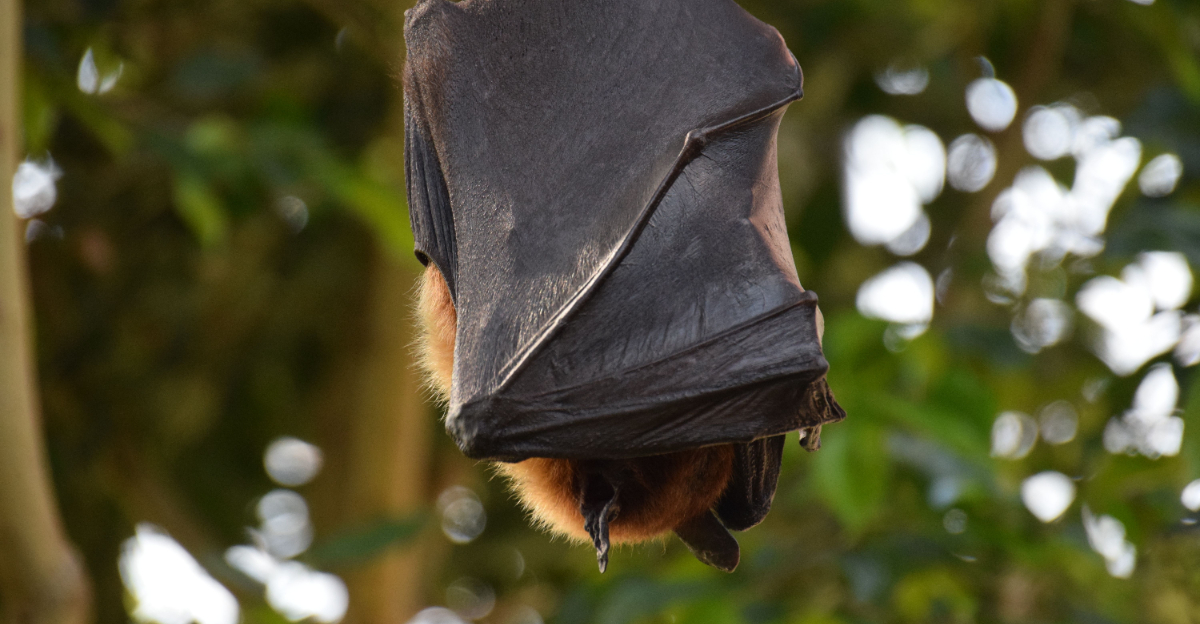
Dusk can suddenly feel much busier when dark shapes begin sweeping above your yard just as daylight starts fading.
Those quick turns overhead are easy to miss until several bats appear together. This month can make their evening activity especially noticeable around Georgia homes.
Look toward open areas near trees when the sky begins growing dim.
Bats often emerge when flying insects become active. Their timing creates a short evening window when you have a better chance of seeing them moving between feeding areas.
Nothing unusual needs to happen in your yard for this activity to become more obvious.
Seasonal changes can influence how often bats appear overhead and how easily you notice them. Once you recognize what is happening around dusk, those fast silhouettes become much easier to understand.
1. Young Bats Join The Evening Flights By August
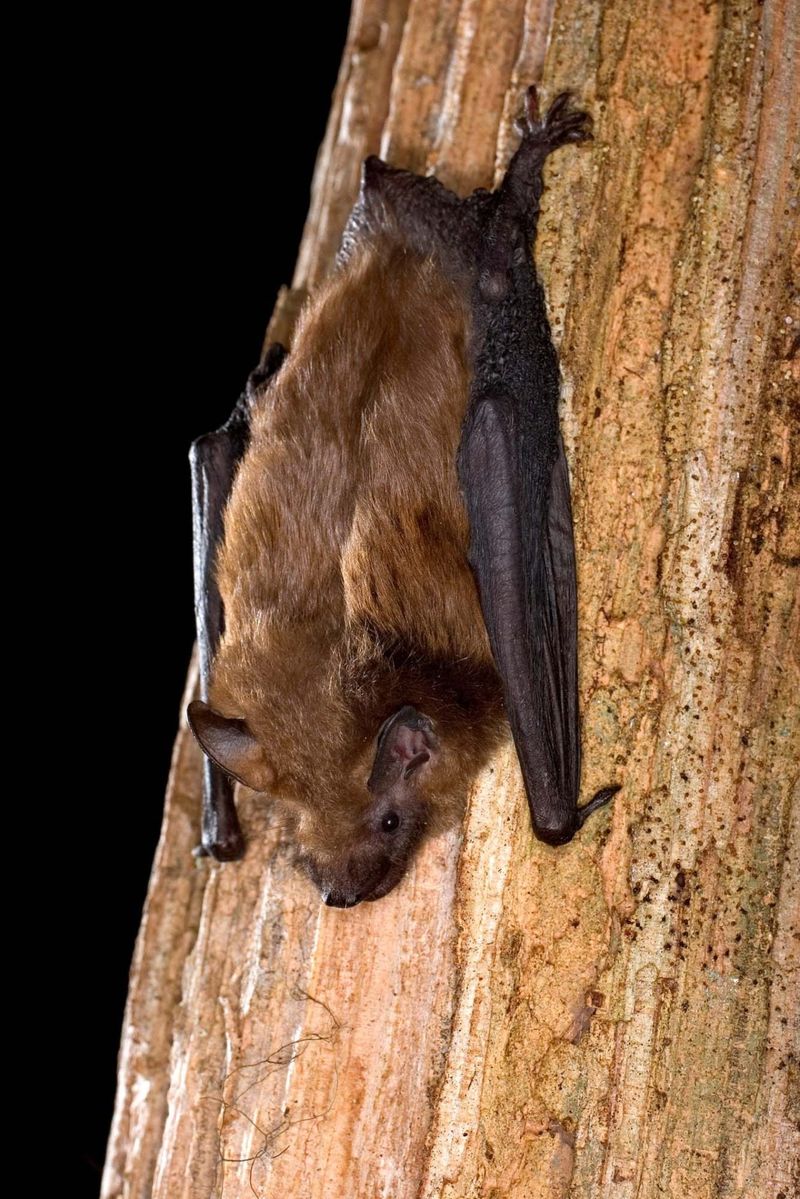
August is basically graduation season for bats. Pups born in late spring and early summer are finally strong enough to fly on their own, and they are joining adult bats in the evening sky for the first time.
By midsummer, most bat pups have grown their flight muscles enough to leave the roost. Watching them fly, you might notice they look a little wobbly compared to adults.
Young bats are still learning to navigate and hunt, so they tend to fly in wider, less predictable loops.
More bats in the air means more activity visible from your yard. A colony that had ten adults flying out at dusk might now appear to have twenty or more once juveniles join in.
Numbers can vary based on colony size and local conditions.
Bat moms raise their pups in warm, sheltered roosts, often inside tree cavities, attics, or bat boxes. Once juveniles start flying, they follow older bats toward food sources.
Open yards with good insect populations tend to attract these beginner flyers.
Seeing more bats this month is a natural sign that local colonies had a successful breeding season. It is a healthy part of the local ecosystem doing exactly what it should.
2. Dusk Is When Feeding Activity Begins
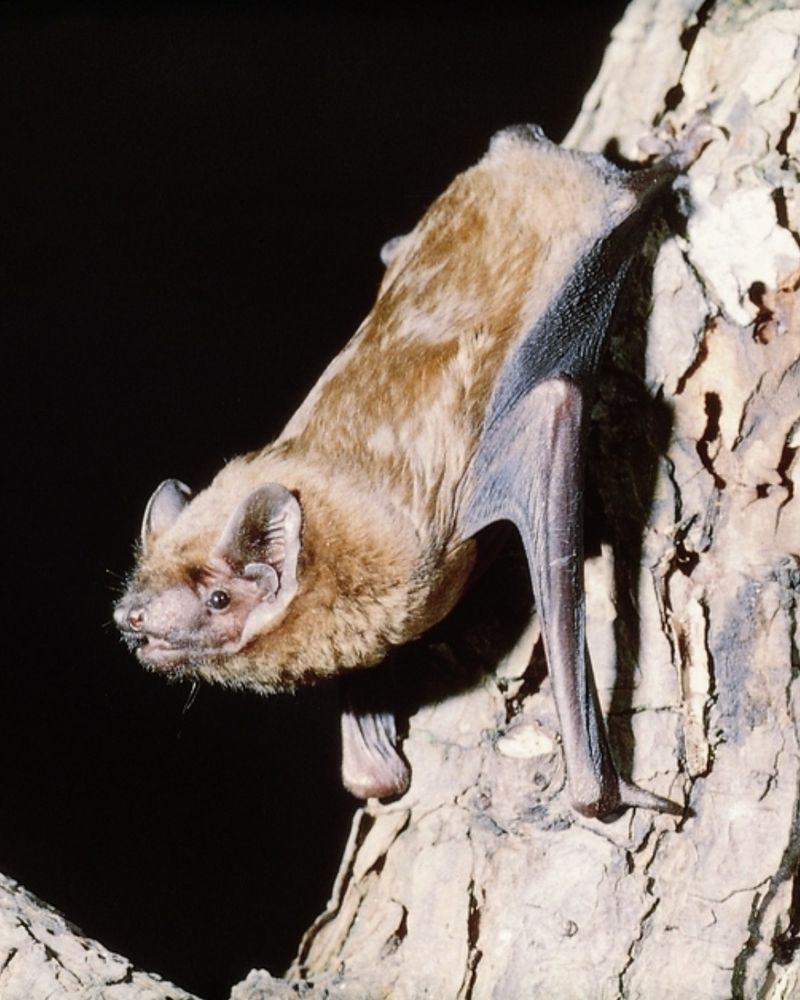
Right at that moment when daylight fades but darkness has not fully settled, bats flip a switch and get to work. Dusk is not just a pretty time of day.
For bats, it is prime feeding time.
Bats rely on low light to hunt safely. Bright daylight makes them more visible to hawks and other predators, so they wait.
As soon as light drops, they emerge and start chasing insects through the air.
Evening temperatures in late summer stay warm well after sunset. Warm air keeps flying insects active longer, which extends the window when bats feed.
On cooler nights, feeding activity tends to wrap up earlier.
You might notice bats flying in erratic, zigzag patterns. That is echolocation at work.
Bats send out high-pitched sound pulses and listen for the echo bouncing back off insects. Each twist and turn is a calculated move toward prey.
Most evening feeding sessions last one to two hours before bats rest and then sometimes return for a second round before sunrise. Timing varies by species and local conditions.
Your Georgia Garden Changes Every Week. Your Plan Should Too.
Gardening in Georgia changes quickly throughout the season. Every Friday you’ll receive a simple weekly plan showing exactly what to plant, prune, fertilize, harvest, and protect so you never miss the right timing.
Watching from your porch during that first hour after sunset gives you the best chance to spot them in action.
3. Flying Insects Draw Bats Out To Feed
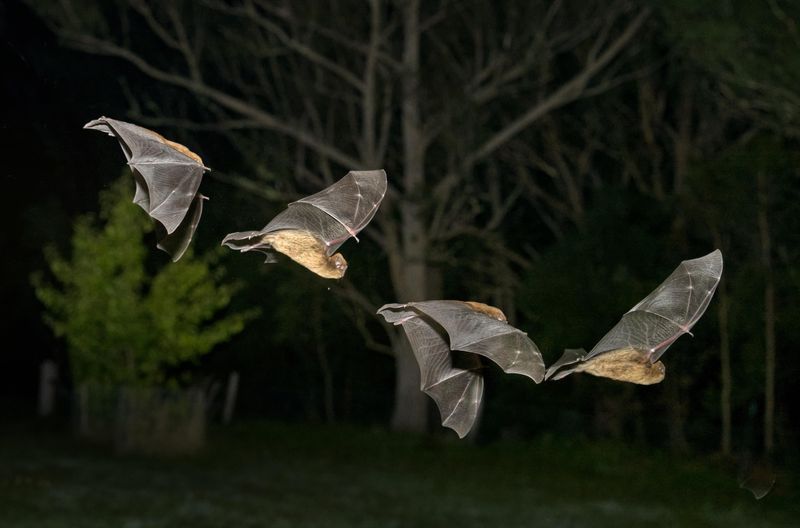
Bugs are the whole reason bats show up over your yard each evening. Without a reliable insect supply, bats simply move on to somewhere more productive.
Late summer brings huge numbers of flying insects. Mosquitoes, moths, beetles, midges, and gnats all peak in warm, humid conditions.
Backyards near trees, gardens, or standing water tend to have the richest insect activity.
A single small bat can consume hundreds of insects in one evening, though the exact number depends on insect size, bat species, and how long feeding continues. Larger moths take more effort to catch than tiny gnats, so the variety of prey matters.
Outdoor lights actually concentrate insects in one spot, which makes yards with porch lights or decorative lighting particularly attractive to bats. Insects swarm around light sources, and bats follow the easy meal.
Turning off unnecessary lights can reduce insect congregation if you prefer fewer visitors.
Healthy insect populations support healthy bat populations. Yards with native plants, leaf litter, and water features naturally host more insects.
Bats in Georgia benefit from the long warm season that keeps insect activity going well into fall, giving them an extended feeding window compared to bats in cooler northern regions.
4. Open Yards Give Bats Room To Forage
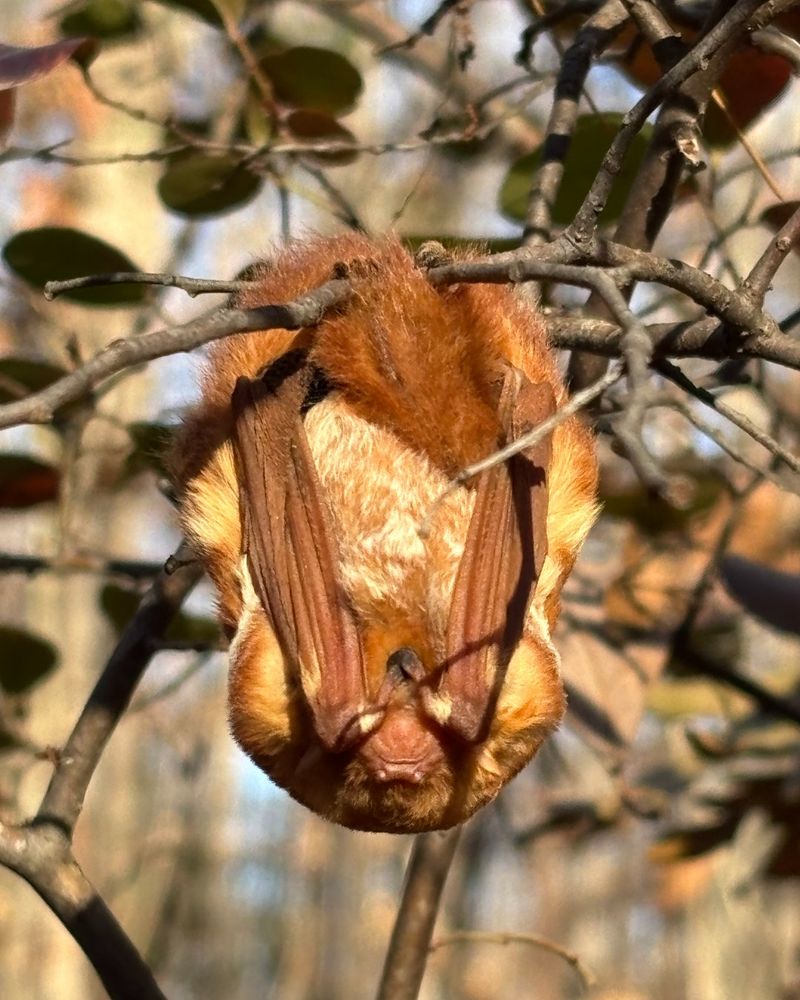
Bats are not clumsy flyers, but they do prefer space. Open yards let them build up speed, make sharp turns, and chase prey without crashing into branches every few seconds.
Foraging requires fast, unpredictable movement. Bats need clear flight paths to swoop, bank, and reverse direction quickly.
Cluttered or heavily wooded spaces make efficient hunting harder, especially for younger bats still developing their skills.
Suburban yards in Georgia often provide exactly the right setup. A mowed lawn bordered by trees on the edges gives bats an open center to hunt while still offering sheltered spots nearby to rest or roost.
Edge zones between open and wooded areas tend to attract the most bat activity.
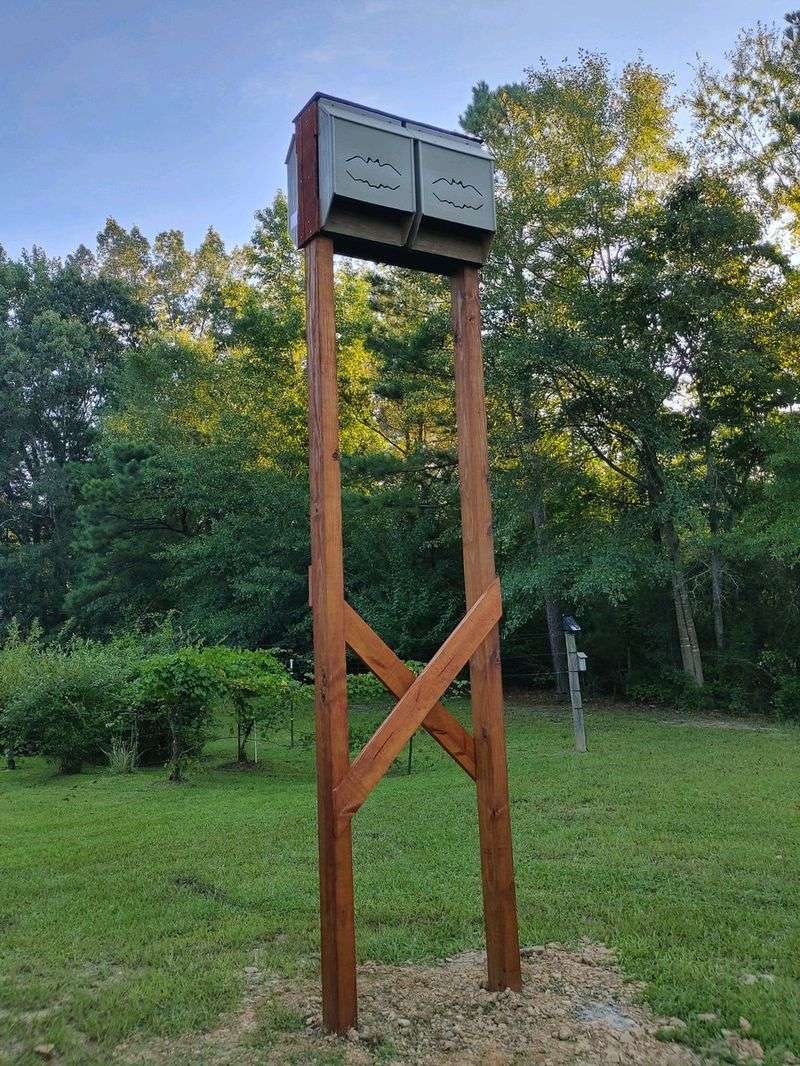
Bat boxes placed at the right height, usually around ten to fifteen feet off the ground, in open spots can encourage bats to roost nearby. South-facing boxes that get good morning sun tend to stay warm enough for roosting females and pups.
Placement matters more than most people expect.
If your yard has open space and consistent insect activity, bats are likely to return night after night during peak season.
Consistent foraging spots become familiar routes, and bats tend to revisit productive areas regularly when conditions stay favorable.
5. Nearby Water Can Support Evening Feeding
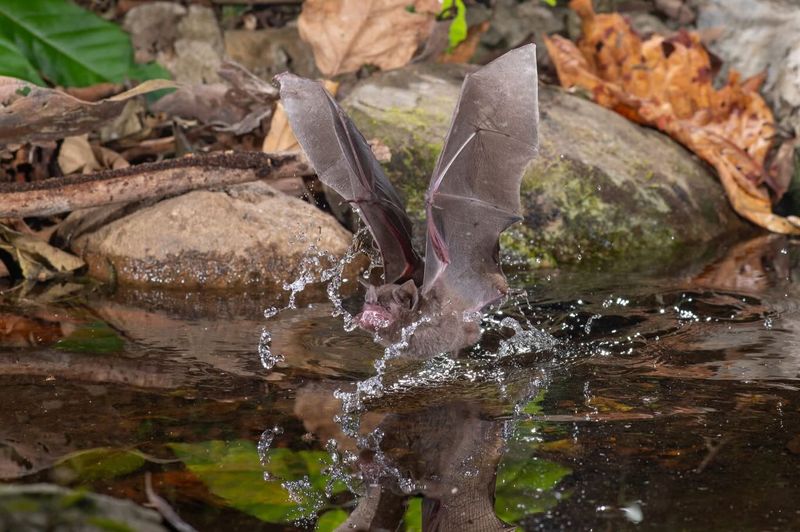
Water and bats go together more than most people realize. Ponds, streams, birdbaths, and even small drainage areas create ideal conditions for both insects and thirsty bats.
Standing or slow-moving water is a breeding ground for mosquitoes and midges. Both are common bat prey.
Areas near water sources consistently attract more insects, which means bats spend more time hunting around them.
Bats also need to drink, and they do it in a surprisingly athletic way. Many bat species swoop low over water and scoop up a drink mid-flight without slowing down much.
Larger open water sources make this easier than small containers.
Birdbaths can attract bats if they are large enough and placed in an open area. Keeping the water fresh reduces mosquito breeding while still offering bats a drinking spot.
Small water features in gardens can serve the same purpose.
Neighborhoods near creeks, retention ponds, or low-lying areas with seasonal water tend to see higher bat activity at dusk.
In Georgia, summer humidity and frequent afternoon rain keep water features full and insect populations thriving well into August and September.
If your yard backs up to any kind of water feature, expect regular evening bat visits during warm months.
6. Roosts May Be Closer Than You Realize
Bats do not travel miles to reach your yard every evening. Chances are, their roost is just a short flight away, possibly right on your property or a neighbor’s.
Common roost spots include tree hollows, spaces under loose bark, gaps behind shutters, attic vents, and bat boxes. Bats prefer warm, sheltered spots where temperature stays fairly stable.
Attics in summer can get very hot, but some species tolerate that well.
A colony roosting in a nearby tree or building can spill dozens of bats into the evening sky within minutes of dusk. If you watch carefully, you might notice bats emerging from one direction consistently.
That general direction often points toward the roost location.
Roosts are protected under federal and state wildlife laws in many cases. Disturbing an active bat roost, especially during breeding season, is regulated.
If you suspect bats are roosting in your attic or home, contacting a licensed wildlife control professional is the right step before doing anything else.
Installing a bat box before excluding bats from a structure gives them an alternative roost option. Proper bat boxes can house small colonies and keep bats close enough to benefit your yard without sharing your living space.
Placement and sun exposure affect how quickly bats accept a new box.
7. Most Evening Visitors Are Simply Passing Through
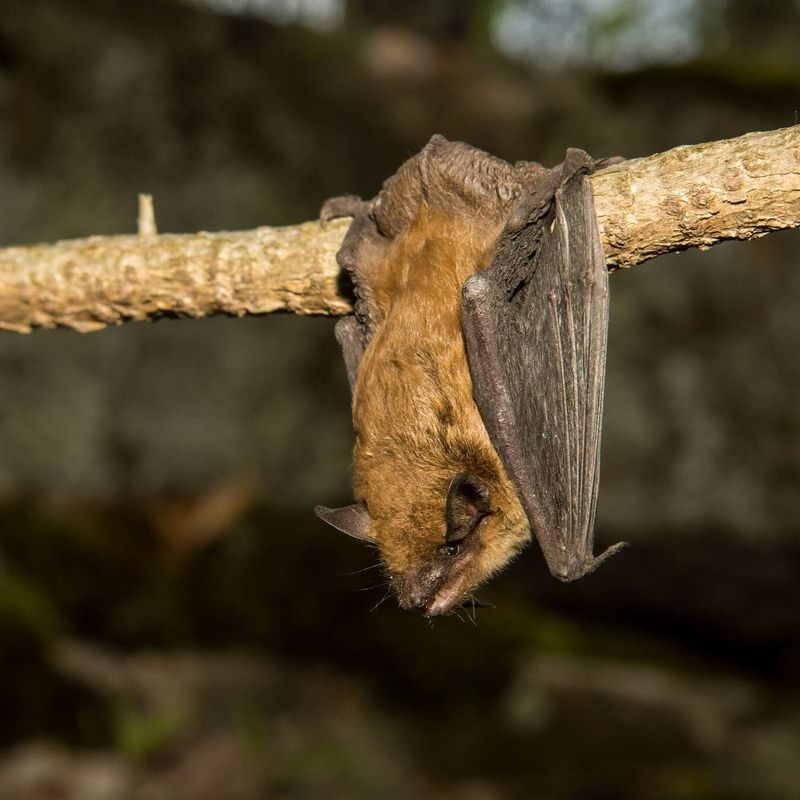
Not every bat you see at dusk has a permanent address in your neighborhood. Many are foragers covering a regular nightly route, checking familiar spots and moving on when the insects thin out.
Bats establish foraging routes based on where food is reliable. A yard that had good mosquito activity last week may attract the same individuals again this week.
Routes shift as insect populations move or weather changes.
Migrating bat species add to the numbers during late summer and fall. Some bats travel hundreds of miles between seasonal ranges.
Georgia sits in a corridor used by several migratory species, so occasional visitors passing through are part of what makes evening bat-watching interesting this time of year.
Resident bats and migrants do not always look different to a casual observer. Both are small, fast, and erratic in flight.
Species differences are easier to spot by flight pattern, habitat preference, and timing rather than appearance alone.
Most bats you see are not a threat and are not targeting you. Erratic flight paths near people usually mean bats are chasing insects that happen to be nearby.
Staying calm and watching from a comfortable distance gives you a better view without disturbing their feeding rhythm. Bats are simply doing their job, and your yard happens to be a good place to do it.