What Arizona Gardeners Should Do Before Buying Large Nursery Plants In Summer
That oversized nursery plant might look like the perfect shortcut to an instant garden, but looks can fool you. Summer shopping feels exciting, especially when every colorful display promises fast results.
Before you spend your money, slow down and inspect more than the leaves.
Arizona heat exposes hidden problems much faster than many gardeners expect. A rootbound plant, weak stems, or dry soil can create weeks of frustration after you get home.
Take a closer look before loading anything into your car.
Those extra few minutes could save you from replacing an expensive plant before fall even arrives. The best purchase is not always the biggest one sitting out front.
Learn what deserves your attention before bringing any plant home this summer and avoid costly mistakes that are preventable altogether.
1. Check For Signs Of Heat Or Drought Stress
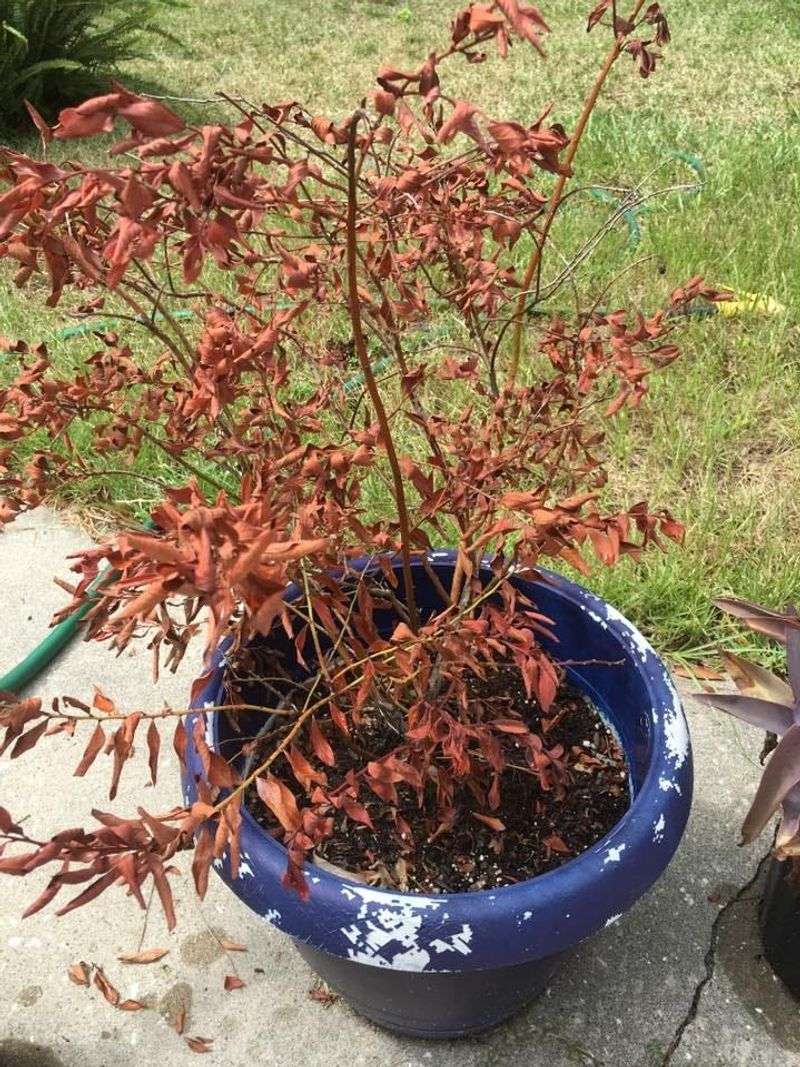
Wilted leaves on a nursery lot are a red flag you should not walk past. A plant under heat stress before you even get it home is already working against you.
Buying stressed plants in summer is one of the most common mistakes desert gardeners make.
Look at the leaves closely. Crispy brown edges, curling tips, or leaves that feel papery are signs the plant has been pushed too hard.
Some wilting in the afternoon is normal in extreme heat, but morning wilting is a different story.
Check if the soil in the container feels bone dry. Nurseries can get busy and watering schedules sometimes slip.
A large plant in a small container dries out fast when temperatures climb past 100 degrees.
Gently press the soil surface. It should feel slightly moist a few inches down.
If it feels like dust or pulls away from the container edge, that plant has been sitting without water too long.
Plants that have been stressed repeatedly may look okay on the surface but struggle after transplanting. Stress weakens root function and makes recovery harder during summer heat.
A plant that looks borderline at the nursery will face even tougher conditions once it moves to your yard.
2. Inspect The Root Ball Before Buying
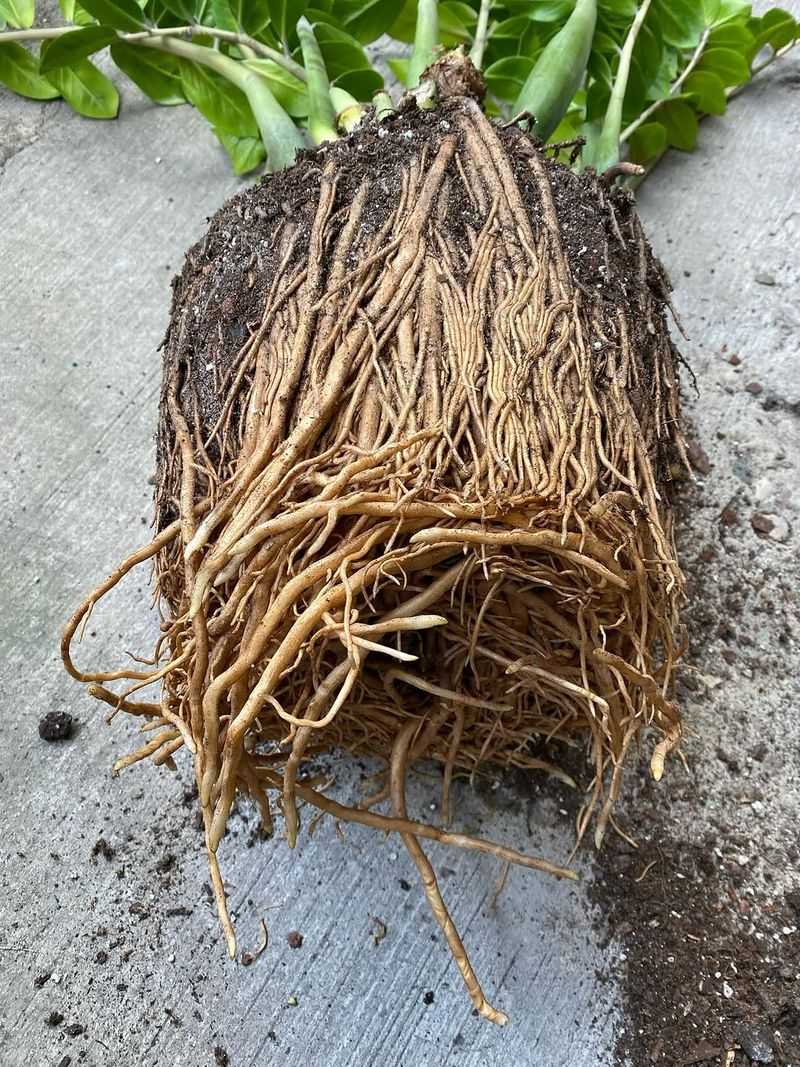
Roots tell the real story of a plant’s health, and most shoppers never bother to look. Sliding a plant slightly out of its container takes less than a minute and can save you from a costly mistake.
Strong roots mean a stronger start in your garden.
Watch for roots that circle the inside of the container. Circling or girdling roots can restrict water and nutrient flow over time.
A plant with heavily matted, spiraling roots will need extra attention during planting.
Healthy roots are usually white or light tan. Dark, mushy, or slimy roots can signal rot from overwatering or poor drainage.
Both issues are harder to fix once the plant is in the ground.
Look at root density too. A root ball that falls apart when you tip the container may mean the plant was recently potted and has not established in its container yet.
Those plants tend to struggle more during transplanting.
Your Arizona Garden Changes Every Week. Your Plan Should Too.
Gardening in Arizona changes quickly throughout the season. Every Friday you’ll receive a simple weekly plan showing exactly what to plant, prune, fertilize, harvest, and protect so you never miss the right timing.
On the flip side, a root ball that holds its shape firmly and shows white root tips peeking through the soil is a good sign. It means the plant has had time to develop properly.
In Arizona summers, root health matters more than almost anything else.
3. Look For Strong Stems And Healthy Leaves
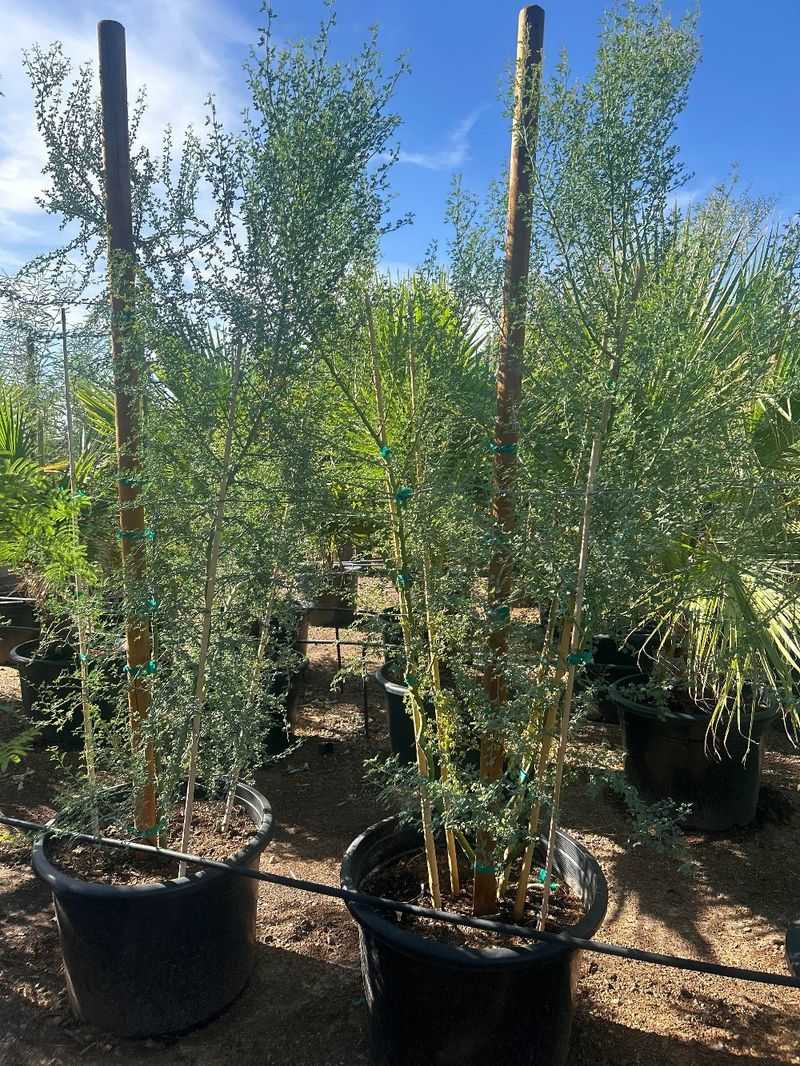
Stems and leaves are the first things most people notice, and for good reason. A plant with thick, upright stems is better equipped to handle transplant shock than one with weak, floppy growth.
Strength above ground usually reflects strength below it.
Avoid plants with stems that look stretched or leggy. That kind of growth often means the plant was reaching for light and not growing in ideal conditions.
Leggy plants tend to need extra support and take longer to settle after planting.
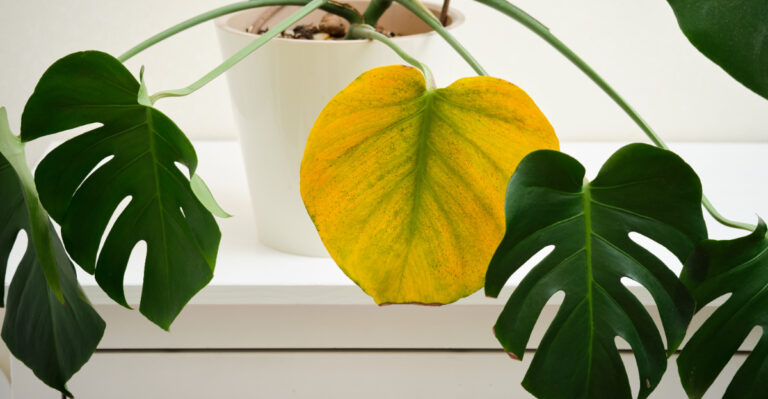
Check the leaves for consistent color. Yellowing between leaf veins can point to a nutrient deficiency.
Pale or washed-out leaves may mean the plant has been sitting in too much direct sun without enough water to keep up.
Run your fingers along a few stems. They should feel firm, not soft or mushy.
Soft stems near the base can be a sign of rot or disease starting to move in.
Healthy leaves should feel slightly firm and look full. Thin, translucent leaves that tear easily are a warning sign.
A plant going into the intense heat of an Arizona summer needs every advantage it can get, and starting with strong physical structure is part of that. Pick plants that look like they have been well cared for, not just surviving on the lot.
4. Avoid Plants Covered With Fresh Blooms
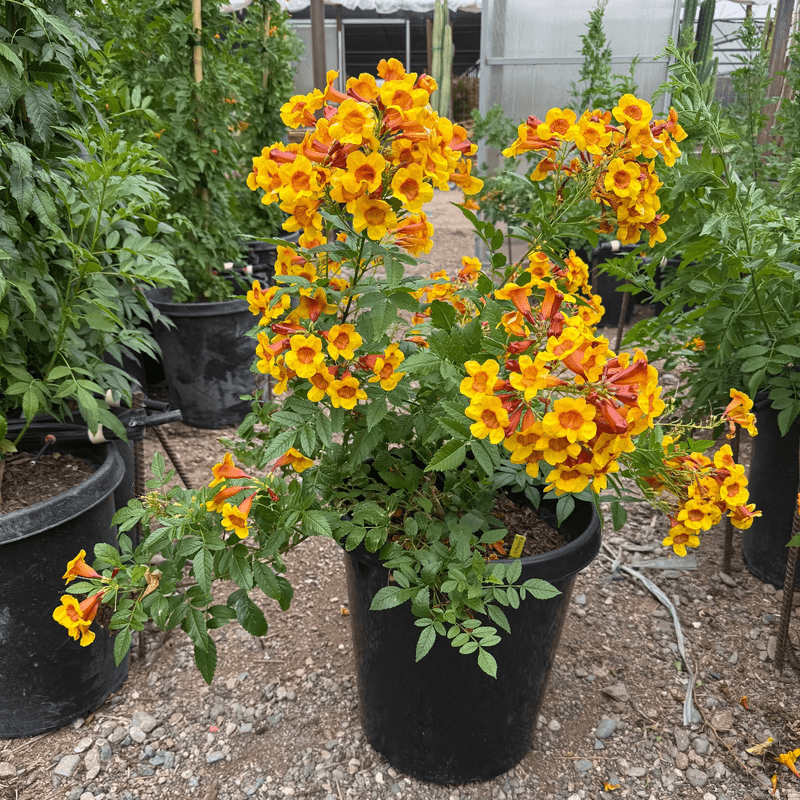
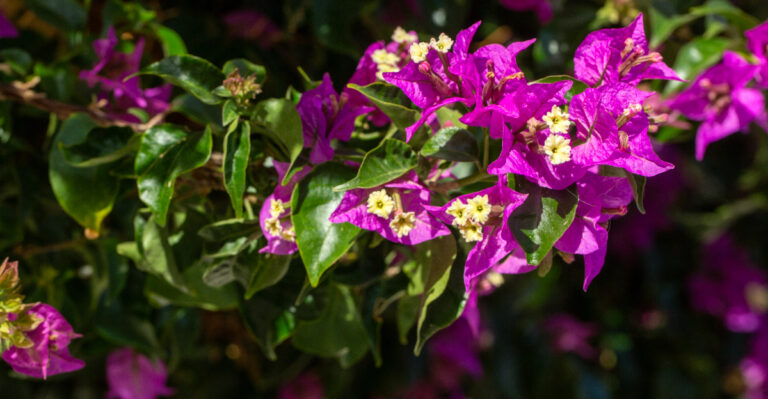
A plant loaded with flowers looks irresistible at the nursery, but all those blooms come at a cost. Flowering takes serious energy, and a plant already in full bloom has less to spend on developing new roots after transplanting.
In summer heat, that trade-off can be rough.
When a plant pushes energy into flowers, it pulls resources away from root growth. New roots are exactly what your plant needs most after going into the ground.
Without strong root development early on, the plant has a harder time pulling up water during extreme heat.
Look for plants that show healthy buds or early-stage blooms rather than a full flush of open flowers. Buds mean the plant has not yet peaked and still has energy in reserve.
That leftover energy gets redirected into root establishment once the plant is in the ground.
Deadheading some flowers at planting time can also help redirect the plant’s focus. It is a simple step that many gardeners skip but can genuinely support faster establishment.
Full bloom does not mean a bad plant, but it does mean extra care is needed right after planting. Water more frequently in the first few weeks and keep a close eye on soil moisture.
Shade cloth can also help reduce stress during that critical window.
5. Check For Insects Or Disease
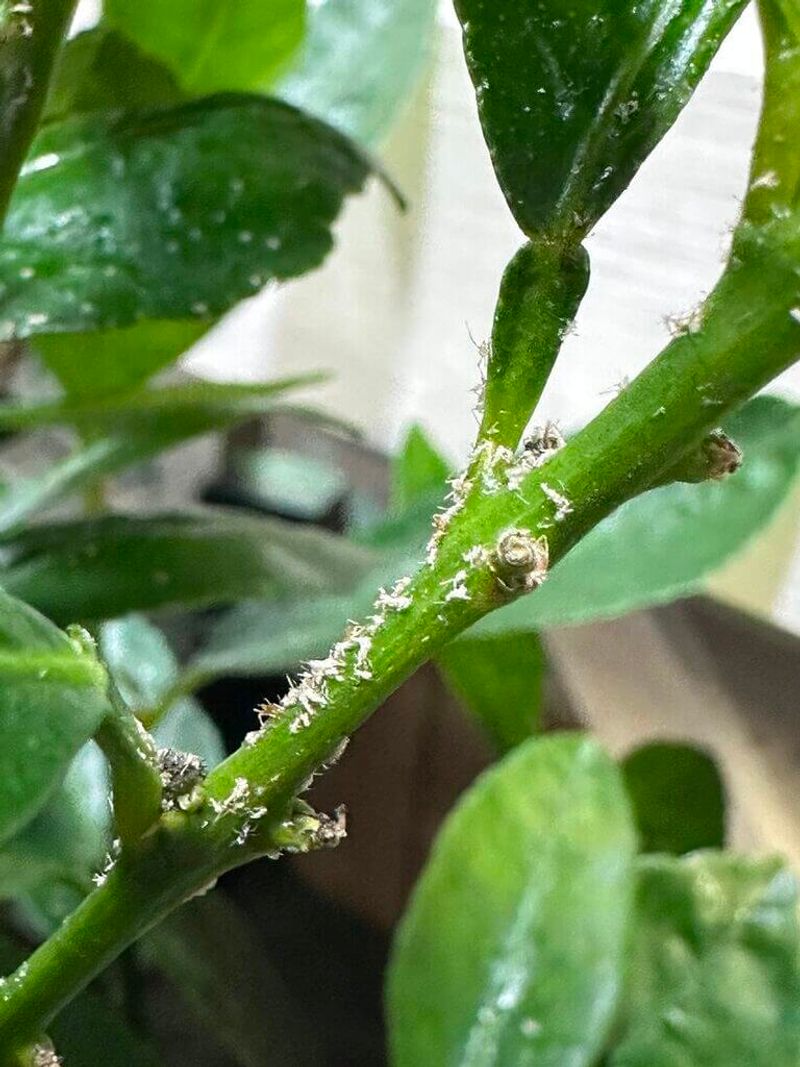
Bugs and disease do not stay where you find them. Bringing home an infested plant puts everything else in your garden at risk.
A few minutes of careful inspection at the nursery is worth far more than weeks of trying to manage a problem after the fact.
Flip some leaves over and look at the undersides. Spider mites, aphids, and whiteflies often hide there.
Tiny webbing, sticky residue, or clusters of small dots are signs something unwanted has moved in.
Check the stems near the base and at the joints where branches meet. Scale insects look like small bumps and can be easy to miss if you are not looking carefully.
They drain a plant’s energy slowly and can spread to neighboring plants.
Look for spots, lesions, or fuzzy growth on leaves or stems. Fungal issues can develop even in dry desert climates, especially when plants are crowded on nursery lots without good airflow.
Discolored patches or sunken areas on stems are also worth a second look.
Nurseries generally work hard to keep their stock healthy, but no lot is completely free of pests. Checking before you buy is just smart practice.
If you spot any signs of infestation or disease, choose a different plant. Healthy neighbors in your garden are worth protecting.
6. Choose Plants That Match Your Growing Conditions
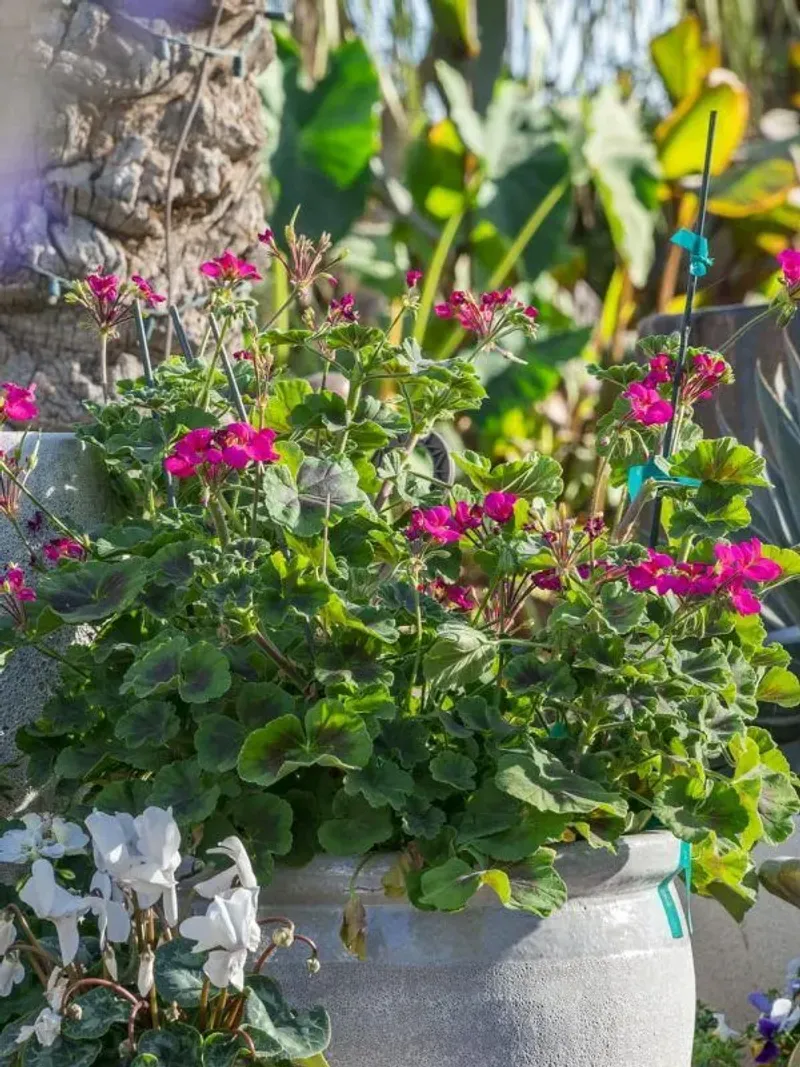
Not every plant that looks great at the nursery will thrive in your specific yard. Sun exposure, soil type, drainage, and water availability all shape what actually survives and grows well.
Matching the plant to your conditions from the start is one of the smartest moves you can make.
Start by knowing how much direct sun your planting spot gets. Some plants labeled as sun-tolerant still prefer afternoon shade in the desert, especially during peak summer months.
Planting a shade-preferring plant in full western exposure can set it back significantly.
Soil matters more than most people realize. Caliche layers, sandy soil, and heavy clay all create different drainage patterns.
A plant that needs good drainage placed in compacted soil will struggle, regardless of how well you water it.
Water availability is another honest factor to think about. Low-water-use plants native to the Southwest are generally more forgiving during the hottest months.
Exotic plants that need frequent moisture can work, but they require more consistent attention and irrigation.
Read plant tags carefully and ask nursery staff questions. Most knowledgeable staff can tell you which plants perform well locally.
In the desert Southwest, selecting species adapted to heat and low humidity gives you a practical advantage.
A plant that fits your yard’s natural conditions needs less corrective care and tends to establish more reliably during challenging summer conditions.
Choose with your actual yard in mind, not just the look of the plant.
7. Prepare The Planting Site Before Bringing It Home
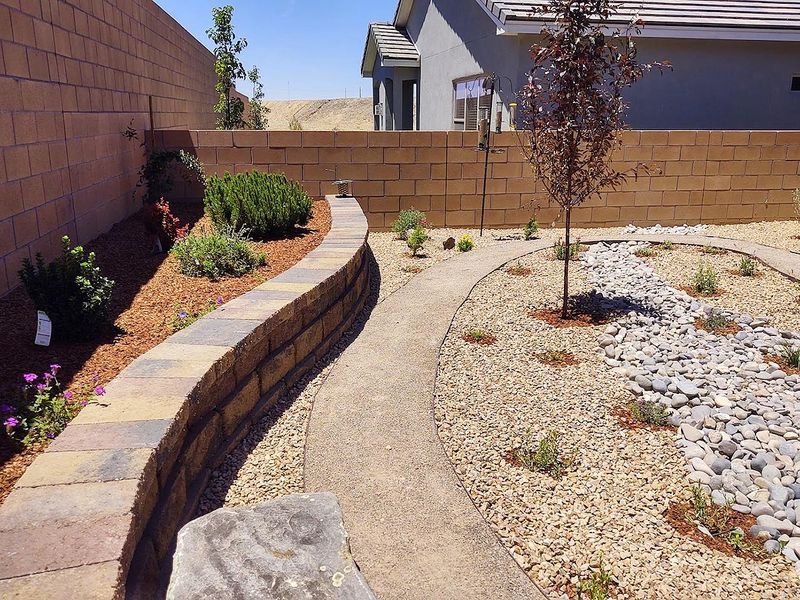
Getting the planting hole ready before the plant arrives is one of the most practical things you can do. A plant sitting in its container on a hot patio while you scramble to dig a hole is already losing moisture fast.
Having everything set up in advance makes the whole process smoother.
Dig the hole two to three times wider than the root ball but only as deep as the container. Planting too deep is a common mistake that can cause problems with moisture around the base of the stem.
Width matters more than depth for encouraging roots to spread outward.
Break up any compacted soil around the sides of the hole. Loosened soil makes it easier for roots to push outward into the surrounding ground.
Hard, compacted edges can slow root expansion significantly.
Water the hole before placing the plant in it. Letting that water soak in gives the surrounding soil some moisture to offer the new root ball right away.
Pre-wetting also helps reduce the shock of moving from a moist container into dry ground.
Prepare any mulch you plan to use before planting day. A few inches of organic mulch spread around the base after planting helps hold soil moisture and moderate temperature.
In intense summer heat, mulch can make a real difference in how quickly a new plant settles in.