Why Seeing A Luna Moth In A Florida Yard Is Considered Unusual And Worth Noting
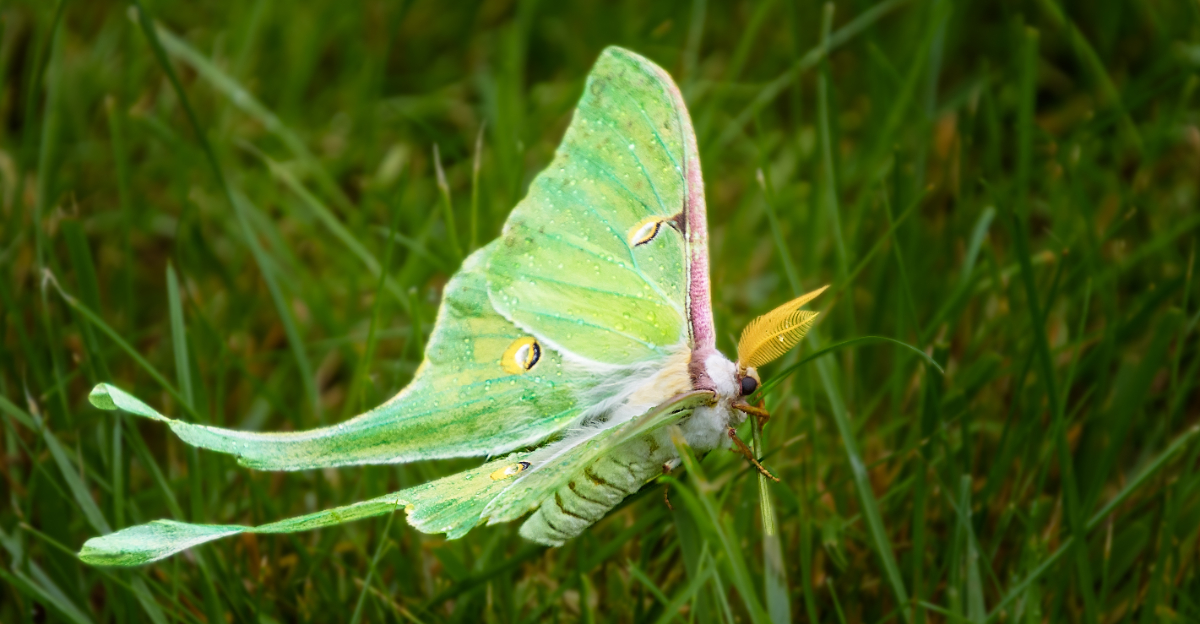
Luna moths are not Florida regulars. They exist here, but a backyard sighting is the kind of thing that gets photographed, shared, and talked about in ways that a monarch butterfly or a swallowtail never quite generates.
There is a reason for that reaction. It is not just the color or the size.
Luna moths in Florida occupy a narrow ecological corridor. The conditions they need, the host trees they depend on, the night environment that supports them, are not common in most yards.
A sighting means something specific about the landscape that produced it. It also means something about timing.
Luna moths have a short adult lifespan. Seeing one is a window that closes fast.
What brought a luna moth to a Florida yard, what it says about the plants growing there, and why the sighting is worth more than a photograph is a story worth knowing fully.
1. Adult Luna Moths Do Not Stay Around Long
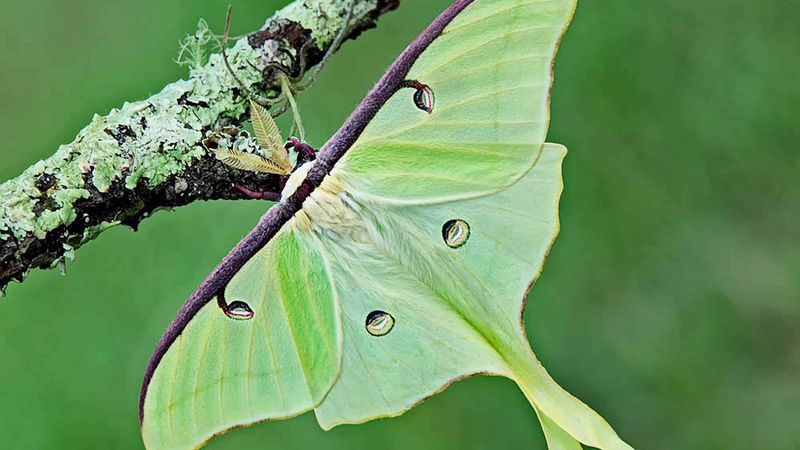
Spotting a luna moth on your Florida porch or garden wall is the kind of moment that catches you off guard. The adult stage of a luna moth lasts only about one week, sometimes less.
That brief window exists for one purpose: finding a mate and completing the reproductive cycle.
Once a luna moth emerges from its cocoon, it does not have much time. Mating happens quickly, and adults may rest quietly during the day on tree bark, screens, or garden surfaces.
Most people never notice them at all, which is why a clear sighting feels worth noting.
Calling a luna moth sighting unusual does not mean it is impossible or an extreme statewide rarity. In warmer parts of this state, luna moths can produce more than one generation per year.
But the adult stage is so short that most people simply miss it. Seeing one means your timing was right.
It also means the moth completed its earlier life stages nearby, which points to something positive about the surrounding habitat. Take a photo from a respectful distance and let the moth continue its natural cycle undisturbed.
2. Night Flight Makes Sightings Easy To Miss
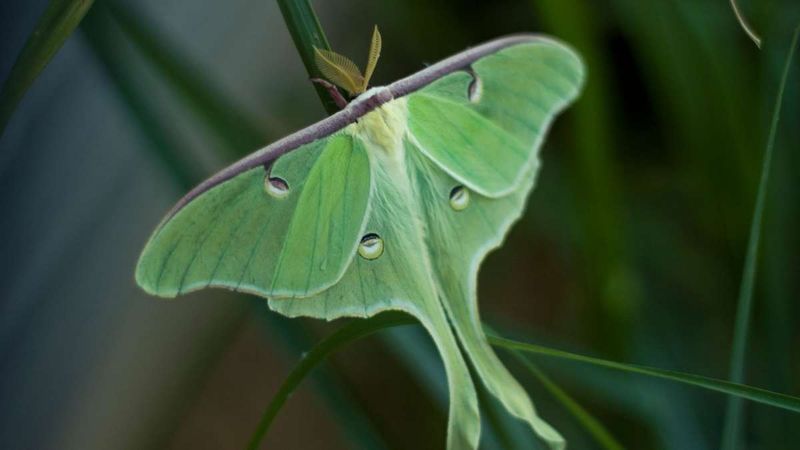
Most of us are indoors when luna moths are most active. Adults fly at night, navigating in darkness with quiet, unhurried wingbeats.
By the time the sun rises, they have often settled somewhere out of plain sight, pressed against bark or tucked against a wall.
Nocturnal behavior is the main reason these moths go unnoticed even when they are present. A luna moth resting on a garage wall or fence post during the day can look like a leaf or a smudge of pale color.
Many people walk right past without recognizing what they are seeing.
Sightings tend to happen near porches, window screens, or outdoor walls where the moth has landed after a night of flying. A neighbor might mention seeing something unusual near a light fixture, and that description often matches a luna moth.
If you do spot one resting quietly, resist the urge to touch or move it. Observe from a comfortable distance and snap a clear photo.
Then check a credible identification resource like UF/IFAS Extension or the Florida Museum. That simple step adds real value to your observation.
3. Pale Green Wings Stand Out For A Reason
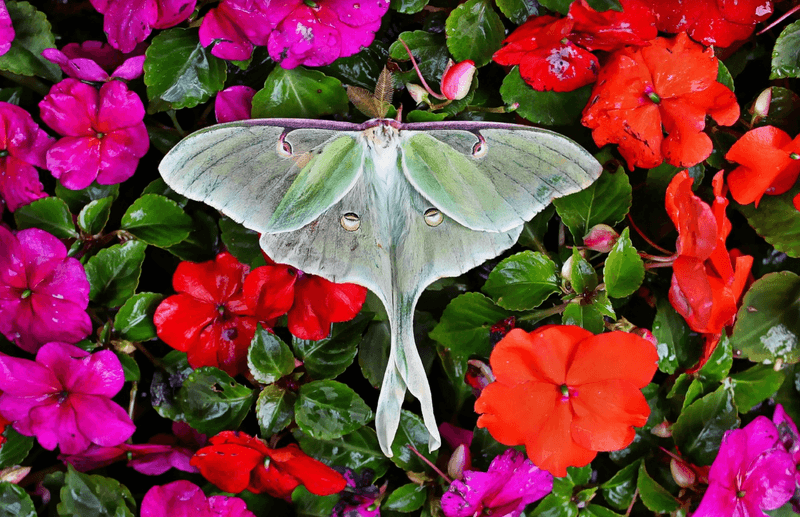
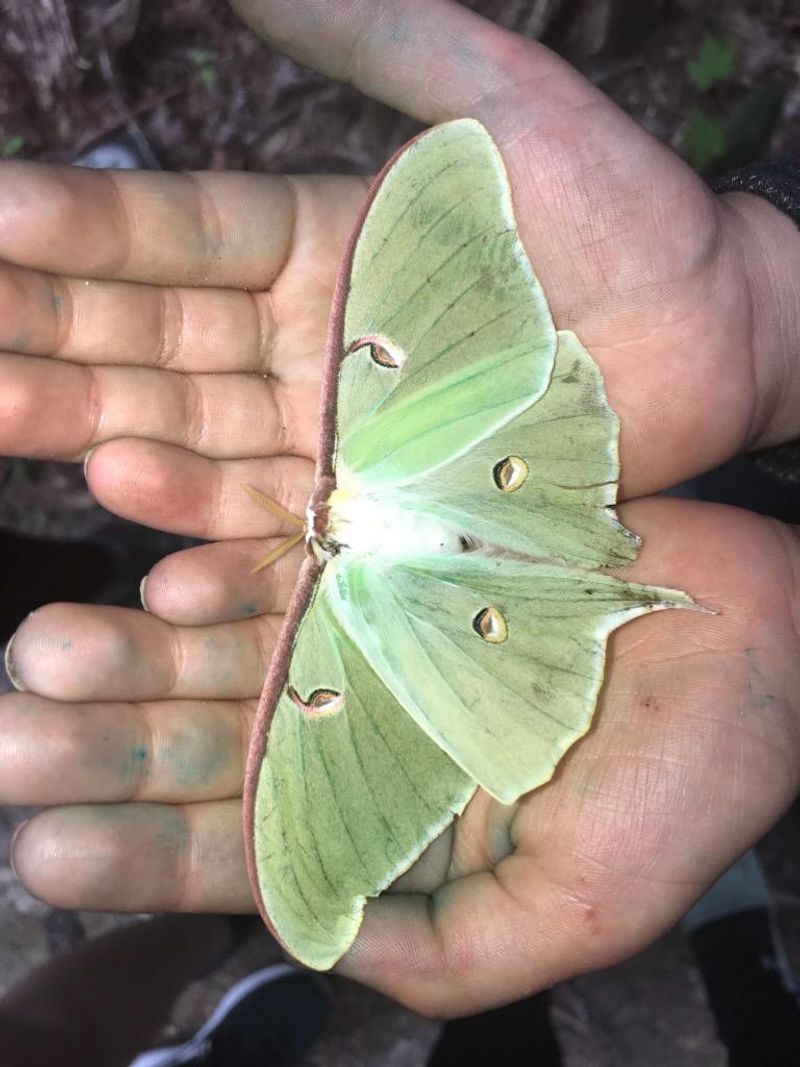
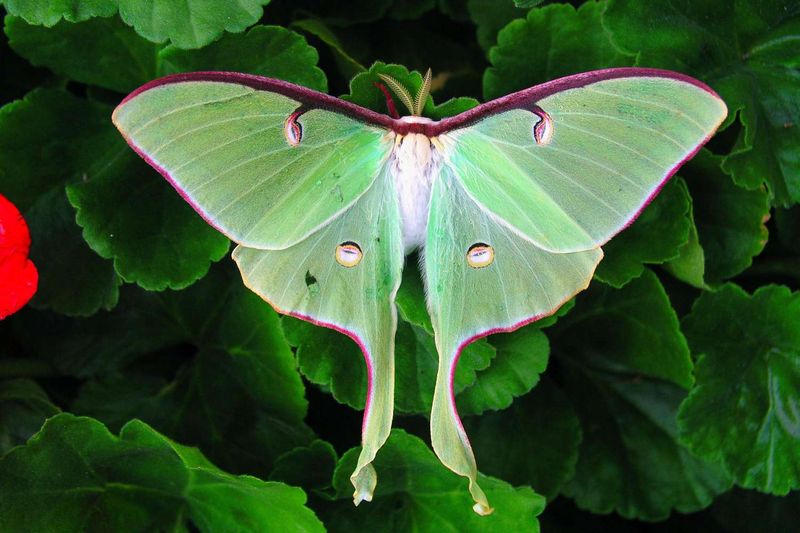
Few insects in a Florida yard come close to matching the look of a luna moth. The wings are a soft, pale lime green with long, graceful tails that sweep behind the lower wings.
Each wing also carries a small eyespot, which is a circular marking that can startle a predator and give the moth a brief chance to escape.
Adult luna moths are large compared to most moths people encounter near a porch light. The wingspan can reach around four inches, making them hard to confuse with smaller common moths.
That size, combined with the distinctive color and tails, is usually enough for a confident identification.
Still, lighting conditions at night can make colors look different than they appear in daylight photos. If you are unsure about an identification, the Florida Museum and UF/IFAS Extension both offer reliable insect identification resources.
A clear photo taken from a short distance works well for comparison. Avoid using a flash directly on the moth, as sudden bright light can startle it.
The pale green wings are among the most recognizable features of any moth in this region. Recognizing them correctly helps you appreciate the sighting fully.
4. Host Trees Matter More Than Flowers
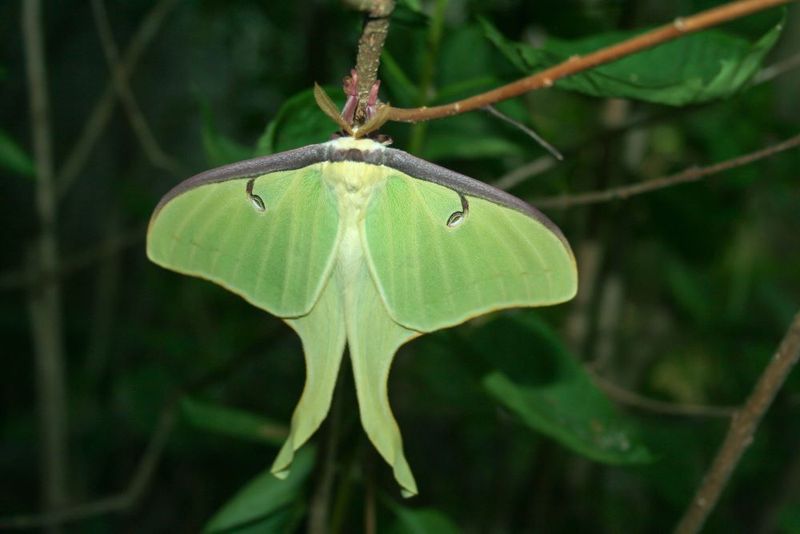
Supporting luna moths in your yard has very little to do with planting flowers. Adult luna moths do not visit blooms for nectar.
They do not feed at all during the adult stage. The real support happens earlier, during the caterpillar stage, when the larvae need specific host trees to feed on.
Luna moth caterpillars have been documented feeding on leaves from trees such as sweetgum, hickory, walnut, and persimmon, among others. These are broadleaf trees, not ornamental flowers or vegetable gardens.
If any of these trees grow in or near your yard, they may already be providing quiet support to luna moth generations without you realizing it.
Protecting those trees matters more than adding a new garden bed. Avoid unnecessary pruning during the seasons when caterpillars may be present.
Resist the urge to remove leaf litter at the base of host trees, since it can provide shelter during the pupal stage. Florida native and appropriate broadleaf trees are long-term investments in local habitat.
If you are unsure which trees in your yard might qualify as host plants, your county extension office can point you toward verified regional resources. Keeping those trees healthy is one of the most meaningful things you can do after a luna moth sighting.
5. Porch Lights Can Reveal A Hidden Visitor
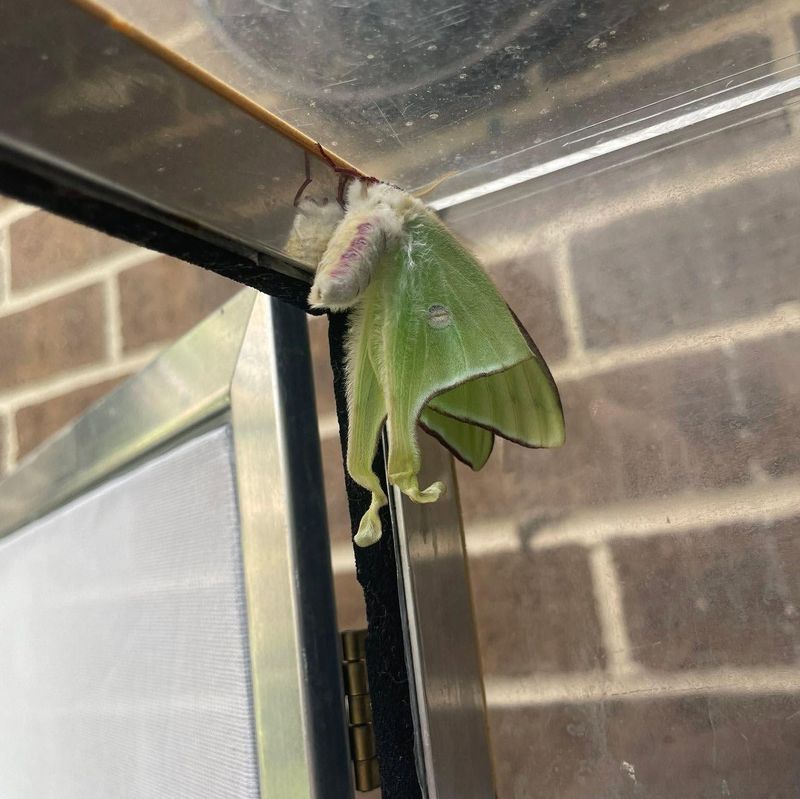
Outdoor lights are often how people first notice a luna moth. The moth lands on a screen, a wall, or near a light fixture, and the pale green wings catch someone’s eye just before they head inside for the night.
That chance encounter is one of the more common ways a sighting happens.
Artificial light does make these moths easier to spot, but that does not mean lights are good for them. Research on night insects has shown that artificial lighting can disrupt natural behaviors, including flight patterns and mating activity.
Moths drawn repeatedly to bright lights may exhaust energy they need for reproduction.
A balanced approach works better than either leaving every light on or eliminating outdoor lighting entirely. Motion-sensor lights that stay off when no one is outside reduce unnecessary exposure.
Warmer-toned bulbs tend to attract fewer insects than cooler, brighter options. Shielding light fixtures so they point downward rather than outward also helps.
After you observe a luna moth near a light, consider turning off that fixture for the rest of the night. The moth will likely remain nearby and continue its cycle without the disruption.
Small adjustments to outdoor lighting can make a real difference for luna moths and many other night insects sharing your yard.
6. Adults Do Not Feed Once They Emerge
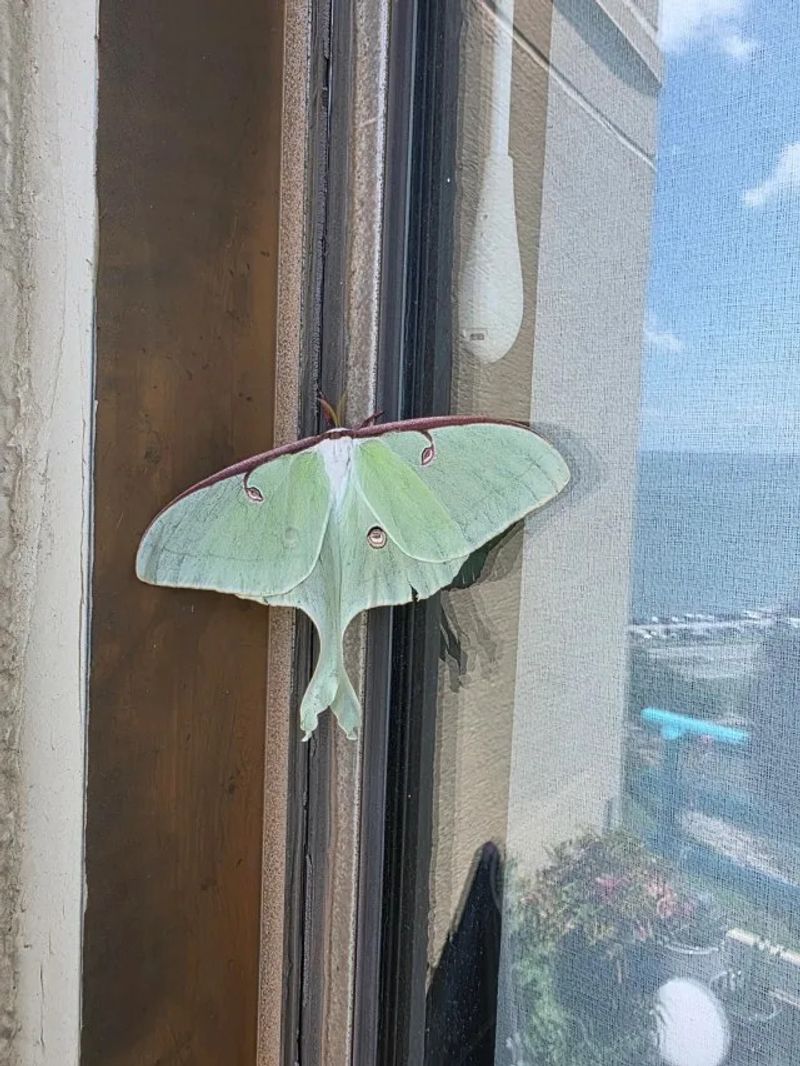
One of the most surprising things about adult luna moths is that they cannot eat. Their mouthparts are reduced and nonfunctional once they emerge from the cocoon.
All the energy an adult needs to fly, find a mate, and complete its reproductive role comes entirely from what the caterpillar stored during its feeding stage.
This means that if you find a luna moth resting quietly on your porch, offering it sugar water, fruit juice, or any homemade mixture will not help. The moth has no way to consume it.
Well-meaning attempts to feed a resting luna moth are unnecessary and could cause stress or harm if the moth is disturbed.
The best thing you can do is observe without interfering. A resting adult is conserving energy, waiting for the right conditions to continue its short adult life.
That stillness is completely normal. The caterpillar stage did all the nutritional work, and the adult stage is focused entirely on reproduction.
Understanding this part of the life cycle makes the sighting even more fascinating. You are watching the final chapter of a remarkable process that began weeks or months earlier on a host tree somewhere nearby.
Respect that process by keeping your distance and letting the moth rest undisturbed.
7. Pesticides Can Remove The Next Generation
Caterpillars feeding on tree leaves can look alarming, especially when the chewing is visible and widespread. The instinct to spray is understandable.
But using a broad pesticide before identifying the insect can remove beneficial species along with actual pests.
Luna moth caterpillars are large, green, and blend in well with foliage. They feed on host tree leaves, and that feeding is part of a natural process.
Minor leaf damage from a caterpillar that will eventually become a beautiful adult moth is not a reason to treat an entire tree. Bug zappers can also catch moths, including luna moths, which makes them a poor choice near habitat you want to support.
Integrated pest management is a smarter approach. Correct identification comes first.
If you are unsure what is feeding on a plant, contact your county extension office or submit a photo through UF/IFAS resources before treating anything. Reserve pesticide use for confirmed problems that require it, and follow label directions carefully.
Broad or random spraying affects caterpillars, beneficial insects, and the food sources that wildlife depends on. Protecting the next generation of luna moths means being thoughtful about what gets sprayed, when, and why.
A little patience with leaf damage can go a long way.
8. A Luna Moth Visit Means Habitat Is Nearby
Finding a luna moth in your yard is a quiet signal that something nearby is working well. Adults do not travel enormous distances without reason.
A sighting near your home suggests that host trees, wooded edges, or natural areas within the surrounding landscape are still supporting moth life cycles.
Your yard alone may not have produced the moth. A neighboring lot, a nearby park, or a wooded strip along a fence line could all be contributing habitat.
The important takeaway is that the landscape around you still has enough connected green space to support a species with specific habitat needs.
You can help maintain that by making thoughtful choices. Protect any host trees on your property by avoiding unnecessary removal or heavy pruning.
Leave leaf litter in low-traffic areas where it can shelter pupae and other ground-level wildlife. Reduce unnecessary outdoor lighting and skip the bug zapper.
Choose pesticides carefully and only when truly needed. These are small, practical steps that add up over time.
A luna moth sighting is a reminder that even ordinary yards can be part of a larger living system. Treating that system with care, one tree, one light switch, and one careful pest decision at a time, keeps the door open for future sightings worth noting.