How To Get Florida Plumeria Ready For Its Winter Rest
Plumeria handles its winter shutdown fine on its own, right up until a Florida grower gets the timing wrong.
This plant runs on a dramatic seasonal switch, and getting it there smoothly takes more than just letting nature take its course.
Potted plumeria especially needs a completely different approach than one settled into the ground, something most people don’t realize until their plant’s already struggling.
A couple of care adjustments matter more than anything else right now, and timing them wrong either stresses the plant too early or sets it up for a rough comeback once it wakes back up.
Start paying attention to what your plumeria’s actually asking for instead of waiting for leaves to drop first. A smoother shutdown now usually means a stronger bloom later.
1. Expect Leaves To Drop As Plumeria Goes Dormant
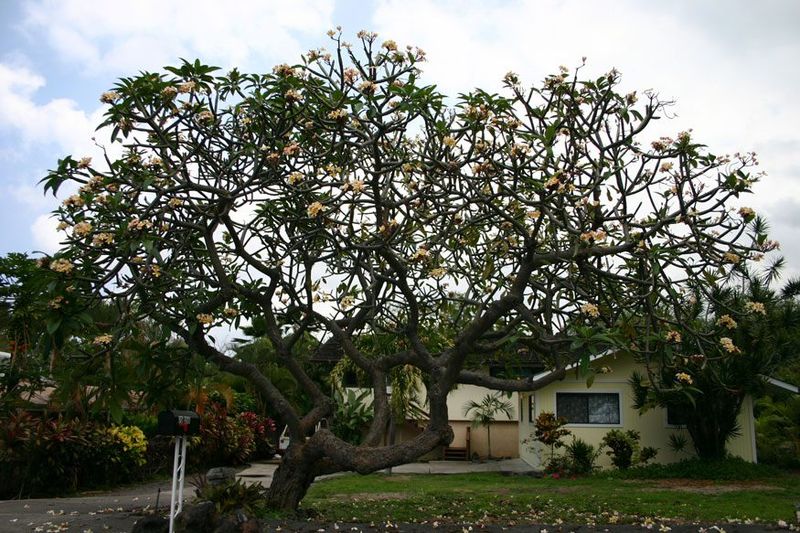
Every fall, a quiet panic spreads through Florida neighborhoods. Gardeners look out the window, see yellow leaves piling up, and wonder if their favorite tree is in trouble.
Take a deep breath, because this is perfectly normal. Plumeria naturally slows down when the days grow shorter and the air turns cool.
Think of it like a bear heading into its cave. The plant pulls energy back into its thick stems and lets go of leaves it no longer needs.
Leaves usually turn yellow first, then brown at the edges. After that, they drop one by one until the branches look bare and stubby.
Some types act a little differently, though. Plumeria from very warm tropical places may hold onto their leaves longer or skip the resting period almost entirely.
So if your neighbor’s tree is bare while yours stays leafy, that is fine too. Each plant has its own habits, just like people do.
The best thing you can do is watch and stay calm. Avoid pulling healthy leaves off early, since the plant is still taking in nutrients from them.
Fun fact: in Hawaii, plumeria flowers are a favorite for making leis. That same plant in your yard simply needs a winter break to recharge for next summer’s show.
2. Bare Stems Keep Working Through Winter
Here is a little secret that surprises most new growers. Those naked branches are not just sitting around doing nothing all winter long.
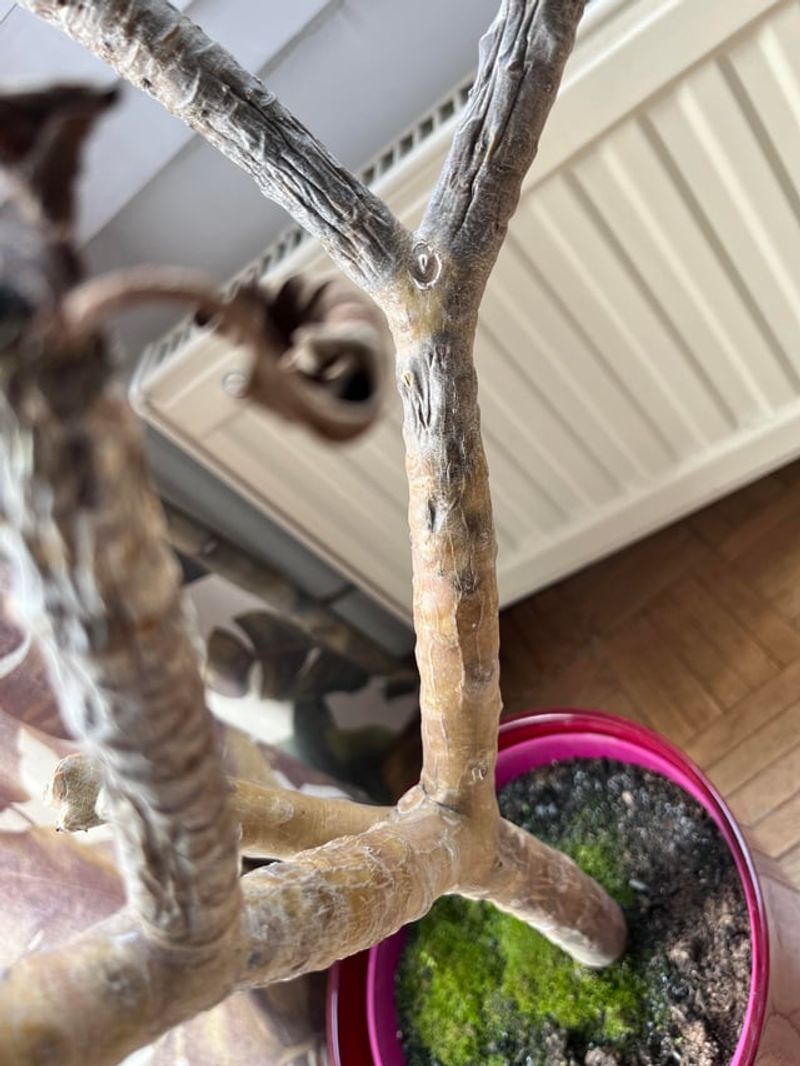
Plumeria stems are thick, smooth, and often a little green under the gray. That green color is a clue that the plant is still busy making food.
Much like a cactus or other succulent, plumeria can carry out photosynthesis right through its stems. Sunlight hits the bark, and the plant quietly turns that light into energy.
This is a big reason why the plant bounces back so well in spring. It has been storing up power for months while looking bored.
You can check how your plant is doing with a quick squeeze test. Healthy stems feel firm, like a fresh carrot, rather than soft or wrinkly.
A little wrinkling can happen during the dry season, and it is usually nothing to stress about. Mushy or blackened spots, however, deserve a closer look.
Your Florida Garden Changes Every Week. Your Plan Should Too.
Gardening in Florida changes quickly throughout the season. Every Friday you’ll receive a simple weekly plan showing exactly what to plant, prune, fertilize, harvest, and protect so you never miss the right timing.
Try to keep weed trimmers and lawn mowers away from the trunk. Bumps and scrapes on the bark make it harder for those stems to do their winter job.
So next time a friend says your tree looks sad, smile and explain. Your plumeria is working the night shift, saving up for a bright summer.
3. Rake Up Fallen Leaves To Cut Down On Rust
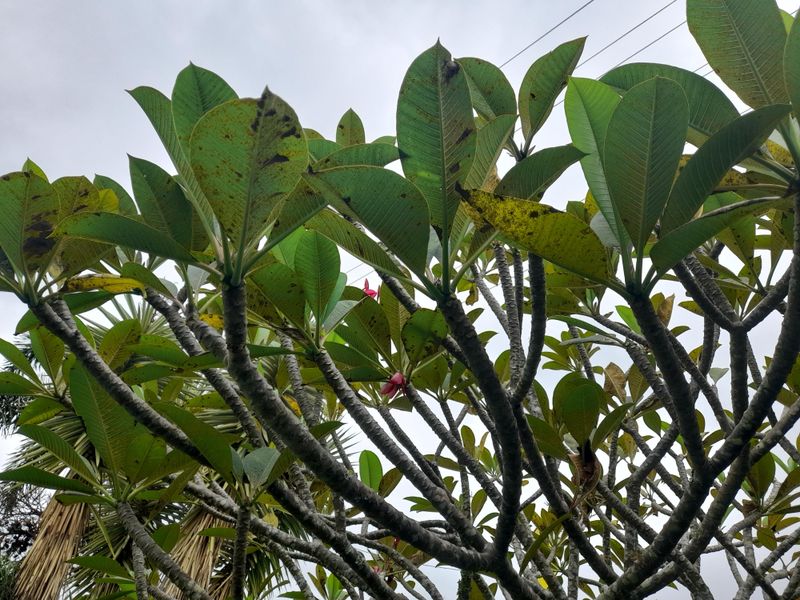
Flip over a plumeria leaf in late summer, and you might spot tiny orange dots. That powdery stuff is plumeria rust, a common fungus in Florida’s sticky, rainy weather.
Rust does not just vanish when leaves fall. The fungus can hang out on those old leaves on the ground, waiting to spread again next year.
That makes cleanup one of the smartest chores you can do this season. Grab a rake, a pair of gloves, and a sturdy trash bag.
Gather up every fallen leaf you can find under and around the plant. Pay extra attention to leaves with orange or brown speckles on the underside.
Skip the compost pile for these leaves, though. Most home compost piles do not get hot enough to stop the fungus, so bag them and toss them instead.
While you are out there, pull weeds growing near the trunk. Weeds trap moisture and block airflow, which gives fungus a comfy place to grow.
Give your plants some elbow room too. Crowded plumeria share germs easily, while spaced-out plants dry faster after a rainstorm.
Picture it like cleaning your room before a sleepover. A tidy space now means fewer surprises when fresh leaves pop out in spring.
4. Know Your Zone Before The First Cold Snap
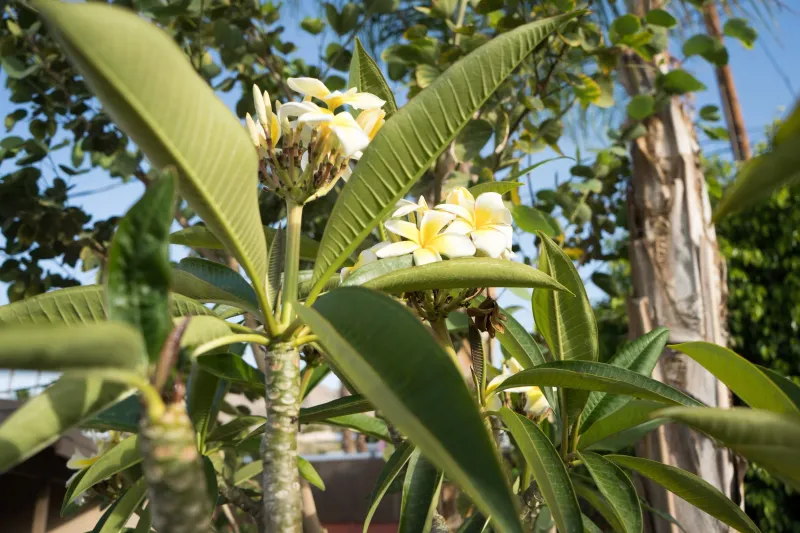
Florida may be the Sunshine State, but winter feels very different in Miami than in Ocala. That is where hardiness zones come in handy.
The USDA splits the country into zones based on the coldest temperatures each area usually sees. Plumeria grows happiest in Zones 10B and 11, the warmest parts of South Florida.
Much of inland Central Florida sits in Zone 9B. Plants there can often grow in the ground, but they usually need frost protection on chilly nights.
Things get trickier in Zone 9A and the cooler areas further north. In those spots, growing plumeria in containers is often the wisest plan.
Pots let you roll your plant indoors when the weather turns rough. Think of it as giving your plumeria a ticket to a warm hotel room.
Finding your zone takes about one minute. Just type your zip code into the USDA Plant Hardiness Zone Map online, and the answer pops right up.
Keep in mind that your yard may have its own little climate. A spot near a warm brick wall may stay cozier than an open, low area where cold air settles.
Knowing your zone before the first cold front helps you plan ahead. A little homework now saves a lot of worry later.
5. Bring Potted Plumeria Inside Before A Freeze
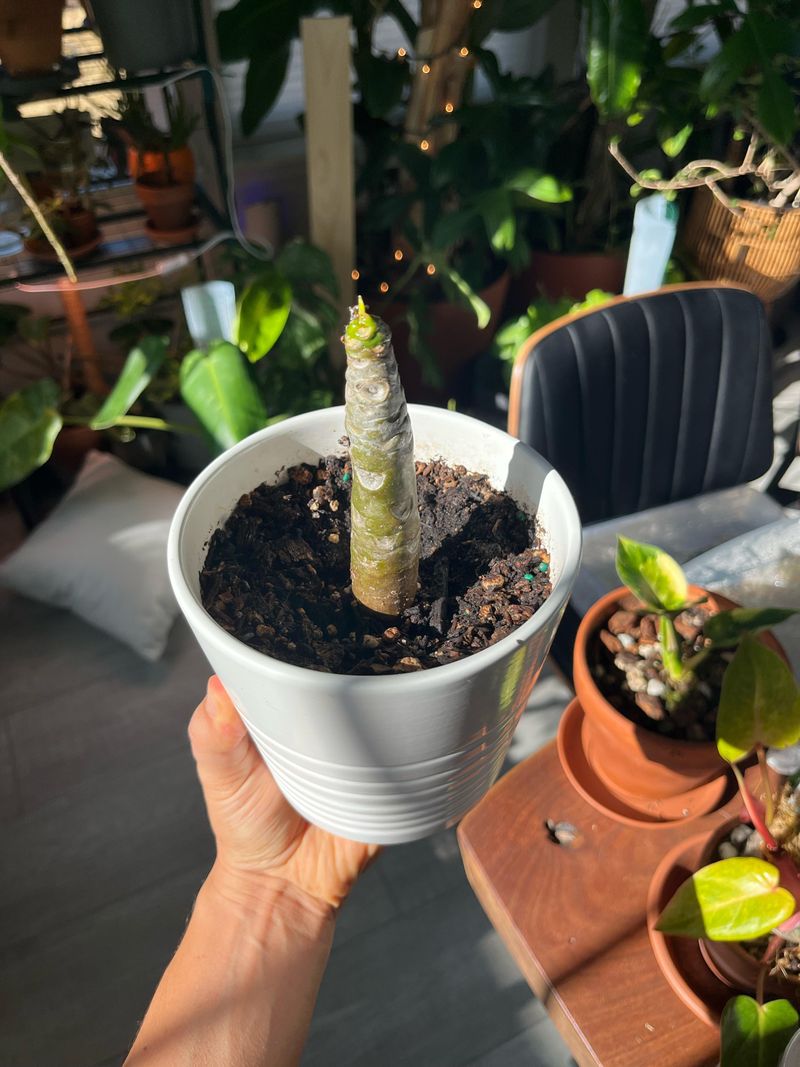
The weather app flashes a warning, and suddenly it is 38 degrees outside. If your plumeria lives in a pot, now is the moment to act.
Plumeria starts to feel stressed once temperatures slip below 40 degrees. At 32 degrees, real freeze damage can begin, especially on tender branch tips.
Moving potted plants indoors is the easiest fix. A garage, spare room, or enclosed porch works great because it blocks cold wind and soggy rain.
Here is the fun part: a resting plumeria does not need light while stored. You can tuck it in a corner of the garage, and it will snooze happily.
Before you move it, check the soil with your finger. Dry soil is best, since wet roots sitting in a cool room can start to rot.
Stop watering a week or two before you expect to bring it inside. A light sip once a month is usually plenty during storage.
Heavy pot? A plant dolly with wheels can save your back and your weekend plans.
Once warm spring days return and nighttime lows stay above 50 degrees, roll your plant back outside. Give it a few days in partial shade first so it can adjust to the bright sun again.
6. Hold Off On Pruning And Fertilizing
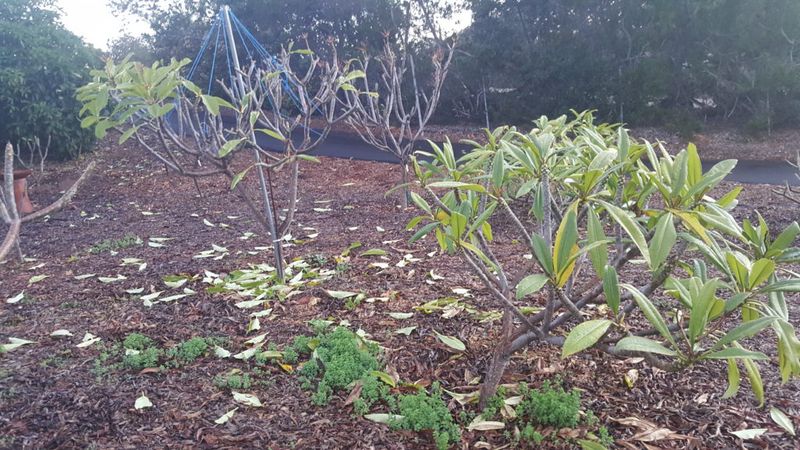
Feeding a sleepy plant is a bit like handing a toddler candy at bedtime. It sounds sweet, but nobody gets much rest afterward.
Fertilizer tells plumeria to grow, and new growth in winter is soft and easily hurt by cold. That is why experts suggest stopping fertilizer 30 to 45 days before cool weather arrives.
For most of Florida, that means putting the plant food away sometime in early fall. Mark it on your calendar so you do not forget.
Feeding during dormancy can also stress the plant. Its roots are not taking up much, so extra nutrients may just sit in the soil.
Wait until you spot fresh leaves in spring before feeding again. Those little green tips are your plant’s way of saying it is hungry.
Pruning follows a similar rule. Cutting branches in autumn can wake the plant up and trigger tender shoots right before chilly nights.
The sweet spot for pruning is late winter or early spring, before new growth starts. At that point, the plant can heal quickly and branch out nicely.
So for now, set the shears and the fertilizer bag on the shelf. Patience is the best tool in your gardening kit this season.
7. Drape Frost Cloth All The Way To The Ground
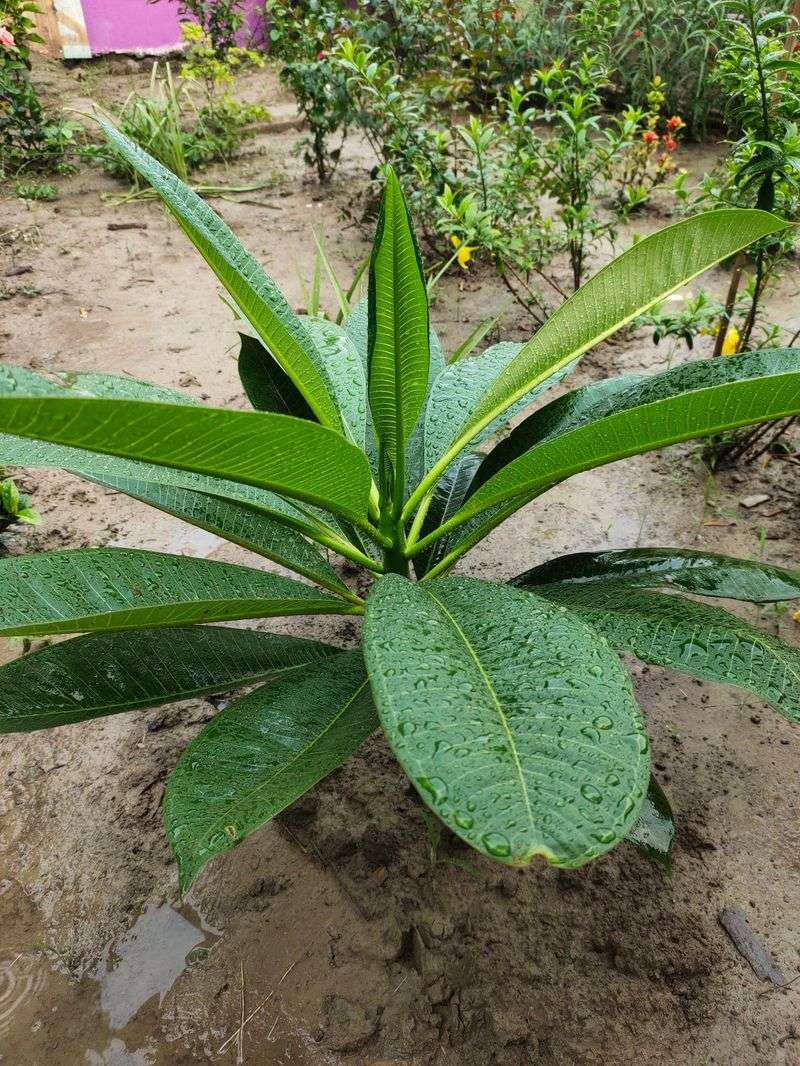
Imagine wearing a cozy winter coat that stops at your belly button. You would still feel chilly, right?
Plants feel the same way when a cover does not reach the ground. Warmth rises from the soil at night, and a full-length cover traps that heat around the plant.
For plumeria planted in the yard, frost cloth is your best friend. Drape it over the whole plant and let it fall all the way to the dirt.
Hold the edges down with clips, rocks, or bricks so wind cannot sneak underneath. A loose flap can let cold air rush in and undo your hard work.
Frost cloth is light and breathable, which means it can stay on day and night. That is handy during a long cold spell when you do not want to fuss with it.
Want a little extra warmth? Old-style incandescent Christmas lights strung under the cover give off gentle heat.
Newer LED lights stay cool, so they will not help much here. Check your storage boxes for those older bulbs.
Many garden centers sell frost cloth by the roll in fall. Buy it early, because shelves can empty fast when the first freeze warning hits the news.
8. Skip Plastic Covers
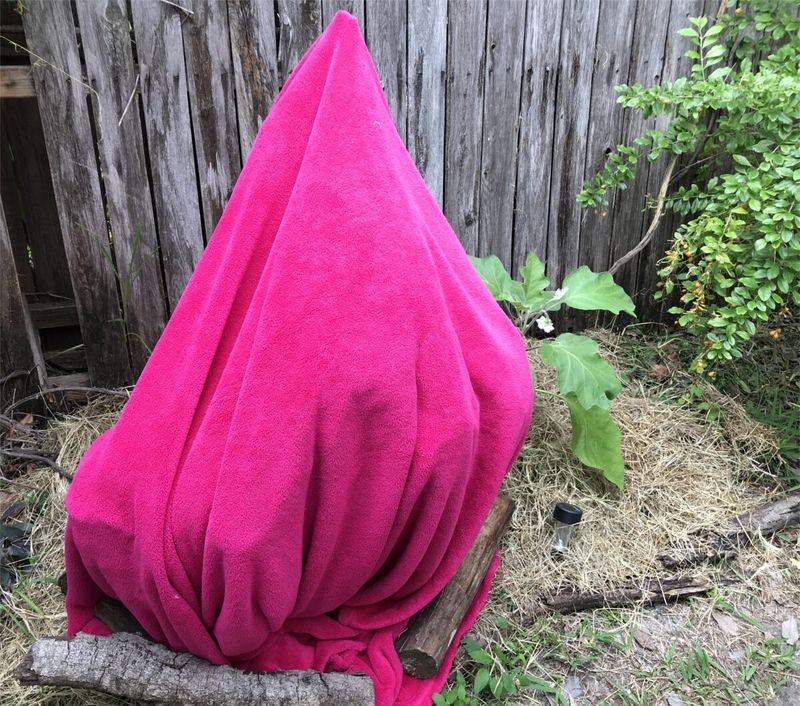
A clear plastic tarp looks like a handy shield on a freezing night. Unfortunately, it can cause more trouble than it prevents.
Plastic is a poor insulator. When it touches the plant, it passes the cold right through to the branches, often burning the tender tips.
Then the sun comes up, and a new problem begins. Plastic traps heat like a car parked in a summer lot, and temperatures underneath can climb fast.
That quick swing from icy to steamy is rough on any plant. Plumeria tips can turn brown and soft after a night and morning like that.
Breathable fabrics do a much better job. Frost cloth, old blankets, and cotton bedsheets let moisture escape while still holding in warmth.
Raid the linen closet for those faded sheets nobody uses anymore. Your plants will not mind a cartoon print or a few stains.
If plastic is truly the only thing you have, keep it from touching the plant. Build a simple frame with stakes and remove the plastic early the next morning.
Here is a quick memory trick: if you would not wrap yourself in it to stay warm, skip it for your plumeria too. Soft and breathable wins the cold-weather race every time.
9. Wait For New Growth Before Trimming Cold Damage
A surprise freeze hits, and a few branch tips turn dark and floppy. Your first instinct might be to grab the pruners right away.
Hold that thought until spring. Waiting for new growth shows you exactly which parts of the plant are healthy and which ones are not.
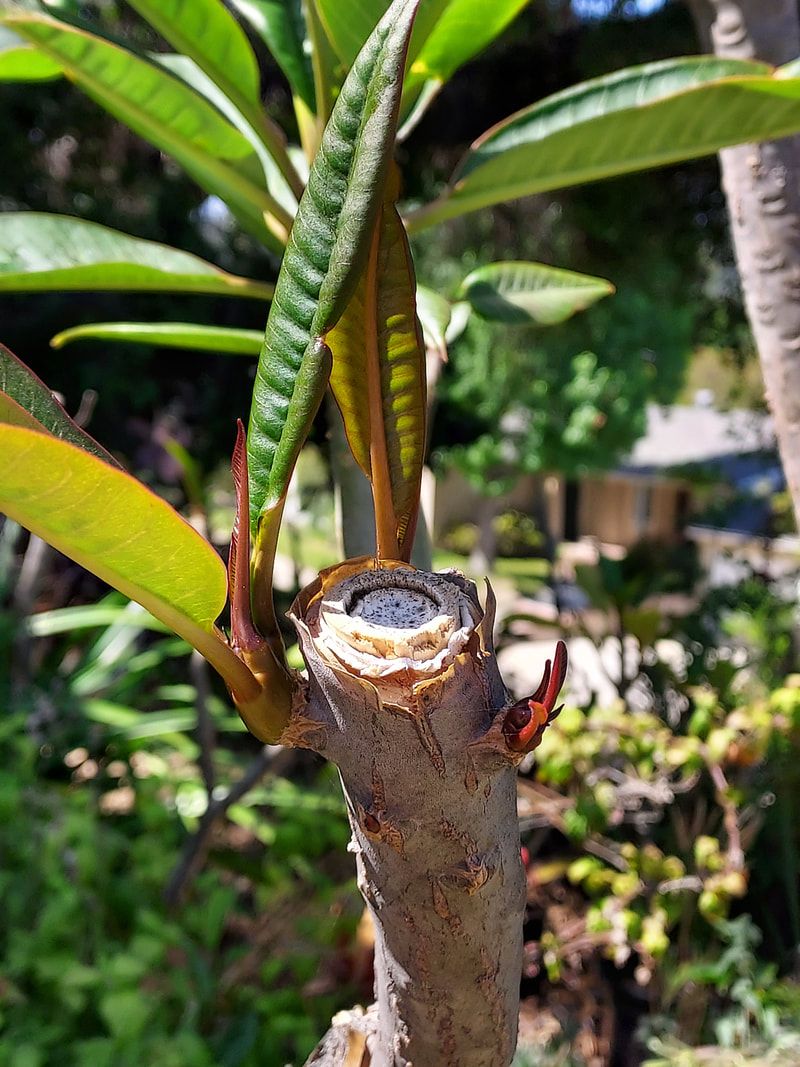
Once fresh leaves appear, trim the damaged areas back to firm wood. Healthy plumeria wood looks white inside, a bit like the inside of an apple.
If a tip feels soft or mushy, keep cutting a little lower down the stem. Stop when you see clean white wood and milky sap flowing out.
That sap is sticky, so wear gloves and maybe old clothes. Some people get itchy skin from it.
After trimming, seal larger cuts with lime paste or a dab of latex caulk. This helps keep out moisture and pests while the plant heals.
What about crispy, damaged leaves still hanging on? Leave them alone, because pulling them can tear the bark, and the stubs will drop off naturally over time.
Here is an encouraging bonus. Each cut spot often sprouts two or more new branches, which means more flower clusters later.
A little cold trouble can turn into a fuller, fancier plant by summer.