The Most Common Hummingbird Feeder Mistakes Michigan Gardeners Are Probably Making
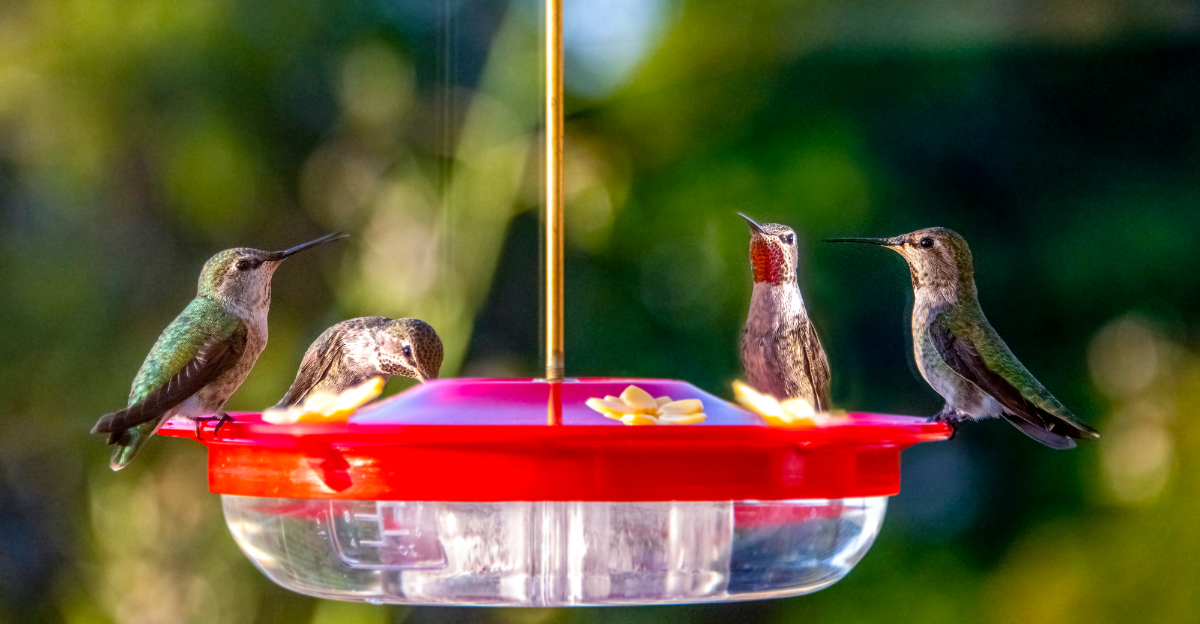
Hummingbird feeders seem simple, but several common mistakes often reduce how many visitors Michigan gardeners actually attract.
Using store bought nectar with red dye can be unnecessary and potentially harmful, when a basic sugar and water mixture works just as well.
Failing to clean feeders regularly allows mold and bacteria to build up quickly, especially during warm summer weather. Placing feeders in direct, unrelenting sun can cause nectar to spoil faster than hummingbirds can drink it.
Hanging feeders too close together sometimes discourages visits, since hummingbirds can be surprisingly territorial around food sources.
Changing nectar every few days, even if it looks fine, helps prevent fermentation that can harm visiting birds.
Choosing feeders that are easy to disassemble makes regular cleaning far less of a hassle. Avoiding these simple mistakes can significantly increase hummingbird activity throughout the rest of the season.
1. Mixing Nectar At The Wrong Strength
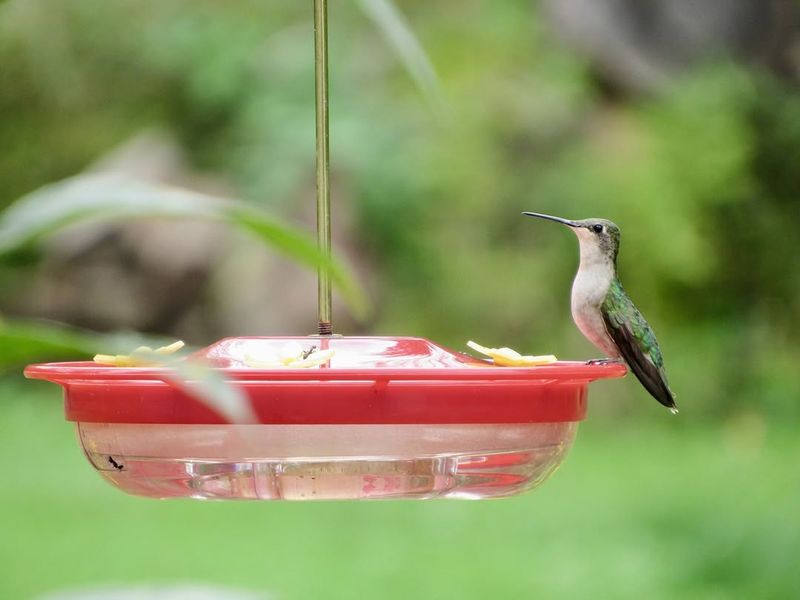
Getting the nectar ratio right is one of the most important things you can do for your backyard hummingbirds. The correct recipe is simple: one part plain white granulated sugar to four parts water.
That means one cup of sugar for every four cups of water, and nothing else added to the mix.
When you add too much sugar, the solution becomes thicker and more concentrated than what hummingbirds naturally encounter in flowers. It may even cause digestive stress over time.
On the flip side, a mixture that is too watery gives birds very little energy reward per visit, which means they may stop returning to your feeder in favor of better food sources nearby.
Measuring both ingredients carefully instead of eyeballing the amounts makes a real difference. Stir the mixture until the sugar dissolves completely before filling the feeder.
Leftover nectar can be stored in the refrigerator for up to two weeks in a sealed container.
Always check your stored nectar before using it again. If the liquid looks cloudy, smells slightly off, or has any floating material in it, pour it out and make a fresh batch.
A clean, properly measured solution keeps hummingbirds healthy, energized, and eager to return to your yard all season long. Accuracy really does matter here, even though the recipe itself could not be simpler.
2. Adding Red Dye Or Alternative Sweeteners
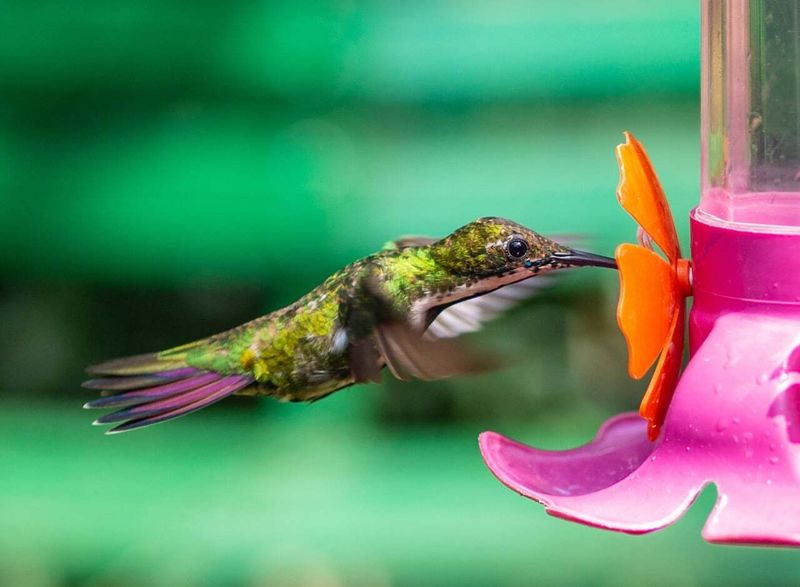
Red food coloring might seem like a harmless way to attract more hummingbirds, but bird organizations including the Cornell Lab of Ornithology strongly recommend against adding any dye to nectar.
The red color on your feeder itself is more than enough to catch a hummingbird’s eye from a distance. The nectar inside should always stay clear.
The same rule applies to sweetener substitutes. Honey sounds natural, but it ferments quickly and can grow harmful mold much faster than plain sugar water.
Artificial sweeteners provide no caloric energy at all, which means hummingbirds get nothing useful from each visit.
Brown sugar, raw sugar, molasses, and fruit juice all contain extra minerals or compounds that plain white sugar does not, and those extras are not suitable for hummingbirds.
Your Michigan Garden Changes Every Week. Your Plan Should Too.
Gardening in Michigan changes quickly throughout the season. Every Friday you’ll receive a simple weekly plan showing exactly what to plant, prune, fertilize, harvest, and protect so you never miss the right timing.
Flavored drink powders and juice mixtures are also a hard no. Even if they smell appealing to us, they do not replicate the simple sucrose solution that hummingbirds are built to process efficiently.
These substitutes may also ferment or spoil at different rates than plain nectar, making it harder to know when to change the feeder.
Sticking with plain white granulated sugar and clean tap water is genuinely the best approach. It is the closest match to natural flower nectar, it is affordable, and it is easy to prepare in minutes.
Sometimes the simplest solution really is the right one, and hummingbirds have been proving that for millions of years.
3. Leaving Nectar Outside Too Long
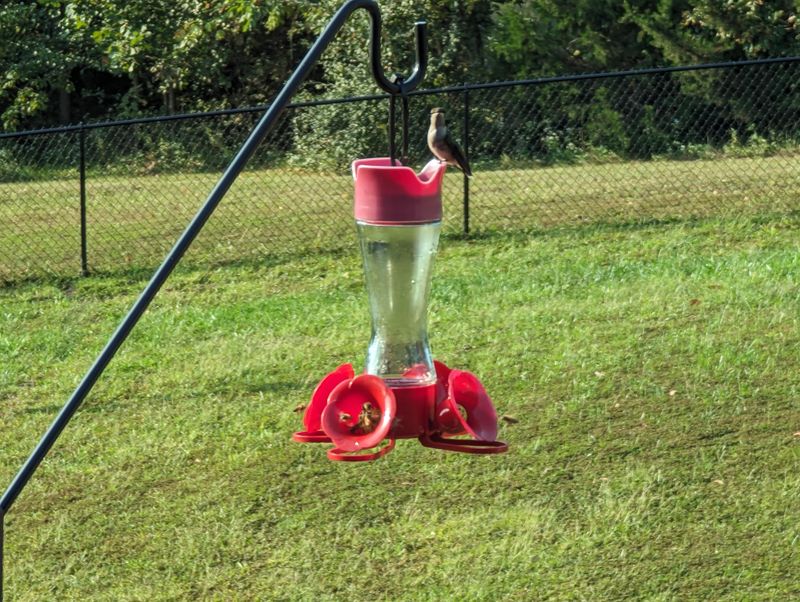
Michigan summers can get surprisingly hot, and that heat is not kind to sugar water. Nectar left in a feeder during warm weather can begin fermenting or growing mold within just a day or two, even when it still looks mostly clear to the naked eye.
Warm temperatures speed up microbial activity significantly, which means what looks fine on the outside may already be past its prime.
During moderate Michigan weather, plan to change your nectar every two to three days. When temperatures climb into the upper 80s or above, consider refreshing it every single day.
Hummingbirds are sensitive creatures, and spoiled nectar can cause real harm to their small bodies over repeated visits.
Knowing when to swap out the nectar is key. Replace it immediately if the liquid turns cloudy, develops any unusual odor, contains trapped insects, or shows dark residue forming around the feeding ports.
Those are clear signals that the batch has gone bad regardless of how recently you filled it. One mistake gardeners often make is topping up an old batch with fresh nectar instead of doing a full replacement.
Adding new nectar to an already compromised feeder does not fix the problem because the feeder itself still contains residue and microbial buildup from the previous batch.
The whole feeder needs to be emptied, cleaned, and refilled with a brand new mixture every single time. Staying consistent with this habit keeps your feeder genuinely safe and inviting all summer long.
4. Rinsing The Feeder Without Taking It Apart
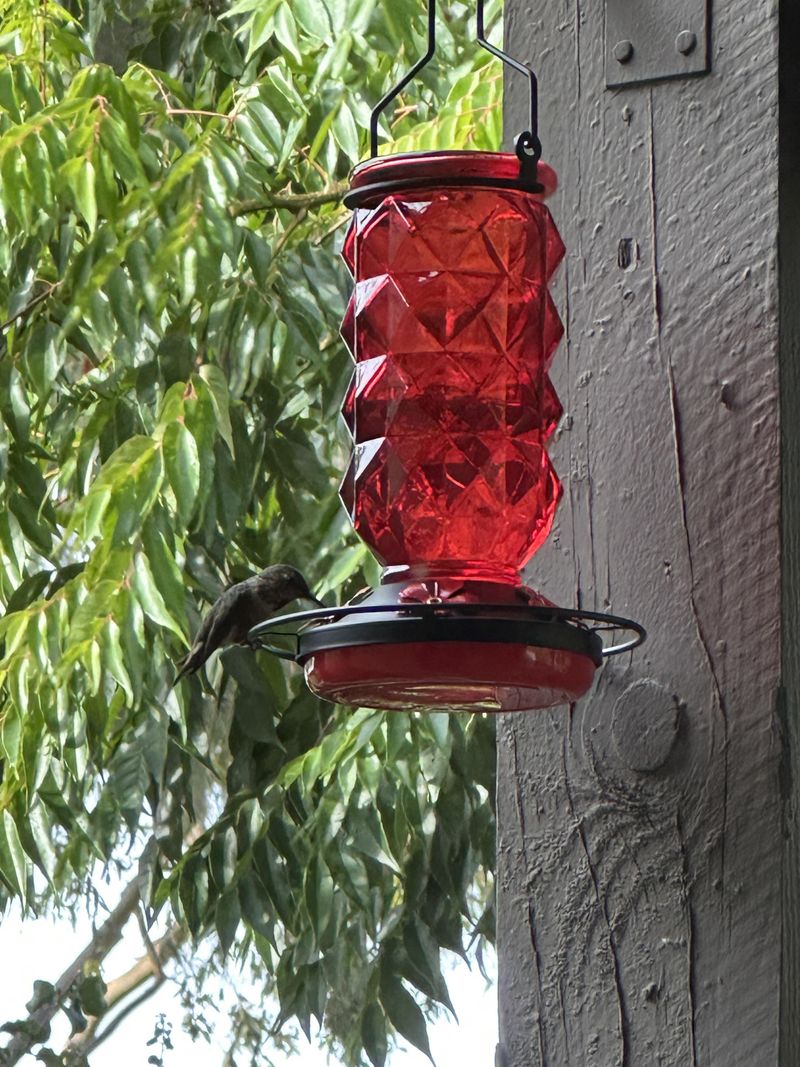
A quick rinse under the faucet feels like enough, but it rarely is. Sugar residue clings to the inside walls of reservoirs, hides in the grooves of feeding ports, and builds up inside flower guards and seams where water alone cannot reach.
Over time, that residue becomes a breeding ground for mold and bacteria, even if the feeder looks clean from the outside.
The right approach is to fully dismantle every removable part of the feeder each time you clean it. That means taking apart the reservoir, base, feeding ports, and any decorative flower inserts.
Use hot water and a dedicated feeder brush set to scrub each piece individually. Feeder brush kits are inexpensive and widely available, and they make a noticeable difference in how thoroughly you can clean those narrow spaces.
If you want to sanitize the feeder more deeply, a diluted solution of white vinegar and water works well and rinses away cleanly. Whatever cleaning method you use, thorough rinsing afterward is non-negotiable.
Any cleaning residue left behind can affect the taste of the nectar or cause problems for visiting birds. Always allow parts to air dry completely before reassembling and refilling.
Choosing a feeder with a simple, wide-open design makes this whole process much easier. Feeders with complicated hidden chambers, tiny crevices, or difficult-to-reach spaces are genuinely harder to clean properly.
A feeder you can fully inspect and scrub is always going to be a healthier option than one with beautiful details but impossible-to-reach corners.
5. Hanging The Feeder In Strong Afternoon Sun
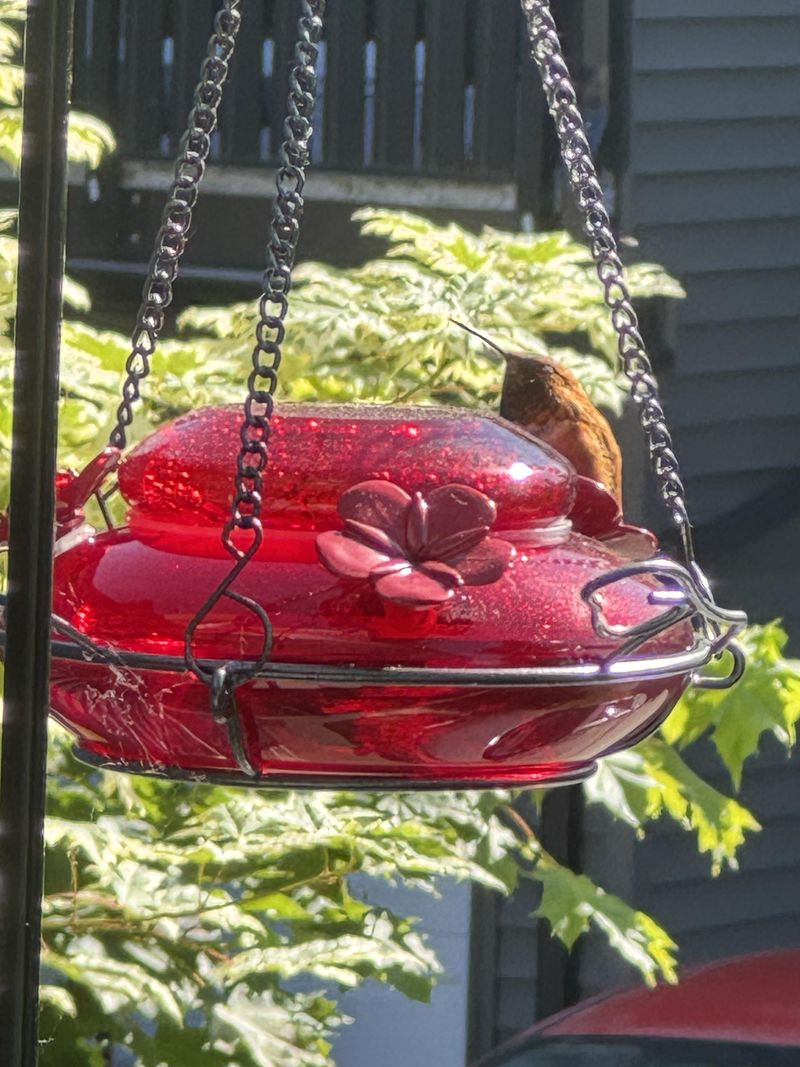
Placement matters more than most Michigan gardeners realize.
Hanging a hummingbird feeder in a spot that gets blasted by direct afternoon sun might seem fine at first, but that heat causes the nectar to warm up quickly and spoil much faster than it would in a cooler location.
On a hot Michigan afternoon, a feeder in full sun can become genuinely uncomfortable for visiting birds as well.
A spot with bright shade, dappled light, or gentle morning sun tends to work much better. Morning sun is softer and helps keep the feeder visible and appealing early in the day when hummingbirds are most active.
By the time the afternoon heat peaks, a shaded location keeps the nectar cooler and fresher for longer without requiring you to change it quite as often.
Reflected heat is another thing worth thinking about. Walls, concrete surfaces, metal railings, and large windows can all radiate significant heat even when the feeder itself is not in direct sunlight.
Hanging a feeder near these surfaces can have nearly the same warming effect as full sun exposure, so try to position it away from heat-absorbing materials.
Watch how sunlight moves across your yard throughout the day before committing to a spot. A location that looks perfectly shaded at 8 in the morning might be sitting in full blazing sun by 3 in the afternoon.
Spending one afternoon tracking the light patterns in your yard can save you a lot of nectar and keep your feathered visitors much happier through the season.
6. Filling More Nectar Than The Birds Can Use
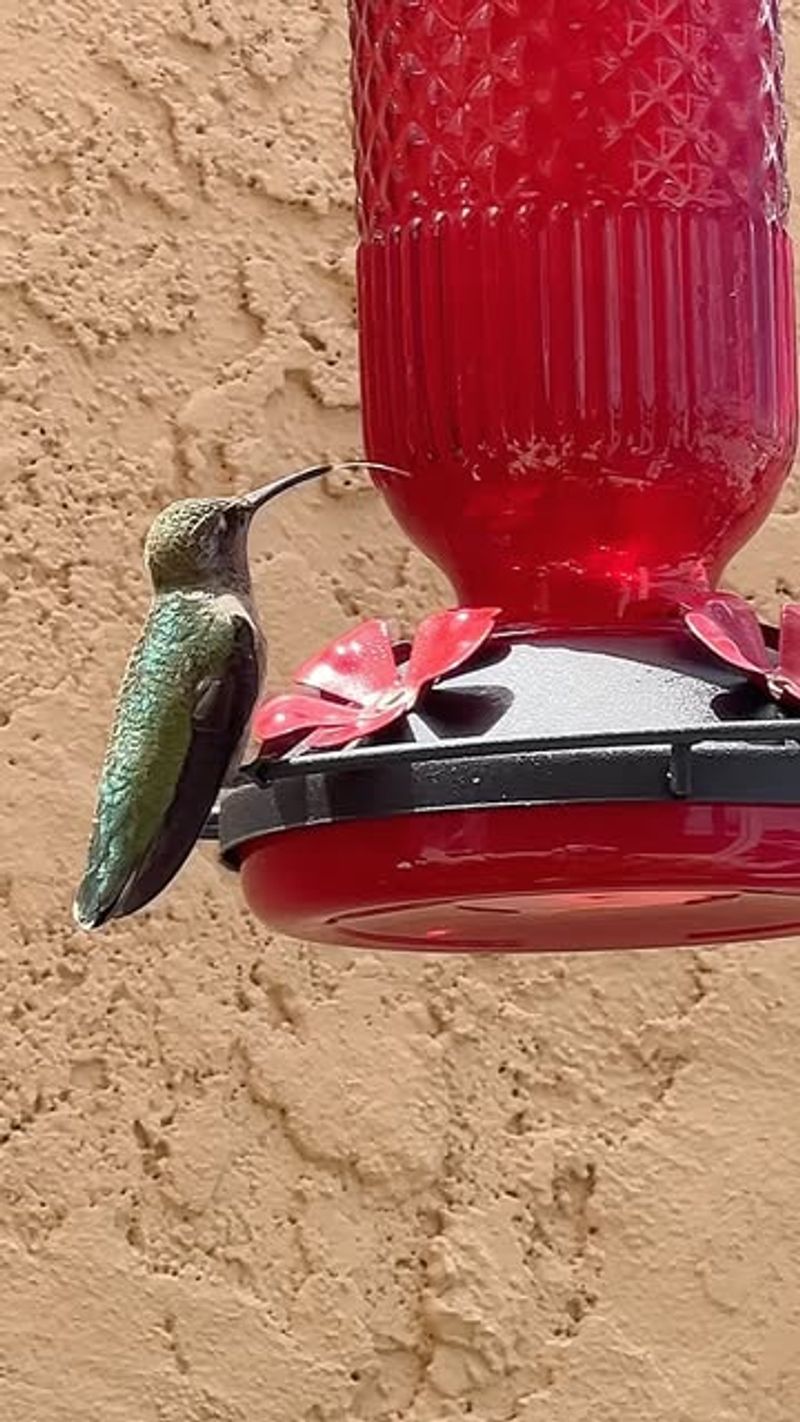
Bigger is not always better when it comes to hummingbird feeders. Filling a large feeder to the brim might feel generous, but if only a handful of birds are visiting regularly, that nectar will sit outside long past the point where it should have been replaced.
You end up changing it not because the birds used it up, but because it has gone bad before anyone could enjoy it.
A smarter approach is to fill the feeder with only as much nectar as your visiting birds can reasonably consume before the next scheduled cleaning.
During the early and late parts of the season when fewer birds are around, that might mean filling the feeder just halfway or even less. Adjusting the amount based on actual bird traffic helps reduce waste and keeps the nectar fresher.
Overfilled feeders also tend to leak, and that leaked nectar creates its own set of problems. Sugary drips on railings, furniture, and garden surfaces attract ants, bees, and wasps almost immediately.
Once those insects discover the feeder, they can become persistent and make the whole setup less pleasant for both you and the hummingbirds.
An ant moat filled with water placed above the feeder is a smart, bird-safe way to block ant access. Clean up any spills promptly and fix leaks as soon as you notice them.
One thing to avoid entirely is coating feeder poles or ports with any oily, greasy, or sticky substance meant to trap or deter insects, as these materials can accidentally contact birds and cause feather damage.
7. Placing The Feeder In A Window Collision Zone
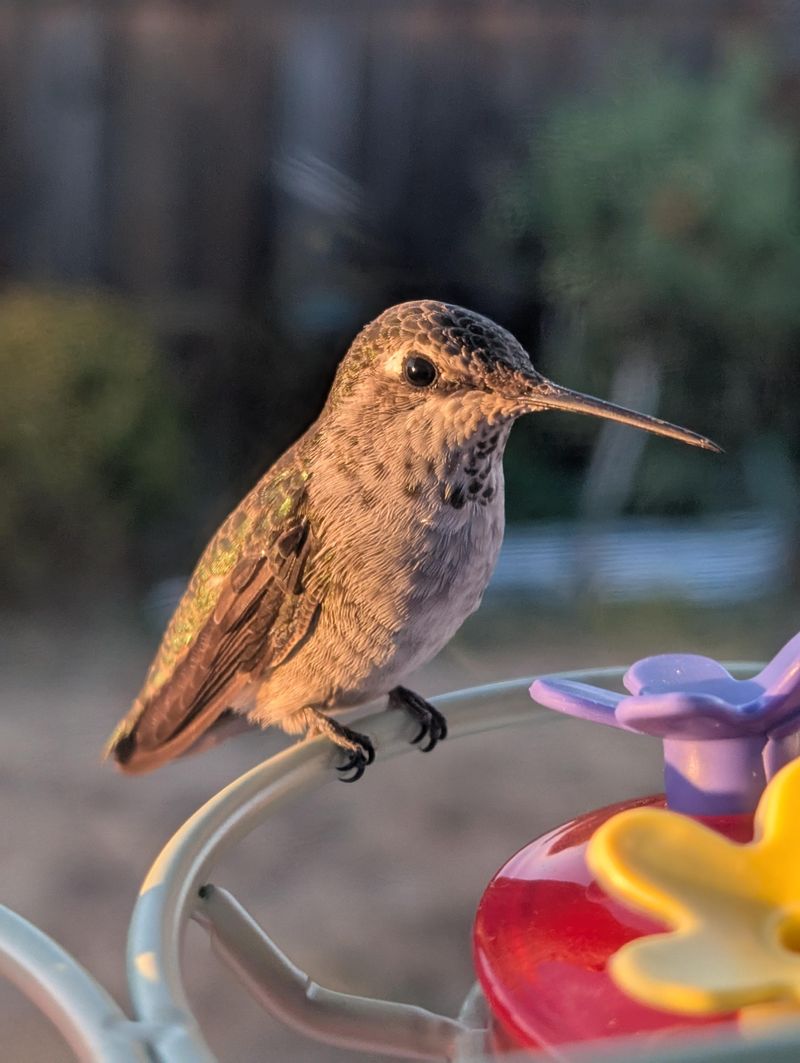
Window collisions are one of the most preventable hazards in backyard birding, and feeder placement plays a huge role in how often they happen.
When a feeder hangs at a medium distance from a large reflective window, birds can build up significant speed before reaching the glass.
That combination of speed and reflection is where the real danger lies for hummingbirds and other yard visitors.
Bird safety experts recommend one of two approaches. Place the feeder within three feet of the window so that any bird that does approach the glass cannot build up enough speed to cause serious harm.
Alternatively, position the feeder more than thirty feet away, giving birds plenty of open space to recognize and avoid the building entirely.
The middle ground, roughly three to thirty feet from a large window, is the most hazardous zone and worth avoiding whenever possible.
If your yard layout makes it difficult to stay outside that range, there are additional steps you can take to make windows more visible to birds.
Closely spaced markings applied across the outside of reflective glass are one of the most effective options available.
Exterior screens, vertical hanging cords spaced about four inches apart, and specialty window films all help break up the reflective surface.
One isolated window decal placed in the center of a large pane usually does not provide enough coverage to make a meaningful difference.
Think of the entire glass surface as something that needs to be visually broken up, not just marked in one small spot.
8. Removing The Feeder Too Early In Fall
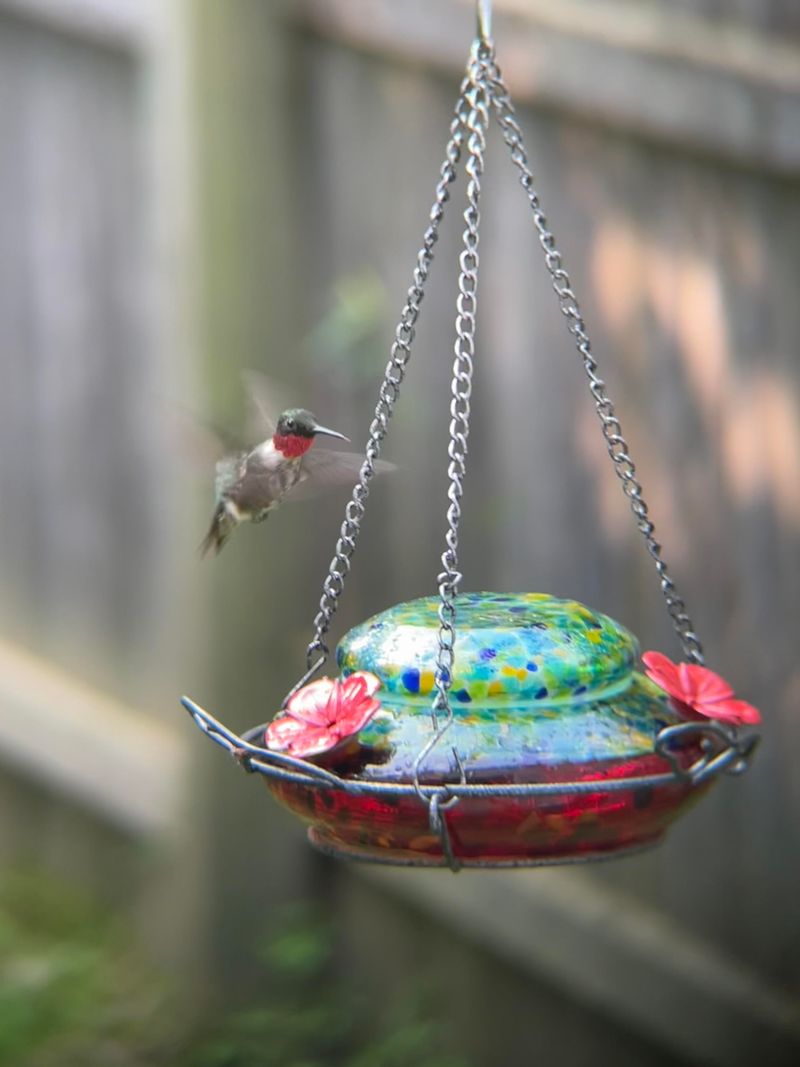
Many Michigan gardeners pack up their hummingbird feeders the moment they stop seeing their regular summer visitors, worried that a feeder left out might somehow convince birds to skip their migration south.
Fortunately, that is not how migration works. Hummingbirds migrate in response to changes in daylight length, not because of food availability. Leaving a clean feeder out will not trap or delay a bird that is ready to move on.
What keeping the feeder out can do is provide a helpful fuel stop for later migrants passing through from farther north.
Ruby-throated hummingbirds that nested in Canada or the Upper Peninsula may still be moving through Michigan well after your local birds have already headed south for the season.
A fresh, clean feeder gives those travelers a welcome energy boost along their route. A good general guideline is to keep the feeder available for about two weeks after you spot your last hummingbird visitor.
During that window, continue replacing the nectar on schedule and cleaning the feeder just as carefully as you did all summer. The same standards apply regardless of the season.
If two weeks pass with no new visitors and you are ready to wrap up for the year, take the feeder down properly. Empty any remaining nectar, disassemble and scrub every part, rinse everything thoroughly, and allow it to dry completely before storing it away.
A feeder stored clean and dry will be in great shape when spring rolls back around and the hummingbirds return to Michigan once again.