The North Carolina Backyard Habit That Accidentally Creates Perfect Conditions For Late Summer Fungus
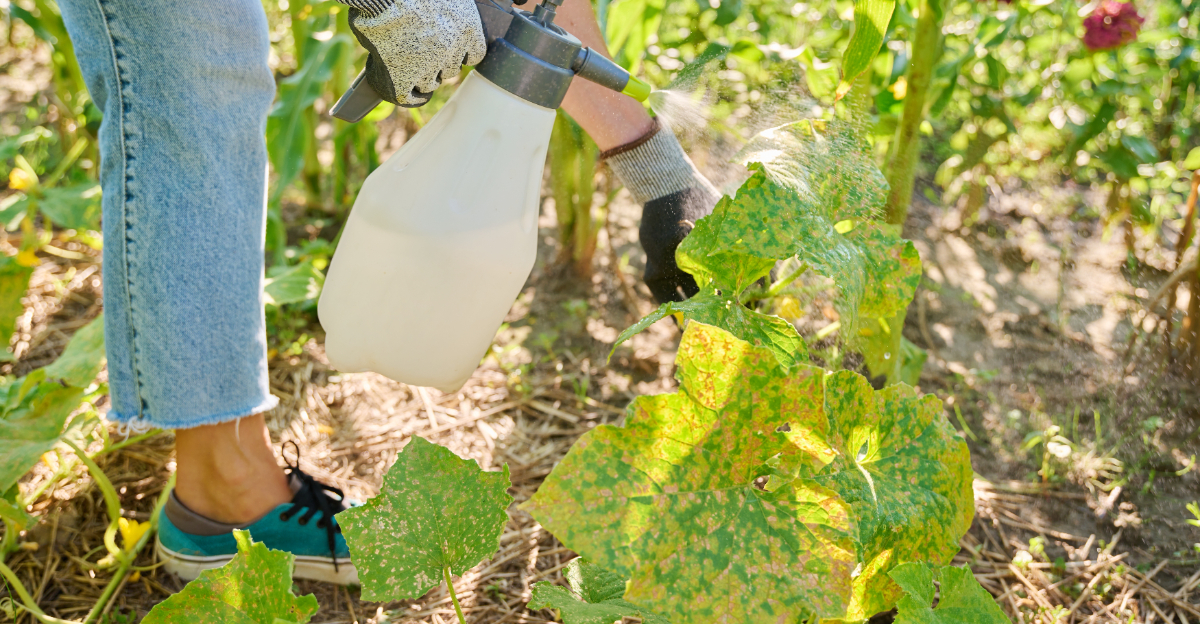
Watering plants in the evening feels convenient, but this common North Carolina habit often creates the perfect setup for late summer fungal problems.
Moisture left sitting on leaves overnight, combined with warm, humid nighttime air, gives fungal spores exactly the environment they need to spread.
This is especially problematic for tomatoes, squash, and other crops already prone to blight and powdery mildew. Watering in the early morning instead allows leaves to dry fully before evening humidity sets in.
Spacing plants properly also improves airflow, reducing the damp conditions fungus relies on to take hold. Mulching helps prevent soil from splashing onto lower leaves during watering, which can spread spores further.
Removing affected leaves quickly slows the progression before it spreads to healthy growth nearby. A simple change in watering time can make a noticeable difference by the end of summer.
1. The Habit Is Watering Leaves Late In The Day
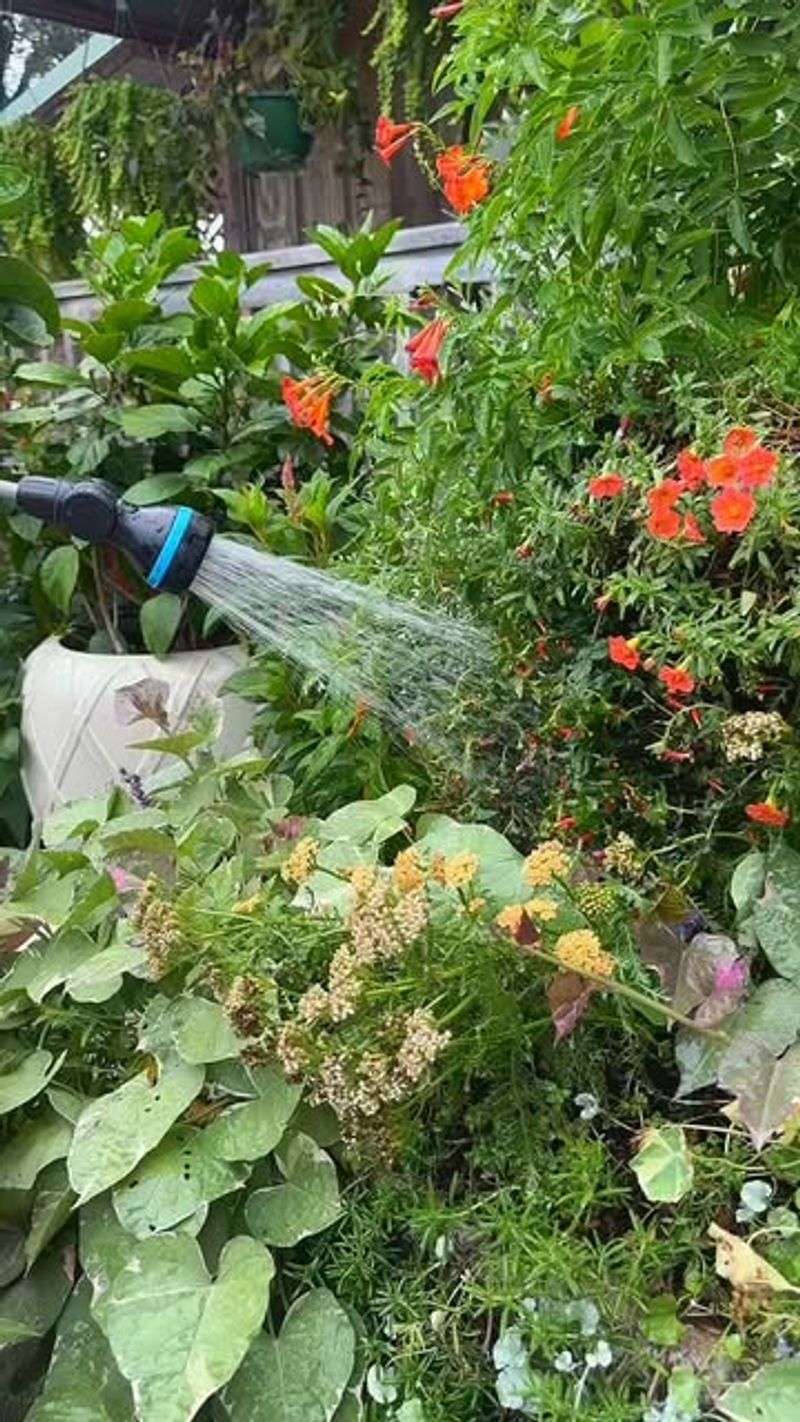
Watering your garden in the late afternoon or evening feels perfectly logical after a hot North Carolina summer day. The sun is lower, temperatures have dropped a bit, and the plants look like they could really use a drink.
But here is where the problem quietly begins. When overhead sprinklers or hose nozzles soak leaves as the day winds down, that moisture has nowhere to go fast.
North Carolina evenings bring rising humidity and falling temperatures, which means leaves that got wet at six in the evening might still be damp at six the next morning.
Unlike midday watering, where sunlight and warmth help foliage dry within minutes, evening watering leaves plants sitting in prolonged wetness for many hours.
That extended moisture is what creates a welcoming environment for fungal pathogens already present in the soil, air, or on plant surfaces.
Watering itself does not manufacture a fungal disease out of thin air. Pathogens need to already exist in the environment, and most of them do in any established garden.
What evening watering does is give those pathogens the conditions they need to successfully infect susceptible plant tissue.
A leaf that stays wet for eight or more hours overnight gives spores time to germinate, penetrate the leaf surface, and begin spreading.
Gardeners who switch to morning watering often notice fewer disease problems over a single season.
The fix is genuinely straightforward, and understanding the connection between wet leaves and fungal infection is the very first step toward a healthier garden all summer long.
2. Nighttime Wetness Gives Many Pathogens More Time
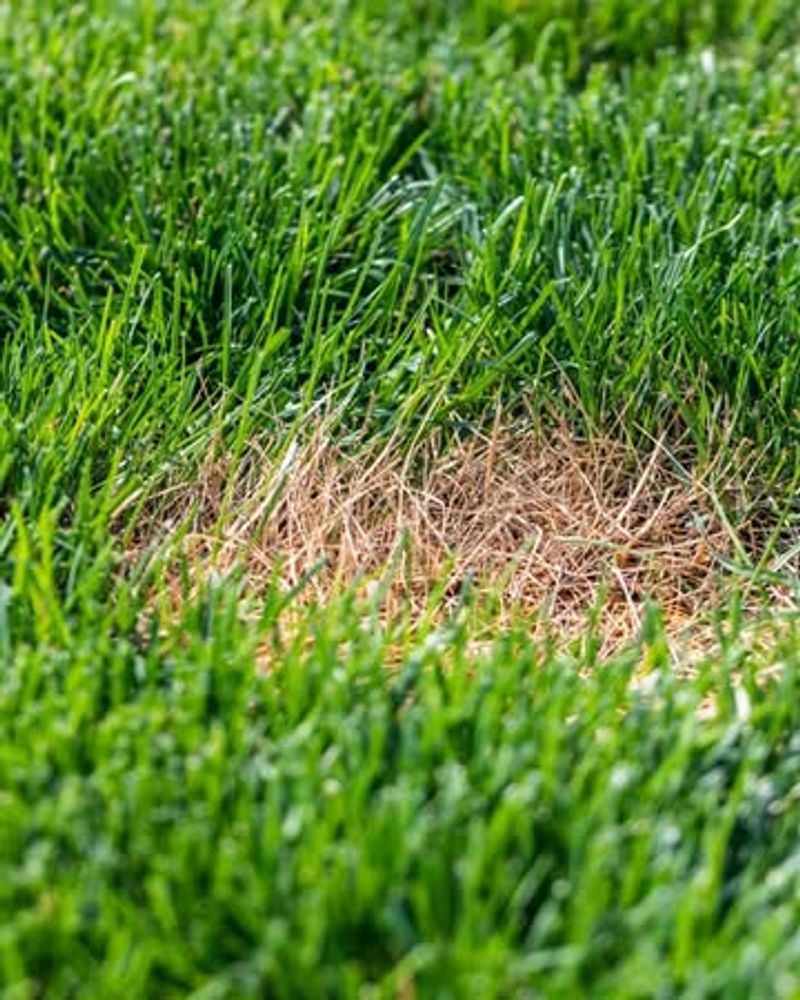
Not every garden problem comes down to how much water a plant receives. Sometimes the bigger issue is how long the leaves stay wet.
Scientists who study plant disease actually use the term leaf wetness duration to describe this, and it turns out that the number of hours a leaf remains moist can matter just as much as total rainfall or irrigation volume.
North Carolina nights are naturally humid, especially from July through September. Even without irrigation, dew often forms on leaves well before sunrise.
When a gardener adds overhead watering to that equation in the evening, the leaf wetness period can stretch from sunset to mid-morning the next day.
Your North Carolina Garden Changes Every Week. Your Plan Should Too.
Gardening in North Carolina changes quickly throughout the season. Every Friday you’ll receive a simple weekly plan showing exactly what to plant, prune, fertilize, harvest, and protect so you never miss the right timing.
Many common fungal pathogens, including those responsible for leaf spots, blights, and molds, become significantly more active when susceptible foliage stays damp for several hours at a stretch.
It is worth pointing out that not every fungal disease requires standing water droplets on leaves. Powdery mildew, for example, tends to thrive in warm, humid conditions even without visible moisture on the leaf surface.
But for a wide range of other pathogens, free water on the leaf is exactly the trigger they need to begin the infection process. The longer that water sits, the greater the chance of successful infection taking hold.
Paying attention to how long your plants stay wet after watering is a surprisingly powerful tool for managing disease risk. Small adjustments in timing can shift the balance dramatically in your favor throughout the growing season.
3. Splashing Water Moves Spores Between Plants
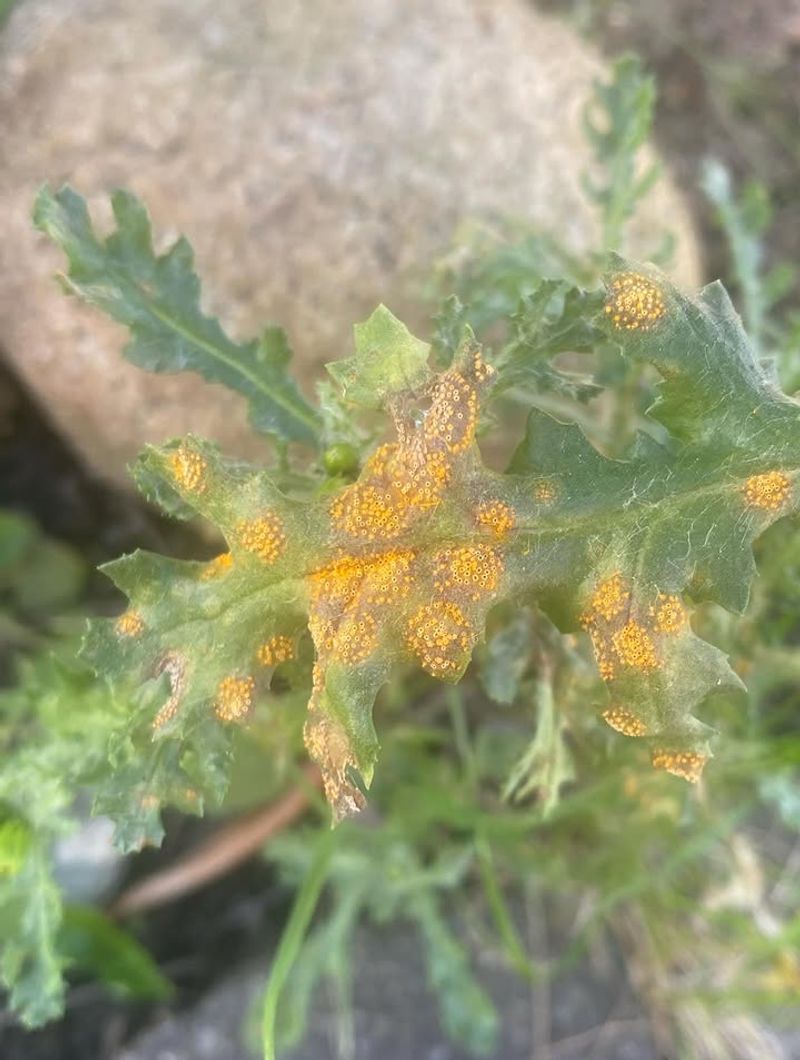
Picture a heavy spray of water hitting the soil around your tomato plants. Each droplet that lands kicks up tiny particles of soil, and some of those particles carry fungal spores, bacteria, or fragments of infected plant material.
Those particles do not just fall straight back down. They travel outward, landing on nearby stems, lower leaves, and sometimes even neighboring plants.
Overhead watering repeats this process across an entire garden bed every single time you water.
Low-growing leaves on tomatoes, cucumbers, squash, beans, roses, and flowering annuals tend to show fungal symptoms first for exactly this reason. They are closest to the soil surface and get hit the hardest by splashing droplets.
Once spores land on a healthy leaf, all they need is moisture and time to begin infection. Evening watering provides both of those things generously.
One of the most practical steps a gardener can take is removing heavily affected fallen leaves and stems promptly rather than leaving them on the soil surface. Infected material sitting under your plants becomes a source of new spores every time it gets wet.
Redirecting irrigation toward the root zone instead of spraying the entire plant is another highly effective change. Soaker hoses and drip lines deliver water to the soil without ever touching the foliage above.
Mulching around the base of plants also helps by creating a barrier between the soil and the lower leaves, which significantly reduces the amount of splash-up that reaches the plant during any kind of watering or rainfall event.
4. Dense Plantings Stay Wet Even Longer
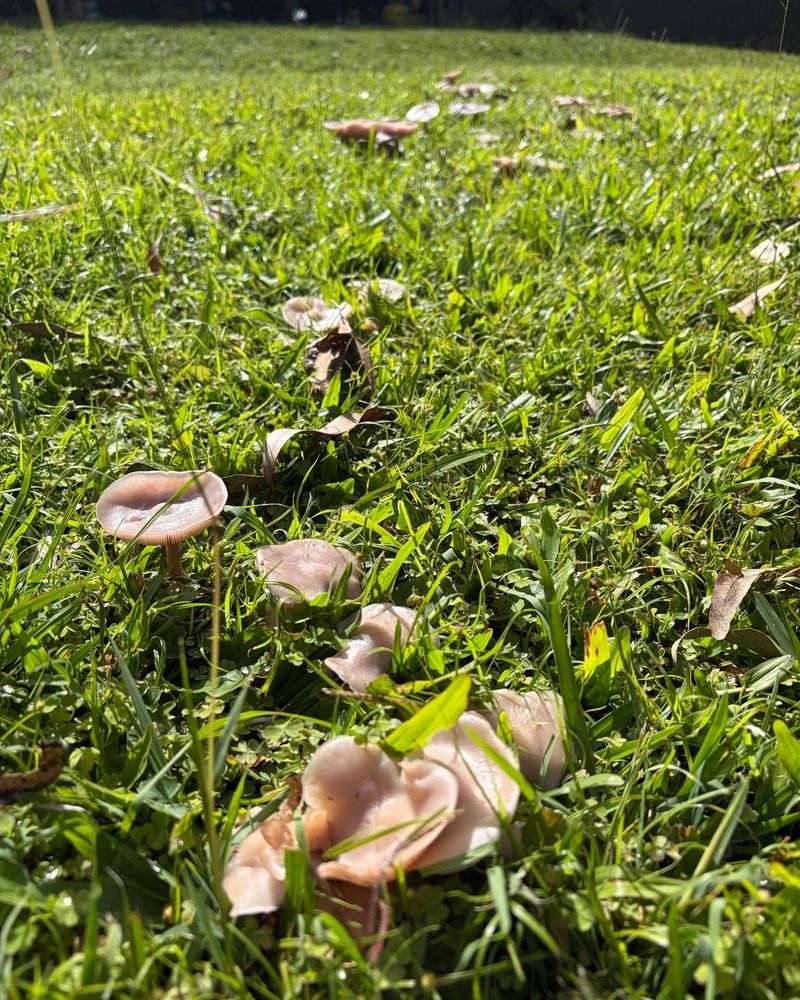
A lush, packed garden can look like a sign of success, and in many ways it is. But dense plantings come with a hidden downside that becomes very obvious during North Carolina’s humid late summer weeks.
When plants grow so close together that their leaves overlap, airflow between them drops dramatically, and that changes everything about how quickly moisture evaporates after watering.
Shaded inner foliage in a crowded planting can stay damp long after the outer leaves have dried out completely in the morning sun.
Walls, fences, and nearby shrubs can make this even worse by blocking whatever breeze might otherwise move through the garden.
Weeds growing between plants add another layer of moisture-trapping density that most gardeners underestimate. The result is a microclimate that stays wetter for longer, which is precisely what fungal pathogens need to establish and spread.
Giving plants proper spacing according to the recommendations on seed packets or plant tags is one of the most underrated disease prevention strategies available.
Thinning seedlings that have grown too close together, removing weeds consistently, and doing selective pruning to open up dense shrubs or perennials all improve airflow and help foliage dry faster after watering or rain.
One important caution though: avoid removing large amounts of foliage during the peak heat of summer. Leaves serve as natural shade for fruit and stems, protecting them from sunscald on very hot days.
The goal is better airflow, not a bare plant. A thoughtful, moderate approach to thinning will serve your garden far better than an aggressive one.
5. Lawns Can Develop Fungal Patches From The Same Habit
Fungal trouble from evening watering is not limited to vegetable beds and flower borders.
Home lawns across North Carolina face the same challenge, especially during the warm, sticky weeks of late summer when nighttime temperatures barely drop and the air feels thick with humidity.
Turf grass is just as vulnerable to prolonged leaf wetness as any garden plant, and evening irrigation can push that vulnerability right over the edge.
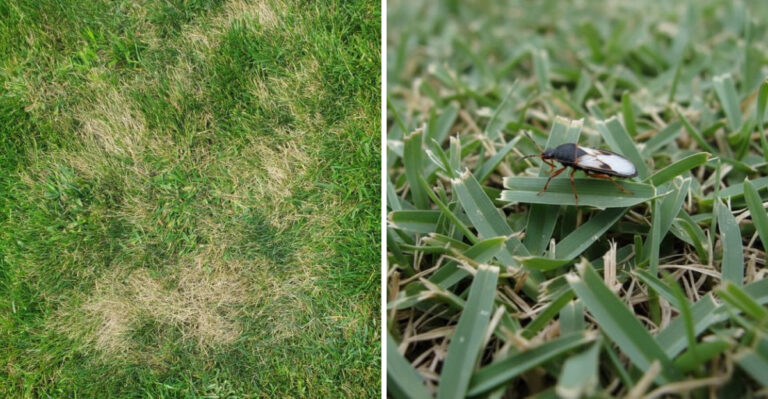
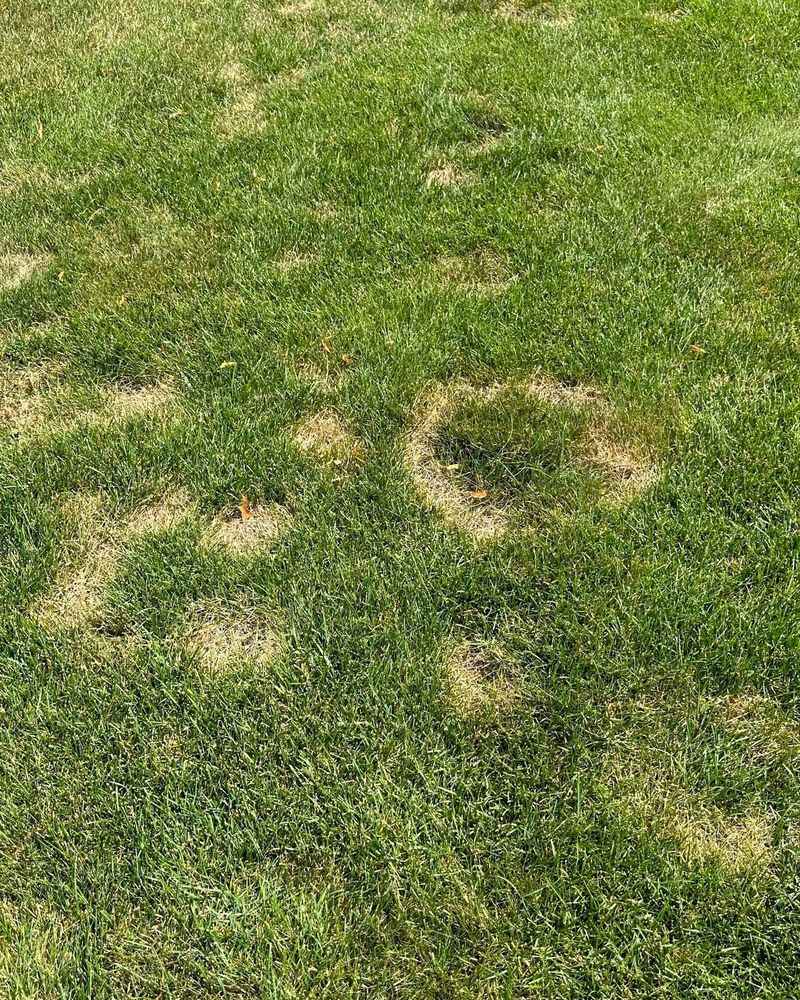
Brown patch is one of the most recognized turf diseases in North Carolina, particularly in warm-season grasses like Bermuda and tall fescue.
It shows up as circular or irregular patches of tan or brown grass that can appear almost overnight when conditions are right.
Warm air temperatures, high humidity, shade, poor airflow, and excessive moisture all contribute to its development. Adding late-day irrigation to that combination is essentially setting the welcome mat out for the disease.
Watering deeply and infrequently is a far healthier approach than giving the lawn a light sprinkle every evening. Deep watering encourages grass roots to grow downward rather than staying shallow and weak near the surface.
It also allows the soil surface to dry out between watering sessions, which reduces the extended moisture that many turf pathogens rely on.
Every grass species has different moisture needs, and following guidance specific to your lawn type matters.
Your local North Carolina Cooperative Extension office can provide recommendations tailored to the grass in your yard, your soil type, and the typical weather patterns in your region, which is always more reliable than a one-size-fits-all schedule.
6. Container Gardens Are Easy To Overwater At Night
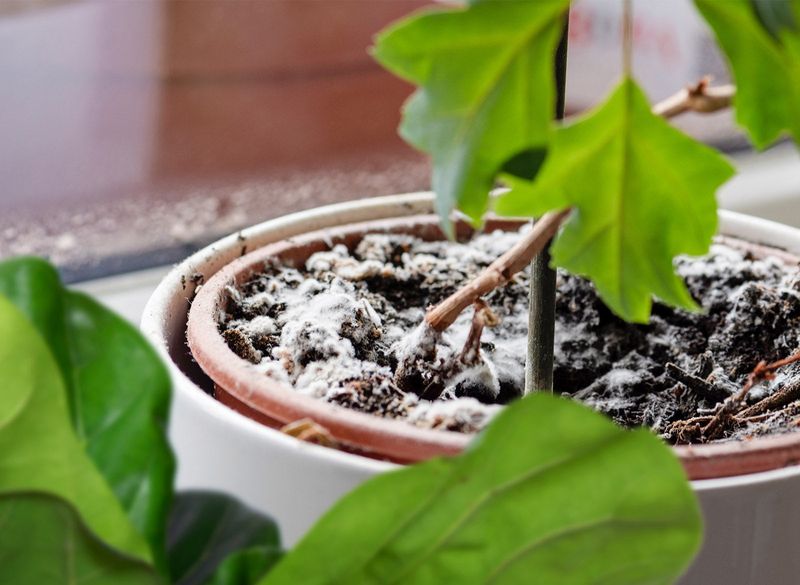
Porch pots and patio containers have a certain charm that makes them irresistible to gardeners of all experience levels. They are easy to rearrange, simple to plant, and bring color right to your doorstep.
But containers also have quirks that make evening watering particularly risky, and many gardeners learn this the hard way after a summer of puzzling leaf spots and wilting plants.
Small pots sitting in full sun might dry out quickly during the day and genuinely need water by evening. But a larger pot in a shaded corner of the porch can hold moisture for a surprisingly long time.
When a gardener waters that pot thoroughly in the evening, soaking both the potting mix and the foliage, the combination of cool overnight temperatures, indoor porch humidity, and slow evaporation can keep everything wet until well into the next morning.
Yellowing or spotted leaves, gray fuzzy growth, and mushy roots signal that a container plant is experiencing fungal stress. These visible symptoms are typically paired with potting mix that remains consistently soggy several inches deep.
These are signs worth taking seriously before the problem spreads to neighboring containers.
Checking moisture below the surface before watering is a simple habit that prevents a lot of overwatering. Push a finger or a wooden skewer about two inches into the mix.
If it comes out damp, skip watering for another day. Directing water onto the soil rather than the leaves, and making sure every container has a working drainage hole, goes a long way toward healthier plants all season.
7. Morning Soil Level Watering Is The Better Routine
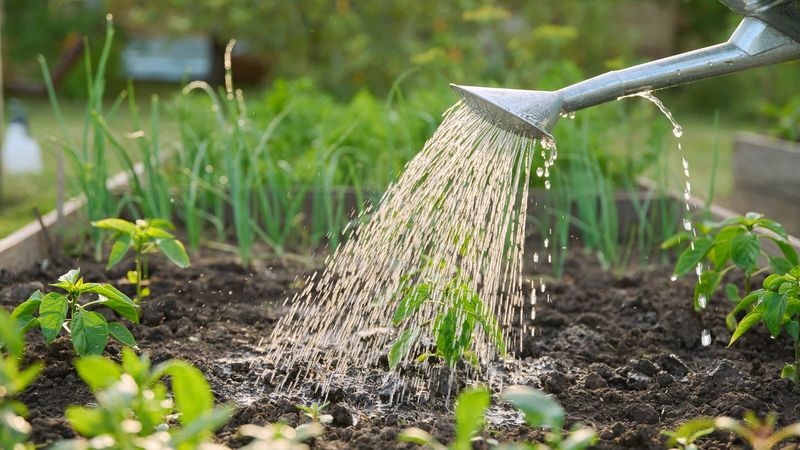
Fixing the evening watering habit does not mean your plants have to go thirsty. The goal is simply to shift when and how water reaches your garden so that foliage stays dry through the long, humid overnight hours.
Morning watering is the most straightforward solution, and it works remarkably well for most North Carolina gardens and landscapes.
When you water in the morning, any moisture that accidentally lands on leaves has the full benefit of rising temperatures and increasing sunlight to dry it off quickly.
By late morning, most foliage will be completely dry, which gives pathogens far less time to establish. The roots still receive the same amount of water, but the leaf surface does not stay wet long enough to create a problem.
Drip irrigation systems and soaker hoses are excellent tools for gardeners who want to water efficiently without touching the foliage at all. These systems deliver water slowly and directly to the root zone, which is where plants actually absorb moisture.
Watering wands with a gentle flow setting also allow careful hand watering near the soil surface without splashing leaves unnecessarily.
One more helpful adjustment is learning to water based on actual plant and soil needs rather than a fixed daily schedule. After a rainy day or a string of overcast weather, skipping irrigation entirely makes sense.
Checking the top few inches of soil before turning on the hose helps avoid adding moisture when plants already have plenty.
Staying flexible and responsive to weather conditions is one of the most practical and rewarding habits a gardener can build over time.
8. Confirm The Disease Before Reaching For Fungicide
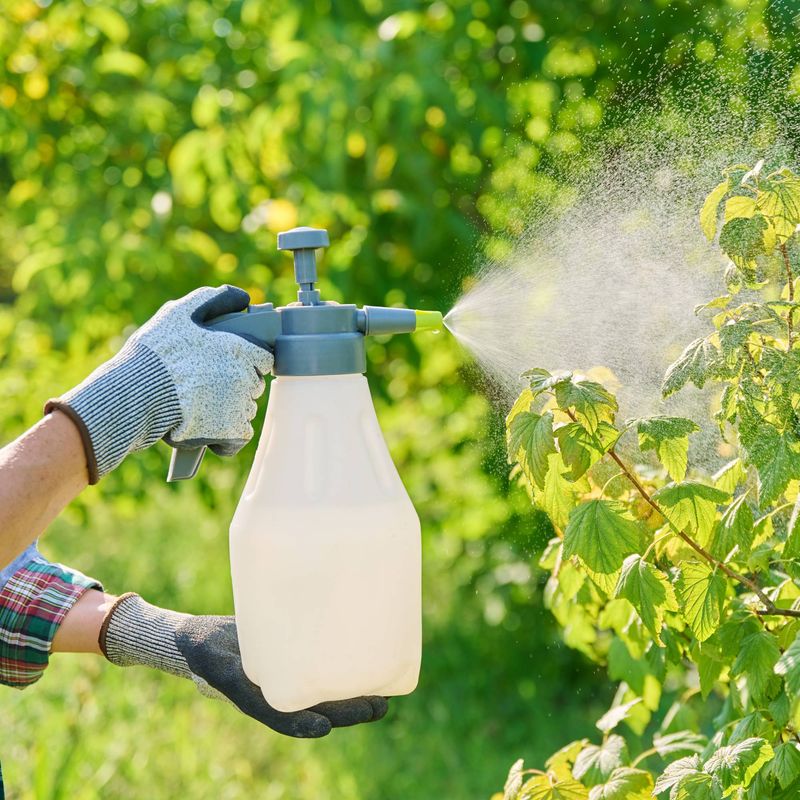
Spotting yellow leaves or brown spots on your plants after a stretch of humid weather can make fungicide feel like the obvious next move.
But jumping straight to a spray without confirming what you are actually dealing with can waste money, stress the plants further, and sometimes make things worse. Not every discolored leaf in a late summer garden points to a fungal problem.
Insects like spider mites and thrips create stippled or streaked foliage that can look a lot like early fungal damage. Saturated roots from overwatering cause yellowing and wilting that mimics disease symptoms closely.
Drought stress, nutrient deficiencies, accidental spray drift from herbicides, and even bacterial infections can all produce brown spots, curled leaves, and general decline that resembles a fungal outbreak on the surface.
Before reaching for any product, take a close look at both sides of the affected leaves, check the stems, examine the roots if possible, and note where the damage is showing up first across the planting. Is it spreading from the lower leaves upward?
Is it concentrated in one area of the garden or scattered randomly? These patterns give helpful clues about what is actually going on.
Photographing early symptoms clearly and reaching out to your local North Carolina county Cooperative Extension office is one of the smartest moves a gardener can make when something looks wrong but identification feels uncertain.
Extension plant diagnostic labs can often provide reliable identification based on photos or submitted samples.
Changing your watering routine can significantly reduce future risk, but it cannot reverse tissue that has already been damaged, so early and accurate identification always matters most.