Why California Woodpeckers Are Drilling Holes In Your Fence Posts (And What To Do)
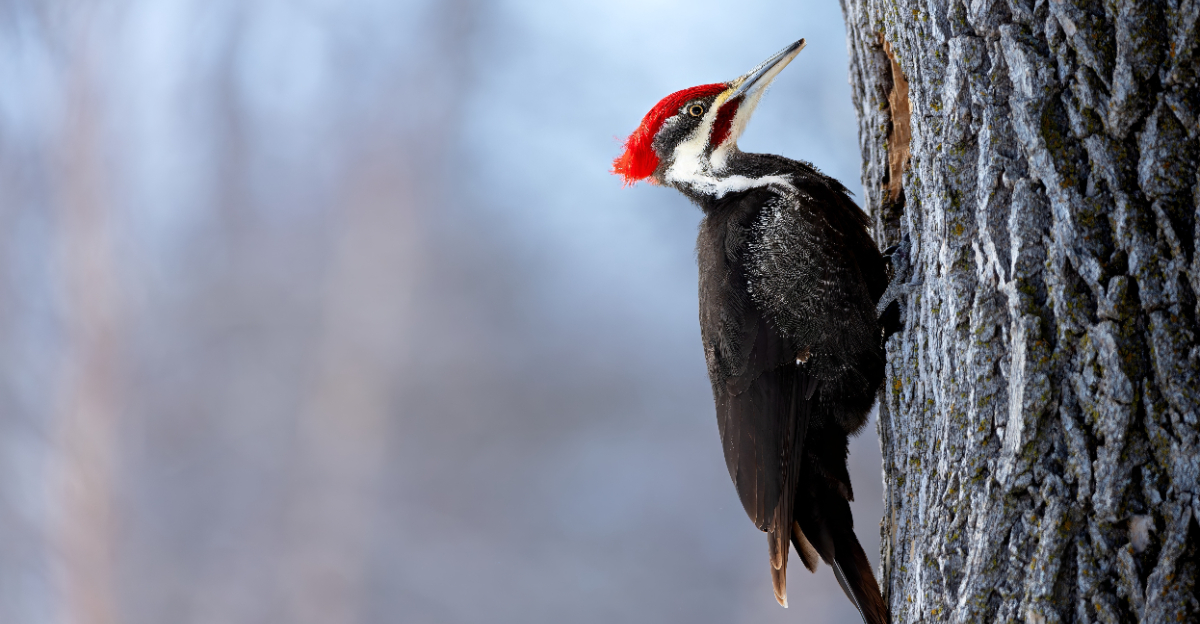
Your fence has more holes than a golf course by the time you notice it, each one drilled with suspicious precision. Nobody broke in overnight. A bird did this, and if you’re in California, it’s probably still nearby, watching you inspect the damage.
Woodpeckers don’t peck at random. Wood-boring insects hiding just beneath the surface often trigger the behavior, giving the bird an easy meal. Territory marking and food storage explain plenty of the rest.
One detail changes how you respond here. Woodpeckers are protected under federal law, so the usual pest-control instincts won’t apply. Knowing which species left its mark matters before you touch a single board.
It’s Likely An Acorn Woodpecker Storing Its Winter Food
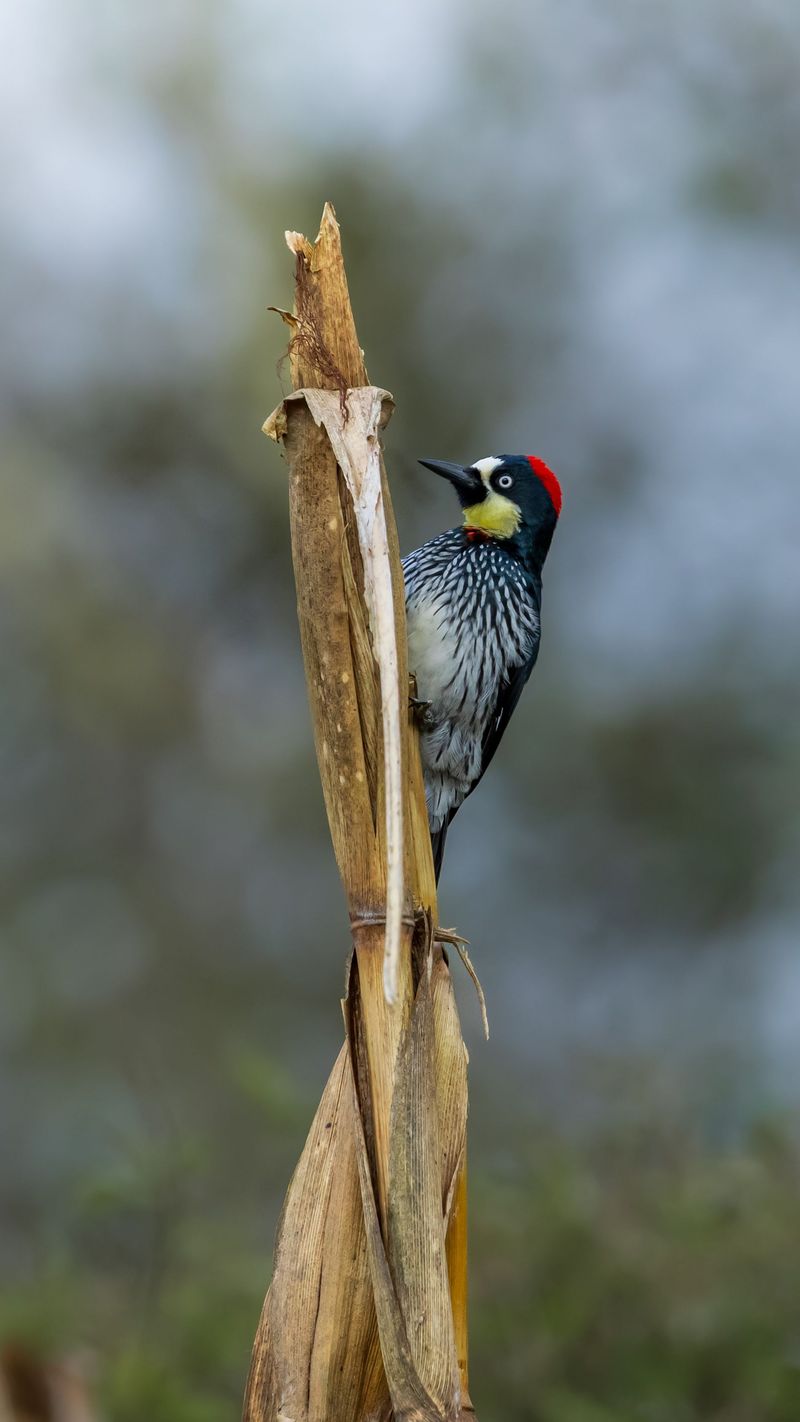
Tap, tap, tap, your fence post just became a pantry. The Acorn Woodpecker is one of the most common reasons California woodpeckers are drilling holes in your fence posts, and the behavior is surprisingly organized.
These birds create what scientists call a “granary tree”, or in your case, a granary fence. Each hole is drilled to fit exactly one acorn, stored tightly for winter food.
A family group of Acorn Woodpeckers can drill hundreds of holes over the years, adding to the same granary generation after generation. They return year after year to the same spots, which means your fence becomes prime real estate fast.
The holes are usually small, round, and evenly spaced. You might notice acorns actually poking out of the wood, which is a clear sign that food storage is happening.
Acorn Woodpeckers are social birds that live in noisy, cooperative family groups. One group can include up to a dozen birds, all working together to fill their shared food cache.
Fence posts made of dry, weathered wood are especially vulnerable. The birds can drill into them quickly and efficiently without much effort.
If you spot red-capped, clown-faced birds with bold black-and-white markings near your California fence, you have found your culprits. Acting early, before the holes multiply, gives you the best chance of protecting your posts.
Signs Insects Are The Real Target Instead
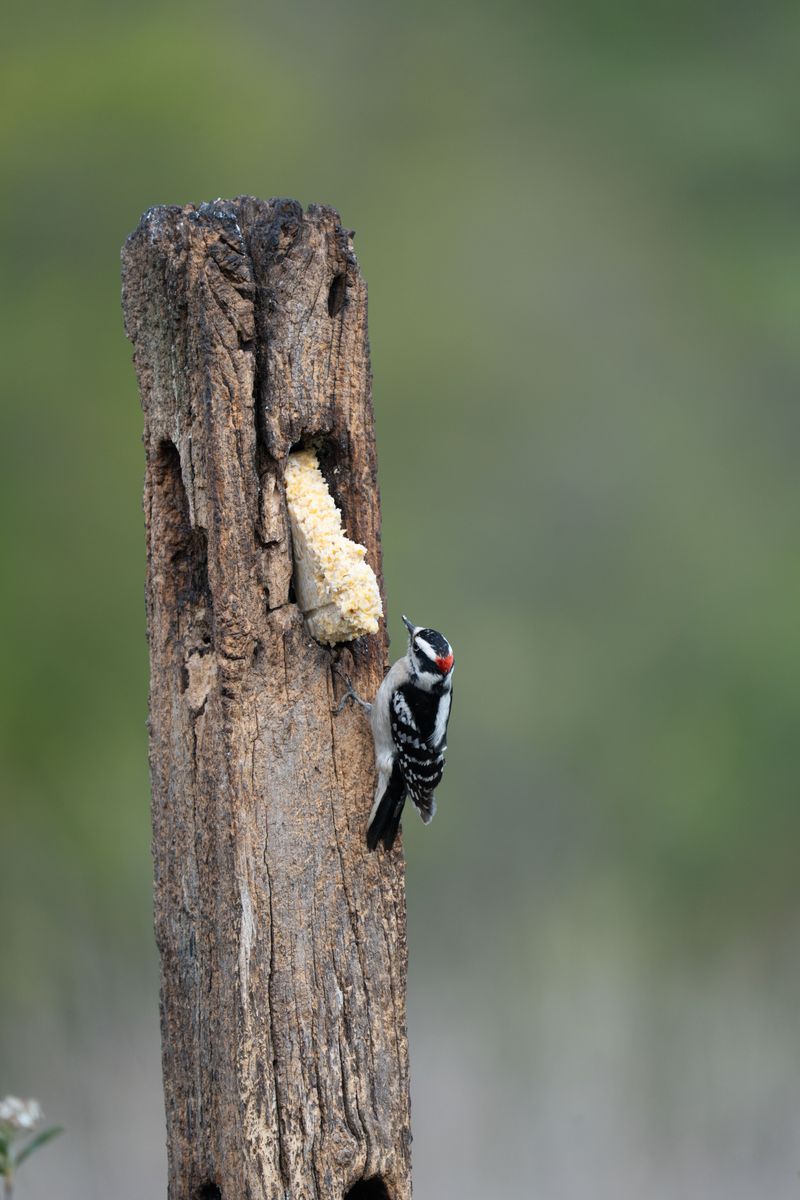
Not every hole tells the same story. Sometimes California woodpeckers are drilling holes because bugs, not acorns, are the prize hiding inside the wood.
Carpenter ants, beetle larvae, and termites all tunnel through fence posts. A woodpecker’s sharp beak and long sticky tongue are perfectly built to extract them.
The shape of the holes gives you a clue about what the bird was after. Foraging holes tend to be irregular, jagged, and scattered rather than neat and uniform like acorn storage holes.
If your fence post has soft, spongy sections or sounds hollow when knocked, there is likely a bug infestation already happening inside. The woodpecker is actually responding to a problem you may not have noticed yet.
Look for sawdust-like frass around the base of the post. That powdery debris is a sign of active insect activity, not just old damage.
Your California Garden Changes Every Week. Your Plan Should Too.
Gardening in California changes quickly throughout the season. Every Friday you’ll receive a simple weekly plan showing exactly what to plant, prune, fertilize, harvest, and protect so you never miss the right timing.
In this case, the bird is doing you a small favor by flagging the issue. But that does not mean the drilling should continue unchecked, since the structural damage adds up quickly.
Treating the underlying insect problem is the smartest first move here. Once the food source disappears, the woodpecker loses interest and moves on to better hunting grounds.
A pest inspection can confirm insect activity inside the post. Fixing the root cause protects your fence far better than chasing the bird away alone.
Why Some Drilling Is Just Territorial Drumming
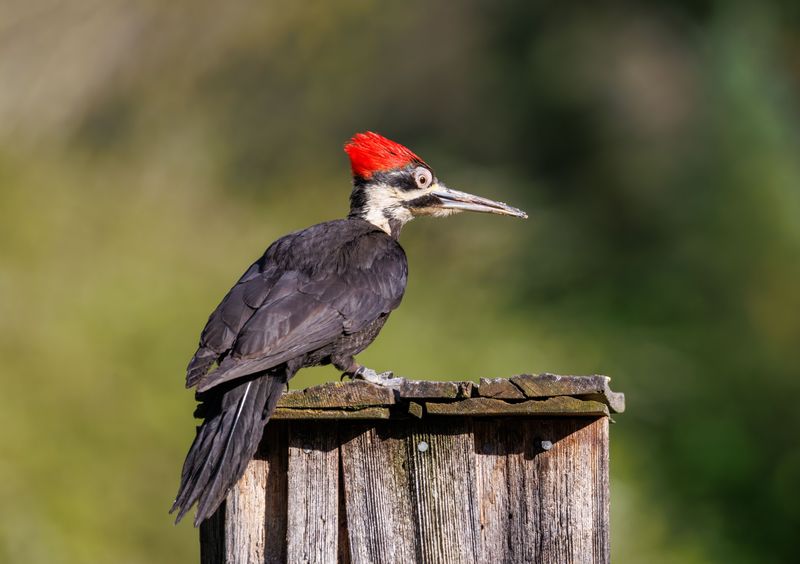
Sometimes the drilling has nothing to do with food at all. Certain woodpecker behavior is purely about making noise, and your fence post is basically a drum kit.
Drumming is how woodpeckers communicate territory, attract mates, and announce their presence to rivals. The louder and faster the sound, the better the post works for their purposes.
Fence posts, especially hollow or dry ones, produce a loud resonant knock that carries far across a yard. That acoustic quality makes them irresistible to a bird trying to get noticed.
Drumming holes are usually shallow and clustered tightly together in one spot. You might see a patch of peck marks without any real depth, since the bird is not trying to get inside the wood.
This behavior peaks in late winter and early spring, during breeding season. If the noise starts around February or March and fades by summer, drumming is almost certainly the cause.
The frustrating part is that the bird is not even hungry, it just likes the sound your fence makes. Replacing the resonant surface with something duller can break the habit faster than any repellent.
Attaching foam or rubber padding to the favored drumming spot disrupts the satisfying sound. Without the acoustic reward, the bird typically loses interest within a few days and scouts a new stage.
The Damage Signs That Mean It’s Time To Act
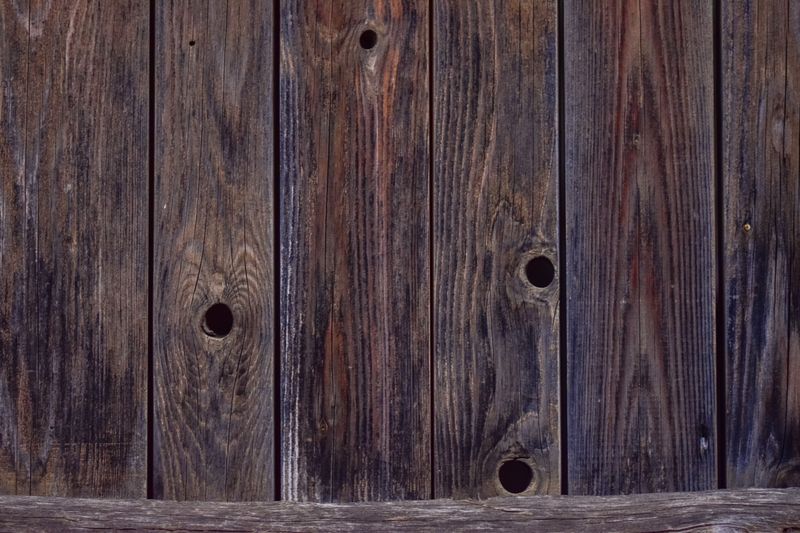
A few shallow peck marks are annoying, but they are not an emergency. Deep, clustered holes that compromise the post’s core are a different story entirely.
When holes reach more than half an inch deep and appear in groups, the structural strength of the post starts to weaken. A fence post that cannot bear lateral pressure becomes a safety hazard over time.
Check for holes near the base of the post first, since damage close to ground level affects stability the most. If the wood feels soft or crumbles when pressed, replacement may already be necessary.
Water infiltration is the sneaky secondary problem that makes drilling damage worse. Each hole acts as a funnel during rain, accelerating rot from the inside out.
Staining around the holes, combined with a musty smell near the post, signals that moisture has already gotten in. That combination of rot and bird damage shortens a post’s lifespan dramatically.
Photograph the damage and note the number of holes each week. Tracking the progression tells you if the activity is ongoing or if the bird has already moved on.
If the holes are multiplying fast, waiting too long means replacing entire fence sections instead of just patching a few spots. Early action keeps repair costs manageable and protects the rest of your fence line.
Trust your gut when the damage looks serious. A compromised post rarely gets better on its own without intervention.
Sealing And Treating Wood To Make Posts Less Appealing
Prevention beats repair every single time. Making your fence posts less attractive to woodpeckers is one of the most effective long-term strategies available to homeowners.
Sealing the wood with a hard exterior finish removes the soft, workable texture that woodpeckers prefer. Birds favor wood they can penetrate easily, so a tougher surface sends them looking elsewhere.
Epoxy-based wood fillers work well for patching existing holes before sealing. Filling the holes removes the visual and tactile cues that tell a bird the spot is already a good drilling site.
After patching, apply two coats of a high-quality exterior wood sealant or hardener. Products containing borates also deter insects, which removes a secondary reason for woodpeckers to investigate your posts.
Hardware stores carry penetrating epoxy consolidants designed specifically for weathered or damaged wood. These soak deep into the fibers, hardening the interior and making drilling far less rewarding for the bird.
Avoid leaving raw, unpainted, or untreated wood exposed anywhere along your fence line. Fresh cuts and weathered surfaces are the first places a woodpecker will test with its beak.
Reapply sealant every two to three years, especially on posts that face direct sun or heavy rain. Consistent maintenance keeps the surface unappealing season after season, reducing the chance of repeat visits.
A well-sealed fence is not just bird-resistant, it lasts longer overall. That is a win for your California yard either way.
Deterrents And Legal Limits In California You Need To Know First
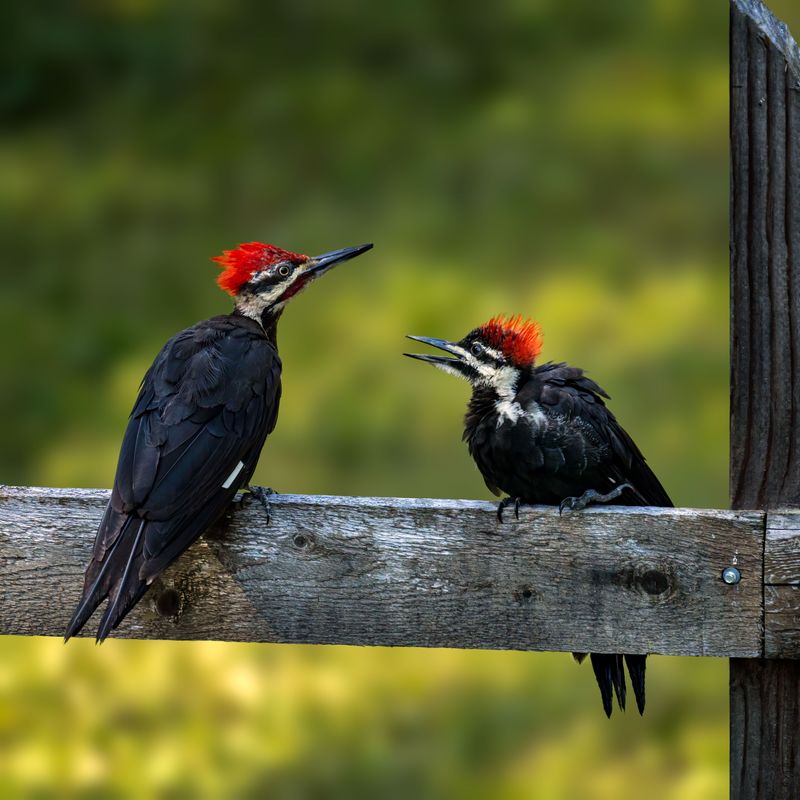
Before you grab anything off a hardware shelf, know this: woodpeckers are federally protected birds. The Migratory Bird Treaty Act makes it illegal to harm, trap, or relocate them without a special permit.
That law applies to woodpecker species found in California, including the Acorn Woodpecker. Violating it can result in serious fines, so non-lethal deterrents are your only legal path forward.
Reflective tape is one of the easiest and cheapest options available. Hanging strips near the damaged area creates unpredictable flashes of light that make birds uncomfortable and reluctant to land.
Plastic predator decoys, like owls or hawks, can work short-term. Move them every few days though, because woodpeckers are smart enough to recognize a fake that stays in one spot too long.
Bird exclusion netting placed over the fence section creates a physical barrier without harming anyone. The netting should hang at least three inches away from the surface so the bird cannot peck through it.
Woodpecker-specific repellent sprays, made with bird-deterrent ingredients like methyl anthranilate, can be applied directly to wood surfaces. Reapply after rain for consistent protection throughout the wetter months.
If damage is severe and ongoing, California residents can apply for a depredation permit through the U.S. Fish and Wildlife Service. This process takes time, so starting deterrents early gives you the best chance of solving the problem without escalating.
Protecting your fence and respecting wildlife are not opposing goals. Smart, legal deterrents make both possible at once.