Why You’re Suddenly Seeing More Joro Spiders Around Georgia Homes
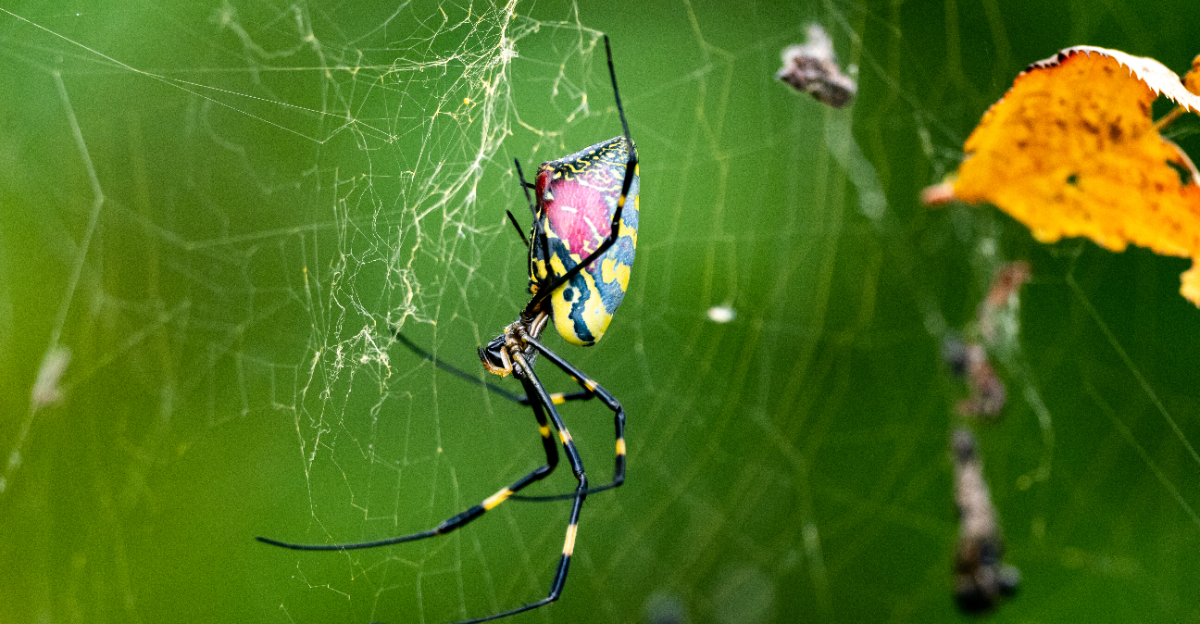
Joro spiders seem to appear overnight, but they have been building toward this moment for weeks. Late summer is when their giant golden webs become impossible to miss around porches, fences, shrubs, and trees.
If you’ve started spotting them around your Georgia home, don’t assume something unusual just happened. This is the season when adult Joro spiders are easiest to notice.
Their large size and bright webs suddenly make them stand out. Knowing why they appear now makes their arrival much less surprising.
It also explains why so many homeowners notice them at the same time every year. Once you understand what’s happening, those oversized webs won’t seem nearly as mysterious.
You may even think about them a little differently.
1. Joro Spiderlings Have Grown Rapidly Since Spring
Back in spring, Joro spiders were barely visible. Newly hatched spiderlings are tiny, often smaller than a pencil tip, and most people walk right past them without noticing a thing.
Each egg sac can hold hundreds of eggs. When those eggs hatch in spring, a massive number of young spiders fan out across nearby vegetation, fences, and shrubs.
At that size, they blend in easily.
By midsummer, those same spiderlings have been feeding and growing for months. What was once a near-invisible creature is now a spider large enough to catch your eye from several feet away.
Growth rates depend on food availability and temperature. Warm, insect-rich conditions, which are common across much of the Southeast, tend to support faster development in Joro spiders compared to cooler regions.
Homeowners who noticed nothing unusual in April or May are now spotting large, colorful spiders seemingly out of nowhere. Nothing appeared overnight.
Those spiders were simply too small to register earlier in the season.
Paying attention to this growth timeline can actually help you predict where webs might appear later. If you spotted small spiders near your porch light in spring, there is a reasonable chance a much larger one will be hanging there by late summer.
2. Females Are Becoming Large Enough To Notice
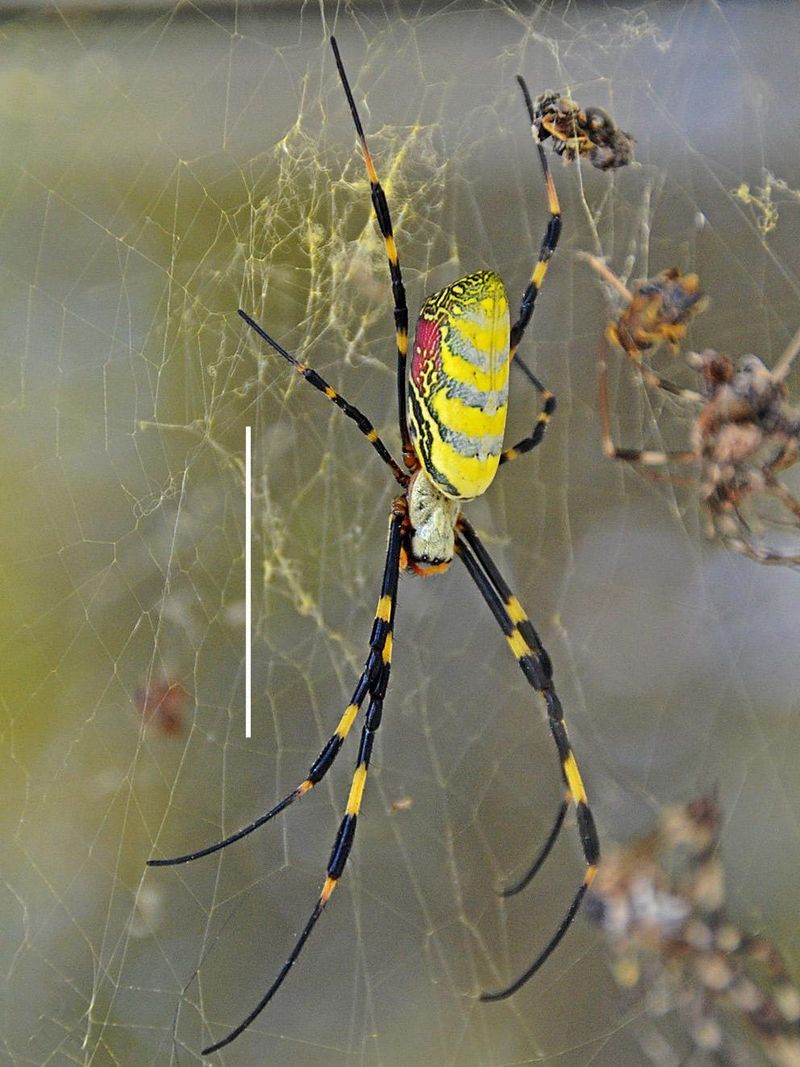
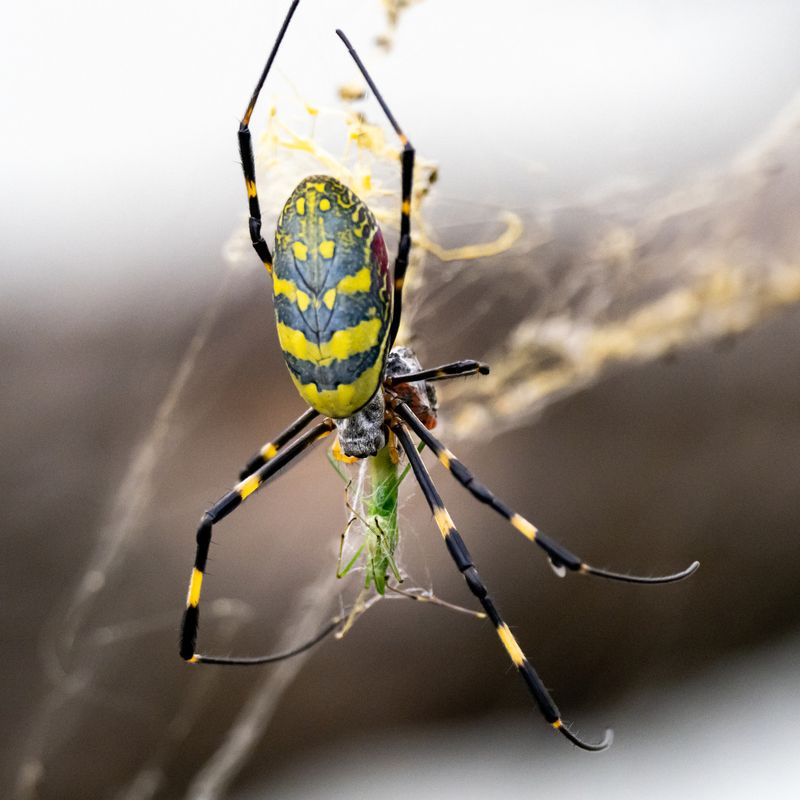
Female Joro spiders are genuinely striking. With leg spans that can reach around four inches, they are hard to overlook once they reach full size in late summer and early fall.
Males are much smaller and far less colorful. Most people never really notice them at all.
It is the females that stop people in their tracks on morning walks to the mailbox.
Joro females develop their full coloring and size gradually. Bright yellow banding, deep blue-black markings, and a reddish underside become more vivid as the spider matures through summer.
By late July and August, females are hitting their peak size. Webs get larger to match their bodies, and those webs tend to appear in open, well-lit spots where flying insects are plentiful.
Seeing a spider this size near your front door can feel alarming at first. Understanding that this is simply a mature female at the end of her seasonal growth cycle can make the encounter feel a lot less threatening.
Your Georgia Garden Changes Every Week. Your Plan Should Too.
Gardening in Georgia changes quickly throughout the season. Every Friday you’ll receive a simple weekly plan showing exactly what to plant, prune, fertilize, harvest, and protect so you never miss the right timing.
Females at this stage are focused almost entirely on feeding and eventually producing an egg sac before cooler weather arrives. Their energy goes into survival, not into bothering people passing nearby.
3. Golden Webs Are Appearing Around More Homes
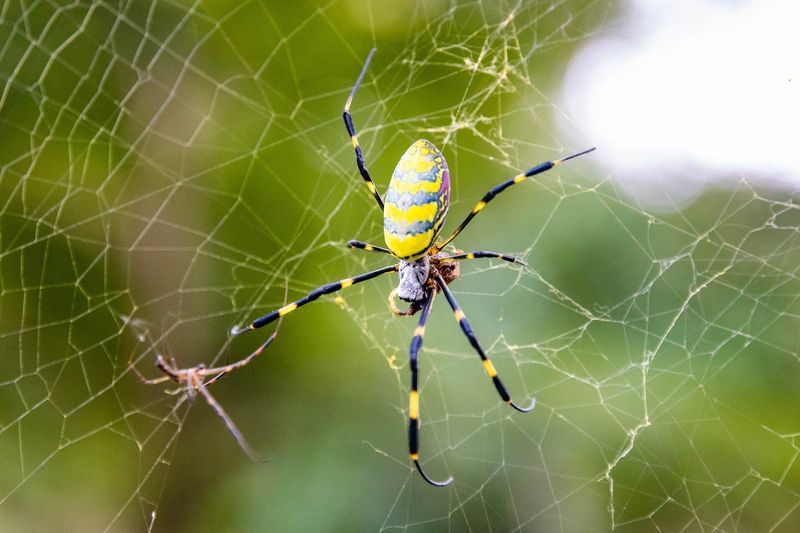
Joro spiders spin some of the most visually impressive webs of any spider found in the American Southeast. Their silk has a distinct golden tint that catches sunlight in a way that is genuinely hard to miss.
Web placement tends to follow a pattern. Open gaps between structures, shrubs, fence posts, porch railings, and tree branches are all prime real estate for a Joro looking to intercept flying insects.
As the population grows each year, more webs are appearing in residential areas simply because there are more spiders looking for suitable spots.
Suburban yards with mixed plantings and outdoor lighting offer ideal conditions.
A single female may rebuild or repair her web repeatedly over several weeks. Once a location proves productive for catching insects, she tends to stick with it rather than relocating.
Outdoor lights are a big factor. Lights attract moths, gnats, and other flying insects at night, and Joro spiders have learned to position their webs nearby to take full advantage of that steady food source.
Noticing a golden web near your porch or garden shed is a sign that conditions around your home are working well for these spiders.
Trimming back dense shrubs near entry points can gently discourage web-building in spots you would rather keep clear.
4. Warm Summer Weather Supports Fast Growth
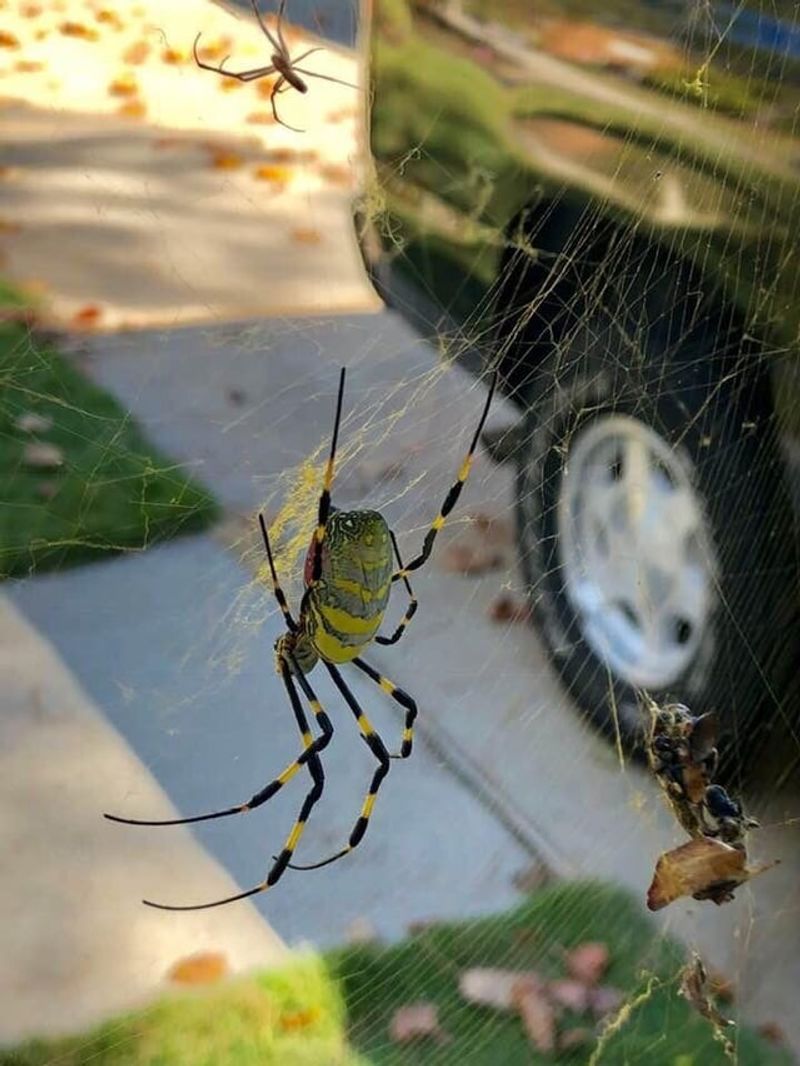
Heat plays a direct role in how quickly Joro spiders develop. Warmer temperatures tend to speed up insect metabolism and activity, which includes the growth cycle of spiders like the Joro.
Georgia summers are long, humid, and consistently warm.
Those conditions create an extended window for Joro spiders to feed, grow, and reach reproductive maturity before fall temperatures arrive.
Cooler or shorter summers in other regions can limit how large and numerous a spider population grows in a single season. Here in the Southeast, that limiting factor is largely absent for much of the year.
Humidity also supports the structural integrity of spider silk.
Dry conditions can weaken web threads more quickly, but the moist air common to this region helps webs hold their shape and remain effective longer.
Longer warm seasons also mean a longer feeding period. A spider that has more time to consume insects before cold weather arrives will grow larger and produce more offspring than one with a shorter season.
None of this is guaranteed, of course. A cooler or wetter than average summer can still affect spider populations in unpredictable ways.
But under typical seasonal conditions, the Southeast’s climate genuinely favors Joro spider growth in ways that cooler northern climates simply do not.
5. More Flying Insects Mean More Food
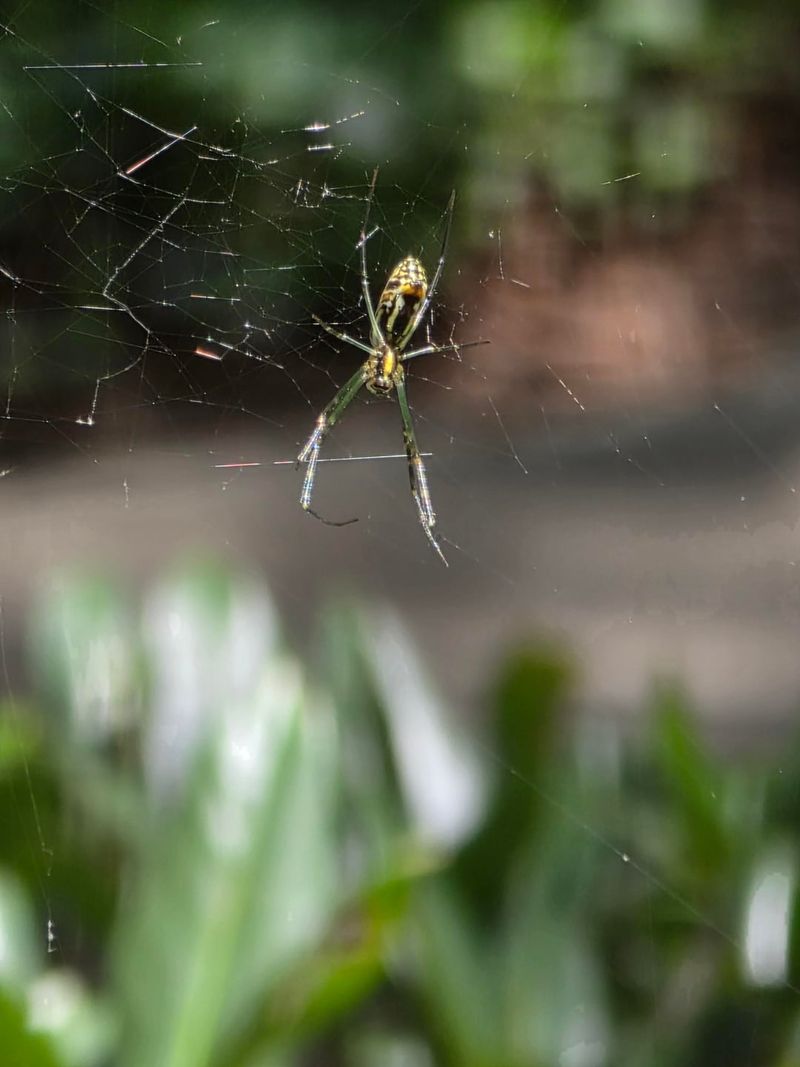
A spider population only grows as large as its food supply allows.
Right now, flying insect activity across much of the Southeast is high, and Joro spiders are eating well because of it.
Stink bugs are a known favorite. Joro spiders have shown a notable ability to capture and consume stink bugs, which many other spider species tend to avoid.
Plenty of stink bugs in your yard can support a healthy Joro population nearby.
Moths, mosquitoes, flies, and gnats also end up in Joro webs regularly. Any yard with flowering plants, outdoor lighting, or standing water nearby is likely producing a steady supply of potential prey.
More food means faster growth. Spiders that catch enough insects develop more quickly, grow larger, and are more likely to produce viable egg sacs before the season ends.
Residential yards with gardens, compost areas, or dense plantings tend to attract more insects overall. That insect activity, in turn, attracts more Joro spiders looking for productive web sites.
Reducing outdoor lighting near windows and doors can lower the number of insects gathering close to your home at night.
Fewer insects in a specific spot can make that location slightly less appealing to web-building spiders over time, though results will vary depending on the surrounding environment.
6. Trees And Shrubs Hold Their Expanding Webs
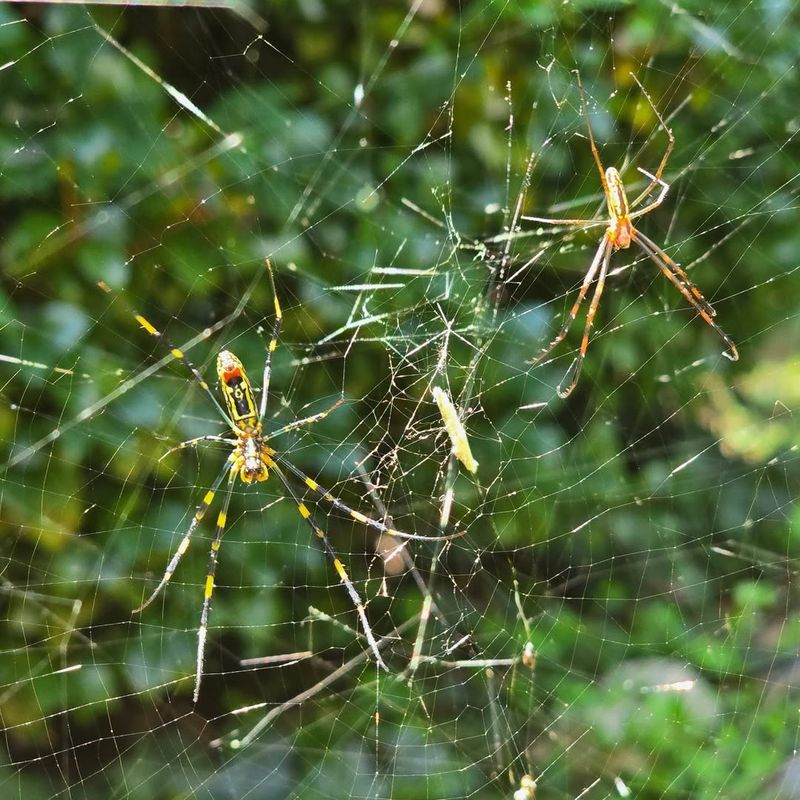
Mature landscaping gives Joro spiders exactly what they need to build large, stable webs.
Trees with spreading branches, dense shrubs, and tall ornamental grasses all serve as natural anchor points.
Older neighborhoods with established trees tend to see more Joro activity than newer developments with smaller plantings. More anchor points mean more possible web locations, which supports a larger spider presence overall.
Joro webs can span impressive distances. A web stretched between two branches or from a shrub to a fence post can easily reach two to three feet across when the spider reaches full size.
Unlike smaller spiders that tuck webs into tight corners, Joro spiders prefer open, airy spots where flying insects have room to travel. Trees and shrubs along property edges or near open lawn areas are especially popular choices.
Landscaping decisions can influence where webs appear. Trimming back branches that extend over walkways or near frequently used doors can reduce the number of webs you walk through unexpectedly.
Keeping shrubs pruned and avoiding dense, tangled growth near entry points gives spiders fewer ideal anchor spots close to your home.
It will not eliminate them from your yard entirely, but it can shift web-building activity toward less trafficked areas of the property.
7. Most Joro Spiders Are Not Aggressive
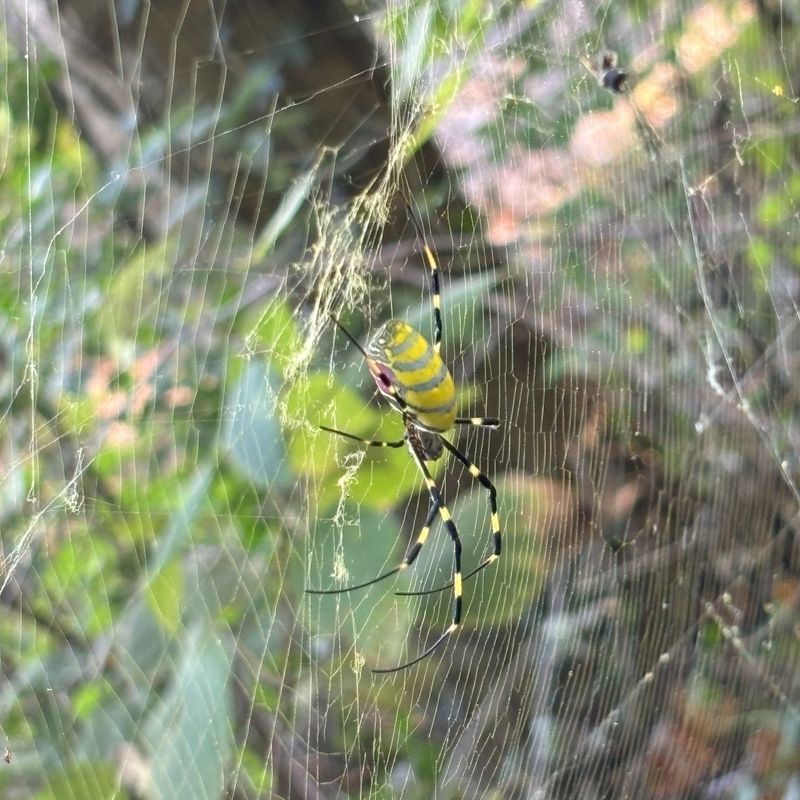
Walking into a Joro web by accident is startling. No question about that.
But the spider itself is far less of a threat than its size and coloring might suggest at first glance.
Joro spiders are not known to be aggressive toward people.
When disturbed, the typical response is to retreat or drop from the web rather than move toward the person who caused the disturbance.
Biting is uncommon and generally only occurs if the spider is physically pressed against skin and feels it has no escape. Even in those rare cases, reactions in healthy adults are typically mild and localized, though individual responses can vary.
Their vivid coloring can make them look intimidating. Bright yellow and black patterns on a large spider naturally trigger alarm in most people.
In nature, those colors often signal a warning, but Joro spiders rely more on camouflage and stillness than on any kind of confrontation.
Children and pets are naturally curious, and a spider this size will attract attention.
Teaching kids to observe without touching is a practical approach that works well for any unfamiliar spider species.
Coexisting with Joro spiders in your yard is a reasonable option for most households.