Why You’re Not Seeing Painted Buntings In Your Oklahoma Yard And What Brings Them In
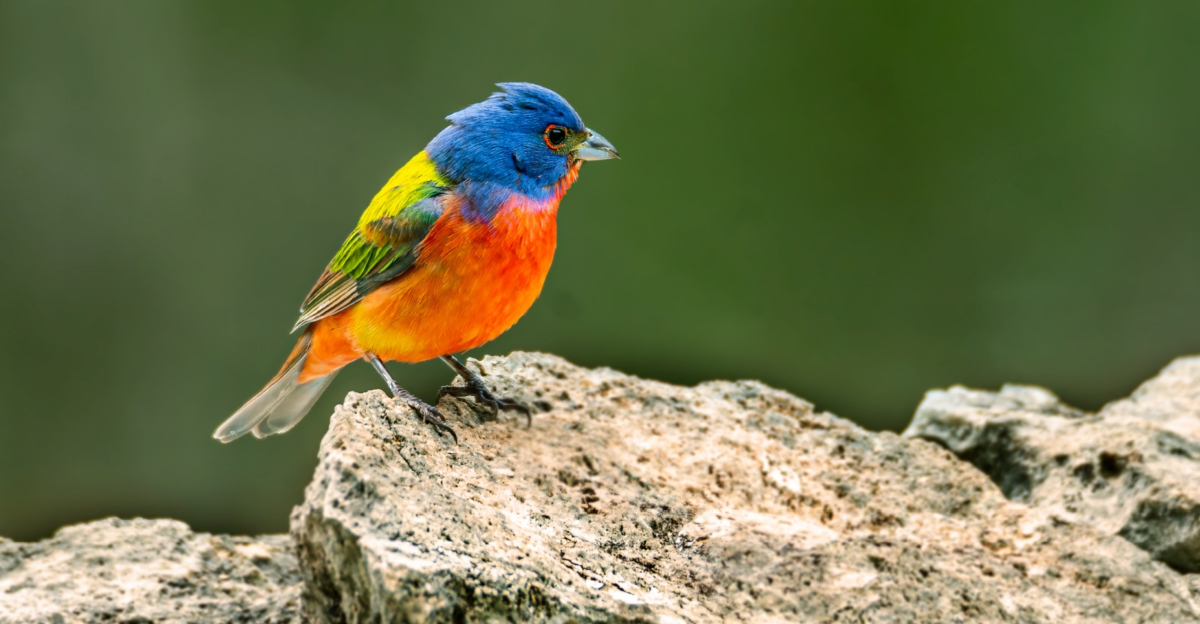
Bright feathers appear right where you least expect them each time. Oklahoma sits right inside some of the richest breeding ranges. Yet your yard rarely earns even a single passing glance.
Feeders alone rarely convince these picky birds to stay put. Painted buntings need dense cover, clean water, and specific seed mixes. Skipping any single element keeps them moving toward better ground.
Location always matters, but habitat structure matters even more. Birders across Oklahoma often miss this simple detail. Small adjustments in your own yard can shift everything quickly.
Native shrubs, thistle seed, and shallow water change outcomes fast enough. Timing also plays a much bigger role than most realize. Spring arrivals scout territory before committing anywhere long.
Every single choice you make either invites them closer or further. Nothing about attracting these dazzling birds ever happens by chance. Once you understand what draws them close, you cannot look away.
Lacking Dense Shrubby Cover Nearby
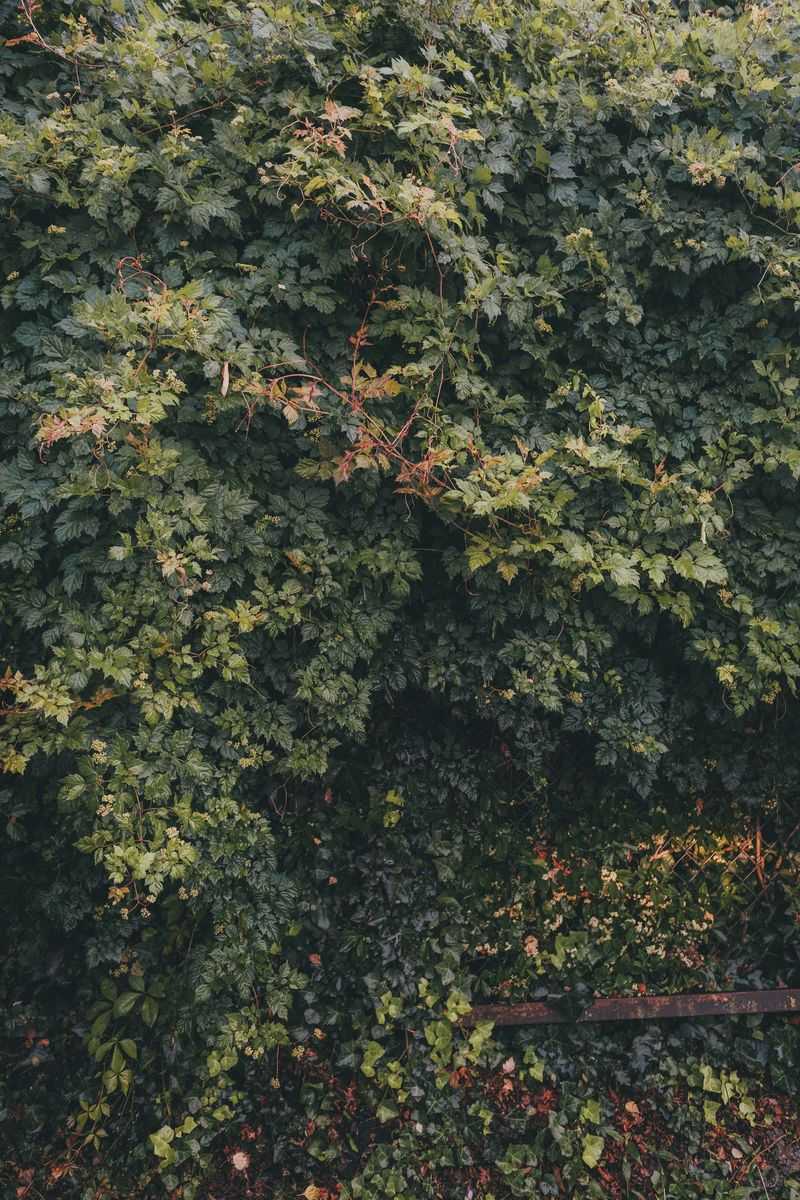
Painted Buntings are less likely to stay if they feel exposed. These birds are naturally cautious, and they need dense shrubs nearby to feel safe.
Without thick cover, they stay hidden in surrounding woods and never venture into your yard. Open, manicured lawns with no brushy edges are a red flag to them.
Think about what a painted bunting actually needs. It wants a quick escape route and a shady spot to perch between feeder visits.
Shrubs like wild plum, beautyberry, or native hawthorn create exactly that kind of safety net. Even a few well-placed bushes near your feeding area can make a big difference.
Buntings are edge birds, meaning they love the border between open space and thick vegetation. A yard that blends both gives them the confidence to come out and eat.
Without that shrubby buffer, your yard is essentially a wide-open field to them. Painted buntings avoid feeling exposed in open, bare spaces.
Start by planting at least one or two dense native shrubs a few feet from your feeder. That small change signals to passing buntings that your yard is a safe place to land.
Your yard might have food, water, and good intentions. But without cover, painted buntings will keep flying right past you.
Offering The Wrong Type Of Seed
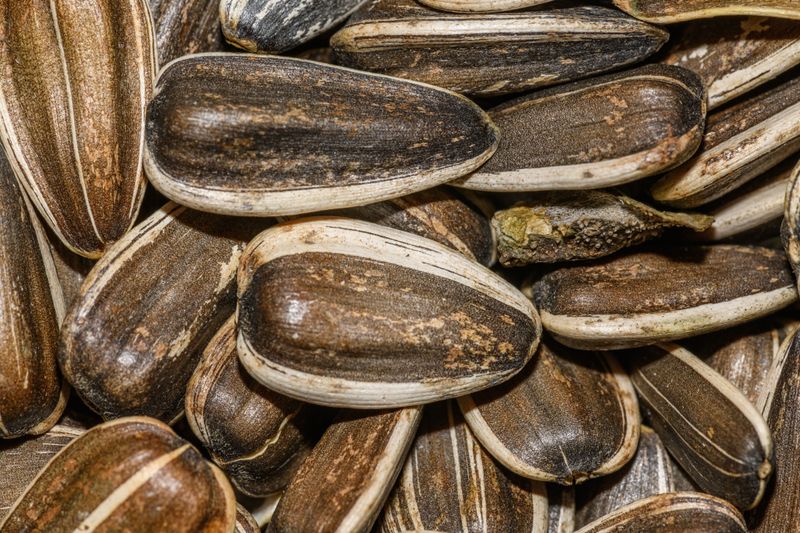
Here’s something many birders don’t realize right away. Painted Buntings are seed specialists, and most store-bought mixes simply don’t cut it.
Sunflower seeds, safflower, and cracked corn are popular with other birds. But buntings largely ignore them and move on.
These birds have a strong preference for small, round seeds. White proso millet is widely considered their favorite, and it’s easy to find.
When your feeder is loaded with the wrong mix, buntings may land once and never return. First impressions matter, even to birds.
Many commercial blends are padded with filler seeds that birds toss aside. That wasted seed on the ground can also attract unwanted pests.
Switching to straight white proso millet is one of the fastest fixes you can make. It’s affordable, widely available, and effective for attracting buntings.
Your Oklahoma Garden Changes Every Week. Your Plan Should Too.
Gardening in Oklahoma changes quickly throughout the season. Every Friday you’ll receive a simple weekly plan showing exactly what to plant, prune, fertilize, harvest, and protect so you never miss the right timing.
Platform feeders or tube feeders with small ports work best for serving millet. Buntings prefer feeding low to the ground, so a tray-style feeder set close to ground level is ideal.
You can also scatter millet directly on the ground beneath a shrub. That ground-level feeding mimics how buntings naturally forage in the wild.
Painted Buntings are not hard to please once you know what they want. Give them the right seed, and your feeder is likely to attract far more visitors.
Missing Water Sources For Bathing
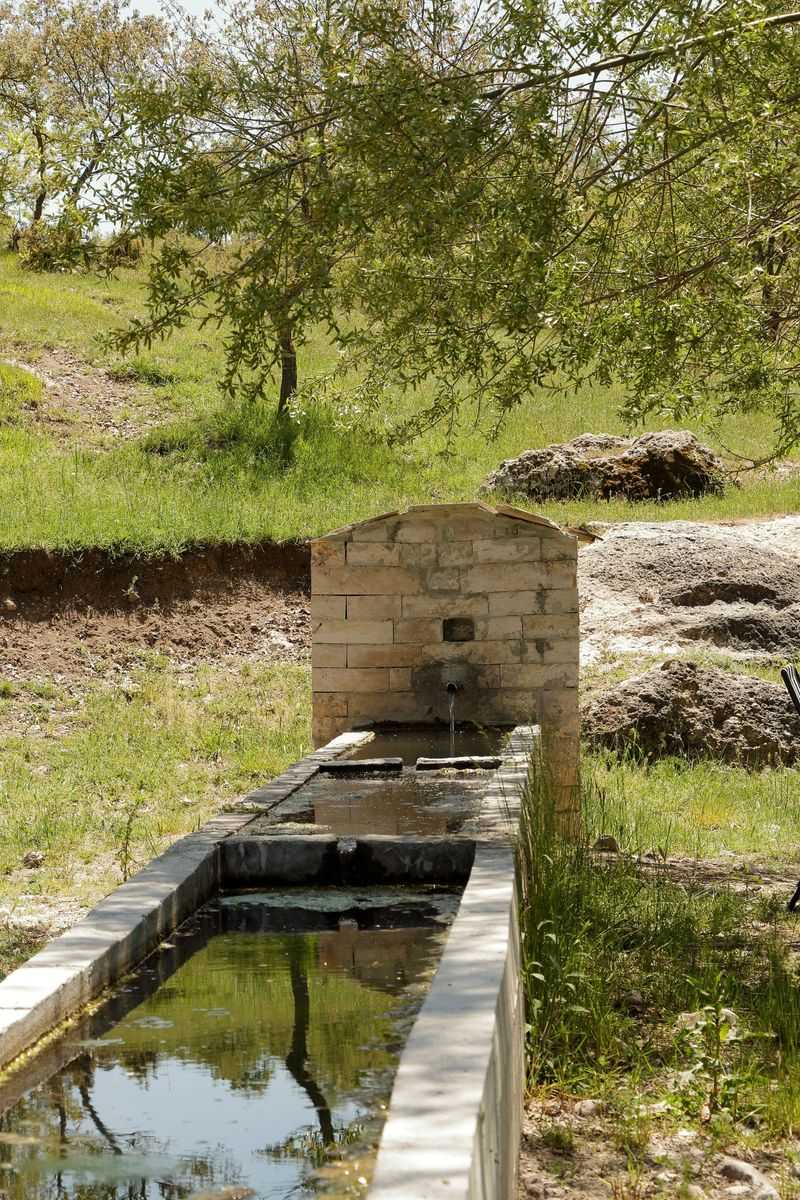
Painted Buntings absolutely love water, and not just for drinking. Bathing is a daily ritual for these birds, and they seek it out actively.
A yard without a clean, shallow water source is a yard that buntings will skip. It’s one of the most overlooked reasons these birds don’t visit.
Most birdbaths are too deep for small songbirds like buntings. The water should stay shallow at the center, ideally around an inch and a half.
Adding a few flat stones to an existing bath can fix the depth issue instantly. Buntings need to feel the bottom under their feet while splashing.
Moving water is even more attractive to them. A small solar-powered dripper or wiggler creates ripples and sound that draw birds in from a surprising distance.
The sound of dripping water travels through dense shrubs and trees. Buntings often notice the sound before the source, and that audio cue can draw them toward your yard.
Keep the water fresh by changing it every two to three days. Stagnant water grows algae quickly, and buntings won’t bathe in murky conditions.
Place the birdbath near but not directly under a feeder. Seed debris falling into the water contaminates it fast and discourages visits.
A clean, shallow bath with moving water near good cover is practically an invitation. Painted Buntings in your Oklahoma yard will accept that offer without hesitation.
Facing Too Much Yard Disturbance
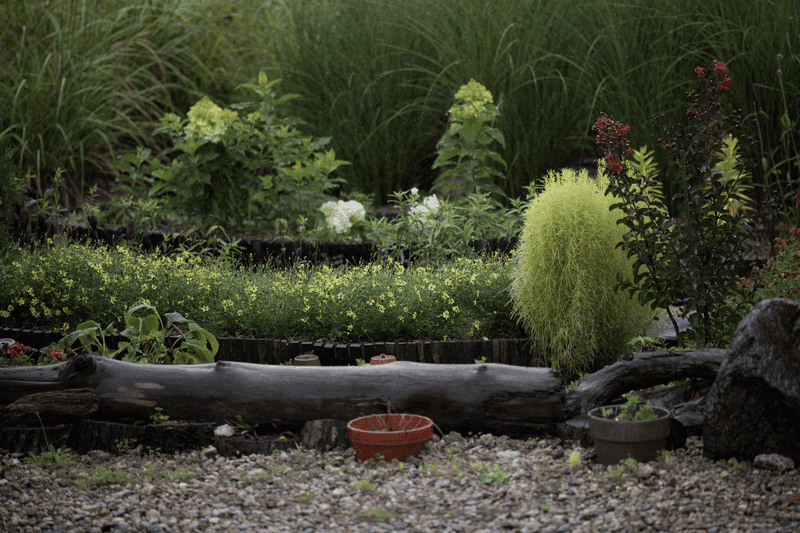
Painted Buntings spook easily, and a busy yard sends them packing. Constant noise, movement, and foot traffic are major deterrents for these shy birds.
If your yard has dogs roaming freely, kids playing loudly, or frequent lawn maintenance, buntings won’t feel safe enough to visit. They need calm, predictable environments.
Even well-meaning activity like checking feeders too often can scare them off. Buntings watch from a distance before committing to land.
Loud music, power tools, and sudden movements near feeding areas all register as threats. These birds have excellent vision and pick up on disturbances quickly.
The solution isn’t to abandon your outdoor life. It’s about creating one quiet corner where buntings can feed undisturbed.
Positioning feeders away from high-traffic areas helps significantly. A feeder tucked near a fence line or garden border sees far less human disruption.
Timing matters too. Buntings are most active in the early morning and late afternoon. Avoiding yard work during those windows can make a real difference.
Cats are another major problem. Even an indoor-outdoor cat lounging near a feeder is enough to keep buntings away for an extended period.
Reducing disturbance doesn’t require a major lifestyle change. A few small adjustments to your routine can transform a chaotic space into a bunting-friendly retreat.
Once buntings feel safe in your yard, they’re more likely to return regularly. Earning their trust is the first step toward seeing painted buntings in your Oklahoma yard regularly.
Planting Native Thickets And Brush
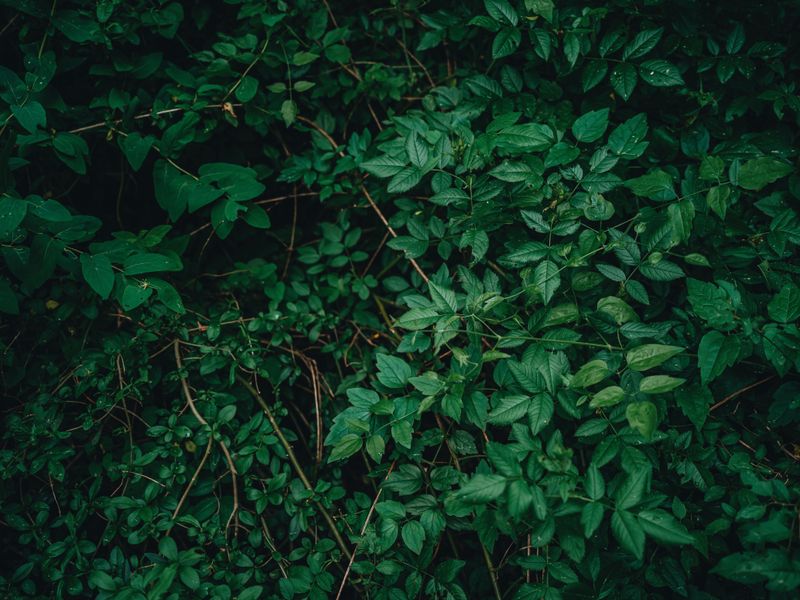
Native plants are an underused tool for most Oklahoma birders. Planting local species creates a habitat that closely matches what painted buntings naturally seek.
Native thickets offer more than shelter. They provide natural food sources like berries and insects that supplement a bunting’s diet throughout the season.
Beautyberry is a fantastic choice for Oklahoma yards. Its clusters of purple berries ripen from late summer into fall and attract buntings along with dozens of other songbirds.
Wild plum thickets create dense, thorny cover that buntings love for nesting and roosting. Plant them along a fence line or property edge for maximum effect.
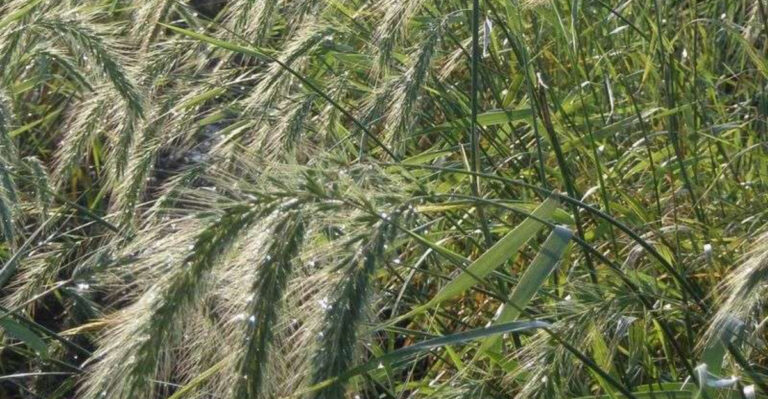
Native grasses like little bluestem or switchgrass add another layer of texture. Buntings actively forage in tall grass for seeds and insects.
Even a small brush pile tucked into a corner of your yard adds value. Fallen branches and leaf litter create micro-habitats that birds explore constantly.
Native plants also require less water and maintenance than exotic landscaping. That benefits both your yard and the birds that depend on local ecosystems.
Spacing matters when planting thickets. Grouping shrubs in clusters rather than single plants creates denser cover that feels more natural to buntings.
Start small if a full garden overhaul feels overwhelming. Even two or three native shrubs planted strategically can begin attracting painted buntings within a single season.
A yard full of native plants sends a clear signal. It signals a habitat built around natural cover and food sources, which painted buntings consistently favor.
Providing White Proso Millet Seed
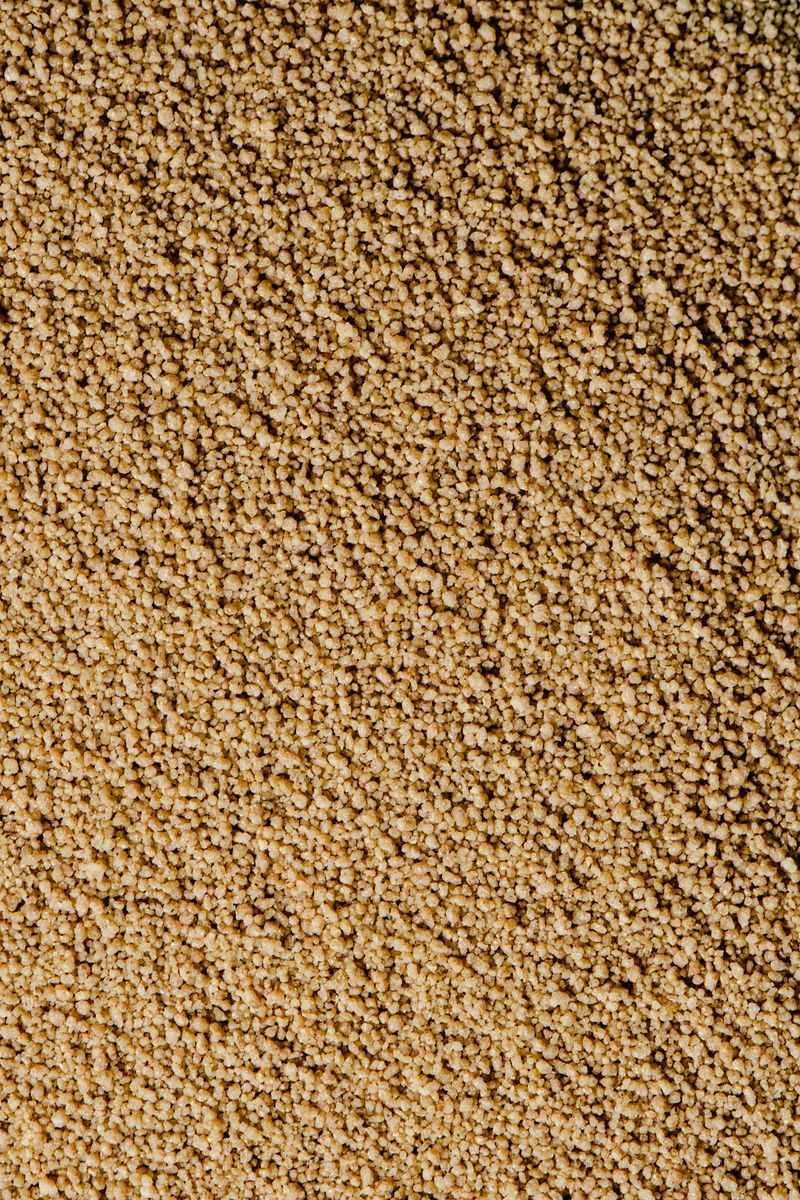
If there’s one change that reliably brings painted buntings in, it’s swapping your seed mix for pure white proso millet. Birders across Oklahoma swear by it.
White proso millet is small, round, and pale. It’s exactly the type of natural grass seed that buntings forage for in the wild.
Buntings have short, stout bills perfectly designed for cracking small seeds. Larger seeds like sunflower are simply too big for them to handle comfortably.
Offering millet in a platform or tray feeder gives buntings the open feeding surface they prefer. Tube feeders with small ports can also work if the perches are low enough.
Ground feeding is another great option. Scatter a small handful of millet beneath a low shrub and watch what happens within a few mornings.
Consistency is key with millet. Refill your feeder at the same time each day so buntings can rely on a predictable food source.
Wet millet can mold quickly in humid weather. Check your feeder after rain and replace soggy seed immediately to keep things fresh and appealing.
Other birds enjoy millet too, including juncos, sparrows, and doves. A millet feeder becomes a lively community spot that makes your yard feel alive.
Don’t be discouraged if buntings don’t show up immediately. It can take some time, often a week or two, for them to discover a new food source in your area.
Stay patient and keep that millet fresh. Painted buntings in your Oklahoma yard are worth every refill.
Adding A Shallow Birdbath Nearby
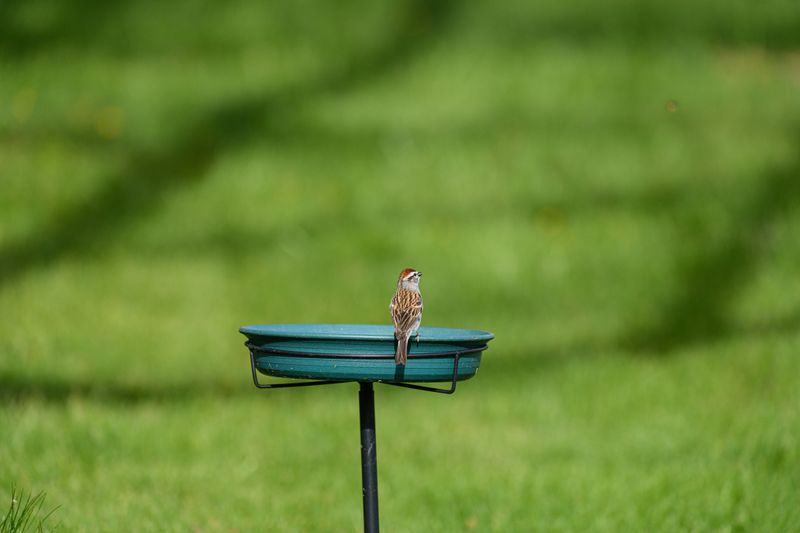
A birdbath sounds simple, but the details make all the difference for painted buntings. Depth, placement, and cleanliness are the three factors that determine success.
Buntings are small birds, and they won’t use a bath that feels like a swimming pool. Aim for a maximum depth of about one and a half inches.
Rough surfaces inside the bath help birds grip the bottom while bathing. Smooth glazed bowls can be slippery and off-putting for small songbirds.
Adding a layer of coarse sand or a few flat pebbles to the basin creates better footing. Buntings feel more confident and stay longer when they’re stable.
Position the bath within about 10 feet of dense shrubs. Buntings need a quick escape route nearby, and cover gives them the confidence to linger.
Avoid placing the bath directly under a tree with heavy canopy. Falling leaves and debris contaminate the water fast and reduce visibility for cautious birds.
A solar-powered water wiggler is a low-cost upgrade that pays off fast. The gentle ripple and soft sound it creates are highly appealing to passing buntings.
Clean the bath with a stiff brush every few days. Algae buildup makes water unappealing and can carry bacteria that harm small songbirds.
In hot Oklahoma summers, evaporation happens quickly. Check the water level daily and top it off to keep the bath functional and inviting.
A well-placed, well-maintained birdbath is one of the more effective tools in your bunting attraction plan.
Creating Quiet, Low-Traffic Garden Corners
Painted buntings are not bold birds. They don’t strut up to busy feeders the way blue jays or grackles do.
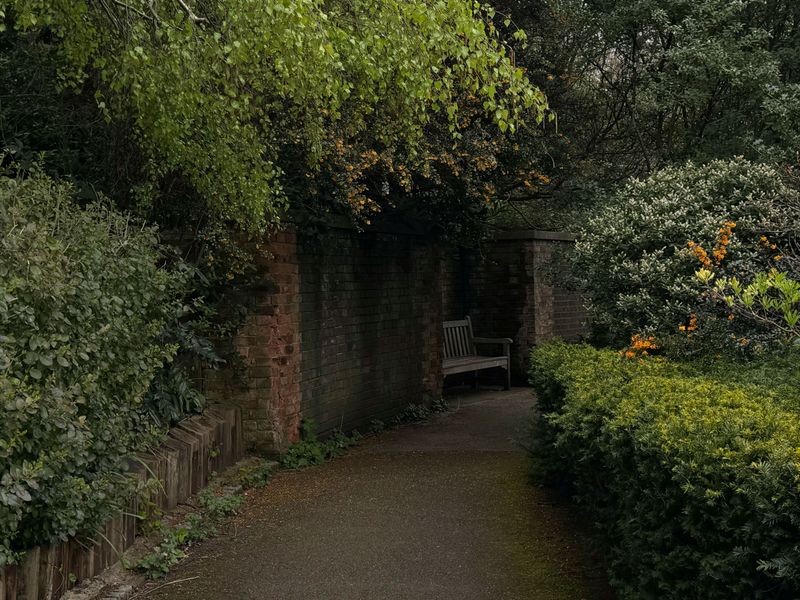
Creating a quiet corner dedicated to their needs is one of the smartest moves an Oklahoma birder can make. Think of it as building a private dining room just for them.
Choose a spot that naturally sees less foot traffic. A back corner near a fence, a garden bed along the edge of your property, or a shaded side yard all work well.
Keep the feeder, birdbath, and shrubs clustered together in that spot. Buntings feel safer when resources are concentrated in one calm, familiar location.
Avoid placing garden decor, wind chimes, or reflective items near the bunting corner. These create unpredictable movement and sound that triggers their flight response.
Low ground cover around the base of your feeder post adds another layer of comfort. Buntings often drop to the ground to pick up spilled millet from the soil.
Motion-sensor lights, sprinklers, and outdoor speakers near this area can undo much of your progress. Keep technology away from the bunting zone entirely.
Let fallen leaves accumulate naturally in that corner. Leaf litter attracts insects, and buntings forage through it with surprising energy and speed.
Once a bunting finds a quiet corner it trusts, it returns to that exact spot day after day. Routine and safety are what keep them loyal to your yard.
A calm garden corner completes the setup. With all the right elements in place, seeing painted buntings in your Oklahoma yard becomes far more likely.