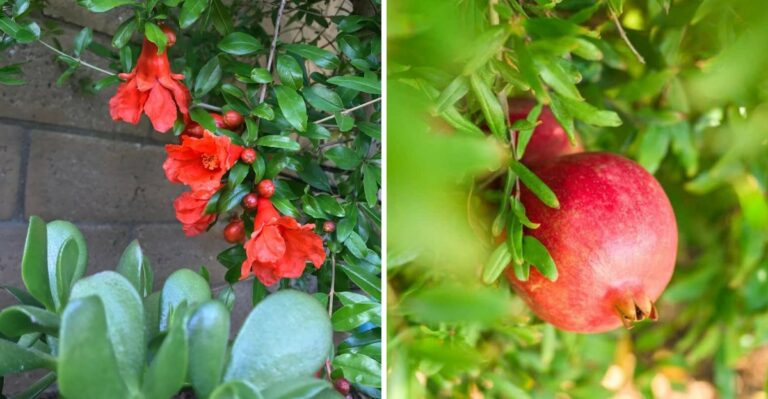
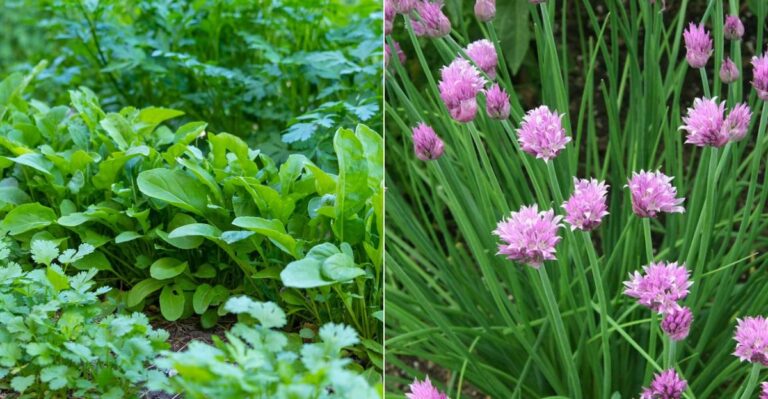
California Groundcovers That Fill Bare Spots Faster Than Mulch Ever Could
Mulch is useful, but it has limits.
On a California slope, it slides. In a windy strip, it scatters. Under shrubs, it thins out until weeds find the light again.
By midsummer, that fresh layer can look like a memory, and the same bare patch is back to asking for attention.
Living groundcovers solve the problem differently.
They root into the soil, spread outward, shade the surface, slow runoff, and make it much harder for weeds to move in.
Instead of covering bare ground for a few months, they build coverage that gets stronger each season.
That matters in California gardens, where dry summers, hot pavement edges, thirsty slopes, and water limits make every exposed patch feel like extra work.
So which groundcovers can fill bare spots faster than mulch ever could?
Start with tough, spreading plants that know how to knit soil together, handle heat or shade, and keep expanding long after a mulch layer would have faded, shifted, or washed away.
1. Kurapia
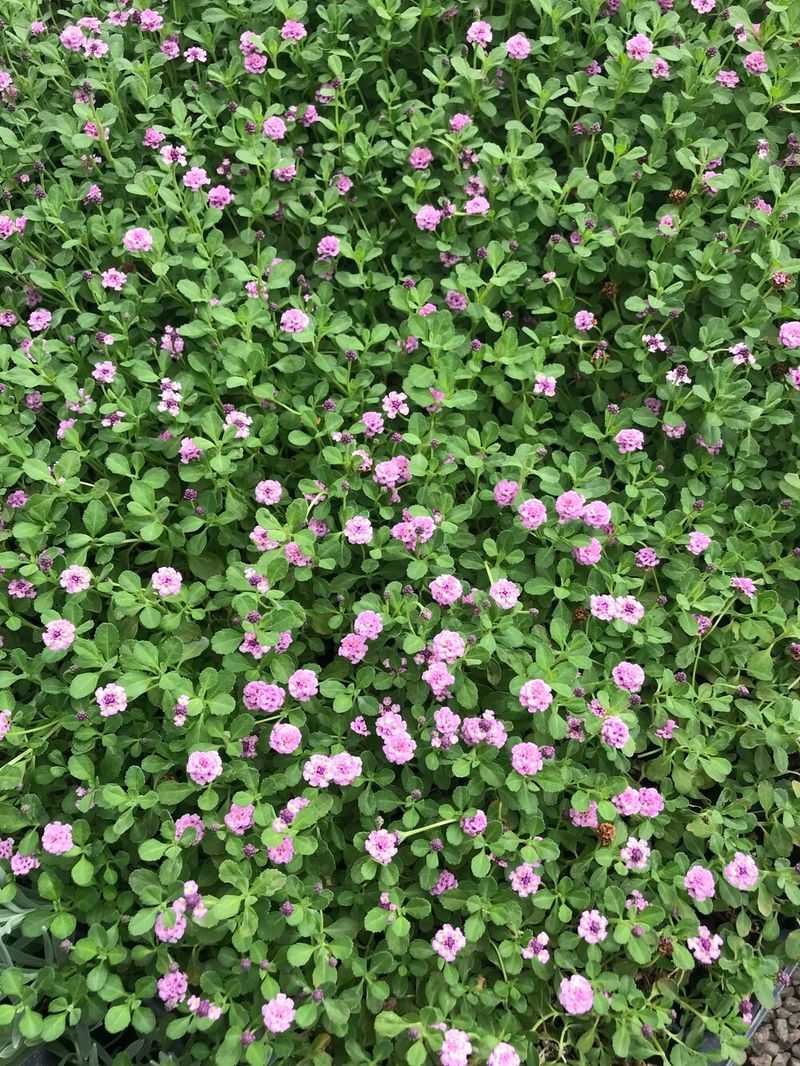
A sunny bare patch can disappear surprisingly fast with the right spreader.
Kurapia moves by above-ground runners that root wherever they touch soil. Once it settles in, those runners travel outward and create a low, dense mat that covers open ground much faster than most traditional groundcovers.
That speed makes it useful in lawn replacement areas.
It stays naturally short, often under two inches, and can fill wide spaces without constant mowing. Tiny white flowers appear through warm months and bring plenty of bee activity, so place it thoughtfully around patios and play zones.
Kurapia can handle moderate foot traffic.
That gives it an edge in open front yards, path edges, and low-use lawn alternatives where more delicate plants would thin out. It is not meant for rough sports areas, but it can manage regular casual use once established.
Full sun gives the best coverage.
Good drainage also matters. Heavy clay that stays wet can slow growth, so amend compacted spots before planting. A thin mulch layer between young plugs can help suppress weeds while the plants knit together.
Water well during the first season.
Deep, less frequent irrigation encourages stronger rooting. After the mat fills in, water use can usually drop significantly compared with traditional turf.
Kurapia is not shy.
Give it sun, space, and a fair start, and it can turn bare soil into a living carpet before mulch gets its second chance to wander off.
2. Dymondia
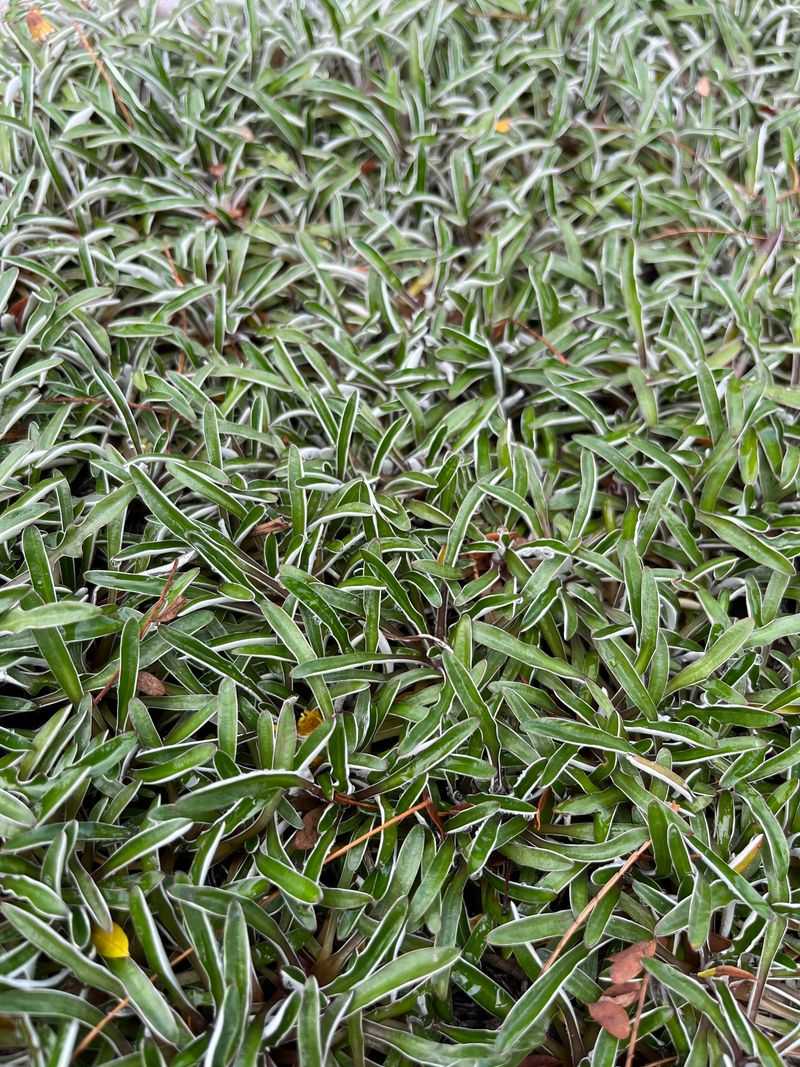
Hot driveway strips need a plant with serious nerve.
Dymondia hugs the ground in a tight silver-green mat, making it ideal for narrow spaces where soil bakes between concrete, pavers, or walkways. It grows low enough to look almost pressed into the surface.
The coverage is dense.
Dymondia may not race across the garden as fast as some runners, but once it fills in, weeds have very little room to push through. That tight growth is the reason gardeners love it between stepping stones and along sunny paths.
The leaves help with heat.
Their silvery undersides reflect light, and the mat shades soil that would otherwise cook under summer sun. Small yellow flowers appear in warm weather without making the planting look messy.
Your California Garden Changes Every Week. Your Plan Should Too.
Gardening in California changes quickly throughout the season. Every Friday you’ll receive a simple weekly plan showing exactly what to plant, prune, fertilize, harvest, and protect so you never miss the right timing.
Drainage is the dealbreaker.
Dymondia wants full sun and well-drained soil. Soggy winter ground or compacted clay can make it struggle. Loosen and improve the planting area before asking it to fill a difficult strip.
Space plugs close enough for faster coverage.
Six to eight inches apart works well in smaller areas. Keep the soil evenly moist while roots establish, then reduce watering once the mat begins to hold.
Avoid overwatering established plants.
Too much kindness can create more trouble than drought once Dymondia is settled.
This is the groundcover for bare spots that need neatness, heat tolerance, and a carpet-like finish.
Mulch cannot compete with that kind of grip.
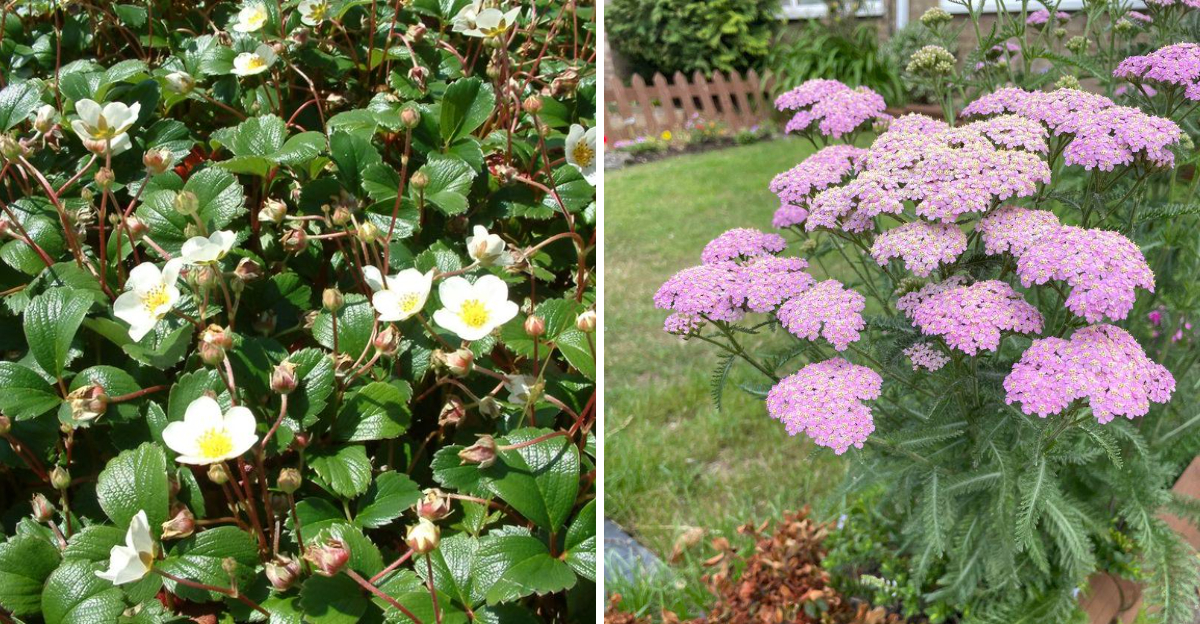
3. Beach Strawberry
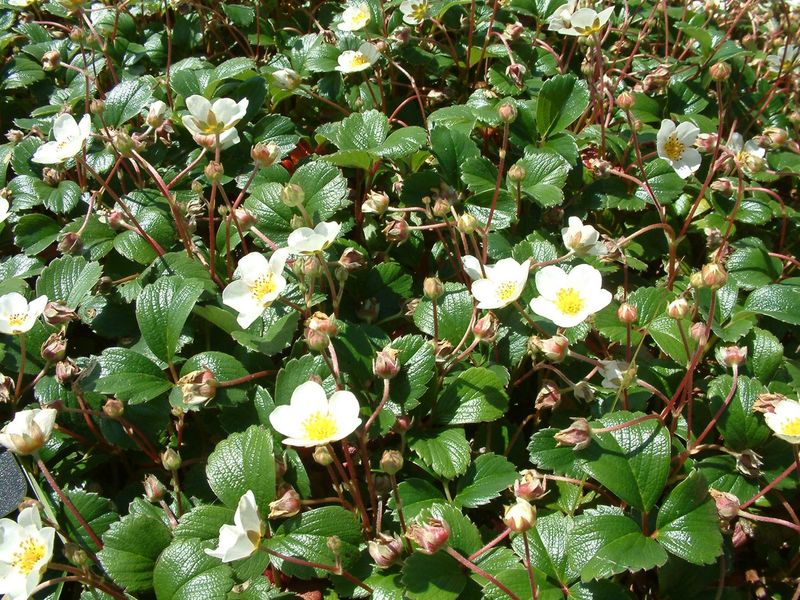
A spreading runner can do what bark chips never will.
Beach strawberry sends out long stems that root as they travel, creating new plants that continue the process. Over time, one patch becomes many, and bare soil turns into glossy green coverage.
This living mulch has charm built in.
White spring flowers feed pollinators, and small red fruits may follow. Birds usually notice them quickly, though gardeners may get a taste too.
The leaves form a soft, useful mat.
Once full, that mat shades soil, holds moisture longer, and limits weed seedlings. It is especially useful in coastal gardens, mild inland areas, and spaces with morning sun plus afternoon relief.
Light foot traffic is fine.
Beach strawberry can work near paths, between stepping stones, and in relaxed lawn alternatives that do not get heavy use. Runners also help repair small gaps after disturbance.
Heat changes its needs.
Coastal conditions suit it beautifully. Hot inland gardens may need afternoon shade and more consistent water during late summer. Reflected heat from walls or pavement can push it harder than expected.
Plant plugs about a foot apart.
Regular water through the first summer helps runners root quickly. Well-drained soil is important, since crowns dislike sitting wet.
Beach strawberry feels lush without acting thirsty.
It fills open ground, supports wildlife, and turns empty spaces into something that looks alive, settled, and much harder for weeds to invade.
4. Yerba Buena
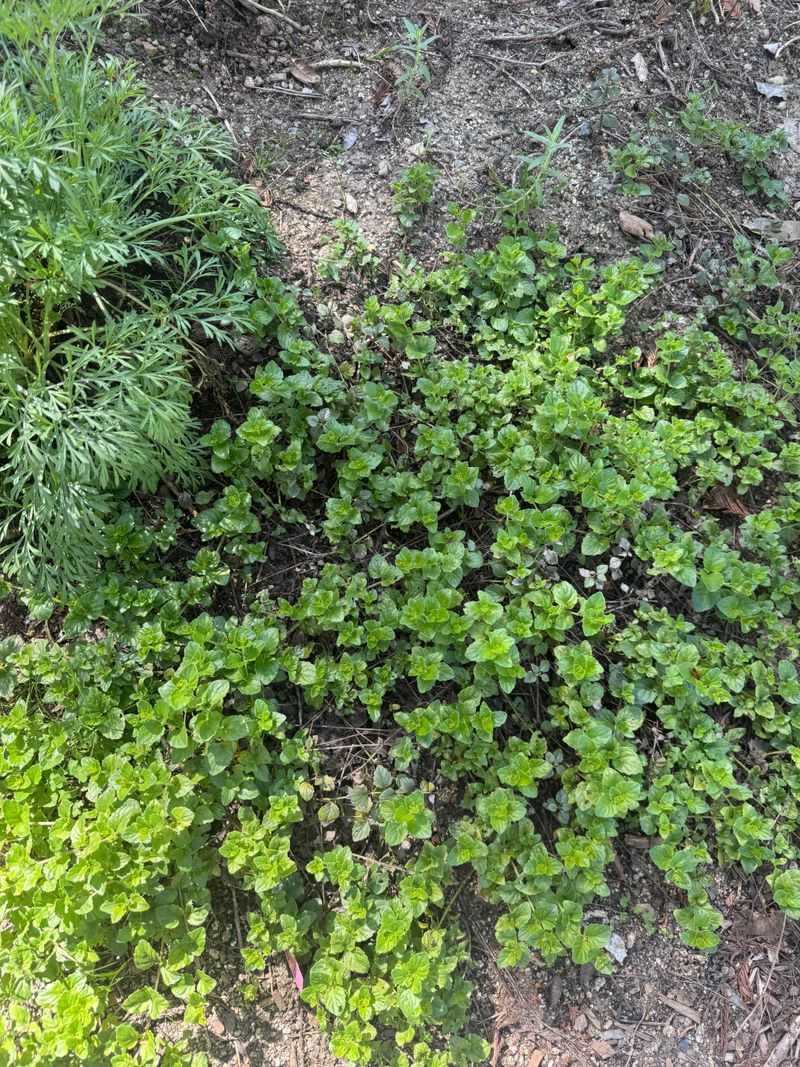
Dry shade needs a quieter kind of spreader.
Yerba buena thrives in the awkward spaces under shrubs, along woodland edges, and beneath oaks where many groundcovers either stretch weakly or refuse to grow. Its small rounded leaves create a fine-textured mat with a fresh minty scent.
The stems creep along the soil.
They root at nodes and gradually weave together, filling bare spots with soft green coverage. It is not the fastest plant on the list, but dry shade is not a place where many plants move quickly at all.
That reliability is the selling point.
Once established, yerba buena can handle low light, root competition, and modest summer dryness better than many showier options. It turns difficult shaded gaps into covered ground without demanding constant attention.
Tiny white flowers add wildlife value.
Pollinators visit them during spring and summer, and the low foliage gives the soil a cooler, more protected surface.
Drainage still matters.
Yerba buena prefers well-drained soil and dislikes soggy conditions. A light mulch between young plants helps hold moisture during establishment while the stems spread.
Space plants around twelve inches apart.
Water through the first dry season, then reduce irrigation as the mat strengthens. Avoid burying the delicate stems under heavy mulch once they begin rooting.
Yerba buena is not dramatic.
It is steady, fragrant, and extremely useful in the shaded bare spots where mulch always seems to vanish and weeds always seem to return.
5. Coyote Brush Twin Peaks
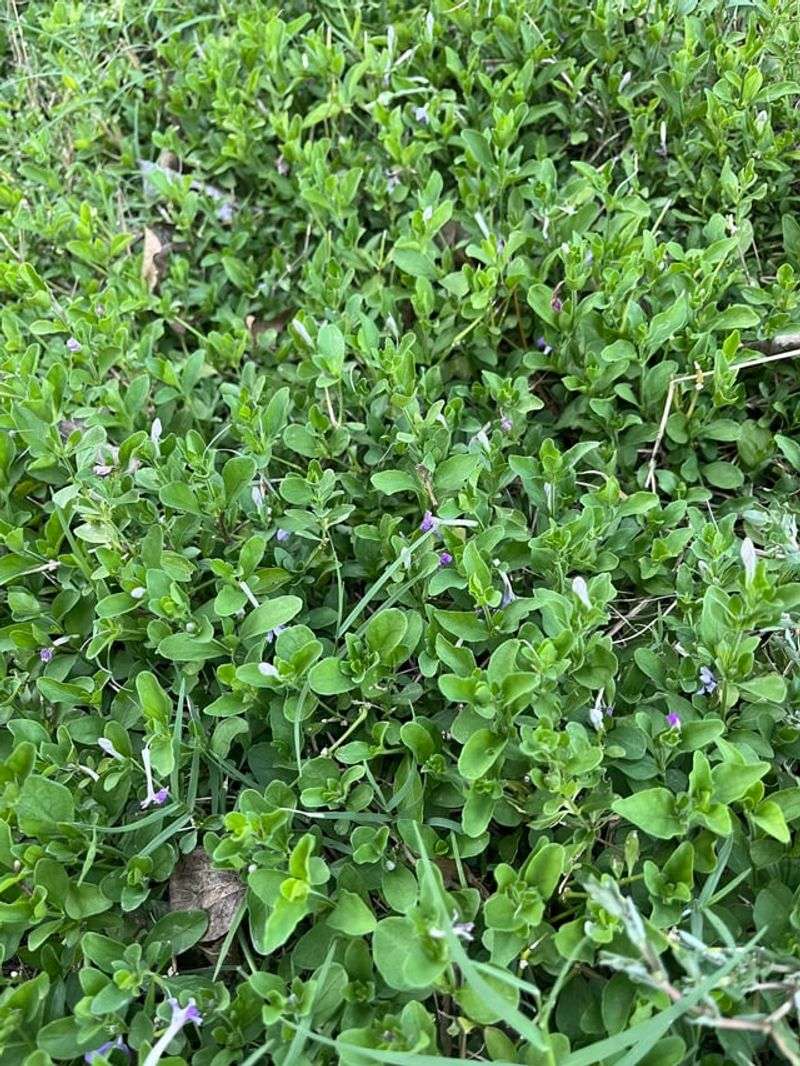
A slope needs something that can actually hold on.
Coyote Brush ‘Twin Peaks’ roots into difficult ground and spreads into a tough evergreen cover that stays put through wind, runoff, and dry summer weather. For California hillside gardens, that matters more than almost anything.
This low native shrub covers serious space.
It can reach about two feet tall and spread several feet wide, creating a dense canopy that shades soil and blocks many weeds. Unlike mulch, it does not slide downhill during the first hard rain.
The evergreen foliage works year-round.
Bare slopes are vulnerable in every season, from winter erosion to summer baking. ‘Twin Peaks’ keeps the surface covered even when other plants pause.
It is extremely drought tolerant once established.
The first two summers are the most important. Deep watering during that period helps roots push down and anchor the plant. After that, irrigation can usually be reduced sharply in many gardens.
Full sun suits it best.
Good drainage is important, especially on slopes where water may still collect in pockets. Give each plant plenty of room because this one does not stay tiny.
Ask for male plants when possible.
Female plants can produce fluffy seed heads, while male selections tend to be tidier for home landscapes.
Coyote brush is not delicate ground jewelry.
It is slope armor with leaves, and it can do a job mulch was never built to handle.
6. Creeping Sage
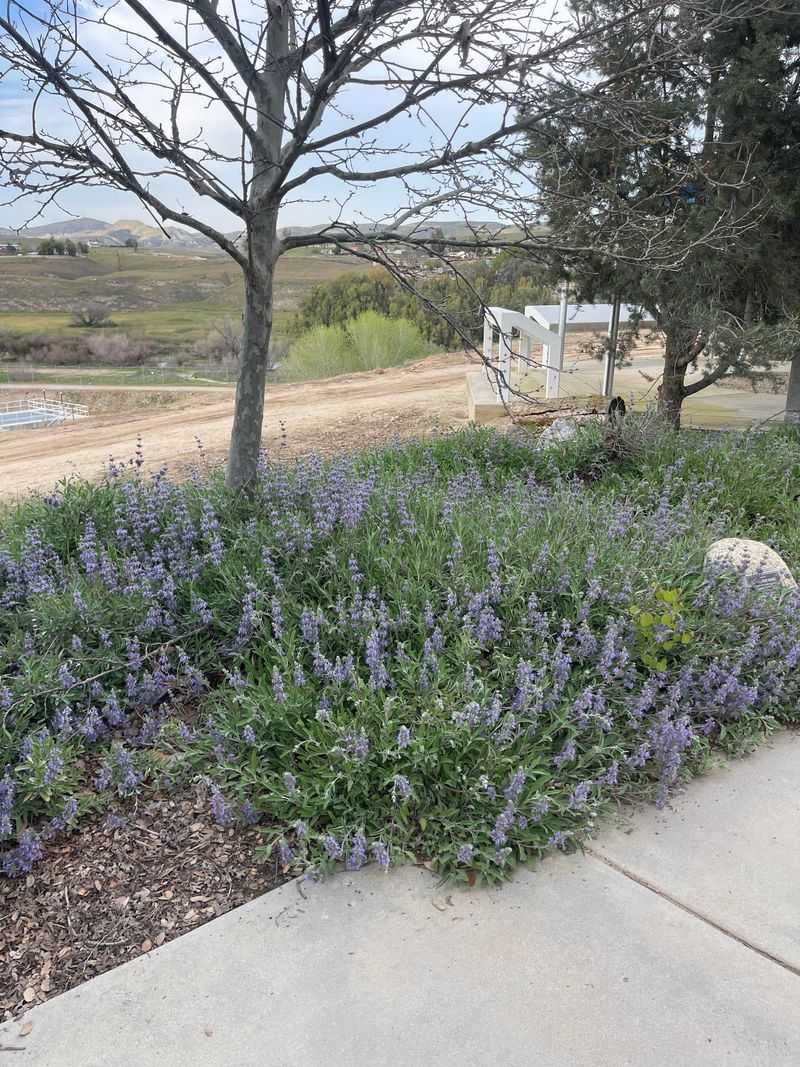
Sunny gaps between shrubs can finally stop looking forgotten.
Creeping sage spreads low across dry California soil, filling open spaces with fragrant gray-green foliage and spring spikes of lavender-blue flowers. It is especially useful on dry banks, rocky beds, and lean slopes.
The plant likes tough conditions.
Full sun, good drainage, and modest water suit it well. Rich soil, heavy fertilizer, and frequent irrigation can make it floppy or short-lived, so restraint is part of the care plan.
Coverage comes with fragrance.
Brush the leaves, and the scent is sharp, herbal, and unmistakably native garden. That aroma makes even a practical planting feel special.
Pollinators arrive in spring.
Native bees, bumblebees, and butterflies visit the flowers, while the low foliage helps shelter beneficial insects near the ground.
Space plants about three feet apart.
They need room to spread. Water deeply during the first summer, then taper down once roots establish. In hotter inland spots, occasional deep watering can keep the planting fresh without overdoing it.
Avoid overhead watering.
Wet crowns and poor drainage can invite problems. Water at the soil level and let the plant stay on the dry side once settled.
A light trim after bloom keeps the mat tidy.
Creeping sage rewards gardeners who do less, not more. That makes it perfect for bare dry spots that need coverage without a new chore list.
7. Hummingbird Sage
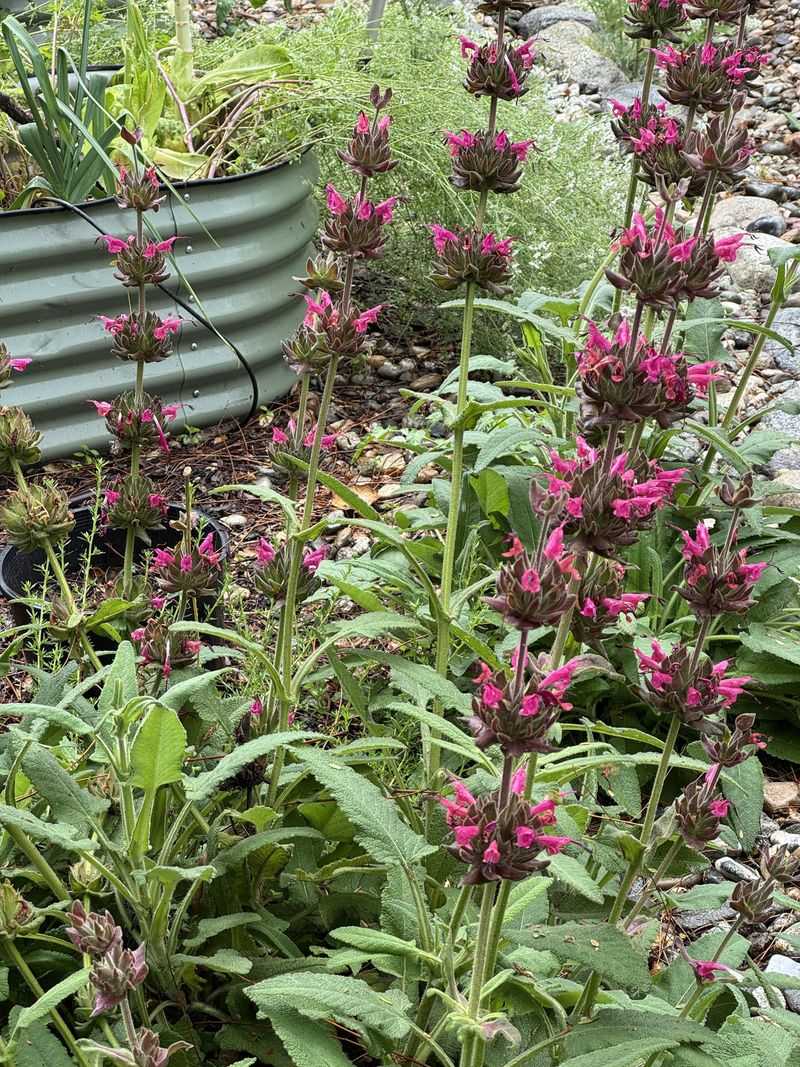
Shaded bare soil under trees can be the hardest space to cover.
Hummingbird sage handles that challenge with broad, fragrant leaves and underground rhizomes that spread steadily through dry shade. Instead of crawling only across the surface, it fills from below.
That growth habit feels natural.
New shoots may appear away from the original plant, gradually creating a woodland-style patch under oaks, shrubs, or north-facing fences. The result looks relaxed rather than forced.
The leaves shade weeds beautifully.
Large, wrinkled foliage creates a low canopy that cools the soil and blocks light from reaching weed seeds. Once the patch thickens, bare ground becomes much less available.
Spring flowers bring the show.
Magenta spikes rise above the leaves and draw hummingbirds with very little effort from the gardener. The plant earns its name honestly.
It tolerates dry shade well once established.
That makes it valuable under California oaks and drought-tolerant trees where regular summer irrigation may be undesirable. It can also handle some clay better than many native groundcovers.
Water lightly during the first summer.
After roots and rhizomes settle, reduce irrigation. Space plants two to three feet apart and let them colonize at their own pace.
Hummingbird sage is not a quick carpet in the lawn-replacement sense.
It is better for turning impossible shade into a fragrant, flowering, weed-shading patch that gets stronger every year.
8. Yarrow
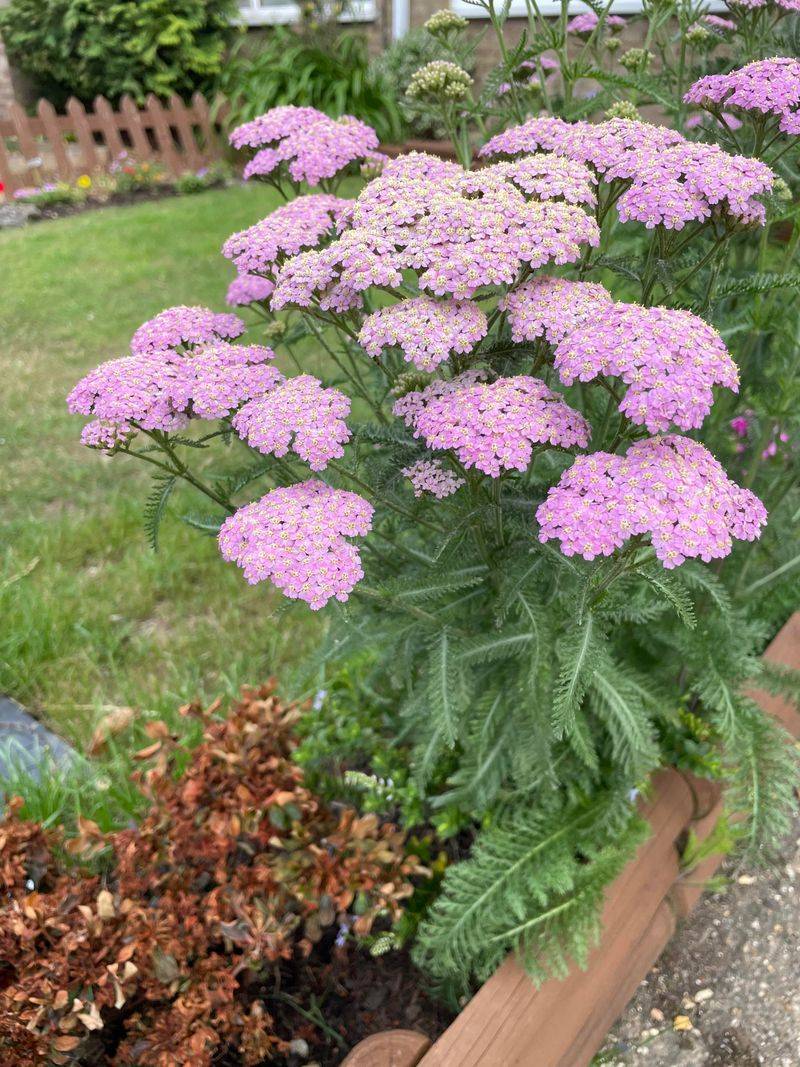
A fast filler can still look graceful.
Yarrow spreads through rhizomes and surface growth, allowing it to fill open sunny areas from more than one direction. In California gardens, that makes it a strong choice for bare spots where weeds keep arriving before mulch can settle.
The foliage forms a feathery mat.
Soft, fern-like leaves cover soil and stay attractive through much of the year in mild climates. That low growth helps shade the surface and reduce weed germination.
Flowers add another layer of value.
Flat-topped blooms appear from late spring into summer, attracting native bees, butterflies, hoverflies, and other beneficial insects. White-flowering native forms are especially useful in habitat-focused gardens.
Yarrow likes lean soil.
Poor, well-drained ground is usually fine. Rich soil and too much water can make plants flop, spread weakly, or look messy.
Full sun gives the best performance.
Space plants twelve to eighteen inches apart for quicker coverage. Water regularly through the first summer, then reduce irrigation as roots establish.
Cutting back keeps it dense.
A hard trim once or twice a year refreshes the mat and encourages compact regrowth. Without that, older stems can sprawl and lose their tidy shape.
Yarrow is easy to underestimate.
It covers ground, feeds beneficial insects, tolerates drought, and fills gaps with a softness mulch can never create.
For sunny California bare spots, that is a lot of work from one very easy plant.