This Florida Tree Gets Less Attention Than A Rattlesnake But It’s Been Called The Most Dangerous Tree In The World
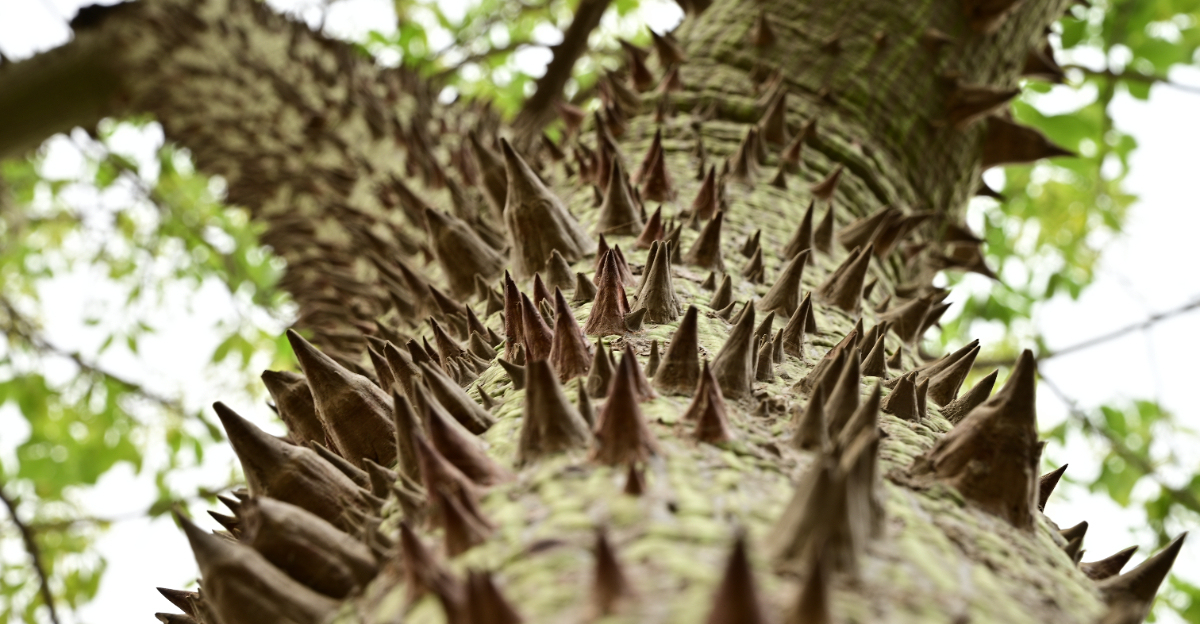
Florida has no shortage of things that can hurt you. Rattlesnakes, fire ants, black widows, cottonmouths.
Residents build a mental list early and update it as needed. One tree belongs on that list.
Almost nobody puts it there. It has been called the most dangerous tree in the world.
Not by a sensational headline.
By botanists. By poison control specialists. By the people who study what plants are capable of doing to a human body.
It grows in Florida. It looks striking.
It produces fruit. And every part of it, the bark, the leaves, the sap, the fruit, operates as a weapon in a way that most plants never come close to.
Rain falling through its canopy can blister skin. Standing under it during a storm is genuinely dangerous.
The fruit has been used as poison for centuries on more than one continent. This tree is real.
It is here. And it deserves your full attention.
1. Sandbox Tree Looks Like A Warning Sign
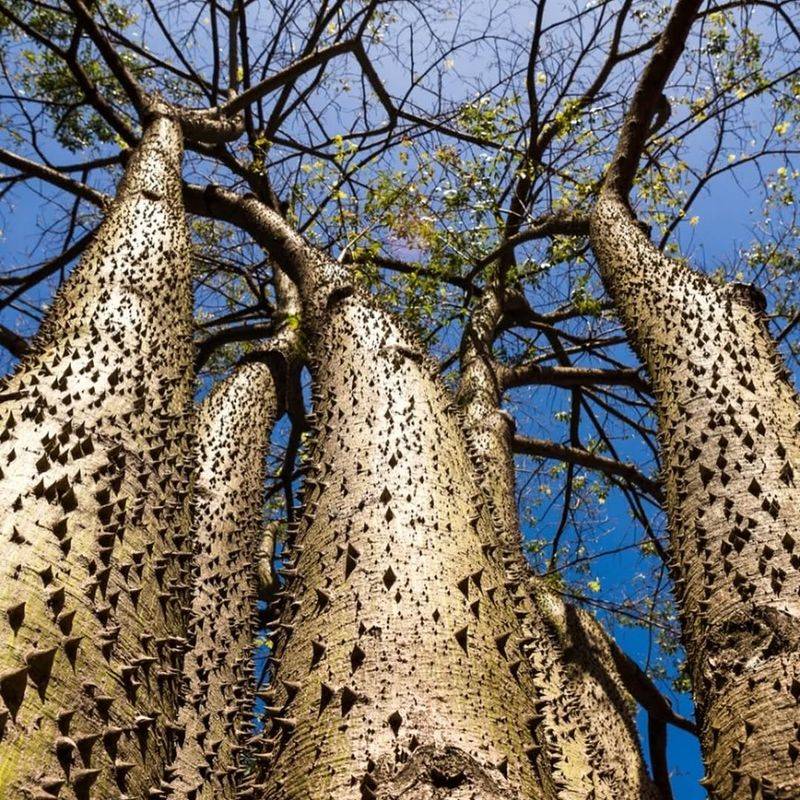
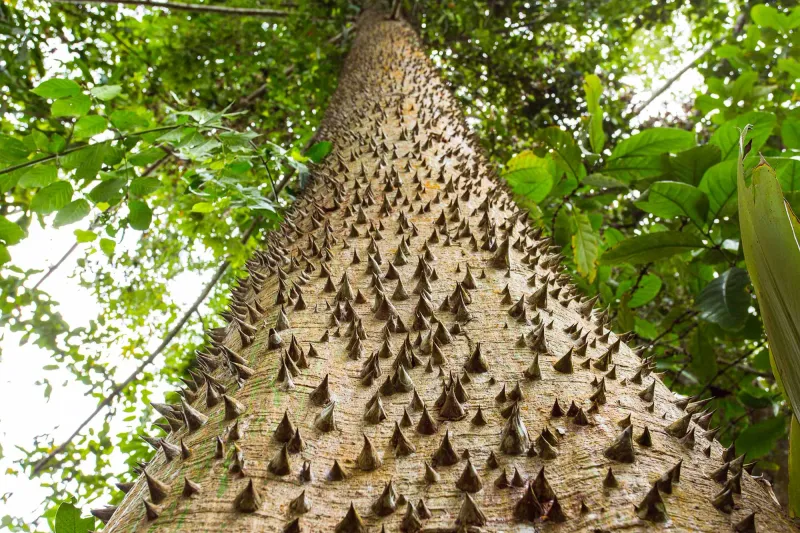
Walk up to a mature sandbox tree without knowing what it is, and something about it will stop you. The trunk is studded with sharp, conical spines that jut outward like a natural fence.
Those spines are not decorative. They are part of what makes this tree so unusual and so worth understanding before anyone gets close to one.
Sandbox tree, or Hura crepitans, is a tropical species that grows large and fast in warm climates.
In the United States, it shows up in botanical gardens, specialty tropical collections, and occasionally in southern landscapes where the climate supports it.
It is not the kind of tree you find lining a quiet suburban street.
The title of this article compares public attention, not identical risk. A rattlesnake is an animal that triggers instant caution in most people.
This tree, by contrast, might look like a bold Florida landscaping choice to someone who does not know its features.
Once you learn what the spines, sap, and seed pods can do, the tree starts to feel a lot less like scenery and a lot more like something that deserves careful attention.
2. The Spiny Trunk Keeps People At A Distance
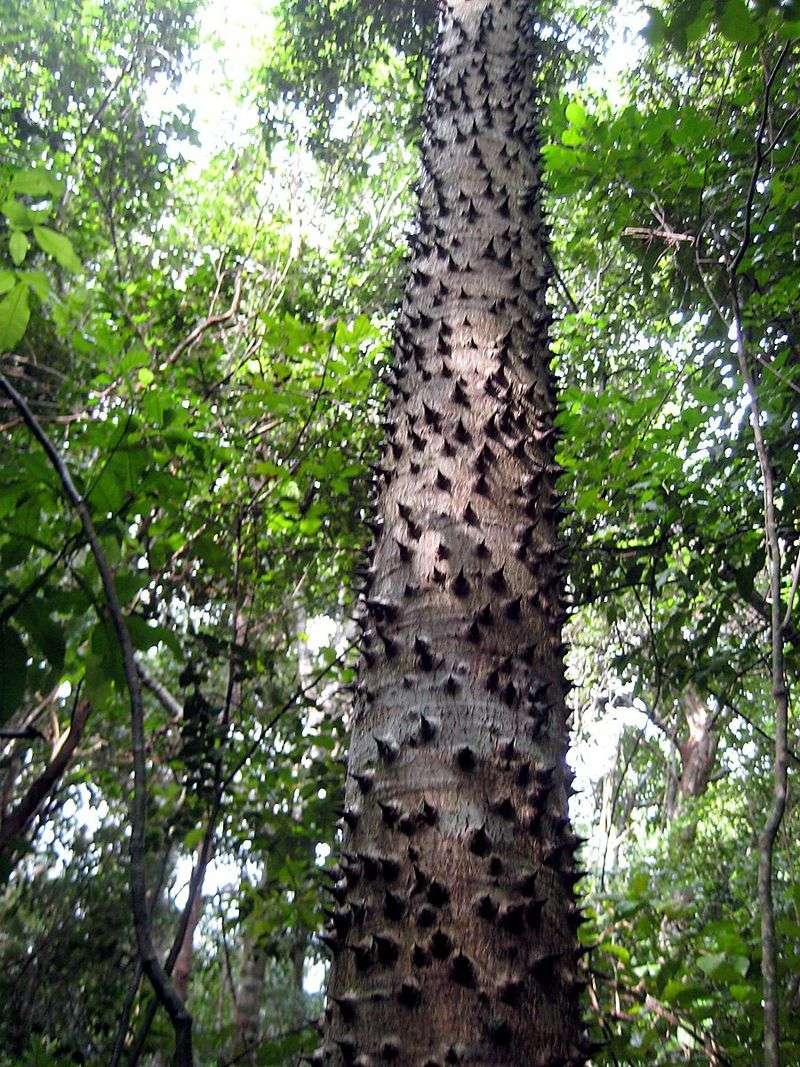
Imagine brushing past a tree trunk on a narrow garden path and feeling a sharp jab through your sleeve. That is a real possibility with sandbox tree.
The trunk is covered in hard, pointed spines that can cause painful puncture wounds on contact. They are not soft or flexible.
They are rigid and serious.
Children are especially at risk near this tree. A child who reaches out to touch interesting bark, or who stumbles near the trunk, could get hurt quickly.
Pets that wander close face a similar problem. Maintenance workers trimming around the base without knowing what they are dealing with could also make contact before they realize the risk.
Spines alone make sandbox tree a poor fit for busy yard spaces, playgrounds, school grounds, pool areas, or anywhere people move around casually.
Even in a large Florida garden, the tree needs clear space and visible identification so that anyone nearby understands what they are looking at.
Your Florida Garden Changes Every Week. Your Plan Should Too.
Gardening in Florida changes quickly throughout the season. Every Friday you’ll receive a simple weekly plan showing exactly what to plant, prune, fertilize, harvest, and protect so you never miss the right timing.
The spines serve a biological purpose for the tree. In landscapes with regular foot traffic, they create an avoidable hazard that professionals need to manage carefully.
3. Exploding Seed Pods Make It Infamous
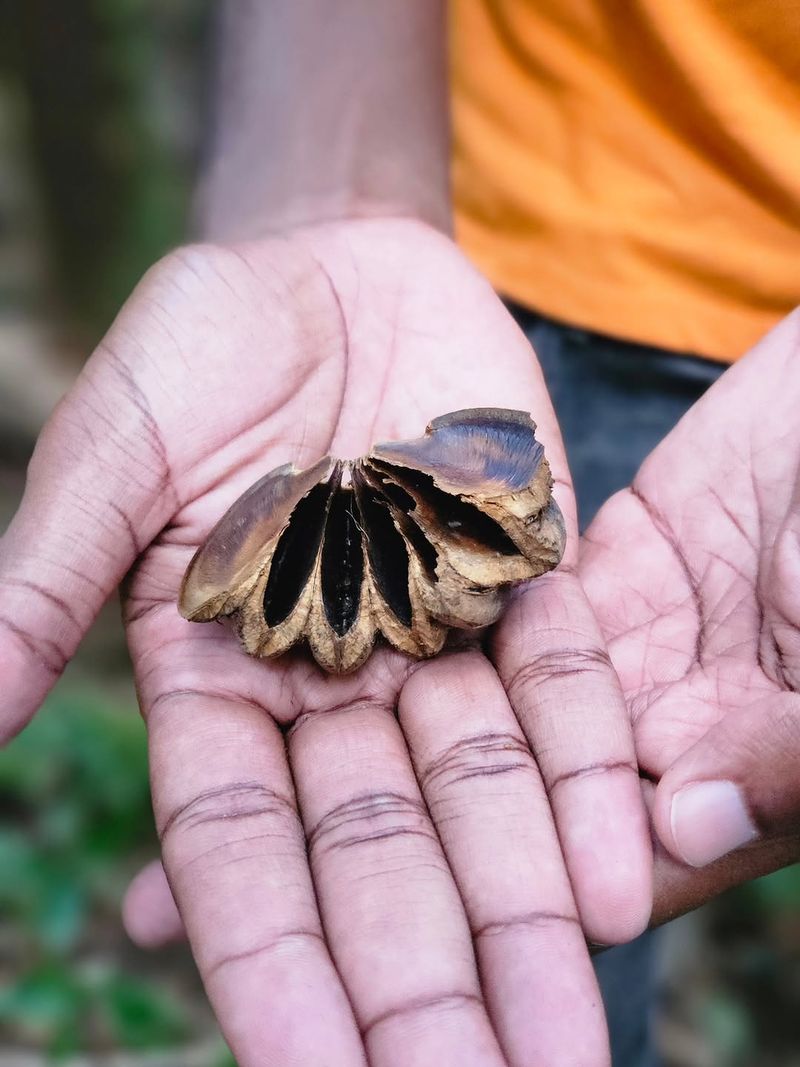
Few plants have earned their reputation quite like sandbox tree has through its seed capsules. When the large, woody, pumpkin-shaped pods reach full maturity, they can split apart with enough force to scatter seeds outward.
This is not a gentle process. The capsule breaks open along its seams and sends seeds in multiple directions.
Plant experts and botanical sources have documented this dispersal method as one of the more dramatic examples of ballistic seed release in the plant world.
The seeds travel a meaningful distance from the parent tree, which is exactly what the plant needs to spread.
For people nearby, it means a falling or splitting pod is not just litter. It is an active event.
Readers should not collect, dry, store, crack open, or experiment with sandbox tree pods for any reason. Curiosity is understandable, but handling the pods or trying to open them manually is not a safe activity.
If you spot fallen capsules in a park, botanical garden, or unfamiliar yard, leave them where they are. Alert the property owner or qualified staff so the area can be managed properly by someone with the right training and equipment.
4. Milky Sap Can Irritate Skin And Eyes
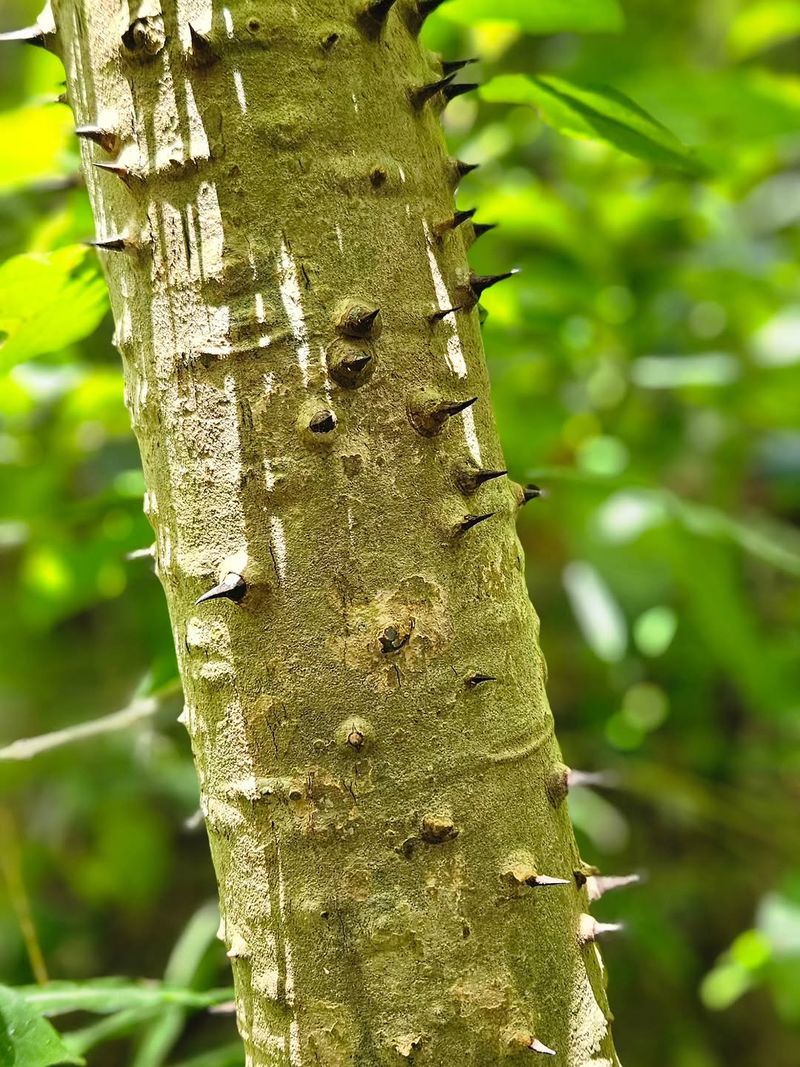
Cut into a sandbox tree branch, and a milky white sap begins to flow almost immediately. That sap is not something to ignore.
It contains irritating compounds that can cause skin reactions and significant eye irritation on contact. Some sources describe it as capable of producing inflammation, redness, and discomfort that goes beyond a minor brush with a plant.
The sap becomes a concern during pruning, storm damage, or any situation where the tree is cut or broken. A Florida maintenance worker handling fresh clippings without protection can contact the sap before realizing the risk.
So can someone who picks up a broken branch without thinking. Eye exposure is especially concerning and requires prompt attention.
If sap contact occurs, rinse the affected area with clean water first. Seek professional medical advice quickly, especially if the sap reaches the eyes.
Do not attempt to neutralize the sap with household chemicals. Do not rub the affected area.
Anyone who needs to work near or on this tree should be a trained professional who understands the specific risks involved. Casual handling of any part of this tree is a bad idea.
5. The Fruit Is Not Safe To Handle Casually
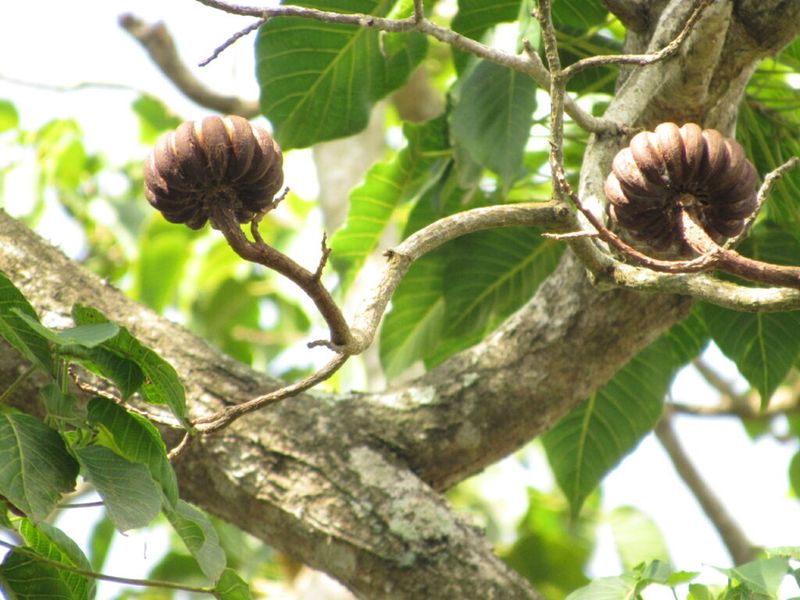
Fallen fruit and seed capsules can look like interesting finds on the ground. That is especially true for children or curious visitors who have never seen them before.
The unusual shape, the segmented woody structure, and the sheer size of the capsules make them look like something worth picking up and examining. That instinct needs to be resisted.
The seeds inside the capsules are considered toxic, and the capsule itself should not be cracked, pried, or forced open by hand.
Florida collectors who want unusual natural objects for crafts or displays sometimes seek out these pods, but handling them without knowing the risks is genuinely unwise.
Even dried pods can pose a hazard if they are mishandled or if residual sap is present.
Parents in botanical gardens or tropical park areas should point out unusual pods on the ground. Teach kids not to pick up unfamiliar plant material.
Pet owners should be equally careful. If sandbox tree capsules are present in a high-use public area, alerting the property manager or botanical garden staff is the most helpful response.
Leaving the material for qualified personnel to handle keeps everyone safer and avoids a problem that curiosity alone can create.
6. Falling Pods Can Surprise Anyone Nearby
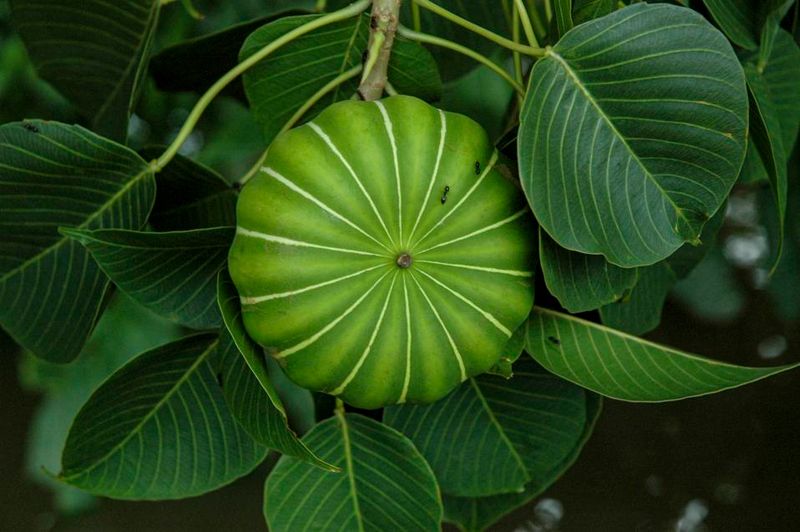
Sitting under a shady tree sounds pleasant until the tree in question is capable of dropping heavy, forcefully splitting seed capsules onto the space below. Sandbox tree capsules are woody and substantial.
When they fall from a mature tree, they land with real impact, and when they split, the event is sudden and startling.
Placement matters enormously with this tree. Walkways, driveways, patios, pool decks, seating areas, and parking spaces are places where falling plant material can create avoidable problems.
Even benches or shaded gathering spots near a sandbox tree become risky when the tree is mature and producing pods regularly.
Landscape designers and property managers should think carefully about sandbox tree placement. People should not spend time directly beneath its canopy.
Public botanical gardens that include the species typically manage it with signage, barriers, or regular monitoring during pod season. A private property owner who discovers a sandbox tree should contact a certified arborist or local extension office.
They can offer guidance on managing the space safely. Letting falling pods accumulate in a busy area without a plan is the kind of oversight that creates unnecessary risk for everyone who uses that space.
7. It Belongs Far From Busy Yard Spaces
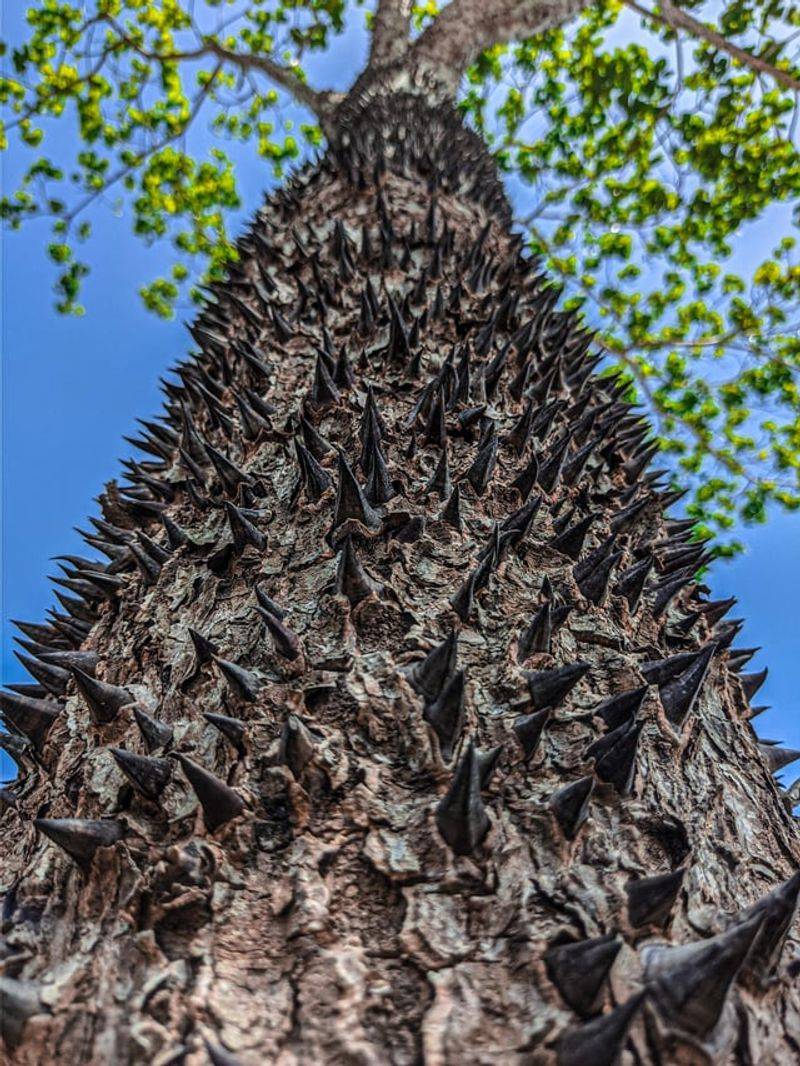
Some trees belong in large, managed botanical collections with professional staff, clear signage, and plenty of open space between the trunk and the nearest path. Sandbox tree is one of them.
Recommending it as a residential shade tree, a privacy screen, or a novelty Florida yard addition would be genuinely irresponsible given everything the tree involves.
Homeowners who already have a sandbox tree, perhaps inherited or discovered in an overgrown corner, should not assume leaving it alone is best.
Consulting a certified arborist, a qualified landscape professional, or the local county extension office is the right first move.
They can assess placement, condition, proximity to structures, and risk to people and pets before any decisions are made.
Removal is not always the only answer, but it requires professional evaluation, not a weekend project. Pruning sandbox tree without proper training and equipment puts the worker in direct contact with spines and sap.
If the tree is in a location where people regularly pass, gather, or play, that context matters significantly. Getting expert guidance before doing anything is not overcaution.
It is simply the correct response to a tree that requires informed management rather than casual landscaping decisions.
8. Respect The Tree Without Turning It Into A Myth
The internet has a way of turning genuinely hazardous things into either terrifying legends or overhyped clickbait, and sandbox tree has experienced both. Some sources call it the most dangerous tree on Earth without much explanation.
Others dismiss the warnings as exaggeration. Neither extreme is helpful to someone who actually encounters one.
The verified hazards are real and specific: sharp trunk spines, irritating milky sap, and seed capsules that split forcefully. Together, they make the tree worth taking seriously.
Those three features together make the tree genuinely unusual and genuinely worth taking seriously. It is worth noting that manchineel, a different Florida-native species, is the tree most often formally linked to the title of world’s most dangerous.
Sandbox tree is frequently described alongside it, but the two are separate plants with different features.
Respecting sandbox tree means identifying it correctly, keeping distance from the trunk, and avoiding contact with the plant. Call a qualified professional if management is needed.
Skip the dramatic myths, skip the DIY experiments, and skip the idea that knowing about a dangerous tree means you should get closer to it. The right response is informed caution, not panic and not curiosity.