What A Red-Bellied Woodpecker Visit Says About Your New Jersey Yard
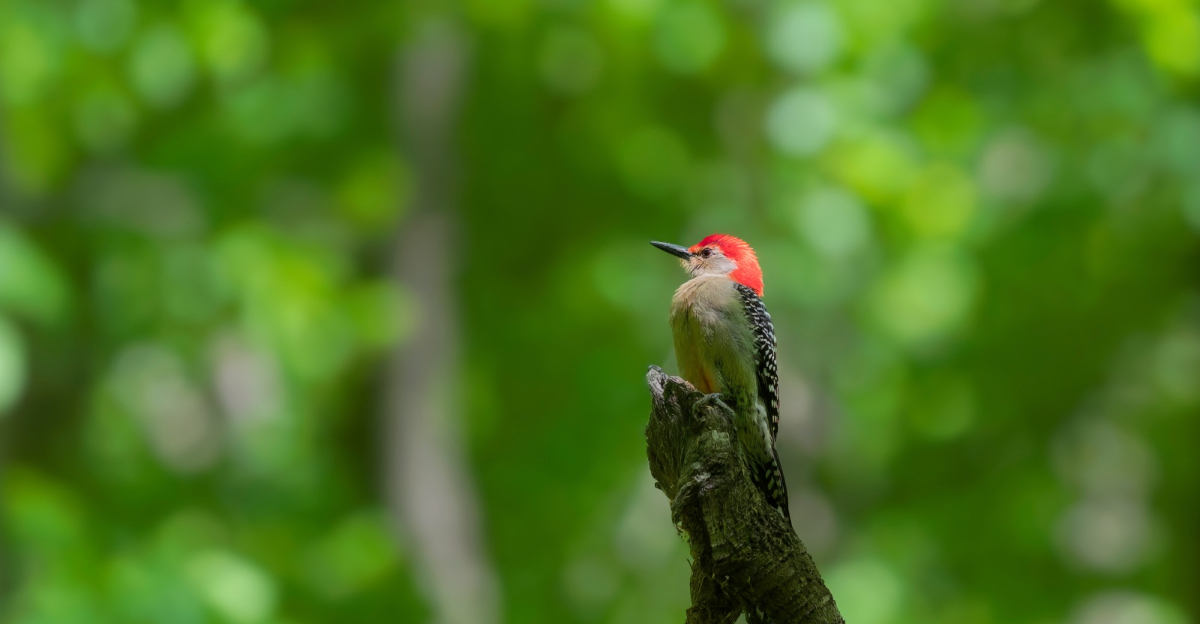
Red feathers flash before your brain even registers what happened. Suddenly a sharp, rolling call announces a red-bellied woodpecker’s arrival.
Rarely do these birds settle for just any random backyard. Picky and selective, they choose properties meeting particular ecological standards.
New Jersey habitats vary widely, yet this woodpecker chose yours. Something specific and deliberate pulled it straight toward your branches.
Trees, food sources, and hidden signals all played a part. Nobody expects a woodpecker to reveal so much about property.
Yet here you are, hosting a genuine feathered inspector right now. Beneath its bright colors lies a checklist you unknowingly already passed.
Only a New Jersey yard meeting real standards earns this visit. Understanding why matters far more than simply enjoying the view.
Your outdoor space just quietly proved its value to surrounding local wildlife. What this woodpecker’s presence reveals next will completely change how you see your own backyard.
Why Red-Bellied Woodpeckers Are Showing Up In New Jersey Yards
Something wild just landed in your yard. The red-bellied woodpecker, once considered rare in northern states, has been steadily expanding its range into New Jersey over the past few decades.
Birders and homeowners alike have noticed this shift. Warmer winters and changing forest edges have made the Garden State a much more welcoming place for this bold, adaptable bird.
Spotting a red-bellied woodpecker in your New Jersey yard means the local habitat has become rich enough to support them. These birds need more than just a feeder to stick around.
They look for mature trees, reliable food, and a sense of safety. Your yard is apparently offering at least a few of those things.
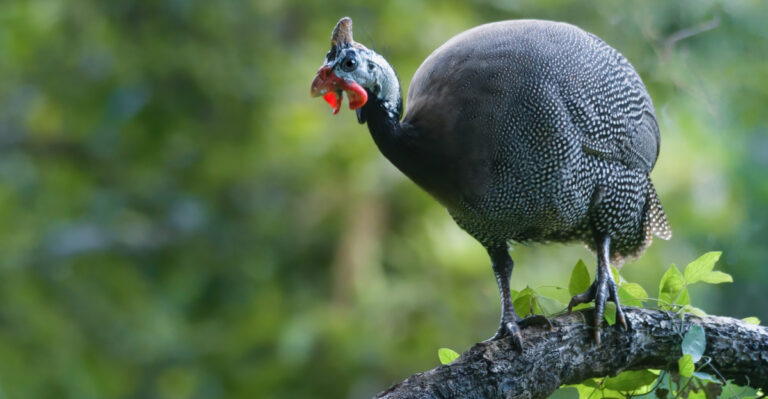
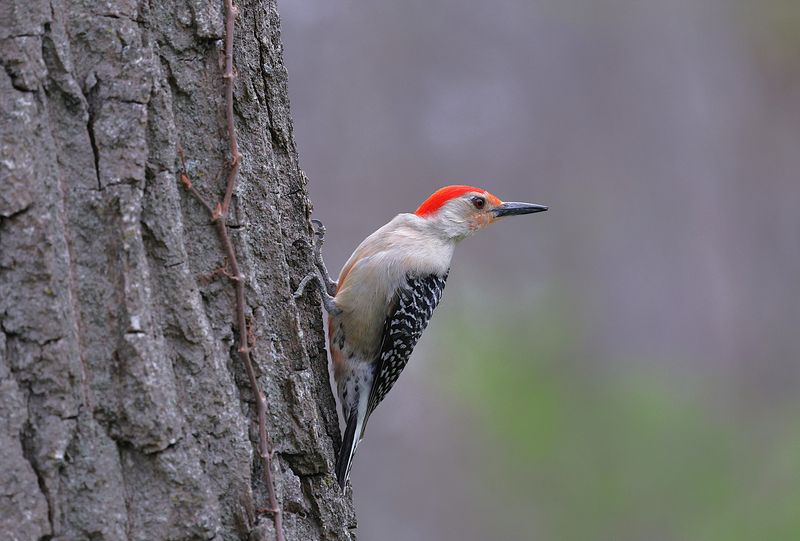
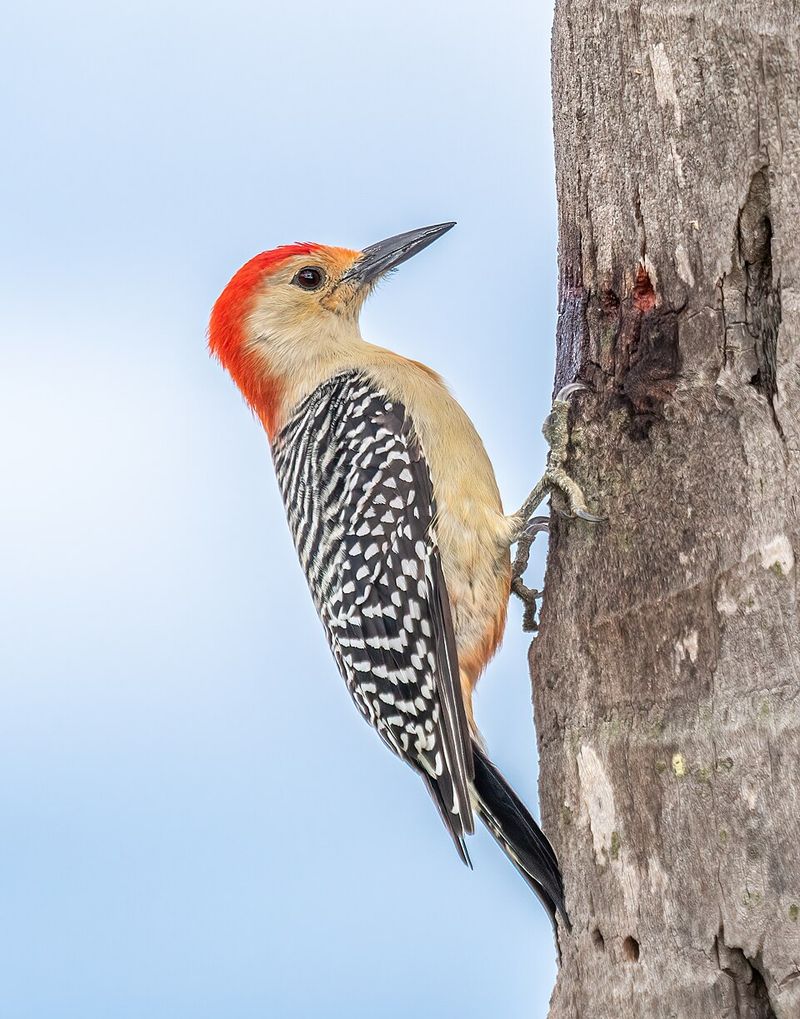
The red-bellied woodpecker is named for a faint pinkish blush on its lower belly, which is rarely visible in the field. Most people notice the brilliant red cap on the male’s head first.
Females have red only on the back of their heads. Both sexes share the same bold black-and-white barred back pattern that makes them unmistakable.
Their range expansion northward is a well-documented trend tracked by long-term bird population surveys. New Jersey sits well within their expanding territory.
If one has found your yard, you are now part of a broader ecological pattern. That story is still being written, one backyard at a time.
What Their Presence Reveals About Nearby Trees And Decaying Wood
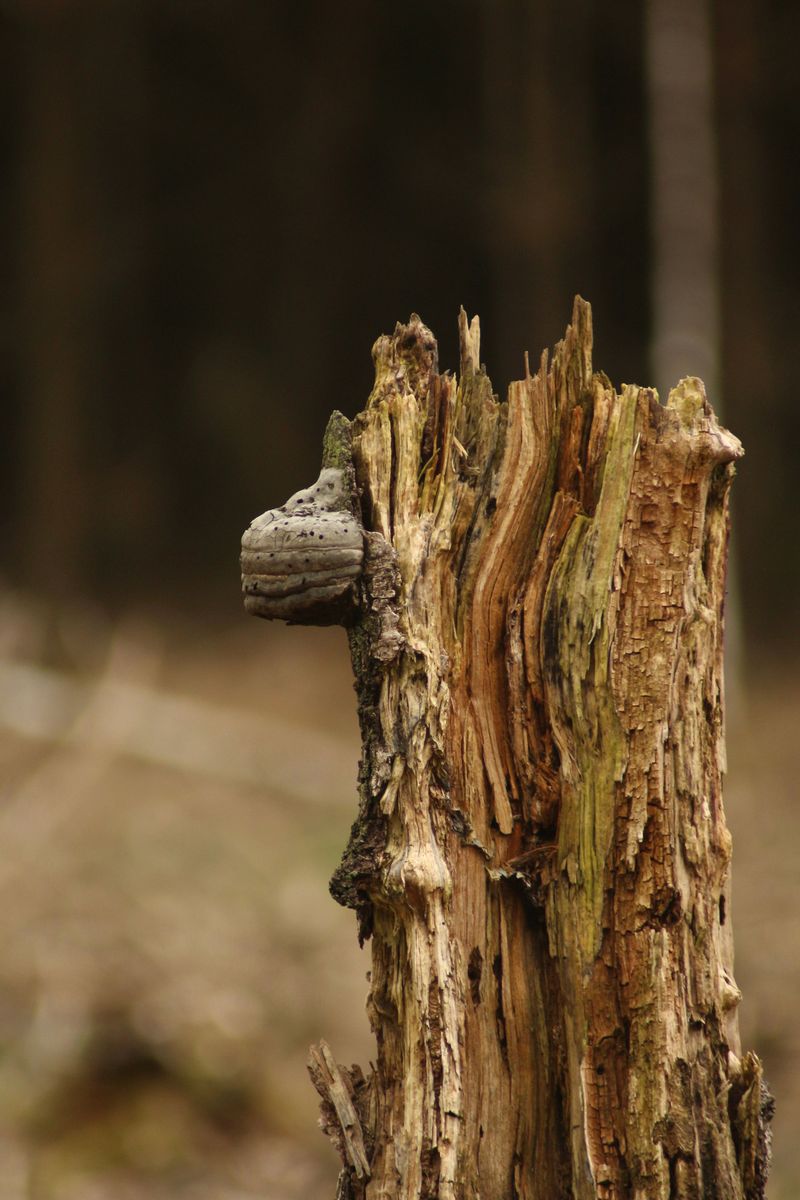
Decaying trees are not eyesores to a woodpecker. To a red-bellied woodpecker, a snag or a section of decaying bark is basically a fully stocked grocery store.
If one is working your trees, there is almost certainly beetle larvae, carpenter ants, or other insects living just beneath the surface. Your trees are telling a story, and this bird is reading it fluently.
Red-bellied woodpeckers prefer mature hardwoods like oaks, hickories, and maples. These species develop the kind of thick, furrowed bark that hides the most insects.
A yard with older trees is far more attractive than one filled with young saplings. Older trees with more character tend to support greater wildlife activity.
Your New Jersey Garden Changes Every Week. Your Plan Should Too.
Gardening in New Jersey changes quickly throughout the season. Every Friday you’ll receive a simple weekly plan showing exactly what to plant, prune, fertilize, harvest, and protect so you never miss the right timing.
Decaying wood is especially valuable. A partially decayed limb or a standing snag provides both foraging space and potential nesting cavities.
Many homeowners rush to remove decaying branches, but leaving safe ones in place can dramatically increase woodpecker activity. It is a low-effort move with a high wildlife payoff.
The presence of this bird also hints at a healthy insect population beneath your bark. That might sound alarming, but it usually means your trees are part of a functioning food web.
Woodpeckers rarely cause serious damage to healthy trees. They are drawn to wood that is already compromised, making them more like early warning systems than threats to your landscape.
How Food Availability Draws Them To Your Property
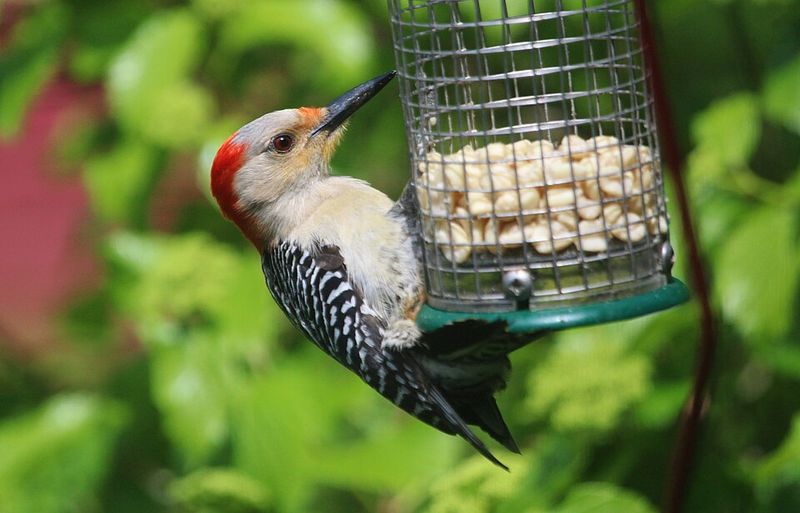
Suet is basically woodpecker currency. If you have a suet feeder hanging in your yard, there is a solid chance that is what first caught this bird’s attention.
Red-bellied woodpeckers are omnivores with a wide palate, eating insects, berries, acorns, seeds, and even the occasional small lizard or frog. They are not picky, and that flexibility makes them frequent feeder visitors.
Beyond feeders, native berry-producing shrubs like dogwood, holly, and elderberry are powerful attractants. A yard planted with these species becomes significantly more attractive to hungry woodpeckers.
Acorn-producing oaks are perhaps the single biggest draw. Red-bellied woodpeckers are known to cache acorns in bark crevices, storing food for leaner winter months.
If your yard has oaks and a suet feeder, you have created highly favorable conditions for woodpeckers. That combination is hard for any passing bird to ignore.
Water sources also play a role. A birdbath or shallow water feature gives woodpeckers a place to drink and bathe, making your property even more appealing.
Moving water is especially effective. The sound of a dripper or small fountain can attract birds from surprising distances.
Think of your yard as a restaurant. The more items on the menu, the more likely a red-bellied woodpecker is to become a regular customer rather than a one-time visitor.
Seasonal Patterns Behind Red-Bellied Woodpecker Visits
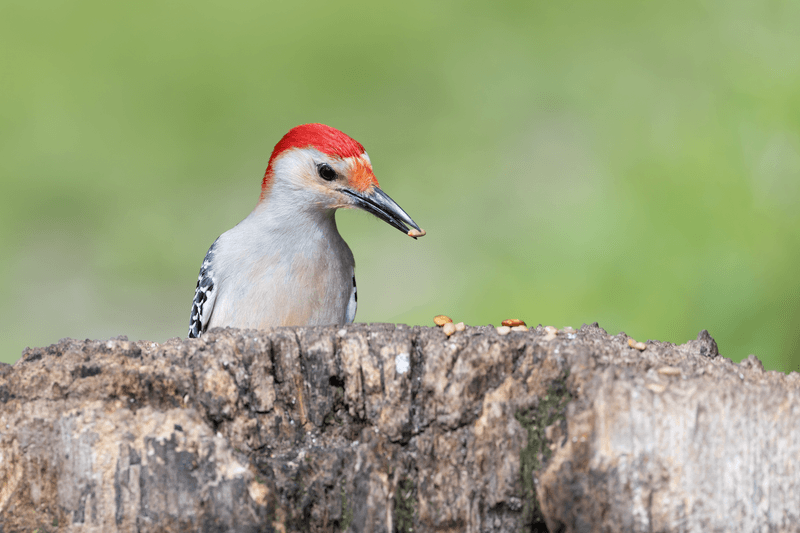
Winter is when these birds get bold. When insects become scarce and berry supplies thin out, red-bellied woodpeckers shift their focus toward feeders and stored food caches.
That is often when New Jersey homeowners first notice them. A flash of red against a gray winter sky is hard to miss, and many first sightings happen during the coldest months.
Spring brings a dramatic change in behavior. Males begin drumming loudly on trees, gutters, and even metal surfaces to establish territory and attract a mate.
If you hear rapid, mechanical drumming in April or May, a red-bellied woodpecker may be announcing itself to the neighborhood. That drumming is not damage-seeking behavior; it is pure communication.
Summer visits tend to be quieter but no less meaningful. Parent birds bring fledglings to feeders and foraging spots, teaching young ones where to find reliable food.
Seeing a family group in your yard during July or August is a genuine milestone. It means the birds have likely nested somewhere in the surrounding neighborhood.
Fall triggers another shift as birds begin caching food aggressively. You might notice a woodpecker making repeated trips between a feeder and a nearby tree, tucking seeds into bark crevices.
Each season reveals a different side of this bird’s personality. Watching those seasonal shifts unfold in your own yard makes the experience feel genuinely personal.
What Their Calls And Drumming Actually Indicate
That rolling churr sound is not random noise. When a red-bellied woodpecker chooses your property, it signals favorable habitat conditions.
The most common vocalization is a loud, repeated churr or kwirr that carries surprisingly far through a neighborhood. Hearing it means the bird feels comfortable enough to announce its presence openly.
A sharp, rapid chiv-chiv-chiv call often signals alarm or agitation. If you hear that sound, check for a cat, hawk, or another bird that may have moved into the area.
Drumming is a separate behavior entirely. Unlike pecking for food, drumming is deliberate and rhythmic, used to declare territory or attract a potential mate.
Red-bellied woodpeckers drum on resonant surfaces for maximum effect. Decaying limbs, hollow trunks, and unfortunately metal gutters or downspouts are all fair game.
If drumming is happening on your house, it is almost never about food. The bird is using your structure as a sound amplifier, not a food source.
Soft, conversational churring between two birds usually signals a bonded pair. Hearing that quiet exchange near your yard in late winter means nesting season may be approaching.
Paying attention to these sounds turns every backyard moment into a closer observation opportunity. Once you learn the calls, you will hear this bird differently every single time.
What A Woodpecker Visit Says About Your Yard’s Ecosystem
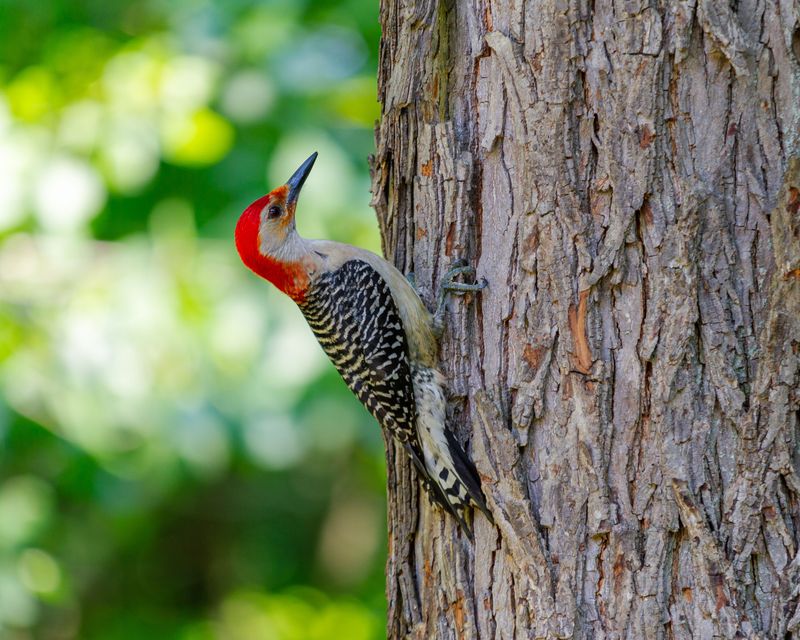
A healthy yard announces itself through its visitors. When a red-bellied woodpecker chooses your property, it is essentially giving your outdoor space a wildlife seal of approval.
These birds sit near the top of the backyard food chain. Their presence signals that your yard supports enough insects, fruit, and structural diversity to sustain a demanding, medium-sized bird.
Yards that attract woodpeckers tend to also attract other cavity-nesting species. Chickadees, nuthatches, and even screech owls may follow where woodpeckers lead.
That is because woodpeckers excavate nest holes that other birds later reuse. Your yard could offer nesting opportunities to several other species, all because one woodpecker moved in first.
Native plantings play a massive role in this dynamic. Yards with native oaks, serviceberries, and dogwoods consistently outperform exotic-heavy landscapes for bird diversity.
If a red-bellied woodpecker is visiting your New Jersey yard regularly, your native plant choices are likely paying off. That is a rewarding confirmation for any gardener.
The bird also signals a functioning insect layer beneath the surface. Beetles, ants, and wood-boring larvae are essential links in your local food web.
What a red-bellied woodpecker visit says about your New Jersey yard is ultimately this: you have built something worth visiting. That is a meaningful achievement, and one worth preserving.