This New Jersey Vine Is Moving From Legal To Illegal
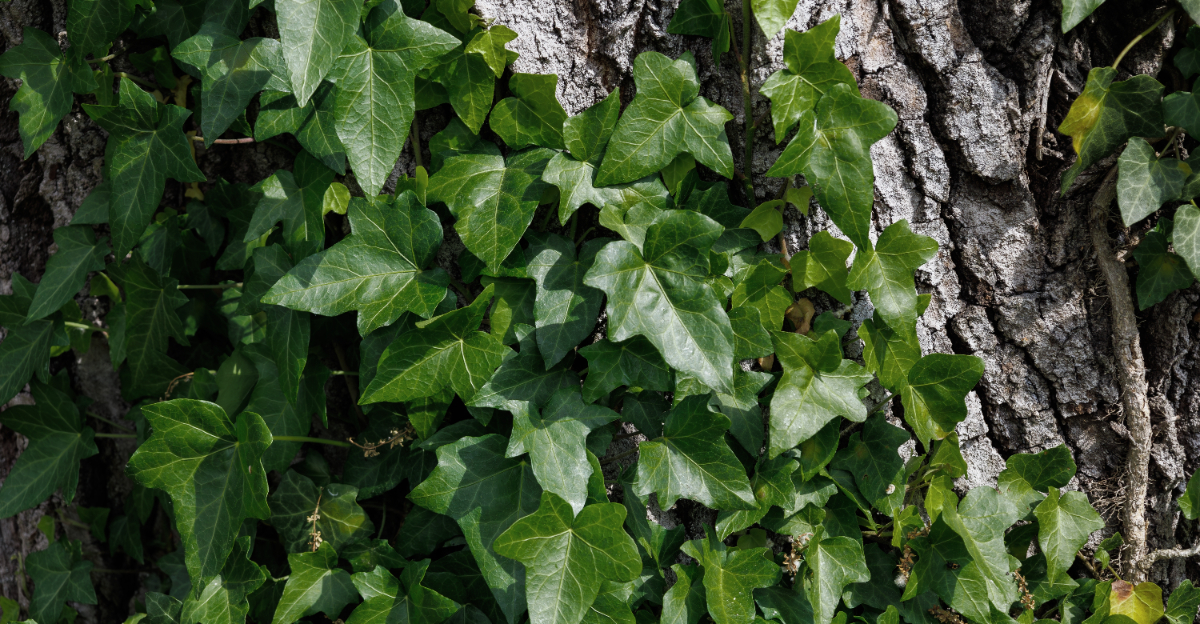
Something green and familiar is quietly turning into a legal headache across New Jersey. A thick, glossy vine climbing fences and blanketing forest floors is now facing serious restrictions.
For decades, homeowners planted it without a second thought. Nobody warned them about the slow damage building underneath the surface.
Now state officials are stepping in, and the rules are shifting fast. Gardens that looked charming last spring could suddenly put homeowners on the wrong side of new regulations.
Why now, after years of silence? The answer touches nearly every yard in New Jersey, and anyone with this vine climbing a fence, wall, or tree trunk needs to pay attention before the next planting season arrives.
A Familiar Yard Plant Facing New Rules
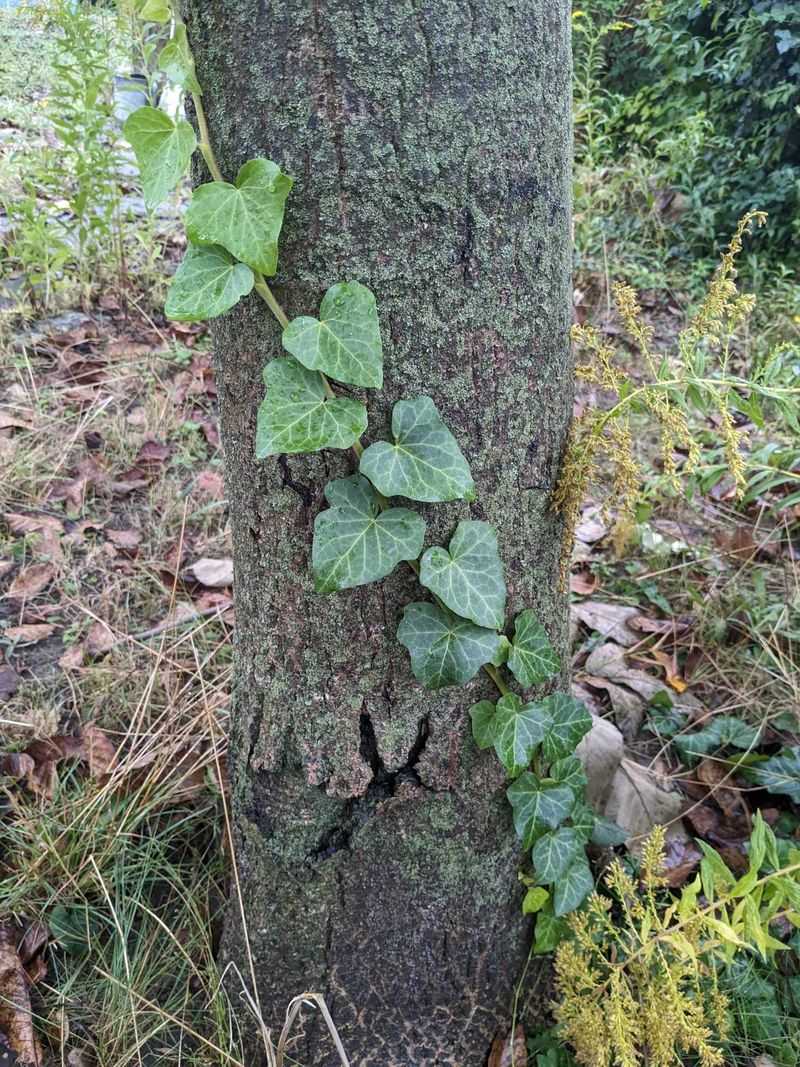
You have almost certainly seen it climbing something nearby. English ivy creeps along fences, climbs old stone walls, and blankets shady patches where grass refuses to grow.
Homeowners are only now starting to grasp how far this shift reaches, and the timing has caught plenty of people off guard. The plant has been a go-to ground cover for decades, praised for its low maintenance and year-round green color.
English ivy, known scientifically as Hedera helix, is native to Europe and western Asia. It was brought to North America centuries ago as an ornamental plant, and it spread fast.
Gardeners loved how it required almost no effort to thrive. It needed little water, tolerated shade, and stayed green through cold winters when everything else looked brown.
But popularity does not equal safety. Slowly, researchers and ecologists began noticing that this tough vine was doing more harm than good in natural areas.
State lawmakers have been building toward this moment for years. English ivy now sits on the official list of restricted invasive species under New Jersey’s newly enacted invasive species law.
That means selling, buying, and planting it would become illegal. Homeowners who currently have it growing in their yards are not automatically in trouble, but the landscape is shifting fast.
Understanding the change now gives you time to prepare. Loving your ivy or dreading it makes no difference here. The new rules will affect your yard either way.
Its Widespread Use Across New Jersey Yards
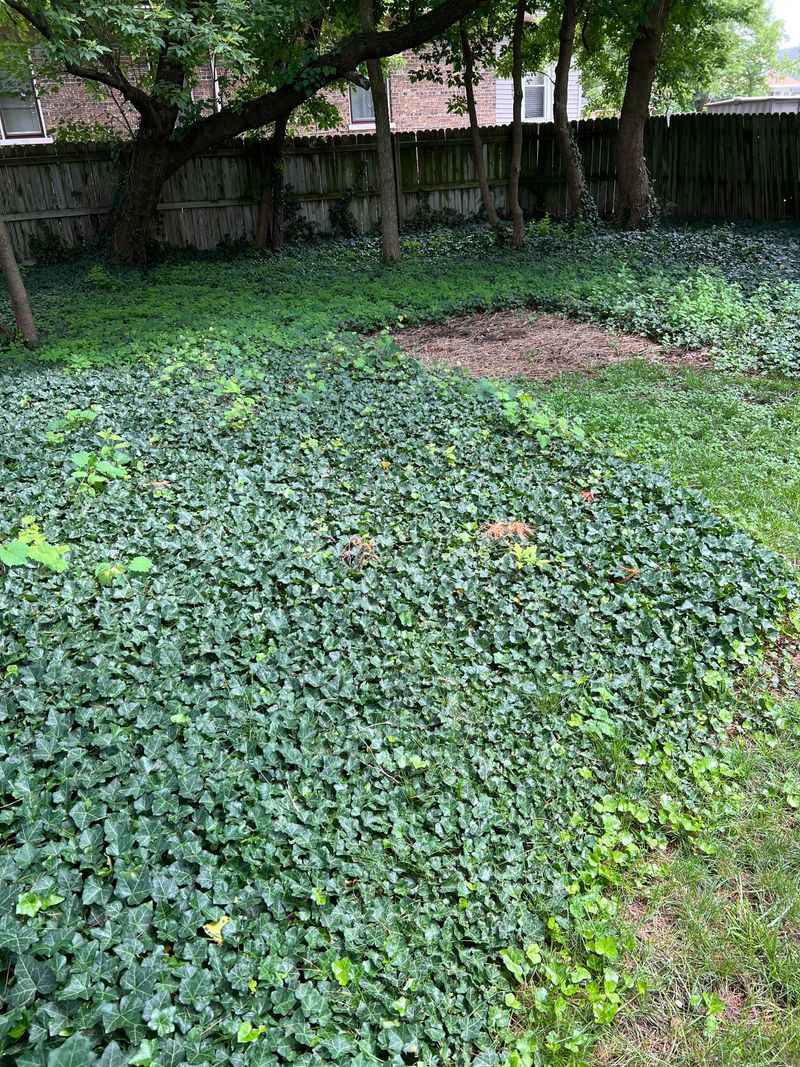
Walk through almost any older neighborhood in the state and you will spot it immediately. English ivy is everywhere, from Cape May bungalows to Bergen County colonials.
Nurseries sold it by the flat for generations, and landscapers recommended it as a reliable fix for erosion on slopes. It became one of the most common plants in residential New Jersey landscaping.
Homeowner associations even required it in some planned communities. Its dense, dark green coverage looked polished and required almost no seasonal upkeep compared to grass or flowering plants.
Garden centers stocked dozens of varieties, from solid green to variegated types with cream and yellow edges. Shoppers picked it up alongside mulch and potting soil without a second thought.
Beyond yards, ivy appeared on college campuses, office parks, and municipal properties. Old photos of these campuses even show ivy climbing the very buildings that made the schools famous for their look.
Your New Jersey Garden Changes Every Week. Your Plan Should Too.
Gardening in New Jersey changes quickly throughout the season. Every Friday you’ll receive a simple weekly plan showing exactly what to plant, prune, fertilize, harvest, and protect so you never miss the right timing.
In New Jersey, it thrived especially well in the humid, temperate climate. Mild winters meant the plant rarely lost its foliage, giving it a year-round head start over native species.
That staying power, once seen as a feature, is now recognized as the core problem. A plant that rarely slows down keeps competing with everything around it, season after season.
Thousands of yards across the state are blanketed in this vine right now. The scale of its presence makes the upcoming restrictions both necessary and complicated for ordinary homeowners.
The Ecological Concerns Driving This Change
Here is the part that surprises most people. English ivy does not just grow in your yard and stay there politely.
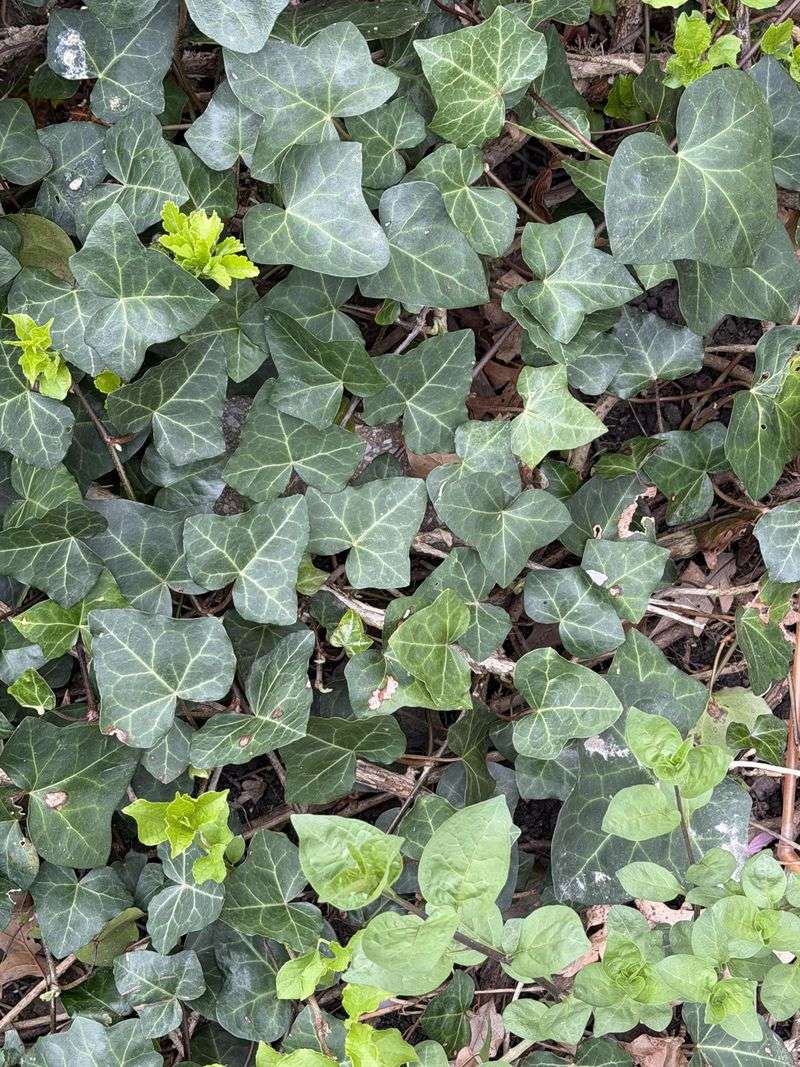
It spreads into neighboring woodlands, parks, and natural areas by dropping seeds that birds carry far from the original planting. Once it reaches a forest floor, it forms dense mats that block sunlight from reaching native plants below.
Those native plants, including wildflowers, ferns, and tree seedlings, cannot compete with ivy’s thick canopy. Entire understory communities can collapse when ivy takes over a patch of woods.
The vine also climbs trees, which causes a separate set of problems. As it moves up the trunk, it adds weight and traps moisture against the bark, weakening the tree over time.
Ecologists call this “ivy deserts,” patches of forest where the only thing left growing is the invasive vine. These zones support almost no native insects, birds, or mammals.
Native bees and butterflies depend on specific native plants for food and nesting. When ivy replaces those plants, the local food web begins to fray at the edges.
New Jersey has significant natural areas worth protecting, from the Pine Barrens to the Highlands region. Invasive species like English ivy chip away at those ecosystems quietly and consistently.
The ecological argument for restricting this vine is strong and backed by solid field research. Protecting biodiversity is the core reason this familiar plant is now facing serious legal consequences in the state.
Timeline For When The Restrictions Take Effect
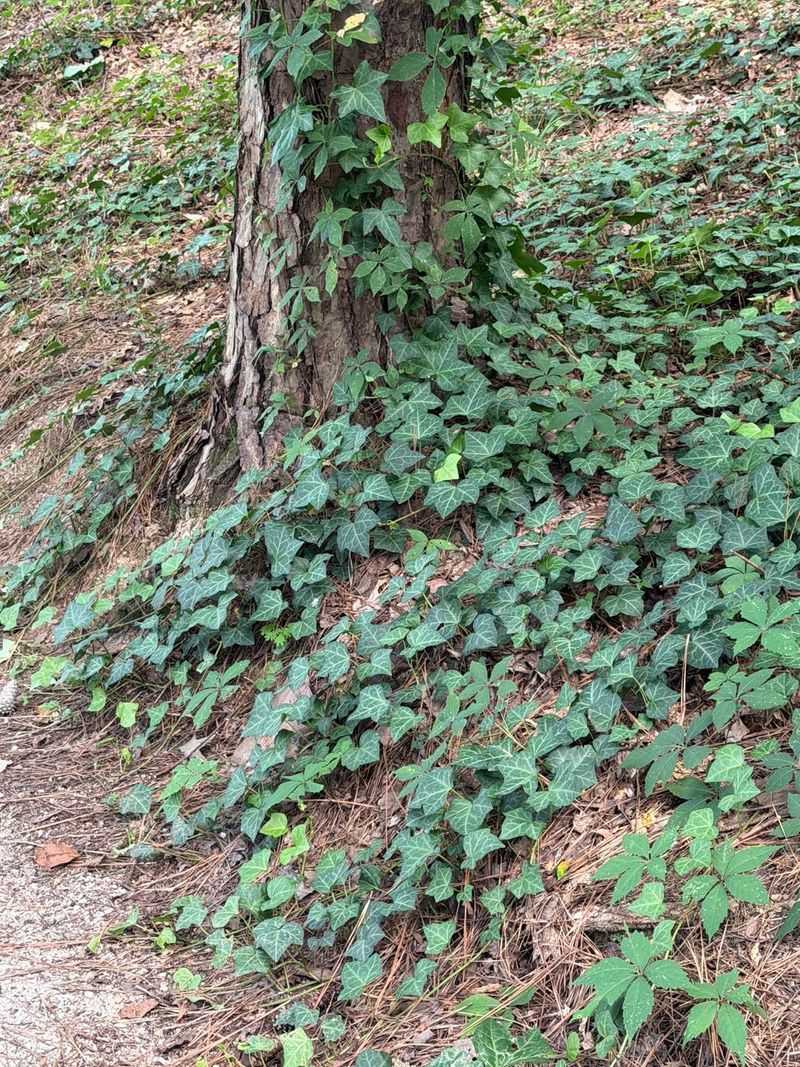
Timing matters when a law is about to change your yard. New Jersey’s path toward banning English ivy has been building gradually through the state’s invasive species regulatory process.
Hedera helix now appears on the initial list under New Jersey’s Invasive Species Management Act, signed into law earlier this year.
Once a plant earns prohibited status, nurseries are expected to phase out sales over the following growing seasons as the rule rolls out. That grace period allows businesses to sell existing stock without immediate financial loss.
For homeowners, the restrictions typically apply to new planting and propagation rather than plants already in the ground. However, local ordinances can sometimes go further than state rules.
Some New Jersey municipalities have already been discouraging invasive plantings on their own, ahead of the statewide rollout.
Checking the New Jersey Department of Environmental Protection’s website regularly will also keep you ahead of any rule updates. Regulations can shift faster than a news cycle, especially during active legislative sessions.
Knowing the timeline puts you in control. Waiting until the rule is fully enforced means fewer options and more scrambling to replace what you have already planted.
The Fate Of Ivy Already Growing In Your Yard
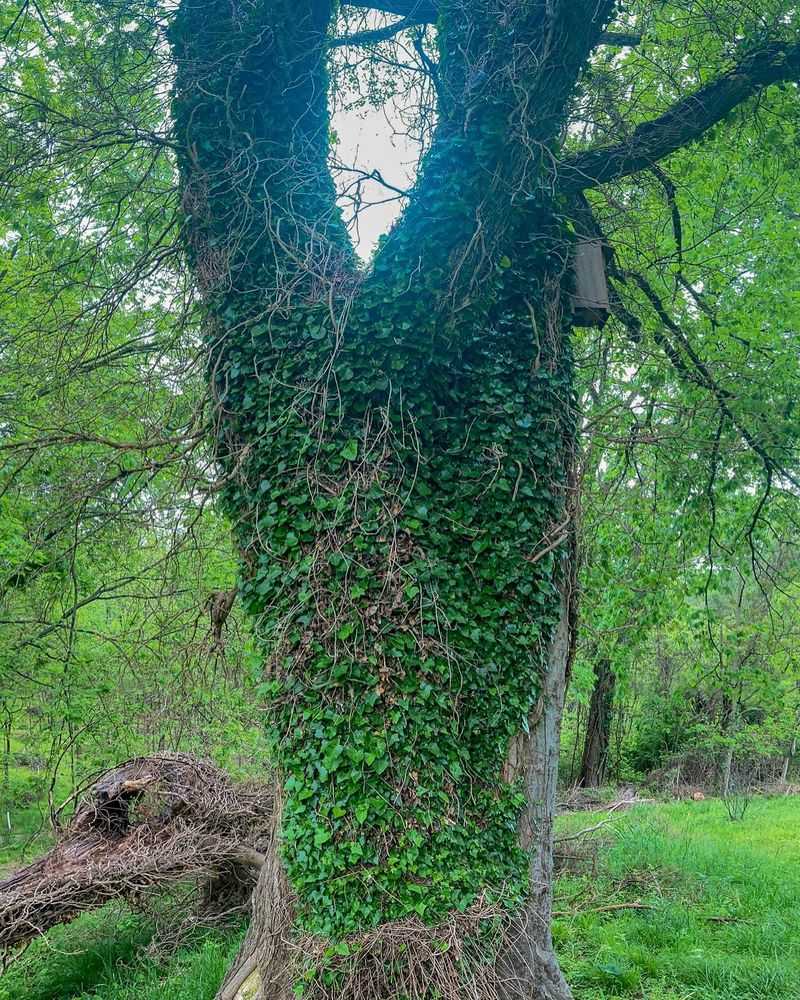
So you already have a yard full of the stuff. Before you panic, take a breath, because the situation is more manageable than it sounds.
New Jersey’s current approach focuses on stopping future sales and new plantings rather than forcing immediate removal of existing ivy. That means your established ground cover is not automatically a violation of the new rules.
Still, many homeowners are choosing to remove their ivy proactively. Getting ahead of the change protects your yard from future liability and helps stop the spread into nearby natural areas.
Removing English ivy is hard work, but entirely manageable over a season or two. Start by cutting the vines at the base and letting the upper portions wither before pulling them down from fences or trees.
Wear gloves and long sleeves, because the sap from ivy can irritate skin in some people. Bag the plant material carefully rather than composting it, since ivy can re-root from cuttings left on the ground.
Roots run shallow but spread wide, so a flat spade or garden fork works better than hand-pulling alone. Expect to make multiple passes over the course of several weeks.
Covering cleared areas with cardboard and mulch immediately after removal helps prevent ivy from resprouting. Follow-up checks every few weeks will catch any regrowth before it takes hold again.
Removing existing plants is a gift to your local ecosystem. Every patch of cleared ground becomes a space where native plants can finally take root and flourish.
Native Alternatives Worth Considering
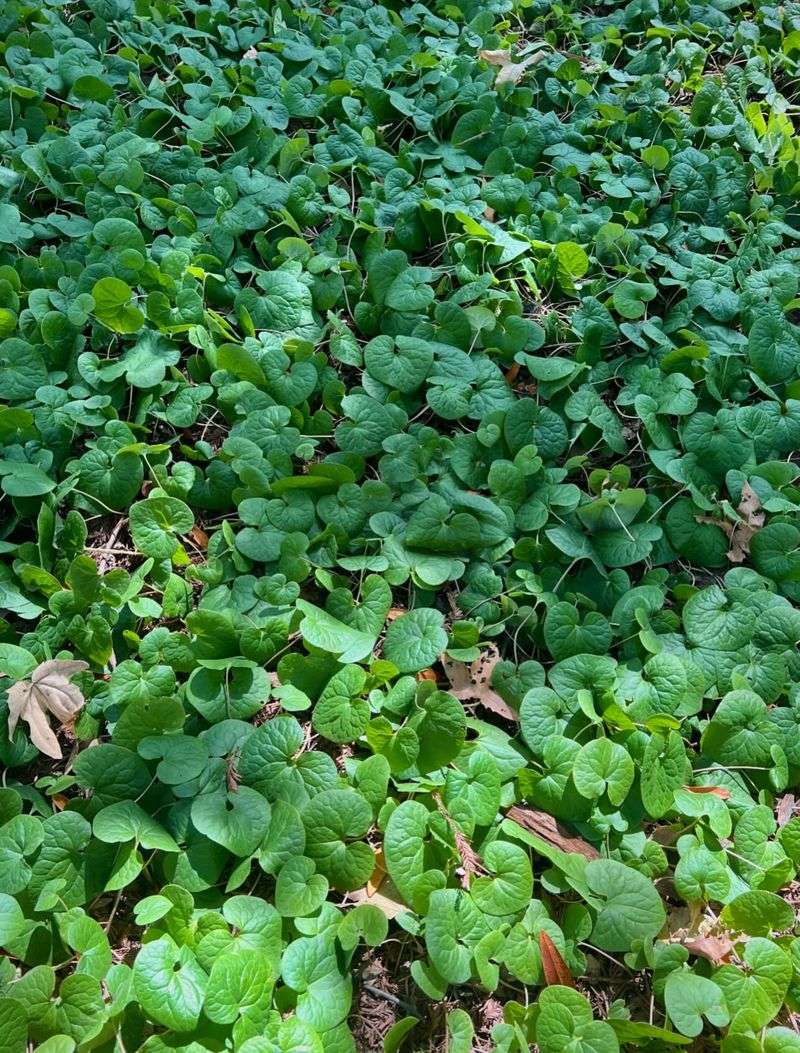
Bare ground after ivy removal does not have to stay bare for long. New Jersey’s native plant palette is rich, beautiful, and far better for local wildlife than any imported vine.
Wild ginger, known as Asarum canadense, makes a stunning low ground cover for shaded spots. Its heart-shaped leaves create a dense mat similar in look to ivy but without the invasive spread.
Creeping phlox is another standout option, especially for sunny slopes where erosion was the original reason homeowners turned to ivy. It blooms in pink, white, and lavender each spring, turning your hillside into a color show.
Native pachysandra, Pachysandra procumbens, is the American cousin of the popular Japanese species most people plant. It handles shade beautifully and supports native pollinators in ways its foreign relative simply cannot.
Virginia creeper is a native vine that gives you vertical coverage on fences and walls. It turns a brilliant scarlet red each fall, offering seasonal drama that English ivy never could.
Bearberry, Arctostaphylos uva-ursi, works wonderfully on dry, sunny slopes and provides berries that birds actively seek out during winter. It stays low, spreads steadily, and rarely needs attention after the first season.
Consulting with a local native plant nursery will connect you with species proven to thrive in your specific county and soil type. Many New Jersey counties also offer cost-share programs that help offset the price of native plant purchases.
Choosing natives over invasives is where this New Jersey vine story ends on a hopeful note. Your yard can be greener, wilder, and more alive than it ever was with ivy alone.