The Pennsylvania Fall Crops To Plant Now For Harvest Before Frost
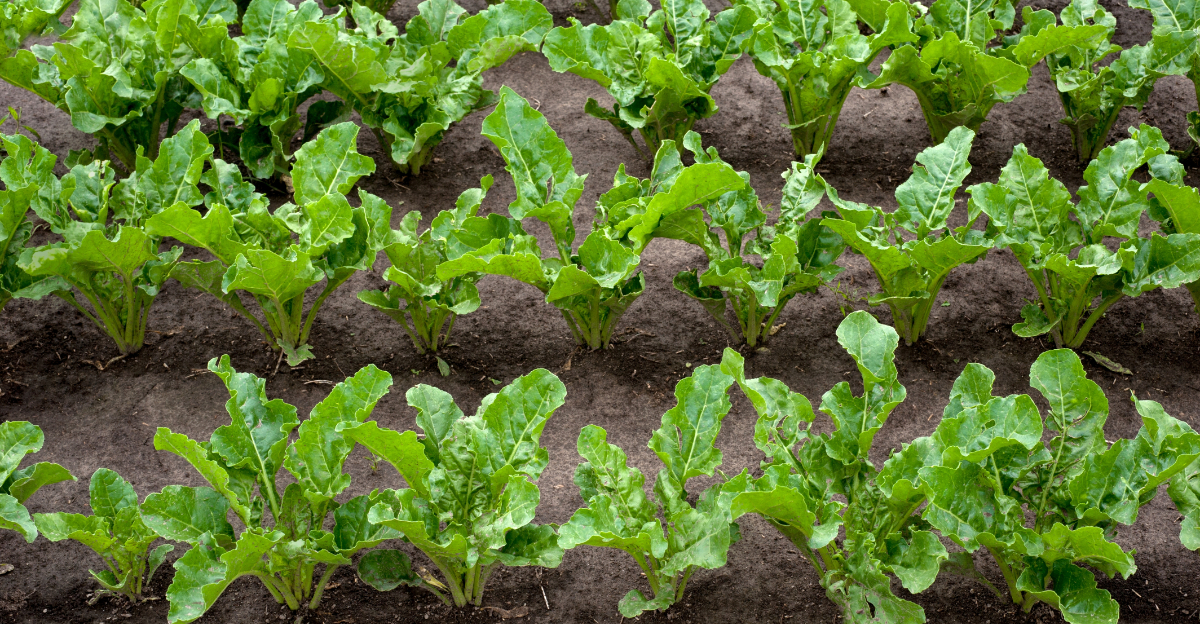
A tired summer bed is not finished yet.
Once beans fade, cucumbers slow, and tomato rows start looking rough, Pennsylvania gardeners get a second chance. Warm soil, cooler nights, and fewer pest problems can make fall vegetables surprisingly productive.
The timing is tighter than spring.
Every week matters because frost is already on the calendar, even when the afternoons still feel warm.
Gardeners in Erie, Lancaster, Philadelphia, the Poconos, and the central valleys all have different windows, so local first frost dates should guide every planting decision.
Cool-season crops have an advantage now.
Many grow quickly in late-summer soil and taste better once nights turn crisp. A little compost, loose soil, steady moisture, and fast-maturing varieties can turn empty rows into one more harvest before winter settles in.
So which Pennsylvania fall crops are worth planting right now?
Start with vegetables that either mature fast, tolerate cold, or become sweeter as temperatures drop.
1. Bush Beans For Fast Pods
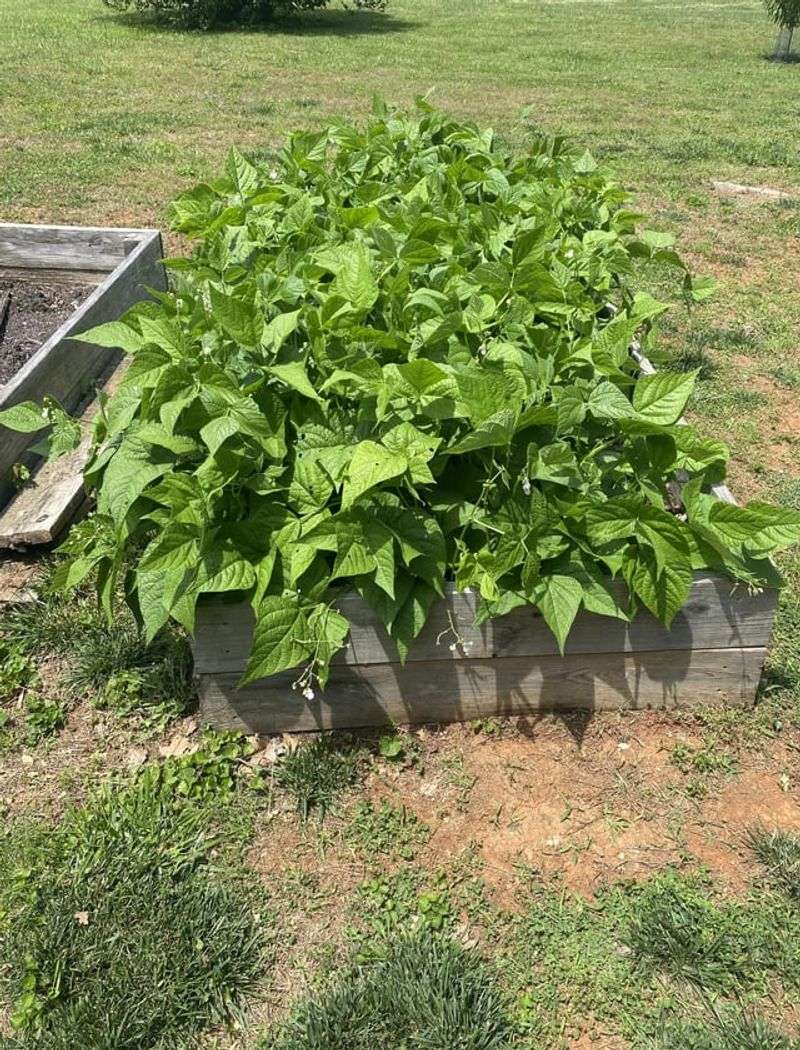
A cleared summer row can still produce one more round.
Bush beans are one of the quickest warm-season crops Pennsylvania gardeners can squeeze into the late-summer window. Warm soil helps seeds sprout fast, and the plants stay compact enough to grow without a trellis.
That saves precious time.
Look for varieties that mature in about 50 to 55 days. Fast beans give you the best chance of harvesting before nights get too cool and frost risk rises.
Warm soil is the advantage.
Beans germinate best when the ground still holds summer heat. Late July and early August plantings can work well in many parts of Pennsylvania when the frost window allows enough days.
Sow directly into the bed.
Plant seeds about one inch deep and two to three inches apart. Water them in well so they make quick contact with moist soil.
Keep the row evenly watered.
Dry soil during flowering and pod formation can reduce the harvest. Deep watering during dry spells works better than quick surface splashes.
Pick pods young.
Slim, tender beans taste better and encourage the plant to keep producing. Pods left too long tell the plant to slow down.
Watch the forecast closely.
Bush beans do not handle frost well. Row cover can buy a little time on chilly nights, but the crop needs speed from the start.
For one last warm-season harvest, this is the crop that gets moving fast.
2. Beets For Quick Roots
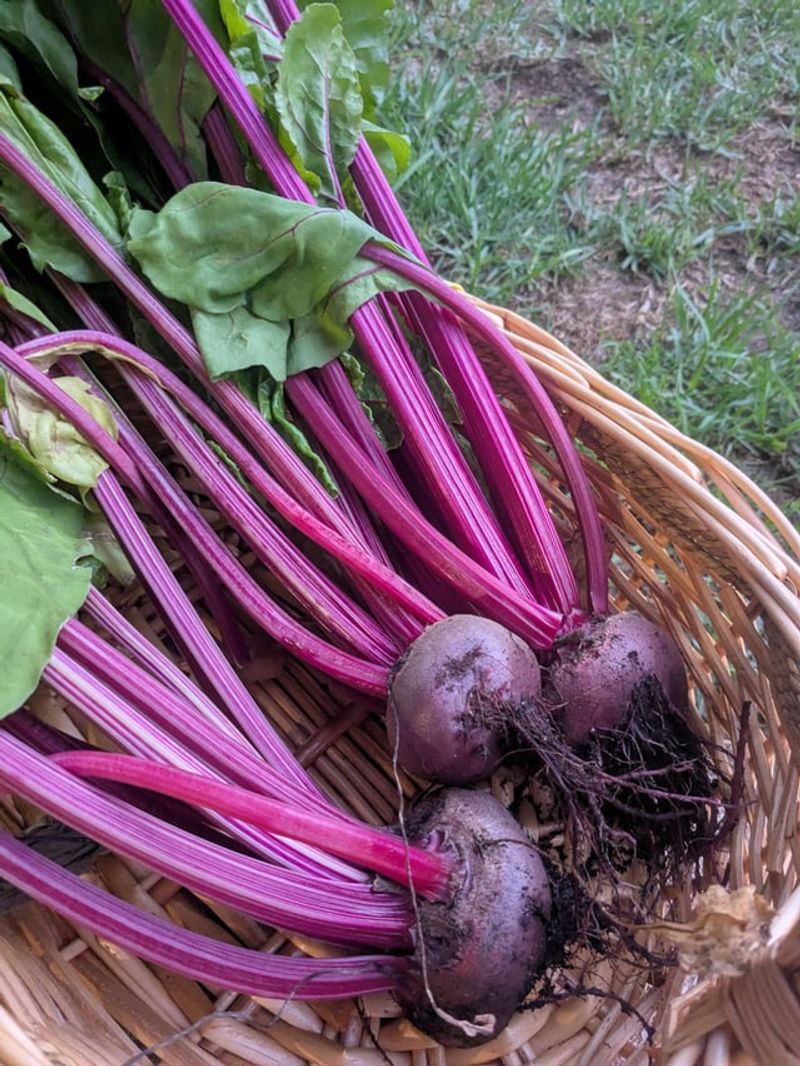
An empty cucumber bed is perfect for a two-for-one crop.
Beets give Pennsylvania gardeners both tender greens and sweet roots. That makes them especially useful when garden space is limited and the fall clock is already ticking.
Loose soil matters first.
Roots size up best in beds that are free of rocks, crusting, and compacted clumps. Add compost and rake the surface smooth before sowing.
Sow seeds directly.
Plant them about half an inch deep and roughly one inch apart. Beet seeds are actually small clusters, so several seedlings may sprout from one seed.
Thinning is not optional.
Once seedlings are a few inches tall, thin them to about three inches apart. Crowded beets produce smaller roots and less useful greens.
Your Pennsylvania Garden Changes Every Week. Your Plan Should Too.
Gardening in Pennsylvania changes quickly throughout the season. Every Friday you’ll receive a simple weekly plan showing exactly what to plant, prune, fertilize, harvest, and protect so you never miss the right timing.
The thinnings are edible.
Tiny beet greens can go straight into salads or sautés, so thinning does not have to feel wasteful.
Choose quick varieties.
Early Wonder Tall Top, Red Ace, and Chioggia are good fall options, depending on what seed is available. Most mature in roughly 50 to 70 days.
Moisture helps germination.
Keep the bed lightly damp until seedlings appear. Dry late-summer soil can delay sprouting and shrink your harvest window.
Cool weather improves flavor.
A light frost can make beet roots taste sweeter, which is one reason fall beets often outshine spring ones.
3. Carrots For Late Crunch
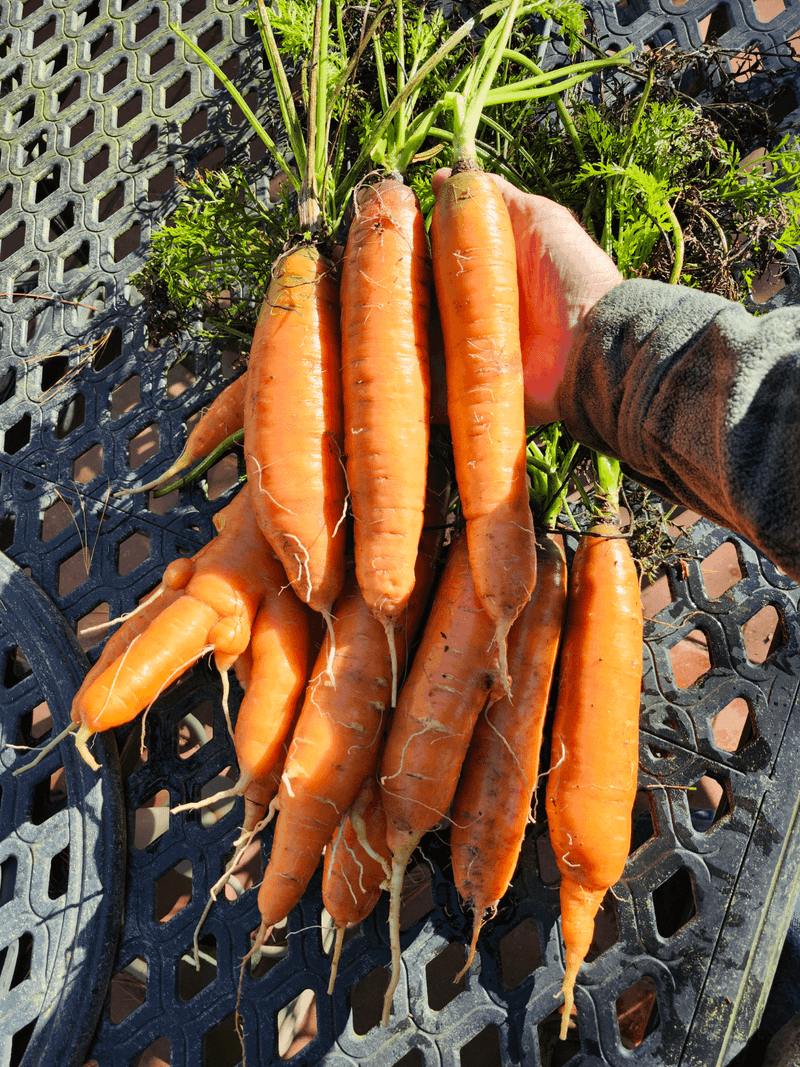
Sweet fall carrots are worth the extra patience.
They take longer than radishes or lettuce, but cool nights can turn them crisp, sugary, and deeply flavorful. The trick is giving seeds the right start while there is still enough time.
Soil preparation decides the shape.
Carrots need loose, deep, rock-free soil. Heavy clay or compacted beds can lead to short, twisted, or forked roots.
Raised beds can help.
Gardeners with tough soil often get better results by growing carrots in raised beds or deeply loosened rows amended with compost.
Sow shallowly.
Plant seeds about a quarter inch deep and keep the surface consistently moist. Carrot seed dries out easily during germination.
Do not give up too soon.
Carrots can take up to two weeks to sprout, especially during warm or uneven late-summer weather. A quiet bed is not always a failed bed.
Thin early.
Once seedlings are about an inch tall, thin them to roughly two inches apart. Crowded carrots twist, stunt, and compete for moisture.
Pick the right type.
Nantes varieties are dependable for sweet, blunt roots, while Danvers types handle heavier soils better than many long, slender carrots.
Mulch can extend the harvest.
After light frost, a straw layer over the bed can protect roots and let you pull carrots into late fall where conditions allow.
The best carrot flavor often arrives after the garden starts to feel chilly.
That is the reward for planting while summer still has a grip.
4. Kale For Frost Sweetness
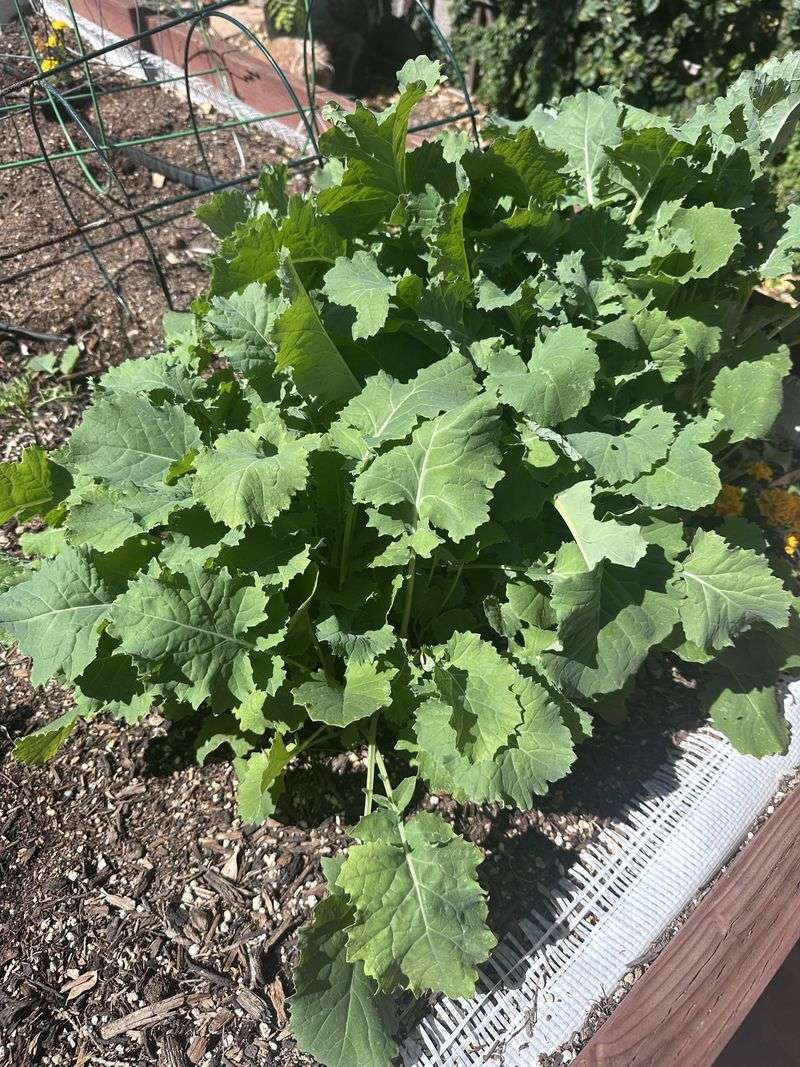
A fall garden needs at least one crop that laughs at chilly nights.
Kale is one of the most forgiving choices for Pennsylvania beds because it keeps producing after many tender vegetables are finished. Cold weather usually improves the flavor too.
Frost changes the leaves.
Once temperatures dip, kale often tastes sweeter and less bitter. That makes fall-grown leaves especially good for soups, sautés, salads, and roasted chips.
Transplants give a head start.
Direct seeding can work in late summer, but transplants save a couple of valuable weeks. That matters when the season is racing toward frost.
Give plants room.
Space kale about 18 inches apart so leaves can spread. Crowded plants stay smaller and dry more slowly after rain or dew.
Water young plants consistently.
Kale is tough once established, but seedlings and transplants still need steady moisture during warm late-summer days.
Choose cold-hardy varieties.
Lacinato, Red Russian, and Vates Blue Curled are all strong options for fall gardens. Each handles cool weather well with slightly different texture and flavor.
Harvest outer leaves first.
Take the lower, larger leaves and leave the center growing point in place. That lets one plant produce for weeks.
Row cover can stretch the season.
A simple cover protects leaves from cold snaps and pest pressure, giving the plant more time to keep producing.
Kale does not just survive fall.
It often becomes better because of it.
5. Lettuce For Fast Salads
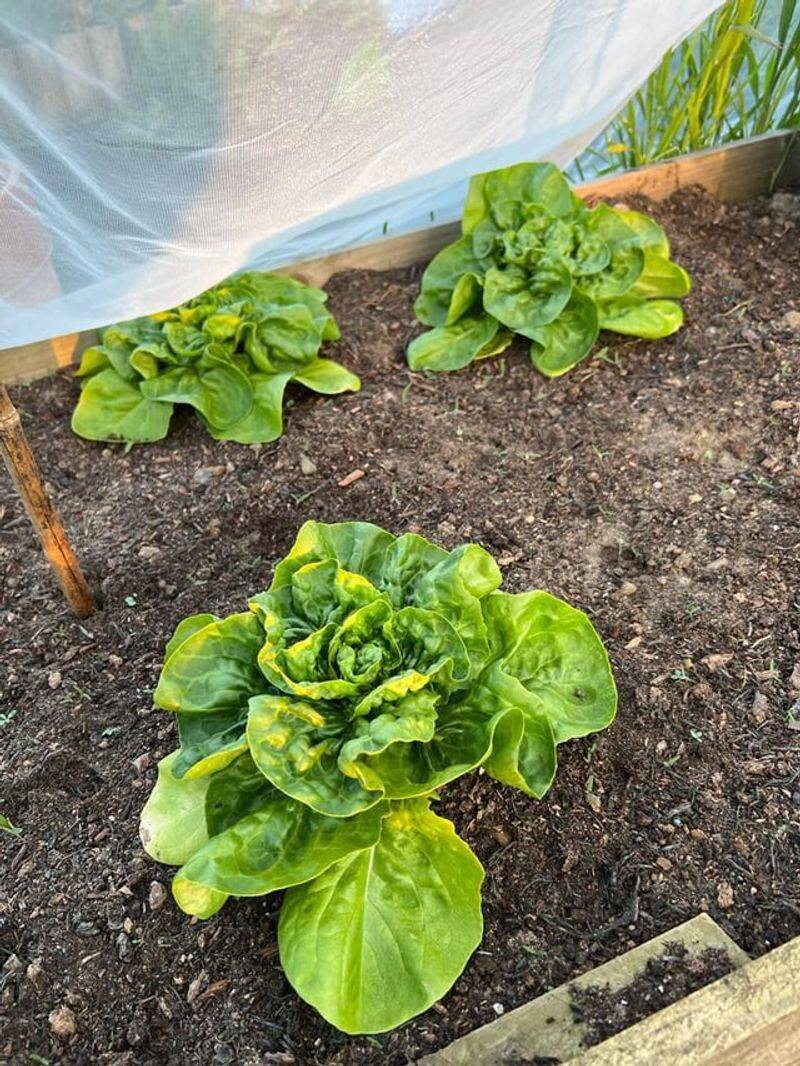
Fresh October salads can start with a late-summer sowing.
Lettuce grows quickly once temperatures begin to ease, and loose-leaf types can produce tender leaves in just a few weeks. That makes it one of the best quick wins for Pennsylvania fall gardens.
Heat is the early obstacle.
Warm soil can slow germination or make seedlings struggle. Shade cloth over the bed during hot afternoons can help keep the seed zone cooler.
Loose-leaf types are fastest.
Black Seeded Simpson, Red Sails, and other leaf lettuces are good choices when time is short. Butterhead and romaine types may need a little longer.
Succession planting works beautifully.
Sow a short row every ten days to two weeks rather than planting everything at once. That keeps salads coming instead of creating one big harvest.
Keep the surface moist.
Lettuce roots are shallow, and seeds need steady moisture to sprout evenly. Light, regular watering works well during establishment.
Harvest young leaves.
Baby lettuce is tender, fast, and perfect for fall meals. Cut outer leaves or shear plants lightly above the crown for regrowth.
Cool nights improve texture.
Fall lettuce often tastes sweeter and crisper than lettuce grown through spring heat. Lower temperatures reduce bitterness and bolting pressure.
Protect from frost when needed.
A row cover can carry lettuce through chilly nights and keep the salad bowl going a little longer.
6. Radishes For Quick Rows
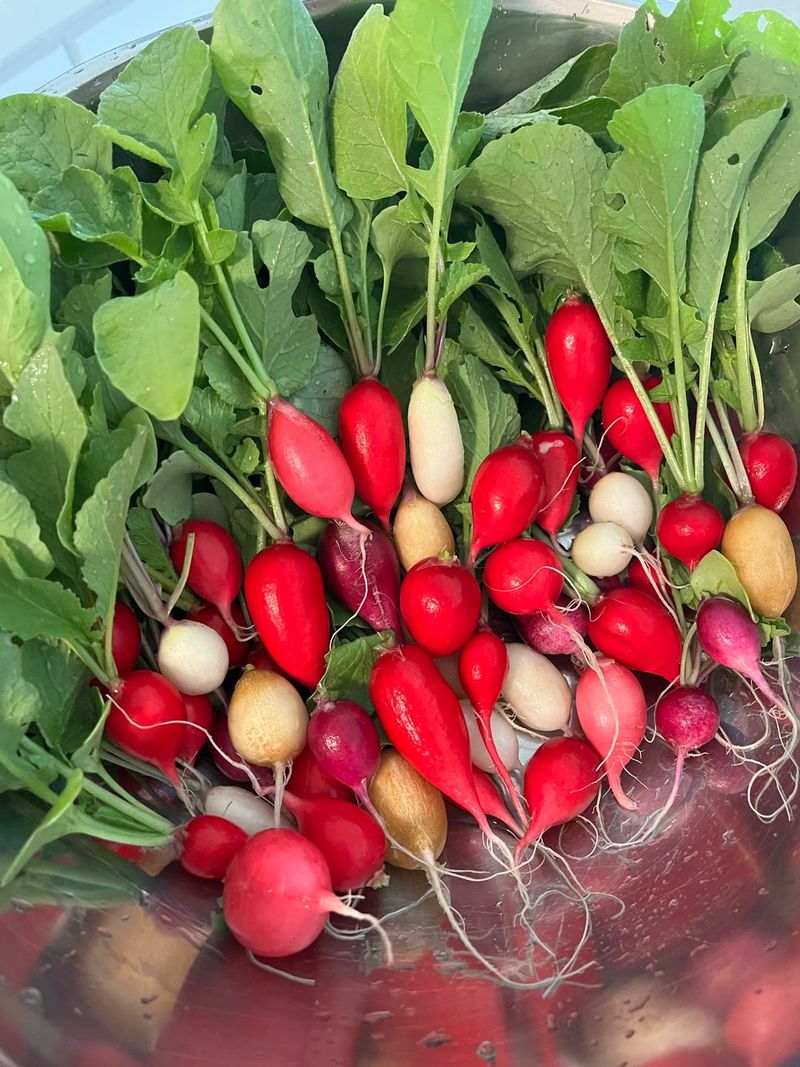
A bare strip can become food in less than a month.
Radishes are the fastest crop on this list, and that speed makes them perfect for Pennsylvania gardeners trying to use every bit of fall space. Many small varieties mature in about 22 to 30 days.
They love cooler weather.
Fall radishes are often crisper and milder than summer-grown ones. Heat can make radishes harsh, woody, or overly sharp, but cooling temperatures bring better texture.
Sow directly where they will grow.
Plant seeds about half an inch deep and an inch apart. Thin to about two inches apart once seedlings are up.
Do not skip thinning.
Crowded radishes make skinny roots and leafy tops. A little space lets each root swell properly.
Choose fast round types.
Cherry Belle and Easter Egg are reliable, colorful, and quick. For larger roots, daikon types are useful but need a longer window.
Plant small batches.
A new row every week or two gives a steady supply instead of too many radishes all at once.
Use them as row markers.
Radishes sprout quickly beside slower crops like carrots. They show where the row is, then come out before the carrots need more room.
Harvest promptly.
Radishes left too long can turn pithy or tough. Quick crops deserve quick picking.
For instant fall garden momentum, radishes are hard to beat.
7. Spinach For Cooler Nights
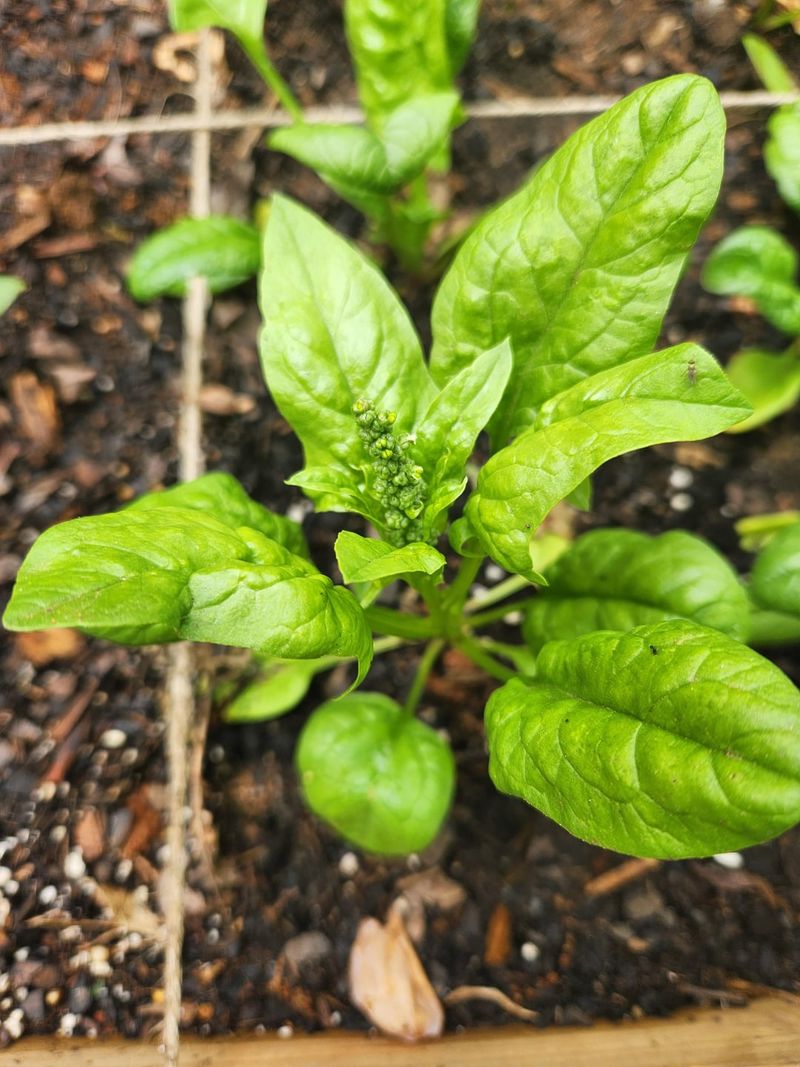
Spinach waits for the weather it actually likes.
Late summer can be tricky because warm soil may slow germination, but once Pennsylvania nights begin cooling, spinach grows with real purpose. Few greens taste more like fall.
Pre-chilling can help.
Place seeds in a damp paper towel in the refrigerator for a few days before sowing. That small step can improve germination when soil is still warm.
Sow in a prepared bed.
Plant seeds about half an inch deep and a couple inches apart in loose soil with good drainage and compost worked in.
Keep moisture steady.
Dry soil can delay germination and weaken seedlings. Spinach prefers cool, evenly moist conditions from the start.
Pick dependable varieties.
Bloomsdale Long Standing, Space, and Tyee are all good choices for fall planting. Smooth-leaf types are easier to clean, while crinkled types handle cold nicely.
Thin for airflow.
Crowded spinach stays damp longer and can struggle with disease pressure. Give plants enough room to grow strong leaves.
Harvest outer leaves.
Take larger leaves first and let the center keep producing. This gives you more harvests from the same planting.
Use row cover for extra time.
Spinach can handle cold better than many greens, and a simple cover can stretch the harvest well into late fall in milder parts of the state.
Cool nights are not a setback for spinach.
They are the invitation.
8. Broccoli From Transplants
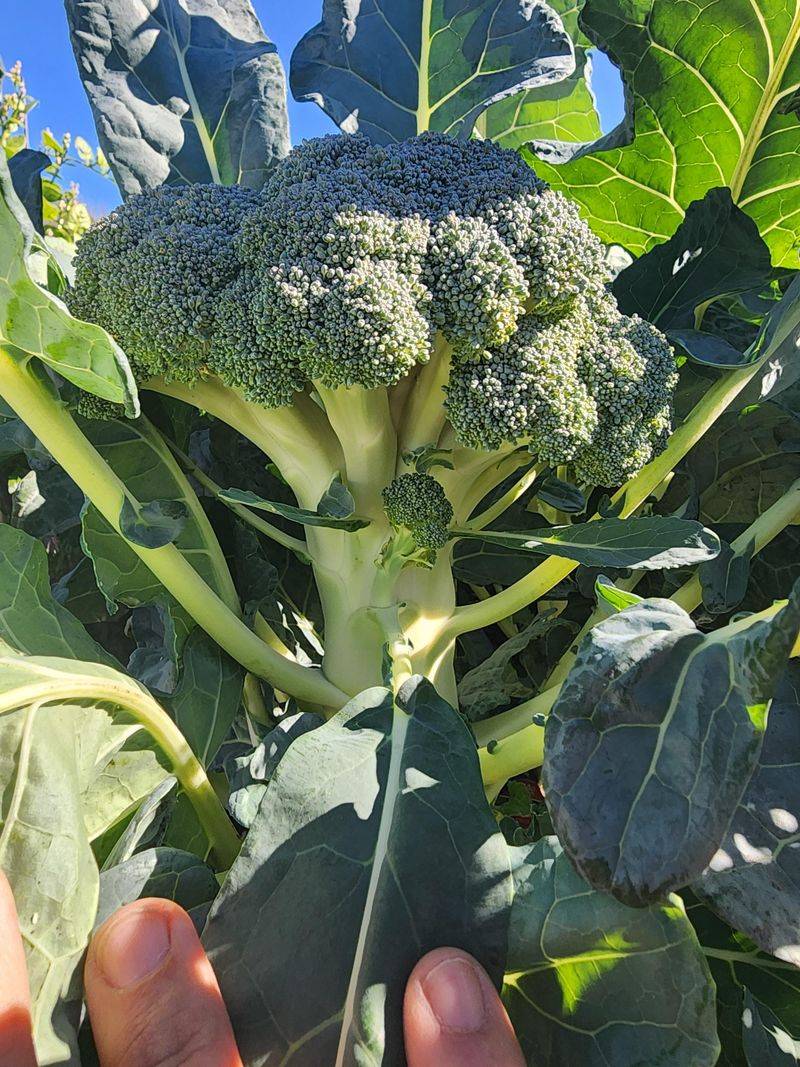
Some fall crops need a head start to make the deadline.
Broccoli is one of them. Starting from seed outdoors can take too long this late, so transplants are the smarter choice for most Pennsylvania gardeners chasing a harvest before frost.
Buy sturdy young plants.
Look for compact transplants with deep green leaves and no stretched, leggy stems. Avoid plants already forming tiny heads in the cell pack.
Plant into rich soil.
Broccoli is a heavy feeder compared with lettuce or radishes. Add compost before planting and water transplants in deeply.
Give each plant space.
Set them about 18 inches apart so heads can develop and leaves can spread. Tight spacing can reduce head size and slow airflow.
Protect from cabbage worms.
Floating row cover right after planting keeps moths from laying eggs on the leaves. This is much easier than picking caterpillars off later.
Choose faster varieties.
Belstar, Diplomat, and Packman are useful fall options when available. Check days to maturity from transplant, not just from seed.
Light frost can improve flavor.
Broccoli often tastes sweeter after cool nights, but hard freezes can damage developing heads. Watch the forecast as harvest approaches.
Cut before buds open.
Harvest while the head is tight and green. Once yellow flowers start, quality drops quickly.
Fall broccoli takes planning, but the payoff is worth it.
A crisp, cool-weather head from your own garden feels like beating the season at its own game.