Never Cut Your Grass Too Short During Georgia’s July Heatwaves
Brown patches often get blamed on Georgia’s brutal July heat. In many yards, though, the mower is making the problem even worse.
Cutting grass too short removes the natural protection that helps lawns cope with scorching temperatures and drying soil.
That mistake is easy to make, especially when fast-growing grass keeps filling the yard.
A healthier lawn does not come from mowing more aggressively. Let the grass keep a little extra height, and it will do a better job of holding moisture and shielding the roots from intense heat.
One small adjustment can change how well the lawn handles the toughest weeks of summer. Before the next mow, make sure the mower is helping the grass instead of working against it.
1. Scalping Removes Too Much Leaf Blade
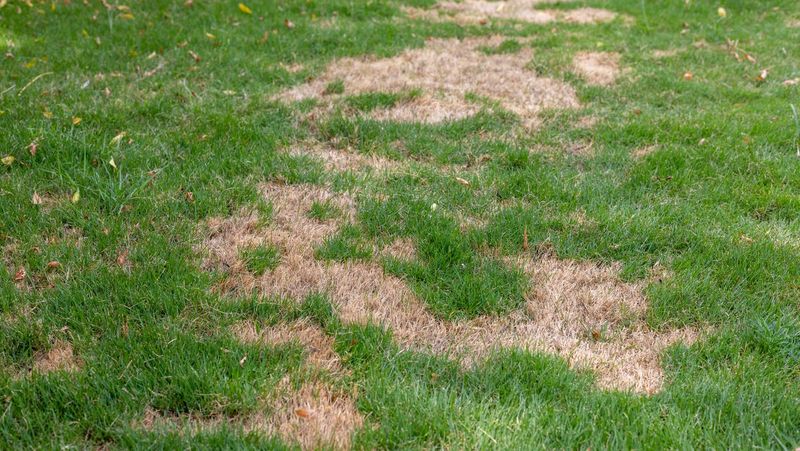
Cutting grass down to almost nothing is called scalping, and it causes more trouble than most people expect. When you remove too much of the leaf blade at once, the plant loses its main food-making surface.
Grass blades capture sunlight and turn it into energy. Without enough blade left, the plant has to dig into its reserves just to keep going.
Scalping is especially rough on warm-season grasses like Bermuda and Zoysia. Both are tough grasses, but neither handles extreme stress well when they have almost no leaf material left.
In the middle of a Georgia summer, that kind of setback hits harder than it would in spring or fall.
A scalped lawn also looks bad fast. Brown patches can show up within days, and the lawn may take several weeks to recover, depending on watering and weather conditions.
Soil gets exposed to direct sunlight, which dries it out even quicker.
Avoiding scalping is straightforward. Set your mower blade higher before each summer cut.
Most lawn care professionals suggest keeping warm-season grasses between two and four inches tall during peak heat.
A small adjustment to your mower deck can protect your lawn from weeks of unnecessary stress and slow recovery time.
2. Taller Grass Shades The Soil Better
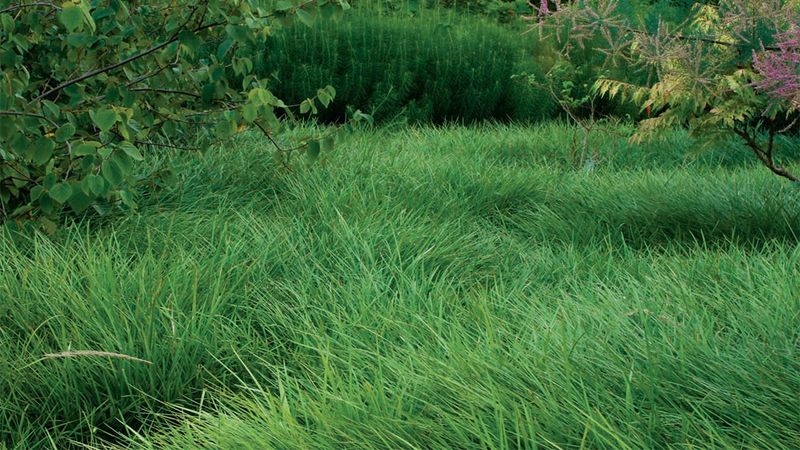
Shade is a powerful tool, and your grass can create its own. Taller blades lean slightly and overlap, forming a natural canopy just above the soil.
That layer of shade keeps the ground cooler on hot July afternoons when pavement nearby can reach scorching temperatures.
Cooler soil holds moisture longer. When the sun cannot beat directly down on bare dirt, water stays in the ground instead of evaporating within hours of a watering session.
Taller grass essentially acts like a light blanket over the root zone, protecting what is underneath.
Soil temperature matters more than many homeowners realize. Roots become less active when soil gets too hot.
In some cases, they may slow down water and nutrient uptake, leaving the grass looking dull or stressed even when it has been watered regularly. Keeping the canopy taller helps moderate those underground temperatures.
Shading the soil also limits weed seed germination. Many common summer weeds sprout more easily in bare, sun-exposed soil.
A thicker, taller lawn creates natural competition that makes it harder for weeds to get established.
Your Georgia Garden Changes Every Week. Your Plan Should Too.
Gardening in Georgia changes quickly throughout the season. Every Friday you’ll receive a simple weekly plan showing exactly what to plant, prune, fertilize, harvest, and protect so you never miss the right timing.
Across much of the South, this benefit alone makes a strong case for raising your mower deck a notch or two before the hottest weeks arrive each summer.
3. Short Lawns Lose Moisture Much Faster
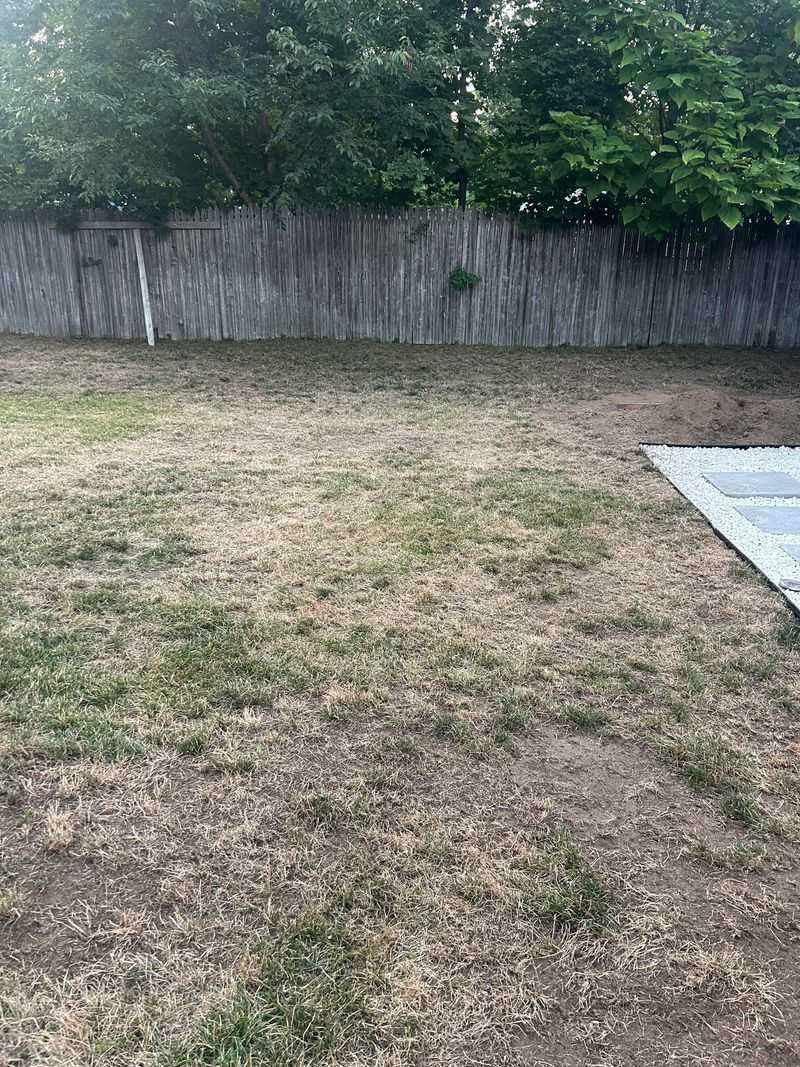
Water disappears fast from a short lawn. Without tall blades slowing air movement near the ground, moisture evaporates quickly after rain or irrigation.
On a hot July day, a freshly watered short lawn can dry out within a few hours.
Taller grass creates a micro-environment near the soil surface. Air moves more slowly through dense blades, and the shade those blades provide keeps surface temperatures lower.
Both factors slow evaporation and help water reach the roots instead of disappearing into the air.
Short lawns also tend to develop a drier, harder soil surface over time. When water evaporates before it can soak in properly, the top layer of soil can become almost hydrophobic, meaning water runs off instead of absorbing.
Getting moisture back into compacted, dry soil takes extra effort and more water overall.
Homeowners in Georgia often water more frequently during July, sometimes without realizing the real problem is mowing height. Raising the mower deck even one inch can noticeably reduce how fast the soil dries between watering sessions.
Less frequent watering is better for most warm-season grasses anyway, since deep, infrequent watering encourages roots to grow deeper into the soil profile where conditions stay cooler and more stable.
4. Shallow Roots Struggle In Summer Heat
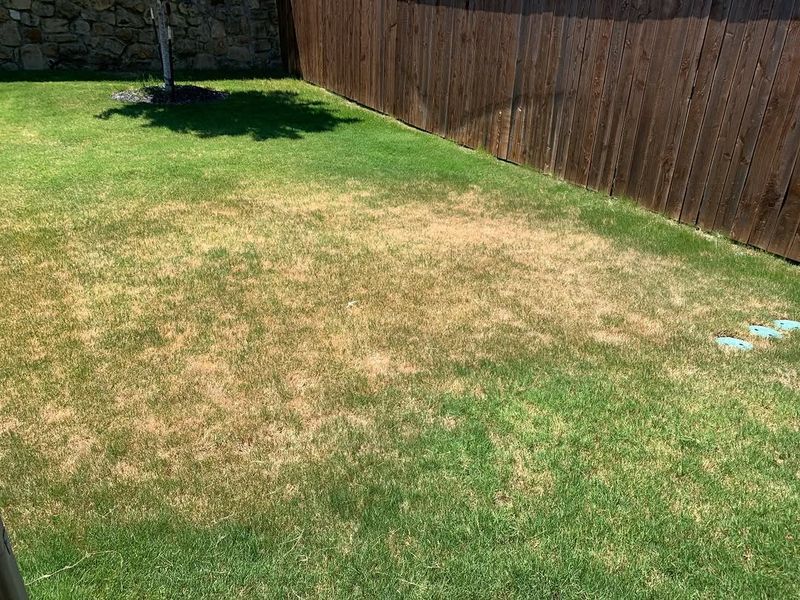
Root depth is one of the most overlooked parts of lawn health. Short grass tends to develop shallow roots because the plant does not need to reach far for water when moisture is mostly near the surface.
Shallow roots leave grass vulnerable when the top layer of soil dries out fast.
During peak summer heat, the upper few inches of soil can get very dry between watering cycles. Grass with roots only in that top layer runs out of available water quickly.
Deeper roots tap into soil moisture that stays more stable, even during stretches of dry, hot weather.
Mowing at the right height encourages deeper rooting over time. Taller blades support larger root systems because more leaf surface means more photosynthesis and more energy available to fuel root growth.
It is a connected system, and mowing height directly influences how that system develops through the growing season.
Improving root depth does not happen overnight. It takes consistent mowing habits over several weeks combined with proper watering technique.
Watering deeply but less often trains roots to follow moisture downward.
Pairing that practice with a higher mowing height gives warm-season grasses in the South a much better shot at handling extended heat without showing visible stress signs during the hottest part of summer.
5. Bare Spots Fill In More Slowly
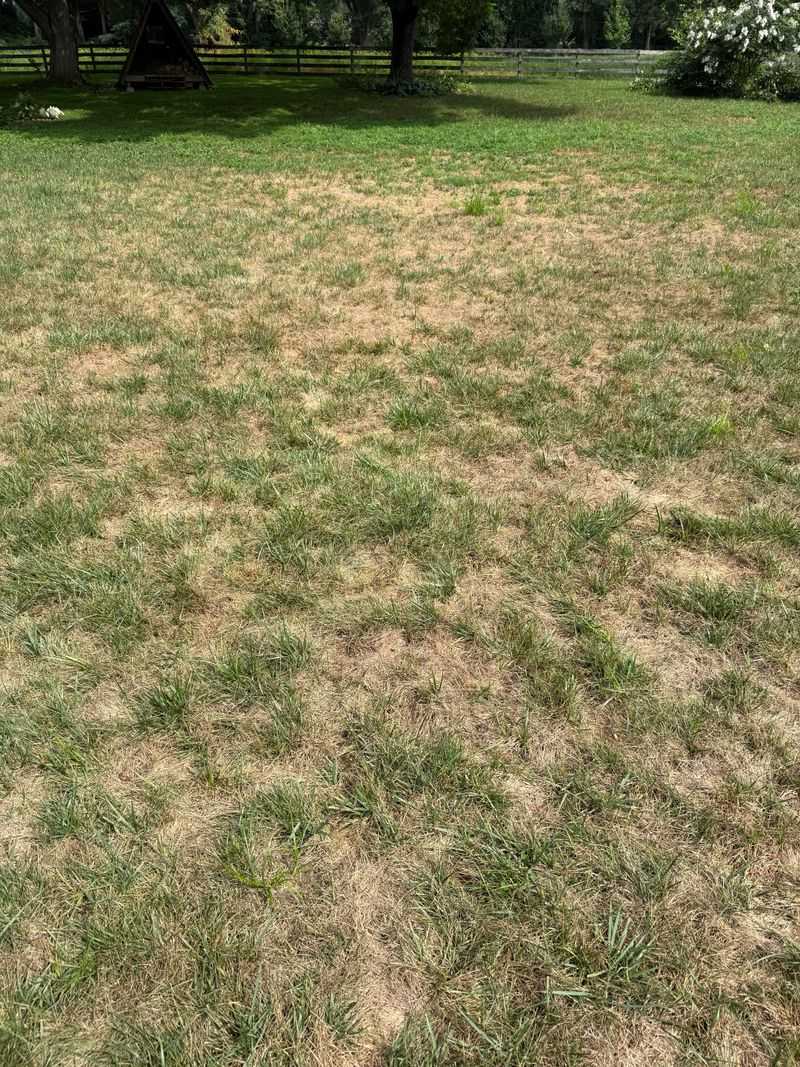
Bare patches are one of the most frustrating outcomes of cutting too short in summer. Once the grass thins out or disappears in spots, recovery slows down significantly during peak heat.
Warm-season grasses spread through stolons and rhizomes, but that process takes energy the plant may not have when it is already stressed.
Heat makes everything harder. Soil in bare spots absorbs more sunlight and gets hotter than covered areas.
That extra heat slows new growth and can make it tough for spreading grass to take hold. Weeds, on the other hand, often move into bare spots quickly since they face less competition there.
Prevention is far easier than repair. Keeping grass at the right height through the summer reduces the chance of thin or bare areas forming in the first place.
A consistent mowing height protects the existing turf and keeps it dense enough to crowd out weeds naturally.
If bare spots do appear, avoid the temptation to over-fertilize or over-water in an attempt to speed recovery. Too much of either can stress already struggling grass further.
Light, consistent watering and patience tend to produce better results.
Across Georgia, most warm-season grasses will recover on their own once heat eases in late summer or early fall, as long as the root system is still intact and healthy enough to support new growth.
6. Raise Your Mower To The Right Height
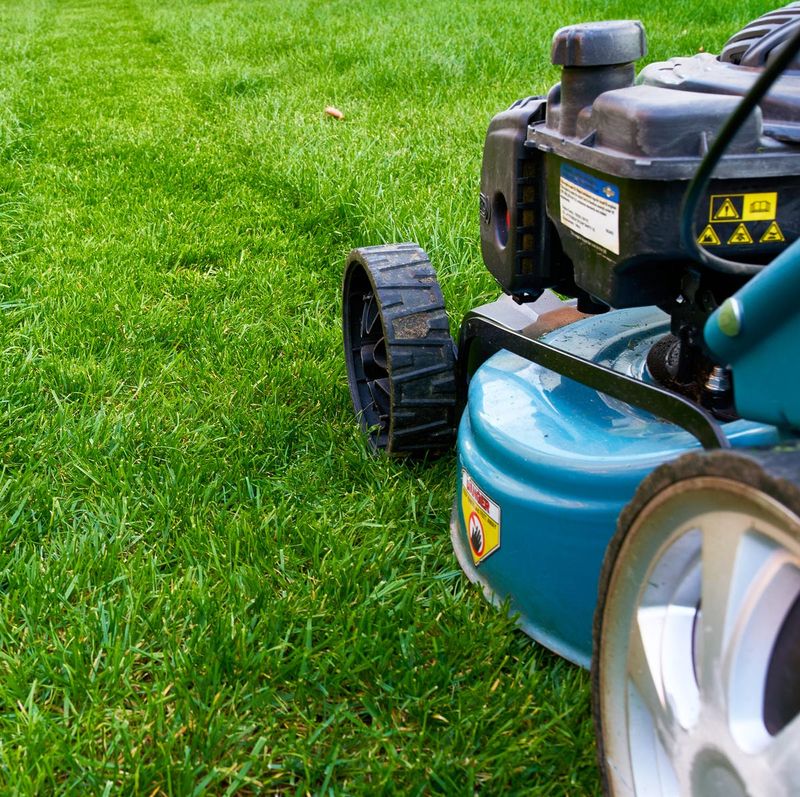
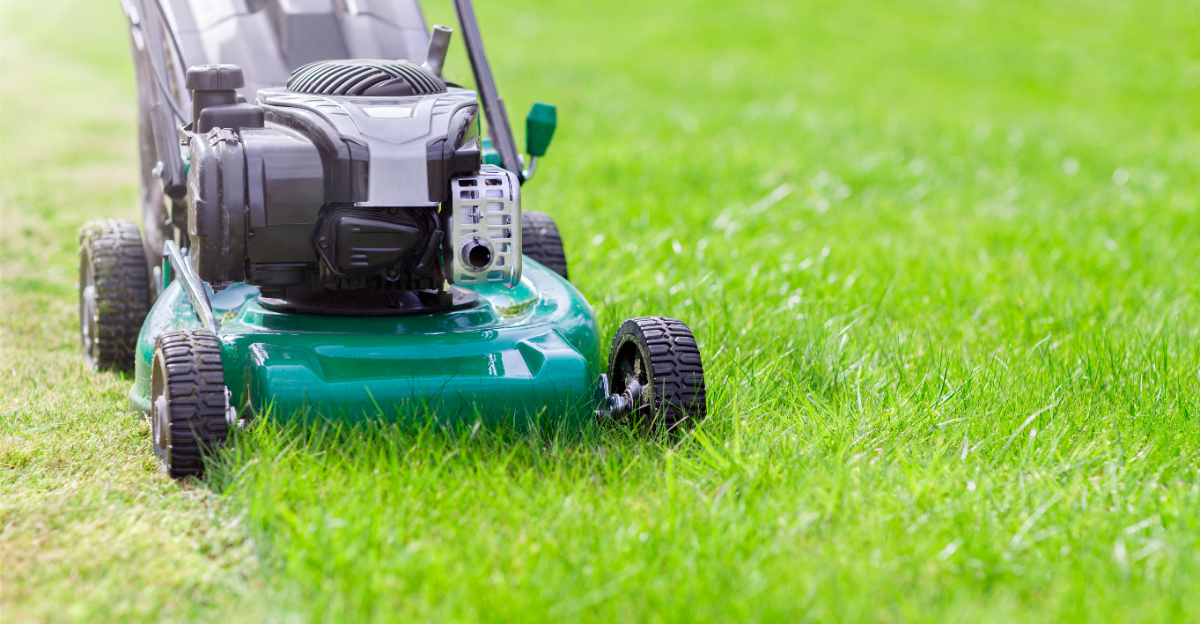
Adjusting your mower deck is one of the simplest things you can do to protect your lawn in summer. Most mowers have a height adjustment lever on each wheel, and moving it up one or two notches takes about two minutes.
That small change can make a big difference in how your lawn handles heat stress.
For Bermuda grass, a common cutting height in summer ranges from one and a half to two and a half inches, depending on the variety. Zoysia generally does well between one and a half and three inches.
Centipede grass, another popular choice across the South, tends to prefer a height between one and two inches. Always check the specific recommendation for your grass type before adjusting.
Mower blade sharpness matters just as much as height. A dull blade tears grass instead of cutting it cleanly.
Torn ends turn brown faster and create entry points for disease and stress. Sharpening blades at least once a season, or more often if you mow frequently, keeps cuts clean and reduces recovery time after each mowing session.
Check your mower height before every summer cut, not just once at the start of the season. Decks can shift slightly over time, especially after hitting rough terrain or obstacles.
A quick check before mowing takes seconds and ensures you are cutting at the height you actually intend.
7. Follow The One Third Mowing Rule
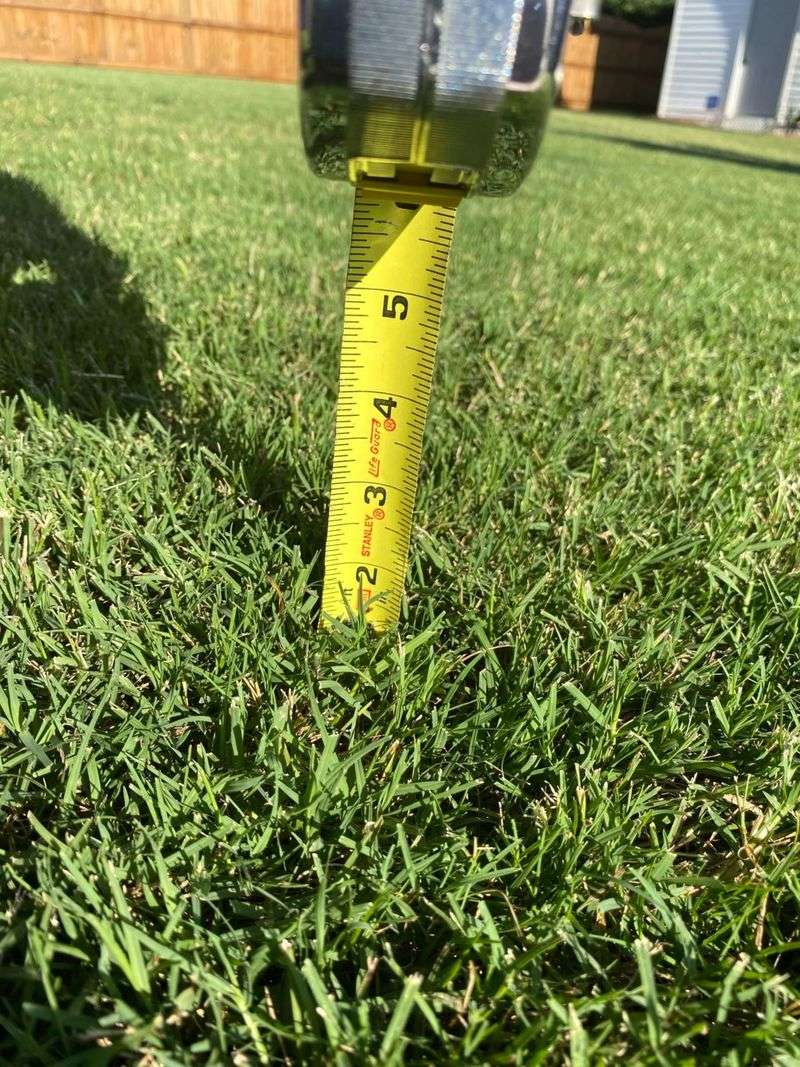
One of the most practical rules in lawn care is simple to remember. Cut no more than one third of the grass blade at any single mowing session.
Remove more than that, and the plant goes into a stress response that slows growth and weakens the root system over time.
Sticking to this rule means you may need to mow more often during fast-growing periods in late spring. That is a fair trade.
Frequent, light cuts are far less stressful on grass than occasional heavy cuts that remove too much at once. Grass recovers from small trims much faster than from major reductions.
In Georgia’s July heat, grass growth often slows down a bit compared to spring. That actually makes the one-third rule easier to follow since you may not need to mow as often.
Still, if you skip a week and the grass gets long, resist the urge to cut it all the way down in one pass.
Instead, cut it down gradually over two or three mowing sessions spaced a few days apart. Bring the height down slowly rather than all at once.
Your lawn will stay greener, recover faster between cuts, and look more consistent through the rest of summer.
Small adjustments to mowing habits add up to a noticeably healthier lawn by the time cooler fall temperatures arrive across the region.