The Late-Summer Feeding That Helps Michigan Tomatoes Finish Strong
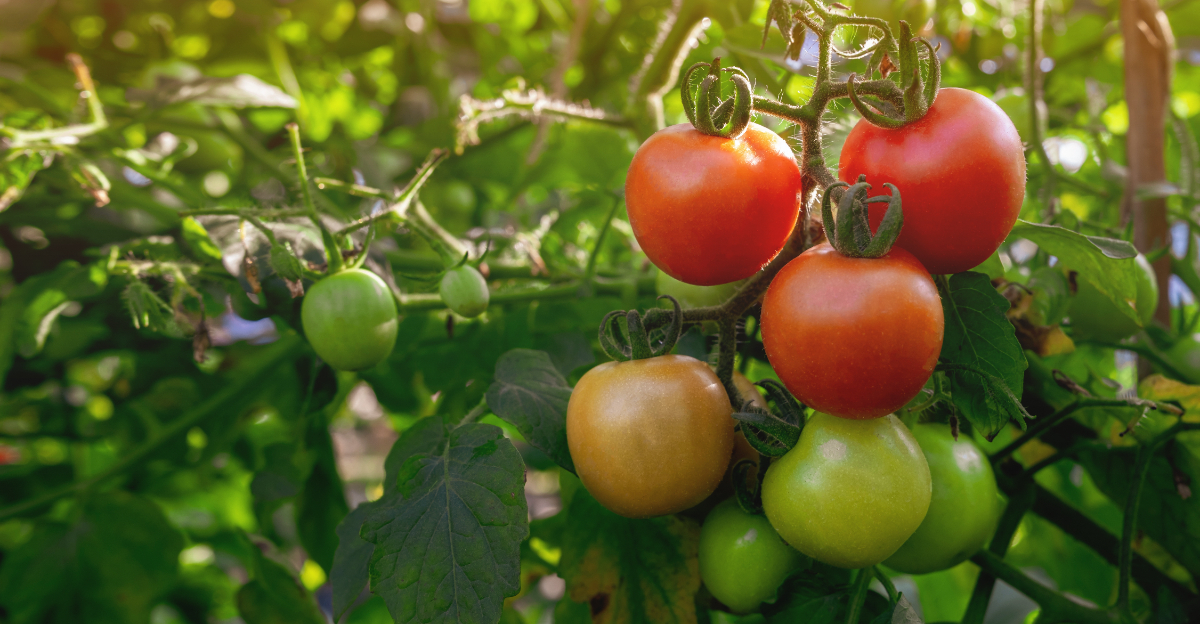
A light late summer feeding gives Michigan tomatoes the extra boost they need to finish out the season strong. As plants shift energy toward ripening existing fruit, nutrient reserves in the soil often run low after months of steady production.
A balanced fertilizer with slightly lower nitrogen helps support fruit development without encouraging excessive new leafy growth. Applying this feeding in early August gives plants enough time to benefit before cooler weather slows things down.
Consistent watering alongside fertilizing helps nutrients reach roots effectively without causing stress from sudden changes. Skipping this step often results in smaller, less flavorful tomatoes as the season winds down.
Checking soil moisture regularly ensures plants can properly absorb the added nutrients. This simple, well timed feeding can make a noticeable difference in your final harvest.
1. A Light Side Dressing Can Support Continued Tomato Growth
Tomato plants in Michigan can stay active well into late summer, especially when they still have flowers opening and small fruits developing on the vine.
A light side dressing of fertilizer during this period can give those plants the extra push they need to keep producing.
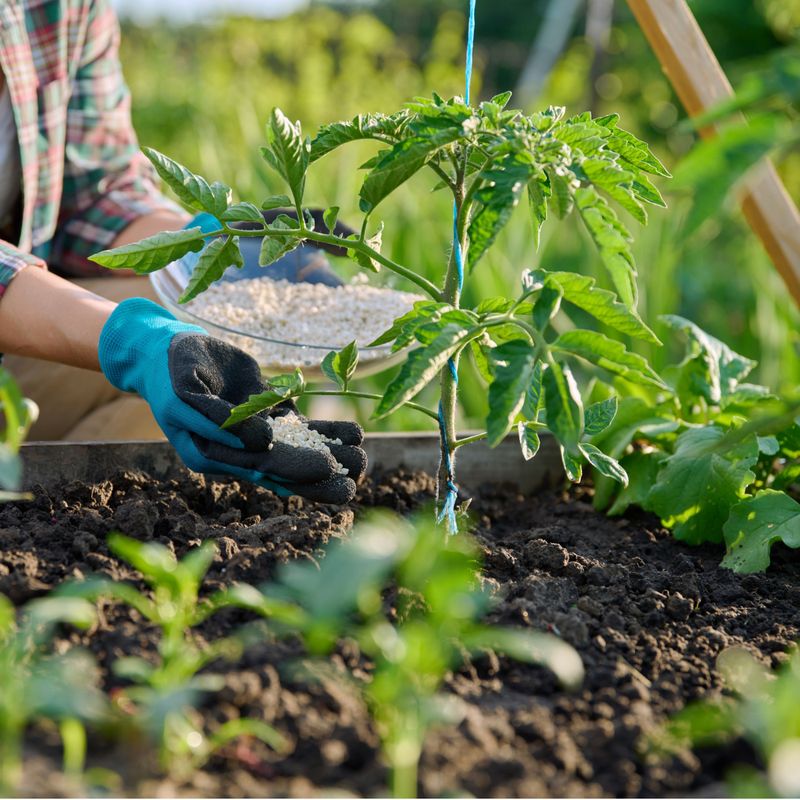
Side dressing simply means placing fertilizer in the soil beside the plant rather than directly against the stem, which allows nutrients to move gradually into the root zone.
The key word here is light. A modest application based on your plant’s actual condition and your soil test results is far more effective than a heavy feeding that could overwhelm the plant.
Not every tomato in your garden will need this treatment, so it helps to observe each plant individually before reaching for the fertilizer bag.
Plants that are still actively growing, setting new fruit, and showing healthy green leaves are the best candidates for a late-season side dressing. A plant that already looks lush and full may not need anything additional at all.
Matching the feeding to the plant’s real needs, rather than following a fixed schedule, tends to produce the most consistent results.
Michigan Extension resources consistently support this approach, emphasizing that fertilizer should be used to maintain healthy plant function rather than to force rapid new growth.
When applied thoughtfully and sparingly, a side dressing can genuinely help your tomatoes stay productive through the remainder of the growing season without creating new problems in the process.
2. Fruit Set Is A Better Guide Than The Calendar
Gardeners often mark August on their calendars as the time to feed tomatoes again, but the plants themselves tell a more reliable story. Growth stage matters far more than the date when deciding whether a second side dressing is appropriate.
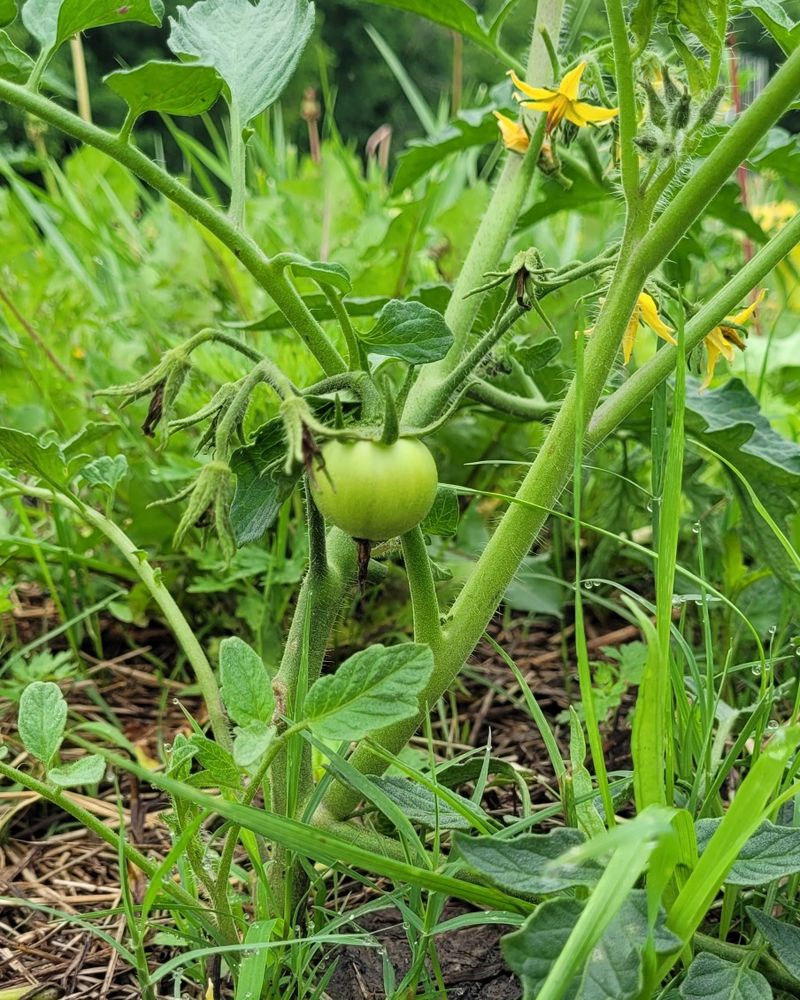
Once tomatoes have clearly set fruit on the vine, that signals a shift in the plant’s energy demands, and that is the moment Extension guidance points to as the right time to consider a modest additional feeding.
Michigan gardens vary quite a bit from one yard to the next. Soil type, planting date, tomato variety, and how much fertilizer you used earlier in the season all affect when your plants reach this stage.
Your Michigan Garden Changes Every Week. Your Plan Should Too.
Gardening in Michigan changes quickly throughout the season. Every Friday you’ll receive a simple weekly plan showing exactly what to plant, prune, fertilize, harvest, and protect so you never miss the right timing.
A gardener in the Upper Peninsula working with a short-season variety may be at a completely different point than someone in southwest Michigan growing a large beefsteak type, even on the very same August day.
Watching your plants closely gives you better information than any fixed date on the wall. Look for signs that the plant is still actively developing new fruit, maintaining firm stems, and growing at a reasonable pace.
If those signals are present, a light feeding may be worthwhile. If the plant looks finished or sluggish, more fertilizer is unlikely to improve the outcome.
Staying flexible and plant-focused rather than calendar-focused puts you in a much stronger position as a gardener.
Michigan’s growing season has its own rhythm, and the most successful harvests tend to come from gardeners who pay close attention to what their plants are actually doing rather than what the date says.
3. Excess Nitrogen Can Reduce Fruit Production
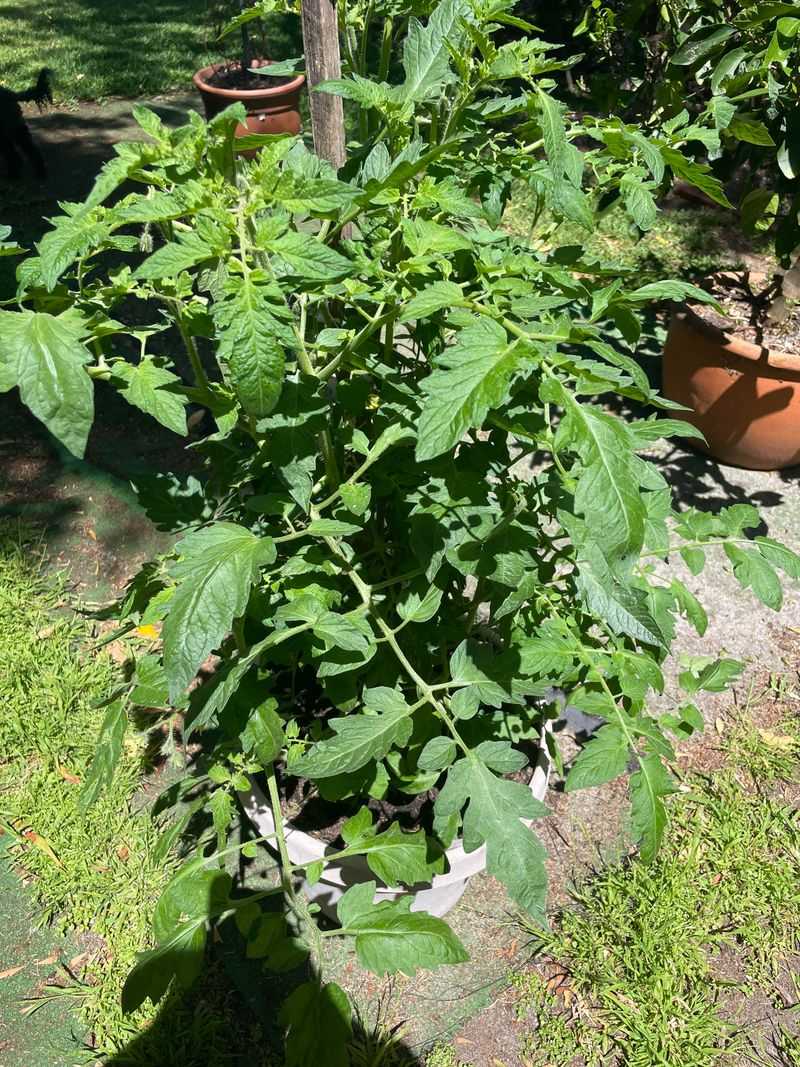
More fertilizer is not always better, and nitrogen is the clearest example of that truth in a tomato garden.
When tomato plants receive too much nitrogen in late summer, they tend to put their energy into growing more stems and leaves rather than developing fruit.
The result is a big, dark green, leafy plant that looks impressive but delivers a disappointing harvest.
Michigan gardeners who see plants with thick, vigorous growth and very deep green leaves should pause before adding any more nitrogen. That appearance is often a sign that the plant already has plenty available in the soil.
Adding more at that point can actually shift the plant’s priorities away from ripening the fruit it already has and toward producing soft, lush new growth that is less productive.
The goal in late summer is balance. You want the plant to maintain enough energy to finish ripening its existing fruit load while holding steady rather than racing to generate new vegetative growth.
A light application of a low-nitrogen or balanced fertilizer, guided by soil test results, is a much safer strategy than a heavy dose of a high-nitrogen product.
Skipping additional nitrogen entirely is sometimes the smartest move when plants are already large and well-fed.
Observing the plant’s current condition honestly, rather than assuming more feeding always helps, is one of the most practical skills a Michigan tomato gardener can develop.
Let the plant’s actual behavior guide your choices and your harvest will reflect that thoughtful approach.
4. A Soil Test Determines Which Nutrients Are Actually Needed
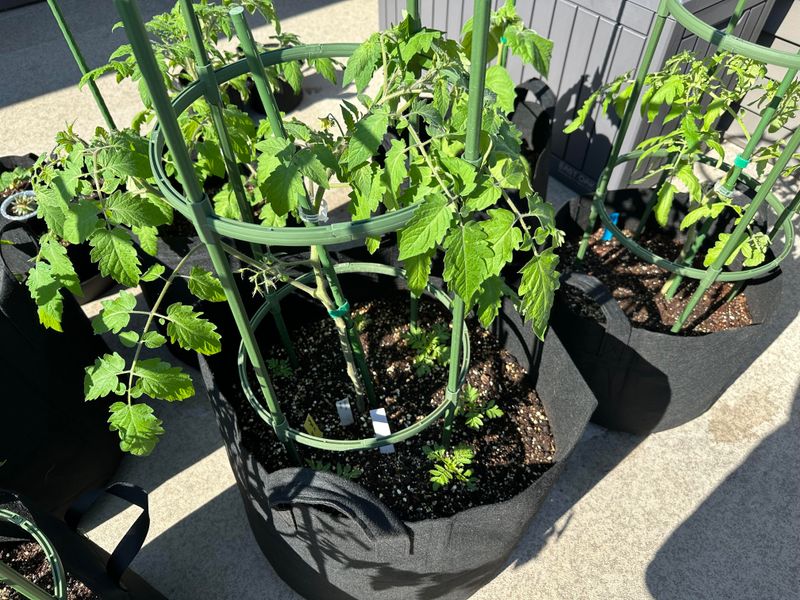
Guessing what your soil needs is one of the most common and costly mistakes in the vegetable garden.
A Michigan soil test removes the guesswork entirely and gives you a clear picture of what nutrients are present, what is deficient, and what is already in excess.
That information is far more useful than any general-purpose fertilizer label that promises to be perfect for tomatoes.
Soil appearance alone cannot tell you much about its true nutrient content. Dark soil might look rich and fertile, but it could still be low in phosphorus or have too much potassium.
Light sandy soil might surprise you with adequate nutrient levels if it has been managed well over the years. The only way to know for certain is to test it.
Michigan State University Extension offers soil testing services, and the results typically include specific fertilizer recommendations based on what your garden actually needs.
Following those recommendations means you apply only what is necessary, which saves money, protects the environment, and avoids the plant stress that comes from nutrient imbalances.
Buying a product simply because the label says it is made for tomatoes is not a substitute for real data.
Getting a soil test done before planting is ideal, but testing at any point in the season still gives you valuable information. If you have never tested your Michigan garden soil before, this season is a great time to start.
The results will shape not just your late summer feeding decisions but your entire approach to fertilizing for years to come.
5. Fertilizer Should Stay Away From The Main Stem
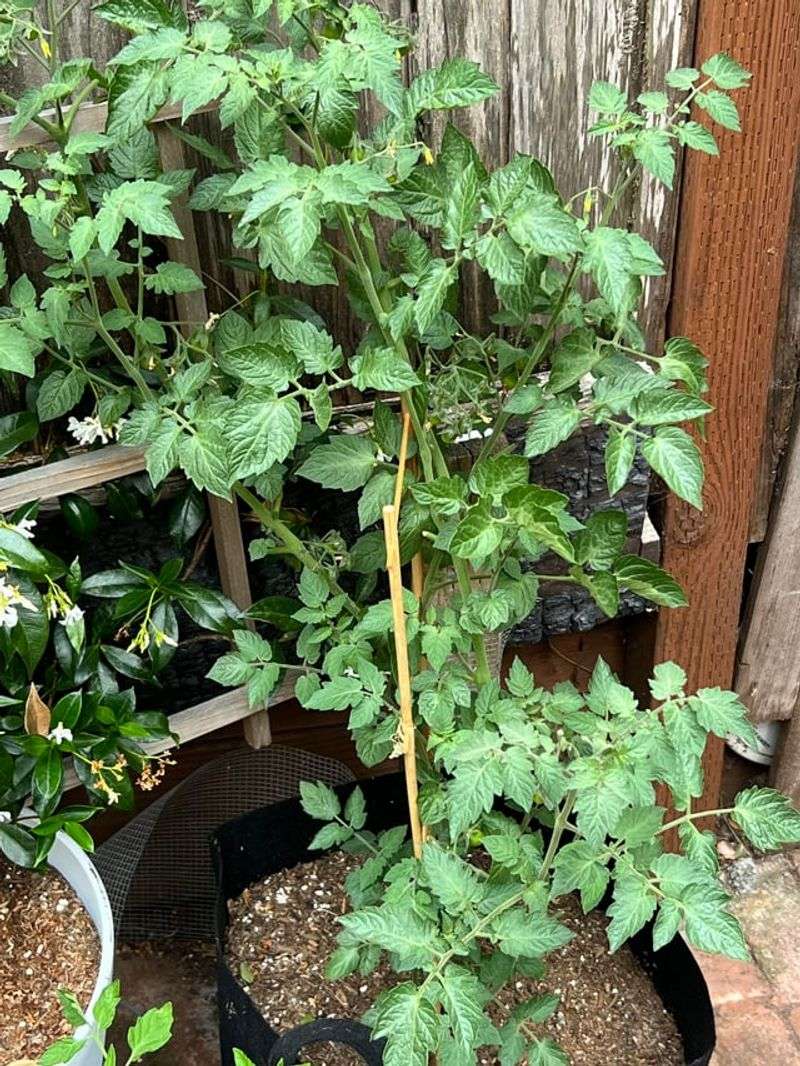
Placement matters just as much as quantity when it comes to fertilizing tomatoes. Applying fertilizer directly against the stem or piling it in one concentrated spot can cause root burn and actually stress the plant rather than help it.
The correct technique is to spread the fertilizer in a ring or narrow band several inches away from the main stem, keeping it out of direct contact with the plant’s base.
Think of the ring as following the drip line of the plant, which is the outer edge of the leaf canopy. Roots extend outward from the stem and actively absorb water and nutrients in that outer zone.
Placing fertilizer there gives it the best chance of being taken up gradually and evenly as moisture moves through the soil.
Always read the product label before applying and use only the amount it specifies, especially when you are also following soil test recommendations. Labels exist for good reason, and using more than directed does not speed up results.
It simply increases the risk of nutrient imbalance or root damage, neither of which helps a late-season tomato plant reach its potential.
Even distribution matters too. Spreading the fertilizer uniformly around the ring rather than dumping it all in one place ensures that no single root zone receives an overwhelming concentration.
This small but important step protects your plants and makes the feeding more effective overall. Careful placement combined with the right amount is a straightforward habit that pays off in a healthier, more productive tomato plant through the end of summer.
6. Even Moisture Helps Tomatoes Use Available Nutrients
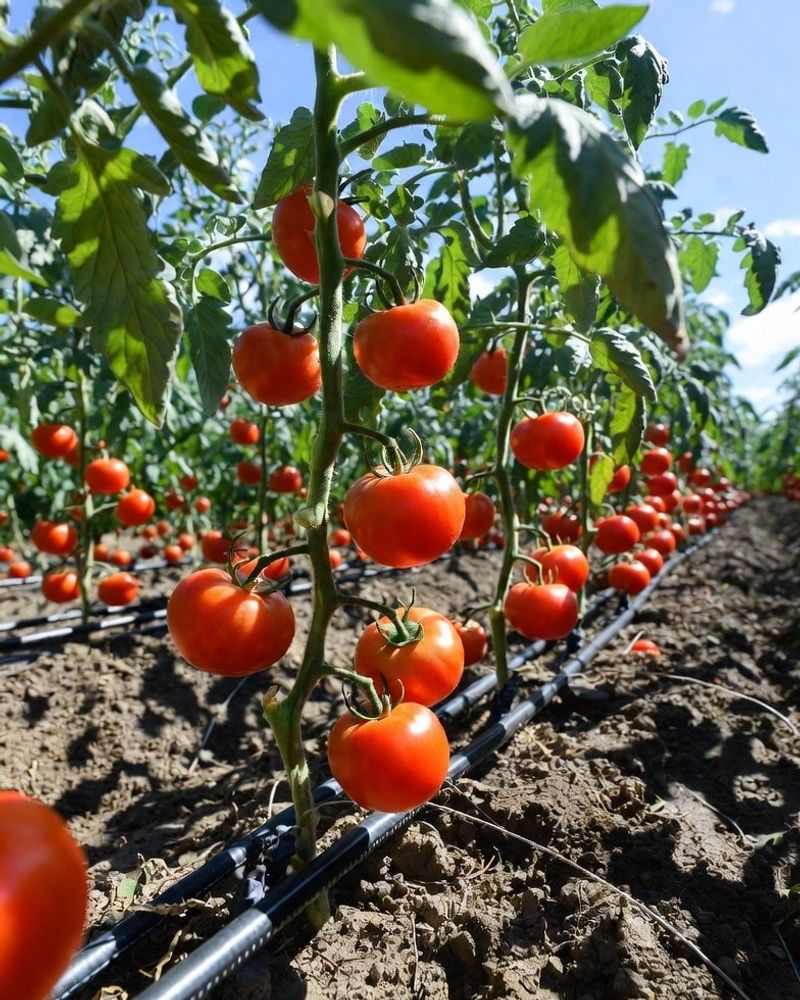
Fertilizer can only do so much if the soil around your tomato plants is not consistently moist.
Water is the vehicle that carries dissolved nutrients from the soil into the plant’s roots and up through the stems to where they are needed most.
Without steady moisture, even the best fertilizer application sits unused in the soil and your plants cannot access the nutrients you have worked to provide.
Inconsistent watering, where the soil swings from bone dry to completely saturated, creates stress that interrupts normal nutrient uptake. This pattern is surprisingly common in Michigan summers, where a dry stretch can be followed by a heavy rain.
Mulching around your plants helps buffer those swings by slowing moisture loss from the soil surface and keeping root-zone conditions more stable between waterings.
When you apply a dry granular fertilizer, check the product label to see whether watering it in is recommended. Many labels do suggest watering after application to help the fertilizer begin moving into the soil.
Keeping the water focused near the root zone rather than spraying broadly over the plant also reduces the risk of foliar problems and encourages deep root development.
Aim for steady, even moisture rather than chasing extremes in either direction. Deep, infrequent watering encourages roots to reach further into the soil where moisture is more stable, making plants more resilient overall.
A tomato plant that receives consistent moisture alongside a thoughtful late-season feeding is in the best possible position to finish strong and deliver a satisfying harvest before Michigan’s first frost arrives.
7. Extra Calcium Is Usually Not The Late Summer Answer
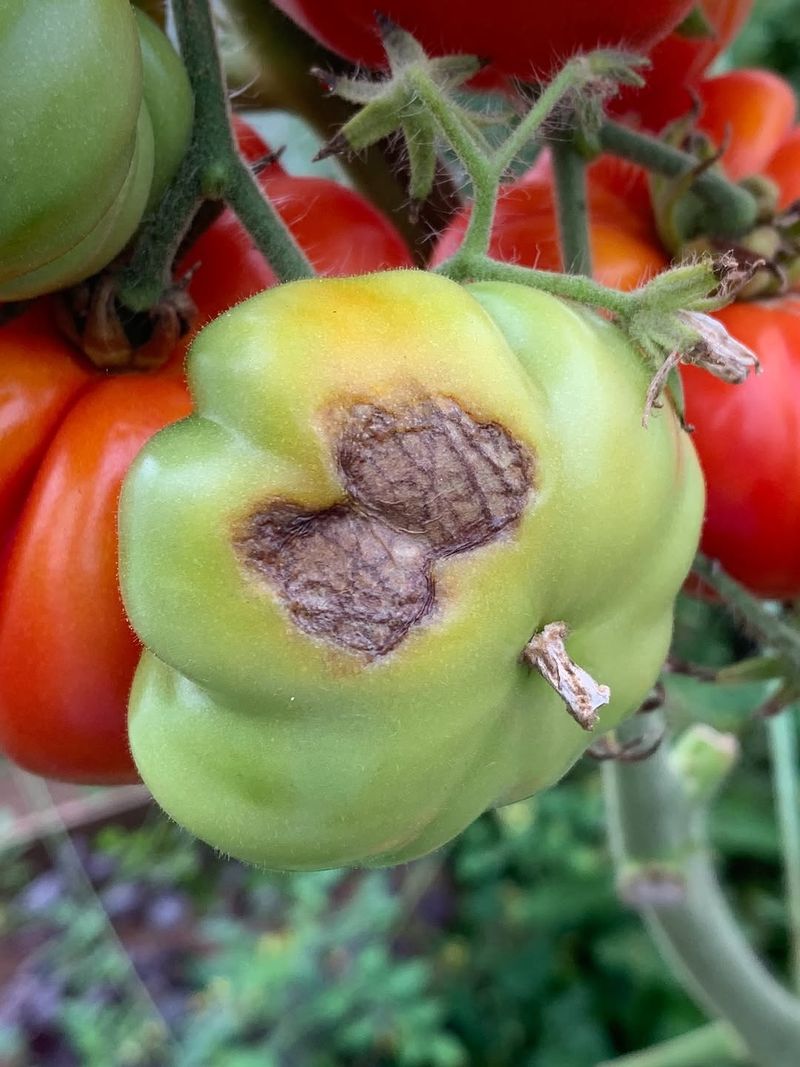
Blossom end rot is one of the most frustrating sights in a summer tomato garden. That dark, sunken area on the bottom of developing fruit can make a gardener reach immediately for a calcium supplement or a bag of crushed eggshells.
The instinct makes sense, but it is usually not addressing the real problem. Most Michigan soils already contain adequate calcium levels, so adding more rarely solves what you are seeing. The actual culprit behind blossom end rot in most cases is uneven watering.
Calcium is a nutrient that moves through the plant with water flow, and when moisture delivery is inconsistent, the plant simply cannot transport enough calcium into rapidly developing fruit.
No amount of added calcium in the soil fixes a water distribution problem inside the plant itself.
Before purchasing any calcium amendment, get a soil test to confirm whether a true deficiency actually exists.
If the results show adequate calcium, which is common in Michigan, improving your watering consistency is the most effective and affordable step you can take.
Mulching, deep watering, and avoiding wide swings between dry and wet soil conditions will do more for blossom end rot than any product you pour around the base of the plant.
Spending money on calcium sprays or amendments without knowing your soil’s actual status is a common but avoidable mistake.
Accurate information from a soil test combined with smarter watering habits gives you a far better shot at finishing the season with healthy, fully developed fruit rather than more of the same frustrating problem on every new tomato that sets.
8. Some Tomato Plants Should Not Receive Another Feeding
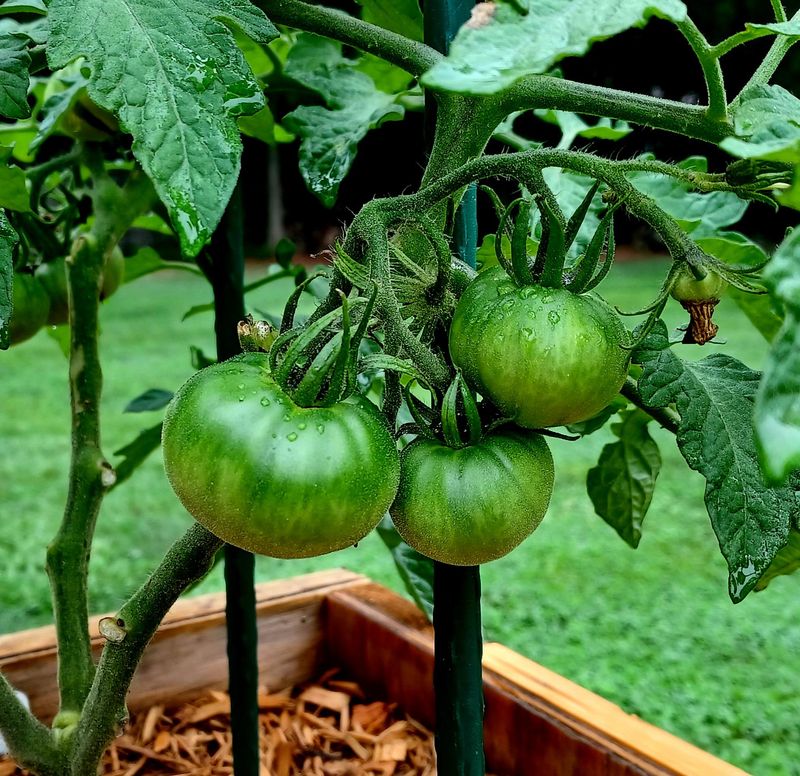
Knowing when to stop feeding is just as important as knowing when to start.
Not every tomato plant in your Michigan garden is a good candidate for a late summer side dressing, and pushing fertilizer on a plant that does not need it can create more problems than it solves.
Recognizing those situations early saves time, money, and plant health. Plants that are already excessively leafy with very dense foliage and few fruits forming are showing signs that they have more than enough nutrients available.
Adding another feeding to those plants is likely to produce even more soft, unproductive growth rather than a better harvest.
Similarly, plants growing in naturally rich soil or beds that received heavy fertilization earlier in the season may have residual nutrients that are fully sufficient for the rest of the growing window.
Tomato plants showing significant disease symptoms, such as widespread yellowing, heavy fungal spotting, or stem problems, are also poor candidates for additional feeding.
Fertilizer cannot reverse a serious disease issue, and the extra soft growth it encourages can sometimes make the plant more vulnerable.
When a plant is clearly past its productive peak and carrying mostly mature or nearly ripe fruit, the season’s work is essentially done and no further feeding is needed.
A modest side dressing is most valuable when it goes to a plant that is genuinely healthy, still actively setting fruit, and showing real signs that it could benefit from a little extra support.
Observing your plants honestly and making individual decisions for each one is the mark of a thoughtful gardener who gets the most from every Michigan growing season.