Why Lisianthus Is The Most Challenging And Most Rewarding Pennsylvania Cut Flower Worth Attempting In 2026
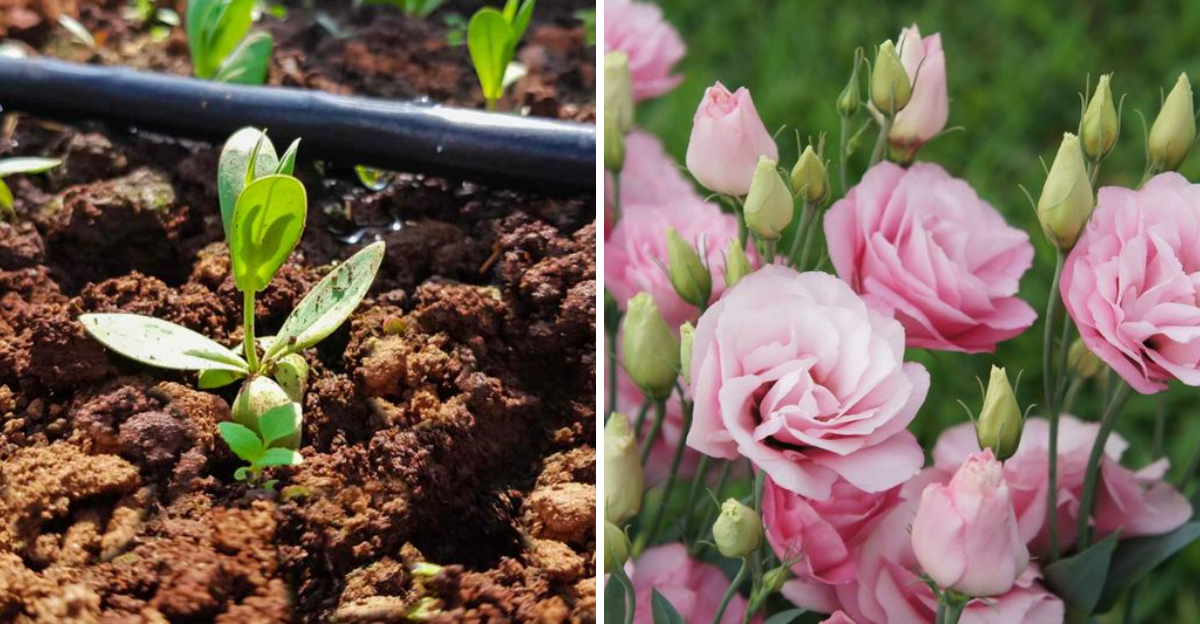
Lisianthus has a reputation among gardeners, and it’s not for being easy. Ask anyone who has attempted to grow it from seed and you’ll hear the same things.
Slow germination, temperamental seedlings, a long growing season that tests your patience before it rewards it.
Most gardening guides quietly suggest leaving it to professional growers, and a lot of Pennsylvania gardeners have taken that advice without ever giving it a real try. That is a mistake worth reconsidering in 2026.
Because when lisianthus works, it works in a way that few other cut flowers can match. Those delicate, ruffled blooms that look like roses crossed with peonies crossed with something you’ve never quite seen before.
The extraordinary vase life. The range of colors from pure white to deep purple. The kind of cut flower that stops people mid conversation when they notice the arrangement.
The challenge is real. But so is the payoff for Pennsylvania gardeners willing to take it on this season. Here’s why lisianthus is worth attempting and exactly how to give yourself the best chance of success.
1. Its Extremely Slow Start Tests Every Gardener’s Patience
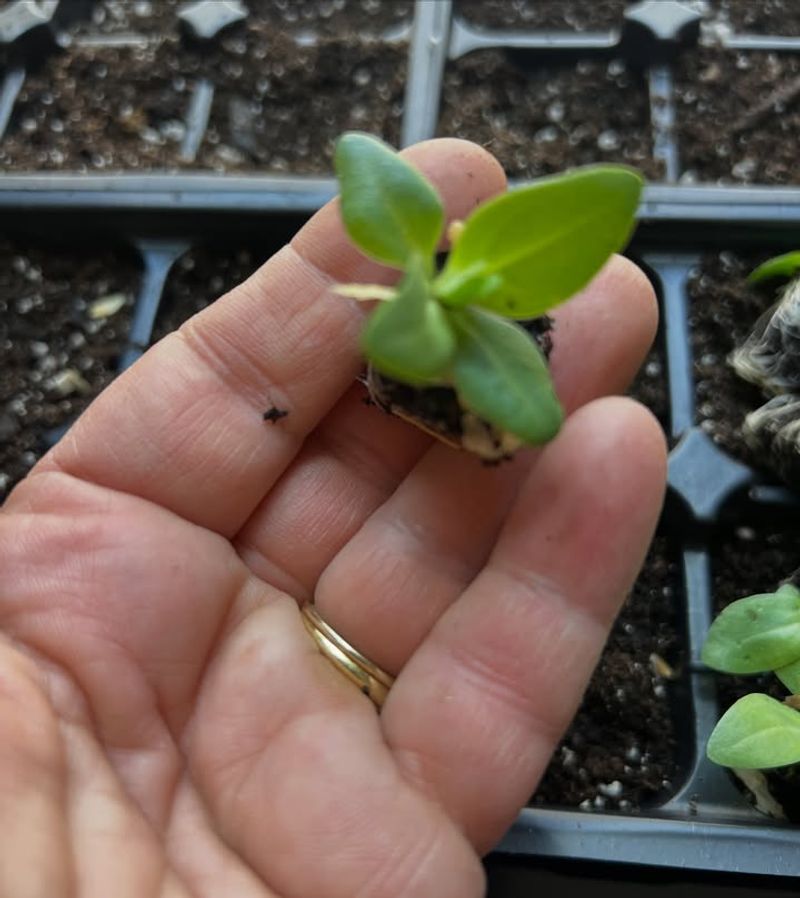
Midwinter is not when most people are thinking about planting flowers. But if you want lisianthus blooming by summer in Pennsylvania, you have no choice.
Seeds need to be started indoors roughly 16 to 17 weeks before your transplant date, which means sowing in January or even late December for many northern growers.
That timeline alone is enough to make beginners second-guess themselves. Lisianthus seeds are incredibly tiny, almost like dust particles, and germination can be slow and uneven.
Even under ideal conditions with consistent warmth and good lighting, seedlings emerge at their own pace and do not rush for anyone.
Purchasing professionally grown plugs from a reputable greenhouse supplier is honestly one of the best decisions a first-time grower can make. Plugs take a big chunk of the early stress off your plate.
You skip the most fragile stage and start with plants that already have a fighting chance. That said, growing from seed is not impossible. Many experienced Pennsylvania flower farmers do it successfully every year.
The key is treating those seedlings with extra care, keeping temperatures steady, and resisting the urge to rush them along. Patience here is not just helpful, it is absolutely required.
Think of the slow start as the flower’s way of filtering out growers who are not fully committed. If you can make it through those first long weeks of watching tiny plants barely move, you have already proven you have what it takes to grow lisianthus well.
2. Small Seedlings Leave Little Room For Mistakes
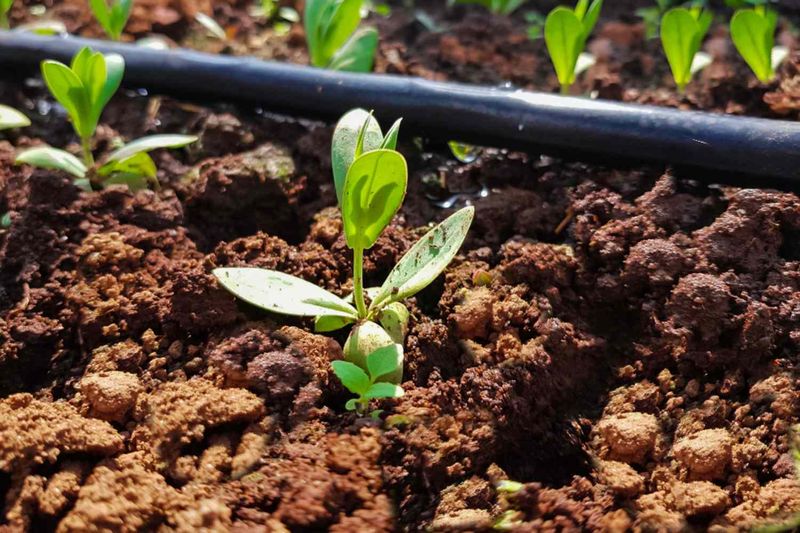
Young lisianthus plants look harmless enough, but they are surprisingly unforgiving when handled carelessly. Crowd them in seed trays for too long and they stunt permanently.
Transplant them too late and they never fully recover. Every decision in those early weeks carries real weight.
The seedlings grow slowly by nature, and that slow pace means any stress they experience has a lasting effect. Poor drainage, inconsistent watering, or even slightly cold roots can set a plant back by weeks.
Your Pennsylvania Garden Changes Every Week. Your Plan Should Too.
Gardening in Pennsylvania changes quickly throughout the season. Every Friday you’ll receive a simple weekly plan showing exactly what to plant, prune, fertilize, harvest, and protect so you never miss the right timing.
Unlike tomatoes or zinnias that bounce back quickly, lisianthus tends to hold onto damage and carry it forward.
Once you do transplant them into the field or high tunnel, the waiting is not over. Expect another 60 to 75 days before you see flowers under protected growing conditions. That is a long stretch of careful attention with no blooms to show for it yet.
Keeping detailed notes helps a lot during this stage. Track your transplant dates, note which varieties seem stronger, and pay close attention to how the plants respond to temperature changes.
That information becomes incredibly valuable when planning your 2027 crop. One practical tip that experienced growers swear by is to handle seedlings only by the root ball or plug, never by the stem or leaves.
Lisianthus stems are fragile at this stage, and even light pressure can cause damage that shows up days later. Treat every seedling like something precious, because at this point, it really is.
3. Pennsylvania Weather Creates A Difficult Balancing Act
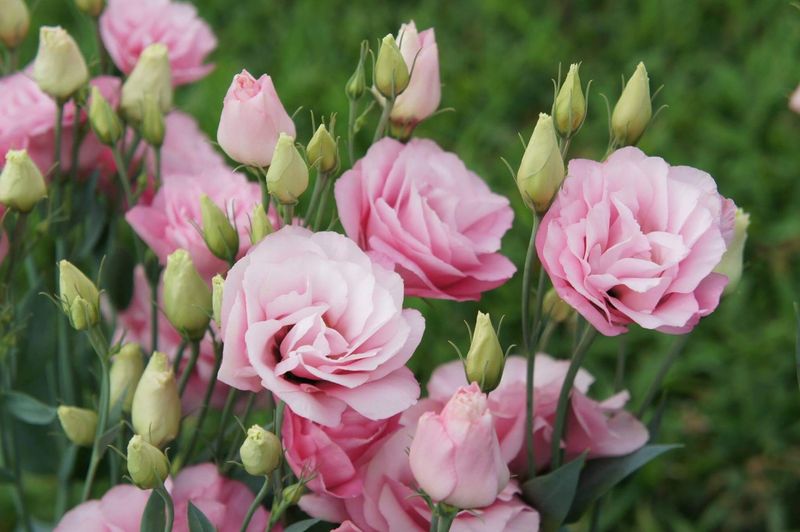
Pennsylvania summers are a mixed bag for lisianthus growers. The heat and long daylight hours are exactly what these plants need to push toward flowering.
But the humidity, sudden rainstorms, and unpredictable temperature swings can create serious problems if you are not watching closely.
Penn State flower specialists documented powdery mildew affecting Pennsylvania-grown lisianthus during the summer of 2025. That finding matters because it confirms that disease pressure is real and local, not just something growers in other states deal with.
Powdery mildew spreads quickly in humid conditions, especially when airflow around the plants is poor.
Good airflow is one of your best tools against disease. Spacing plants properly, keeping high-tunnel sides open during warm days, and avoiding overhead irrigation whenever possible all reduce the risk significantly.
Wet foliage sitting overnight is practically an invitation for fungal problems to take hold. Scouting your plants regularly is not optional with lisianthus in Pennsylvania. Walk your rows a few times each week and look closely at the leaves, especially the undersides.
Catching a problem early gives you options. Waiting until it has spread means you are playing catch-up with a crop that cannot afford setbacks.
Some growers have had success using preventive fungicide applications on a scheduled rotation before symptoms appear. Talk to your local Penn State Extension agent about what products are labeled and appropriate for your situation.
Building a disease management plan before the season starts puts you in a much stronger position when the humid Pennsylvania summer arrives.
4. The Tall Stems Require More Support Than Ordinary Annuals
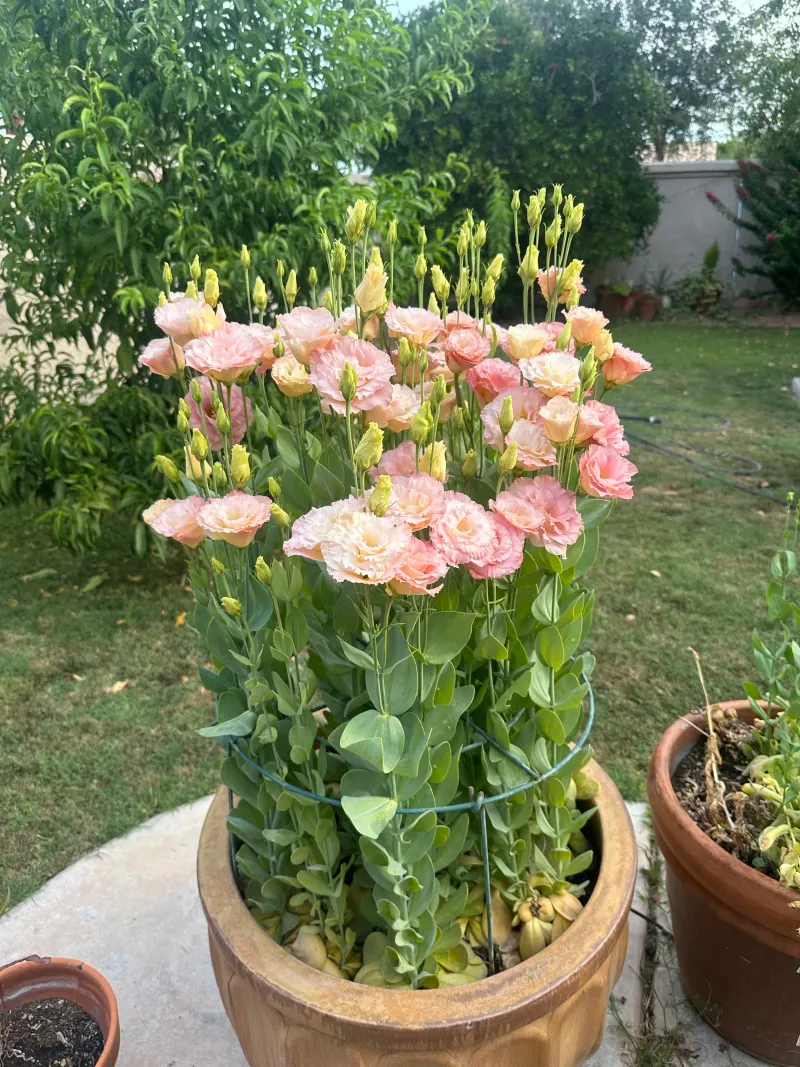
Picture a beautiful lisianthus stem, standing nearly three feet tall with multiple buds ready to open. Now picture that same stem snapped in half after a summer thunderstorm rolls through with no warning.
Without proper support, that scenario plays out more often than growers want to admit. Cut-flower lisianthus varieties are bred for height, which makes support netting absolutely essential.
Horizontal netting strung at one or two levels above the soil gives stems something to lean against as they grow upward.
The netting does not hold the plant rigidly, but it prevents the kind of dramatic falling over that ruins an entire row.
Cornell University recommends approximately six-inch plant spacing combined with support netting for high-tunnel production.
That spacing might feel tight, but it actually helps the plants support each other while still allowing enough airflow to reduce disease pressure. Closer spacing also makes more efficient use of your growing space.
Installing the netting before transplanting is much easier than trying to thread it through established plants later. Set your posts, run the netting at the right height, and then plant through the openings.
As the plants grow, raise the netting or add a second layer if needed. Wind is often underestimated as a threat to lisianthus. Even moderate gusts can twist and bend stems that are heavy with developing buds.
Growers using open-field production rather than high tunnels should plan for additional staking or windbreaks. The extra effort to set up proper support pays off when harvest time arrives and your stems are straight, long, and market-ready.
5. The Harvest Looks Like Something From A Professional Florist
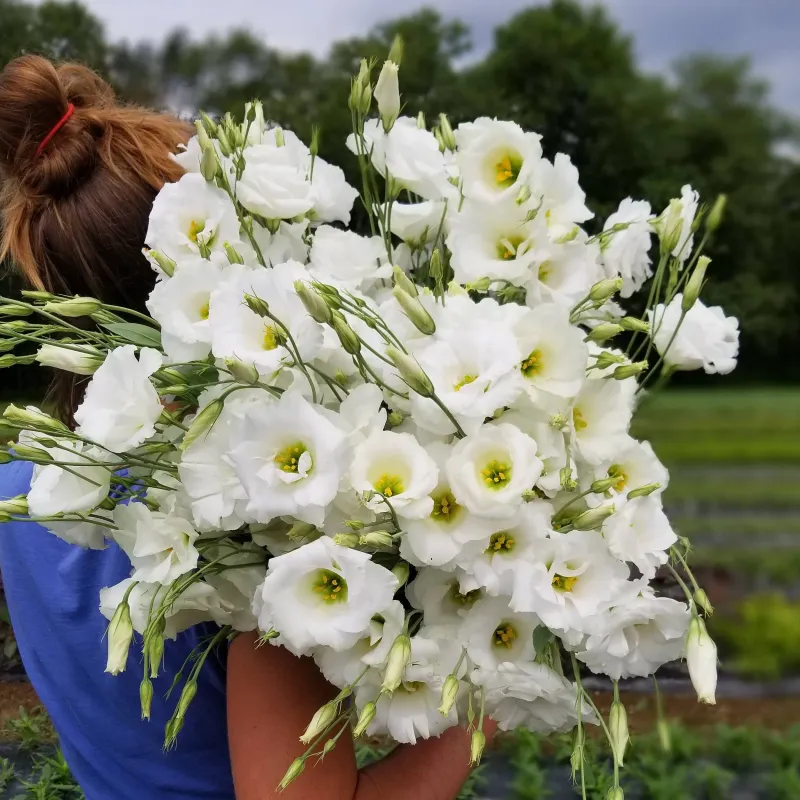
There is a moment every lisianthus grower talks about, and it happens the first time you cut a stem and hold it in your hand.
The blooms are layered and ruffled like a peony, the colors are rich and pure, and the whole thing looks like it came straight from an upscale floral studio. That moment makes every difficult week feel worth it.
Lisianthus produces blooms in an impressive range of colors including white, lavender, soft pink, deep purple, green, and beautiful bicolored combinations.
That variety means you can offer something for almost every customer preference, from simple white bouquets for weddings to bold mixed arrangements for farmers market shoppers.
Demand for lisianthus at local markets and wedding events has been growing steadily. Brides and event planners love it because it photographs beautifully and holds up well through long ceremony days.
Farmers market customers are drawn to it because it looks expensive but is priced accessibly when you grow your own.
Harvest timing matters a lot with lisianthus. Cut stems when the lowest bud on the stem is just starting to show color and beginning to open.
Cutting too early means the buds may not develop properly in the vase. Waiting too long means the lower flowers are already past their best when the stem reaches the customer.
One stem of lisianthus can have three to five buds opening at different times, which gives customers the feeling that the bouquet keeps refreshing itself. That quality alone sets it apart from most other cut flowers and makes it genuinely exciting to sell.
6. The Exceptional Vase Life Makes The Long Wait Worthwhile
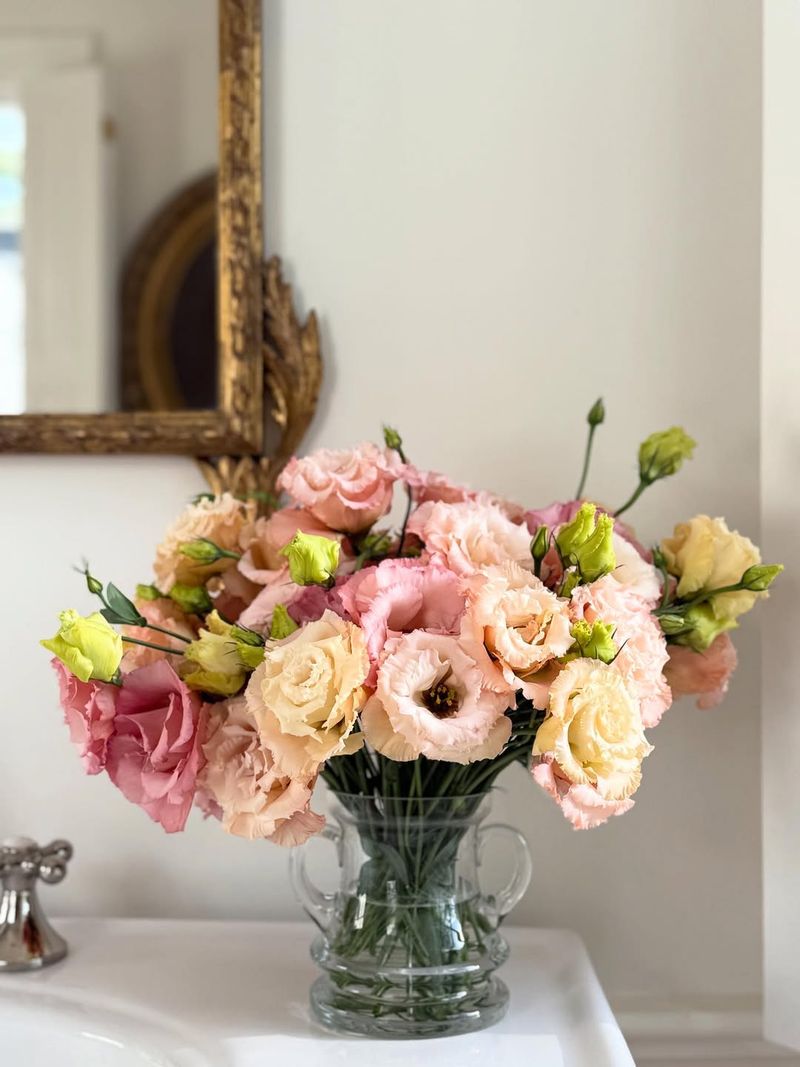
Most cut flowers hit their peak and fade within a week. Lisianthus is a different story entirely.
Properly harvested stems can stay attractive for roughly two full weeks, and in some cases even longer when handled with care. For customers who want flowers that last, that kind of staying power is genuinely remarkable.
What makes the vase life even more impressive is how the buds behave after cutting. Unopened buds on a freshly cut stem continue to develop and open gradually over several days.
So instead of watching a bouquet decline, you actually get to watch it evolve and grow more full as the days pass. That progression is something customers notice and remember.
Several evaluated cultivars have exceeded 14 days of vase life in controlled trials, which places lisianthus among the top performers in the entire cut-flower world.
That is not a small achievement for a flower that also happens to look this elegant. Combining beauty with longevity is rare, and lisianthus delivers both.
To get the most out of vase life, recut stems at an angle before placing them in clean water with a quality floral preservative.
Change the water every two to three days and keep the arrangement away from direct heat and drafts. These simple steps can push a good vase life into a great one.
After months of careful growing, watching your lisianthus stems brighten up a kitchen counter or a wedding table for two solid weeks is deeply satisfying.
That long, slow journey from a tiny seed in January to a stunning vase in July is exactly what makes lisianthus one of the most rewarding flowers a Pennsylvania grower can attempt.