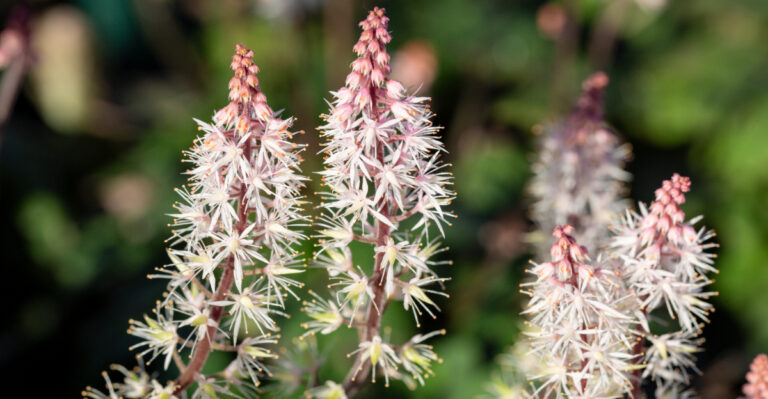
What It Means When You See Fireflies Disappearing From Your Georgia Yard
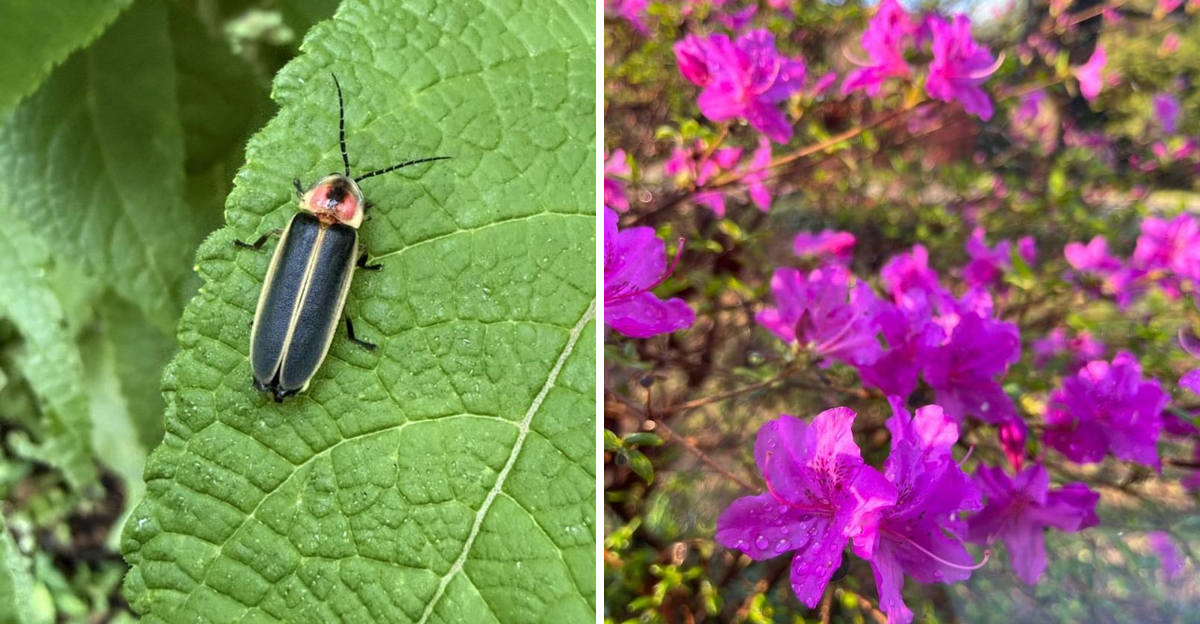
A quiet Georgia yard after sunset can feel strangely empty.
You remember the flashes near the fence. The slow green blink above the grass. The little pulses rising from the garden bed while the air still felt warm from the day.
Then one summer, the lights seem fewer. The next, the yard barely glows at all.
Fireflies usually do not vanish for one reason.
They respond to darkness, moisture, leaf litter, native cover, chemical exposure, mowing habits, and the small damp corners many homeowners clean up without a second thought.
That means a tidy, bright, heavily treated yard can accidentally become a hard place for them to live.
The good news is that a few changes can make the yard more welcoming again.
So what does it really mean when fireflies start disappearing from your Georgia yard?
Start by checking the lights, the leaf layer, the mulch, the spray routine, the damp corners, the native plant cover, and the mowing habits that shape their whole life cycle.
1. Yard Got Too Bright
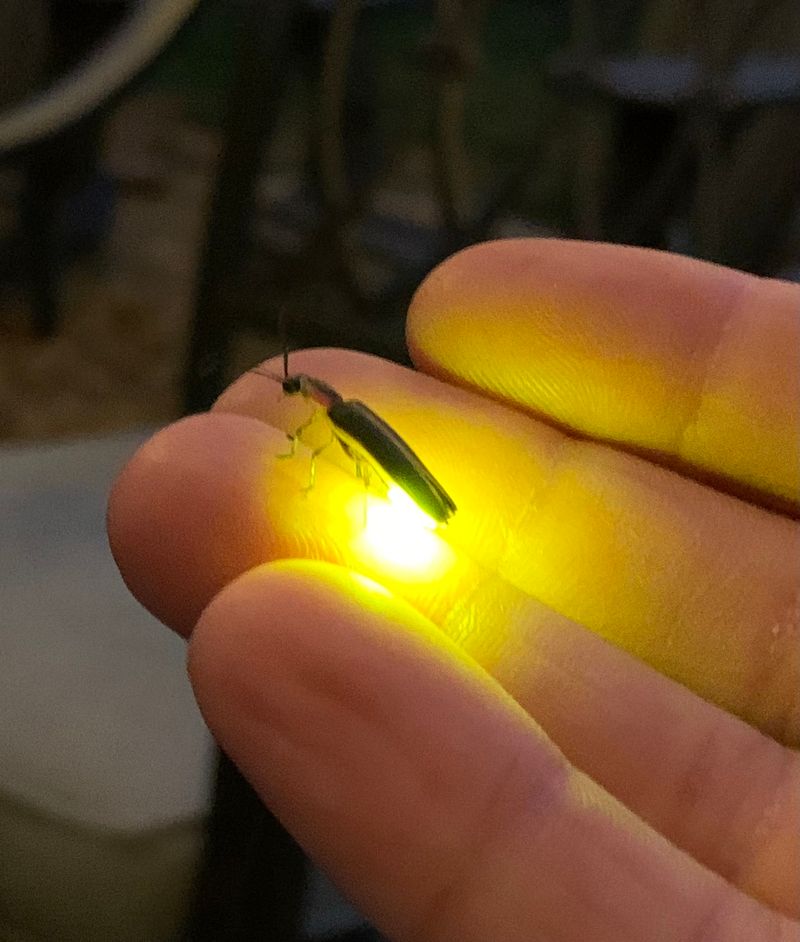
A bright porch light can drown out a firefly’s message.
Fireflies use flashes to find each other. Males signal while flying, and females often answer from grasses, low plants, or leaf litter. Too much artificial light makes that conversation harder.
White LED glare is especially disruptive.
Porch lights, string lights, security floods, driveway lamps, and landscape spotlights can all turn the yard into a place that never gets truly dark.
Fireflies need shadow.
They do not just need nighttime. They need dark pockets where their flash patterns can stand out clearly enough for mates to notice.
Even nearby light can matter.
A neighbor’s floodlight, a bright streetlamp, or landscape lighting aimed across the lawn can reduce flashing activity in the areas fireflies would normally use.
Warm bulbs help.
Amber, yellow, or red-toned outdoor bulbs usually interfere less than cool white light. Motion sensors also help because the yard gets long stretches of darkness between uses.
Aim lights downward.
Lighting steps and paths is reasonable, but light spilling across shrubs, grass, and fence lines removes useful firefly space.
Create one dark corner.
A shrub border, back fence line, or damp garden edge left unlit can become valuable habitat.
When the yard gets too bright, fireflies lose their language.
Give them darkness, and the flashes have a chance to make sense again.
2. Leaf Litter Vanished
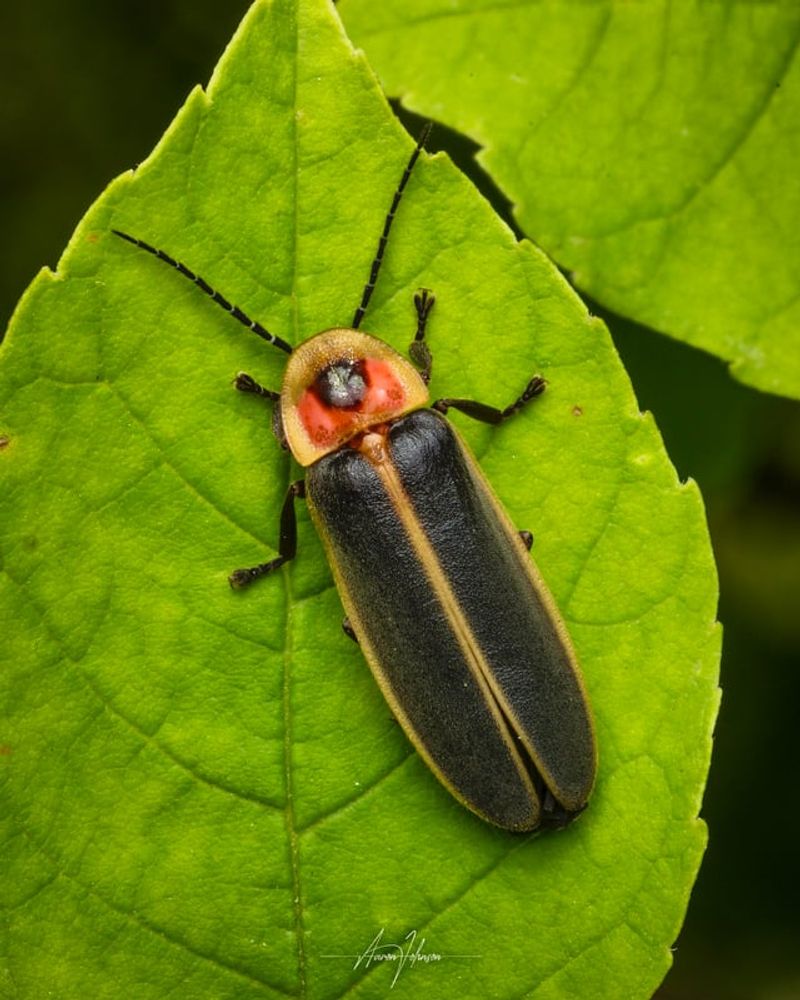
A clean bed can be a bare nursery.
Firefly larvae spend much of their early life near the soil, tucked into damp leaves and organic debris. Long before they flash as adults, they need that hidden ground layer.
Leaf litter gives them cover.
It holds moisture, buffers heat, shelters small prey, and protects larvae from drying out. A bed scraped clean in fall and spring removes more than clutter.
The larvae hunt there too.
They feed on soft-bodied creatures such as snails, slugs, and worms. Without a rich leaf layer, that tiny food web becomes weaker.
Bare mulch is not the same.
Your Georgia Garden Changes Every Week. Your Plan Should Too.
Gardening in Georgia changes quickly throughout the season. Every Friday you’ll receive a simple weekly plan showing exactly what to plant, prune, fertilize, harvest, and protect so you never miss the right timing.
Dry wood chips may look neat, but they do not always create the soft, damp, decomposing layer firefly larvae use best.
Leave leaves where they help most.
Under shrubs, along fence lines, beneath trees, and behind garden borders are all good places for a natural leaf zone.
Shredded leaves stay tidier.
They settle into beds, break down gradually, and look more intentional than whole leaves blowing across the lawn.
A defined edge keeps it neat.
Use stones, logs, or a bed border to make the leaf area look planned rather than forgotten.
Those leaves are not yard waste.
They are the slow, quiet beginning of next summer’s glow.
3. Mulch Stayed Too Dry

Dry mulch can make the ground useless to fireflies.
Firefly larvae need moisture close to the soil surface. When mulch becomes dusty, hot, and water-shedding, the habitat underneath can dry too much for them to feed and move comfortably.
Georgia heat makes this worse.
Long hot stretches can bake exposed beds, especially in sunny spots near patios, walls, and driveways. Mulch that dries into a crust may look protective while the soil below loses life.
Some mulch sheds water.
Dyed or overly dry wood mulch can let rain run off instead of soaking in. That leaves the surface polished but the root zone and insect layer thirsty.
Organic, moisture-holding mulch works better.
Pine straw, shredded hardwood, composted leaves, and leaf mold create a softer ground layer that stays cooler and more useful.
Depth matters.
Two to three inches is usually enough. A very thick layer can block water, while a thin layer may not protect the soil during heat.
Shade improves the bed.
Mulched areas under shrubs and trees stay cooler and damper than beds in full sun. Those shaded edges often make better firefly habitat.
Water deeply when needed.
A slow soak helps moisture reach below the surface instead of just dampening the top.
Fireflies do not need a swamp.
They need ground that stays quietly moist after the porch steps have dried.
4. Broad Sprays Broke The Cycle
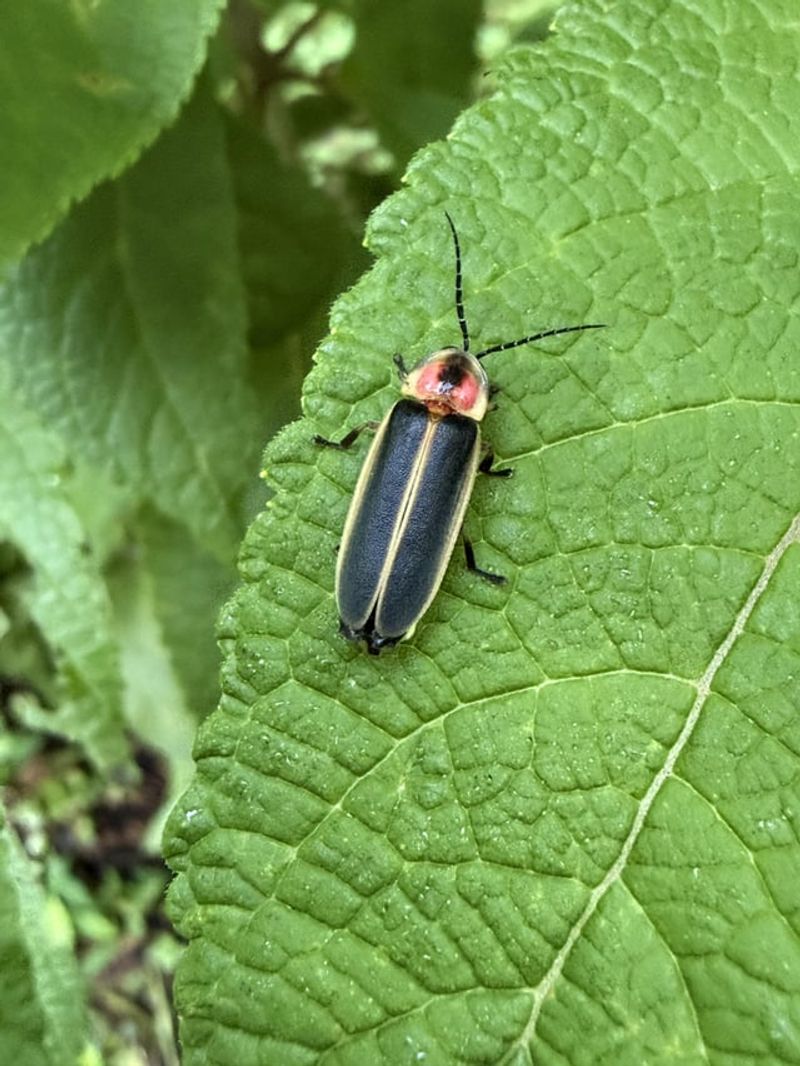
A mosquito spray does not stop at mosquitoes.
Broad-spectrum pesticide treatments can affect many insects in the yard, including fireflies. Fireflies are beetles, and their larvae live close to the soil where residues and prey loss both matter.
The cycle is delicate.
Adults need safe places to rest and mate. Larvae need small prey and damp soil. Sprays can interrupt several parts of that life cycle at once.
Regular fogging can be especially hard.
Treatments aimed across shrubs, lawns, fences, and foundation plants may reach the same places fireflies use at dusk and during the day.
The prey can disappear too.
Firefly larvae feed on soft-bodied organisms in the soil and leaf litter. When broad treatments reduce that food supply, larvae have less to hunt.
Targeted control is safer.
Removing standing water, treating mosquito breeding sites carefully, and using narrow solutions creates less damage than blanket spraying the whole yard.
Ask about the product.
A service provider should be able to explain what is being applied, where it goes, and how it affects non-target insects.
Keep spray-free zones.
A back border, leaf-litter bed, rain garden, or native shrub patch can give fireflies a safer place to complete their cycle.
Fireflies are not pests.
They are part of the yard’s nighttime balance, and broad sprays can silence them faster than most homeowners realize.
5. Damp Corners Got Cleaned

The soggy corner may have been the best part of the yard.
A low spot behind the shed, a damp fence line, or a shaded patch that stays moist after rain can be prime firefly habitat. It may not look impressive, but it can hold exactly what they need.
Moisture draws life.
Firefly larvae use damp soil and organic debris. Adults also rest near cool, humid ground during the day before flashing begins at dusk.
Cleanup often removes the good stuff.
Brush piles, fallen leaves, soft weeds, and low vegetation may look messy, but together they create shelter, shade, prey, and moisture.
Drainage projects can change the yard fast.
Filling low spots, lining swales with gravel, or clearing every damp edge may make maintenance easier while removing the places fireflies used most.
A rain garden can be the compromise.
Native sedges, rushes, ferns, swamp milkweed, and moisture-loving plants can turn a soggy patch into a beautiful, intentional habitat area.
Brush piles help too.
A small stack of branches and leaves tucked along the back fence creates shelter without taking over the yard.
Keep one corner undisturbed.
No raking, spraying, mowing, or bright lighting. Just a damp, dark place with cover.
Fireflies often return to the spots that feel least managed.
Sometimes the wild corner is the whole invitation.
6. Native Cover Is Missing
A flat lawn does not offer much stage space.
Fireflies need more than grass. They use layers of plants for resting, hiding, signaling, and staying cool through hot Georgia days.
Structure matters.
Low plants, grasses, shrubs, and small trees create vertical spaces where fireflies can perch and flash. A lawn clipped short from fence to patio removes that structure.
Native plants support the food web.
They feed and shelter more local insects, snails, slugs, and soil life than many ornamental-only plantings. That matters for firefly larvae growing below the flashy adult stage.
Shrub borders are especially useful.
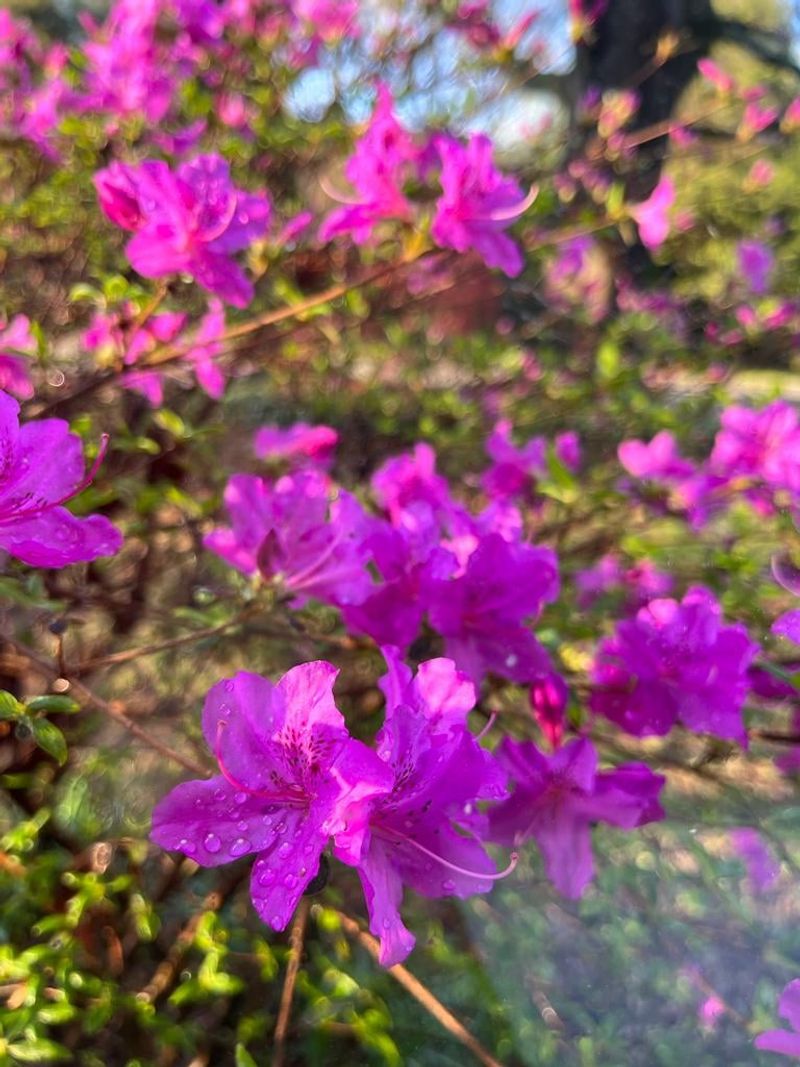
Beautyberry, native azaleas, Virginia willow, river oats, switchgrass, and other Georgia-friendly natives can create the kind of layered edges fireflies prefer.
Do not trim everything into tight shapes.
Rounded shrubs with bare soil underneath offer less cover than looser plantings with leaves, stems, and ground-layer growth.
Plant islands can help.
One native corner bed in a sea of lawn is still better than no cover at all. It can become a stepping stone for fireflies and other beneficial wildlife.
Mix heights.
Groundcovers, grasses, mid-size shrubs, and small trees work together better than one row of identical plants.
Fireflies need a yard with texture.
Give them layers, and the evening has more places to glow.
7. Lawn Cutting Removed Shelter
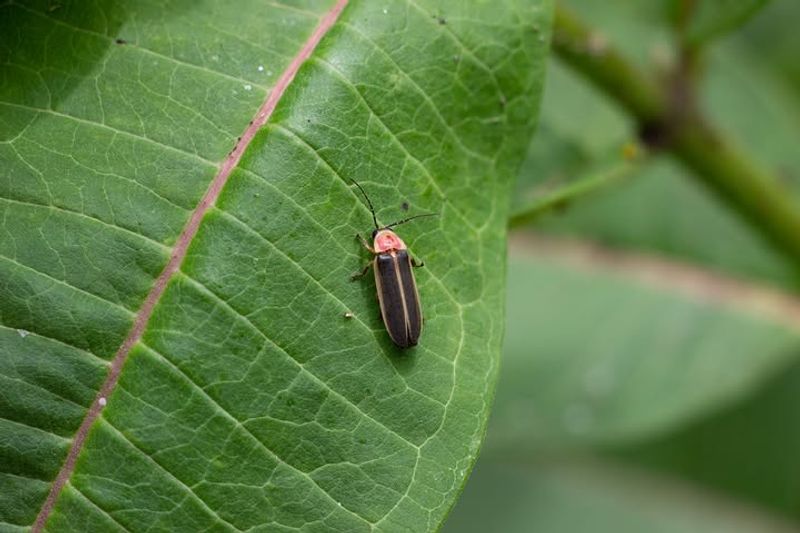
A closely clipped edge can erase the firefly waiting room.
Adult fireflies often rest low in grass, weeds, leaves, and shady border plants during the day. When every fence line and bed edge gets shaved short, those resting places disappear.
Edges are important.
The strip along a shrub bed, tree canopy, or back fence often holds more moisture and cover than the open lawn. Fireflies use those transition zones heavily.
Weekly mowing can be too tidy.
A perfectly uniform lawn may look crisp, but it offers very little shelter. Fireflies need spots where grass and low plants stay a little taller.
Raise the mower deck.
Keeping grass closer to three inches or higher helps shade the soil, hold moisture, and protect small wildlife near the surface.
Leave a no-mow strip.
An eight to twelve inch buffer along fence lines or behind beds can make a real difference without changing the whole lawn.
Choose one seasonal no-mow zone.
A back corner left alone from late spring through summer can become valuable habitat during the firefly breeding window.
Skip trimming every edge.
String trimmers can remove the exact low cover adults use during the day. Let some borders stay soft.
A lawn can still look cared for with wilder edges.
Those edges may be where the first flashes come back.