Black Spots Are Spreading Across Georgia Rose Leaves Right Now (Here’s What’s Behind It)
Georgia rose gardeners are noticing something on their plants right now.
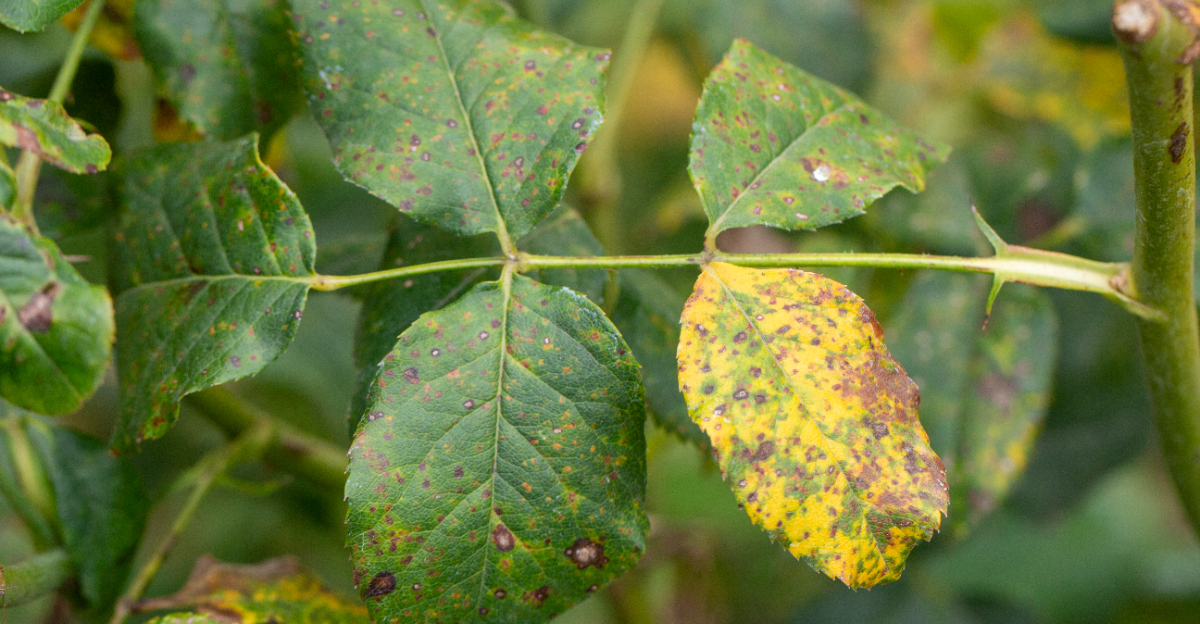
Dark circular spots. Yellow edges spreading outward. Leaves dropping in the middle of summer from bushes that looked completely healthy two weeks ago.
It is not random. It is not bad luck. It is not something that watering more or fertilizing differently will fix on its own.
Georgia’s combination of heat, overnight humidity, afternoon rain, and warm soil creates conditions that one specific fungal disease has been exploiting in rose gardens across the state.
The problem moves faster than many gardeners expect. By the time the damage is obvious on the upper leaves, the lower half of the plant has usually been dealing with it for weeks.
The encouraging part is that this problem is entirely manageable once the cause is understood and the right response gets applied in the right order.
If you have been watching your Georgia roses lose leaves through summer without knowing exactly why, these eight things explain what is happening and what to do about it.
1. Blame Black Spot Fungus First
A single invisible spore lands on a wet rose leaf and within days a dark circle appears.
That is how quickly Diplocarpon rosae gets to work, and Georgia gardens give it nearly perfect operating conditions from late spring through early fall.
This fungus spreads through spores that travel in water droplets, rain splash, and morning dew.
Once a spore lands on a moist leaf surface, it needs only about seven hours of wetness to germinate and begin infecting plant tissue. Georgia summers practically deliver that moisture window on a daily schedule.
Black spot does not just look bad. Over time, repeated infections weaken the entire plant by stripping it of the leaves it needs for photosynthesis.
A rose that loses most of its foliage repeatedly through the season shifts all its energy toward basic survival rather than producing the blooms it was planted for. The flowers stop. The plant struggles. The gardener gets frustrated.
Catching the problem early makes a significant difference in how much ground the fungus gains.
Once black spot is confirmed, a targeted fungicide containing chlorothalonil, myclobutanil, or tebuconazole applied according to label directions gives the best results.
Starting treatment at the first visible symptoms is considerably more effective than starting after the disease has spread through most of the plant.
The fungus is not waiting for a convenient moment to begin. Neither should the response.
2. Watch Lower Leaves For Early Spots
Rain hits the soil around a rose bush and muddy water splashes upward. The lowest leaves catch that splash, and the splash carries black spot spores directly onto leaf surfaces.
That is the infection pathway that begins every black spot outbreak, and it explains consistently why the bottom of the plant shows symptoms first.
Most gardeners look at the top of their roses. They admire the blooms, check new growth for pests, and generally observe the plant from a standing position.
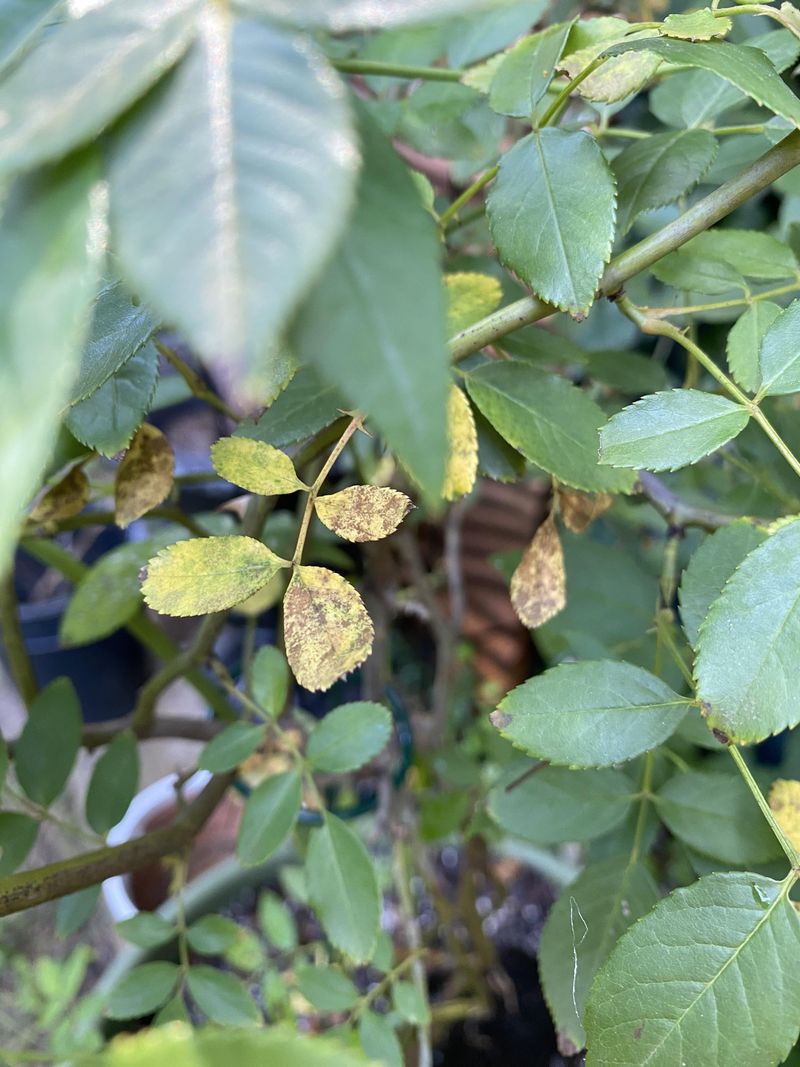
The lower leaves develop spots quietly for days or weeks before anyone notices. By the time spots appear on upper leaves, the disease has already built significant pressure throughout the garden.
Your Georgia Garden Changes Every Week. Your Plan Should Too.
Gardening in Georgia changes quickly throughout the season. Every Friday you’ll receive a simple weekly plan showing exactly what to plant, prune, fertilize, harvest, and protect so you never miss the right timing.
Flipping the lower leaves over to check the undersides as well as the tops changes the detection timeline considerably.
Early black spot lesions can appear slightly raised or purplish before they darken into the recognizable circular spots.
Catching even two or three infected leaves at that stage provides a real head start on slowing the spread.
Scouting rose plants at least once a week during warm, wet weather is the habit that separates gardens where black spot stays manageable from gardens where it overwhelms the plants by August.
Walk the beds slowly, look low, remove any leaf showing early signs immediately, and bag it rather than composting it.
Early detection costs nothing but a few minutes of attention. Late detection costs the entire rose season.
3. Notice Yellow Halos Around Spots
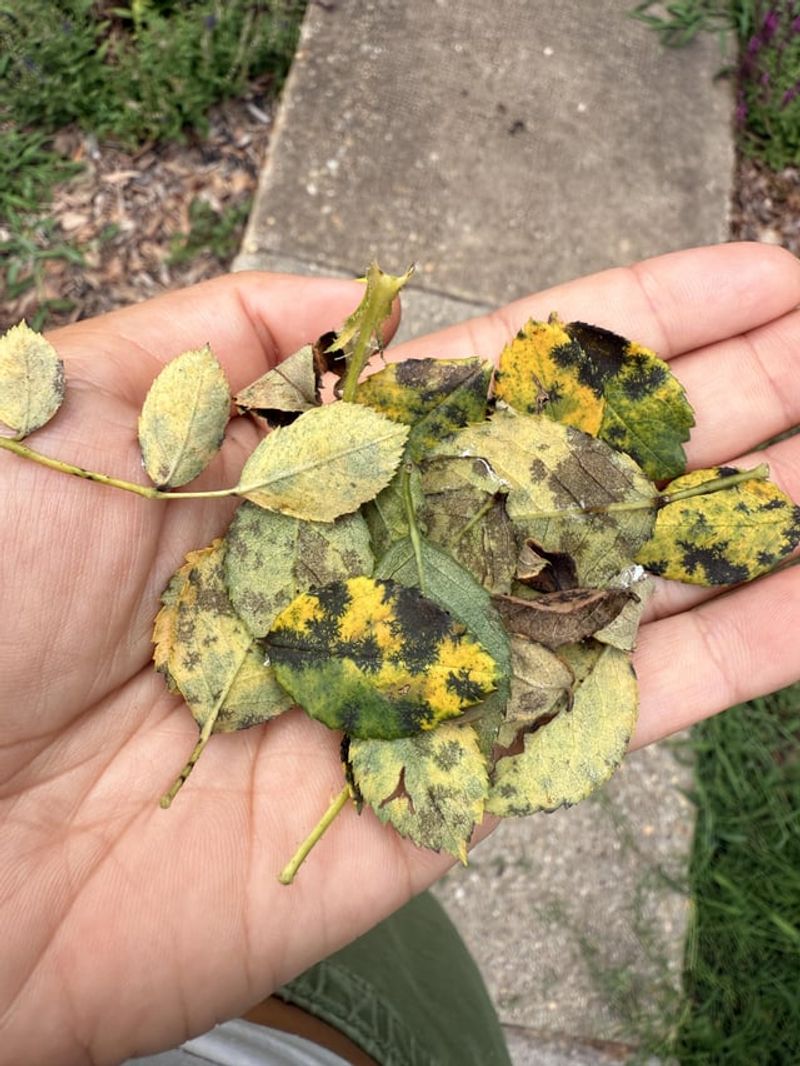
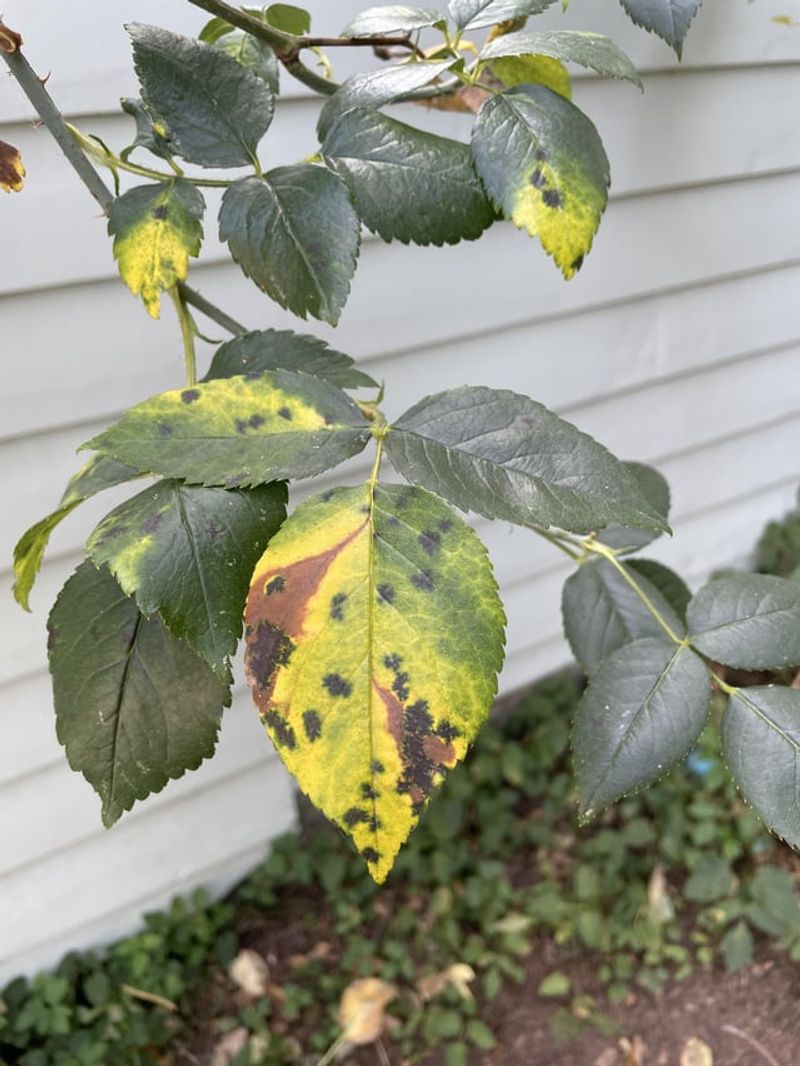
Look closely at a spotted rose leaf and the most informative detail is not the dark circle. It is what surrounds it.
A ring of yellow radiates outward from each lesion like a tiny halo, and that specific pattern is the clearest confirmation that black spot fungus is responsible rather than spray damage, physical injury, or a different disease entirely.
The yellowing happens because the fungus releases compounds that break down chlorophyll in the leaf cells surrounding the infection site.
As the disease progresses, the yellow areas expand until the entire leaf turns yellow and drops from the plant.
A rose losing leaves heavily through midsummer is almost always showing the advanced result of black spot that went unaddressed for several weeks.
Not every dark mark on a rose leaf is black spot.
The yellow halo combined with a fringed or irregular dark circle roughly a quarter to half an inch across is what distinguishes true black spot from most other issues.
Without that halo, it is worth investigating other causes before reaching for a black spot fungicide.
Correct identification changes the entire response. Gardeners who misidentify the problem spend weeks applying the wrong product while the actual fungus continues spreading through the rose beds.
A few seconds examining the spot pattern accurately saves considerable time, money, and frustration later in the season.
The halo is the fungus leaving its signature. It is considerate that way.
4. Expect Humid Weather To Speed Spread
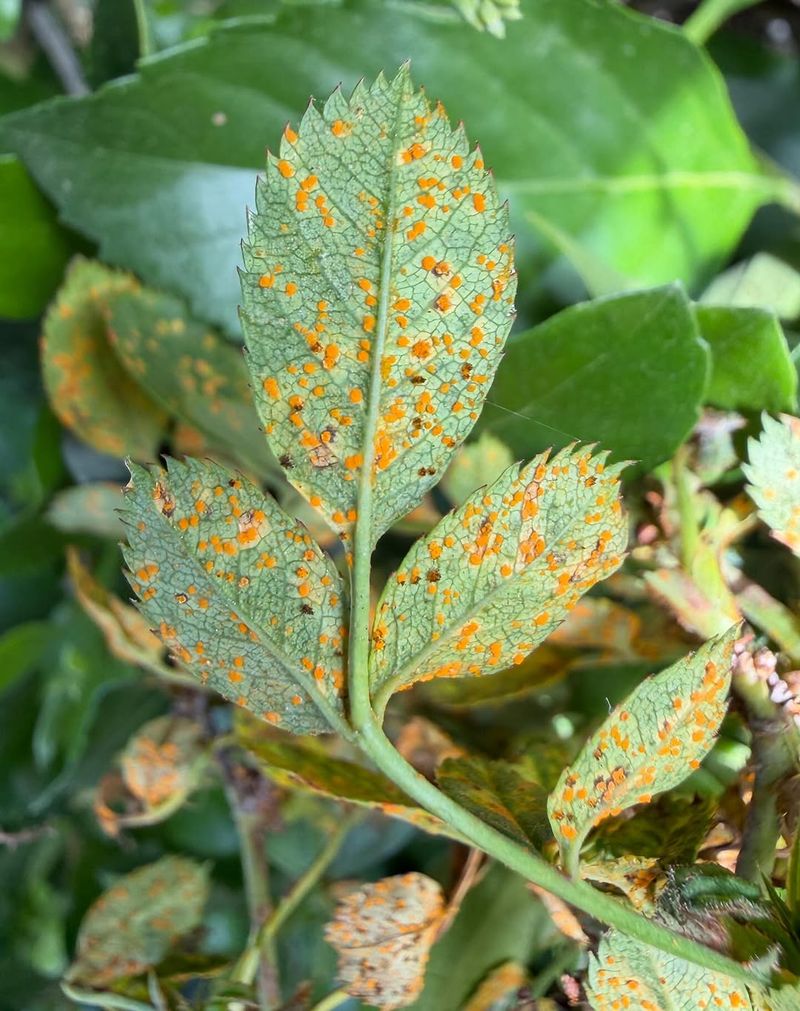
Step outside on a Georgia morning in June or July and the air wraps around everything like a warm wet presence.
That humidity is not just uncomfortable. It is the environmental condition that makes Georgia one of the most challenging places in the country to grow roses without a consistent disease management plan.
Black spot thrives when temperatures stay between 65 and 85 degrees Fahrenheit with high relative humidity.
Georgia summers deliver both conditions reliably from late spring through early fall. Add afternoon thunderstorms and overnight dew, and rose leaves stay wet for hours at a stretch.
Spores need only about seven hours of leaf wetness to successfully germinate and infect. The Georgia summer provides that window on most days without any additional help.
The disease cycle accelerates dramatically in humid conditions.
New spots can appear within three to ten days of initial infection, and each new spot produces fresh spores that splash onto lower leaves or drift onto neighboring plants.
A garden that looked clean one week can show widespread infection the next if conditions stay wet and warm.
Timing fungicide applications ahead of forecasted rainy stretches is significantly more effective than applying after visible damage appears.
Most fungicide labels recommend reapplying every seven to fourteen days during high disease pressure periods.
In Georgia, that window runs from approximately April through October. The fungus is not taking days off during that stretch, and neither should the prevention schedule.
5. Water Soil Instead Of Leaves
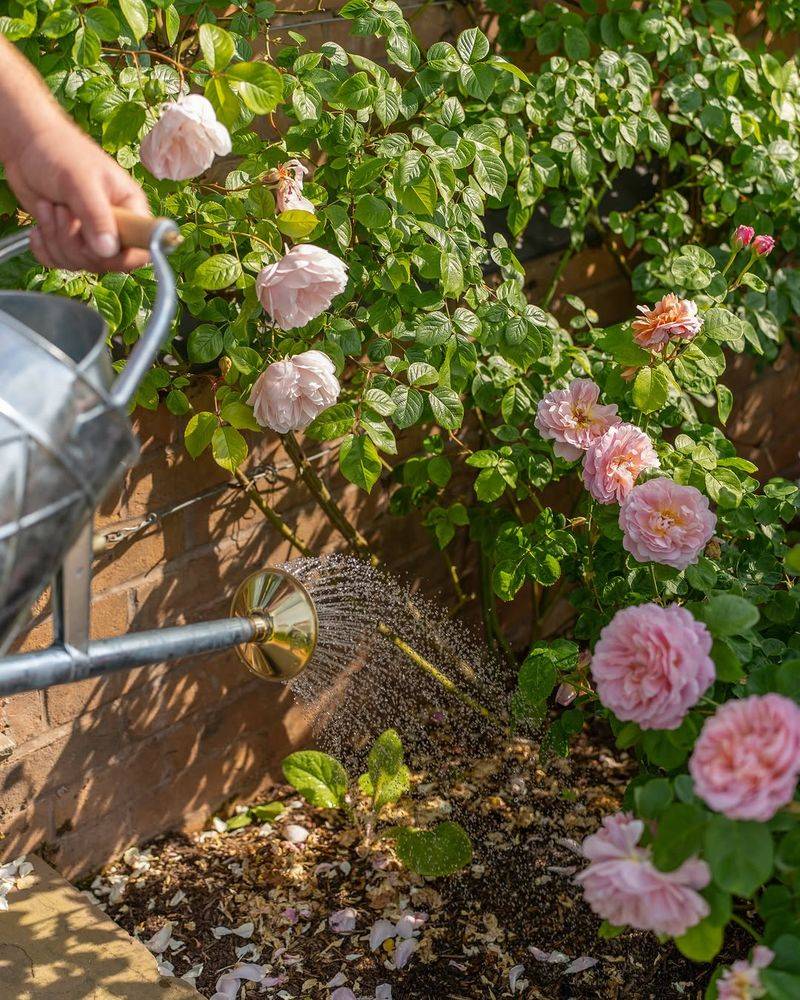
Spraying water over the top of rose bushes feels efficient and satisfying.
It also creates the exact leaf wetness conditions that black spot spores require to germinate, which means every overhead watering session is simultaneously providing plant hydration and inviting fungal infection.
Switching to drip irrigation or a soaker hose redirects water to the soil and root zone where the plant actually needs it.
Leaves stay dry. Dry leaves are a significantly harder surface for black spot spores to colonize than wet ones.
The change in delivery method is simple, the equipment is widely available, and the difference in disease pressure through the season is measurable.
Timing compounds the benefit. Morning watering is always preferable to evening watering because any moisture that does contact foliage has hours of sunlight and warmth to dry it off before nightfall.
Evening watering leaves plants wet through the night, providing the extended leaf wetness period that black spot spores need to complete germination and begin infecting tissue.
Georgia gardeners who switch from overhead sprinklers to drip irrigation consistently report cleaner foliage by midsummer compared to neighboring gardens still using overhead watering.
Pairing smart watering habits with a regular fungicide schedule removes two of the disease’s primary advantages simultaneously.
The fungus needs wet leaves. Overhead watering provides them on a reliable schedule. The fix is changing the schedule, not fighting the consequences of it.
6. Space Roses For Better Airflow
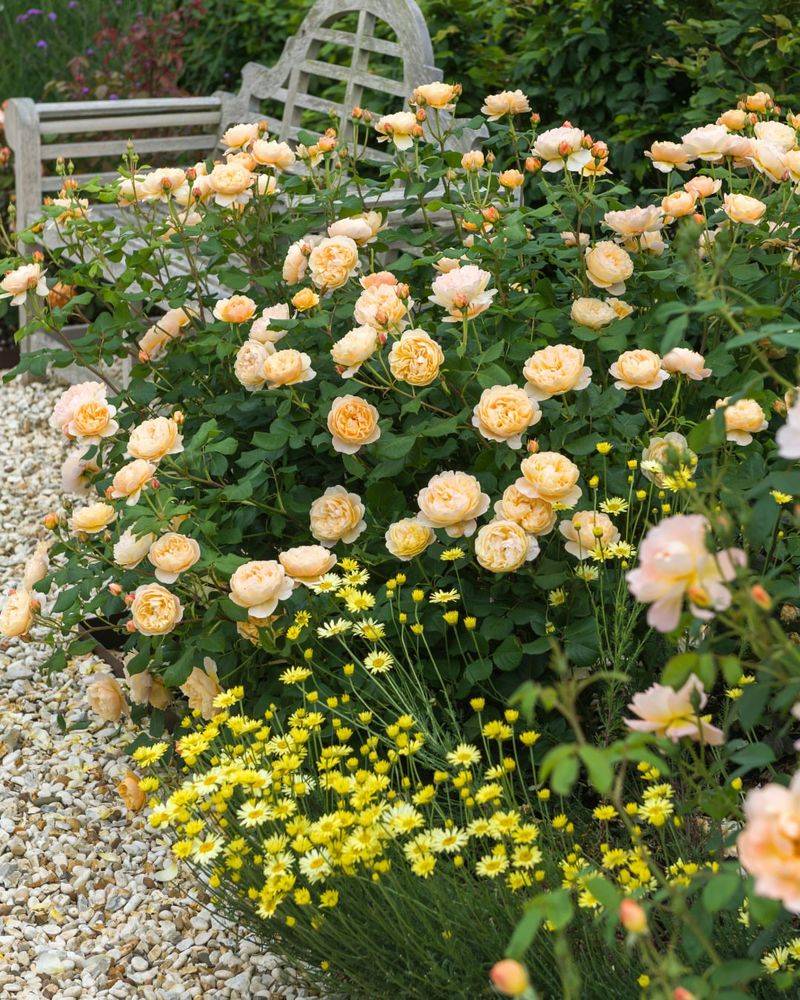
Rose beds packed closely together look lush and full from the sidewalk. From the perspective of black spot fungus, they look like ideal operating conditions.
When plants grow too close together, air cannot move freely between stems and leaves. Moisture lingers on foliage after rain or dew, extending the leaf wetness window that the disease requires to establish and spread.
Hybrid tea and grandiflora roses generally need at least three to four feet between plants for adequate air circulation. Shrub roses may need more depending on mature size.
Giving each plant room to breathe is not primarily an aesthetic decision. It is a disease management approach that reduces infection risk throughout the entire growing season without requiring any additional product or effort.
Pruning supports the same goal within individual plants.
Dense crossing canes trap moisture inside the plant’s canopy and create still pockets where fungal conditions persist even when air is moving around the outside of the bush.
Removing crossing branches, thinning the center of the plant, and maintaining an open, airy structure reduces that internal microclimate significantly.
Light pruning after each bloom cycle removes weak or inward-growing growth before it contributes to density problems.
A rose with an open center dries out considerably faster after rain or morning dew. That shorter leaf wetness period disrupts the infection cycle in a way that supports every other management strategy being applied.
More space equals drier leaves. Drier leaves means fewer infections. The math is not complicated, but the instinct to fill every available inch of bed space makes it easy to overlook.
7. Remove Spotted Leaves From Beds
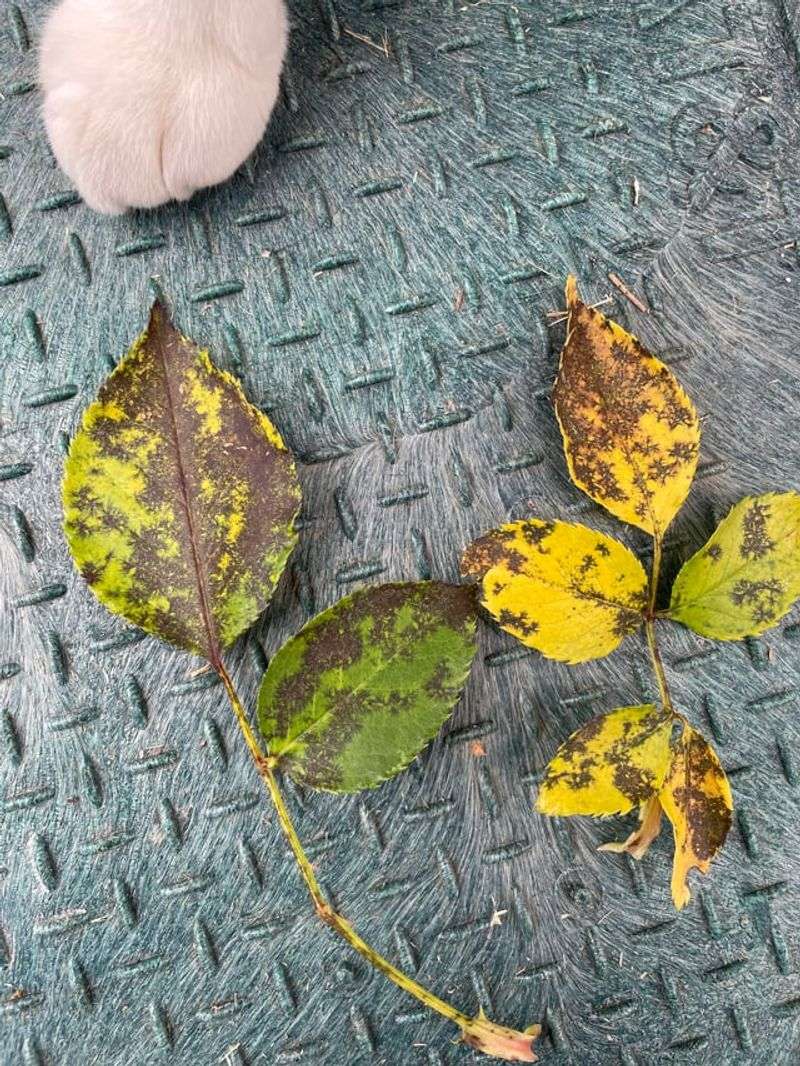
Infected leaves on the ground beneath rose bushes are not just visual clutter.
Each one is actively producing spores that rain splash will redistribute onto healthy foliage during the next precipitation event.
Leaving infected plant material in the bed undermines every other effort being made to manage black spot by continuously reseeding the fungal population throughout the growing season.
Removing any leaf showing black spot symptoms, whether still attached to the plant or already fallen, is one of the most direct interruptions available to the disease cycle.
Work carefully rather than roughly. Shaking the plant while removing infected material dislodges spores and spreads them further rather than containing them.
Collect everything in a bag and send it out with the trash rather than adding it to a compost pile. Black spot spores can survive in compost and return to the garden the following season through finished material applied to beds.
End of season sanitation is particularly valuable.
A thorough fall cleanup that removes all infected leaves, canes, and debris from the rose bed dramatically reduces the spore count that overwinters and launches the following year’s infection cycle before the first new leaves even open.
Mid-season cleanups every one to two weeks through Georgia’s long growing season maintain that pressure reduction rather than allowing it to rebuild between applications.
Mulching around the base of plants to a depth of about two inches adds another layer of protection by acting as a physical barrier that slows spore movement from soil surface back up onto lower foliage during rain events.