Why Some Pennsylvania Yards Attract More Mice Than The House Next Door
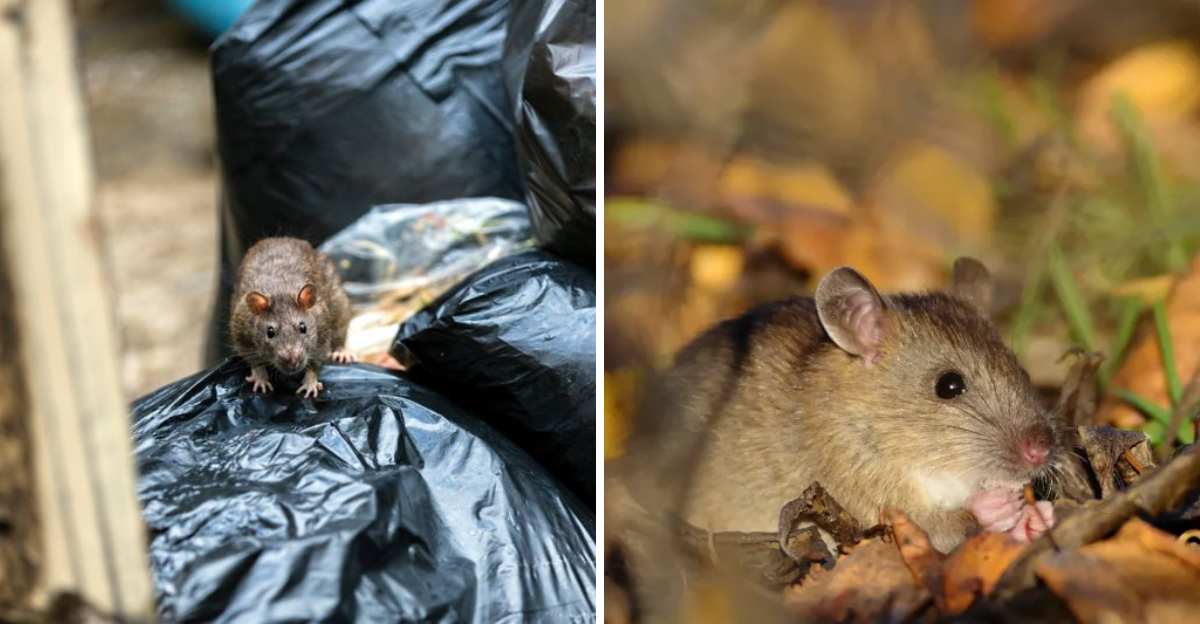
Mice don’t distribute themselves randomly across a neighborhood.
If your Pennsylvania yard seems to have a persistent mouse problem while the house next door appears to be dealing with far fewer, there’s a reason for that difference, and it almost certainly has to do with specific conditions your property is providing that the neighbors’ property isn’t.
Mice are not random. They’re efficient. They move toward reliable food, water, and shelter, and they establish themselves where those three things consistently overlap.
Certain yard features, landscaping choices, storage habits, and even garden plant selections create conditions that are significantly more attractive to mice than others.
And once mice identify a reliable location, they return to it and tell others in ways that build a local population over time.
The frustrating part is that most of the conditions attracting mice to your Pennsylvania yard look completely normal and unremarkable on the surface. There’s nothing obviously wrong.
Just a combination of factors that adds up to a standing invitation. Here’s what’s making your yard more attractive to mice than your neighbor’s and what to change.
1. Bird Feeders Leave An Easy Supply Of Seed
Most bird lovers never think twice about keeping a full feeder in the backyard. Watching cardinals and sparrows visit throughout the day is one of the simple joys of Pennsylvania living.
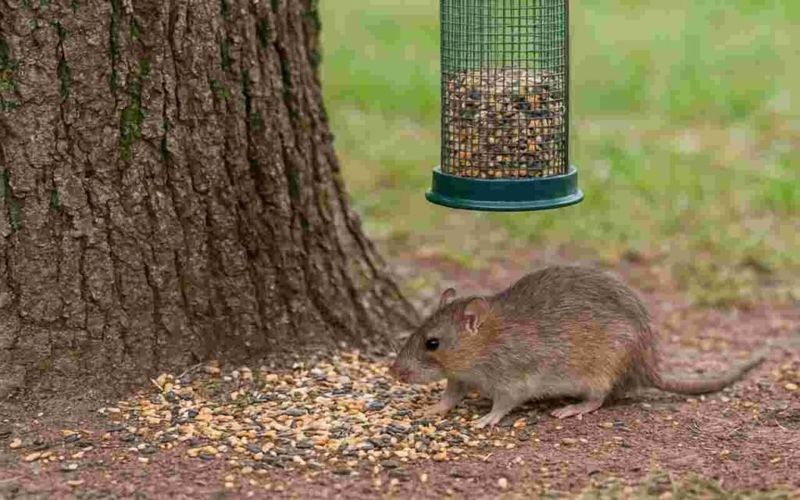
But here is the part that often gets overlooked: every seed that misses a beak lands on the ground below, and mice notice that almost immediately.
Sunflower seeds, millet, and cracked corn are some of the most calorie-rich foods mice can find outdoors. A pile of spilled seed beneath a feeder is basically a free buffet that gets restocked every single day.
Mice are creatures of habit, and once they find a reliable food source, they will return to it night after night without hesitation.
The EPA recommends temporarily stopping bird feeding during an active infestation. That might feel like a tough call, but it works.
Another option is switching to huskless seed, which birds eat more cleanly and leaves far less residue on the ground.
Placement matters too. Hanging feeders over a hard surface like a patio or deck makes it easier to sweep up fallen seed before mice get the chance to find it.
Using a seed tray or catcher attached under the feeder can also reduce how much hits the ground in the first place.
Your neighbor with no bird feeder has a natural advantage when it comes to keeping mice away. If you want to keep feeding birds without attracting rodents, a little extra maintenance goes a long way.
Clean up spilled seed every evening, store unused birdseed in a sealed metal container, and consider bringing the feeder inside at night when mice are most active.
2. Pet Food, Poultry Feed Or Garbage Is Accessible
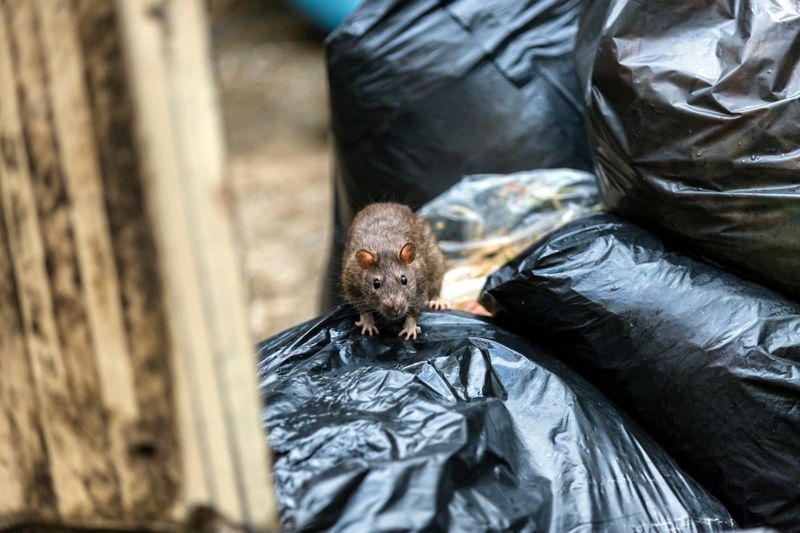
Outdoor food left in the open overnight is one of the fastest ways to turn a yard into a mouse hotspot. Dog bowls, cat dishes, and even the crumbs left behind after a backyard cookout can attract mice before the sun fully sets.
Your Pennsylvania Garden Changes Every Week. Your Plan Should Too.
Gardening in Pennsylvania changes quickly throughout the season. Every Friday you’ll receive a simple weekly plan showing exactly what to plant, prune, fertilize, harvest, and protect so you never miss the right timing.
Mice are most active between dusk and dawn, so anything left outside in the evening is fair game.
Backyard chicken keeping has become popular across Pennsylvania, and it brings a specific challenge. Poultry feed stored in flimsy plastic bags or open containers is incredibly attractive to rodents.
A mouse does not need a large opening to get into a feed bag. It can chew through thin plastic in minutes, and once it finds that food source, the whole family follows.
Garbage cans without tight-fitting lids are another common problem. Even a can that smells like old food from the outside is enough to bring mice in for a closer look.
Grills with grease traps that have not been cleaned can also serve as an unexpected snack station for rodents sniffing around the yard at night.
The fix here is straightforward. Store all pet food and poultry feed in sturdy, sealed metal or heavy-duty plastic containers with secure lids.
Bring pet food bowls inside every evening. Make sure your trash cans have lids that lock or clamp down tightly, especially during the warmer months when smells travel farther.
Cleanliness around food storage areas makes a real difference. Wipe down the outside of feed containers regularly.
Rinse your grill grates and empty the grease trap after every use. Small habits like these can make your yard noticeably less attractive compared to the one next door.
3. Dense Vegetation Gives Mice Protective Cover
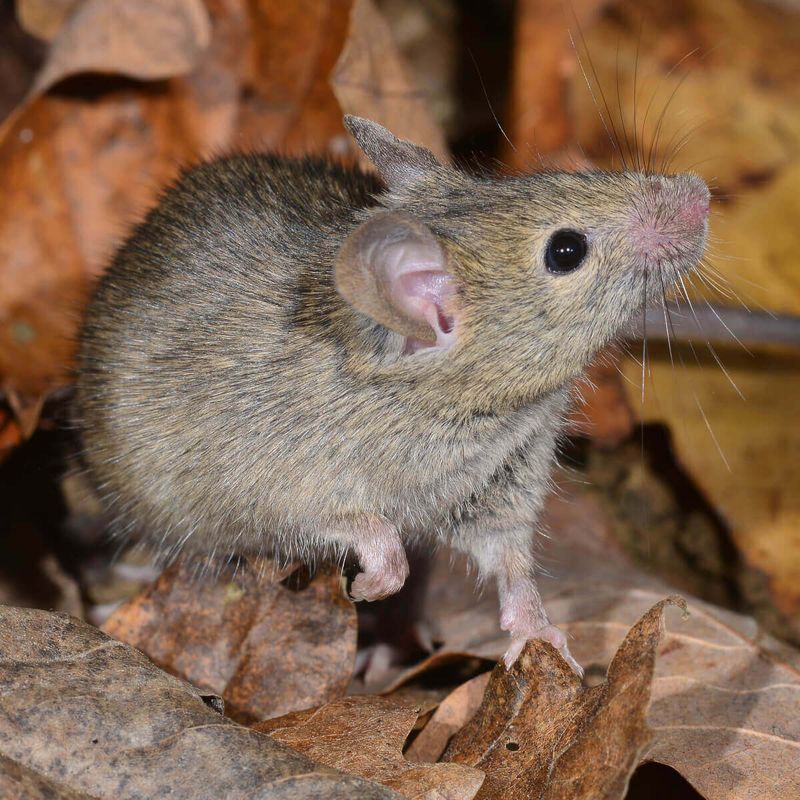
Mice are not bold creatures by nature. They prefer to stay hidden as much as possible, darting from one patch of cover to the next rather than crossing open ground.
A yard full of tall grass, dense weeds, overgrown shrubs, and thick groundcover is practically a maze of safe pathways for a mouse to travel through without ever being spotted.
Predators like hawks, owls, foxes, and even neighborhood cats have a much harder time spotting mice when vegetation is thick. That natural protection is exactly what draws mice to overgrown yards.
Meanwhile, the house next door with a neatly mowed lawn and trimmed borders offers far less cover, making it a riskier place for a mouse to spend time.
Tall grass along fences and foundation plantings that grow right up against the house are especially risky. These areas create a hidden corridor that mice can use to travel from the yard all the way to the base of the home without ever stepping into the open.
From there, finding a small gap to squeeze through becomes much easier. Keeping the lawn mowed regularly is one of the simplest and most effective ways to reduce mouse activity. Trim shrubs so there is a visible gap between the lowest branches and the ground.
Pull weeds along fence lines and around the foundation. Replace thick, dense groundcovers near the house with gravel or mulch kept at a reasonable depth.
Open space is not just aesthetically clean, it is functionally discouraging to rodents. A yard that offers little cover forces mice to take risks they would rather avoid, and many will simply move on to a more sheltered location nearby.
4. Leaf Piles And Deep Mulch Provide Nesting Sites
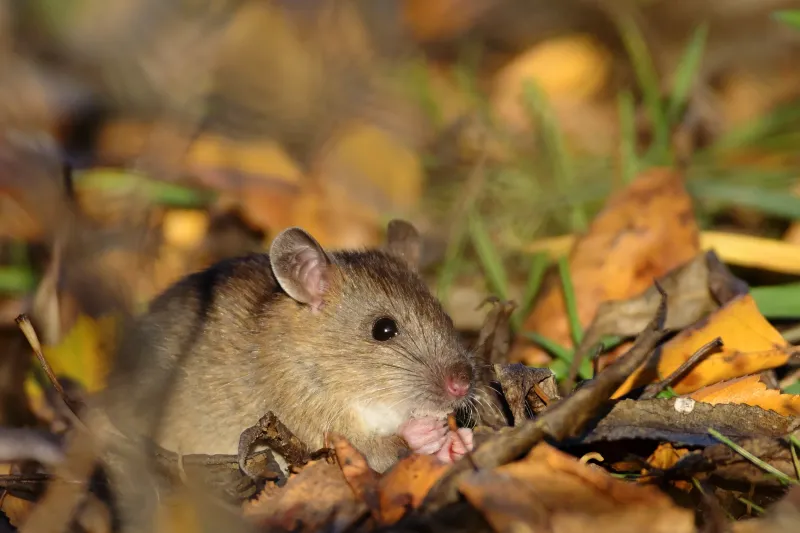
Fall in Pennsylvania is beautiful, but all those fallen leaves create a serious problem if they are left to pile up for too long. Dry leaves are warm, lightweight, and easy to burrow into.
For a mouse searching for a place to nest before winter sets in, a big leaf pile pushed against the side of a house is about as inviting as it gets.
Mice do not just nest in leaf piles for comfort. They also use the dry plant material to build their actual nests inside walls, under sheds, and in other hidden spots around the property.
A mouse will carry bits of leaf, grass, and plant fiber to a sheltered location and pack it into a tight, insulated ball to sleep and raise young in.
Deep mulch around garden beds and foundation plantings creates a similar problem. Mulch that is more than a few inches deep stays moist and warm underneath, which is exactly the kind of microclimate mice love.
The EPA specifically recommends removing leaf piles and avoiding excessively deep mulch as part of a rodent prevention strategy.
The good news is that the solution is simple and seasonal. Rake and bag leaves regularly throughout fall rather than letting them accumulate.
Keep mulch depth to about two inches around garden beds. Pull mulch back several inches away from the foundation of the house so there is a clear, dry border between the planting beds and the structure.
Compost piles can also become nesting spots if they are not managed properly. Use a sealed compost bin rather than an open pile, and avoid adding meat or cooked food scraps that could attract mice from a greater distance.
5. Woodpiles, Clutter And Outbuildings Create Safe Hiding Places
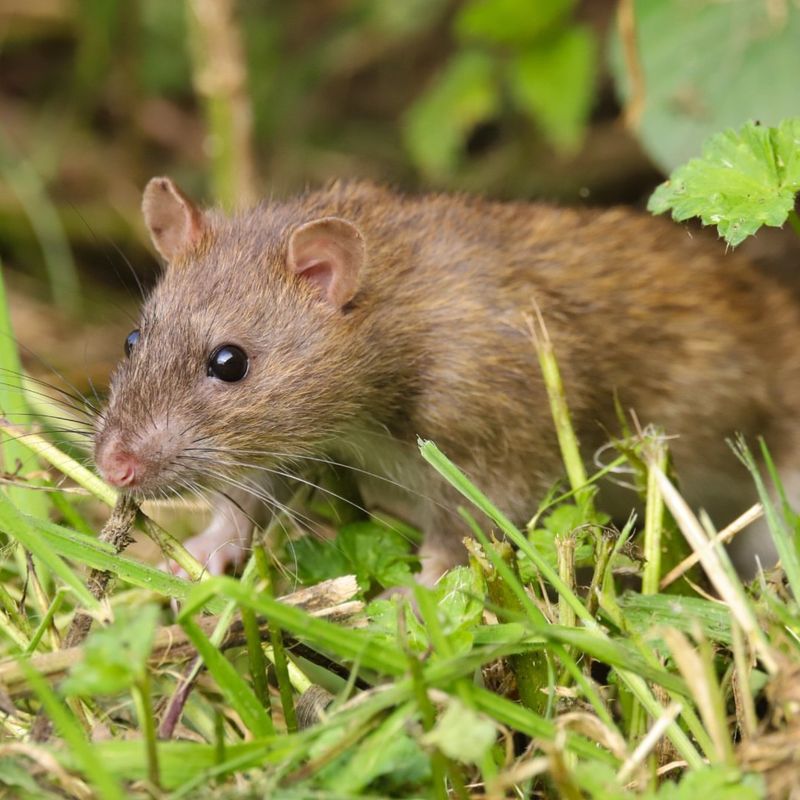
Stacked firewood is one of the most overlooked mouse magnets in any Pennsylvania yard. When wood is piled directly on the ground, it creates a dark, sheltered space underneath that stays dry and protected from wind.
Mice move right in, and once they are comfortable in the woodpile, making the short trip to the house becomes the next logical step.
Clutter in general is a problem. Unused lawn equipment, old buckets, stacked pallets, tarps thrown over random items, and forgotten bags of potting soil all create the same kind of hidden shelter that mice seek out.
A yard that has accumulated a lot of stuff over the years tends to have a lot more rodent activity than a tidy, well-organized one.
Outbuildings like sheds and detached garages are especially vulnerable. Low decks with gaps underneath are another common harborage spot.
Mice do not need a large opening to access these spaces. Once they are inside, they are sheltered from both weather and predators, which makes them very likely to stay and eventually breed.
Raising firewood off the ground on a proper rack makes a big difference. Keep the stack at least 20 feet from the house if possible.
Store it neatly and use older wood from the bottom of the pile first so wood does not sit untouched for long periods. Inspect the pile regularly for signs of mouse activity like droppings or nesting material.
Go through the yard each season and clear out anything that is not being used. Organize sheds and garages so there is less empty dark space for mice to settle into.
A clutter-free yard is one of the most powerful tools a homeowner has against rodent problems.
6. Small Openings Make The House Or Garage Easy To Enter
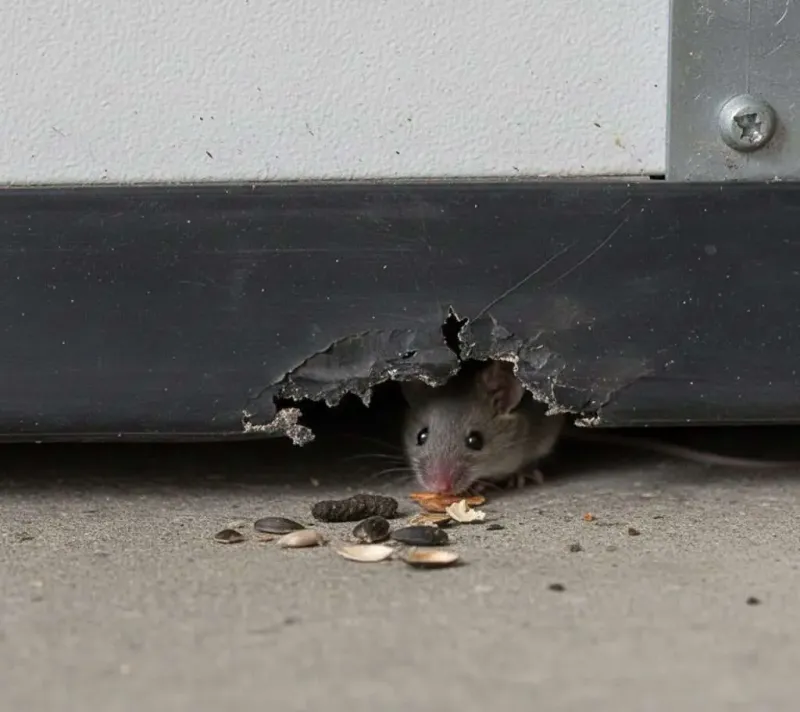
Here is a fact that surprises most homeowners: a mouse can squeeze through a gap roughly the size of a dime, about a quarter inch wide. That is approximately the width of a standard pencil.
Most people look at a small crack near the foundation or a gap around a pipe and think nothing of it. But to a mouse, that is an open door.
Gaps are incredibly common around older Pennsylvania homes. Foundations settle over time and develop small cracks.
Utility lines, cable wires, and water pipes pass through walls and often leave small voids around them. Garage doors that do not seal completely at the bottom are one of the most common entry points in suburban and rural properties.
Vents without proper covers, gaps under exterior doors, and openings where siding meets the foundation are all places mice can use to get inside.
Once a mouse enters the house or garage, it has access to warmth, nesting materials, and whatever food might be stored inside. The house next door that is well-sealed simply does not offer the same opportunity.
Walk around the outside of your home and look carefully at every place where something passes through the wall or where two building materials meet. Use steel wool, hardware cloth, or caulk to seal gaps.
Steel wool is especially useful because mice cannot chew through it the way they can through foam or soft caulk alone.
Check the garage door seal every year and replace it if it is cracked or compressed. Add door sweeps to exterior doors that have visible gaps at the bottom.
A thorough inspection once a season can keep your home sealed while the less-maintained property next door continues to welcome unwanted visitors.