What A Cardinal’s Dawn Visit Says About Your Maryland Garden

Something forces you to stop completely and stare instantly. A brilliant streak of red cuts sharply through the pale gray morning air. Cardinals do not wander into Maryland yards by accident.
Their presence at dawn carries weight far beyond simple beauty. You are witnessing a deliberate act of quiet confidence. Males claim territory the instant light breaks the horizon.
Females watch closely, judging strength through color and posture. Maryland winters push these birds toward visible, exposed perches. Food scarcity forces bold choices during the coldest stretches.
Weather shifts, migration patterns, food shortages, and rising activity levels all shape this single moment. Your garden becomes a stage for patience and clear strategy.
Nothing about this display happens randomly, weakly, or emptily. Every feather, every call, every single pause serves a purpose.
Understanding this behavior changes how you see your entire backyard. Look closer now, because sunrise is about to explain everything.
Why Cardinals Are Especially Active At Dawn In Maryland
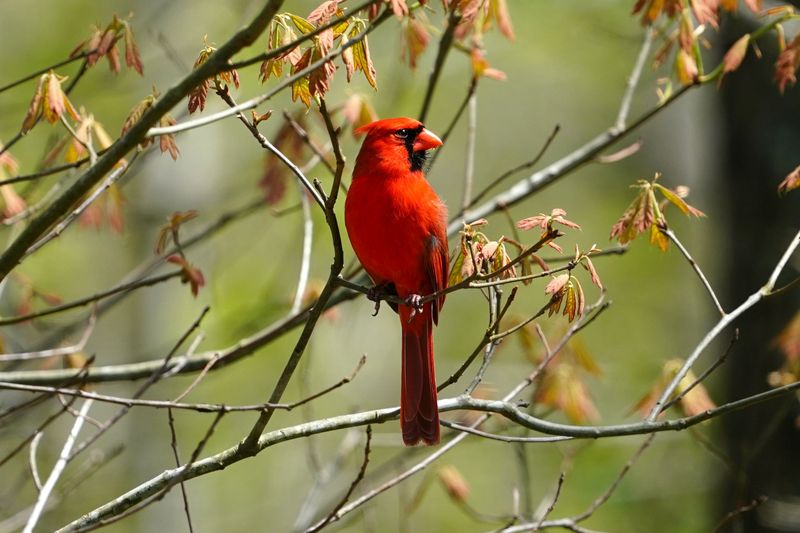
Before the rest of the neighborhood stirs, cardinals are already working. Dawn is their prime time, and there is solid science behind it.
Cardinals are most active during the low-light hours of early morning and late evening, a pattern common among many songbird species. This rhythm helps them balance energy demands against the risks of moving through open space.
In Maryland, the mix of wooded backyards, berry-producing shrubs, and mild humidity makes conditions ideal for cardinal activity at sunrise.
The state sits right in the heart of the cardinal’s year-round range on the East Coast, offering steady shelter and food across every season.
Cooler morning temperatures help these birds conserve energy while they search for food after a long night.
Some predators are less visible at dawn, though hawks can still hunt actively during these hours, so caution still shapes how cardinals move.
Male cardinals often begin singing before full daylight even arrives, staking claim to territory before rivals wake. Their whistling call is easy to hear in the quiet morning air, carrying farther when the neighborhood is still asleep.
A cardinal’s dawn visit to your Maryland garden is rarely random. It is timed with precision, shaped by instinct, and driven by real biological needs.
Paying attention to when they arrive can help you understand what your garden is offering them. That early morning appearance often suggests your yard is meeting the bird’s basic needs, season after season.
Territorial Behavior Behind Early Morning Visits
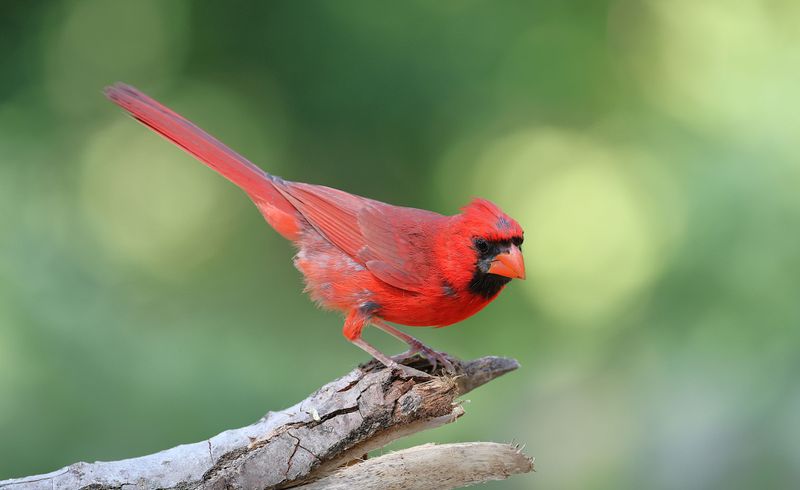
That red bird perched boldly in your garden at dawn is not just sightseeing. He is making a statement to every other male cardinal in the area.
Cardinals are highly territorial, especially during spring and early summer. Dawn is the perfect time to broadcast ownership.
The morning air carries sound farther, so his song reaches more ground with less effort.
You might notice him singing from the same high branch every morning. That consistent perch is his announcement post, and he returns to it like clockwork.
Your Maryland Garden Changes Every Week. Your Plan Should Too.
Gardening in Maryland changes quickly throughout the season. Every Friday you’ll receive a simple weekly plan showing exactly what to plant, prune, fertilize, harvest, and protect so you never miss the right timing.
Sometimes a male cardinal will fight his own reflection in a window or car mirror. He sees that bright red image and assumes it is a competing male invading his space.
This behavior can look confusing or even funny from the outside. But for the bird, it is closely tied to mating rights and food access.
Female cardinals also show mild territorial behavior, though it is far less dramatic than the male’s bold displays. She tends to stay closer to the nest and move more quietly through the garden.
Watching where your visiting cardinal perches and sings each morning can actually map out his claimed territory. Your garden may be an important part of his territory.
Feeding Patterns That Draw Cardinals To Your Garden
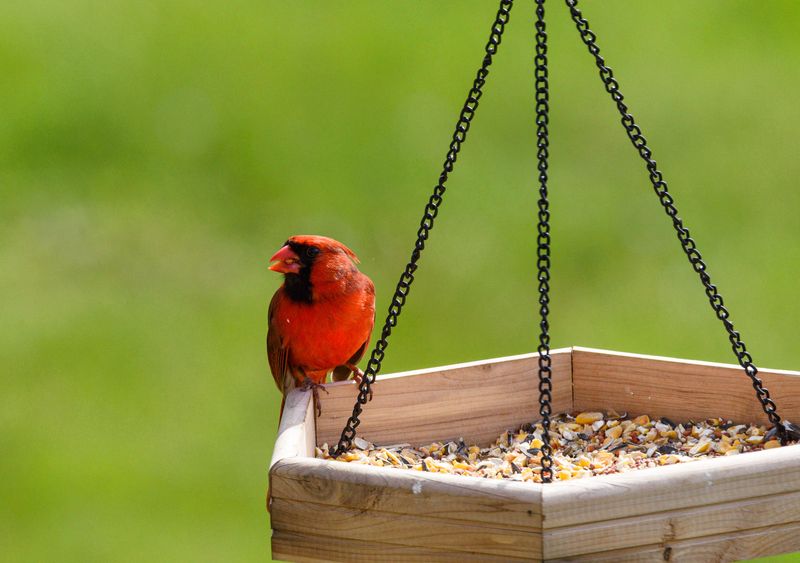
Food is the fastest way to earn a cardinal’s loyalty. Once a reliable source is found, these birds return to it every single day.
Sunflower seeds are the number one favorite. Black-oil sunflower seeds in particular have thin shells that cardinals can crack open with their strong, cone-shaped bills.
Safflower seeds are another excellent option and have the added bonus of being unappealing to squirrels. Placing a feeder with safflower near a shrub gives cardinals both food and a quick escape route.
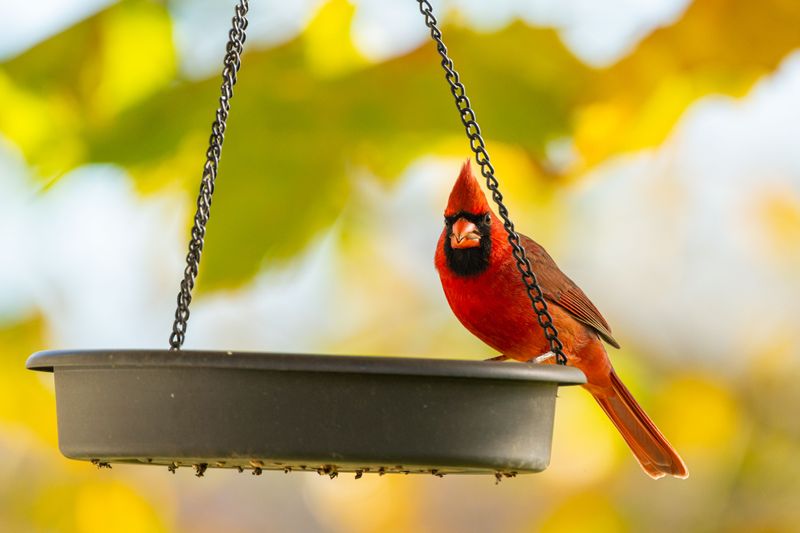
Cardinals prefer feeding at ground level or on platform feeders with wide ledges. Tube feeders with small perches tend to frustrate them because of their larger body size.
Native plants also play a huge role in attracting cardinals to your space. Dogwood trees, winterberry holly, and native grasses all produce seeds or berries that cardinals actively seek out.
Dawn feeding happens because their energy reserves dip overnight. The first thing a cardinal does after sunrise is hunt for calories to fuel the day ahead.
Keeping feeders clean and consistently stocked signals to cardinals that your garden is dependable. A reliable food source can turn a one-time visitor into a daily resident.
If you spot a cardinal at your feeder every morning, your garden has passed a real test. These birds choose their feeding spots carefully, and yours made the cut.
Seasonal Shifts In Cardinal Sightings Throughout The Year
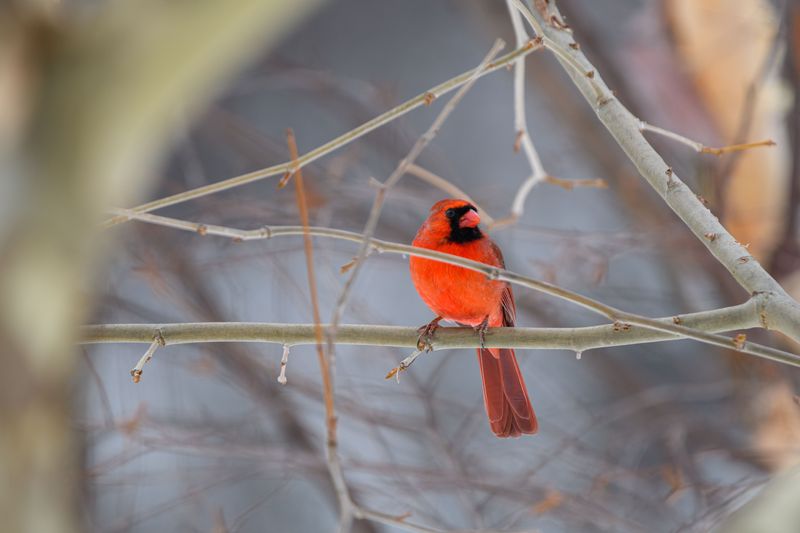
Cardinals do not migrate, which makes them one of the most reliable year-round birds in Maryland gardens. But that does not mean their behavior stays the same all year.
Spring brings the most dramatic activity. Males sing constantly, chase rivals, and court females with seed-offering rituals.
Summer sightings may feel less frequent, but cardinals are still around. Dense foliage hides them well, and they tend to stay low and quiet while raising their young.
By late summer, juvenile cardinals begin appearing at feeders. They look similar to females but have dark bills instead of the orange-red bills adults carry.
Fall is a transitional period where cardinals start flocking loosely in small groups. Seeing three or four together near your shrubs is a sign that the cooler months are approaching.
Winter is when cardinals become most visible and most appreciated. Their red feathers pop brilliantly against snow, and they visit feeders more frequently as natural food sources shrink.
Dawn visits in winter tend to be especially punctual. Cardinals arrive right at first light because cold nights drain their energy fast and finding food becomes urgent.
Tracking when and how often cardinals visit across each season helps you understand your garden’s year-round appeal. A garden that attracts them in every season shows strong year-round habitat value.
Cardinal Calls And Behavior Reveal More Than Habit
That loud, clear whistle cutting through your morning quiet is not background noise. Cardinal calls carry meaning, and learning to read them changes how you experience your garden.
The most common call sounds like a repeated cheer-cheer-cheer or whoit-whoit-whoit. Males use this to claim space, attract mates, and warn off rivals all at once.
Females also sing, which is unusual among North American songbirds. A female cardinal on the nest will sing softly to communicate with her mate nearby.
A sharp, metallic chip note usually signals alarm. If you hear that quick sound and the bird disappears fast, something startled it, possibly a cat, hawk, or sudden movement.
When a male offers a seed to a female during courtship, both birds become quieter and more deliberate. This seed-passing ritual, called mate-feeding, signals a strong pair bond forming.
Body language adds another layer to what cardinals communicate. A raised crest often indicates alertness or agitation, while a flattened crest can suggest calm or submission.
Watching a cardinal’s crest and posture during a dawn visit tells you whether your garden feels safe or stressful to them. A relaxed bird with a low crest is a great sign.
Once you start tuning into cardinal sounds and signals, your morning garden becomes a whole new kind of conversation. These birds are telling you something every single day.
A Dawn Visit Reflects Your Garden’s Natural Balance
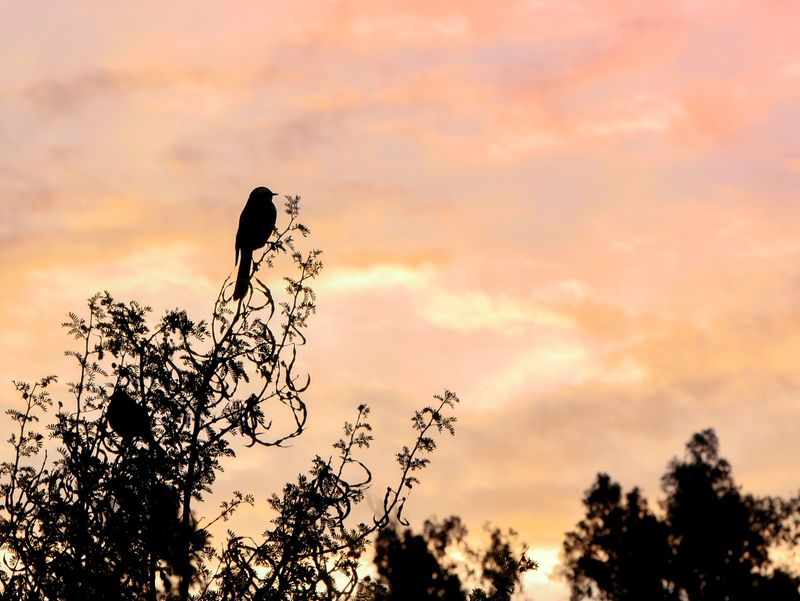
When a cardinal chooses your garden at the start of each day, it is not an accident. Birds are extraordinarily sensitive to environmental conditions, and their presence is a form of feedback.
A garden that attracts cardinals at dawn typically has three key things: shelter, food, and water. Take away any one of those, and the visits become less frequent or stop entirely.
Dense shrubs and native trees provide the cover cardinals need to feel protected. A garden that is too open or too manicured often feels exposed and unsafe to wildlife.
Water sources matter more than most gardeners realize. A shallow birdbath kept clean and unfrozen in winter can be one of the biggest draws for cardinals during cold months.
Avoiding pesticides is another major factor. Cardinals eat insects during nesting season to feed their chicks protein-rich meals, and a chemically treated yard offers far less of that natural food.
Native plantings support the entire food web that sustains cardinals throughout the year. When your yard grows plants that belong in the region, birds notice the difference immediately.
A dawn visit from a cardinal to your Maryland garden is a quiet but powerful signal. It means your outdoor space is functioning as a healthy, welcoming piece of local habitat.
That flash of red at sunrise is more than beautiful. It is a sign that your garden is functioning as a healthy habitat.