What Oregon Gardeners Should Do When Plum Trees Produce Too Much Fruit At Once
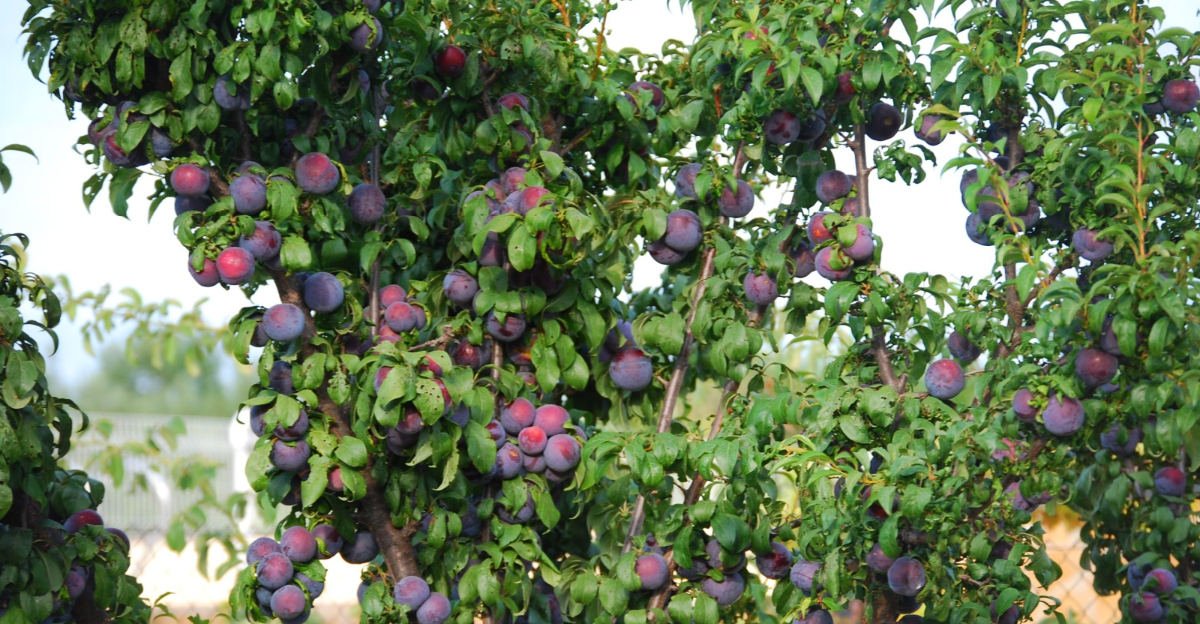
A plum tree absolutely covered in developing fruit looks like a backyard success story, and it genuinely is exciting.
Until you start noticing the branches bending at angles they probably should not, the fruit staying suspiciously small, and the whole tree looking like it is working a lot harder than it should be.
An overloaded plum tree is one of those garden situations where more is very much not better.
Crowded fruit clusters compete for nutrients, ripening becomes uneven, and branches under serious stress can cause problems that affect the tree well beyond this single season.
Oregon backyard growers who catch these warning signs early and take action starting with fruit thinning soon after bloom set themselves up for a much better outcome.
Better fruit size, healthier branches, and a tree that actually has something left to give next year too.
1. Thin Young Plums Soon After Bloom
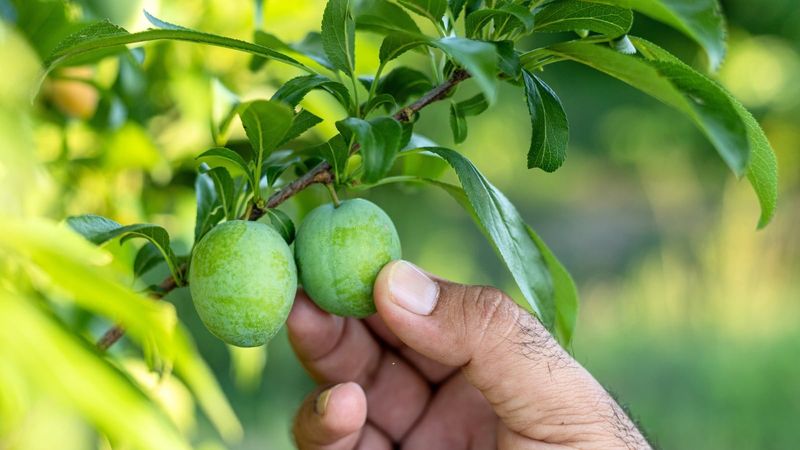
Catching a plum tree right after bloom is one of the most useful things a gardener can do during a heavy crop year.
Oregon State University Extension recommends thinning young plums within about 30 days after the end of bloom, while the fruit is still small and easy to handle.
Acting during this window gives the remaining plums more time to develop fully before summer heat sets in across the Willamette Valley, southern Oregon, or wherever you garden in the state.
Early thinning reduces competition among developing plums, which can support better fruit size and lower the physical weight the branches carry through the season. Waiting until plums are nearly mature reduces most of these benefits because the tree has already spent weeks directing energy toward a crowded crop.
Thinning late may still help with branch load, but the fruit-size advantage is largely gone by then.
Make sure the fruit is large enough to grip safely before you begin. Work slowly and carefully along each branch, removing plums by hand rather than pulling clusters roughly.
Breaking fruiting spurs or stripping bark during thinning can reduce future crops and leave the tree open to problems.
Thinning cannot guarantee a specific result because cultivar, tree age, weather, pollination, and soil conditions all play a role, but starting early gives your plum tree the best opportunity to manage a heavy season well.
2. Leave About 6 To 8 Inches Between Fruits
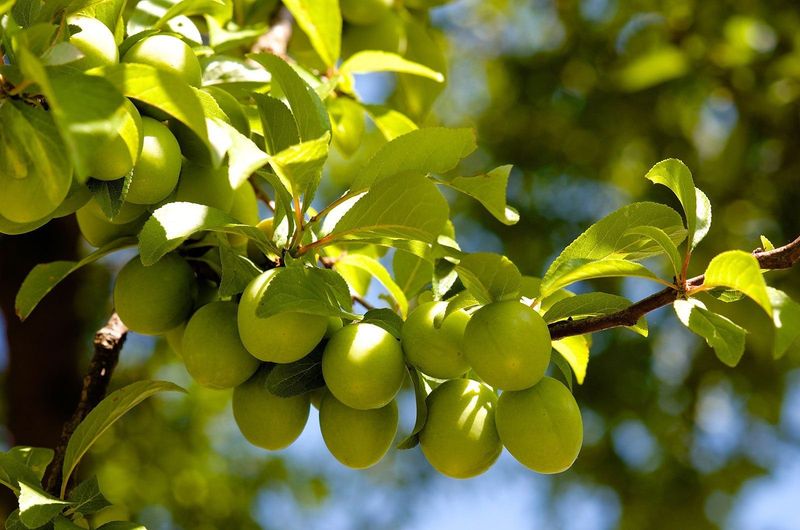
Working your way along a heavily loaded branch and spacing out the remaining fruit takes patience, but the effort pays off in more ways than one.
Oregon State University Extension suggests leaving young plums roughly 6 to 8 inches apart along each branch as a general home-orchard guideline.
That spacing gives each developing plum more access to water, nutrients, and light without stripping the branch completely.
Branches carrying several tight clusters need the most attention. Look for sections where plums are pressed against each other or bunched in groups of four or five, and reduce those clusters down to one or two well-positioned fruits.
Lightly cropped sections of the tree may need less adjustment, so focus your energy where the crowding is most obvious rather than treating every inch of the tree identically.
Your Oregon Garden Changes Every Week. Your Plan Should Too.
Gardening in Oregon changes quickly throughout the season. Every Friday you’ll receive a simple weekly plan showing exactly what to plant, prune, fertilize, harvest, and protect so you never miss the right timing.
Keep in mind that 6 to 8 inches is a practical starting point rather than a rigid rule that applies perfectly to every cultivar or tree structure.
Branch strength, fruit size, tree vigor, and the position of the crop along the limb may all influence how much fruit makes sense to leave.
Japanese plums and European plums can differ in how they carry fruit, so observe your specific tree closely.
Gardeners in Oregon regions with heavier soils or stronger summer heat may find that their trees respond somewhat differently, but following this spacing guideline is a reasonable approach for most backyard plum trees.
3. Remove Small, Damaged, And Crowded Fruit First
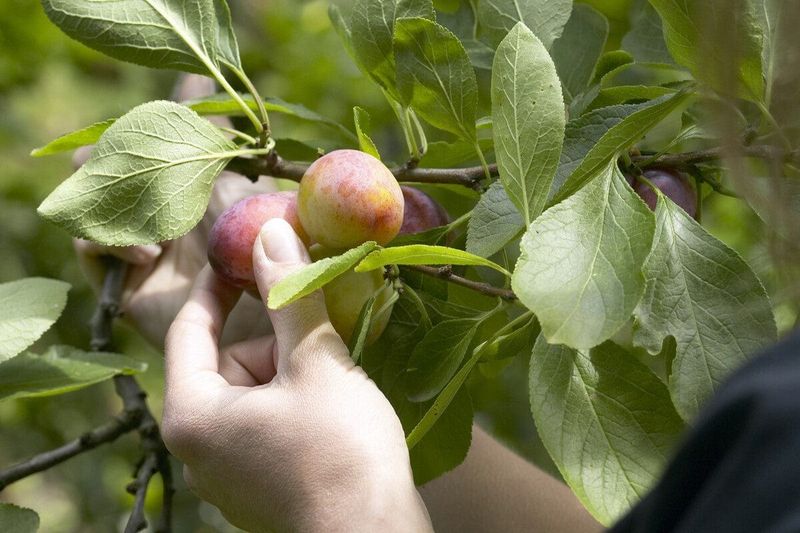
Not all fruit on a heavily loaded plum tree deserves equal attention when thinning begins. Small, misshapen, insect-damaged, diseased-looking, or tightly rubbing plums make the most sensible first choices for removal.
Pulling these out before touching the healthier fruit means you reduce the crop without randomly sacrificing the best-positioned plums on the branch.
Look for plums that appear puckered, discolored, scarred, or noticeably smaller than their neighbors. Fruit that is pressed tightly against another plum or rubbing against bark often develops unevenly and may crack or split as it grows.
Removing these early clears space and reduces the chance that a damaged plum will attract insects or contribute to disease pressure around the rest of the crop.
Visual appearance alone cannot identify every pest or disease problem, so avoid diagnosing a specific disorder unless symptoms clearly match guidance from a credible extension source like Oregon State University or Washington State University Extension.
The goal at this stage is simply to reduce the weakest fruit so the stronger ones have more room.
Even after careful thinning, some remaining plums may still experience cracking, pest damage, or weather-related problems as the season progresses. Thinning improves the odds for the crop but cannot eliminate every risk.
Handling the fruit gently during this process also matters, since rough handling can break fruiting spurs and affect next season’s bloom potential on your Oregon plum tree.
4. Take Off More Fruit From Bowing Branches
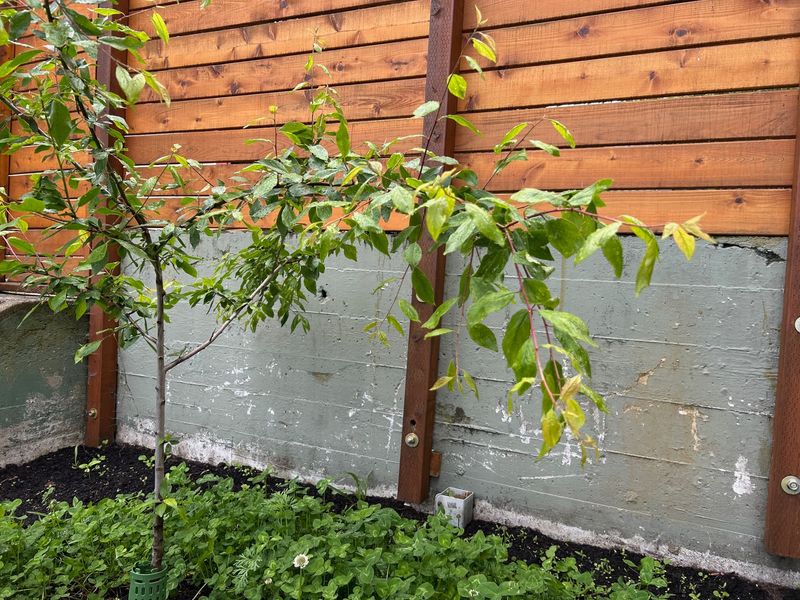
Fruit gets heavier every week as summer moves along, and a branch that looked steady right after bloom can start bowing noticeably by midsummer.
Gardeners who checked their Oregon plum trees early in the season sometimes miss this shift because they assume the initial thinning handled everything.
Going back out to inspect branch angles, joints, old injuries, and heavily loaded sections is worth doing more than once during the growing season.
When a branch appears deeply strained, removing additional fruit from that section is generally more useful than waiting to see what happens.
A limb under serious pressure can split at a branch union, especially where the angle is narrow or where the wood has an older wound nearby.
Reducing the weight carried by that branch lowers the chance of structural damage before harvest arrives.
Temporary props made from padded lumber or sturdy stakes can provide short-term support for a bending limb, but they work best as a stopgap while you also reduce fruit load and plan for structural pruning later in the dormant season.
Props are not a substitute for thinning or proper tree training.
Avoid heavy pruning while the tree is actively carrying fruit, since removing large limbs during the growing season can stress the tree unnecessarily.
If a large branch looks genuinely hazardous, stay clear of the area beneath it and consider reaching out to a qualified arborist for guidance specific to your Oregon growing situation.
5. Harvest Ripe Plums Promptly As They Mature
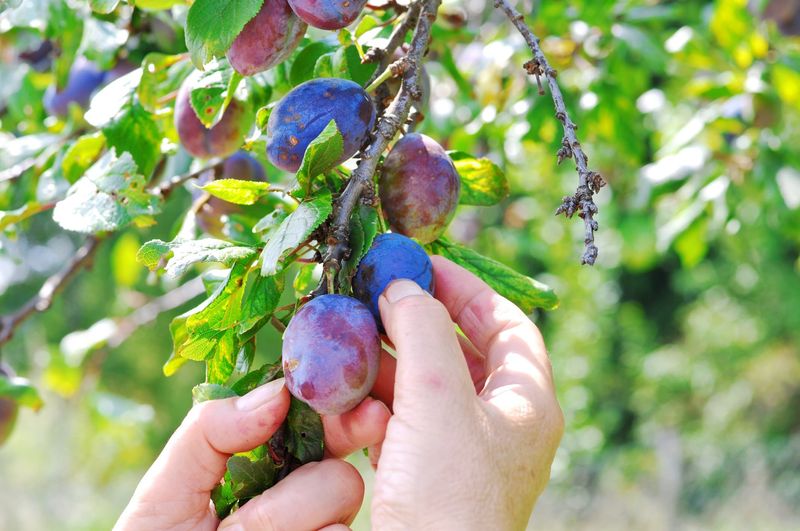
Summer harvests in Oregon can stretch across several weeks because plums on the same tree rarely ripen all at once.
Checking the tree every few days rather than waiting for a single big harvest lets you catch fruit at its best and removes weight from the branches gradually rather than all at once.
Regular rounds through the tree keep the harvest manageable and reduce the amount of overripe fruit sitting on loaded limbs.
Ripeness varies by cultivar, so color alone may not tell the full story for every variety.
A ripe plum generally shows the color appropriate for its type, gives slightly when pressed gently near the stem end, separates from the branch with a light twist, and tastes sweet and fully developed.
Plums picked before they reach this stage may not ripen well off the tree, so patience during each harvest round matters.
Handle ripe plums carefully because bruised or split fruit deteriorates faster than fruit kept intact. Set picked plums gently into a basket or bucket rather than dropping them in.
Moving through the tree in multiple passes also gives you the chance to spot branches that are still carrying more fruit than they should, letting you remove a few extra plums from strained sections before they become a bigger concern.
Prompt, attentive harvesting is one of the simplest ways Oregon home gardeners can protect both the current crop and the long-term structure of their plum trees.
6. Remove Fallen, Rotting, And Mummified Fruit
Walking beneath a heavily loaded plum tree after a warm Oregon summer week often reveals a surprising amount of fallen fruit.
Some of it dropped because of wind, birds, insects, or natural thinning by the tree, and some dropped because it was already damaged or rotting.
Regardless of the cause, leaving that fruit on the ground for long periods is not ideal for orchard hygiene.
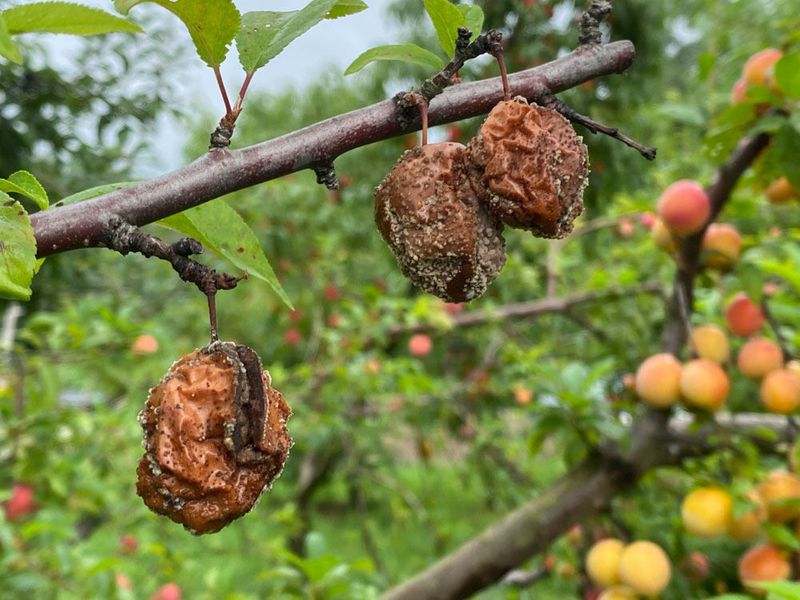
Brown rot, caused by fungal pathogens, can persist in infected plant material including mummified fruit that clings to branches through winter.
Removing shriveled, brown, or obviously diseased fruit from both the tree and the ground when practical reduces the amount of infected material near your plum tree.
Not every fallen plum carries disease, but regular cleanup makes it easier to notice new problems and keeps the area under the tree cleaner through the rest of the growing season.
When disposing of fruit that appears infected, follow local guidance rather than adding it to a compost pile where the pathogen may survive. Burying fruit deeply or placing it in a covered bin away from susceptible trees is generally a more cautious approach.
Avoid aggressive raking or deep soil disturbance beneath the tree because many feeder roots grow close to the surface and can be damaged easily.
A light, careful cleanup done consistently throughout the season is more useful than one heavy cleanup at the end of harvest for Oregon plum growers dealing with a heavy crop year.
7. Maintain Appropriate Soil Moisture During Fruit Development
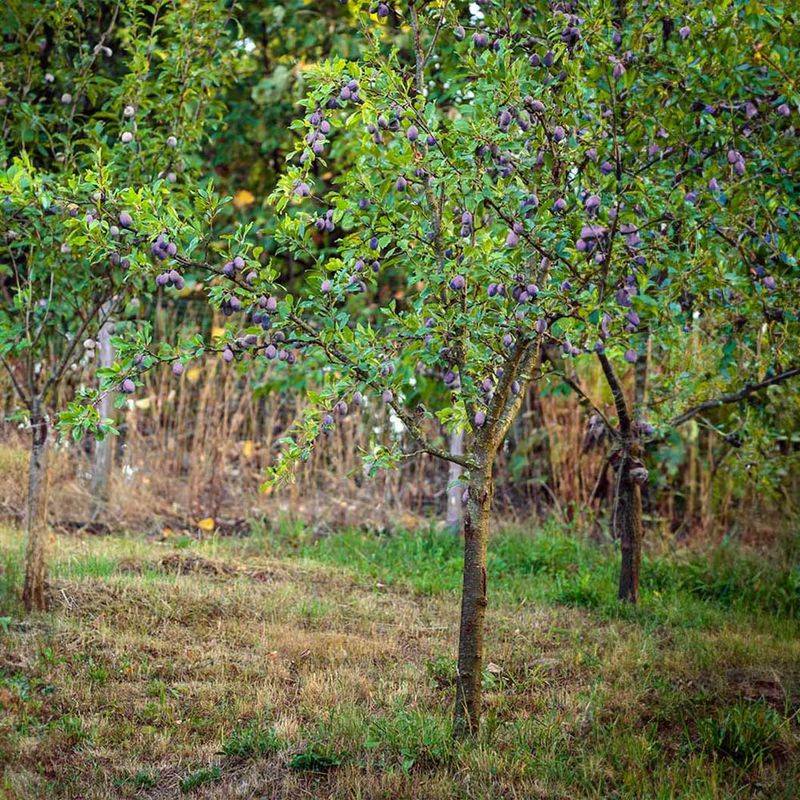
Oregon summers can be remarkably dry, especially in the Willamette Valley, southern, central, and eastern Oregon, where weeks can pass without meaningful rainfall from late June through September.
A plum tree carrying a heavy crop still needs appropriate moisture as fruit develops during this period, and letting the soil dry out too deeply can affect fruit quality and branch stress.
Checking the soil regularly rather than relying on a fixed watering calendar gives you more accurate information about what the tree actually needs.
Watering needs vary considerably depending on tree age, soil texture, root depth, mulch coverage, temperature, wind, drainage, and your specific Oregon region.
A younger tree in sandy soil during a heat wave needs water more frequently than a mature tree in a heavier loam during a mild coastal summer.
Water should reach the active root zone rather than just wetting the surface near the trunk, since shallow watering encourages surface roots that are more vulnerable to heat and drought stress.
Keeping the soil continuously saturated is not the goal, and poorly drained conditions can contribute to root problems over time.
Mulch applied appropriately around the base of the tree can help conserve moisture and moderate soil temperature, but keep it a few inches away from direct contact with the trunk to reduce moisture buildup there.
Consistent, thoughtful irrigation during fruit development supports both the current crop and the overall health of your plum tree through a demanding heavy-crop season.
8. Prune And Train The Tree To Reduce Future Overloading
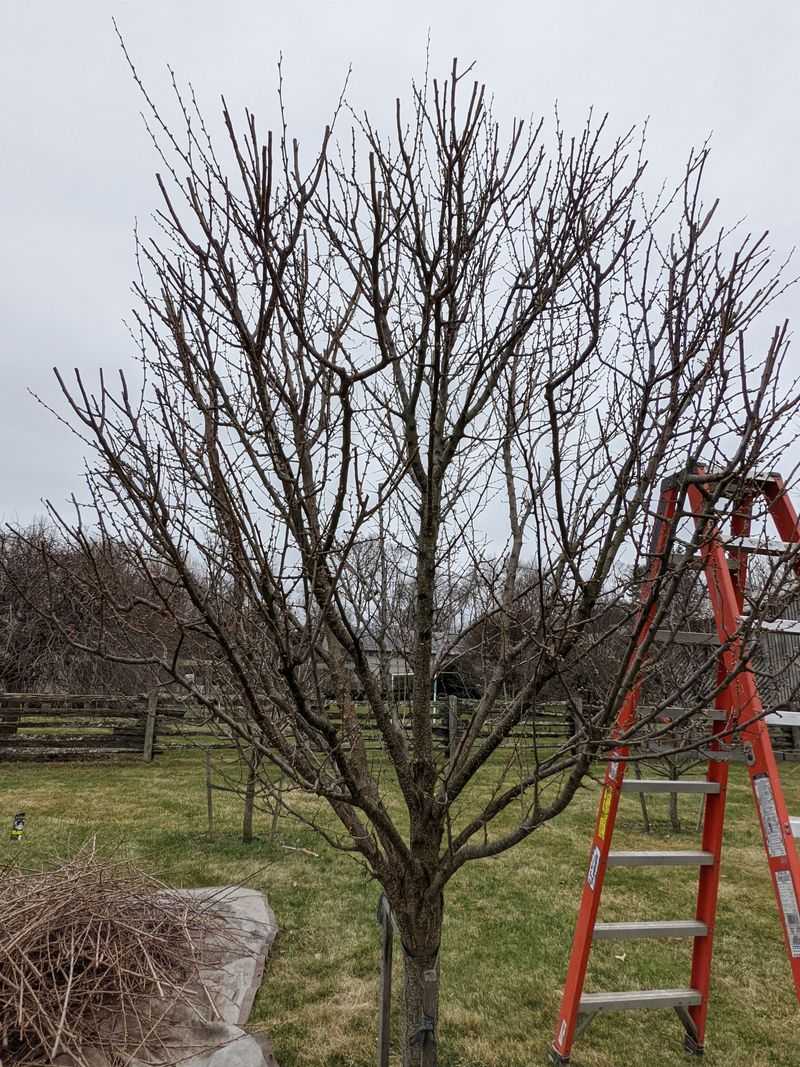
A single heavy crop year is often the moment gardeners start thinking more seriously about their plum tree’s long-term structure.
Annual structural pruning and training can help create a canopy that carries fruit more effectively, allows light to reach developing plums, and improves air movement through the tree.
Removing poorly placed, damaged, crossing, or excessively crowded growth during the appropriate dormant season is the right time to address these structural concerns.
Pruning cannot replace fruit thinning during a year when the tree is already loaded.
Avoid severe pruning as an emergency response while fruit is developing because removing large limbs under those conditions stresses the tree without solving the immediate overloading problem.
Once harvest is complete and the tree moves into dormancy, that is the better time to assess structure and plan the work carefully.
Timing and methods can differ between European plums and Japanese plums, between young trees and established ones, and across Oregon growing regions where climate and tree vigor vary.
Overly aggressive pruning can push the tree toward strong vegetative regrowth rather than balanced fruiting, so moderate, consistent annual attention tends to work better than drastic cuts every few years.
Plum trees naturally produce uneven crops from year to year, and thinning combined with good structural training may help reduce the severity of that cycle over time, though it cannot control every factor affecting flowering and fruit set.
When large limbs or weak branch unions are involved, consulting a qualified arborist familiar with Oregon growing conditions is a reasonable step.