Butterfly Weed Is The One Native North Carolina Monarchs Depend On, And Here’s The Window To Plant It
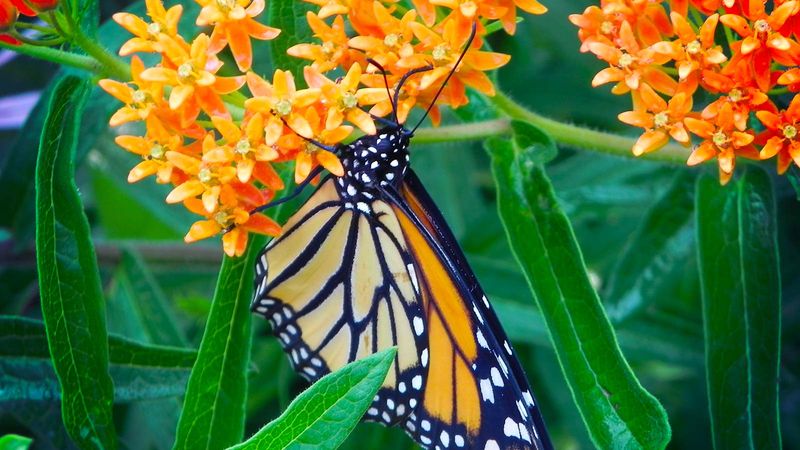
Bright orange clusters on a knee-high plant, a monarch pausing mid-flight, and a yard that feels like it is doing something good for the world. Butterfly weed (Asclepias tuberosa) earns that moment, and it genuinely belongs in many North Carolina gardens. The headline above overstates the case a little, though, because monarchs can use about 16 native milkweed species found across the state, not just one. What follows is the honest version: why butterfly weed works so well in sunny, well-drained yards, and exactly when to get it in the ground.
Why Butterfly Weed Works in Many Yards
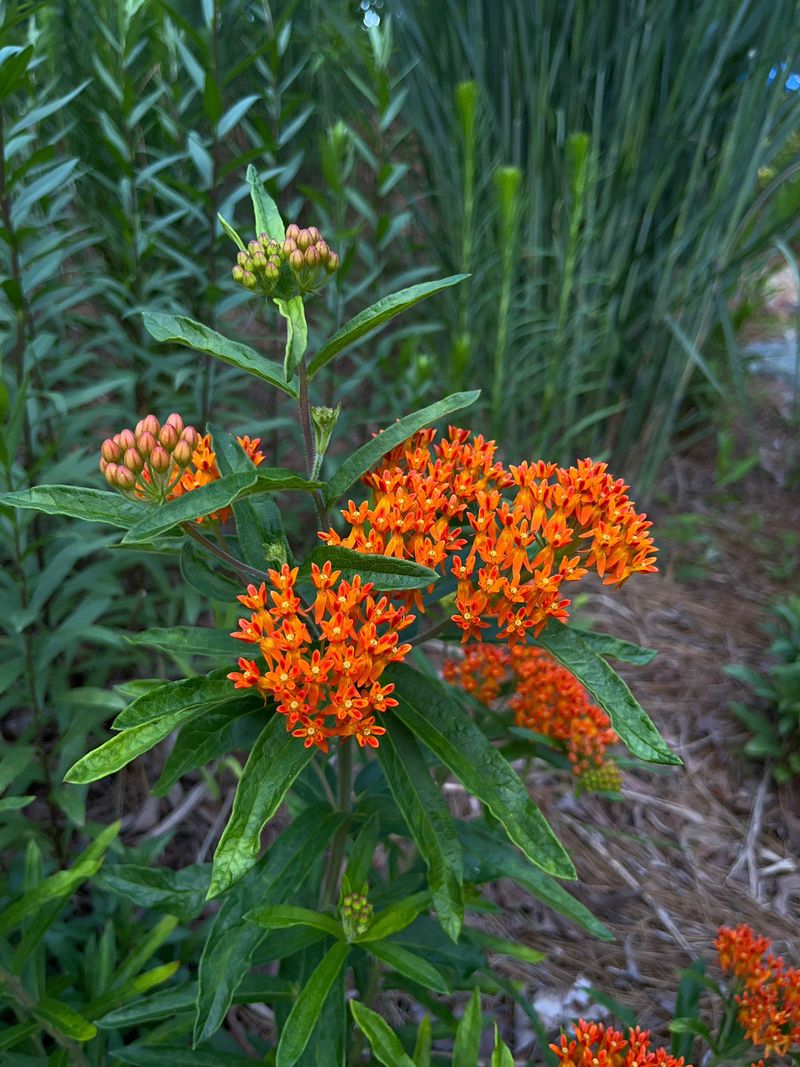
Sunny spots with dry or sandy soil can be hard to plant well, and butterfly weed was practically designed for them. Asclepias tuberosa is a native herbaceous perennial that typically grows about 1 to 2 feet tall and 1 to 1.5 feet wide, forming a tidy clump rather than spreading across a bed. NC State’s plant database describes it as exceptionally drought-tolerant, which makes it a strong fit for Piedmont slopes, Sandhills beds, and Coastal Plain borders where summer heat and afternoon storms alternate with stretches of bone-dry soil.
The plant is native across North Carolina’s major ecoregions, so it is already tuned to local conditions rather than fighting them. Its compact habit is a real advantage for homeowners who want something manageable in a residential border. Many milkweed relatives can spread aggressively through underground rhizomes, which works well in a naturalized meadow but can feel like a surprise in a tidy front bed. Butterfly weed stays put.
The flowers are vivid flat-topped clusters in orange, occasionally yellow, blooming from May through August. Monarch caterpillars eat the foliage, and adult monarchs, along with native bees and swallowtails, visit the blooms for nectar. One planting earns its keep across multiple seasons. The honest preview: butterfly weed rewards the right site, and the right site means sun and drainage, not a wet corner or a shady spot under a dogwood.
Monarchs Need Milkweed, Not One Species
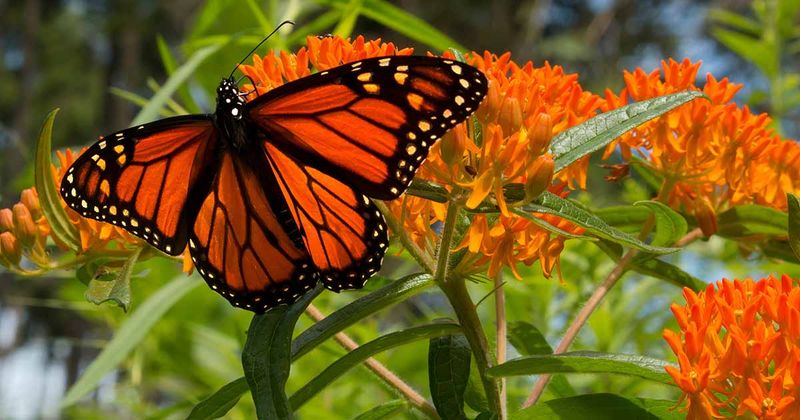
Here is where the headline needs a small correction. Female monarchs lay eggs on milkweed, and the caterpillars that hatch eat milkweed foliage almost exclusively. That part is true and well-established. What is not accurate is the idea that they depend on one species.
NC State Extension’s native plants handbook identifies about 16 native milkweed species in North Carolina, and monarch caterpillars can use all of them as host plants. Butterfly weed and swamp milkweed (Asclepias incarnata) are two common landscape choices, but the broader family is what monarchs actually depend on. Planting butterfly weed in a sunny, dry yard is a genuinely useful contribution, but it is one piece of a much larger picture.
Butterfly weed does stand out for residential use because of its clumping growth. Some milkweeds, including common milkweed (Asclepias syriaca), spread through rhizomes and can colonize a wide area over a few seasons. That is fine in a large naturalized planting, but it surprises people in a small bed. Butterfly weed generally holds its ground, which makes it easier to manage alongside other perennials.
Your North Carolina Garden Changes Every Week. Your Plan Should Too.
Gardening in North Carolina changes quickly throughout the season. Every Friday you’ll receive a simple weekly plan showing exactly what to plant, prune, fertilize, harvest, and protect so you never miss the right timing.
So calling it a strong single choice for a sunny, well-drained yard is fair. Calling it the one milkweed monarchs need is not. U.S. Fish and Wildlife Service guidance on monarchs reinforces that the goal is native milkweed habitat broadly, not any single species.
Fall Is the Easiest Seed-Sowing Window
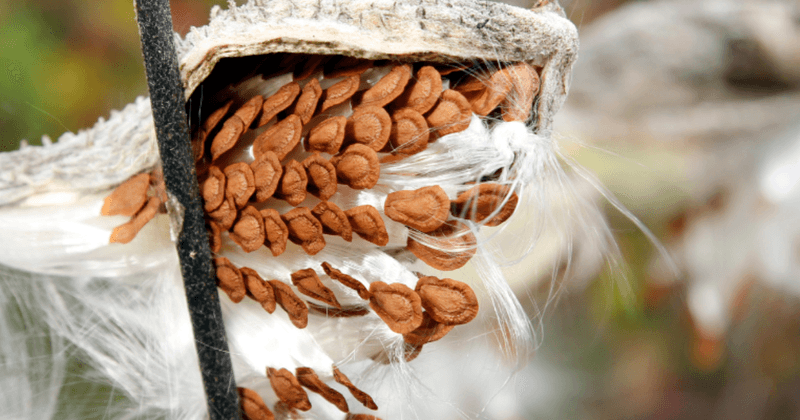
Seeds and nursery-grown plants are two different conversations, and mixing them up leads to real frustration. A container plant you buy at a native-plant sale has already cleared the germination hurdle. A seed packet has not, and butterfly weed seed needs a period of moist cold before it will sprout reliably, a process called stratification.
Fall sowing is the simplest way to let nature handle that step. Monarch Joint Venture’s milkweed planting guidance supports fall as a favorable window because winter rain and cold temperatures in North Carolina do the stratification work for you. Scatter or lightly press seed onto prepared, weed-free soil rather than burying it deeply. Mark the spot clearly, because bare soil in late fall looks like every other bare patch of ground, and spring weeding can remove seedlings before you realize what they are.
Keep thick mulch away from the seeded area. A heavy layer can block light and air movement in ways that interfere with germination. A light covering of fine compost or nothing at all works better for small seeds like these.
Spring sowing can work, but the seeds generally need refrigerator stratification first. Moisten a paper towel, wrap the seeds inside it, seal them in a plastic bag, and refrigerate for four to six weeks before sowing. The exact treatment can vary by seed source, so follow the packet instructions when they differ. Fall sowing sidesteps that whole process, which is why it is the easiest starting point for most North Carolina gardeners.
Choose Sun and Drainage Before Planting
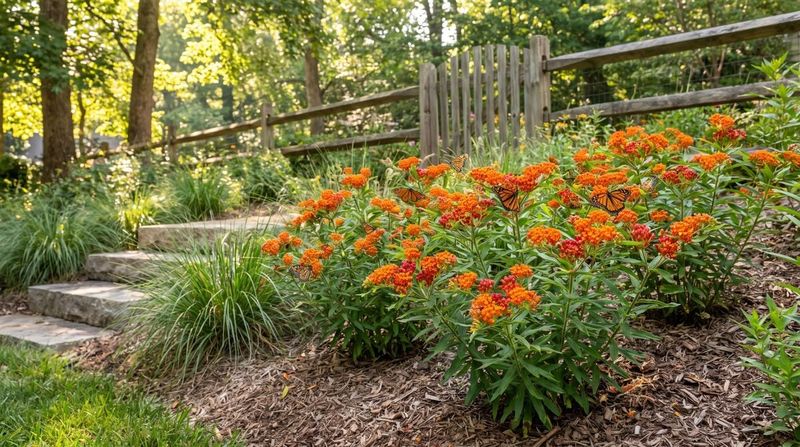
Pick the wrong spot and butterfly weed will struggle quietly for a season or two before giving up. Pick the right spot and it will mostly take care of itself. The prescription is straightforward: at least several hours of direct sun, soil that drains freely after a rain, and enough room for a plant roughly 1 to 1.5 feet wide at maturity.
That description fits a lot of North Carolina yards. NC State Extension points to well-drained and average-to-dry soil as the core requirement, which translates well to sunny Piedmont slopes, the sandy soils common across the Coastal Plain, rocky or thin-soiled mountain sites, and the dry, open conditions typical of the Sandhills. A south- or west-facing border that bakes in summer is not a problem for this plant; wet feet after a heavy rain are.
Coastal gardeners in zones 8a and 8b can grow butterfly weed successfully in raised or sloped beds where water moves away quickly. The concern is not heat or humidity but poor drainage, which encourages root rot in a plant that evolved for dry conditions.
When soil stays consistently moist or sits in shallow water after storms, reach for swamp milkweed (Asclepias incarnata) instead. Penn State Extension’s profile of butterfly weed makes clear that wet conditions are a poor match, while swamp milkweed is actually suited to rain gardens and flood-tolerant plantings. Matching the plant to the site is the single most important step before anything goes in the ground.
Handle the Deep Root Carefully
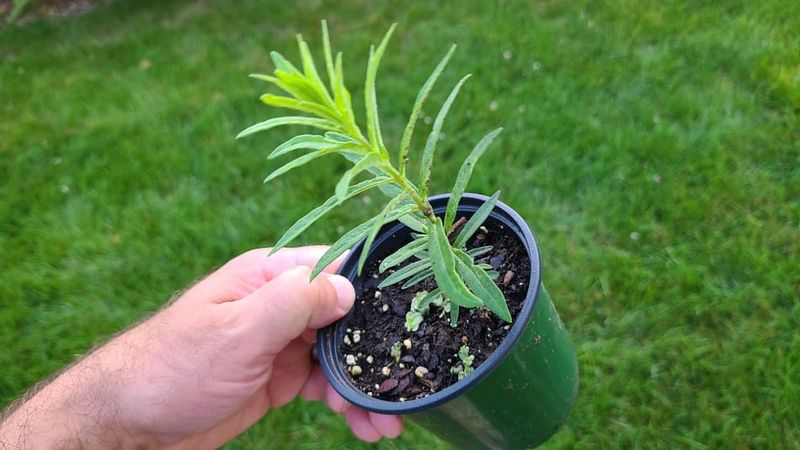
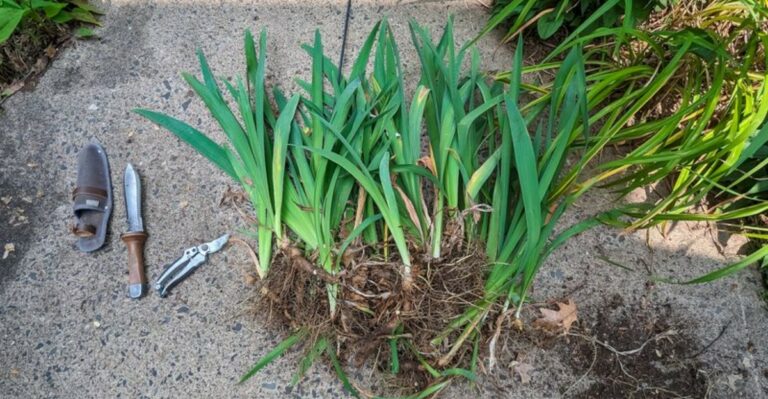
Butterfly weed has a secret underground. The plant develops a deep tuberous or taprooted system that anchors it through summer drought and hard winters, and that root is why established plants are so resilient. It is also why moving or disturbing an established plant is a losing proposition.
Penn State Extension notes that the taproot makes transplanting difficult once the plant is settled, so the best practice is to choose the site carefully before planting and avoid repeatedly moving it. When installing a nursery-grown container plant, dig the hole to match the root ball depth, ease the plant out without tearing the root, and settle it in without bending or forcing the taproot into a sharp angle.
Space plants about 18 to 24 inches apart when creating a small grouping. That gives each plant room to fill out without crowding while keeping the planting dense enough to be useful to pollinators visiting across the bloom period.
Water consistently for the first several weeks after planting, especially if temperatures climb above 85 degrees or if North Carolina’s afternoon storms skip your neighborhood. The root system needs time to spread before it can sustain the plant through dry spells on its own. NC State’s plant toolbox entry for butterfly weed notes that seed-grown plants may take two to three years to establish and flower. A first-year plant that produces only a few leaves is not failing; it is building the root system that will make it thrive for decades.
Patience here pays off more than any extra fertilizer.
Add Nectar Beyond the Milkweed
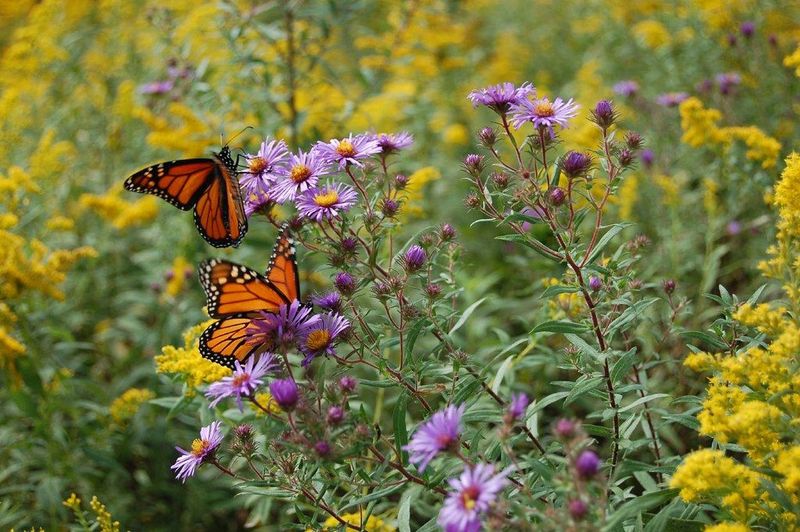
Milkweed handles the caterpillar side of the equation, but adult monarchs need nectar from many different flowers across the breeding and migration seasons. A yard with only butterfly weed gives monarchs a place to lay eggs but not much else to fuel a long journey.
Butterfly weed blooms from May through August, which covers part of the season well. NC State Extension’s butterflies guide recommends building a succession of native nectar plants that carry bloom from early spring through fall. Native plants like wild bergamot, coneflowers, and ironweed extend the mid-season window. Goldenrod and native asters are especially valuable because they peak in September and October, exactly when fall-migrating monarchs move through North Carolina.
North Carolina Parks’ monarch records show the species present in the state from roughly early April through most of November, with fall migration most noticeable from August through October, often along mountain ridges and the coast. That is a long window, and a yard with only one or two bloom periods leaves gaps when migrating adults are moving through and need fuel.
The practical goal is not an elaborate garden redesign. Adding two or three native species that bloom after butterfly weed fades, especially goldenrod and asters, meaningfully extends the nectar available in your yard. Monarch Joint Venture’s habitat guidance frames this as layering resources rather than relying on any single plant. A monarch passing through in October does not care about the milkweed at that point; it needs nectar, and goldenrod is one of the best sources in the state.
Avoid Pesticide and Milkweed Shortcuts
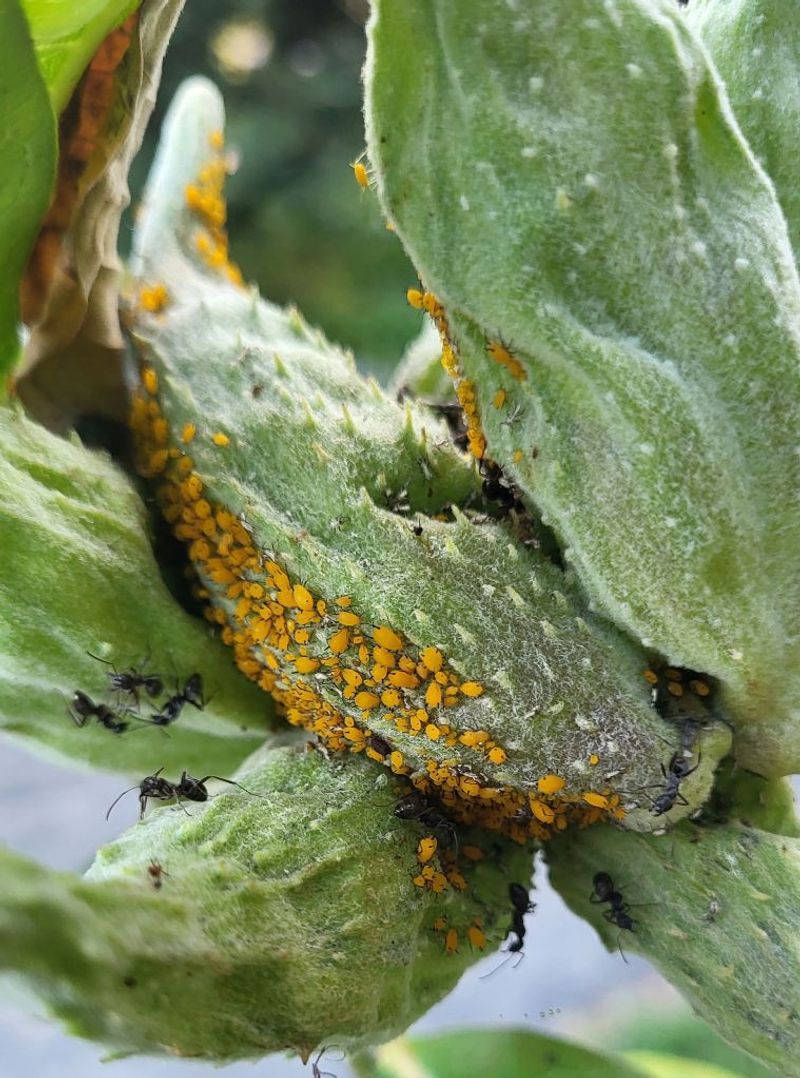
Milkweed aphids are bright yellow-orange, they cluster in large groups on stems and buds, and they look alarming. The instinct is to reach for a spray. That instinct can do more damage than the aphids.
Xerces Society’s milkweed FAQ recommends nonchemical options when aphid pressure is genuinely problematic: knock them off with a strong stream of water or remove them by hand. Systemic insecticides applied to milkweed can persist in plant tissue and harm monarch eggs and caterpillars feeding on treated leaves, as well as bees and other flower visitors. Spot treatments with contact insecticides carry similar risks if caterpillars are present. The aphids rarely kill a healthy established plant, and natural predators like lady beetles often show up within a week or two and reduce the population on their own.
Buying plants from a reputable native-plant source matters more than most gardeners realize. Research on pesticide residues in retail nursery milkweeds found that plants can carry systemic insecticide treatments that are not visible and not always disclosed. Ask the seller directly whether the plants were treated with systemic insecticides before you buy.
Tropical milkweed (Asclepias curassavica) is a common nursery plant that looks attractive and is easy to find, but it is nonnative in North Carolina. Monarch Joint Venture explains that tropical milkweed can remain green through mild winters in warmer parts of the state, which can encourage monarchs to breed out of season and increases exposure to Ophryocystis elektroscirrha, a protozoan parasite commonly called OE. Native milkweeds are the safer and more ecologically appropriate choice.
One more note on safety: U.S. Fish and Wildlife Service guidance points out that milkweed contains cardenolides, compounds that are toxic if eaten in meaningful quantities. Ordinary garden contact is not a crisis, but keep plant material away from children and pets who might chew on stems or leaves, and wash your hands after handling the sap.
Build Habitat With Realistic Expectations
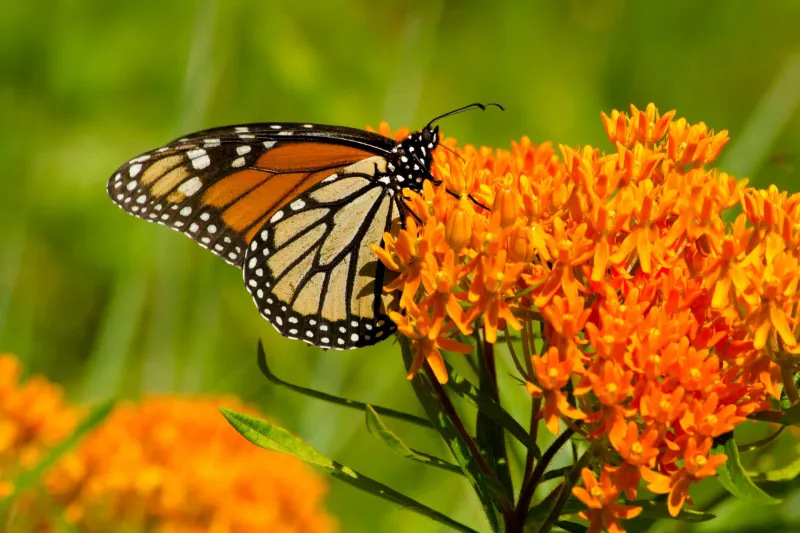
A single planting of butterfly weed will not rescue the monarch population, and it may not bring a monarch to your yard this season or next. That is the honest version, and it is also not a reason to skip the plant. Habitat is built one useful piece at a time, and butterfly weed in a sunny, well-drained North Carolina yard is a genuinely durable piece.
The practical decision rule is simple. Sow seed in fall when you can, so winter handles the stratification. Plant container-grown specimens in fall for a head start on root establishment, or in spring and summer if you can water consistently through the heat. When soil stays wet, swap in swamp milkweed and save butterfly weed for the drier spots.
USGS research on milkweed and floral resource availability for monarchs underscores that both host plants and nectar sources matter across the full range. Monarch Joint Venture’s habitat framework adds that reducing pesticide exposure and supporting a variety of native flowering plants amplifies the value of any milkweed planting.
Monarchs can appear in North Carolina from April through November, with fall the most reliable window for spotting migrants moving along the mountains and coast. A new or small planting may go unvisited for a season or two, and that does not mean it is failing. The plant is doing its job by existing, by feeding the soil food web, supporting native bees through summer, and waiting. Butterfly weed is not a quick fix, it is a quiet, long-lived commitment to a yard that works.