8 Reasons Green Anoles Taking Over Your North Carolina Yard Means You Did Something Right
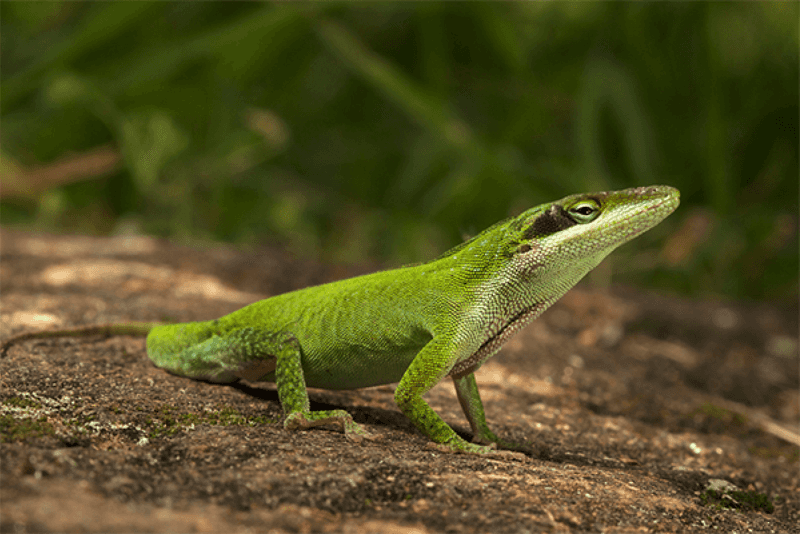
You carry your coffee out to the back steps on a warm June morning, and a little green lizard freezes on the porch rail, throat puffing pink. Most people jump. You should smile instead. That bright green anole sunning itself in your North Carolina yard is not a nuisance, it is a report card, and the grade is good.
Here are eight reasons those tiny visitors mean you have been doing right by your patch of the world.
1. You Skipped The Heavy Spraying
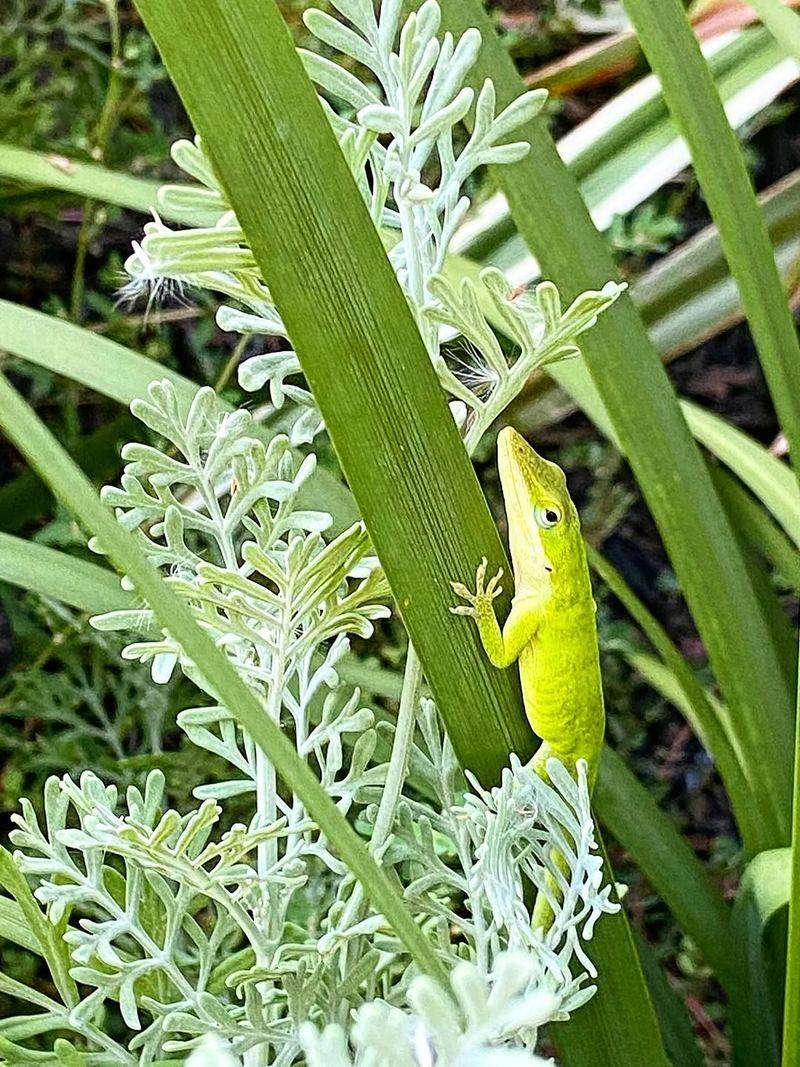
A yard crawling with anoles is quietly telling the neighborhood that you did not douse the place in broad chemicals. Green anoles, Anolis carolinensis, are thin-skinned and eat live insects, so they vanish fast where pesticides linger.
Here is where it gets tricky. Many Piedmont homeowners spray for mosquitoes every few weeks, then wonder why the lizards disappear. Those same treatments wipe out the small bugs anoles hunt, so the food web collapses from the bottom up.
When you see a dozen anoles working your azaleas and fence line, it means the poison chain never started. You let beetles, gnats, and spiders live, and the predators followed the meal.
The fix costs you nothing. Keep skipping the blanket sprays, or swap to spot treatments only where a real problem sits, then reassess in two weeks. NC State Extension recommends targeting pests instead of treating whole yards, which protects beneficial wildlife.
Empty rain saucers and clogged gutters breed mosquitoes anyway, so dump standing water every 3 to 4 days and let the anoles handle the rest. You get fewer bites and more free pest control. That green lizard on the rail is genuinely a thank-you note.
2. Your Yard Actually Grows Their Food
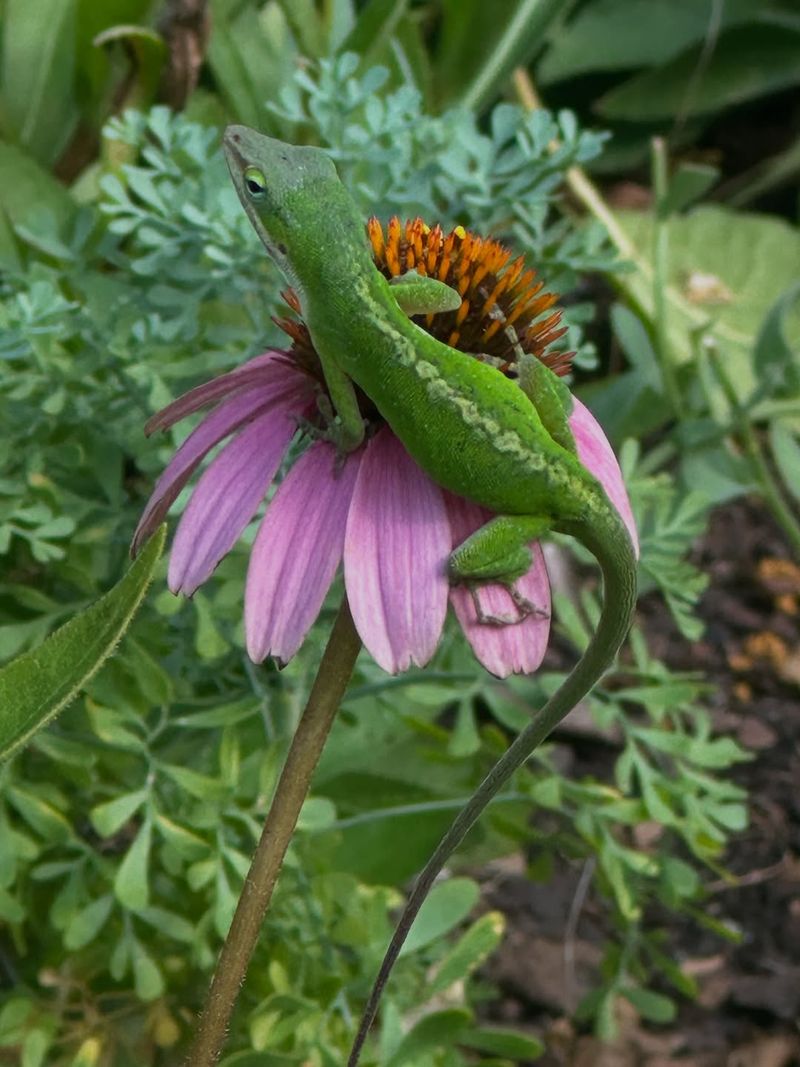
Anoles do not move into empty lawns. They pile up where the buffet is stocked, and a stocked buffet means your yard hums with the small life that holds an ecosystem together.
A single adult anole eats crickets, flies, moths, spiders, and grubs almost daily. So a yard supporting several of them is producing a steady insect supply, which only happens when plants, leaf litter, and soil are all working.
Think about what that means for your cookout. The bugs that would have found your potato salad are instead feeding the lizard on your deck post. You built a working food chain without buying a thing.
Want to feed the whole system on purpose? Plant native perennials like Joe Pye weed, Eutrochium purpureum, and goldenrod, Solidago, which pull in the pollinators and soft-bodied insects anoles love. Space them 18 to 24 inches apart in a sunny bed.
Leave a few square feet of mulch or fallen leaves undisturbed near the beds, because that damp layer breeds the tiny prey. It is not a magic solution, it is one layer, but the anoles will vote with their feet. Genuinely, they show up where the eating is good.
3. You Left Them Places To Hide
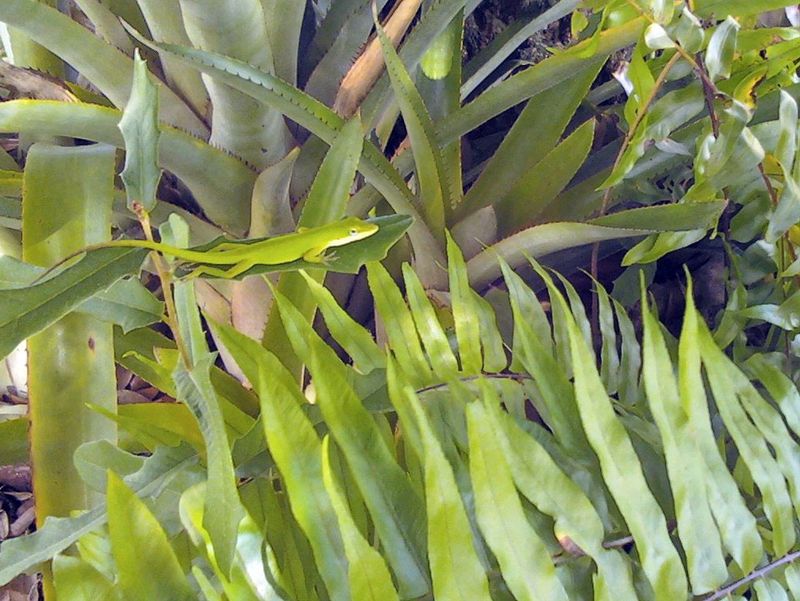
Bare, tidy yards read like a desert to an anole. The fact that yours is thick with them means you left the messy edges these lizards need to feel safe.
Your North Carolina Garden Changes Every Week. Your Plan Should Too.
Gardening in North Carolina changes quickly throughout the season. Every Friday you’ll receive a simple weekly plan showing exactly what to plant, prune, fertilize, harvest, and protect so you never miss the right timing.
Anoles are climbers and hiders. They dart from shrub to fence to woodpile, always within a quick sprint of cover, because hawks and house cats are always hunting. A yard with layers gives them that safety net.
So when they colonize your space, it is proof your landscaping has structure. You kept the hydrangea, Hydrangea macrophylla, thick at the base, you did not scalp every shrub into a green ball, you let a brush pile sit in the back corner.
Keep building that. Add a low native shrub like inkberry holly, plant it 3 feet off the foundation, and let a small log or stone pile stay in a shady spot. Vertical cover matters most, so a trellis or a leaning fence board earns its keep.
Mild NC winters help, but a surprise cold snap into the 20s sends anoles diving for cover, and your brush pile becomes their shelter. You did not just decorate. You built a hideout that keeps them alive through the ugly nights.
4. Your Soil And Leaf Litter Are Alive
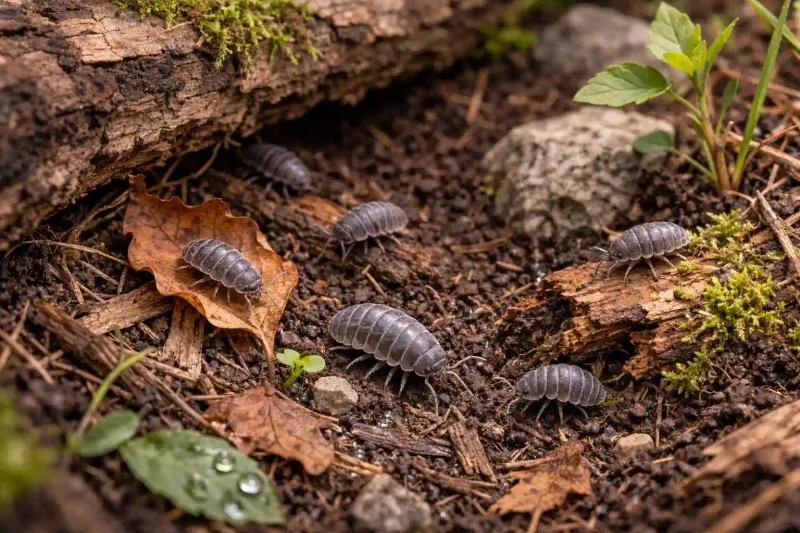
Flip over the mulch in a healthy bed and you find a whole city. That underground life is exactly what feeds the anole population parading across your patio.
Leaf litter and living soil breed pill bugs, springtails, and tiny beetles, the ground-floor food that supports spiders, which in turn feed lizards. Break that chain and the anoles thin out within a season.
Piedmont red clay gets a bad reputation, but topped with 2 to 3 inches of leaf mulch it turns into a nursery for small creatures. Many mountain and Sandhills gardeners find sandy soil does the same once they stop raking it clean every weekend.
Do this in fall. Rake your leaves into the beds instead of bagging them, laying them 2 to 3 inches deep around shrubs, and let them break down through winter. NC State Extension notes leaf litter shelters overwintering pollinators and beneficial insects.
By spring your soil holds moisture longer, your water bill eases in July, and the anoles have a full pantry. A yard where the dirt is busy is a yard where lizards thrive. You fed the invisible half of the system, and the visible half showed up to say thanks.
5. You Gave Them Sun And Warmth
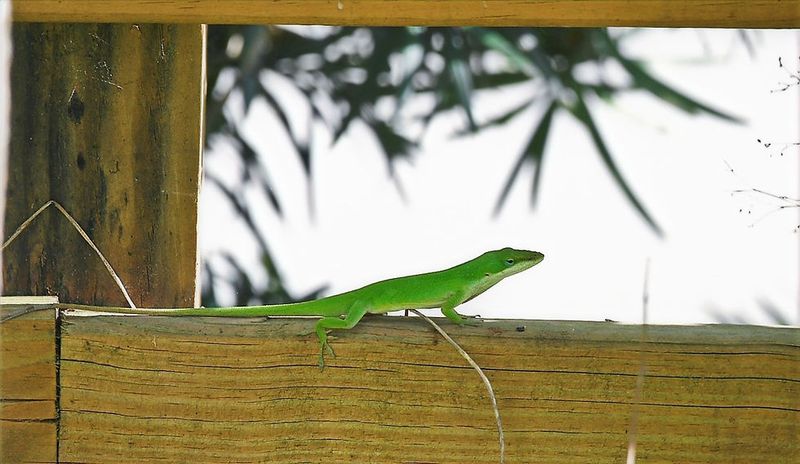
Cold-blooded and unbothered, an anole spends half its day sunbathing on your rail, and the fact it can means you left the sunny perches it needs to run its engine.
Anoles cannot make their own heat. They bask to warm up, usually settling on surfaces around 80 to 90 degrees before they hunt with any speed. A yard with warm, safe basking spots keeps them active and breeding.
Coastal Plain yards with their long, muggy summers are anole heaven, but even a shady Piedmont lot works if you left a few sunlit fence posts, rocks, or deck rails open to the morning light.
Encourage it simply. Keep a flat stone or a length of untreated wood in a spot that catches sun until mid-morning, then falls into shade by the hot afternoon, because 95-degree metal will cook them.
Position that perch within about 3 feet of a shrub so they can bolt to cover. You are not building a reptile spa, you are just leaving one warm ledge unbothered. That single sunny rail on your porch is doing more free pest work than any gadget you could buy.
6. They Are Keeping Your Pest Count Down
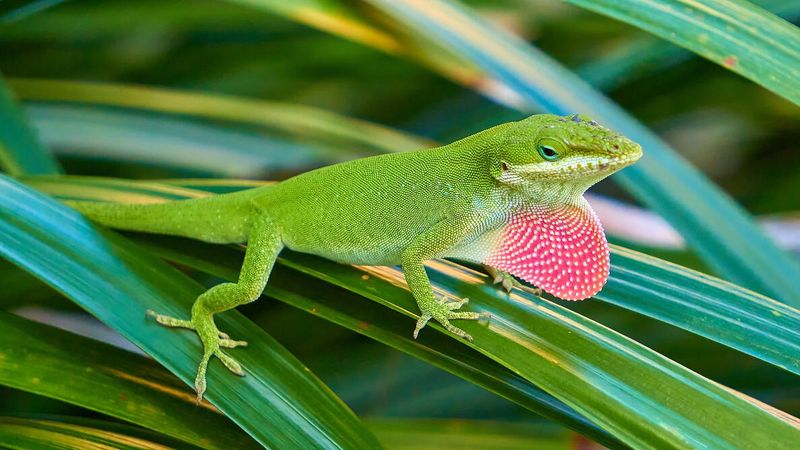
Every anole on your property is running a small, unpaid extermination business. And the more of them you host, the fewer pests reach your porch on a summer evening.
An anole works through dozens of insects a week, snapping up mosquitoes, gnats, moths, and the soft grubs that would chew your vegetable starts. Multiply that by a healthy population and the math turns real.
Picture the porch on a July night. The bugs that would have swarmed your light are getting picked off during the day by lizards you never hired. That is the felt payoff of a yard full of them.
Help them do more. Grow a mix of flowering natives and keep a shallow water source, like a plant saucer with a rock in it, refilled every 2 to 3 days so anoles and their prey stay put.
Be honest, they will not zero out ticks or Japanese beetles on their own, so pair them with tick-resistant border plants and morning beetle hand-picking. One layer among several. Still, a yard patrolled by lizards is a yard that fights back while you sleep. You built yourself a night shift.
7. You Made Room For Water They Can Reach
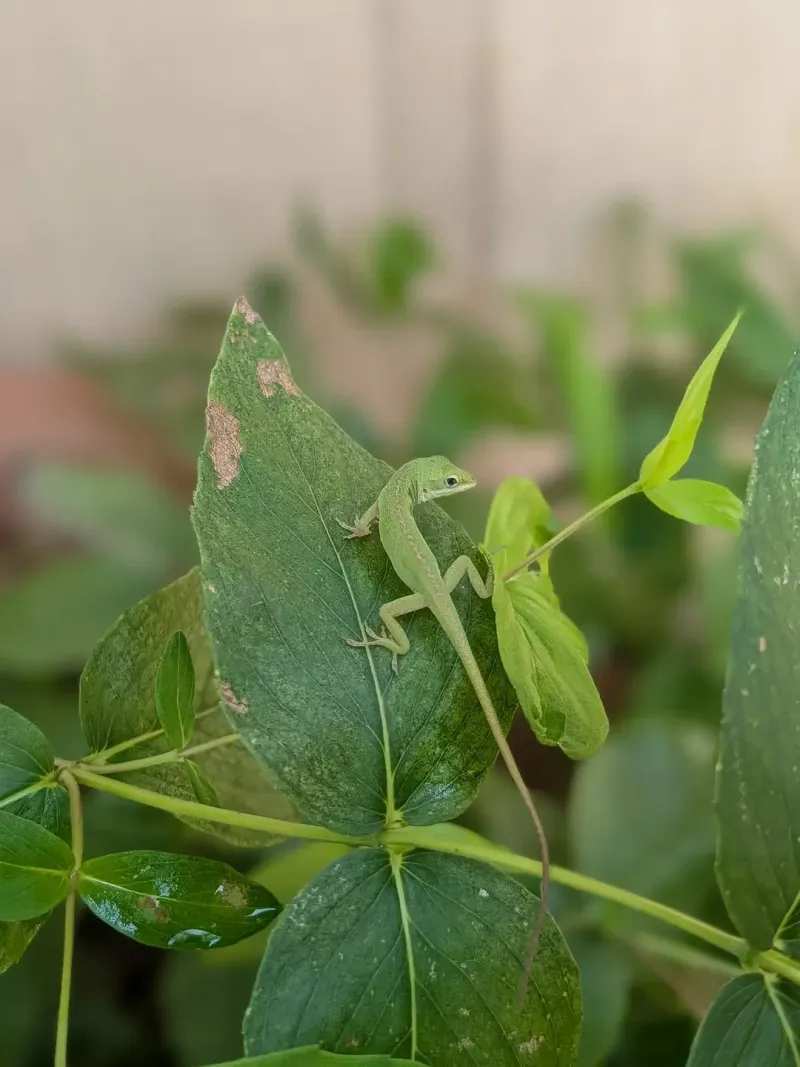
A myth says lizards get all their water from bugs. Truth is, anoles lap dew and droplets off leaves, so a yard full of them hints you left moisture within their reach.
Anoles drink from beaded water on foliage, wet mulch, and the rims of shallow dishes. In a bone-dry, over-manicured yard those droplets vanish by 9 a.m., and the lizards drift toward the neighbor with the leaky hose.
NC summers swing hard. Weeks of muggy afternoon storms, then a dry stretch that bakes the Sandhills and Piedmont for 10 days straight. Your yard holding moisture through both means your plant cover and mulch are doing their job.
Give them a reliable sip. Set a shallow saucer of water with a few pebbles for footing near a shrub, refresh it every 2 days, and rinse it weekly so it does not breed mosquito larvae.
A drip line or a morning hand-watering around 7 a.m. leaves dew on leaves right when anoles wake up and drink. You did not plan a lizard watering hole, but you built one anyway. In August, that small kindness is the difference between a yard they visit and one they never leave.
8. You Built A Yard That Balances Itself
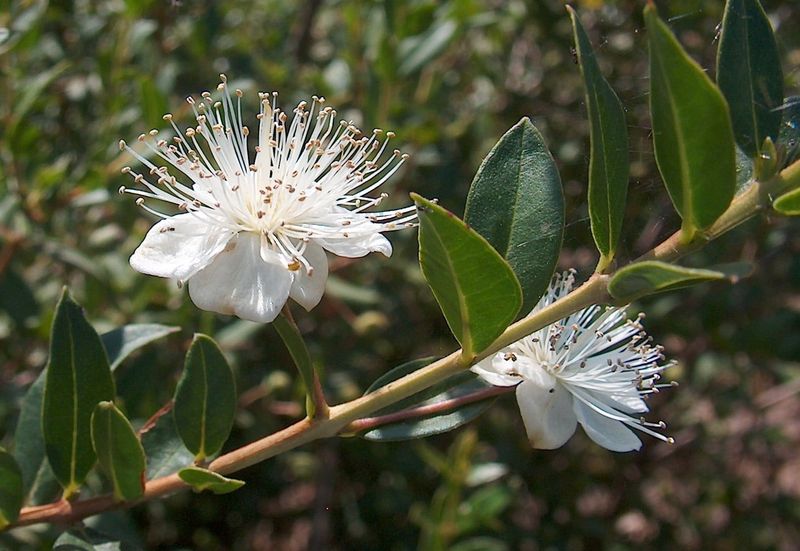
Step back and look at the whole picture, because a yard that fills up with anoles is not lucky, it is balanced. Every reason above stacks into one quiet truth about the way you tend your land.
A green anole sits near the middle of a working food web. Plants feed insects, insects feed lizards, lizards feed snakes and birds, and each layer keeps the next in check. When that whole chain runs, you get fewer pest outbreaks and less work.
That balance is the real prize for NC homeowners chasing a low-maintenance, healthy yard. You spend less on sprays, less on water, and less on replacing chewed-up plants, because the system does the labor.
Keep it steady through the seasons. Plant native, mulch with fallen leaves, leave a little wildness in the corners, and skip the blanket chemicals even when the stink bugs test your patience in October.
Come spring, the anoles return, throats flashing pink, sizing up your fence posts all over again. That is not an infestation. That is a healthy ecosystem reporting for duty, and you are the reason it works. Genuinely, you earned that little green stamp of approval.