The September Move That Decides If Your North Carolina Flowering Quince Blooms Next Year
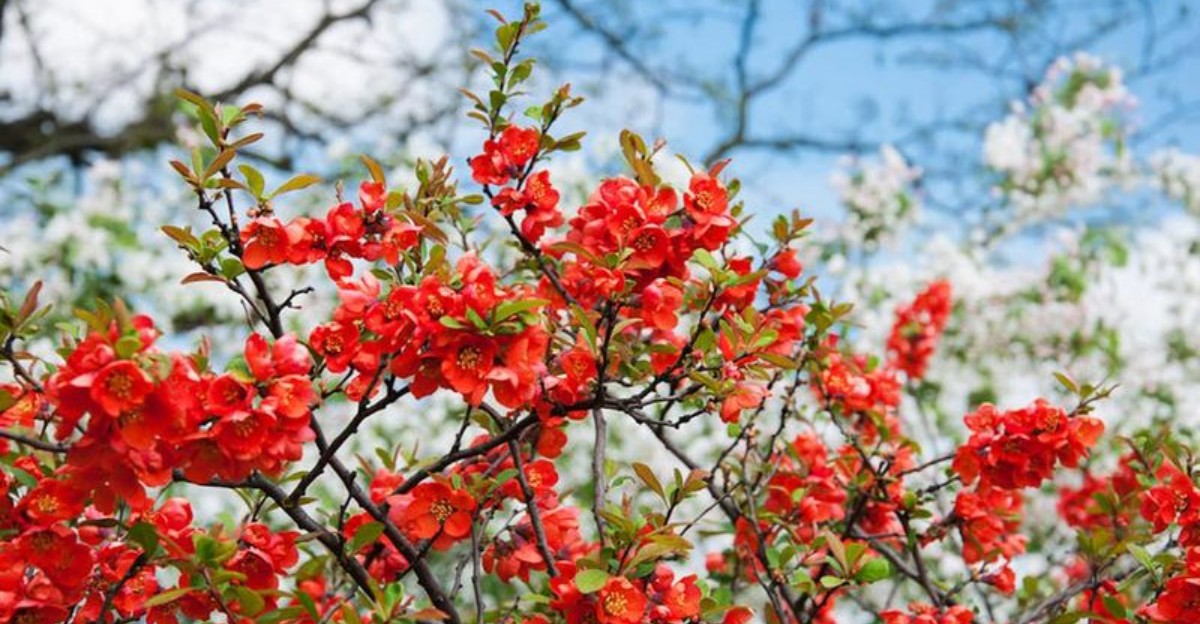
Early September in North Carolina still smells like warm mulch, cut grass, and charcoal smoke drifting over fences. The heat still insists it is summer, yet your yard has quietly begun writing next spring’s script.
Along the back fence, one old-fashioned shrub already settled its plans for March, weeks before anybody noticed. It did not ask for your opinion, and it will not be sending a reminder.
One ordinary move this month either protects that hidden promise or quietly erases it before Thanksgiving dinner. What makes it easy to miss is that the mistake looks responsible, neat, and honestly pretty satisfying.
Plenty of North Carolina gardeners repeat the same mistake each fall while humming and feeling wonderfully productive. The shrub, for its part, keeps score all winter long like a grudge-holding accountant with thorns.
The Pruners Stay Hung Up Through Fall
Here is the short version of the whole September story. The pruners get the month off, no matter how tempting that shaggy shrub looks.
Flowering quince builds its flower buds on wood that finished growing earlier in the summer. Those buds are already tucked along the stems, small and firm and easy to miss.
Cutting branches back in September feels tidy, yet it quietly removes next spring’s show. The shrub has no time left to replace what your blades take away.
So the real task is restraint, which many gardeners find harder than hauling mulch. Hang the shears somewhere inconvenient and let the shrub keep its lumpy shape.
Raking fallen leaves, pulling weeds, and checking mulch depth are all fine this month. Hand work around the base costs the plant nothing and keeps you busy.
Broken, cracked, or clearly damaged branches are the single exception worth touching now. Trim those back to healthy wood, then walk away before ambition takes over.
Fall pruning is popular in North Carolina because September weather finally feels bearable outside. Comfortable afternoons make a poor calendar for a shrub that flowers on old stems.
Neighbors may shear their shrubs into neat balls and brag about the clean look. Their spring flowers usually show up thin, while yours arrive thick along every branch.
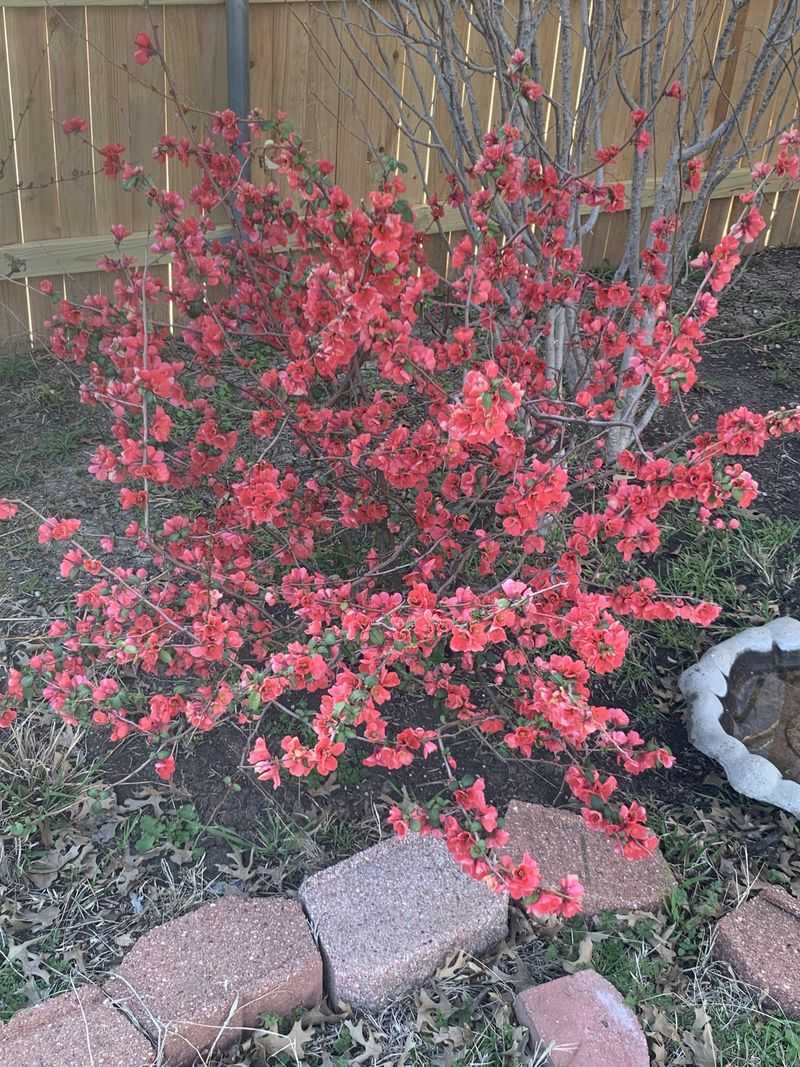
Leave things alone now and February repays you in coral, scarlet, or pale pink. Doing less has rarely paid better in a Carolina yard.
Old Wood And The Buds Already Formed
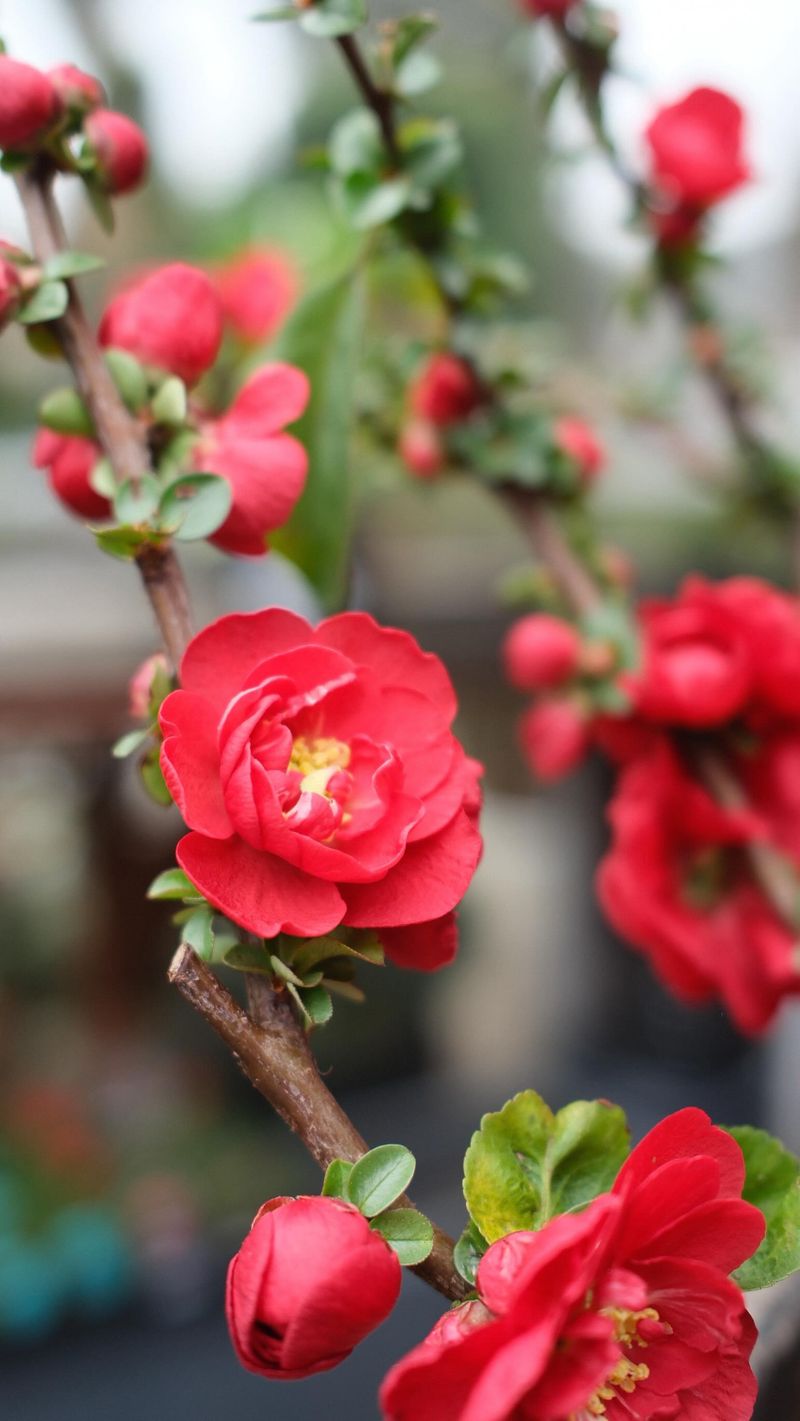
Think of flowering quince as a shrub that plans far ahead of its gardener. Its flower buds formed during late summer, long before cool weather showed up.
Those buds ride out fall and winter on stems that are a year or older. Fresh green shoots from this season carry very few flowers by comparison.
Gardeners call that habit flowering on old wood, and it explains the whole timing problem. Remove the old stems, and you remove the flowers attached to them.
Roses behave differently, which is exactly where most of the confusion in the garden begins. Many shrub roses bloom on new growth, so fall shaping barely bothers them.
Your North Carolina Garden Changes Every Week. Your Plan Should Too.
Gardening in North Carolina changes quickly throughout the season. Every Friday you’ll receive a simple weekly plan showing exactly what to plant, prune, fertilize, harvest, and protect so you never miss the right timing.
Quince, forsythia, and azalea all share that older-wood habit here in the Southeast. Pruning any of them in autumn trades spring color for a temporary tidy outline.
Run your thumb along a branch in late September and you can feel the buds. They sit close to the bark like tiny beads waiting for a signal.
Once you have felt those buds, September pruning stops feeling harmless at all. Each snip becomes a visible count of the flowers you agreed to give up.
Age also matters, since stems older than five years slowly flower less. Those tired canes get removed later, at the right point in the year.
Understanding the old-wood rule turns guesswork into a simple decision. The buds are already there, so the blades stay closed until spring finishes.
September Heat In The Carolinas And The Bud Clock
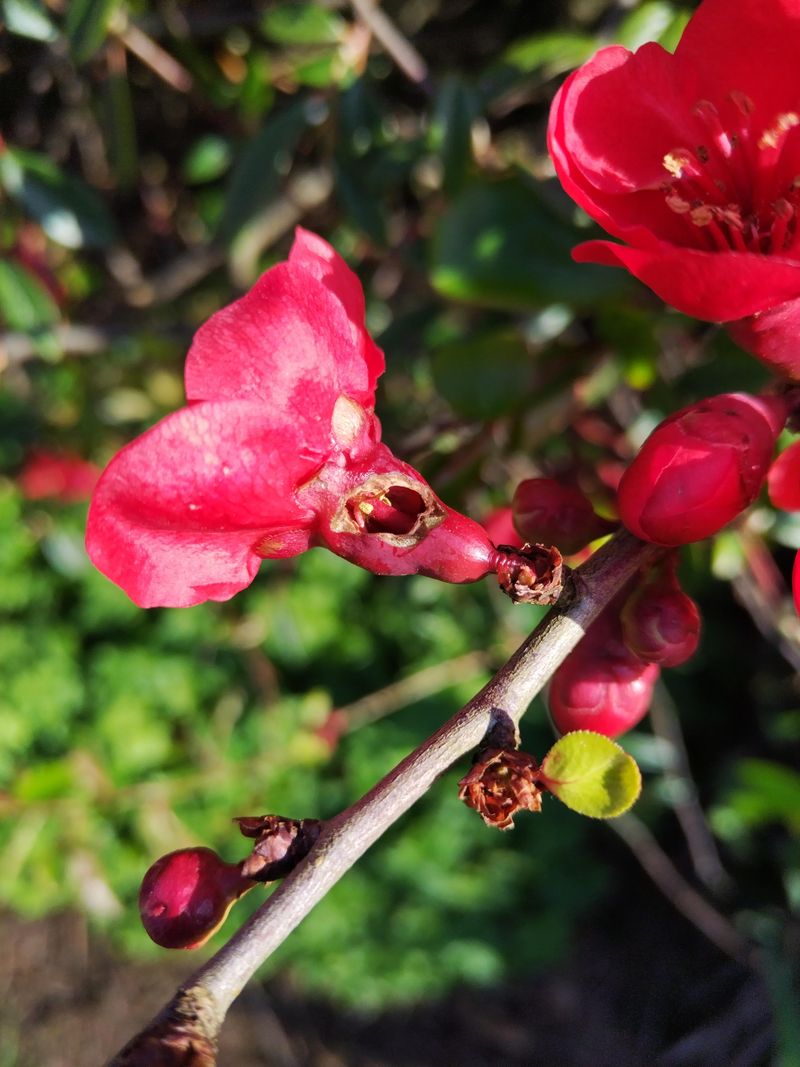
Carolina Septembers tell a small lie every single year without any shame. Afternoons still hit ninety degrees while the shrubs quietly shift toward winter preparation anyway.
Day length is the main signal telling flowering quince which season is arriving next. Shorter evenings started that signal back in August, whatever your thermometer claimed.
By now the buds are set and the plant is storing energy in its roots. Growth slows down, so wounds from cuts close more slowly than in spring.
A September trim also risks pushing soft new shoots during a warm stretch. Those tender shoots get damaged by the first hard frost in November.
Mountain gardeners near Asheville feel autumn earlier than folks down in Wilmington. The old-wood bud rule stays the same across North Carolina, coast to ridgeline.
Piedmont yards around Raleigh and Charlotte often stay dry through early fall. Steady water matters far more than shaping during those thirsty early-fall weeks.
One deep soak every ten days helps the buds stay plump and healthy. Skip the fertilizer, because feeding now encourages growth at an awkward moment.
The right pruning window opens after flowers fade, usually in late March. September sits on the opposite end of that window, which is the whole point.
Treat this month as observation season and let the shrub handle its own schedule. Your reward shows up while the rest of the yard is still asleep.
Neighbors trimming hedges this month are working with different plants and different rules. Borrow their iced tea, not their timing.
The Fall Cleanup Trim That Erases Spring Color
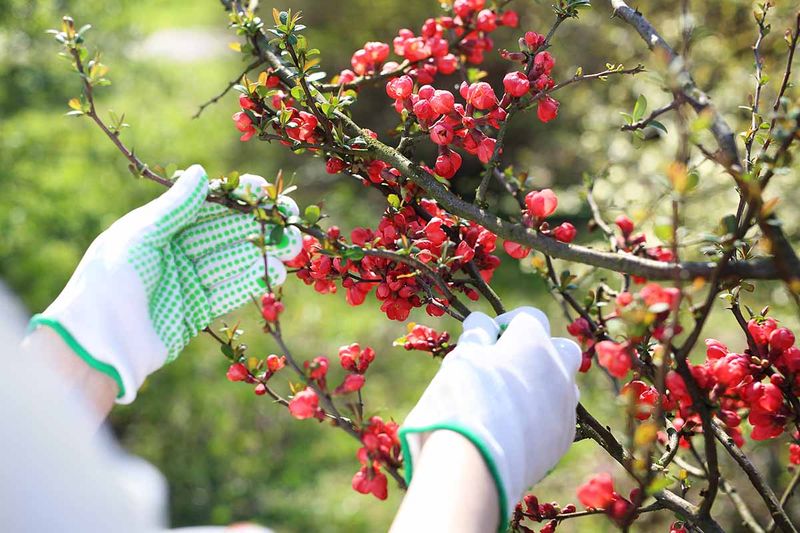
Picture a Saturday in late September with cooler air and a full tank of energy. Out come the hedge shears, and the quince gets rounded off like a shrub haircut.
The yard looks sharp by sunset, and the whole thing feels like progress. Come February, that same shrub offers maybe six flowers and a lot of silence.
Shearing hurts most because it cuts the branch tips, where buds cluster thickest. Those outer inches hold the flowers people stop their cars to admire.
String trimmers cause similar trouble near the base of older plants. Nicked bark invites problems and weakens canes that should be carrying buds.
Another common slip is heavy fertilizer spread across beds during fall cleanup. Extra nitrogen pushes leaves instead of flowers and confuses the plant’s rhythm.
Overzealous mulching gets overlooked too, especially when volcanoes pile against the trunk. Keep mulch two inches deep and pulled back from the stems.
Thorns tempt people into trimming, since quince branches grab sleeves and pant legs. Tie a ribbon on the branch instead and cut it in April.
Storm damage from a September thunderstorm deserves a cleanup, and that is different. Remove only the broken pieces, not the healthy wood beside them.
One afternoon of tidying can quietly cancel an entire spring display. Learning that once is usually enough for most North Carolina gardeners.
Regret is a slow crop, and it ripens right around Valentine’s Day. Better to leave the shrub scruffy and enjoy the flowers.
Safe Cuts And Simple Care For This Month
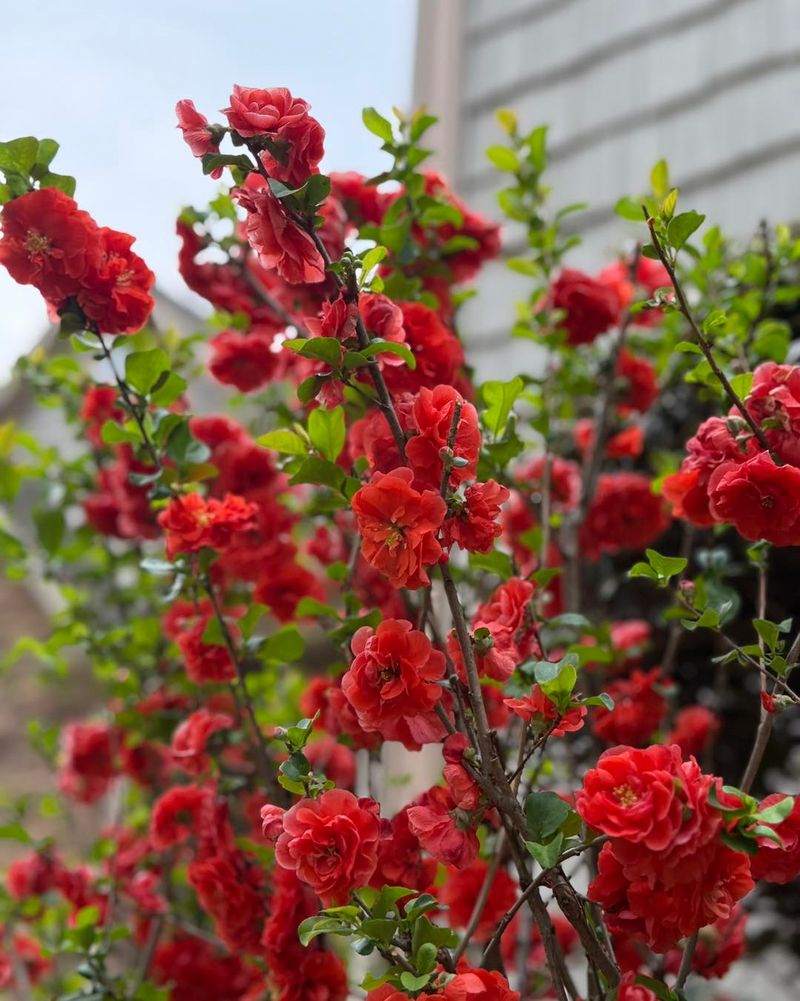
Restraint does not mean ignoring the shrub until spring rolls around. A few gentle jobs help without touching a single flower bud.
Start by clearing leaf litter and fallen fruit from under the branches. Old fruit left on the ground can attract problems you do not want.
Water deeply during dry spells, soaking the root zone rather than sprinkling lightly. Roots reach out wider than the branches, so water past the drip line.
Check mulch and refresh it to about two inches of shredded bark. Leave a small gap around the stems so bark can breathe.
Pull any weeds or grass creeping into the base by hand. String trimmers near the trunk cause more harm than the weeds ever did.
If a branch is cracked from a storm, cut it back to healthy wood. Make the cut just above a side branch and leave no stub.
Suckers pushing up from the ground can be pulled or clipped at soil level. Quince spreads by suckers, so a yearly check keeps the clump manageable.
Skip fertilizer until buds swell in late winter, then feed lightly if needed. Compost spread thinly over the root zone in fall is gentler and safer.
Take a photo now and mark your calendar for pruning after flowers fade. Future you will appreciate that small note more than any September trim.
Care like this takes twenty minutes and protects thousands of tiny buds. Not bad for a job done with gloves instead of blades.
Late Winter Pruning And The Payoff Next Spring
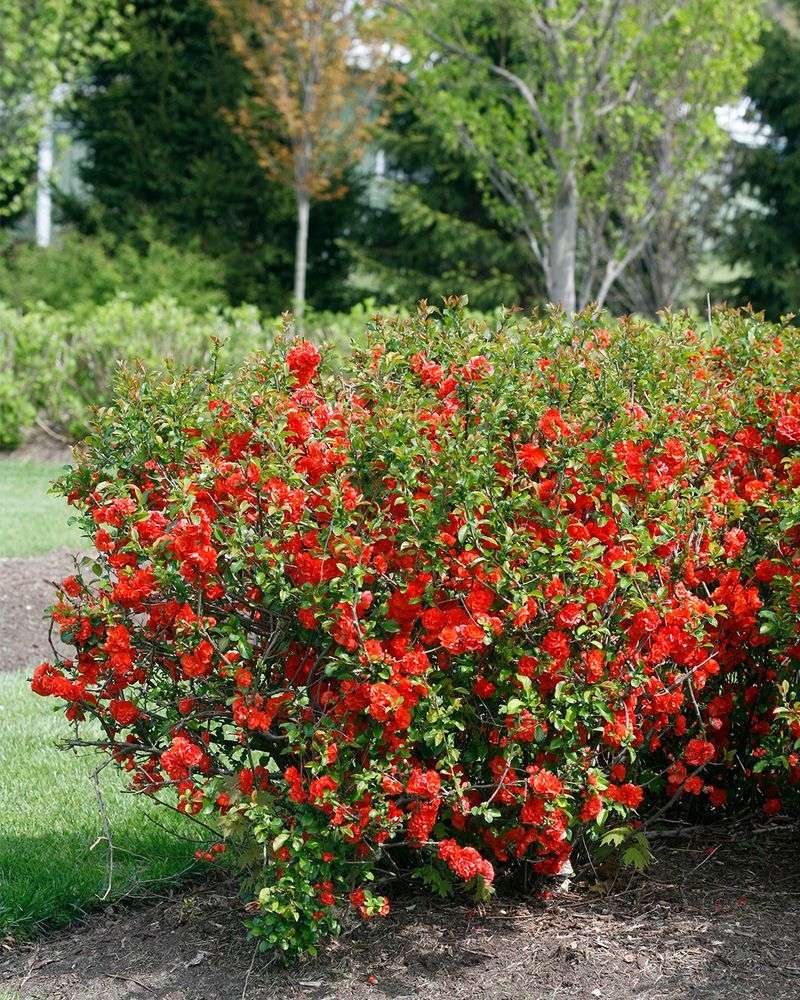
The reward for September patience arrives when almost nothing else in the yard performs. Bare branches light up with coral, red, or pink flowers in February.
Flowering quince opens earlier than forsythia in much of North Carolina. Cut a few budded stems in January and they bloom happily indoors.
Once petals drop, the pruning window opens for about six good weeks. Late March through April is the safe stretch across most of the state.
Remove a third of the oldest canes at ground level during that window. Younger stems then take over and carry heavier flower loads each year.
Shape the outline right after flowering rather than shearing it into a globe. Quince looks best with arching branches and a slightly wild personality.
Write the dates on a paper calendar or set a phone reminder now. Memory fades faster than flower buds, especially by the time spring arrives.
Fruit follows the flowers, small and hard and wonderfully fragrant by October. Cooks turn it into jelly, since the raw fruit is far too tart.
Year after year the pattern holds, hands off in fall and shears out in spring. That rhythm keeps an old shrub flowering like a young one.
Skipping one September trim sounds too easy to matter much at all. Your February yard will argue otherwise, loudly and in full color.
Neighbors will ask what you fed it, and the honest answer is nothing. Patience, it turns out, comes free with every bag of mulch.