How To Spot Woolly Aphids On North Carolina Crape Myrtles Before They Spread
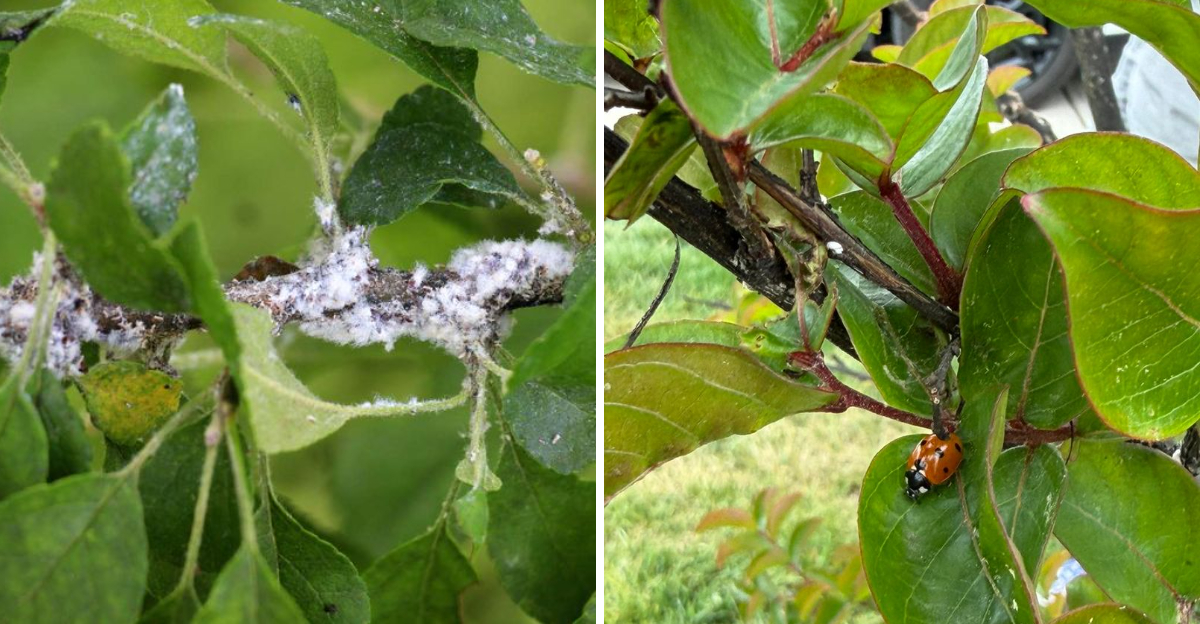
Woolly aphids have a way of establishing themselves on crape myrtles well before most North Carolina gardeners ever notice anything unusual happening on the branches.
By the time obvious signs appear, these pests have often already spread significantly further than expected across the tree.
There’s a specific look and a specific location worth checking that most people never think to inspect until the infestation becomes impossible to miss.
Understanding exactly what to look for changes how early you can catch this problem before it spreads throughout the entire tree.
Many gardeners mistake early signs for something harmless, missing the actual pest driving the issue entirely. Once you know what woolly aphids actually look like up close, spotting them becomes a lot easier than you’d expect.
Catching this early could be the difference between a manageable problem and one that takes over your crape myrtle by the end of the season.
1. Check Under The Leaves
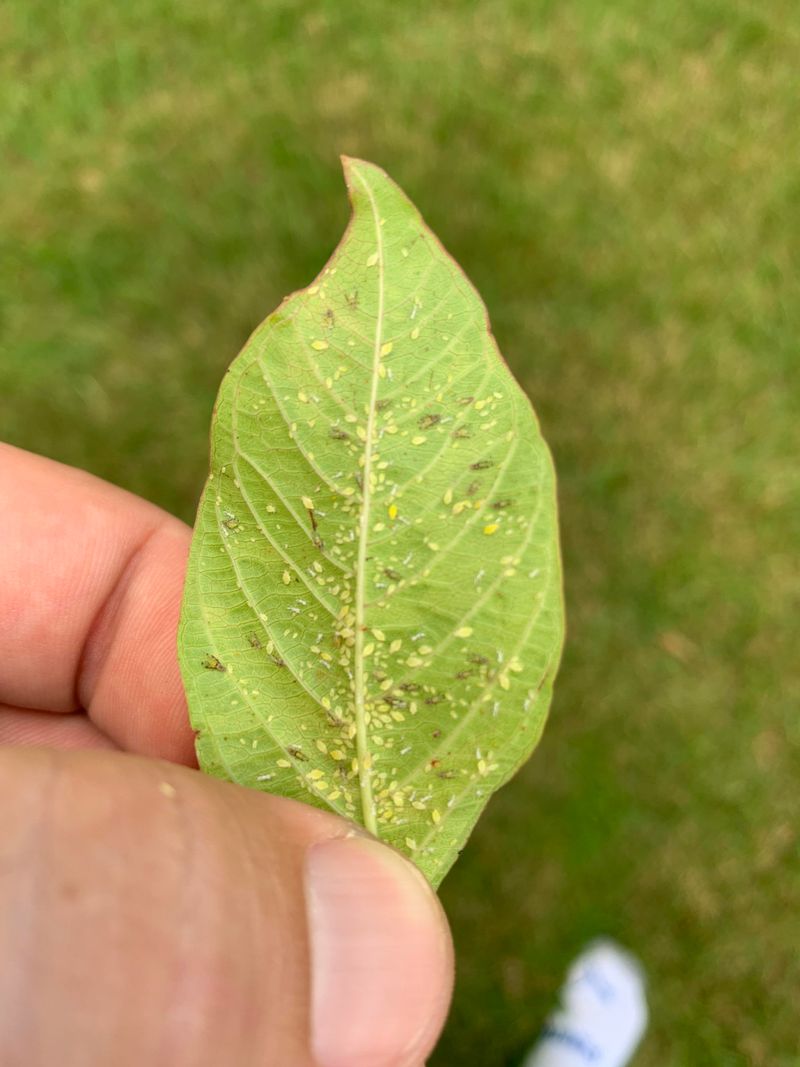
Aphids are sneaky little bugs, and they know exactly where to hide. On crape myrtles, they gather mostly on the undersides of leaves, where the surface stays cooler and offers protection from rain and sunlight.
The bottom of a leaf also holds the softest, juiciest tissue. That is where aphids poke in their tiny mouthparts and sip the sap that feeds their fast-growing colonies. Because they stay tucked away, many gardeners miss them until the numbers get big.
Make it a habit to gently flip leaves over during your walks through the yard. Focus on the newest growth near branch tips, since fresh leaves are tender and attract the most feeding. A small magnifying glass helps you see the bugs clearly.
If you spot clusters of soft, pale specks moving slowly, you have likely found them. Catching a few here and there means you can act before they multiply into hundreds.
Try checking a handful of leaves on different parts of the tree each week. High branches, low branches, and shaded spots can all tell a different story about how far the pests have spread.
Keep an eye out for skin-like flakes too, since aphids shed as they grow. These leftover bits are a clue that a colony has been active for a while.
Regular leaf-flipping only takes a few minutes, yet it gives you a huge head start. When you know where these pests hide, you take away their best advantage and stay one step ahead.
2. Look For Tiny Yellow Green Aphids
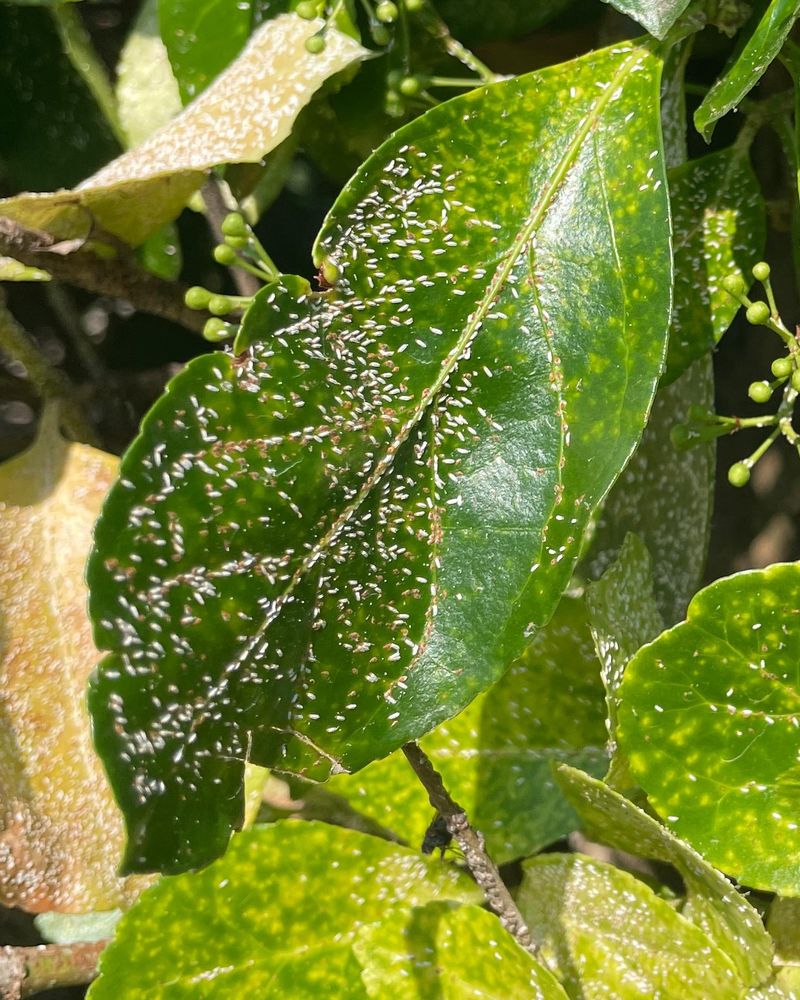
Knowing what the bug actually looks like makes spotting it so much easier. Crape myrtle aphids are small, soft, and usually a pale yellow-green color that blends right into the leaf.
These bugs measure only about one-sixteenth of an inch, so they look like little moving dots. Some have faint dark markings, and a few grow tiny wings when the colony gets crowded and needs to travel.
People sometimes mix them up with white fuzzy pests, but there is a clear difference. Cottony or woolly-looking bugs, along with certain scale insects, wear a waxy fluff that makes them appear puffy and pale white.
Your North Carolina Garden Changes Every Week. Your Plan Should Too.
Gardening in North Carolina changes quickly throughout the season. Every Friday you’ll receive a simple weekly plan showing exactly what to plant, prune, fertilize, harvest, and protect so you never miss the right timing.
Crape myrtle aphids, by contrast, look smooth and shiny rather than fuzzy. If you rub a leaf and the specks smear into a greenish streak, those are aphids, not the waxy scale cousins.
Grab your phone and snap a close-up photo, then zoom in to study the shape. Aphids have pear-shaped bodies with two little tubes sticking out from the back end, called cornicles.
Those tiny tailpipes are a giveaway that helps you tell them apart from almost any other pest on the tree. No other common crape myrtle bug carries that feature.
Take a minute to compare what you see against a trusted photo online or in a garden book. Once you train your eyes, you will recognize these pale invaders in a second.
The clearer your identification, the smarter your next move will be for keeping the tree happy.
3. Feel For Sticky Leaves
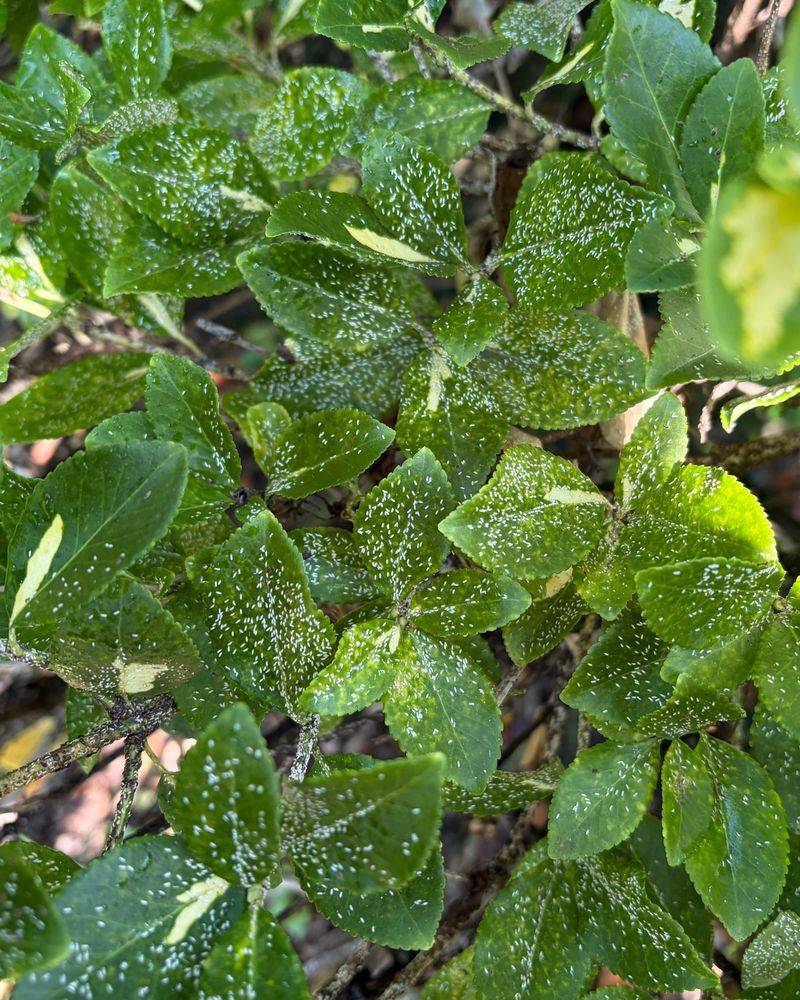
Sometimes your hands notice a problem before your eyes do. As aphids feed on sap, they release a sugary liquid called honeydew that coats the leaves below them.
This sticky stuff can build up fast when a colony is large. Run your fingers across the foliage, and if it feels tacky or glossy instead of dry, aphids are likely feeding right above.
Honeydew often gives leaves a shiny, wet-looking gleam even on a clear day. That unusual sparkle is a strong hint that something sugary has dripped down from the branches overhead.
You might also notice the stickiness on lower leaves while the upper ones stay clean. That pattern happens because the liquid falls downward as the bugs feed higher up.
Ants love honeydew, so watch for lines of them marching up the trunk. Ants actually protect aphids in exchange for the sweet treat, which means an ant parade often points straight to a growing colony.
Take a paper towel and press it against a suspicious leaf. If it comes away feeling damp and sugary, you have confirmed the honeydew and should inspect the leaf tops and bottoms right away.
Sticky foliage is more than a nuisance, since it invites other problems that can stress the tree. The sooner you notice it, the sooner you can step in.
Checking by touch takes just a moment and works even when the bugs are too tiny to see clearly. Let your fingertips help you catch trouble early.
4. Watch What Is Under The Tree
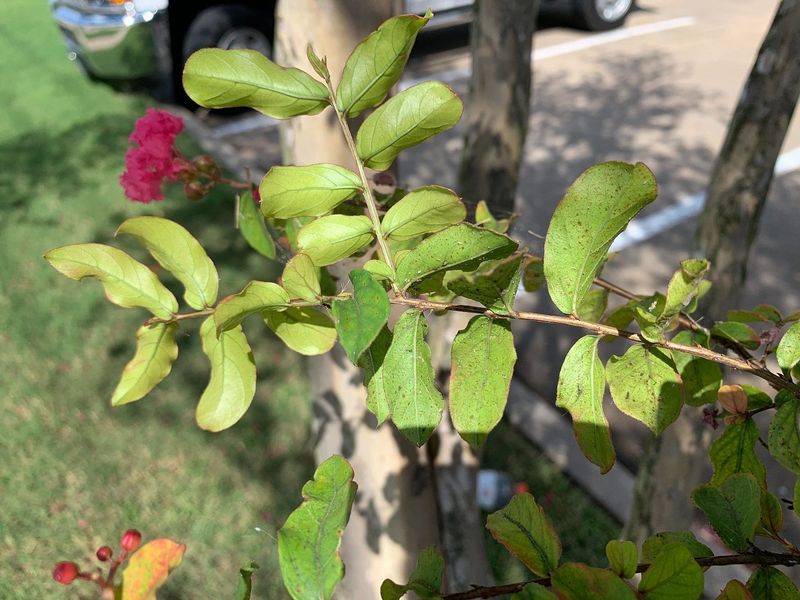
The ground under a crape myrtle can tell you a secret story. When aphids feed heavily, their honeydew rains down and coats whatever sits below the branches.
Cars parked in the shade often end up with a sticky film across the hood and windshield. Patio furniture, sidewalks, and even other plants can turn shiny and tacky when a colony is busy overhead.
Homeowners sometimes blame the mess on sap leaking from the tree itself, but crape myrtles do not drip on their own. That gooey coating almost always comes straight from aphids feeding up in the canopy.
Take a walk around the base of your tree and look at the surfaces underneath. If the ground feels sticky or the driveway shines in an odd way, look up and start checking the leaves.
You may also spot a dark, dusty film building on those sticky spots over time. That grimy layer grows on the honeydew and is another red flag worth chasing.
Neighbors who park under the same tree might mention the sticky mess too. Their complaints can be an early clue that a colony has quietly grown larger than you realized.
Pay attention to potted plants sitting below as well, since they collect droplets that make their leaves glossy. Wiping a finger across them tells you plenty.
Looking down instead of up gives you a wide view of the whole tree at once. When the area beneath turns sticky, the branches above deserve a very close look.
5. Treat Black Sooty Mold As A Warning
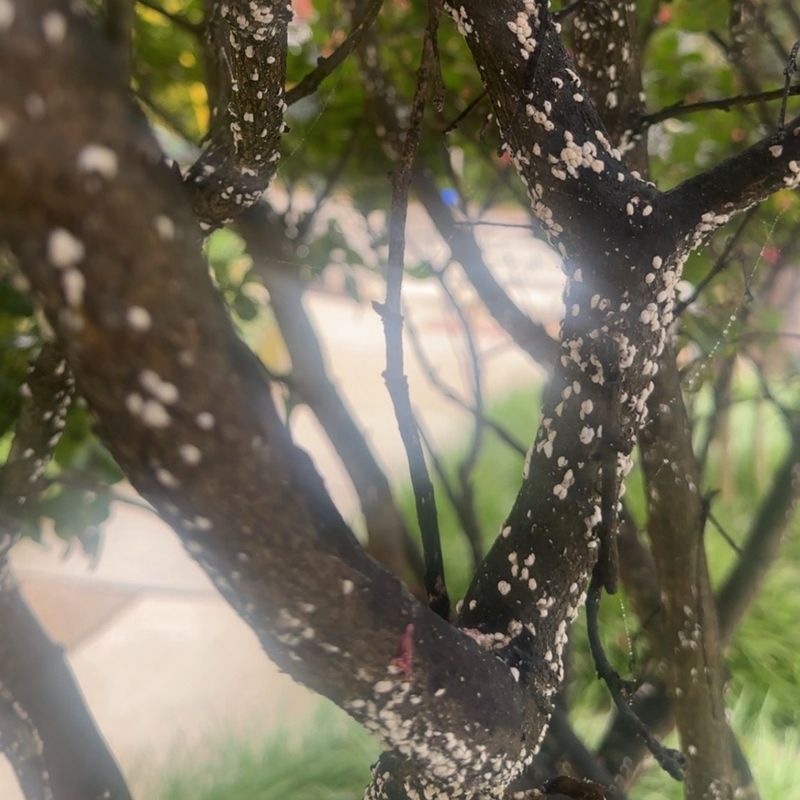
A dark, dusty coating on your crape myrtle is more than an eyesore. Black sooty mold is a fungus that grows on the sugary honeydew aphids leave behind.
The mold does not feed on the tree directly, but it feeds on that sweet, sticky film. Wherever honeydew lands, this grimy black layer can spread across leaves, twigs, and branches.
Seeing it means aphids have almost certainly been busy above. The mold acts like a signature, pointing you toward a colony you may not have noticed yet.
Besides looking messy, the black coating blocks sunlight from reaching the leaf surface. Leaves need light to make food, so a heavy layer can slow the tree down and weaken its growth over time.
Run your eyes along the branches and check for that smudgy, charcoal-colored film. If you can wipe some off with a cloth and it smears like soot, you have found the fungus and should hunt for aphids right away.
Younger leaves near the top often show the coating first, since the honeydew starts up high. Following the mold upward usually leads you straight to the feeding bugs.
Once you clear the aphids, the honeydew stops flowing and the mold slowly fades or washes off with rain. Treating the pest solves the fungus problem at its root.
Think of sooty mold as a helpful alarm rather than the main trouble. When that dark film shows up, it is time to inspect the leaves and take action fast.
6. Look For Lady Beetles And Lacewings
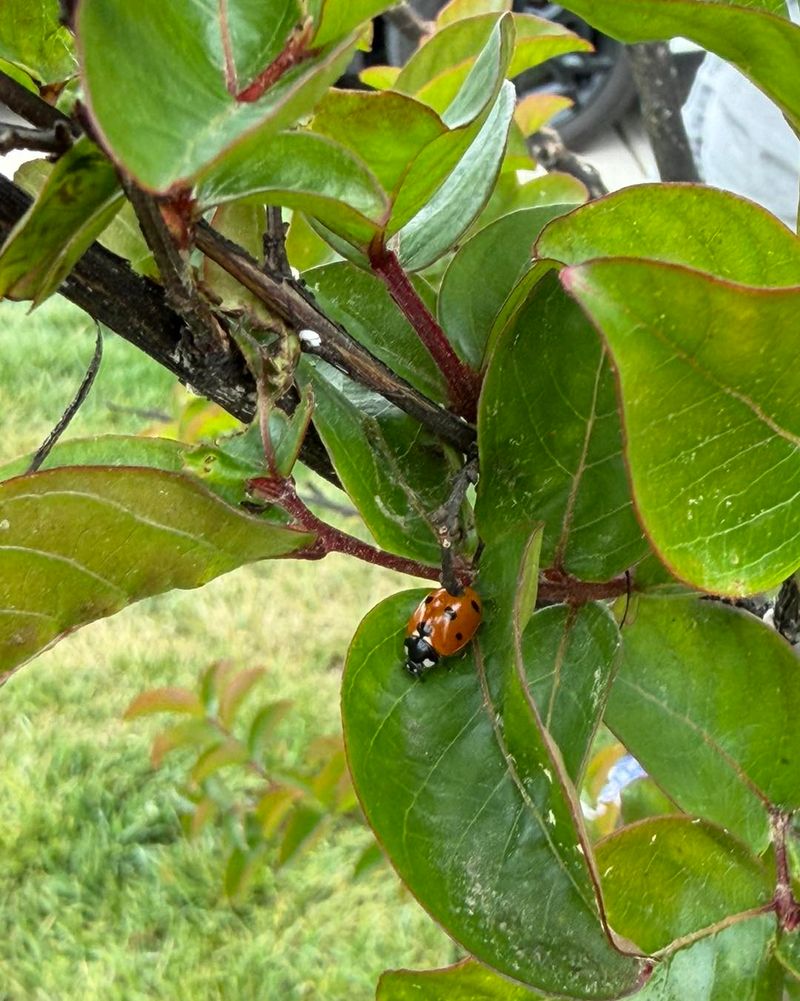
Nature has its own pest patrol, and those helpers can tip you off. When lady beetles and lacewings gather around your crape myrtle, they usually came for one reason.
These good bugs feast on aphids, so a sudden crowd of them means dinner is being served nearby. Spotting several at once suggests a colony is already building up in the branches.
Lady beetles are easy to recognize with their round red or orange shells dotted with black spots. Their young look totally different, like tiny spiky alligators, and they gobble aphids even faster than the adults.
Lacewings show up as delicate green insects with clear, lacy wings. Their larvae are hungry hunters too, sometimes called aphid lions for how many they clean up.
Watch for these visitors during your regular garden strolls. A tree buzzing with helpful predators is quietly telling you that aphids have arrived and started to multiply.
Instead of chasing the good bugs away, let them work for you as a free early warning system. Their presence is a gift, pointing straight to the problem spot.
You can even welcome more of them by planting flowers like dill, yarrow, or daisies nearby. A yard full of helpful insects keeps aphid numbers in check naturally.
When you notice the patrol arriving, do a careful leaf check to confirm what they found. Following your tiny allies often leads you right to the pests before the colony grows out of hand.
7. Catch Small Populations Early
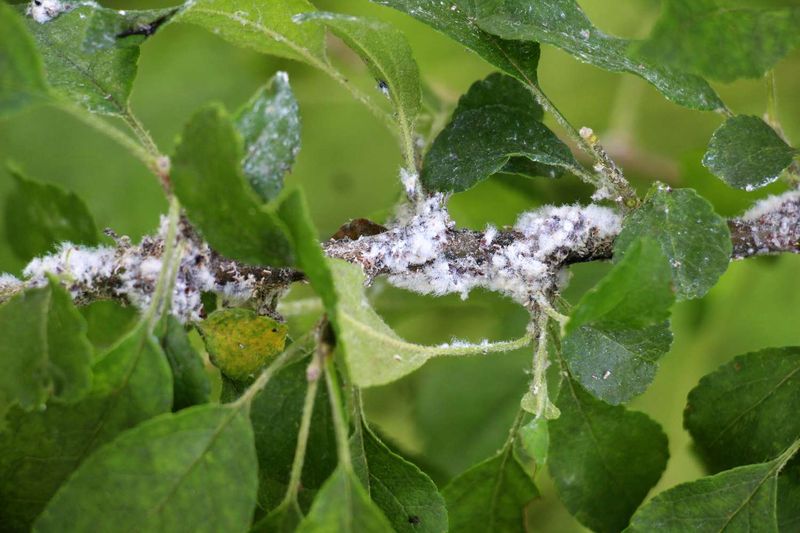
Timing makes all the difference with these pests. Aphids reproduce incredibly fast, so a tiny group in spring can turn into a huge crowd by midsummer.
That is why regular scouting from spring through summer pays off so much. Walking your tree once a week lets you catch small numbers while they are still easy to handle.
When you find just a few, simple methods often do the trick. A strong blast of water from the hose knocks many bugs off the leaves and slows their spread right away.
Insecticidal soap or horticultural oil works well on light infestations too. These gentle sprays target the soft-bodied aphids while sparing the helpful lady beetles and lacewings you want to keep around.
Reaching for strong broad chemicals too soon can backfire in a big way. Those products often harm the good bugs, and without predators the aphids can bounce back stronger than before.
Start with the mildest option that works, then check again in a few days to see how things look. Repeating a gentle treatment usually beats one harsh spray.
Keep a simple notebook or phone note tracking what you see each week. Watching the numbers rise or fall helps you decide exactly when to step in.
Healthy trees also shrug off aphids more easily, so proper watering and mulching give your crape myrtle an extra edge. Stay curious, look often, and act small. Those steady habits keep your tree thriving through every warm North Carolina season.