Native Ohio Plants To Grow Instead Of Russian Sage Along Sunny Borders
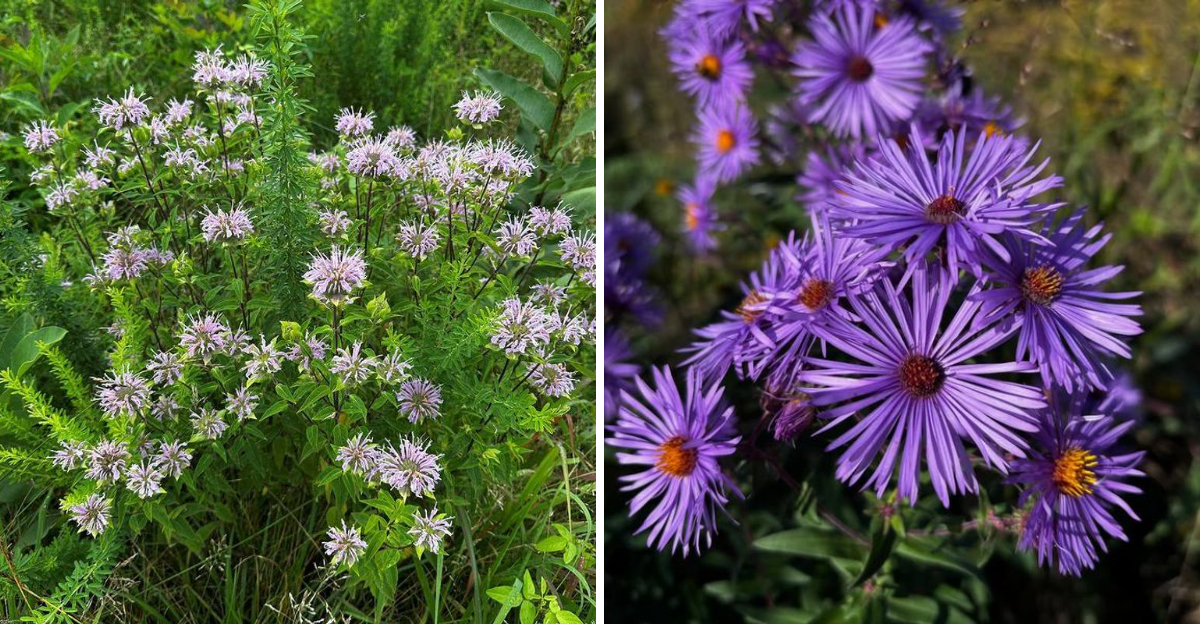
Russian sage has that dreamy border look gardeners love.
Silver stems. Lavender-blue haze. Soft movement in late summer. It makes a sunny bed feel airy without looking empty, which is why so many people plant it along walkways, driveways, and front-yard borders.
But Ohio has native plants that can bring the same kind of magic.
Some offer blue, purple, white, or golden flowers. Others bring aromatic foliage, upright texture, prairie structure, and a steady stream of bees, butterflies, moths, and birds.
The difference is that these plants also belong to the local food web. That matters in a sunny border.
A native planting can still look polished, colorful, and intentional while feeding pollinators and supporting wildlife through more of the season.
So what should Ohio gardeners plant instead of Russian sage?
Start with native perennials that love sun, handle real garden soil, and bring movement, fragrance, color, and pollinator power from spring through fall.
1. Virginia Mountain Mint
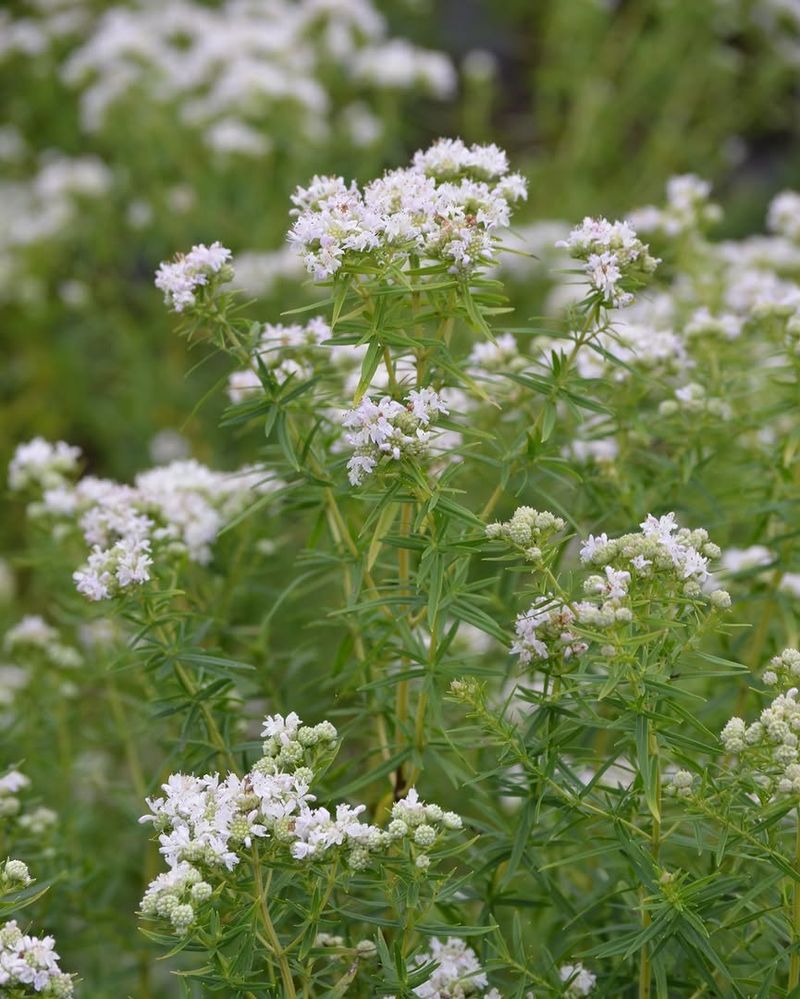
A sunny border can almost hum when this plant opens.
Virginia mountain mint draws an astonishing number of bees, wasps, butterflies, and other small pollinators during midsummer. The flowers are tiny, but the silvery bracts around them make the whole plant look soft, bright, and active.
The scent adds another reason to grow it.
Brush the foliage, and a clean mint fragrance rises quickly. That aroma gives the border a fresh feeling and may make the plant less appealing to browsing deer.
The shape is tidy but relaxed.
Stems usually stand around two to three feet tall, with an airy texture that works well near bolder flowers. It brings some of the softness people like in Russian sage without looking like a copy.
Full sun gives the best bloom.
Average soil is usually enough, and the plant can handle Ohio clay better than many gardeners expect. It also tolerates slightly dry conditions once established.
Give it room to spread.
Virginia mountain mint moves by rhizomes and can form a generous patch over time. In a roomy border, that looks full and natural. In a small bed, it may need dividing every few years.
Do not tuck it beside delicate neighbors.
Pair it with other strong plants that can hold their own, such as coneflowers, asters, or blazing star.
This is not a quiet little filler.
It is a pollinator magnet with silver-green style, and it earns every inch it takes.
2. Spiked Blazing Star
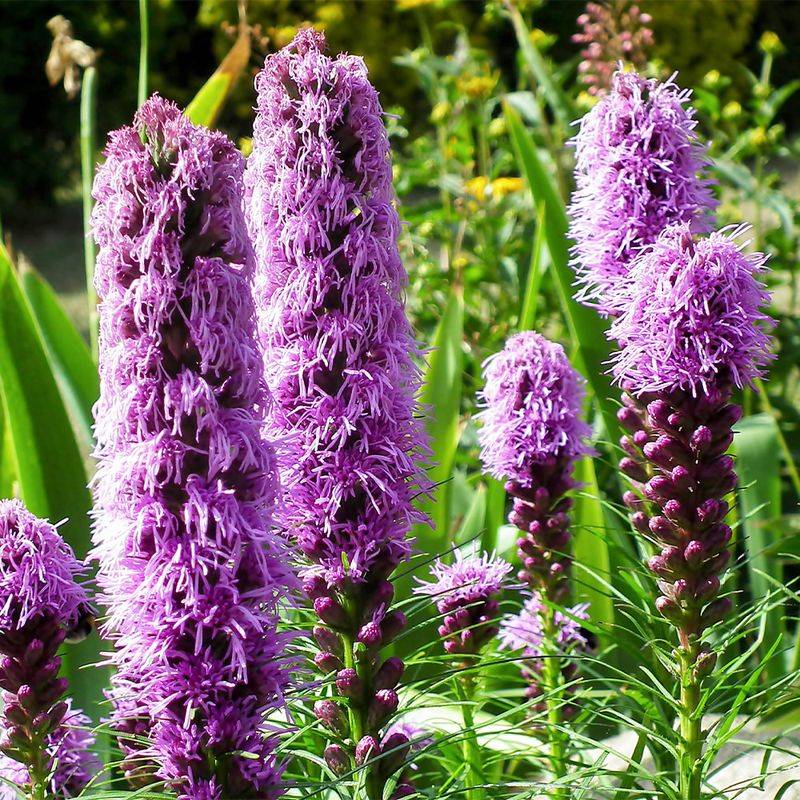
Vertical flowers can change the whole rhythm of a border.
Spiked blazing star sends up rosy-purple flower spikes that look bold without feeling heavy. The blooms open from the top downward, which keeps the display interesting for weeks.
Butterflies notice fast.
Monarchs, swallowtails, skippers, and bees visit the spikes during summer. A small group planted together can turn into one of the busiest spots in the garden.
The height depends on the soil.
Plants may reach two to four feet tall, with richer soil often producing taller growth. In leaner, drier sites, they usually stay a bit shorter and tighter.
Your Ohio Garden Changes Every Week. Your Plan Should Too.
Gardening in Ohio changes quickly throughout the season. Every Friday you’ll receive a simple weekly plan showing exactly what to plant, prune, fertilize, harvest, and protect so you never miss the right timing.
Drainage is the big requirement.
Spiked blazing star grows from underground corms, and those corms do not like sitting wet. Avoid low spots where water lingers after heavy rain.
Full sun keeps stems stronger.
Too much shade can lead to leaning and fewer blooms. Sunny borders with well-drained soil are the best fit.
New plants need steady moisture.
Once established, they handle dry stretches much better. During the first season, water during dry spells so the root system settles in well.
Plant in groups for impact.
Three, five, or seven spikes rising together look much stronger than one lonely plant.
This is the Ohio native for gardeners who want height, color, butterflies, and a little prairie drama.
3. Foxglove Beardtongue
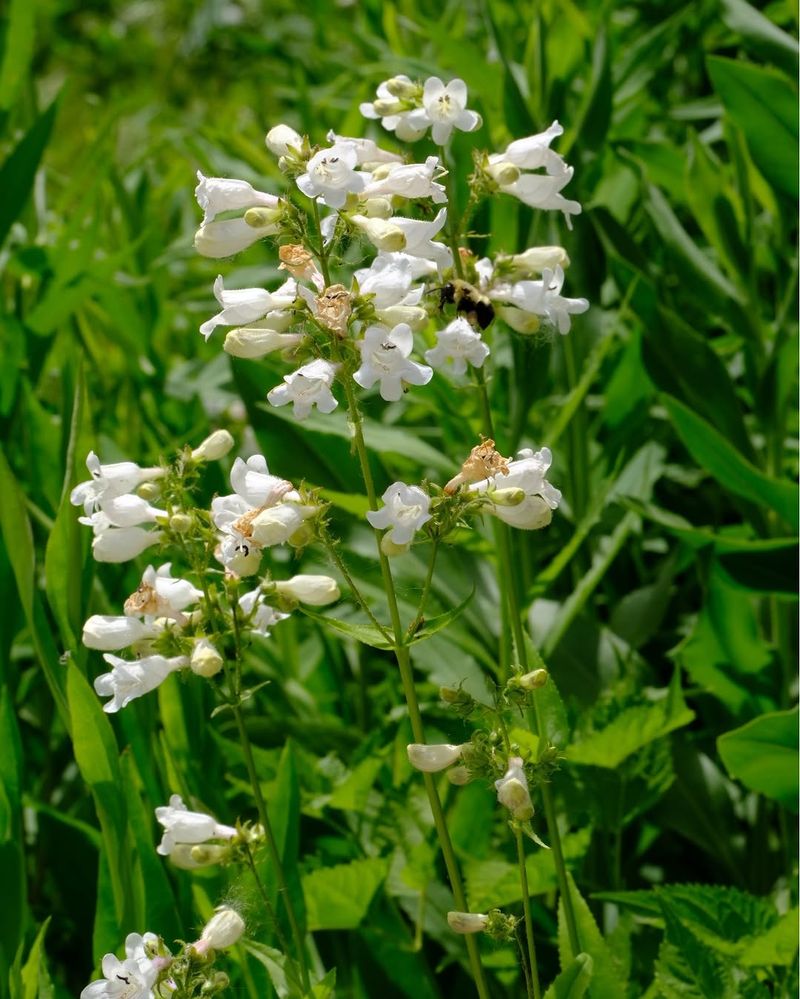
Late spring needs flowers that bridge the gap.
Foxglove beardtongue blooms before many summer perennials hit their stride, sending up clean stems topped with white tubular flowers. It helps a sunny border feel alive before the big July show begins.
Bumblebees are the main audience.
They push into the flowers for nectar, making this plant especially useful for native bees. The blooms look delicate, but the plant itself is surprisingly sturdy.
The form stays neat.
Most plants reach two to four feet tall, with upright stems and a tidy base. That makes it useful in the front or middle of a sunny border.
It handles real Ohio soil.
Average soil, clay, loam, and slightly dry conditions are all workable once the plant establishes. Full sun gives the strongest bloom, though light part sun can still work.
The seedheads have value.
After flowering, the dried stems turn warm brown and hold structure without looking messy. They add quiet interest after the flowers finish.
Expect modest reseeding.
Small rosettes may appear around the parent plant in spring. They are easy to move while young or remove when the bed is already full.
Do not overfeed it.
Rich soil and too much fuss can make native perennials grow softer than needed. Foxglove beardtongue performs best with simple care.
This plant brings early elegance, bee value, and clean structure before the summer border gets loud.
4. Wild Bergamot
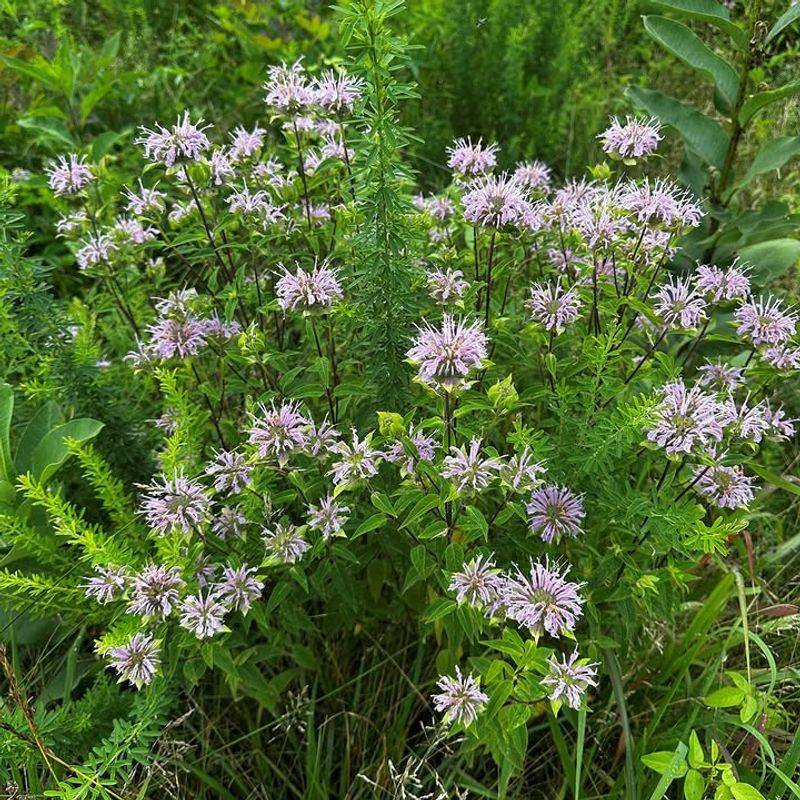
Lavender flowers and fragrant leaves make this one hard to ignore.
Wild bergamot blooms in midsummer with soft, shaggy flower clusters above gray-green foliage. The look is loose and natural, which makes it a strong replacement for airy imported border plants.
The scent is part of the appeal.
Crush a leaf, and the fragrance lands somewhere between mint, oregano, and warm herbs. That aromatic quality gives the whole planting more personality.
Pollinators come in waves.
Bumblebees, native bees, hummingbird moths, and butterflies all work the flowers. A blooming patch can stay busy from morning into evening.
Full sun and average soil suit it well.
Dry to medium soil is better than a rich, constantly damp bed. Too much moisture and crowding can lead to powdery mildew on the leaves.
Airflow helps keep it cleaner.
Space plants with room around them rather than packing them tightly. Sun and moving air are the best way to reduce late-season leaf issues.
It spreads slowly into colonies.
That can look beautiful in a naturalistic border. In a smaller garden, divide clumps every few years to keep them from wandering too far.
Cutting back can refresh the plant.
After the first heavy bloom, a light trim may encourage cleaner foliage and sometimes a smaller second flush.
Wild bergamot brings movement, fragrance, pollinators, and that loose purple haze Ohio borders can use in midsummer.
5. Lanceleaf Coreopsis
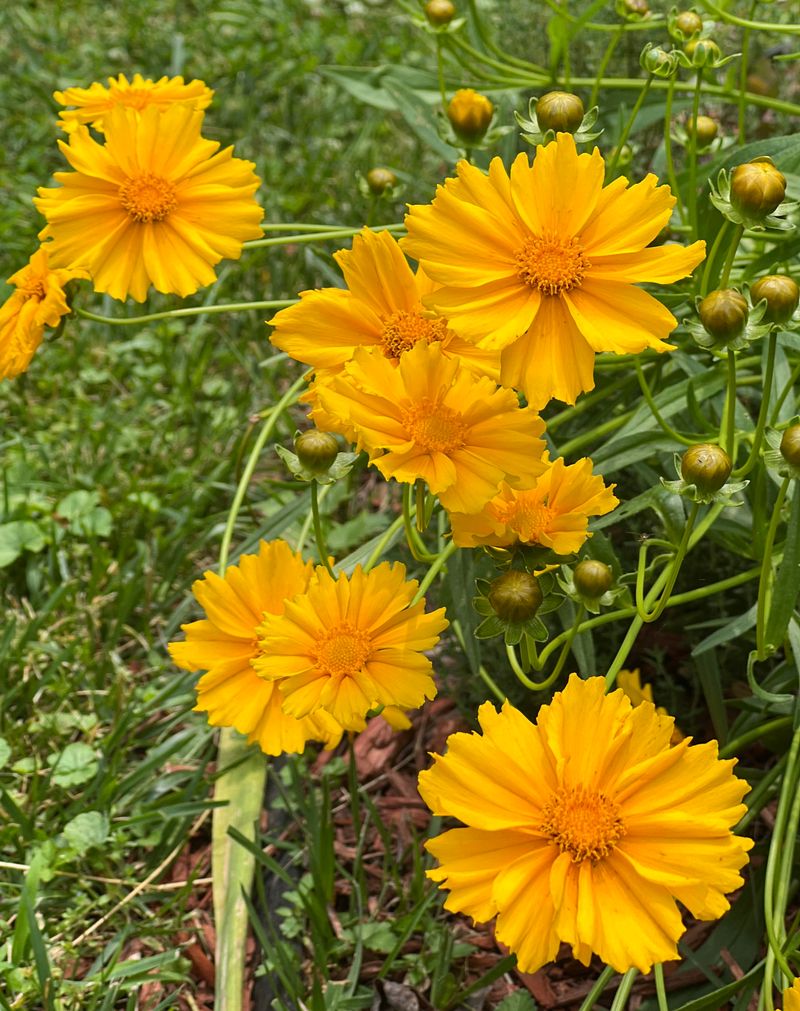
A sunny edge can always use more gold.
Lanceleaf coreopsis brings bright yellow daisy-like flowers from late spring into midsummer. It is cheerful without feeling fussy, and it pairs beautifully with purple, blue, white, and silver foliage plants.
Lean soil keeps it stronger.
This plant does not need rich, pampered ground. In fact, overly fertile soil can make stems flop and reduce the tidy look.
Full sun brings the best bloom.
Average to dry, well-drained soil is ideal. Rocky, sandy, or slightly tough sites often suit it better than lush garden beds.
The height stays manageable.
Most plants reach one to two feet tall, which makes them useful near the front of a border. They add color without blocking taller native plants behind them.
Trimming extends the show. Snip faded flowers above the next bud or leaf node, and the plant often sends up more blooms.
Reseeding can happen.
In a meadow-style border, that may be welcome. In a tighter planting, pull or move extra seedlings in spring before they crowd the bed.
Small pollinators use the flowers.
Bees, beetles, and other beneficial insects visit regularly, adding life to the front edge of the garden.
Lanceleaf coreopsis is not trying to be subtle.
It is the sunny native that makes a border feel awake.
6. Ohio Spiderwort
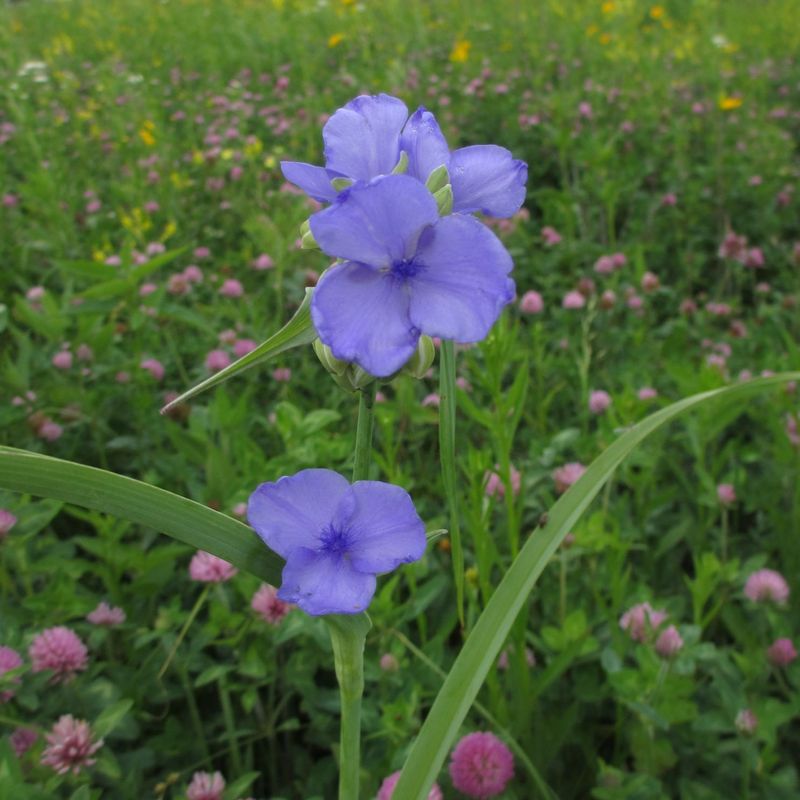
Morning is when this plant shows off best.
Ohio spiderwort opens vivid blue-purple flowers early in the day, then closes them by afternoon. That daily rhythm gives the garden a changing, alive feeling.
The flowers keep coming for weeks.
Each bloom is short-lived, but new buds open steadily from late spring into midsummer. The effect is soft rather than showy all at once.
The foliage adds texture.
Long, grass-like leaves bring a fine, upright shape that contrasts well with broader plants such as coneflower, coreopsis, and beardtongue.
Average soil works well.
Ohio spiderwort grows in prairies, roadsides, and open woodland edges, so it adapts easily to sunny garden borders with average to slightly dry soil.
The plant may look tired after bloom.
By late summer, leaves can yellow or flop. Cutting the clump back to about six inches encourages fresh growth.
A light rebloom may follow.
That second act is not always dramatic, but the refreshed foliage alone is usually worth the cutback.
Clumps spread slowly.
Division every few years keeps plants vigorous and prevents the center from thinning.
Ohio spiderwort brings blue color, soft texture, and a very local sense of place to a sunny border.
7. Rattlesnake Master
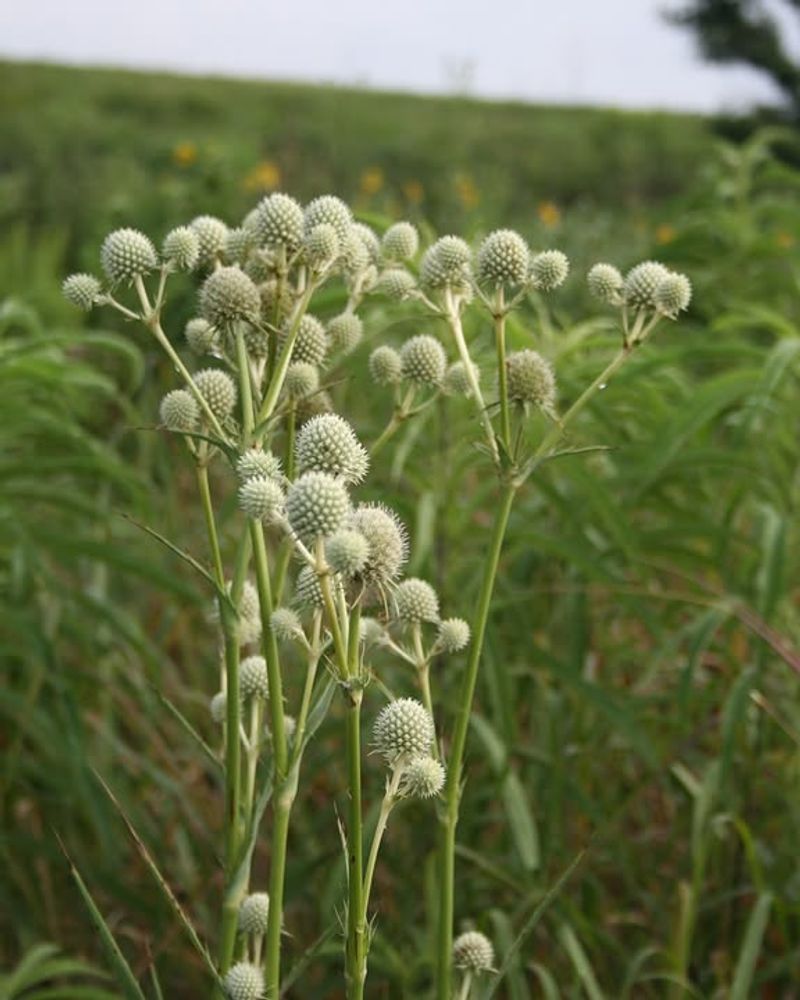
A border needs one plant that makes people stop and stare.
Rattlesnake master does exactly that. Its stiff, strap-like leaves look almost yucca-like, while round pale flower heads rise on branching stems in midsummer.
The structure is striking.
This plant does not create a soft haze like Russian sage. It brings sculptural contrast, which makes nearby airy flowers look even better.
Pollinators use it heavily.
Native bees, wasps, beetles, and other beneficial insects visit the unusual flower globes. It supports a different crowd than many daisy-form flowers.
The taproot makes it tough.
Once established, rattlesnake master can handle dry conditions very well. That deep root is one reason mature plants are so resilient.
Choose the location carefully.
Because of that taproot, established plants do not move easily. Plant it where you want it to stay for years.
Full sun is best.
Well-drained to average soil suits it. Lean, rocky, or sandy sites are usually fine, but constantly wet soil is not a good match.
New plants need patience.
Water during the first season while roots develop. After that, the plant becomes much more independent.
Rattlesnake master is not a background filler.
It is the architectural native that gives an Ohio border backbone.
8. New England Aster
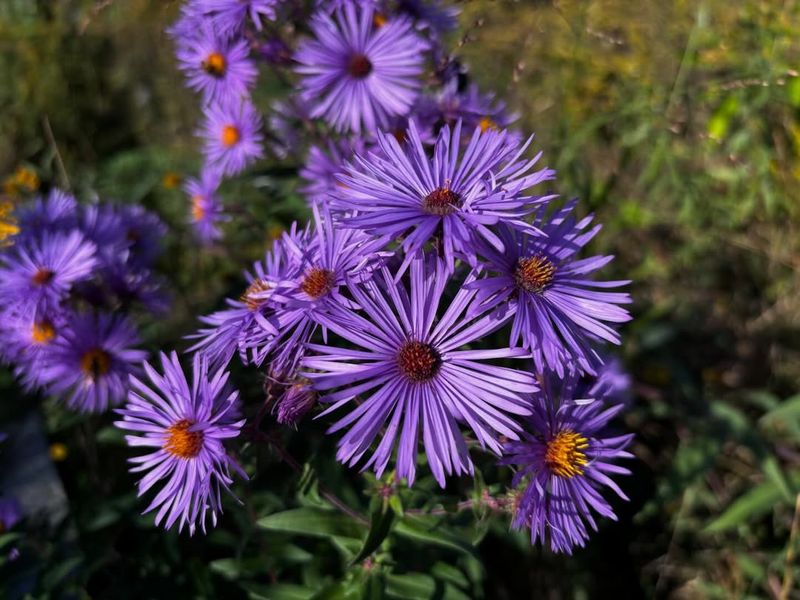
Fall borders need a late-season powerhouse.
New England aster blooms when many summer flowers are fading, filling the garden with purple, pink, or rosy daisy-like flowers from late summer into autumn.
Migrating butterflies depend on blooms like this.
Monarchs, bees, and other late-season pollinators use asters as an important nectar source when the garden is running out of options.
This plant can get tall.
In moist, fertile soil, it may reach four to six feet. That makes it best for the back of a border or behind shorter plants that can hide the lower stems.
Pinching helps control height.
Cut plants back by about one-third in late May or early June. That creates more branching, more flowers, and less flopping later.
Full sun gives the best display.
Average to moist soil works well. In drier sites, plants may stay shorter but can still bloom strongly.
Airflow reduces mildew.
Lower leaves may show powdery mildew in humid years, especially when plants are crowded. Good spacing keeps the border healthier.
Do not judge it too early.
New England aster spends much of summer looking green and ordinary, then suddenly becomes one of the most important plants in the garden.
For late color and pollinator value, this native is hard to beat.
It gives the border a grand finale.
9. Purple Coneflower
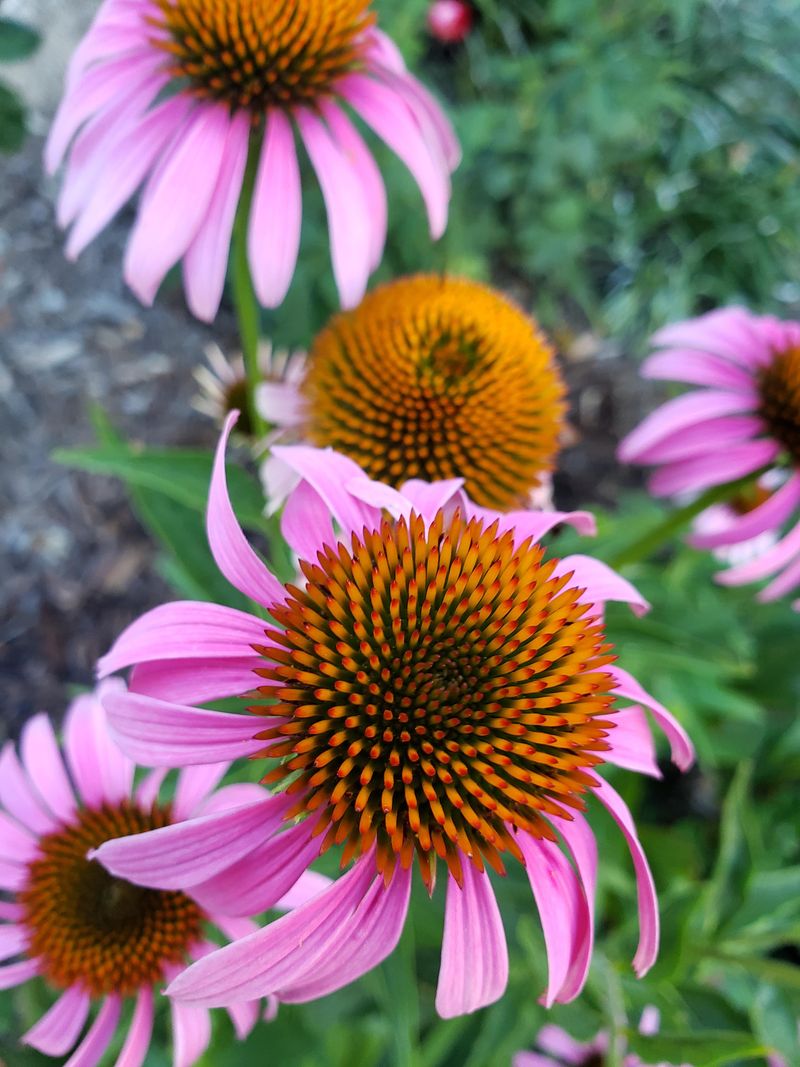
A sunny border feels steadier with coneflowers in it.
Purple coneflower brings sturdy stems, rosy-purple petals, and raised orange-brown cones that look good from midsummer into fall. It has presence without needing constant attention.
The flowers are pollinator favorites.
Bumblebees work the cones carefully, and butterflies stop by often. Later, goldfinches come for the seeds when the flower heads dry.
The plant fits many Ohio gardens.
Average to slightly dry, well-drained soil works well. It also handles clay better than many prairie plants once established.
Height is easy to use.
Most plants reach two to four feet tall, which makes them flexible in the middle of a sunny border.
Trimming gives more flowers. Cutting spent blooms can extend the flowering season. Leaving seed heads feeds birds and adds winter structure.
Both choices are useful.
Clip some for a longer bloom show and leave others standing for wildlife. The border gets beauty now and food later.
New plants need water.
Established coneflowers handle dry spells well, but first-year plants need steady moisture while roots develop.
Purple coneflower pairs beautifully with blazing star, wild bergamot, mountain mint, and asters.
It is the reliable native that ties the whole sunny border together.