8 Ohio Composting And Cleanup Habits That Are Doing More For Ticks Than Gardeners Realize
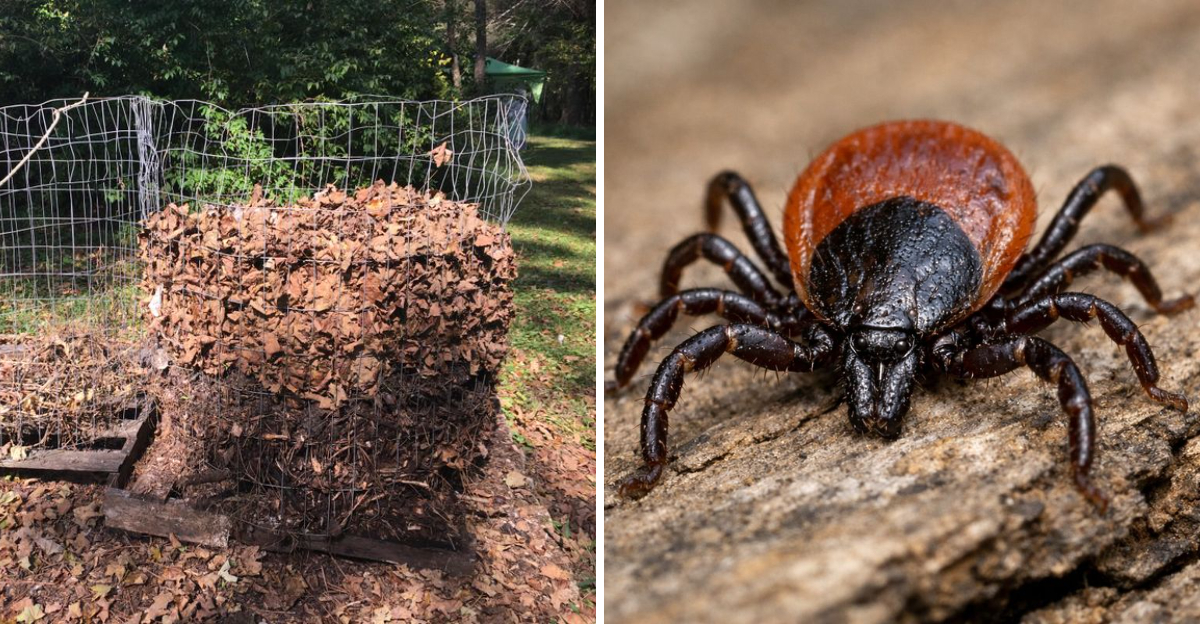
Something is thriving in your backyard, and it has nothing to do with your tomatoes.
Ticks in Ohio have been expanding their range and their numbers, and some of the most well-meaning yard habits are quietly rolling out the welcome mat for them.
You might be composting responsibly, raking faithfully, and stacking wood neatly, yet small details about where and how you do these things could be turning your yard edge into prime tick territory.
The Ohio Department of Health and Ohio State University Extension have both flagged how moisture, shade, leaf litter, and wildlife traffic create the exact conditions ticks need to survive and find a host.
The habits covered here are not about scaring you away from gardening.
They are about helping you see your yard through a tick’s eyes so you can make a few smart shifts that protect your family, your pets, and your neighbors without giving up the garden you love.
1. Leaf Piles Sit Too Close To Paths
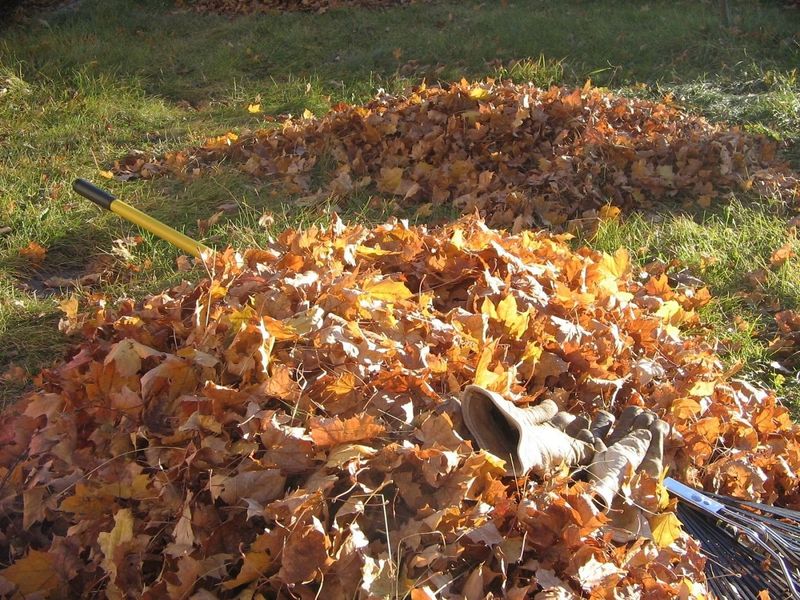
A crisp October afternoon in central Ohio, a mountain of maple leaves off the lawn, and you push the pile to the nearest edge, maybe two feet from the path where your kids cut through to the swings.
It feels tidy. It is not.
Damp leaf piles are one of the most documented tick-friendly habitats. Ticks cannot generate their own body heat, so they depend on the warmth and humidity trapped inside a decomposing leaf mass.
A pile sitting close to a well-traveled path puts ticks within easy questing range of passing legs, ankles, and pets.
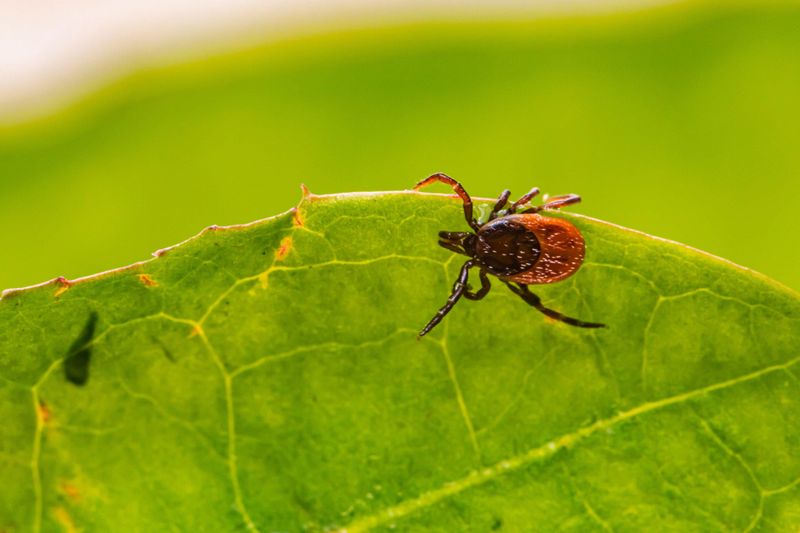
Questing is the behavior where a tick climbs a blade of grass or a leaf edge and stretches its front legs out, waiting for a host to brush by.
A leaf pile parked near a path is basically a tick launching pad aimed right at foot traffic.
Keeping a clear, dry buffer of at least three feet between any leaf accumulation and areas where people walk regularly makes a measurable difference in tick exposure risk.
Mowing short grass along that buffer removes the questing perch ticks need.
Bagging or hot-composting leaves rather than letting them sit in open piles also speeds up breakdown and reduces the damp, layered environment ticks prefer.
Moving the pile even ten feet farther from the path is worth doing before the next raking session.
2. Brush Stacks Create Humid Shelter
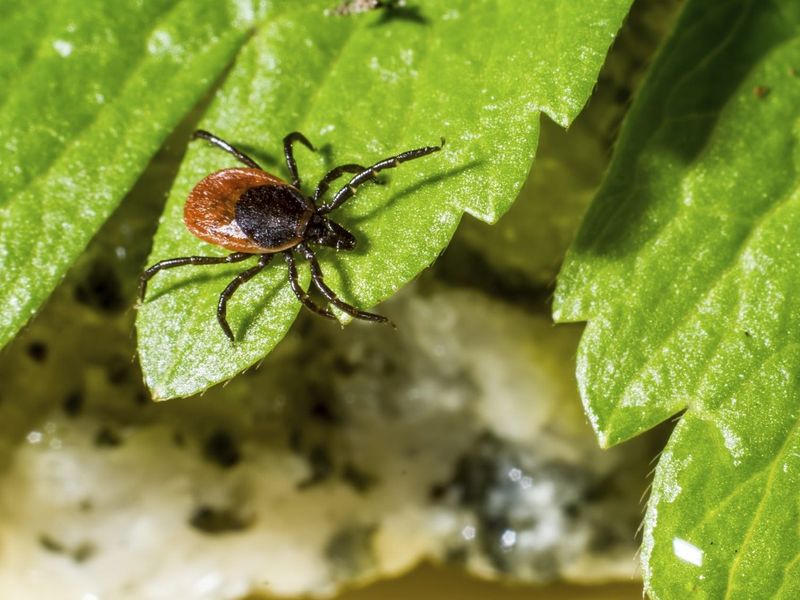
After pruning season, many Ohio gardeners end up with a corner piled high with branches, twigs, and tangled stems.
It looks like responsible cleanup. From a tick’s perspective, it looks like a five-star resort.
Dense brush stacks trap moisture between layers of wood and leaf debris. That humidity stays elevated even on dry days because sunlight rarely penetrates a tightly packed pile.
The Ohio Department of Health notes that shaded, moist debris zones are among the most reliable tick habitats in residential yards.
Small mammals make the situation worse.
Mice, shrews, and chipmunks love brush piles for the exact same reason ticks do. These animals are primary reservoir hosts for Lyme-causing bacteria, meaning ticks that feed on them pick up the pathogen and carry it forward.
Your Ohio Garden Changes Every Week. Your Plan Should Too.
Gardening in Ohio changes quickly throughout the season. Every Friday you’ll receive a simple weekly plan showing exactly what to plant, prune, fertilize, harvest, and protect so you never miss the right timing.
A brush stack near your patio is not just a tick shelter. It is a tick feeding station with a side of pathogen transfer.
Breaking brush into smaller pieces and sending it through a chipper, or bagging it for municipal yard waste pickup, removes the habitat entirely.
If you prefer to keep a brush pile for wildlife habitat, placing it at least 30 feet from the home and any regular activity areas significantly reduces the risk.
Keeping it in full sun also reduces the moisture retention that makes it attractive.
Tidy edges around the pile matter just as much as the pile itself.
3. Open Compost Attracts Small Animals
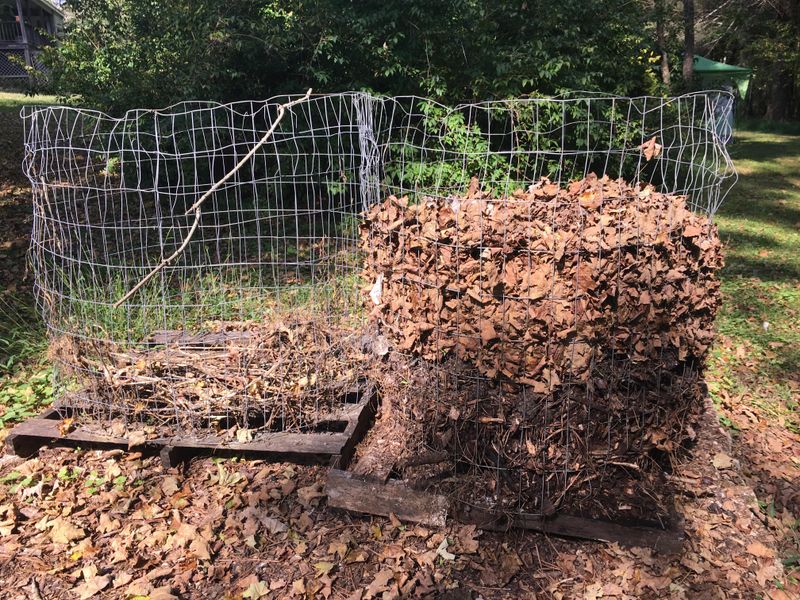
An open compost pile loaded with kitchen scraps sends a dinner invitation to every mouse, vole, raccoon, and opossum in the neighborhood.
That wildlife traffic is a bigger tick problem than most gardeners ever connect to their compost habits.
Rodents, especially white-footed mice, are the primary reservoir hosts for the bacteria that causes Lyme disease.
When larval ticks feed on an infected mouse, they pick up the bacteria. When those ticks later feed on a human or pet, the bacteria can transfer.
The more rodents visiting your compost area, the more opportunities ticks have to complete that cycle right in your yard.
Using a covered, enclosed bin for any compost that includes food scraps is one of the most effective changes you can make.
Turning the pile regularly, keeping it moist but not soaking wet, and burying fresh food scraps under carbon-rich material like dry leaves all reduce odor and animal attraction.
A well-managed hot compost pile that reaches internal temperatures between 130 and 150 degrees Fahrenheit breaks down material faster and is far less appealing to wildlife.
Placing the bin on a hardware cloth base prevents burrowing from below.
Keeping the area around the bin mowed short removes the grass cover rodents use to approach undetected.
Even simple habits like not tossing raw meat or dairy into open piles cut down on the scent signals that draw animals in.
4. Dumped Leaves Build Tick Edges
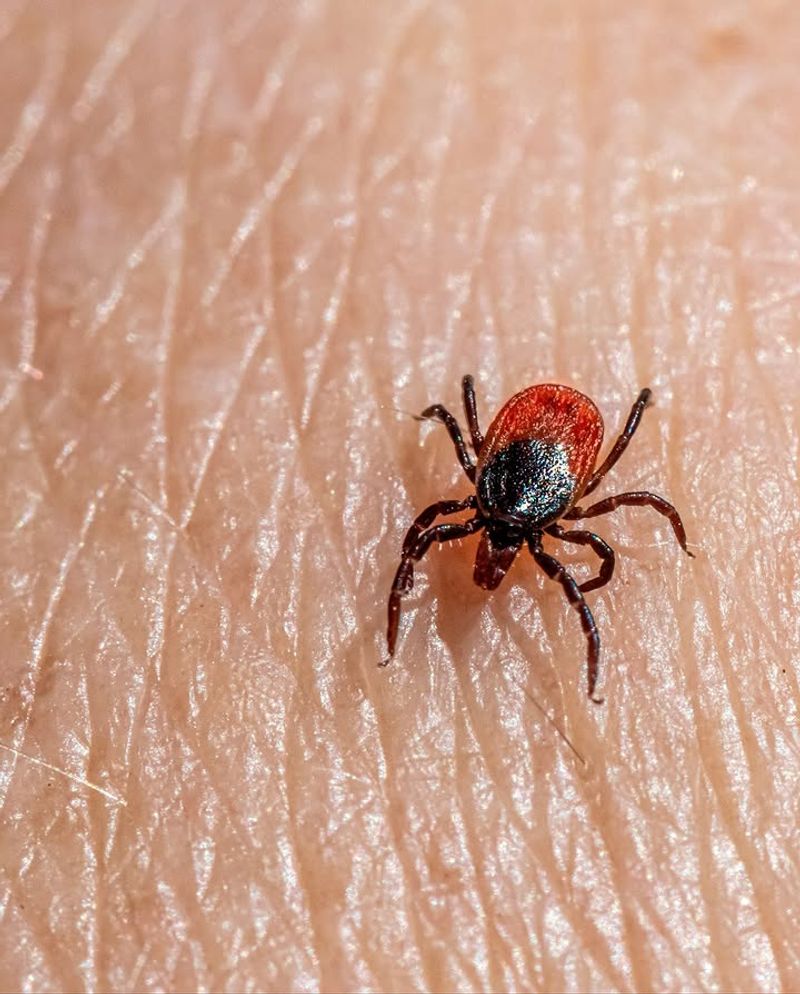
Pushing leaves to the back fence line feels like a practical solution.
You clear the lawn, the leaves disappear from sight, and cleanup is done in under an hour. But that fence line or woods edge is exactly where tick populations are already highest.
Ohio State University Extension describes the transition zone between a mowed lawn and wooded or brushy areas as the highest-risk tick zone in a residential yard.
Blacklegged ticks prefer to stay in shaded, humid areas and rarely venture into sunny, short grass.
When you pile leaves directly against that wooded edge, you are extending the tick habitat toward your living space rather than keeping a clear boundary between them.
That leaf mass stays damp longer than you might expect.
Decomposition generates heat and moisture from within, and the canopy above the fence line blocks sunlight that would otherwise dry things out.
Mice and deer, both key tick hosts in Ohio, move along these edges regularly. A fresh leaf dump gives them cover and encourages them to linger.
A better approach is to mulch leaves finely with a mower and let them break down in place on the lawn, where they feed the soil without building up a thick damp layer.
Maintaining a clear, dry, mowed buffer of at least three feet between any leaf accumulation and your yard’s wooded border is one of the most effective tick-reduction steps Ohio Extension recommends.
5. Tall Grass Grows Around The Pile
Compost piles get a lot of attention for what goes inside them.
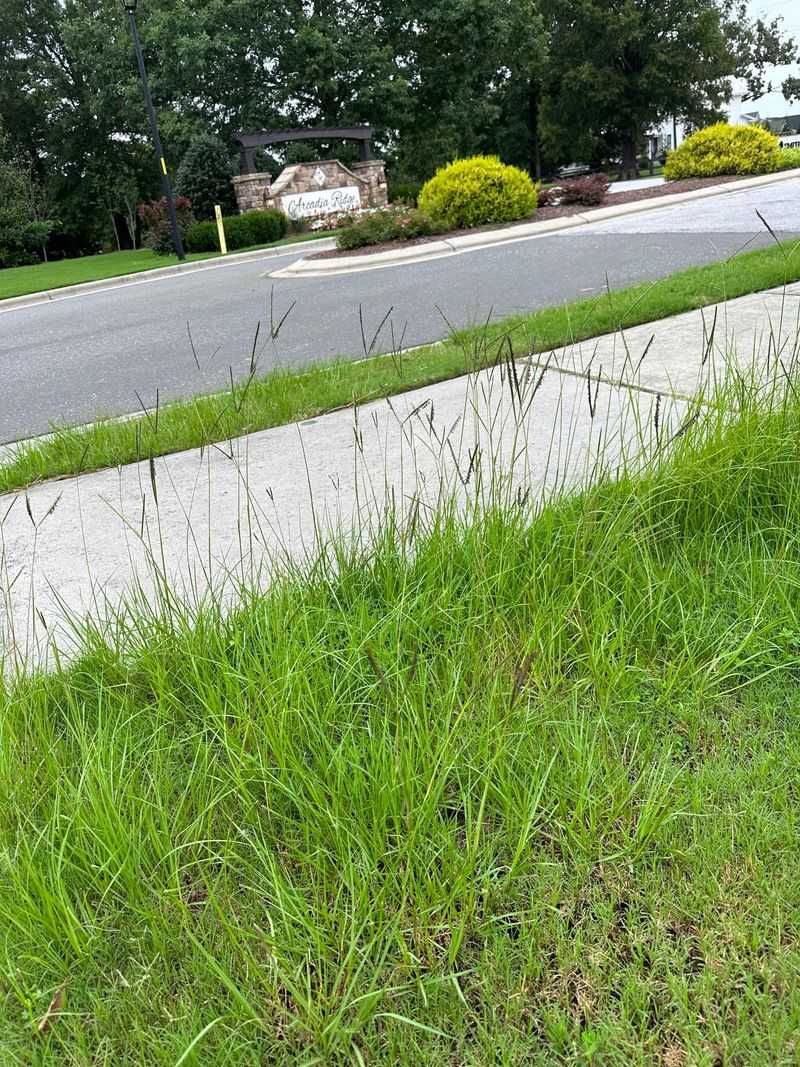
The ground around them almost never does. That neglected ring of tall grass and weeds creeping up around the base of a compost area is prime questing territory for ticks looking for their next host.
Blacklegged ticks in Ohio are most active during spring and fall, but they can remain active on mild winter days above 35 degrees Fahrenheit.
They position themselves on tall vegetation at the edge of shaded or humid zones, which is exactly what overgrown grass around a compost pile provides.
An Ohio Department of Health fact sheet on tick prevention specifically calls out tall grass and weedy borders as high-risk zones that homeowners can control.
Mowing a clear, short border around your compost area removes the vertical structure ticks use to quest.
Keeping grass below four inches in a three-foot radius around any compost or yard waste zone is a simple and effective barrier.
Some gardeners lay wood chip mulch or gravel around their bins, which dries faster than grass and offers fewer hiding spots for ticks or rodents.
Weeds like pokeweed, burdock, and goldenrod that grow tall near compost areas also attract seed-eating birds and small mammals, which in turn carry ticks.
Pulling or cutting those plants regularly as part of your compost maintenance routine keeps the entire zone tidier and far less inviting to the tiny hitchhikers you never want to bring inside.
6. Wood Piles Stay Beside Patios
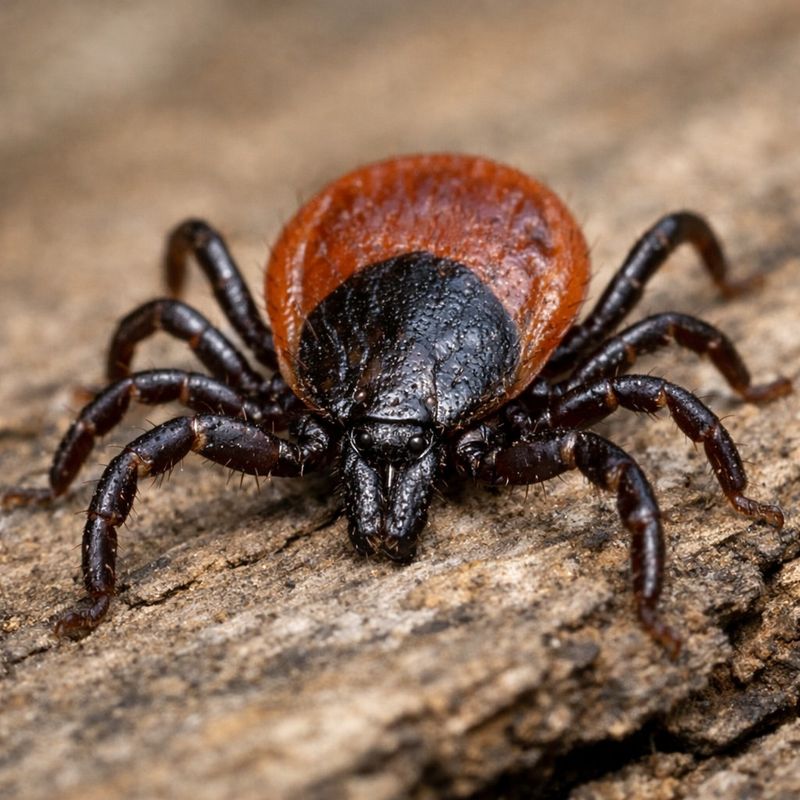
Firewood stacked right next to the patio is a convenience most Ohio homeowners never question.
You grab a few logs on your way to the fire pit, the pile is handy, and it looks rustic next to the garden bed.
What it also does is create one of the most tick-friendly structures you can place near a living space.
Stacked wood holds moisture between the logs, stays shaded from the surrounding structure, and offers tight gaps that are perfect for overwintering insects and small mammals.
Mice especially love wood piles, and mice are the primary tick host in Ohio’s residential landscape. A wood stack beside your patio is essentially a mouse hotel positioned right where your family relaxes.
Storing firewood off the ground on a rack, in full sun if possible, and away from the house by at least 20 feet checks nearly every tick-reduction box.
Elevating the stack on a metal rack removes the ground contact that allows moisture to wick upward and keeps rodents from nesting underneath.
Sun exposure dries out the wood faster and makes the environment less hospitable for the creatures ticks depend on.
Covering the top of the stack with a tarp while leaving the sides open allows airflow while blocking rain.
Rotating your wood supply so older logs are used first prevents long-term accumulation that encourages nesting.
Moving the pile even a short distance from your sitting area is one of the easiest risk-reduction steps you can take this season.
7. Shady Waste Corners Stay Damp
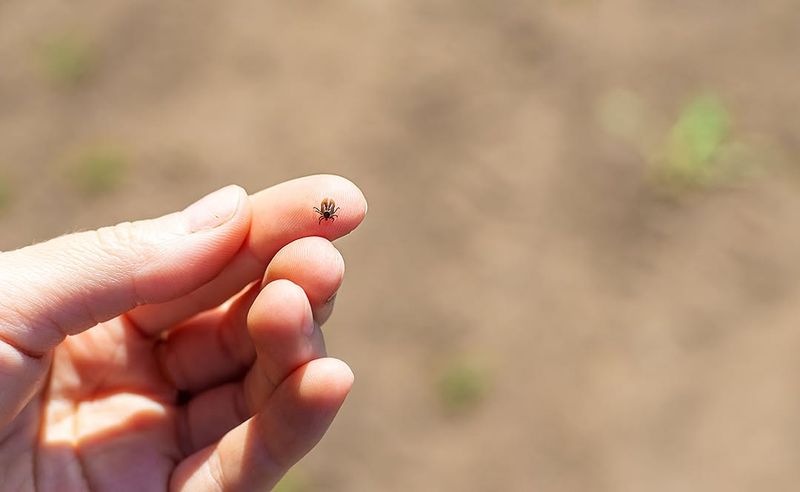
Almost every yard has that corner.
The one behind the shed, tucked under the old oak, where bagged grass clippings pile up between pickup days and forgotten garden pots sit on perpetually wet ground.
Out of sight tends to mean out of mind, and that is exactly how shady waste corners become tick hot spots.
Shade reduces evaporation dramatically.
A debris corner that gets two hours of direct sun per day stays significantly wetter than an open area, and that moisture is what ticks need to survive. The blacklegged tick is particularly sensitive to desiccation, meaning it loses body moisture quickly in dry conditions and seeks out humid microhabitats to stay viable.
Old tarps, stacked pots, and bagged waste also create harborage for the rodents and ground-dwelling birds that carry ticks.
A corner that seems inactive to you may be buzzing with small mammal traffic after dark.
Reducing clutter and debris accumulation in shaded areas is one of the most straightforward ways to cut tick habitat in a home landscape.
Scheduling regular waste removal so bags do not sit longer than a week helps.
Raking debris away from the base of fences and sheds removes the leaf litter layer ticks hide in.
Even trimming low-hanging branches to let more sunlight reach a shaded corner can shift the moisture balance enough to make the space less tick-friendly over time.
8. Clean Compost Zones Reduce Risk
Good news lives at the end of this list.
Smart compost habits do not just benefit your soil. They also make your yard measurably safer for the people and pets who use it every day.
A covered, enclosed compost bin placed in a sunny, open area checks nearly every box on the tick-reduction checklist.
Sunlight keeps the surrounding ground dry. A secure lid blocks wildlife access. Mowed short grass around the bin removes questing perches. A gravel or wood chip border dries faster than bare soil and discourages rodent burrowing.
Placement matters more than most gardeners realize.
Positioning your bin at least 30 feet from the home, away from fence lines and wooded edges, puts it where tick populations are lower and wildlife traffic is less concentrated near your living space.
Pairing that distance with regular turning, proper carbon-to-nitrogen balance, and buried food scraps produces a hot, fast-working pile that is genuinely unattractive to pests.
Doing a quick perimeter check when you tend the pile, looking for gaps in mowing, new debris accumulation, or signs of animal digging, keeps small problems from becoming bigger tick habitats over time.
Ohio gardeners who treat their compost zone as a managed space rather than a dumping spot find that the same habits that build great compost also build a yard where ticks have far fewer places to thrive.
The one rule worth keeping: place your compost bin in full sun, away from edges, with a mowed buffer all around.
That single choice does more for tick prevention than almost anything else in this list.