The Strange Clicking Insect In Texas Garden Soil Is Not What Most Homeowners Think
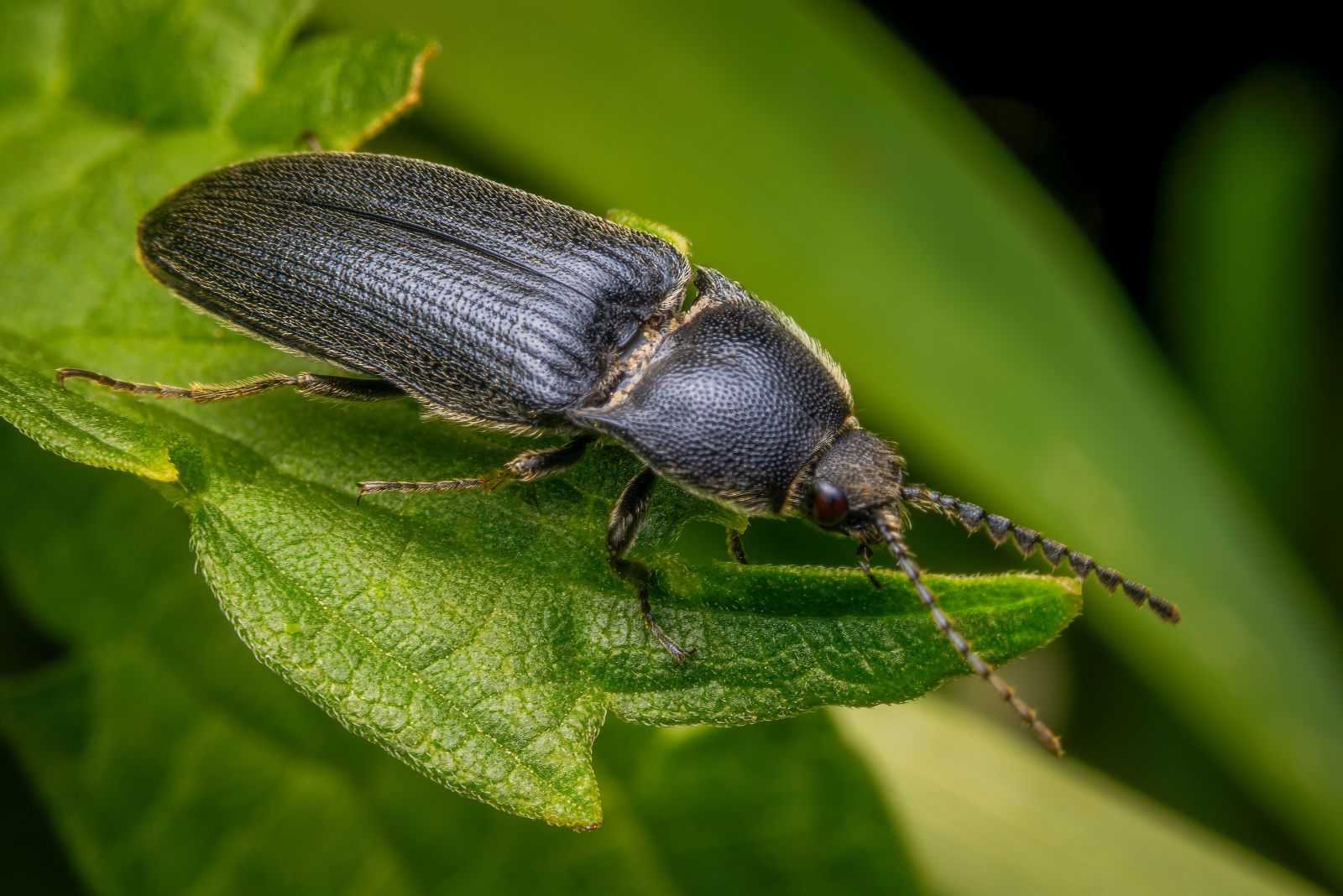
You’re working in your Texas garden, turning over some soil, and you hear it. A sharp, dry click coming from somewhere in the dirt.
You look down and there it is, a small insect that, when disturbed, snaps itself into the air with an audible pop and lands a few inches away, right itself, and prepares to do it again.
Most Texas homeowners who encounter this for the first time aren’t quite sure what to make of it. And most of them assume the worst.
The clicking insect in your Texas garden soil has a reputation that isn’t entirely fair, and whether it deserves your concern depends almost entirely on which stage of its life cycle you’re encountering.
The adult and the larva tell very different stories, and knowing which one you’re dealing with changes everything about how you should respond.
One is essentially harmless. The other can cause real problems in a vegetable garden if populations are high enough.
Here’s what the clicking insect in your Texas garden actually is, which stage to watch for, and what you really need to know.
The Insect Is A Click Beetle
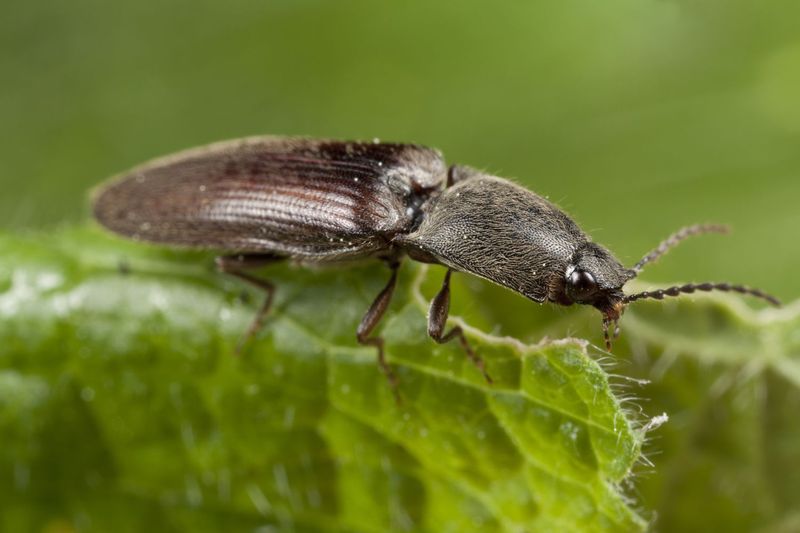
Flip one over and watch what happens. A click beetle will snap its body into the air with a sharp pop that can startle even the most experienced gardener.
These beetles belong to the insect family Elateridae, a large group found across North America and especially common throughout Texas.
Click beetles are elongated insects, usually measuring between half an inch and one and a half inches long. Most species are brown or black, though some have interesting patterns or slight color variations.
You might spot them beneath mulch, inside rotting logs, or emerging from loose garden soil after a rainfall.
Many homeowners mistake them for crickets because of the sound they make. Crickets, however, produce their noise by rubbing body parts together and are much rounder in shape.
Click beetles have a flatter, more streamlined look with a hard outer shell and a distinctly segmented body that sets them apart from other garden insects.
Texas is home to dozens of click beetle species, so the size and color of the one you find can vary quite a bit depending on your region. Some species are tiny and easy to overlook, while others are large enough to be genuinely surprising when they snap and jump.
Regardless of size, the clicking behavior is the clearest sign that you have found a member of the Elateridae family.
Knowing what kind of insect you are dealing with is the first and most important step. Misidentifying a click beetle as something harmful can lead to unnecessary worry or unneeded treatments that your garden simply does not need.
The Click Is A Mechanical Escape Trick
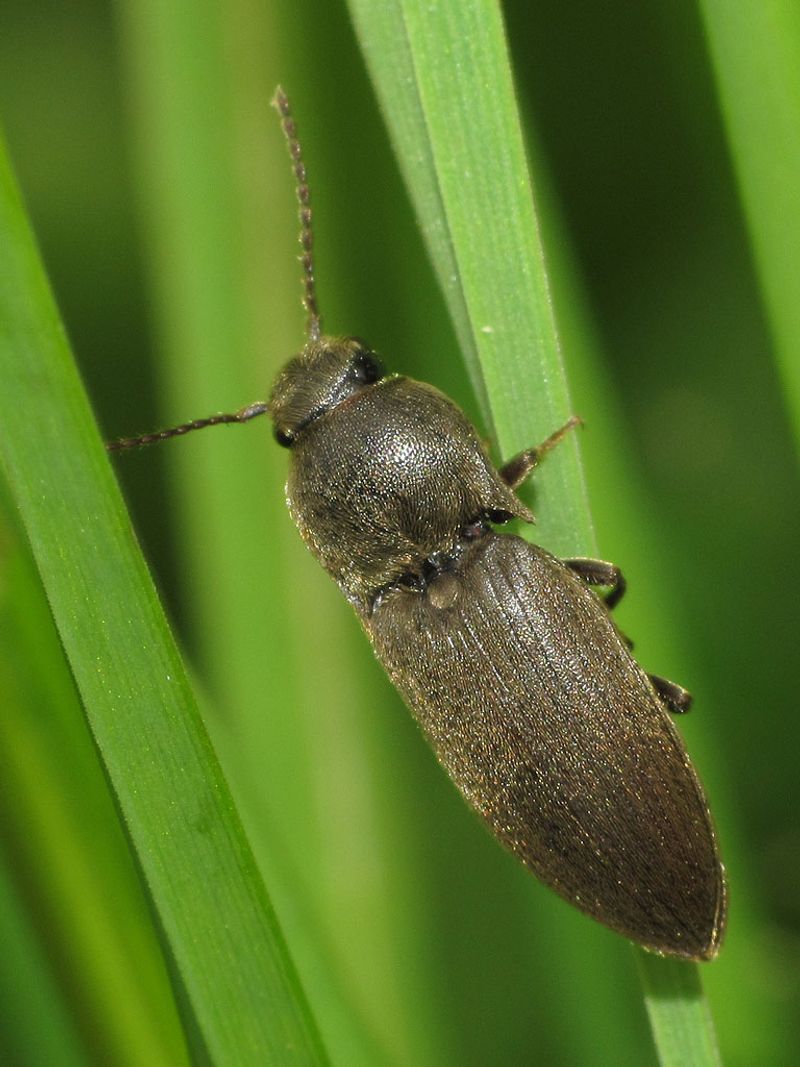
Imagine having a built-in spring loaded into your chest that you could use whenever danger came near. That is essentially what a click beetle has, and it is one of the most clever survival tools found in the insect world.
Your Texas Garden Changes Every Week. Your Plan Should Too.
Gardening in Texas changes quickly throughout the season. Every Friday you’ll receive a simple weekly plan showing exactly what to plant, prune, fertilize, harvest, and protect so you never miss the right timing.
Unlike crickets or grasshoppers, click beetles do not produce sound by rubbing their wings or legs together.
Instead, a special flexible joint located between two sections of the thorax allows the beetle to bend and then release its body with tremendous force. The result is a loud snap and a sudden launch into the air.
When a click beetle lands on its back, this mechanism helps it flip upright again without using its legs. It arches its body downward, builds tension in the joint, and then releases that tension in a fraction of a second.
The snap is powerful enough to send the beetle several inches into the air, sometimes higher depending on the species.
Predators are often startled by the sudden movement and noise, giving the beetle just enough time to escape or land in a safer position.
The clicking action can also be triggered simply by picking the beetle up or disturbing it unexpectedly. If you have ever held one in your hand, you probably felt that sharp snap right away.
Scientists have studied this mechanism closely because it is remarkably efficient. The energy is stored slowly and released almost instantly, producing force far beyond what the beetle’s muscles alone could generate.
It is a reminder that some of the most fascinating engineering in nature comes in very small packages.
Why Click Beetles Appear Around Garden Soil
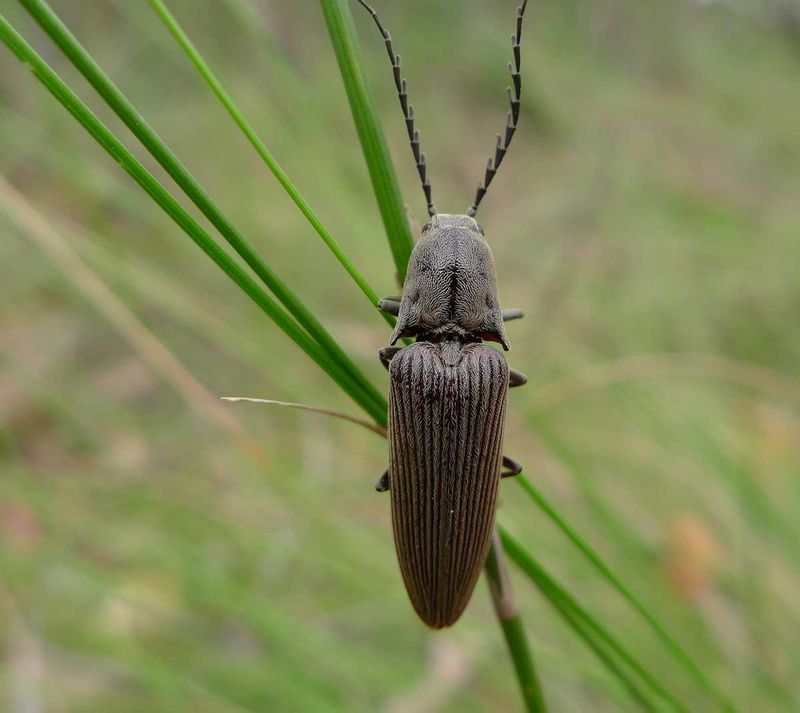
Seeing a click beetle near your garden beds is not random. These insects have a strong connection to soil, and their life cycle explains exactly why they keep showing up in the same spots year after year.
Adult click beetles often overwinter underground, burrowing into soil to wait out colder months. When temperatures warm up in spring, they begin emerging, which is usually when homeowners first notice them.
Texas winters are mild enough that beetles may become active earlier in the year than in northern states.
Female click beetles of many species actively seek out garden soil to lay their eggs. They prefer loose, moist soil near plant roots, which gives their larvae the best possible environment to develop.
Once the eggs hatch, the young larvae burrow deeper and begin feeding, staying hidden beneath the surface for an extended period.
Gardens offer a combination of conditions that click beetles find attractive. Mulched beds retain moisture and warmth.
Soil near vegetable plants or flower beds tends to be loose and well-aerated, making it easier for beetles to move around underground. Organic matter like compost or decaying wood nearby can also draw them in.
If you are regularly turning up click beetles while gardening, it likely means the area has provided good habitat for at least one full generation of these insects.
That is not automatically a problem, but it is worth paying attention to, especially if you are growing root vegetables or starting seeds in the same location.
Tracking where the beetles appear most often can give you useful clues about where larvae may also be present below the surface.
Their Soil-Dwelling Larvae Are Called Wireworms
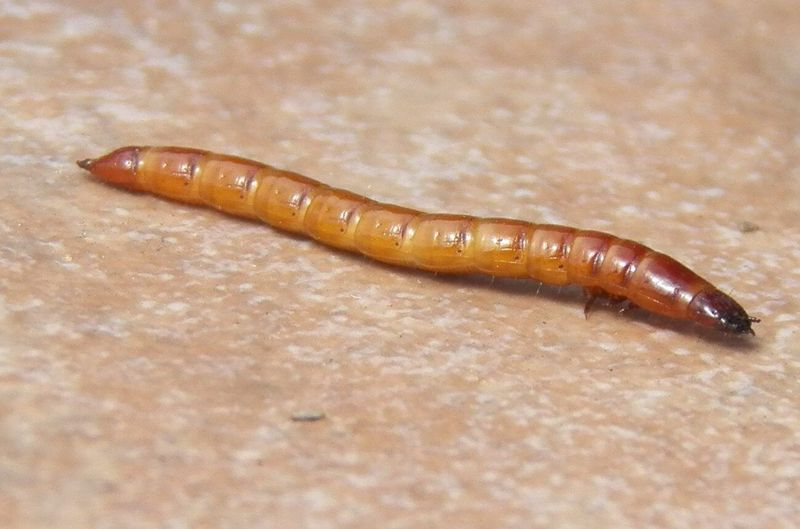
Most people who have gardened for a while have heard the word wireworm, but not everyone knows exactly what it refers to. Wireworms are the larval stage of click beetles, and they spend most of their lives completely hidden beneath the soil surface.
These larvae have slender, cylindrical bodies that are tough and somewhat rigid to the touch. Their color ranges from pale yellow to a deeper reddish-brown depending on the species and how far along they are in development.
Unlike soft-bodied caterpillars or pale grub worms, wireworms have a firm outer skin that gives them a wiry, almost wire-like feel, which is exactly how they got their name.
Look closely and you will notice three pairs of small legs located just behind the head. The rest of the body is smooth and segmented, tapering slightly toward the tail end.
Their rigid build helps them push through compacted soil more efficiently than softer larvae could manage.
Development time varies quite a bit between species. Some wireworms complete their larval stage in just a few months, while others remain underground for two, three, or even four or more years before pupating.
During that time, they go through multiple growth stages called instars, gradually increasing in size with each one.
Before becoming adult beetles, wireworms form a pupal chamber in the soil where they undergo their final transformation.
This underground phase makes them very difficult to detect until either the adult emerges or a gardener accidentally uncovers one while digging. Finding a wireworm in your soil does not automatically mean serious trouble is on the way.
Some Wireworms Can Damage Garden Plants
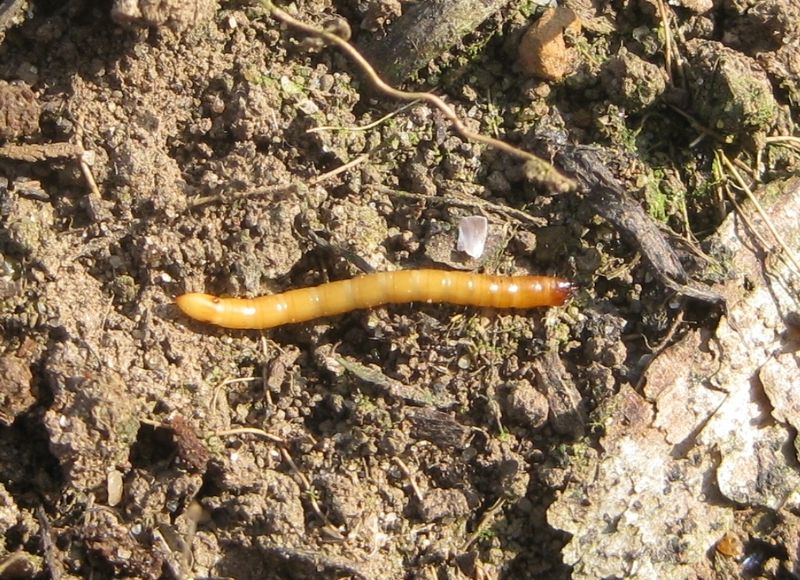
Not every wireworm you find is a threat to your garden, but some species certainly can cause real problems, especially if they are present in large numbers during a vulnerable time in your planting season.
Plant-feeding wireworm species tend to target germinating seeds and young seedlings first. They tunnel into seeds before they even have a chance to sprout, or they chew through the tender roots of newly emerged plants.
Carrots, potatoes, corn, and onions are among the vegetables most commonly reported as targets in Texas home gardens.
Warning signs are not always obvious right away. You might notice patches of poor germination where seeds simply never come up.
Seedlings may appear stunted, turn yellow, or collapse at the soil line for no clear reason. Root vegetables harvested at the end of the season may show small holes or tunnels running through them.
Damage tends to be most serious during the early weeks after planting, when plants have not yet developed strong enough root systems to tolerate feeding pressure.
Once plants are established and growing vigorously, they can often handle minor wireworm activity without major setbacks.
It is worth remembering that not all wireworm species feed on plants. Some are predatory and actually consume other insects and larvae in the soil.
Others have mixed diets and may feed on decaying organic matter as much as on living roots. Seeing a wireworm does not automatically confirm that it is responsible for any plant problems you are experiencing.
Proper identification before taking action is always the smarter approach, and it can save you time, money, and unnecessary effort in your garden.
Confirm The Insect Before Attempting Control
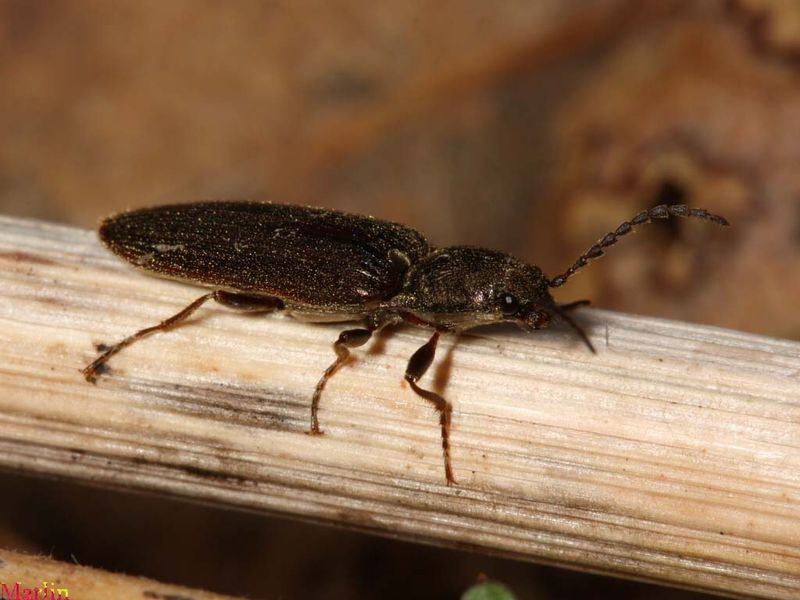
Finding one adult click beetle in your garden does not mean your plants are in danger. A single beetle flipping around in the soil is more of a curiosity than a cause for alarm, and reacting too quickly can sometimes do more harm than good.
Before reaching for any kind of treatment, take time to look more carefully at what is actually happening in your garden. Check struggling seedlings by gently pulling them from the soil and examining the roots.
Look for tunneling, chewed tissue, or larvae present in the surrounding dirt. Healthy roots with no visible damage suggest something other than wireworms may be responsible for any plant issues.
Accurate identification really matters here. Wireworms are sometimes confused with millipedes, small centipedes, or even the larvae of other beetle species.
Each of those insects behaves differently and may require a completely different response. Getting the identification right saves you from applying treatments that are not suited to the actual problem.
If you find multiple larvae alongside unexplained plant loss, reaching out to a Texas A&M AgriLife Extension agent is a practical and reliable option.
These specialists can help confirm the insect species and recommend approaches that are appropriate for your specific situation and garden type.
One useful field trick worth knowing: a click beetle will produce a single sharp snap when disturbed. A mole cricket, on the other hand, makes a repeated trilling sound that comes from a burrow at night.
That difference alone can help you rule out one of the most commonly misidentified garden insects in Texas. Slow down, observe carefully, and identify before acting. Your garden will thank you for it.